TEHRAN — Iran is actively preparing for a resumption of hostilities with the United States and Israel while simultaneously seeking to dictate the terms of any ceasefire, according to an assessment published by the Institute for the Study of War on May 13, 2026. The assessment described Iranian leaders as perceiving they hold “the upper hand” in the conflict — and the same day’s intelligence reporting from the New York Times on restored Iranian missile capacity gave the claim concrete weight.
The ISW finding challenges the core assumption behind American coercive strategy since the April 13 naval blockade: that sustained pressure will compel Iranian concessions. A confidential CIA analysis delivered to administration policymakers and reported by the Washington Post on May 7 concluded Iran can survive the blockade for 90 to 120 days — and possibly longer if Tehran routes oil via overland convoys through Central Asia. If Iran’s leadership has already priced in the economic pain and concluded it will prevail, the United States is applying leverage against an adversary that does not believe it is losing.
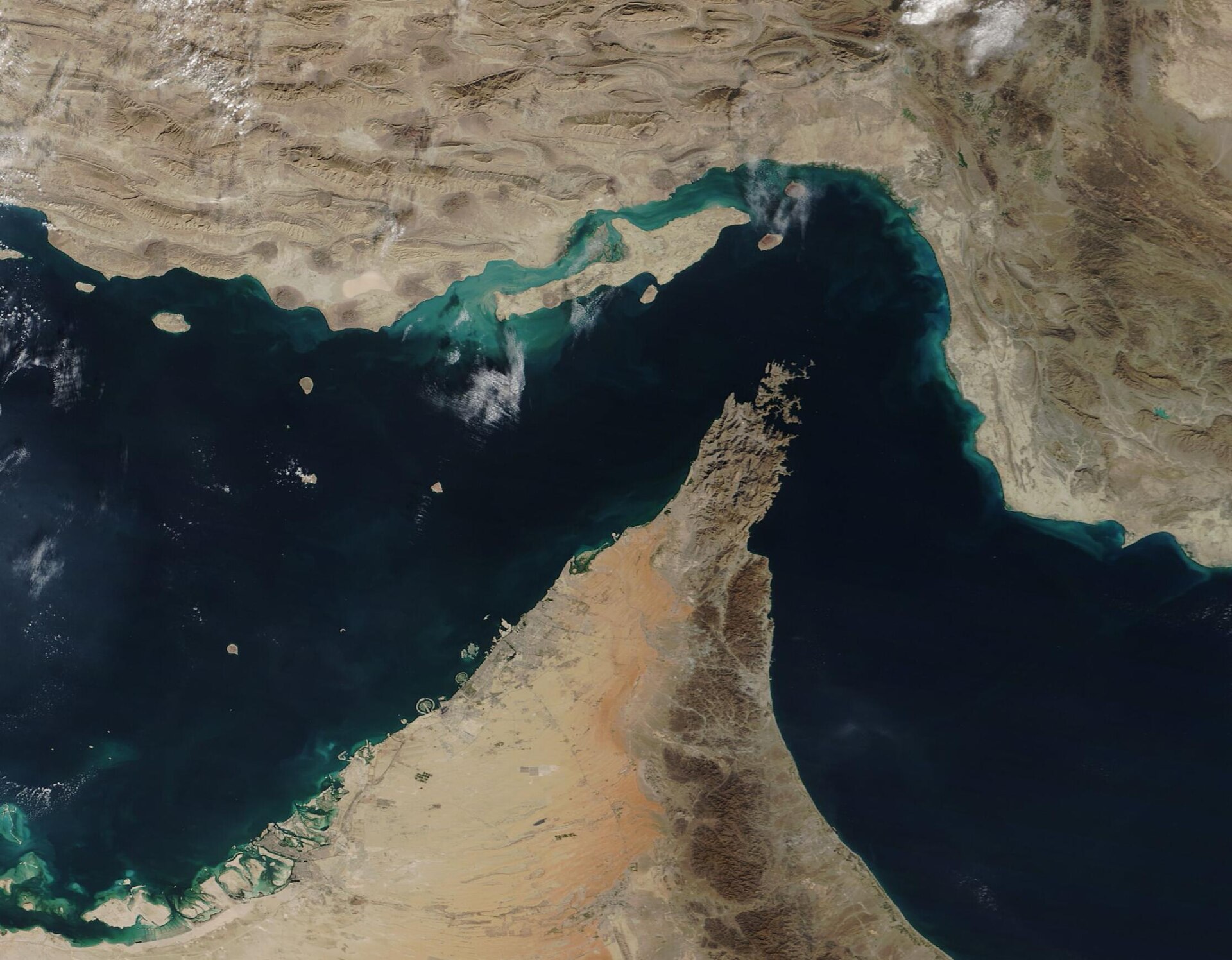
Table of Contents
What Does ISW Mean by Iran’s “Upper Hand”?
ISW’s Critical Threats Project stated on May 11, 2026: “Iranian leaders are trying to dictate the terms for ending the war, which illustrates that the Iranian regime perceives that it has the upper hand in the conflict at this time.” The assessment specified that Iran’s proposed terms “would require the United States to give up its leverage over Iran before any negotiations could take place, which would likely make it more challenging to extract nuclear concessions from Iran.”
The “upper hand” assessment rests on perception, not objective conditions. Iran’s material losses are staggering. Oil exports have collapsed 94 percent — from approximately 1.7 million barrels per day prewar to roughly 100,000 bpd, according to CNBC and Fortune reporting from April and May 2026. Iranian officials have estimated total war damage at $270 billion, roughly 60 percent of annual GDP. Internal government assessments have warned President Masoud Pezeshkian that reconstruction could take more than a decade.
Yet ISW’s point is not that Iran is winning by conventional metrics. It is that Iran believes it has found a form of leverage — control of the Strait of Hormuz — that American military power cannot neutralize through bombing alone. IRGC Armed Forces Spokesperson Brigadier General Abolfazl Shekarchi told PressTV on May 10: “The initiative remains in the hands of the armed forces of the Islamic Republic of Iran, and the combat capabilities of Iran’s fighters are at a very high level.”
Ali Akbar Velayati, a senior advisor to the supreme leader, was blunter. “We defeated you on the ‘battlefield’; so never think that you will emerge victorious in diplomacy as well,” he told Tasnim News Agency in May 2026. The statement was aimed at a domestic audience — justifying continued IRGC control over the negotiating team — but it reveals how the regime wants to be perceived internally: as a power negotiating from strength, not desperation.
The Middle East briefing 3,000+ readers start their day with.
One email. Every weekday morning. Free.
The 30 of 33 Problem
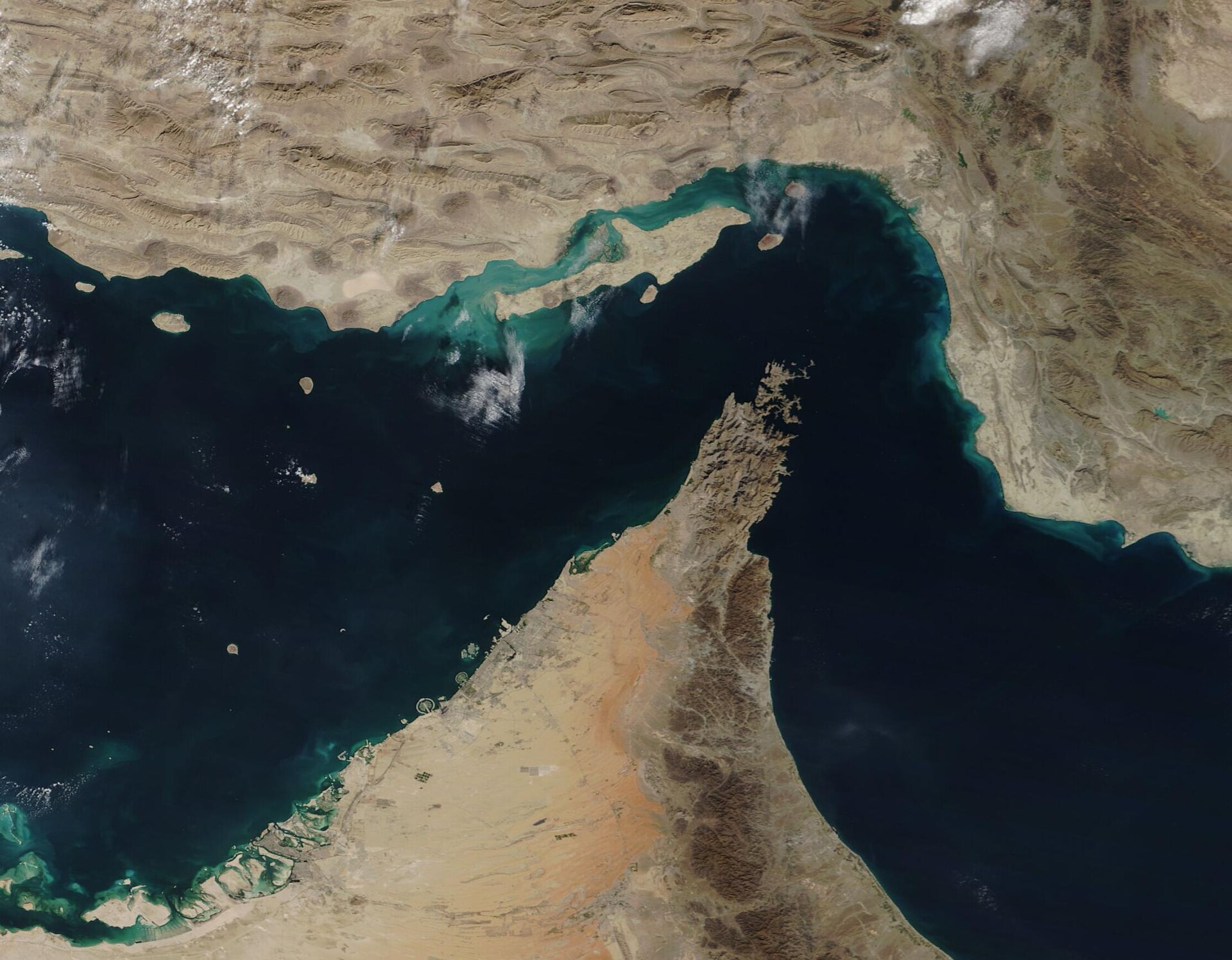
US intelligence assessments reported by the New York Times and cited in the Times of Israel on May 13 found that Iran has restored operational access to 30 of 33 missile sites it maintains along the Strait of Hormuz. Mobile launchers inside those sites can be repositioned; only three sites remain completely inaccessible.
This figure is the most concrete single data point supporting ISW’s assessment. It means the two-month air campaign that degraded Iran’s coastal missile infrastructure has been largely reversed during the ceasefire period. The IRGC drew a specific lesson from the June 2025 12-Day War: hardened, dispersed, mobile assets survive; fixed surface infrastructure does not. The 2026 campaign confirmed it. Iran absorbed the strikes, and then rebuilt.
The CIA assessment reported by the Washington Post on May 7 provided the broader inventory picture. Iran retains approximately 75 percent of its prewar mobile launcher inventory and approximately 70 percent of its prewar missile stockpiles. Combined with the Hormuz site restoration, this means Iran’s ability to threaten maritime traffic through the strait is functionally intact. The structural reason these numbers coexist with CENTCOM’s 85 percent factory-destruction figure — and why Admiral Cooper’s Senate testimony did not technically mislead Congress while still presenting an incomplete picture — is examined in full in Iran Kept 70% of Its Missiles. CENTCOM Told Congress 85% Was Destroyed. Both Are True — and That’s the Problem.
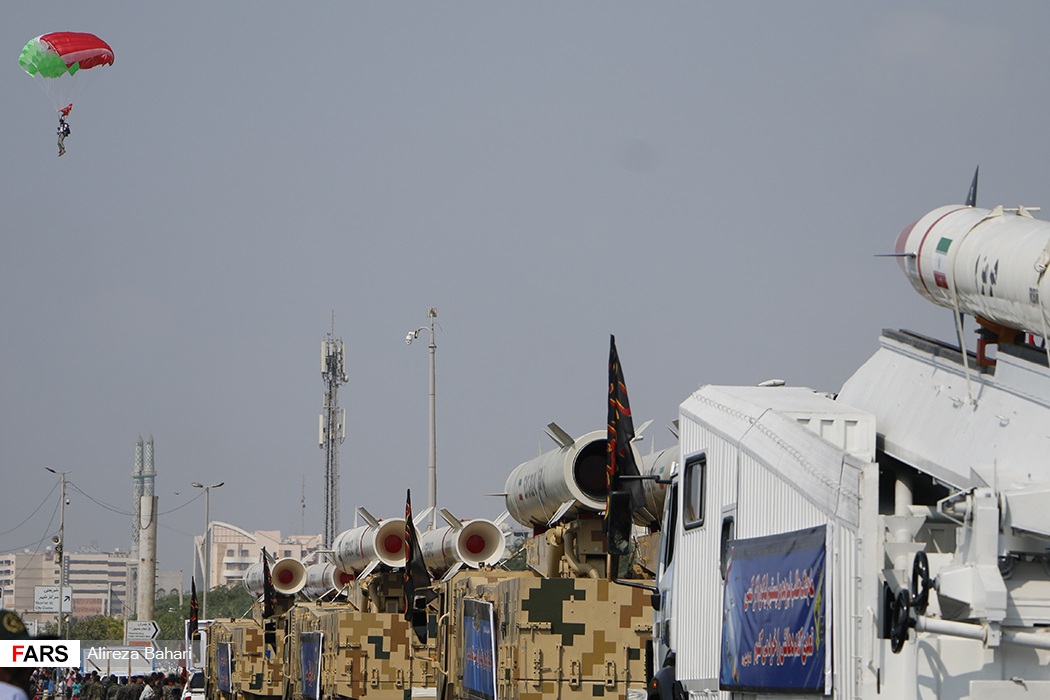
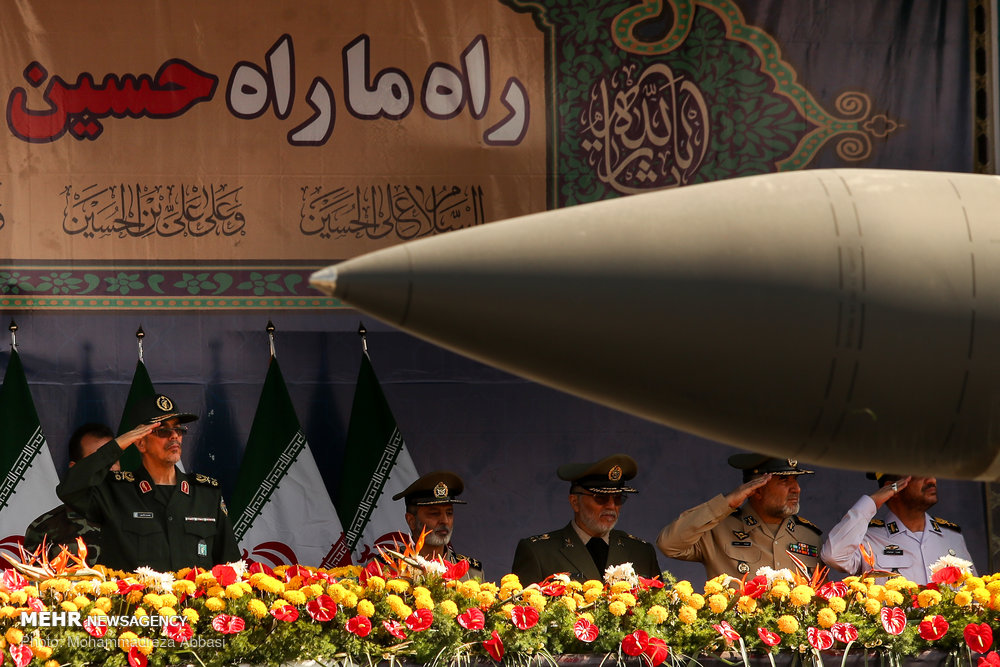
The doctrinal shift is deliberate. Tehran Times headlined the deployment of the Khorramshahr-4 ballistic missile — range 2,000 kilometers, warhead 1,500 kilograms, speed Mach 16 outside the atmosphere — into IRGC underground “missile cities” as Iran “strengthening its offensive posture.” Defence Security Asia and the Jerusalem Post confirmed the deployment between February and May 2026. State media framed it explicitly as “a shift from defensive to offensive doctrine” derived from lessons of the 12-Day War.
ISW separately reported that Iran has pre-positioned 10,000 first-person-view drones with the Artesh Ground Forces — a classic indicator of preparation for conventional defensive operations against potential ground incursions onto Iranian territory. The combination of offensive missile deployment and defensive drone positioning indicates preparation across multiple escalation scenarios.
Why Has the Blockade Failed to Change Iranian Calculus?
The US naval blockade, effective since April 13, was designed to collapse Iran’s remaining economic capacity and force a return to the negotiating table on American terms. The CIA’s own assessment undermines this timeline. Ninety to 120 days of blockade endurance, reported the Washington Post, means Iran does not face acute economic collapse until mid-July at the earliest — and “maybe longer” if overland routes through Central Asia absorb some export volume.
Iran’s 14-point counterproposal, transmitted via Pakistan around May 10, makes the gap explicit. Ghalibaf publicly insisted the proposal is “the only path forward.” Iranian demands include an end to the war on all fronts, lifting of US oil sanctions, lifting the blockade, and unfreezing of assets — all before nuclear talks begin. NPR and CNN reported on May 10-11 that the Trump administration rejected the proposal immediately. Trump called the ceasefire “on massive life support” on May 11 and described Iran’s counterproposal as “TOTALLY UNACCEPTABLE.”
The 2015 JCPOA remains the primary case study for coercive-pressure success. Sanctions contributed to Iranian concessions in 2013-2015 because the domestic coalition that wanted economic relief was broad enough to politically sideline hardliners, and because Iran believed compliance would not trigger regime change. Both conditions are now inverted.
The IRGC has sidelined moderates and taken direct control of the negotiating team. Pezeshkian has zero IRGC command authority under Article 110 of the Iranian constitution. And there is no credible American guarantee against regime change — Trump’s own “nuclear dust” rhetoric has destroyed the ambiguity any deal would require. E-International Relations assessed on April 24, 2026: “An authoritarian regime will almost always choose resistance if it believes that concessions could trigger elite fragmentation, palace coup, or popular uprising.”
The International Institute for Strategic Studies reached a similar conclusion in March 2026: “Iran’s institutional survival instincts and distributed command architecture make coerced capitulation unlikely on a short timeline.” The coercive tool was calibrated to destroy a pre-2026 Iran that derived deterrence from missiles, proxies, and nuclear capability. That Iran no longer exists. The Iran that exists now has re-derived its deterrence from a maritime chokepoint that requires physical clearing, not just bombing.
Hormuz as Replacement Deterrent
ISW’s May 8, 2026 assessment stated the strategic logic explicitly: “Iran appears to seek to use the strait as a future deterrent because its historical pillars of deterrence — including its missile and drone capabilities, proxy network, and air defense systems — have proven unable to deter major US or Israeli attack in June 2025 and Spring 2026.” Iranian leaders, ISW assessed, “may assess that the severe degradation of their traditional forms of deterrence requires Iran to assign greater strategic significance to the strait.”
The institutional embodiment of this shift is the Persian Gulf Strait Authority, launched on May 7, 2026. CNN and PBS NewsHour reported the PGSA requires all transiting vessels to submit ownership, insurance, crew, and cargo data and pay a transit toll of up to $2 million per vessel. Iran framed the authority as “a permanent change in the status of the strait” — not a wartime measure but a fait accompli designed to outlast any ceasefire.
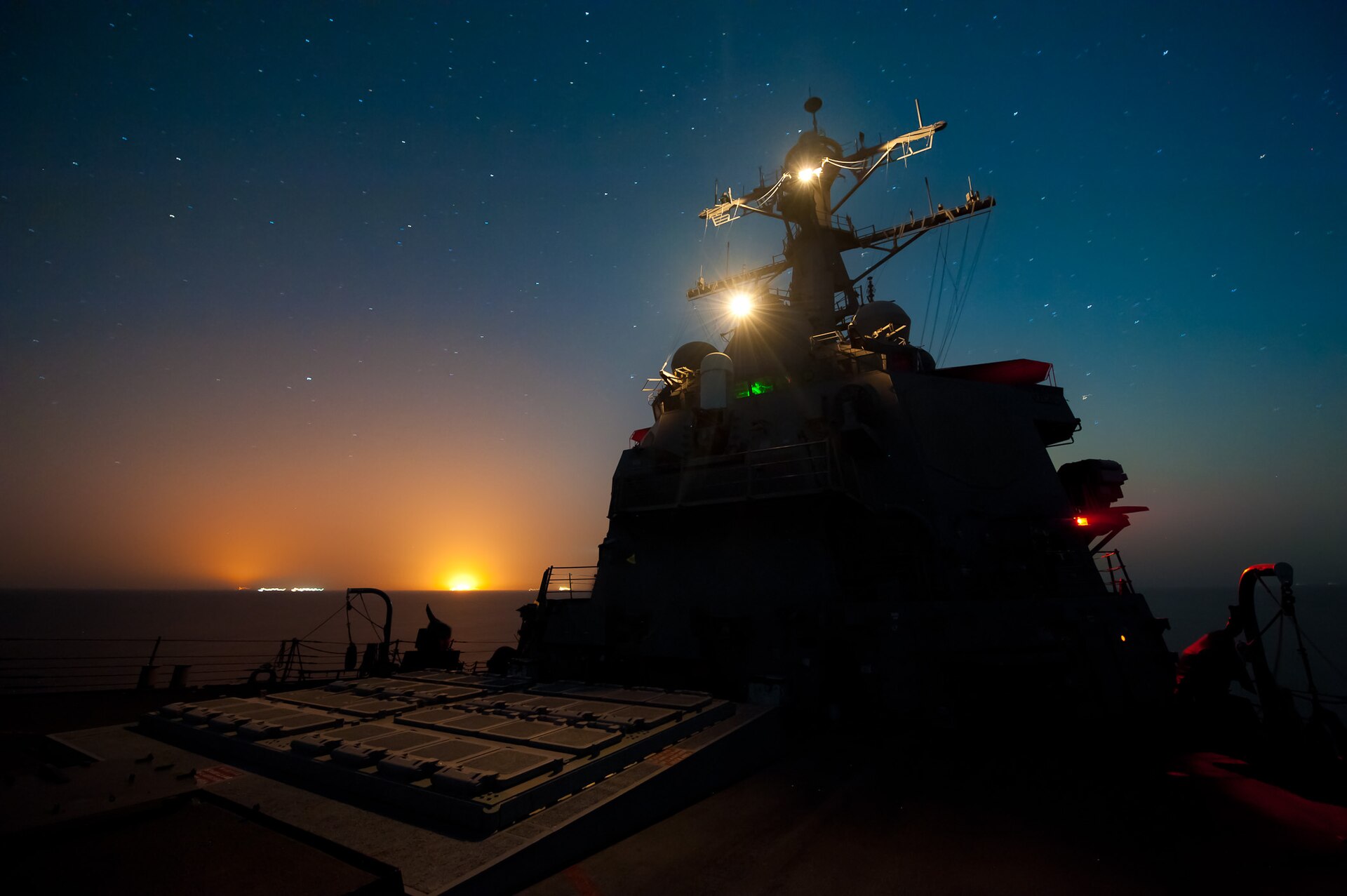
The PGSA builds on Iran’s existing physical control. As House of Saud previously reported, the mine infrastructure Iran laid in the early weeks of the conflict remains in place. The US Navy decommissioned its four Avenger-class mine countermeasure ships from Bahrain in September 2025, leaving only two operational in theater. The 1991 Kuwait benchmark suggests mine clearance of the approximately 200-square-mile area would take roughly 51 days after a deal — meaning even a ceasefire agreement would not restore free transit for nearly two months.
Saudi Arabia has partially insulated itself. Aramco reported Q1 2026 adjusted net income of $33.6 billion, up from $26.6 billion a year earlier, according to CNBC on May 10. The East-West Pipeline has reached its nameplate capacity of 7.0 million bpd, routing Saudi exports through Yanbu on the Red Sea and bypassing Hormuz entirely. But the structural gap remains: pre-war Saudi throughput via Hormuz was 7.0-7.5 million bpd, and the Yanbu terminal loading ceiling of approximately 5.9 million bpd leaves marginal barrels exposed.
For non-Saudi Gulf producers — Kuwait, Qatar, the UAE, Bahrain, Iraq — there is no bypass. Approximately 1,500 ships and 20,000 crew remain trapped in the Persian Gulf, according to Carra Globe. The PGSA creates a bureaucratic overlay on an already-physical blockade, converting wartime control into peacetime sovereignty claims that will be far harder to reverse than military positions.
The Vahidi Problem
ISW’s Critical Threats Project has assessed that “Islamic Revolutionary Guards Corps (IRGC) Commander Major General Ahmad Vahidi is driving decisionmaking over Iran’s war and negotiating posture.” Vahidi holds an INTERPOL red notice for his alleged role in the 1994 AMIA bombing in Buenos Aires. He has reportedly refused to authorize missile negotiations and demanded that SNSC Secretary Ali Akbar Ahmadian’s deputy, Zolghadr, join the Islamabad negotiating delegation — a move that contributed to the April walkout that collapsed talks.
The structural problem is constitutional. Article 110 of the Iranian constitution vests supreme command of the armed forces in the supreme leader. The president has zero authority over the IRGC. With Ayatollah Ali Khamenei absent from public view for more than 44 days — communicating only by physical courier, according to CIA assessments reported by CNN on May 8 — and his son Mojtaba operating through audio-only channels, the authorization ceiling for any deal sits with Vahidi and the SNSC.
Pezeshkian has acknowledged the problem publicly. In an April 4 statement, he named Vahidi and Khatam al-Anbiya commander Abdollahi as the officials responsible for wrecking ceasefire negotiations — a remarkable accusation from a sitting president against his own security establishment. The Foundation for Defense of Democracies identified “five men running Iran” and excluded Pezeshkian entirely.
CNN reported on May 11-12 that Trump aides say the president is now “more seriously considering a resumption of major combat operations than he has in recent weeks.” Pentagon contingency planning reportedly uses the codename “Operation Sledgehammer” for resumed hostilities, according to leaked planning documents cited by CNN on May 12. But CBS News, citing unnamed analysts, noted that what the administration describes as an Iranian “state of collapse” may in fact represent “evolution, not fractures” — an adversary adapting its command structure to wartime conditions rather than disintegrating.
What Would Resumed Hostilities Look Like?
If ISW’s assessment is correct that Iran perceives itself as holding the upper hand, resumed hostilities would not look like the opening days of the conflict. Iran has spent the ceasefire period repositioning for a different kind of war.
The 10,000 FPV drones pre-positioned with the Artesh Ground Forces, reported by ISW, are a defensive measure against ground incursion — suggesting Iran has assessed that the next phase may involve territorial operations, not just air strikes. The Khorramshahr-4 deployment into underground “missile cities,” detailed above, creates a survivable second-strike capability at ranges covering every US base in the Gulf and every Gulf capital.
As documented in the section above, 30 of Iran’s 33 Hormuz missile sites are now operationally restored — meaning Iran can re-threaten maritime traffic almost immediately. Al Jazeera reported on May 4 that satellite imagery showed IRGC repositioning of assets consistent with preparations for resumed conventional hostilities. The IRGC’s seizure of the MSC Francesca (11,660 TEU) and the Epaminodas (6,690 TEU) on April 22, even as Iran’s foreign minister was declaring Hormuz “completely open,” demonstrated that operational commanders are not constrained by diplomatic statements.
The American side faces its own constraints. As House of Saud has reported, the arsenal available for resumed operations is not unlimited. The ceasefire period has allowed some reconstitution, but precision munition stocks were significantly drawn down during the initial campaign. The mine clearance deficit — the US Navy has only two Avenger-class MCM ships operational in theater, down from four before Bahrain decommissioning in September 2025 — means any operation to physically reopen Hormuz would be slower than policymakers may expect.
The policy trap ISW’s assessment implies is specific: escalation designed to be coercive becomes punitive without changing the adversary’s behavior. Iran has already absorbed damage the government estimates at $270 billion, and oil exports have fallen 94 percent from prewar levels. Additional strikes may degrade further military capacity, but they cannot eliminate Iran’s geographic control of a 21-mile-wide strait. The PGSA apparatus, the mine infrastructure, and the restored missile sites exist as facts on the ground that survive bombing campaigns.
The Axios report from May 6, 2026 identified a potential landing zone on the nuclear question — Iran had offered a 5-year enrichment moratorium against the US demand for 20 years, with analysts suggesting 12-15 years as a possible compromise. But this landing zone exists in a diplomatic space that neither side can currently access — and the space is further complicated by Washington’s two-tier nuclear framework, in which the same administration demanding Iran’s enrichment surrender has signed a 123 agreement that leaves the door open for Saudi enrichment. Iran’s 14-point proposal requires the US to surrender leverage first. The US position requires Iran to make concessions under pressure. ISW’s assessment suggests Iran sees no reason to concede — and the CIA’s blockade-endurance analysis suggests Iran has the time to wait.
ISW’s assessment does not claim Iran is winning the war. It claims Iran believes it is winning the negotiation. That distinction matters because it defines what additional military force can and cannot accomplish. Bombing an adversary that thinks it is losing can accelerate surrender. Bombing an adversary that thinks it is winning produces defiance. The 30 restored missile sites, the PGSA, the 10,000 deployed drones, and the 14-point demand list are not the actions of a regime preparing to capitulate. They are the actions of a regime preparing to outlast.
Frequently Asked Questions
What is the Persian Gulf Strait Authority and does it have legal standing?
The PGSA is an Iranian-created regulatory body announced May 7, 2026 that requires all vessels transiting Hormuz to submit detailed manifests and pay tolls of up to $2 million per ship. It has no basis in international law. UNCLOS Article 38 guarantees transit passage through international straits, and Article 26 prohibits the levying of charges on foreign ships merely for passage. Iran’s argument rests on a sovereignty claim over the strait itself — a position no other littoral state or maritime power recognizes. The authority’s practical enforcement, however, relies on physical presence rather than legal standing.
Could Iran actually close the Strait of Hormuz permanently?
Full permanent closure is unlikely because it would also cut off Iran’s own limited remaining exports and those of its ally Iraq. What Iran has achieved is selective, managed control — allowing some vessels through under IRGC-imposed conditions while blocking or taxing others. This managed-access model is more sustainable than full closure because it generates revenue, avoids triggering a universal military response, and creates a bureaucratic framework that is harder to dismantle than a simple military blockade. On May 12, the IRGC formalized that framework’s geographic scope by declaring Iran’s 500-kilometer operational crescent from Jask to Siri Island, extending managed-access enforcement into open Gulf of Oman waters beyond the strait itself.
Has Iran agreed to any ceasefire terms before?
Iran signed an MOU framework at Islamabad in April 2026 before the talks collapsed when IRGC-aligned officials, led by Vahidi, refused to authorize the delegation’s mandate. The Islamabad Accord contained no enforcement clause and made no provision for IRGC compliance. The 2015 JCPOA, by contrast, was negotiated with Iranian moderates who held enough domestic political cover to sideline hardliners — a condition that does not apply to the current war, where the IRGC has taken direct control of the negotiating team and excluded the elected government.
What is the Khorramshahr-4 and why does its deployment matter?
The Khorramshahr-4 is an Iranian medium-range ballistic missile with a 2,000-kilometer range, 1,500-kilogram warhead, and terminal speed of Mach 16 outside the atmosphere. Its deployment into underground “missile cities” matters because it creates a survivable offensive capability that can reach targets across the entire Gulf region, including Riyadh, Abu Dhabi, and every major US military installation in the Middle East. The underground basing makes it largely immune to air strikes — the lesson Iran explicitly drew from previous campaigns.
Which countries are most exposed if the Strait of Hormuz remains closed?
Japan, South Korea, and India are the most acutely exposed importers. Before the war, roughly 40 percent of seaborne crude globally transited Hormuz, with Japan receiving approximately 90 percent of its oil imports through the strait. South Korea’s dependency was similarly high. India, while maintaining diplomatic contact with Tehran, has found its Hormuz-routed imports severely disrupted. Gulf producers without Red Sea bypass options — Qatar (LNG), Kuwait, Bahrain, Iraq — have no alternative route and face indefinite export constraint as long as IRGC managed-access controls remain in place.