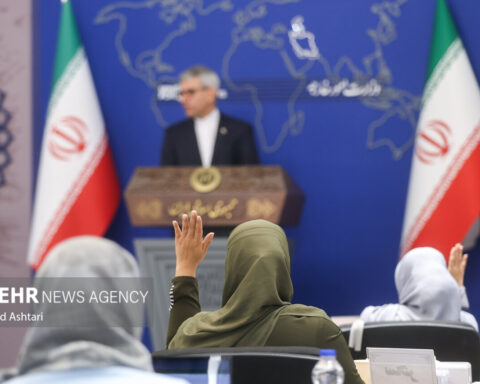
First VP Aref declares sovereignty “established and closed.” Parliament security chief Azizi says the fee system will be “unveiled soon.” Iranian state TV confirms Europeans are already negotiating transit with the IRGC Navy. The legal architecture is arriving after the facts it was meant to authorize.
DUBAI — Iran’s First Vice President Mohammad Reza Aref and the chairman of the parliament’s National Security and Foreign Policy Committee, Ebrahim Azizi, have announced that Tehran is preparing to formally publish a toll mechanism and designated shipping route for the Strait of Hormuz. The announcement, made via public statements and social media between May 13 and May 17, frames the mechanism explicitly as sovereignty reclamation — and arrives 74 days after the IRGC Navy began unilaterally controlling the strait on March 4.
Hours before Azizi posted the announcement on X, Iranian state television confirmed that European countries had begun negotiating transit permissions directly with the Revolutionary Guards Navy. The state broadcast sequenced the disclosure carefully: “following the passage of ships from East Asian countries, notably China, Japan and Pakistan, we received information today indicating that Europeans have also begun negotiations with the Revolutionary Guards Navy.” The unnamed Europeans join a queue that has been forming since the IRGC imposed the Larak Island corridor weeks into the war.
The formal mechanism has not yet been published. Azizi said it “will be unveiled soon.” But the Persian Gulf Strait Authority — the administrative body created to collect fees and issue permits — has been operational since May 5, processing applications via email and collecting payments of up to $2 million per vessel for nearly two weeks before the legal instrument it supposedly enforces has been made public.
The Middle East briefing 3,000+ readers start their day with.
One email. Every weekday morning. Free.
Legalization After Legitimization
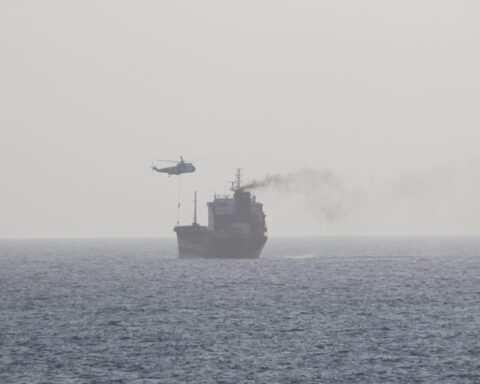
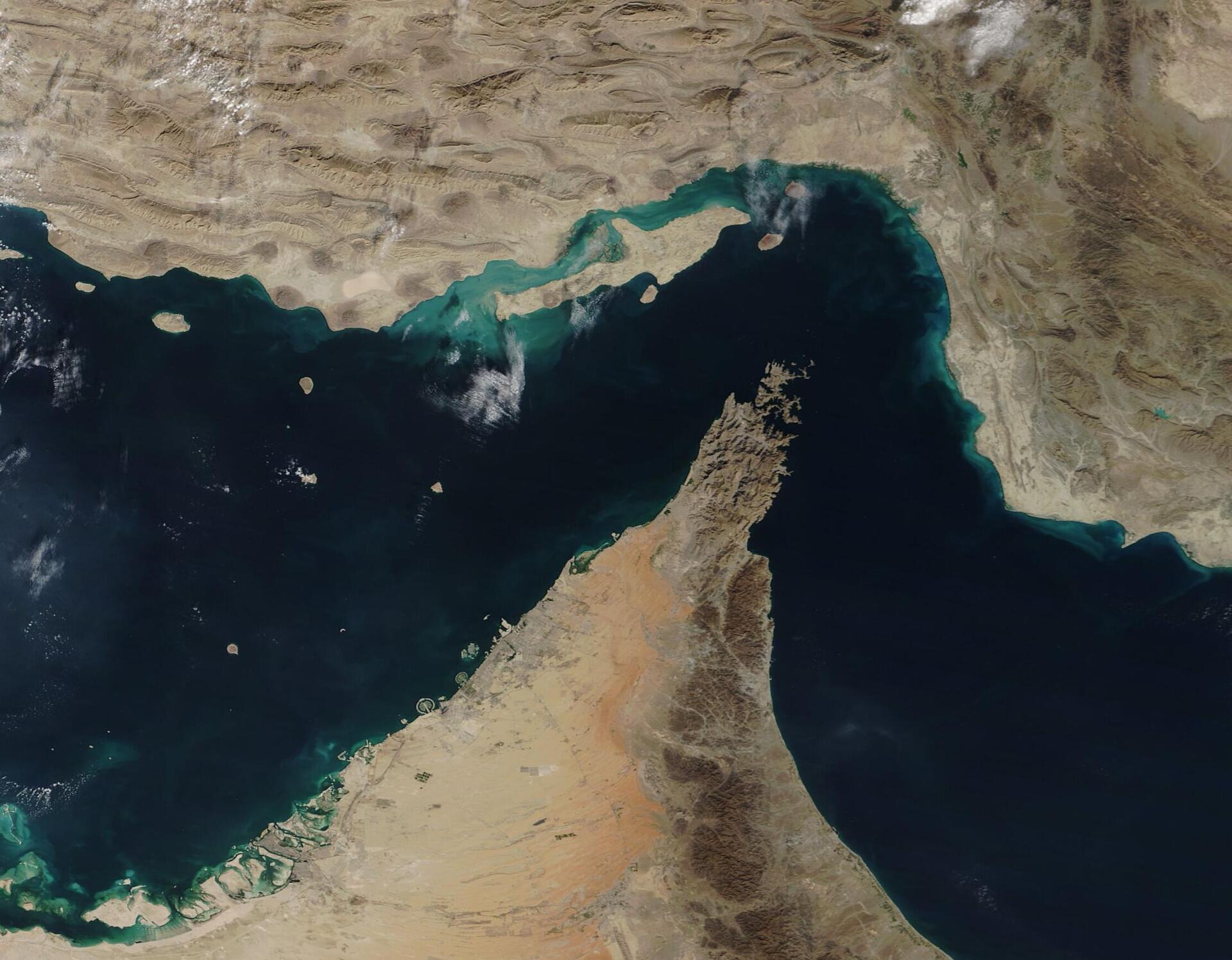
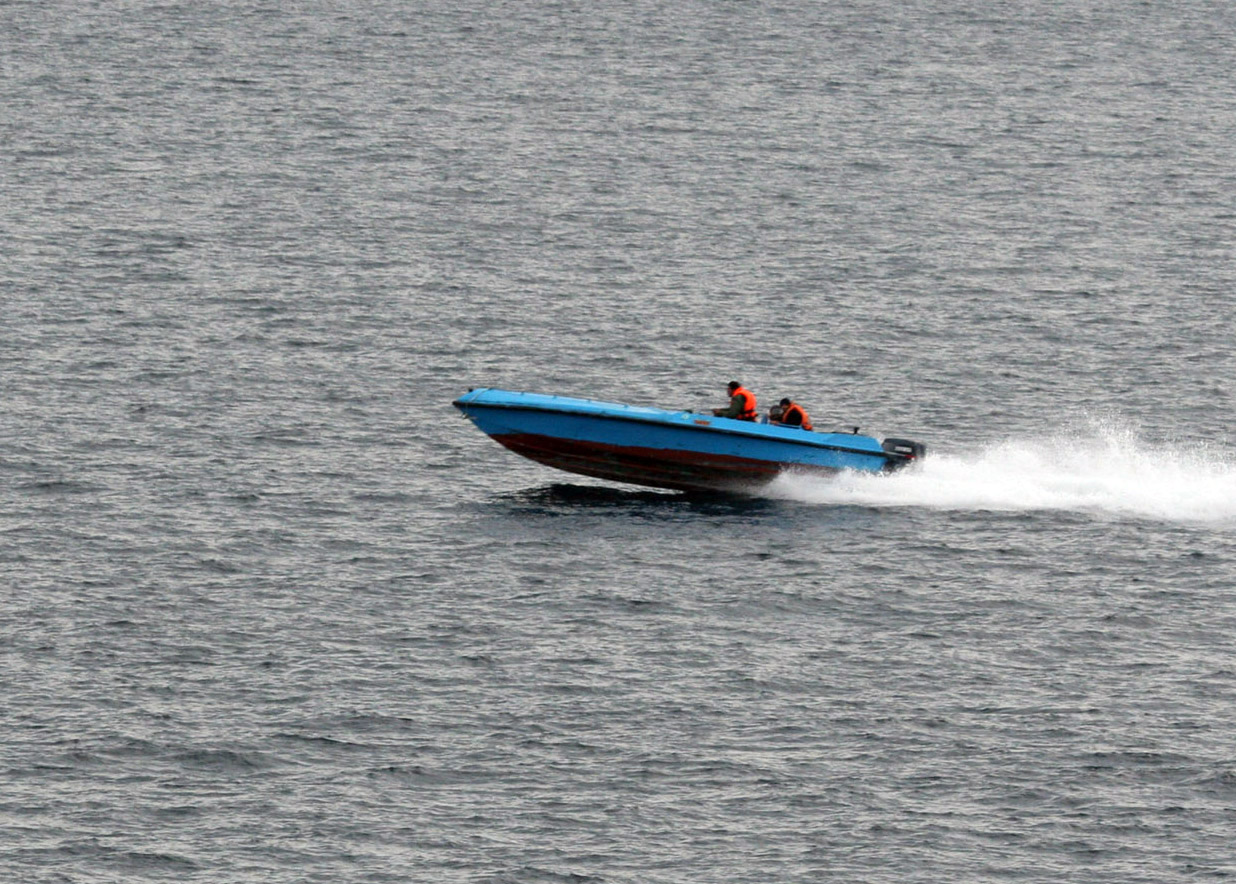
The sequencing tells the story. On March 4, the IRGC Navy declared “full authority to manage the Strait” and began routing vessels through a narrow corridor between Qeshm and Larak Islands — entirely inside Iran’s claimed 12-nautical-mile territorial sea. No law authorized it, no parliamentary committee had debated it, and no fee schedule existed. The IRGC simply did it, and vessels that wanted to cross complied or anchored.
On April 21, the parliamentary National Security and Foreign Policy Committee ratified a 12-article bill titled the “Law on Establishing Iran’s Sovereignty over the Strait of Hormuz.” It banned Israeli-flagged vessels outright, required Supreme National Security Council approval for ships linked to “hostile nations,” denominated fees in Iranian rial, and authorized confiscation of up to 20 percent of cargo value for non-compliance. It was submitted to the presiding board for full chamber debate. It has not yet passed the full Majlis.
On May 5, the PGSA began operating — issuing permits, collecting fees, designating routes — under the authority of a bill that had not become law. By May 11, the first successful commercial transit since the war began had taken place: a Qatari LNG tanker, intermediated by Beijing, crossed with IRGC permission.
And now, on May 16-17, Azizi announces the “professional mechanism” will be “unveiled soon.” The announcement is not the beginning of a process — it is the capstone of one that began on March 4. The IRGC created facts on the water, shipping companies accepted those facts by negotiating transit, and parliament wrote a law to cover them. The formal publication, whenever it arrives, will legalize what has already been legitimized by practice.
Safia K. Southey, writing for EJIL:Talk on April 20, identified the maneuver precisely. Iran’s proposed tolls, she argued, “recast the juridical basis of passage itself… postdating the legal framework they contradict.” The law does not authorize the practice. The practice is creating facts that the law will be asked to ratify.
What Azizi Actually Announced
Azizi’s statement on X contained three operative elements. First, the mechanism: “Iran, within the framework of its national sovereignty and the guarantee of international trade security, has prepared a professional mechanism to manage traffic in the Strait of Hormuz along a designated route, which will be unveiled soon.” Second, the fee: “Necessary fees will be collected for the specialized services provided under this mechanism.” Third, the exclusion: the designated route “remains closed to operators of the so-called ‘freedom project’” — a direct reference to US-flagged or US-linked vessels.
The language is careful. “Professional mechanism” frames the toll system as a regulatory service, not a chokepoint weapon. “Guarantee of international trade security” inverts the accusation — Iran is not blocking trade, it is securing it. “Specialized services” repackages the fee as payment for a service rendered, not a toll extracted under duress. And “freedom project” in scare quotes delegitimizes the US Freedom of Navigation program by reducing it to a branding exercise.
The revised bill title reinforces the rebranding. What began as the “Law on Establishing Iran’s Sovereignty over the Strait of Hormuz” has been retitled, according to Azizi’s May 13 statement to the Washington Times, as the “Plan for the Security and Development of the Persian Gulf and the Strait of Hormuz.” Sovereignty language out, development language in. The substance is identical — the packaging is aimed at states deciding whether to negotiate with the PGSA or wait for a US-led alternative that does not yet exist.
How Aref Closed the Araghchi Split
Aref’s statements matter for a reason beyond their content. On April 17, Foreign Minister Abbas Araghchi declared the Strait of Hormuz “completely open” during a meeting with his Lebanese counterpart — a statement that the IRGC reversed within hours. Tasnim, Fars, and Mehr attacked Araghchi’s tweet, Ghalibaf validated the override with operational language, and lawmaker Mahmoudi threatened impeachment. The split between the diplomatic establishment and the IRGC was, for a few hours, visible.
Aref has now closed it. “We had given up our right of sovereignty over the Strait of Hormuz, and we previously allowed the passage of military equipment that was intended to be used against us through the Strait of Hormuz,” he said, in remarks confirmed by Middle East Eye on May 17. “We will not permit that again.” In a separate statement carried by ISNA on May 13, Aref was blunter: “Our right to the Strait of Hormuz is established, and the matter is closed.”
“The Strait of Hormuz belongs to us in the first place… it has always been our property, although for some time we were not making good use of what belonged to us. We will not give it up at any cost.”
— Mohammad Reza Aref, First Vice President of Iran, May 2026
The phrase “we had given up our right” is doing specific work. It retroactively characterizes Araghchi’s April 17 statement — and by extension, decades of Iranian acquiescence to the transit passage regime — not as policy but as error that has been corrected. The intra-regime debate over Hormuz, in Aref’s framing, is finished, and the civilian diplomatic apparatus has adopted the IRGC position as official government doctrine.
This matters because Aref is not IRGC — he is a reformist-aligned figure, a former vice president under Khatami. When the IRGC reversed Araghchi, it was a factional override; when Aref echoes the IRGC position, it becomes consensus. The mechanism Azizi is announcing has the backing of both pillars of the Iranian state, the elected government and the military-security establishment, whether that consensus was voluntary or coerced.
Why Are Europeans Negotiating With the IRGC Navy?
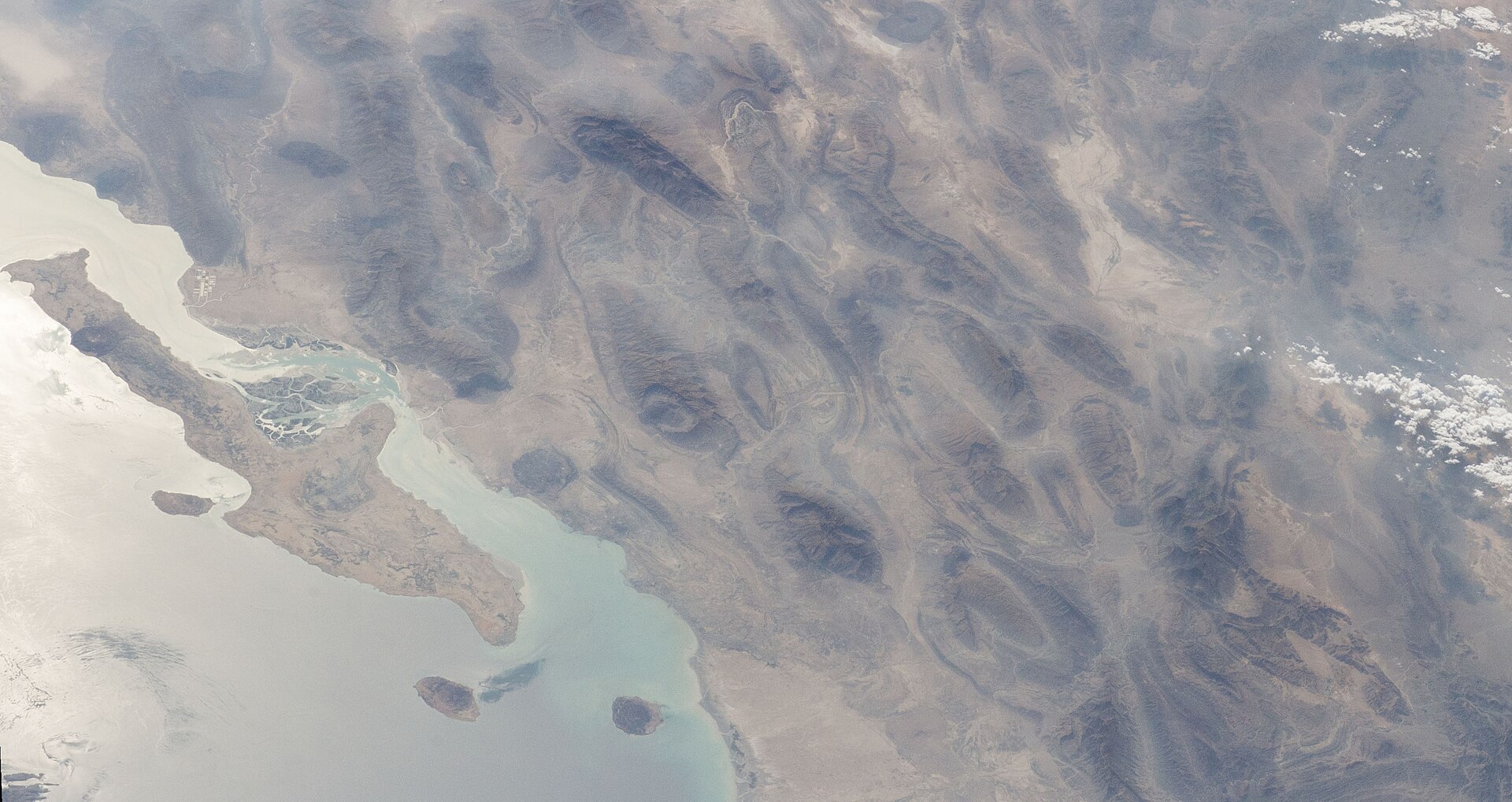
Iranian state television’s Saturday broadcast was structured as a progression narrative — China negotiated, then Japan, then Pakistan, and now Europeans. Each new category of country normalizes the IRGC Navy as the de facto regulatory authority over one of the world’s most critical shipping lanes, through which roughly 20 percent of global oil supply transited before the war.
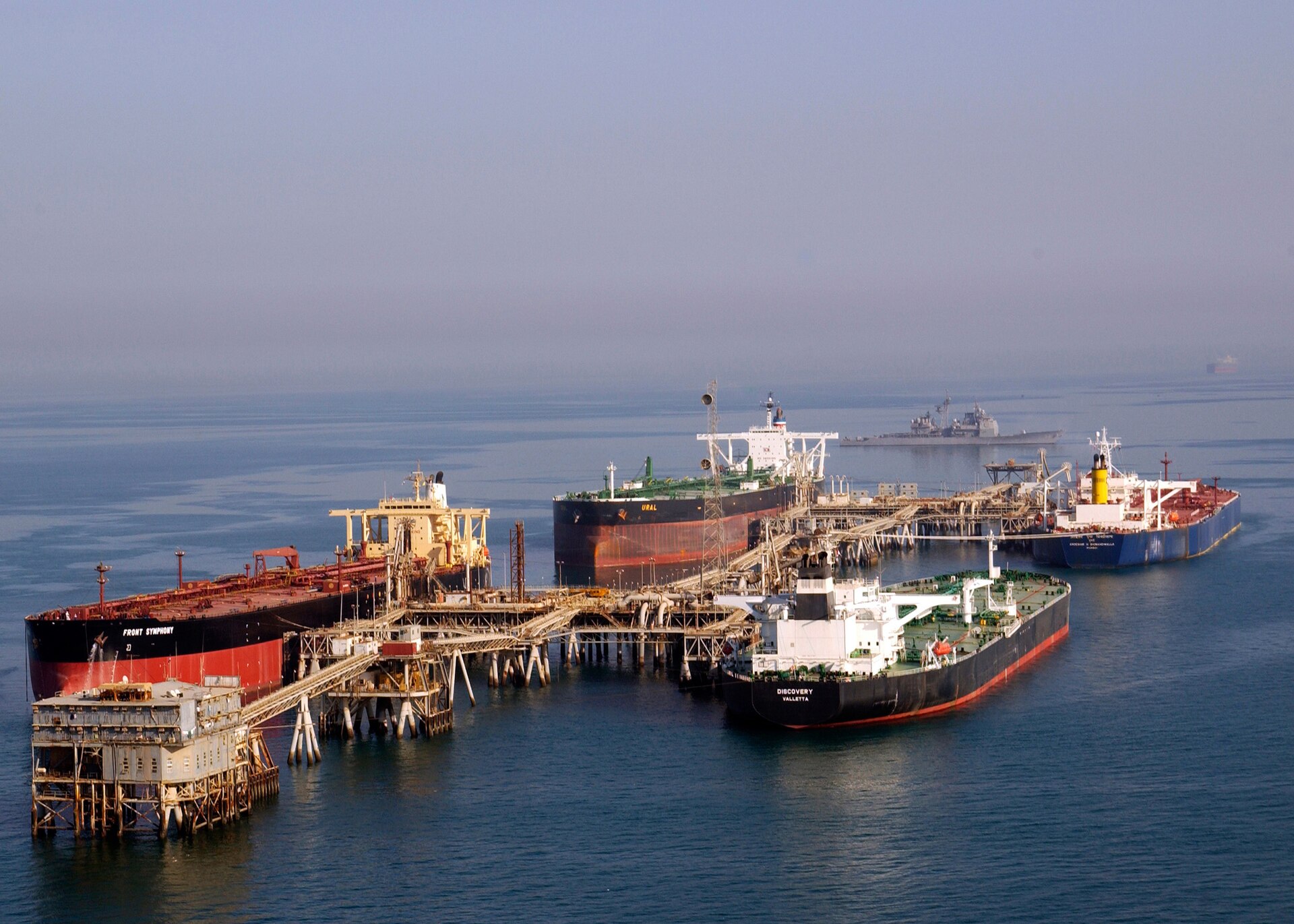
The state broadcast did not name specific European countries, and no European government has publicly confirmed negotiations. But the commercial logic is straightforward: more than 600 vessels are trapped in the Middle East Gulf, according to Lloyd’s List Intelligence — including 325 tankers, of which 154 are laden — and General Caine, the Joint Chiefs Chairman, cited 22,500 mariners stranded as of May 6. Lloyd’s confirmed zero commercial transits as of May 7, and while more recent mid-May data shows 72 transits of vessels over 10,000 deadweight tons, roughly 70 percent of those had an Iranian nexus.
European shipowners, insurers, and commodity traders are staring at a chokepoint that has been functionally closed for over two months. The commercial pressure to find a way through is enormous. Brent crude closed at $109.26 per barrel on May 15 — down from its war peak but still elevated enough to strain every downstream supply chain in Europe. The International Energy Agency’s executive director, Fatih Birol, has called the disruption “the biggest energy security threat in history,” with an estimated 13 million barrels per day of capacity offline or at risk.
The claim on its face is plausible. The question is whether the price of transiting — in fees paid and sanctions risked — is one European operators can afford. European commercial engagement with the IRGC Navy sits alongside a separate diplomatic track: Iran simultaneously sent deputy foreign ministers to Istanbul for E3 nuclear talks — a pairing that uses European risk-aversion over Hormuz as structural leverage on the US nuclear channel.
The OFAC Trap Beneath Every Transit Deal
On May 1, the US Treasury’s Office of Foreign Assets Control issued a formal alert that sits directly beneath every European negotiation with the IRGC. The alert warned that “payments to Iran or IRGC for Hormuz safe passage — including fiat currency, digital assets, offsets, informal swaps, or nominally charitable donations made to the Iranian Red Crescent Society, Bonyad Mostazafan, or Iranian embassy accounts — expose non-US persons to secondary sanctions under Executive Order 13902.” The alert’s scope covers non-US persons — explicitly including foreign shipowners, banks, and insurers.
The legal architecture is precise. EO 13902 authorizes secondary sanctions on any person or financial institution that facilitates significant transactions with or on behalf of the Iranian government or IRGC. A European shipping company that pays $2 million to the PGSA for a transit permit is transacting with an entity established under IRGC authority. A European bank that processes that payment is facilitating it. A European insurer that covers the voyage is providing financial services to the same transaction.
The structure of Iran’s toll system is designed to force a binary choice on every maritime actor — a mechanism examined in detail in the earlier cable fee analysis. Pay Iran and risk US sanctions. Refuse to pay and remain anchored while competitors who can operate outside the US financial system — primarily Chinese-linked entities using Kunlun Bank and yuan settlement — transit freely.
“OFAC is aware of Iranian threats to shipping and demands for ‘toll’ payments to receive safe passage through the international Strait of Hormuz. OFAC is issuing an alert to warn U.S. and non-U.S. persons about the sanctions risks of making these payments.”
— US Treasury, Office of Foreign Assets Control, May 1, 2026
The May 11 Qatari LNG transit illustrates the divide. Beijing brokered the IRGC permission; the financial settlement ran through yuan via Kunlun Bank, outside SWIFT. CNPC and Sinopec face no meaningful OFAC exposure because they operate in a parallel financial infrastructure that Washington has already sanctioned and cannot further degrade.
European operators do not have that option. Every major European bank, insurer, and shipping company depends on dollar-clearing access. A single OFAC designation could cut a European shipping group off from the US financial system entirely. The Europeans negotiating with the IRGC Navy are therefore negotiating not just a transit fee but a sanctions-evasion structure — and doing so under the explicit gaze of a Treasury department that has already told them it is watching.
The PGSA Was Already Running
The Persian Gulf Strait Authority launched on May 5, 2026, as the executive administrative arm of the sovereignty bill described above. It operates via email — vessels submit permit applications to info@PGSA.ir and receive a 40-question vessel information form requiring disclosure of name, identification number, previous names, origin and destination, owner and operator nationalities, crew nationalities, and cargo details. Once approved, the PGSA issues a transit authorization and assesses a fee.
The PGSA had been processing applications and collecting payments for eleven days before Azizi announced on May 16 that the “professional mechanism” would be “unveiled soon.” The gap is not administrative delay. It is the strategy. The PGSA was designed to establish operational precedent before the formal legal instrument was published — so that by the time the mechanism is officially unveiled, it will describe a reality that already exists rather than a policy that needs to be implemented.
The PGSA is not, in Tehran’s internal framing, a revenue-collection agency. The New York Times reported on May 13 that US intelligence assessed Iranian officials view Hormuz control as a strategic deterrent — one that generates income rather than consuming it, and one that becomes harder to reverse with every vessel that applies for a permit and every country that negotiates a transit arrangement.
The fee structure remains opaque. No official tariff schedule has been published. The draft bill denominates fees in Iranian rial, though some transactions have been settled in yuan — a currency choice that bypasses the dollar-clearing system and complicates OFAC enforcement. The bill’s 20-percent-of-cargo-value confiscation provision converts every laden tanker into potential leverage; in the absence of a published schedule, the IRGC retains full discretion over the actual amount assessed.
What Happens When the Mechanism Is Published?
The formal publication of the toll mechanism — whenever it arrives — will force a set of decisions that have so far been deferred. Washington must decide whether to enforce OFAC’s May 1 alert against European allies or allow a de facto exemption that guts the sanctions architecture. European governments must decide whether to back their shipping companies or align with Washington’s position that any payment constitutes sanctions exposure. And maritime insurers must decide whether to cover IRGC-permitted transits — knowing that a refusal would shut European operators out of the strait regardless of what their governments choose.
Iran’s legal position rests on the “persistent objector” doctrine — the argument that because Tehran signed but never ratified UNCLOS, and has consistently objected to the transit passage regime codified in Article 38, it is not bound by the customary international law obligation to permit unimpeded passage through the strait. Legal scholars are divided on whether the doctrine applies. Southey’s EJIL:Talk analysis argued that even if Iran’s persistent-objector claim succeeds, “exemption from a particular obligation is not the same as affirmative authority to construct a new legal regime for third states.” A natural strait, unlike the Suez or Panama Canals, was not built by anyone — and the right to transit it does not depend on the permission of the coastal state.
But legal arguments have limited purchase against the operational reality. The IRGC controls the corridor, the PGSA is issuing permits, vessels are paying, and countries are negotiating. Iran’s double blockade architecture — in which the US controls the Arabian Sea approaches while the IRGC controls the Gulf of Oman exit, meaning vessels need both approvals to transit — has already reduced Hormuz traffic to a fraction of its pre-war volume. The formal mechanism, when published, will not change any of that. It will simply give it a name, a fee schedule, and a bureaucratic address.
The question for the broader conflict is whether formalization accelerates or constrains the IRGC. A published mechanism with defined fees and transparent rules could, paradoxically, reduce the arbitrary power the IRGC Navy has exercised since March 4 — by creating a system that countries can negotiate within rather than one that changes at the discretion of individual commanders. Or it could do the opposite: give permanent institutional form to what was supposed to be a wartime measure, making it harder to dismantle in any future ceasefire negotiation. Iranian officials’ reported framing of Hormuz control as “co-equal to nuclear weapons” suggests they intend the latter.
Background
The Iran-US conflict began with US strikes on Iranian nuclear facilities on February 28, 2026. Iran retaliated with missile and drone strikes across the Gulf, hitting Saudi oil infrastructure, US military assets in Bahrain, and shipping in the strait. The IRGC declared control over Hormuz on March 4. A ceasefire brokered in Islamabad partially held from April 8 but collapsed after the IRGC continued operations. Direct US-Iran talks in Islamabad — the first since 1979 — ended when Vice President Vance walked out over Iran’s refusal to include Hormuz in the ceasefire framework. A US naval blockade of Iranian ports took effect April 13. As of mid-May, the ceasefire is functionally dead, Hormuz remains under IRGC operational control, and over 1,550 vessels are anchored in the region awaiting clearance to transit.
Frequently Asked Questions
Has any European country publicly confirmed negotiations with the IRGC Navy?
No. Iranian state television made the claim categorically — “Europeans have also begun negotiations” — without naming specific countries. No European foreign ministry or shipping authority has confirmed the report as of May 17. However, the commercial pressure on European shipping companies with vessels stranded in the Gulf is well documented, and Lloyd’s List has reported informal back-channel contacts between shipping agents and Iranian port authorities since late April.
How does Iran’s toll system differ from the Suez Canal or Panama Canal?
The Suez and Panama Canals are artificial waterways built by states that charge fees as compensation for construction and maintenance costs — fees that are universally accepted under international law. Hormuz is a natural strait. Iran’s toll system is therefore without direct legal precedent. The closest historical parallel may be the Sound Dues charged by Denmark on Baltic shipping until 1857, when multilateral pressure — not bilateral negotiation — abolished the toll after 400 years. Iran’s mechanism is structured to avoid that outcome by obtaining individual country-by-country transit agreements rather than submitting to multilateral arbitration.
Could the PGSA’s fee structure change after formal publication?
Almost certainly. The current de facto fees — up to $2 million per vessel — have been set without a published tariff and appear to vary based on vessel type, cargo, flag state, and the IRGC’s assessment of the operator’s political alignment. A formal mechanism could standardize rates, reducing uncertainty but also institutionalizing the toll as a permanent fixture. The draft bill denominates fees in Iranian rial, raising questions about currency risk. Some analysts have suggested Iran may ultimately price the toll as a percentage of cargo value — which would make the fee a function of oil prices, creating an automatic revenue escalator for Tehran when crude is expensive.
What is the “freedom project” that Azizi says is excluded from the designated route?
Azizi used the phrase “operators of the so-called ‘freedom project’” in his May 16 statement as a reference to the US Freedom of Navigation program — the decades-old US Navy practice of transiting international straits and waterways without seeking permission from coastal states. By placing “freedom project” in dismissive quotes and excluding its “operators” from the designated route, Azizi is signaling that US-flagged and US-linked vessels will not receive PGSA transit permission regardless of compliance. The exclusion extends what the IRGC has practiced operationally since March into the formal legal architecture.
What role does Oman play in the strait, and has Muscat responded to the toll mechanism?
Oman shares sovereignty over the Strait of Hormuz with Iran — shipping lanes pass through both countries’ territorial waters. Under UNCLOS, both coastal states are obligated to facilitate transit passage. Oman’s Transport Minister stated in April that “no tolls can be imposed for crossing Hormuz,” and Muscat has not publicly responded to Azizi’s May 16 announcement. The silence matters because any bilateral Iran-Oman protocol on strait management could, in Tehran’s framing, convert the passage regime from a universal right into a negotiated concession — a scenario the EJIL:Talk analysis flagged as the legal endgame of Iran’s approach.
How the PGSA has evolved since Azizi’s announcement — specifically, its vessel identification form, tiered-access country rankings, and the Majlis bill that would convert the toll from executive decree into statutory law — is examined in Iran Built a Customs Authority on Hormuz — and Nobody Is Negotiating to Dismantle It.
Saudi state television’s framing of the same mechanism on May 19 — and why the broadcast functions as a public demand for an OFAC general license rather than a diplomatic announcement — is examined in Al-Hadath’s Hormuz Deal Requires an OFAC License That Does Not Exist.