
Global Oil Stocks Falling at Record 8.5 Million Barrels a Day as IEA Warns Structural Deficit Is Beyond Diplomacy
DHAHRAN — The International Energy Agency’s May 2026 Oil Market Report, released May 13, projects global oil inventories will fall by an average of 8.5 million barrels per day during the second quarter — a draw rate that has already erased 250 million barrels in March and April alone, the fastest depletion the agency has recorded in its 52-year history. IEA Executive Director Fatih Birol called the disruption “the biggest energy security threat in the history of the global oil market.”
Brent crude settled at $111.22 on May 19 after Gulf leaders reportedly asked President Trump to delay a planned strike on Iran, and Tehran submitted an updated negotiating proposal. The price reflects a market positioned for a diplomatic breakthrough — but the IEA’s supply data, reinforced by Goldman Sachs, Aramco’s Q1 2026 earnings disclosure, and Chevron’s senior leadership, describes a physical deficit that no political agreement can close before summer peak demand arrives.
Chevron Chairman and CEO Mike Wirth put the transition in plain terms at the Milken Institute on May 4: “We will start to see physical shortages.” He noted that commercial stockpiles, shadow fleet capacity, and strategic reserves are all declining simultaneously — a convergence that converts the crisis from a price event into an availability problem. The IEA’s own language on reserve coverage has moved from “months” to “weeks.”
Contents
The 250-Million-Barrel Hole
The IEA confirmed global observed inventories — including oil on water — fell 129 million barrels in March and 117 million barrels in April, a combined 250 million barrels in eight weeks. On-land stocks absorbed the heavier blow: OECD countries’ commercial inventories alone dropped 146 million barrels in April, a rate of 4.9 million barrels per day, while visible non-OECD stocks fell a further 24 million barrels.
The second-quarter forecast is steeper. The IEA projects draws averaging 8.5 mb/d through June, with the sharpest declines concentrated in May and June as Northern Hemisphere summer demand peaks collide with supply that continues to deteriorate. Goldman Sachs frames the swing in annual terms: from a 1.8 mb/d global surplus in 2025 to a 9.6 mb/d deficit in Q2 2026 — a reversal of 11.4 mb/d in twelve months.
The Middle East briefing 3,000+ readers start their day with.
One email. Every weekday morning. Free.
Global supply fell 1.8 mb/d in April to 95.1 mb/d, according to S&P Global’s analysis of the IEA data — the first month global output has tracked below 100 mb/d in four years. Gulf production is down 57 percent since the war began, with approximately 10.5 mb/d offline, per Goldman Sachs. The IEA projects global demand will contract 420,000 barrels per day year-on-year to 104 mb/d — a 1.3 mb/d downgrade from pre-war forecasts — but supply has fallen so much farther that significant demand destruction does not close the gap. S&P Global CERA sees the crude market in deficit through 2026 in every scenario it models, including cases with demand destruction approaching 2 mb/d.
How Many Weeks Before OECD Reserves Hit the 90-Day Trigger?
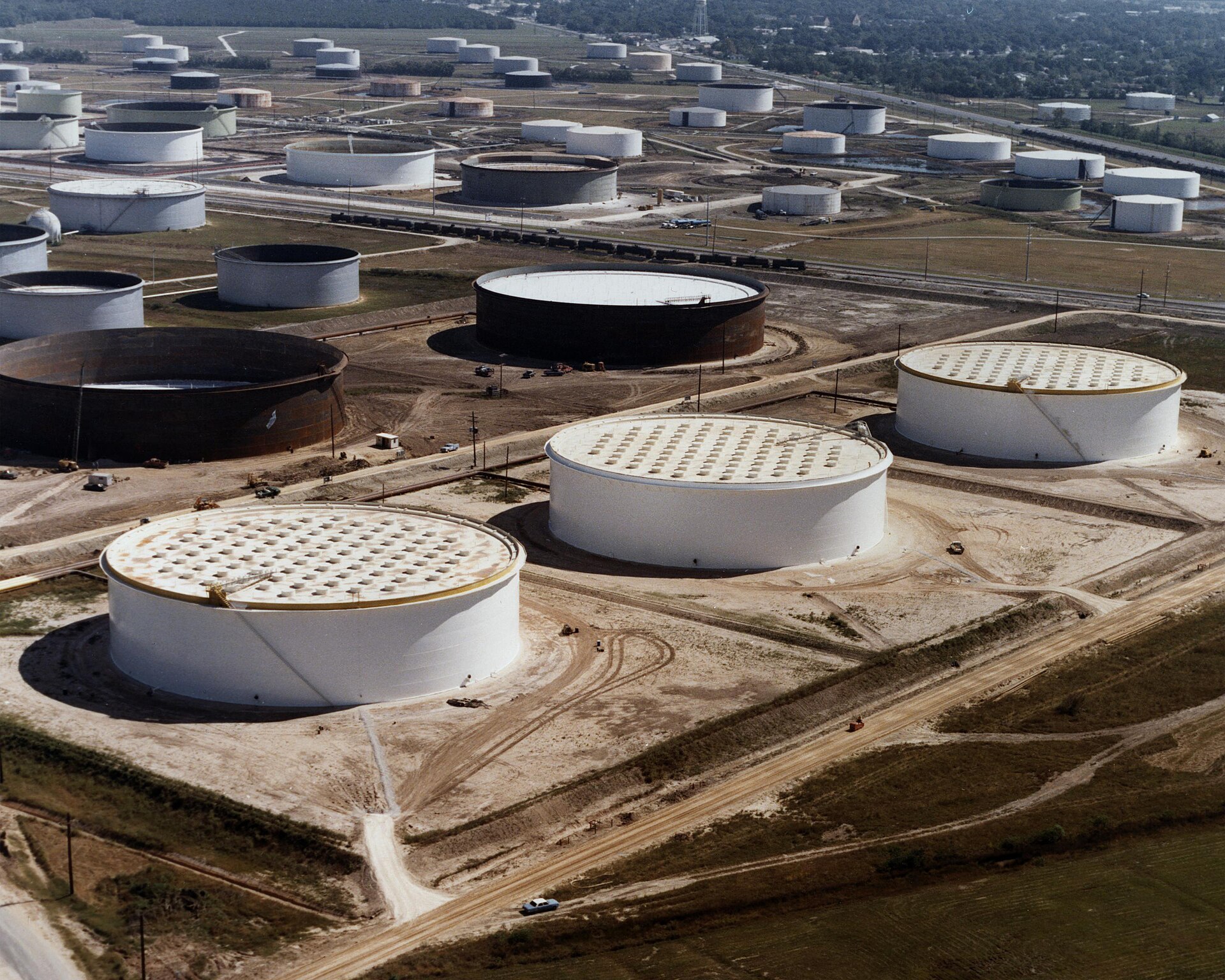
Goldman Sachs reports global stockpiles have declined to an eight-year low of approximately 101 days of expected demand, projecting a further drop to 98 days by end of May if Hormuz remains shut. The IEA’s founding treaty — signed in 1974 after the Arab oil embargo — requires member states to hold emergency oil stocks equivalent to at least 90 days of net oil imports. Below that line, formal emergency allocation mechanisms activate, distributing available supply across member nations according to pre-negotiated formulas that have never been invoked in the agency’s history.
The arithmetic is tight. At 98 days by late May, with the quarterly draw rate compressing the buffer week by week, the 90-day threshold comes into range during June or early July — the exact timing dependent on the pace of the IEA’s 400-million-barrel emergency reserve deployment and the rate of demand destruction, which at 420,000 barrels per day against a multi-million-barrel supply gap functions as a rounding error. Birol’s shift to “weeks not months” language is notable from an agency head whose institutional instinct runs toward reassurance.
Refined product inventories are already inside the stress zone. Goldman data shows commercial product stocks have fallen from 50 days of coverage before the conflict to 45 days currently — a decline that means refineries are consuming feedstock faster than constrained export routes can deliver it. For downstream consumers, product stocks are the metric that determines whether fuel reaches the pump; crude stuck behind Hormuz or trapped at Khurais is irrelevant to a refinery that cannot source a cargo.
Yanbu’s Structural Ceiling: The Gap No Ceasefire Closes
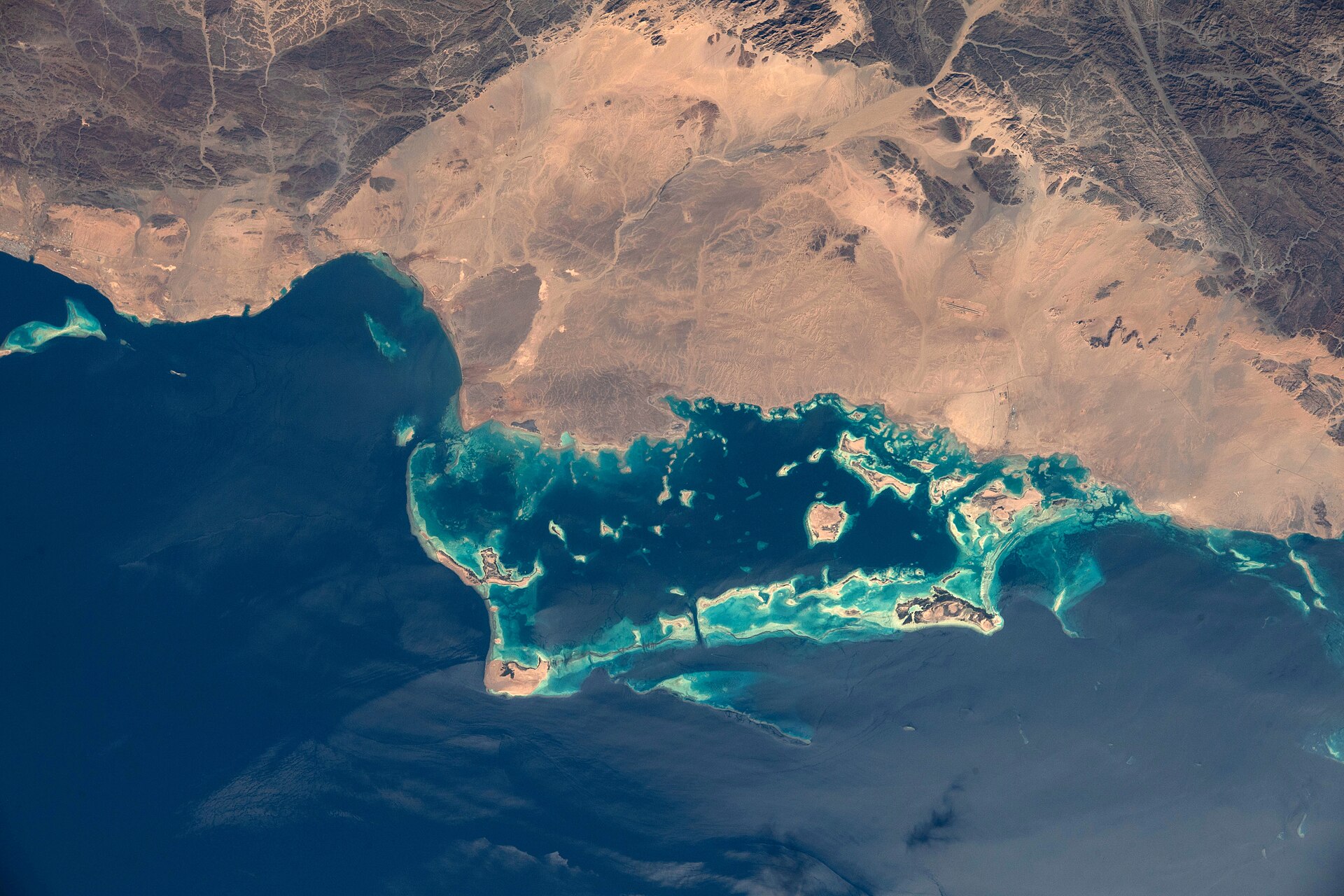
Saudi Arabia’s East-West Pipeline has operated at its full 7.0 mb/d capacity since the Hormuz disruption began, routing crude from the kingdom’s eastern fields to the Red Sea coast. The bottleneck is at the receiving end: Yanbu North terminal handles 1.5 mb/d, Yanbu South handles 3.0 mb/d, and the combined nominal capacity reaches approximately 4.5 mb/d. Argus Media puts the effective operational ceiling lower — closer to 4 mb/d under the continuous surge loading conditions the terminals have sustained since March.
Operations have pushed throughput toward 5 mb/d of crude plus 700,000 to 900,000 barrels per day of refined products, but at a pace that strains infrastructure designed for routine supplementary export volumes, not full-diversion emergency operations. Engineering News-Record published a headline assessment that captured the core constraint: Hormuz bypass infrastructure “was sized for a short disruption — this is not that.” The structural gap — between 1.1 and 1.6 mb/d below pre-war Hormuz throughput of 7 to 7.5 mb/d — is a function of berth count, loading arm capacity, and vessel traffic management. No diplomatic agreement changes terminal infrastructure, and no ceasefire adds loading berths. HOS previously detailed the Yanbu bypass ceiling when the production crash first became visible in April.
Saudi March production of 7.25 mb/d — down 3.15 mb/d from February’s 10.4 mb/d — reflects that ceiling at work. Khurais field, with 300,000 bpd of capacity, remains partially offline with no restoration timeline announced, per Aramco CEO Amin Nasser on the Q1 2026 earnings call on May 11. The kingdom’s accelerating fiscal deficit compounds the pressure: Saudi Arabia’s OPEC+ June quota of 10.291 mb/d sits more than 3 mb/d above actual output — a gap measured not in barrels voluntarily held back, but in barrels the infrastructure physically cannot move.
Can the 400-Million-Barrel Emergency Release Keep Pace?
The March 11 decision to make 400 million barrels of emergency reserves available was the largest collective action in IEA history — more than double the 182.7 mb released across two tranches during the 2022 Ukraine crisis, which was itself the prior record. The scale of the response matched the disruption only on paper: the current crisis, at approximately 10.5 mb/d offline, is more than four times larger than the roughly 3 mb/d at risk during the Ukraine response.
At the projected Q2 draw rate, the 400 mb release covers approximately 47 days of market deficit — a bridge, not a solution. The aggregate inventory trajectory confirms the gap: 250 million barrels vanished in March and April despite the release being underway, demonstrating that reserves are draining faster than the emergency mechanism replenishes them.
Nasser provided the starkest operational picture on the Q1 earnings call: more than 600 tankers remain stuck inside the Persian Gulf, with another 240-plus waiting outside Hormuz. The cumulative Hormuz-related liquids supply loss now exceeds 1.4 billion barrels since February — roughly 3.5 times the entire emergency release. That ratio captures the fundamental mismatch: the IEA’s emergency architecture was built for disruptions a fraction of this magnitude, and doubling the biggest tool in the agency’s history has not produced one adequate to a crisis four times larger than any it was designed to address.
The OPEC+ Quota Fiction
OPEC+ announced a June output increase of 188,000 barrels per day across seven member states on May 3. Against a disruption exceeding 10.5 mb/d, the ratio is approximately 1 to 68 — a figure analysts described as “largely symbolic,” a characterization that may be generous given the structural realities beneath the headline number.
The deeper failure is not political will but physical capacity. Saudi Arabia’s June quota assumes production and export infrastructure operating at a scale that does not currently exist, with the kingdom’s Gulf export monopoly shattered by the conflict. The gap between quota and reality extends well beyond Saudi Arabia: multiple Gulf producers face parallel constraints from direct strikes, Hormuz closure, or terminal damage. OPEC+ was designed to coordinate surplus management among members with excess capacity choosing to withhold it; it has no mechanism for a scenario in which major producers physically cannot produce to quota because the infrastructure between wellhead and tanker has been disrupted or destroyed.
Iran, for its part, has not engaged the oil-market disruption on IEA terms. Tehran treats Hormuz control as a sovereignty and security question, not a market distortion requiring remedy — a framing reflected in the PGSA toll structure, which charges up to $2 million per transit payable in yuan or Bitcoin. Iran’s Central Bank has acknowledged 180 percent domestic inflation and a 12-year economic recovery trajectory, but the IRGC’s strategic calculation treats protracted disruption and the steady drain on adversaries’ inventories as bargaining pressure in enrichment negotiations rather than a shared crisis demanding coordinated resolution.
Three Clocks, One Market
The IEA data describes three timelines running simultaneously, none aligned with the pace of diplomacy — or with each other. The inventory clock runs fastest: global stocks plunging toward the 90-day IEA treaty threshold, with a matter of weeks separating the market from a formal allocation mechanism that has never been activated in the agency’s existence. The diplomatic impasse — Iran’s 14-point proposal rejected by Washington, enrichment moratorium terms deadlocked with Tehran offering five years and the United States demanding twenty, and Trump calling the latest Iranian offer “TOTALLY UNACCEPTABLE” — shows no trajectory toward a framework that alters the supply picture before that threshold arrives.
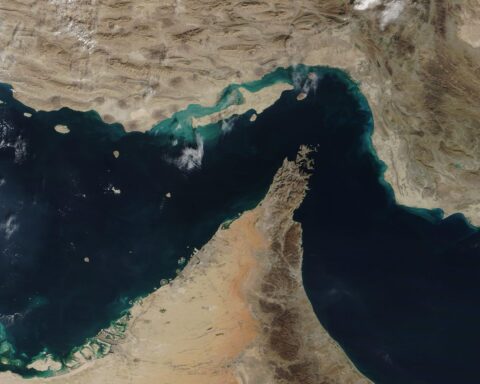
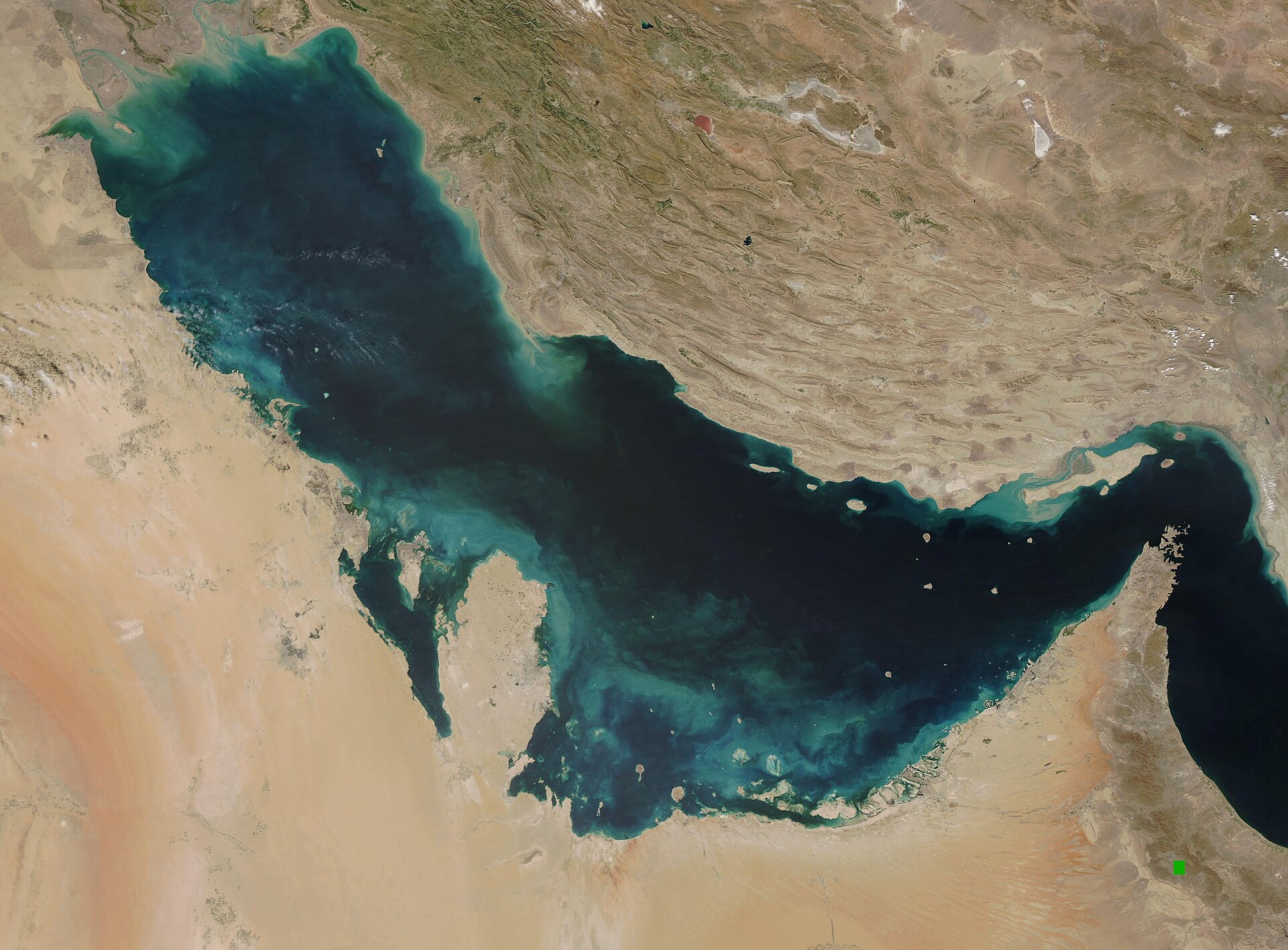
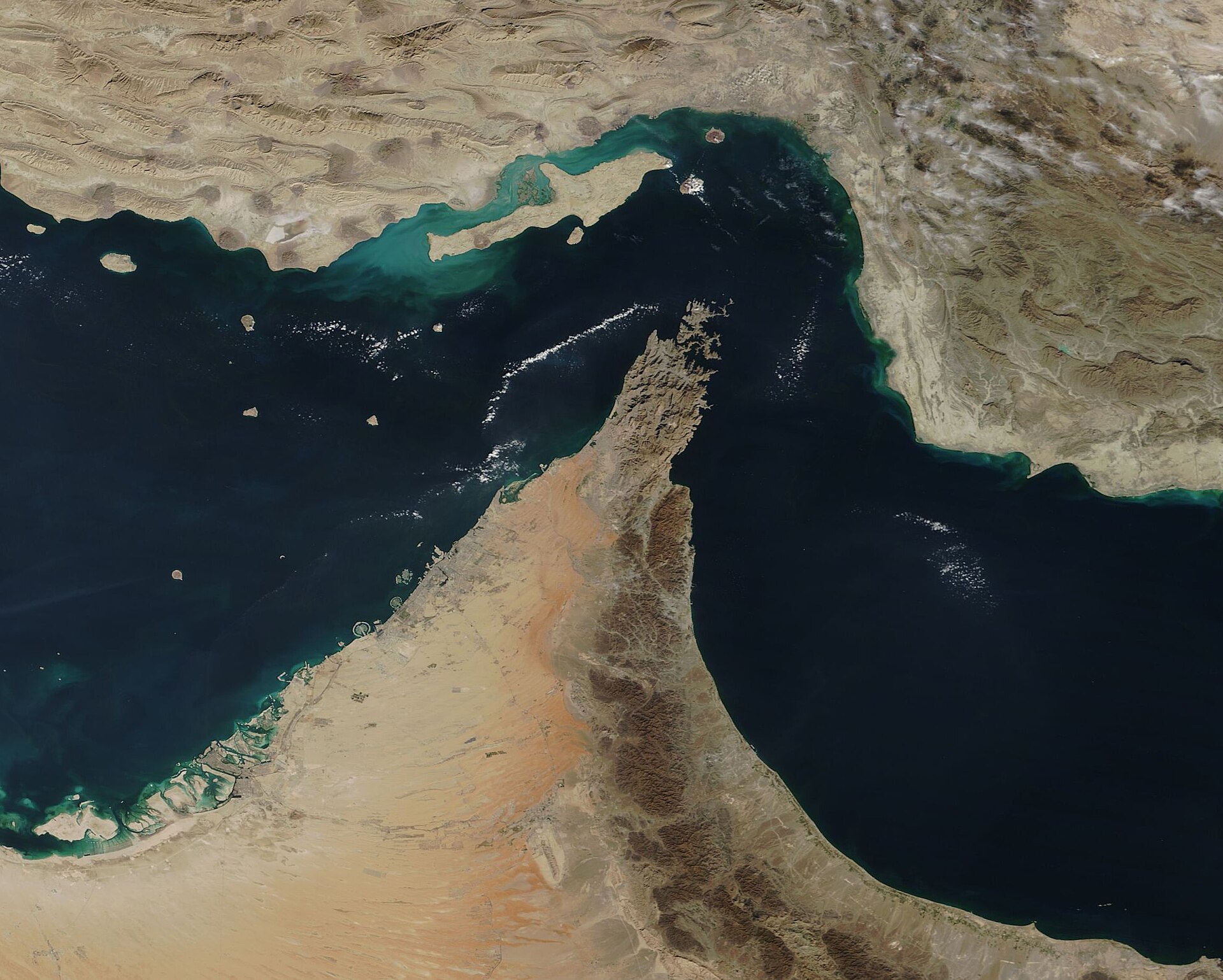
The Yanbu ceiling clock operates on a different horizon entirely. The structural gap between terminal capacity and pre-war Hormuz throughput survives any ceasefire, because no political agreement changes the number of loading berths at a Red Sea port or the tonnage a vessel traffic management system can clear in twenty-four hours. Restoring pre-war Saudi export volumes requires either Hormuz reopening or terminal expansion — the former contingent on mine clearance, the latter on construction timelines measured in years. The US naval blockade imposed April 13 and the IRGC’s counter-blockade from March 4 have together compressed Hormuz transit to 3.6 percent of pre-war baseline, removing all but a trickle of the waterway’s capacity from the global supply equation.
The mine-clearance clock begins only after a deal is reached and holds. Naval analysts estimate a minimum of six months before full commercial transit restores, and the timeline depends on assets in critically short supply: four of the US Navy’s Avenger-class mine countermeasure ships were decommissioned from Bahrain in September 2025, leaving two in theater. The 1991 Kuwait benchmark — 200 square miles cleared in 51 days — assumed peacetime conditions and the full coalition MCM fleet, neither of which applies today.
The $111.22 Brent close on May 19 was the market’s bet that at least one of these clocks could be shortened by diplomacy. The IEA’s May report is the data showing that none of them can — and that the distance between what traders hope and what terminals, minefields, and stockpile depletion rates permit is now measured in millions of barrels per day.
Background
The International Energy Agency was established in 1974 in response to the Arab oil embargo, with a core mandate to coordinate emergency stockpile management among industrialized oil-importing nations. The 90-day import cover rule has anchored the agency’s crisis framework for five decades, setting the threshold below which collective action becomes obligatory rather than voluntary. Prior to 2026, the agency had conducted five collective actions: the 1991 Gulf War, Hurricane Katrina (2005), the Libyan conflict (2011), and two releases during the 2022 Ukraine crisis totaling 182.7 million barrels.
The Hormuz Strait crisis began February 28, 2026, when IRGC forces imposed transit controls at the onset of the Iran-Gulf conflict. Saudi Arabia pivoted to Red Sea exports within days via the East-West Pipeline, but Yanbu’s terminal limits — invisible and irrelevant in peacetime — became the binding constraint on the kingdom’s ability to supply global markets. The IRGC’s reversal of Foreign Minister Araghchi’s April declaration that Hormuz was “completely open” demonstrated the persistent gap between diplomatic language and operational reality: the IRGC, not the foreign ministry, controls the strait.
The IEA’s May 2026 Oil Market Report is the agency’s most explicit acknowledgment to date that the disruption has exceeded the design parameters of every emergency tool built to manage it. The 400-million-barrel reserve release is being consumed faster than it can bridge the deficit, the Yanbu ceiling ensures that even a ceasefire cannot restore pre-war supply flows on any timeline the inventory trajectory can absorb, and the mine-clearance requirement adds months of delay to any post-deal Hormuz restoration.
Frequently Asked Questions
What happens if OECD reserves breach the 90-day threshold?
The IEA’s founding agreement, the International Energy Program, contains a two-stage emergency mechanism. The first trigger — a 7 percent supply shortfall to any member state — obliges participating countries to implement demand restraint measures and make emergency stocks available for distribution. The second trigger, activated at a 12 percent shortfall, mandates supply sharing: available oil is allocated according to each member’s share of group consumption, with binding demand-restraint obligations attached. Neither stage has been fully activated in the agency’s history; the 1991 Gulf War came closest, but Kuwait’s rapid liberation resolved the disruption before mandatory allocation was required.
Why can’t Aramco load more tankers at Yanbu to close the gap?
The constraint is physical terminal infrastructure, not crude availability or pipeline capacity. Yanbu’s berths were designed to handle two to three Very Large Crude Carriers simultaneously, but surge operations at current rates require four to five VLCCs in rotation — creating bottlenecks in berth scheduling, tugboat availability, and tank-farm buffer capacity. Crude arrives at the terminal continuously through the East-West Pipeline, but it can leave only at the rate berths clear and ships transit the port’s traffic management system. Aramco has deployed floating storage vessels offshore to buffer excess crude, but these add holding capacity, not loading throughput.
How exposed is Japan to the Hormuz disruption?
Japan sources approximately 95 percent of its crude oil imports from the Middle East, the highest dependency ratio among major industrialized economies, according to data cited by Chevron’s Wirth at the Milken Institute. Japan holds roughly 175 days of emergency reserves — well above the 90-day IEA minimum — but its refining complex is configured for Middle Eastern medium-sour crude grades. Switching to alternatives from the United States, Guyana, or Brazil requires blend adjustments that reduce refinery throughput by an estimated 5 to 8 percent, compounding the supply shortfall even when replacement barrels are nominally available.
Could emergency construction close the Yanbu terminal gap?
Engineering News-Record assessed that fast-track terminal expansion at Yanbu would require 18 to 24 months minimum from construction order to first oil loading. Temporary floating storage and offloading units could add 200,000 to 300,000 barrels per day of effective loading capacity within three to four months, but these require naval escort given the current Red Sea threat environment. Saudi Arabia has reportedly engaged Bechtel and Saipem for preliminary engineering and scoping work, though no formal construction contract had been announced as of mid-May 2026.
Has the IEA ever activated the formal mandatory allocation mechanism?
No. All six collective actions to date — in 1991, 2005, 2011, twice in 2022, and the current 2026 release — have been coordinated voluntary releases, not mandatory allocations under the International Energy Program treaty. The distinction is significant: voluntary releases are discretionary, scalable, and managed by political consensus among member governments. Mandatory allocation involves binding demand-restraint obligations, formula-based supply sharing, and rationing frameworks that have been modeled extensively but never implemented in practice — making any activation an unprecedented legal and logistical event.
The disruption the IEA is measuring is not simply a physical blockade — it is being institutionalised. Iran’s Persian Gulf Strait Authority, launched on May 16, is building a permanent customs bureaucracy around Hormuz designed to survive any ceasefire. Why no draft deal currently contains language to dissolve it is examined in Iran Built a Customs Authority on Hormuz — and Nobody Is Negotiating to Dismantle It. What happens to Saudi Arabia’s fiscal position when that supply eventually does recover is the subject of a separate analysis: the EIA projects Brent averaging $79 through 2027 as Saudi production recovery floods an oversupplied market — the timing breaks Vision 2030’s financial architecture in ways a ceasefire dividend alone cannot repair.