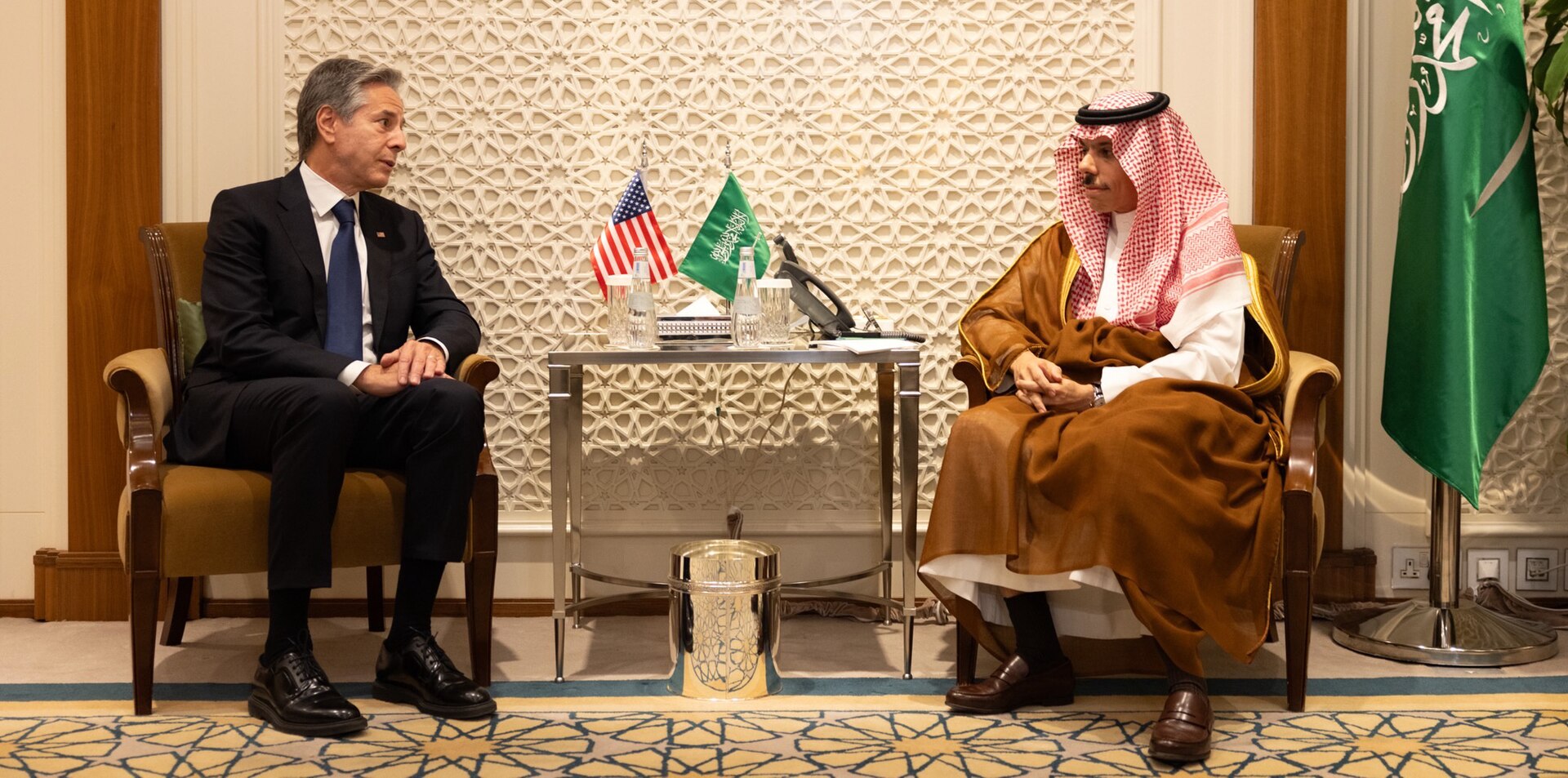
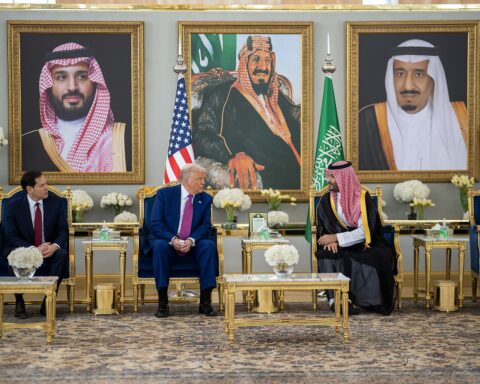
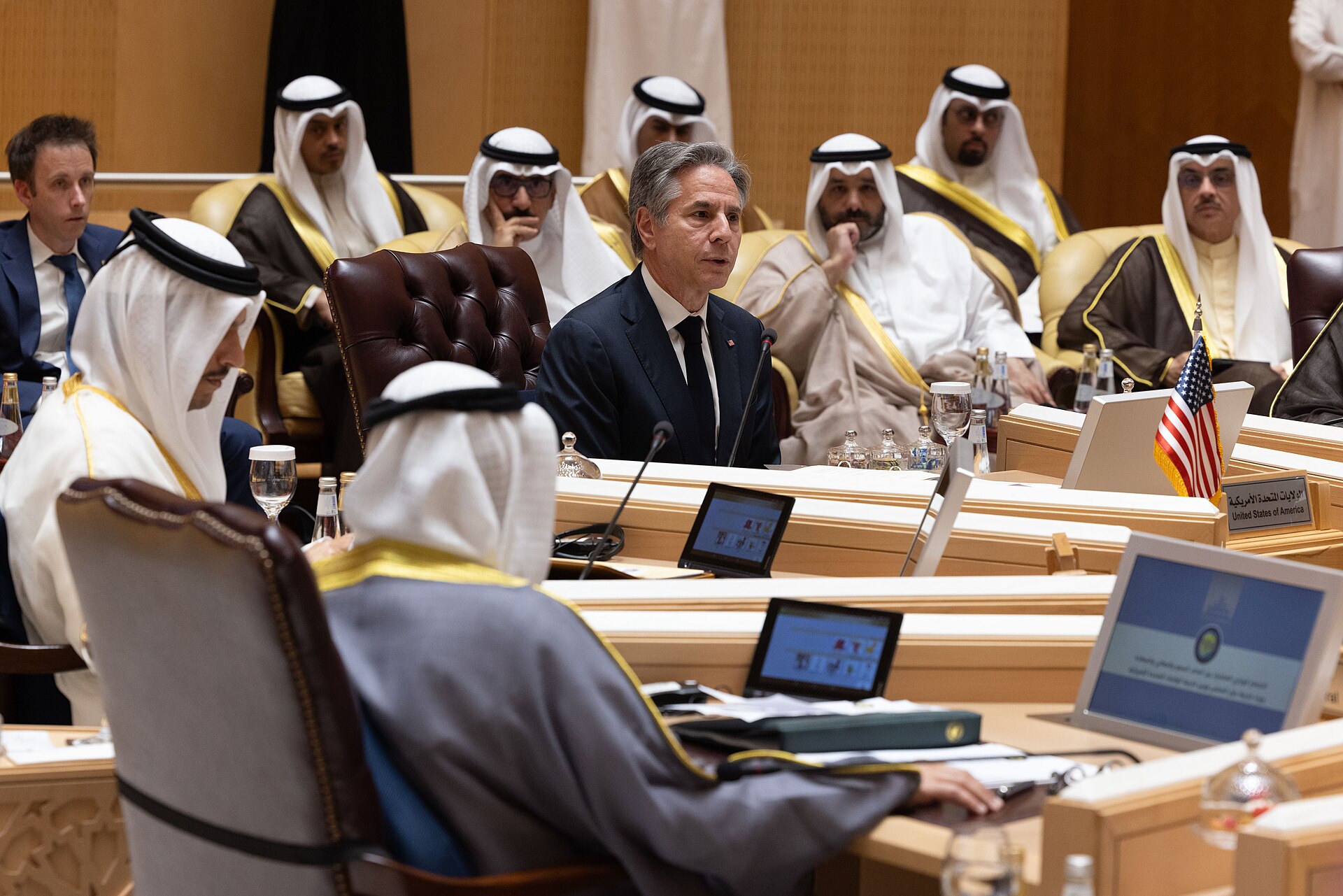
RIYADH — Saudi Foreign Minister Prince Faisal bin Farhan broke nine weeks of deliberate diplomatic ambiguity on Tuesday, issuing a public statement that praised President Trump’s decision to cancel planned strikes on Iran and urged Tehran to seize “the opportunity to avoid the dangerous implications of escalation” — the sharpest named intervention from Riyadh’s top diplomat since the war began in late February. The statement, posted to social media on May 20 with fewer than 48 hours remaining on the diplomatic window that Saudi Arabia, the UAE, and Qatar secured when their leaders persuaded Trump to delay military action on May 18-19, marked the first time Faisal attached his name to directional public pressure on both Washington and Tehran simultaneously, as reported by the Times of Israel live blog and NPR.
What mattered was not the substance — Riyadh has favoured de-escalation since at least mid-March, and Faisal has spoken to Iranian Foreign Minister Abbas Araghchi at least three times since April 9, as Al Arabiya English documented — but the delivery. For nine weeks, those conversations were described in the passive, deliberately vague grammar of Gulf diplomatic readouts: “discussing ways to reduce tension,” “exchanging views on bilateral relations,” the phrasing of a foreign ministry determined to facilitate without being seen to own the result. On May 20, Faisal abandoned that grammar and did something Saudi diplomacy almost never produces, which was to stake Riyadh’s credibility on a public, time-bound, named appeal issued on a platform where Tehran, Washington, Islamabad, and every Gulf foreign ministry would read it within minutes and from which — unlike a phone call with Araghchi or a classified signal to the Revolutionary Guard — there was no mechanism for quiet retraction.
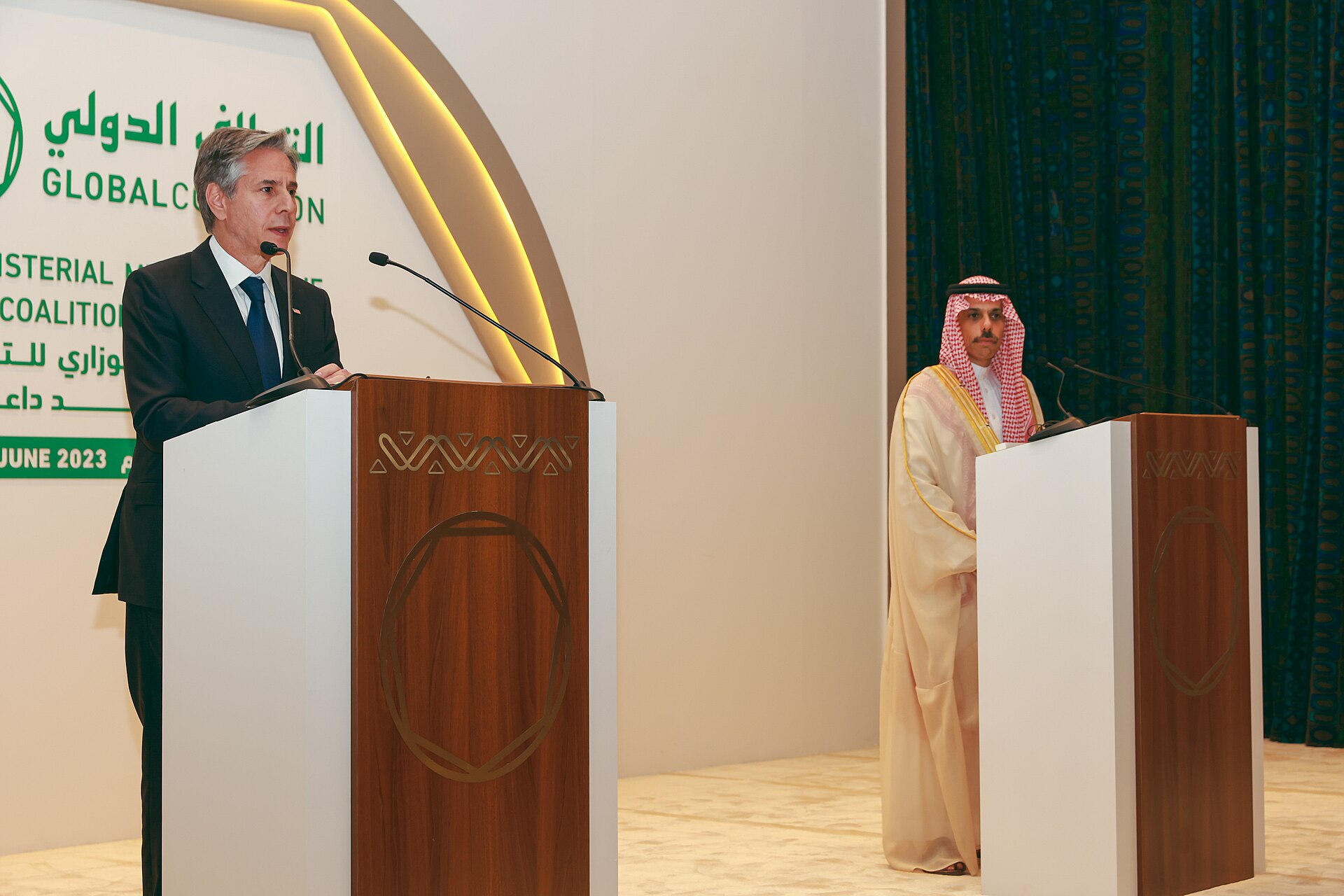
Table of Contents
What Faisal Said — and How He Said It
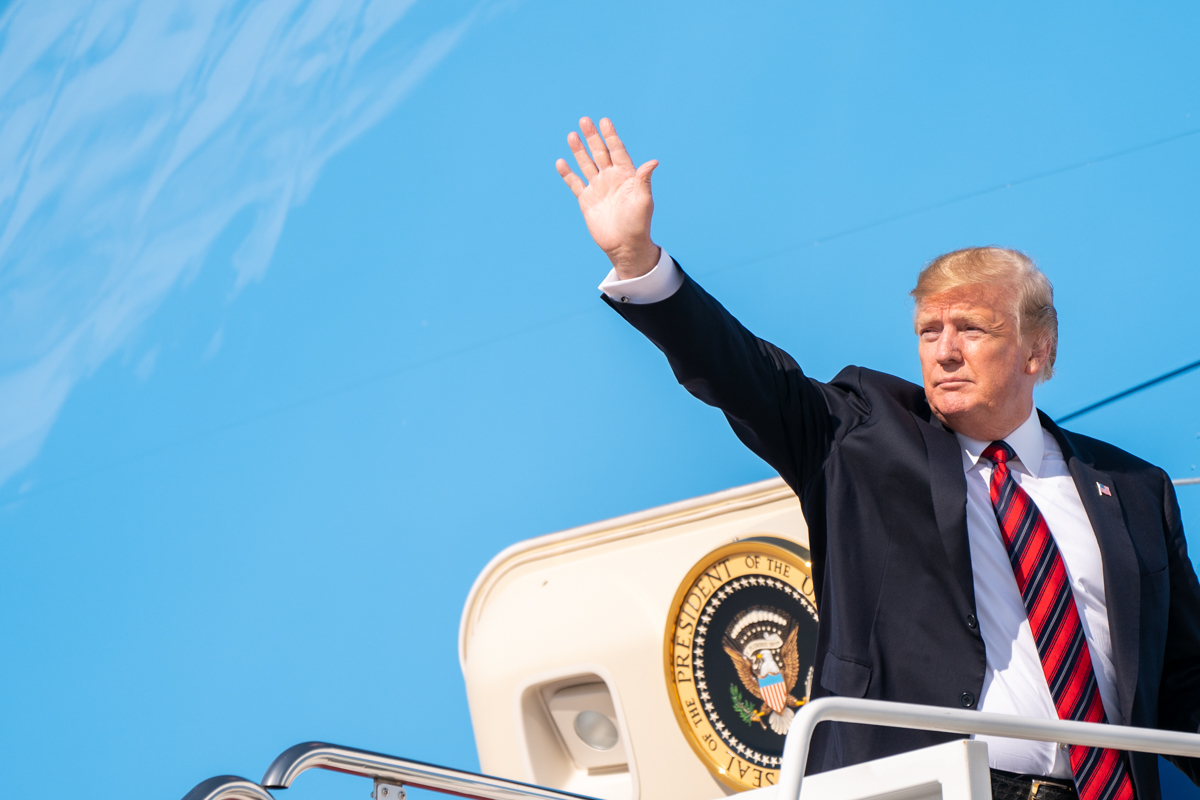
The statement carried three distinct signals compressed into a single public intervention. Faisal declared that Saudi Arabia “highly appreciates the US President Donald Trump’s decision to give diplomacy a chance to reach an acceptable agreement to end the war,” a formulation that named Trump by title and praised a specific decision — the cancellation of strikes that CNBC reported were scheduled for Tuesday May 20 — making it the most explicit public Saudi endorsement of American Iran policy since the conflict began, as the Times of Israel reported. He simultaneously addressed Tehran with language calibrated to read as an appeal from a country that has spent three years building a relationship with Iran and does not want to watch it disintegrate, urging Iran to seize “the opportunity to avoid the dangerous implications of escalation.” He then reaffirmed Saudi support for Pakistan’s mediation role, elevating Islamabad at a moment when Pakistan’s Interior Minister Mohsin Naqvi had reportedly made an emergency trip to Tehran to prevent the negotiations from collapsing, as Al Jazeera’s May 18-19 liveblog documented.
The format was as calculated as the content. Faisal chose social media — not a press conference, not a Foreign Ministry communiqué, not a stage-managed bilateral readout — which gave the statement maximum reach while preserving a degree of informality that a formal diplomatic note would not have carried. Ambassador Dr. Rayed Krimly, Saudi Deputy Minister for Public Diplomacy, reinforced the message on X within hours, stating that “the Kingdom of Saudi Arabia continues to stand in support of de-escalation and avoiding escalation, as well as negotiations and the efforts undertaken regarding them,” a more formulaic construction than Faisal’s but one that confirmed the statement represented coordinated Saudi government policy rather than a freelance initiative.
That both statements landed on the same platform within hours, while the 48-hour diplomatic window was actively running, indicated that the urgency was being treated as real at the highest levels of the Saudi foreign policy apparatus. Faisal had spoken to Araghchi by phone as recently as May 11, Al Arabiya English reported, and had an established private diplomatic vocabulary available to him — the familiar, passive, carefully ambiguous formulations of Gulf statecraft — and chose to set it aside at the moment when the stakes of failure became the stakes of publicly visible failure.
Why Did Faisal Break the Back-Channel Model?
Because Trump’s public confirmation on May 19 that Gulf leaders had persuaded him to stand down had already exposed the back-channel model, as NPR reported. Once Riyadh’s role in the strike cancellation was named by the American president himself, Faisal’s remaining options narrowed to controlling the public narrative or pretending the private diplomatic architecture still held — and with fewer than 48 hours of runway remaining, the latter was not a credible posture.
The Middle East briefing 3,000+ readers start their day with.
One email. Every weekday morning. Free.
The private model had held for nine weeks because both sides found it useful. When Saudi Arabia conducted covert air strikes on Iranian soil in late March — the first known Saudi military action inside Iran — Riyadh informed Tehran afterward through private channels, and the episode was resolved without public acknowledgment from either government, as the Times of Israel and Reuters-sourced reporting established. That set the pattern: act, but signal quietly, absorb costs quietly, and allow both governments to manage consequences without their domestic audiences being forced to respond to a named provocation. Faisal’s phone calls with Araghchi on April 9, April 13, and May 11, all described by Al Arabiya English in near-identical passive language — “discussing ways to reduce tension,” “exchanging views” — extended the same logic into the diplomatic track.
What punctured the model was the Gulf veto itself. Crown Prince Mohammed bin Salman, UAE President Sheikh Mohammed bin Zayed, and Qatar’s Emir Sheikh Tamim called Trump on or around May 18 to request a 2-3 day delay, telling him they were “close to a deal,” and Trump confirmed the intervention publicly on May 19 — naming the Gulf leaders as the reason for his restraint, as NPR and Euronews reported. Once that disclosure was made, Riyadh’s role was no longer deniable, and every foreign ministry from Tehran to Tel Aviv had the evidence on their screens.
Faisal’s public statement, issued the following morning, was less a departure from the private model than an acknowledgment that the departure had already occurred and that the remaining diplomatic value lay in shaping the public record. The Soufan Center had assessed six days earlier, on May 14, that “most Arab Gulf states are following Saudi Arabia’s lead by advocating for de-escalation,” making Faisal’s intervention a signal that extended beyond Riyadh’s bilateral relationship with Tehran to the broader Gulf’s collective posture — one that other GCC foreign ministers could cite as cover for their own positions, provided the window held long enough for the posture to produce a result.
The 48-Hour Window
The diplomatic runway was brutally compressed: Trump’s cancellation of the planned strikes, which CNBC reported were scheduled for Tuesday May 20, came after the three Gulf leaders told him that “serious negotiations are now taking place” and that a deal would be “very acceptable to the United States of America, as well as all countries in the Middle East and beyond,” as Trump wrote in his public announcement on May 18-19. He followed that with a phrase that captured the conditional nature of the reprieve in terms no diplomat would use but every diplomat understood.
“If we can do that without bombing the hell out of them, I’d be very happy.”
US President Donald Trump, May 19, 2026, on agreeing to delay strikes on Iran at the request of Gulf allies (NPR)
The 2-3 day window that the Gulf veto purchased expires approximately May 21-22, and Faisal’s statement was issued with fewer than 48 hours of that runway remaining — a timeline so compressed that its placement early on May 20 appeared designed to give Tehran a single news cycle in which to respond before the window began contracting. Saudi Arabia’s Cabinet statement on May 19, chaired by King Salman in Jeddah, had declared that the Kingdom “will never hesitate to take all measures deemed necessary to protect its security,” which meant Faisal’s public appeal for de-escalation landed exactly one day after the Kingdom’s formal deterrence message — a deliberate two-track signal that communicated the willingness to fight alongside the stated, public, named preference not to. Hours after Faisal issued that appeal, Trump told reporters he was “in no hurry” and would reject a Hormuz-only deal — directly contradicting the window Riyadh had staked its public credibility on.
The compression of those two messages into a 24-hour span was itself a form of diplomatic communication, directed at Washington as much as at Tehran. Trump needed evidence that his Gulf allies were not requesting a delay to stall indefinitely but were simultaneously preparing their own military establishments and publics for the possibility that the pause might not hold — a calibration that Trump’s own coercive posture toward Iran, including an annihilation threat and a sanctions waiver issued fourteen hours apart, had made necessary.
How Has Tehran Responded?
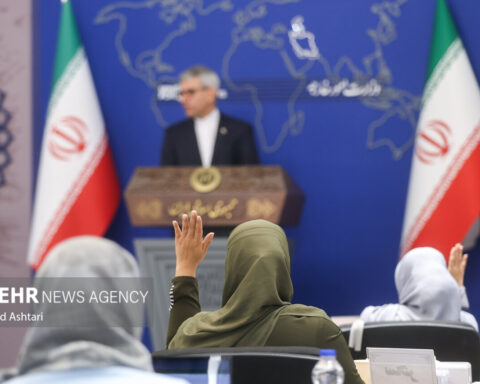
With silence on Faisal’s statement and escalatory rhetoric on the military track. No Iranian state media response to the May 20 Saudi intervention was recoverable in available reporting, while the IRGC simultaneously warned of a response “far more powerful than previous military confrontations,” as Tasnim News Agency reported. Iran’s revised 14-point counter-proposal, submitted to Pakistani mediators around May 18-19, left three core gaps unresolved — enrichment moratorium duration, highly enriched uranium removal from Iranian territory, and Hormuz sovereignty language — according to Axios.
The absence of a direct response was itself a calibrated posture, consistent with Tehran’s established practice of refusing to publicly dignify named Saudi diplomatic pressure during active negotiations. By neither accepting nor rejecting the Saudi framing, Iran preserved its ability to engage with the substance through the private channel — the same Araghchi-to-Faisal phone line that had operated since April 9 — while denying Riyadh the public validation of a named reply, and denying its own hardliners the provocation of appearing to negotiate under Saudi-imposed conditions.
The IRGC, operating on a parallel track with its own institutional audience, left no ambiguity about the military dimension. Major-General Ali Abdollahi warned the United States and its allies against committing “another strategic mistake or miscalculation,” declaring that Iran’s armed forces were “more prepared and stronger than before, with their hands on the trigger,” as Tasnim reported. That language, issued alongside rather than in response to Faisal’s appeal, functioned as Tehran’s operational counterpoint to Riyadh’s diplomacy: the Revolutionary Guard was not moved by Gulf public pressure, and any agreement that emerged from the 48-hour window would have to satisfy Iran’s security establishment alongside its foreign ministry.
On the substance, the US assessment that Iran’s counter-proposal was “insufficient” and “risks war resumption,” as Axios reported, set the bar that Faisal’s public appeal was attempting to clear. The challenge was not persuading Iran to accept American terms outright but persuading Tehran to narrow enough of the gap on enrichment timelines, HEU removal, and Hormuz sovereignty language to give Trump a deal he could accept before the 48-hour window closed and the strikes he had already planned for May 20 returned to the operational calendar.
What Does Riyadh Risk If the Window Closes Empty?
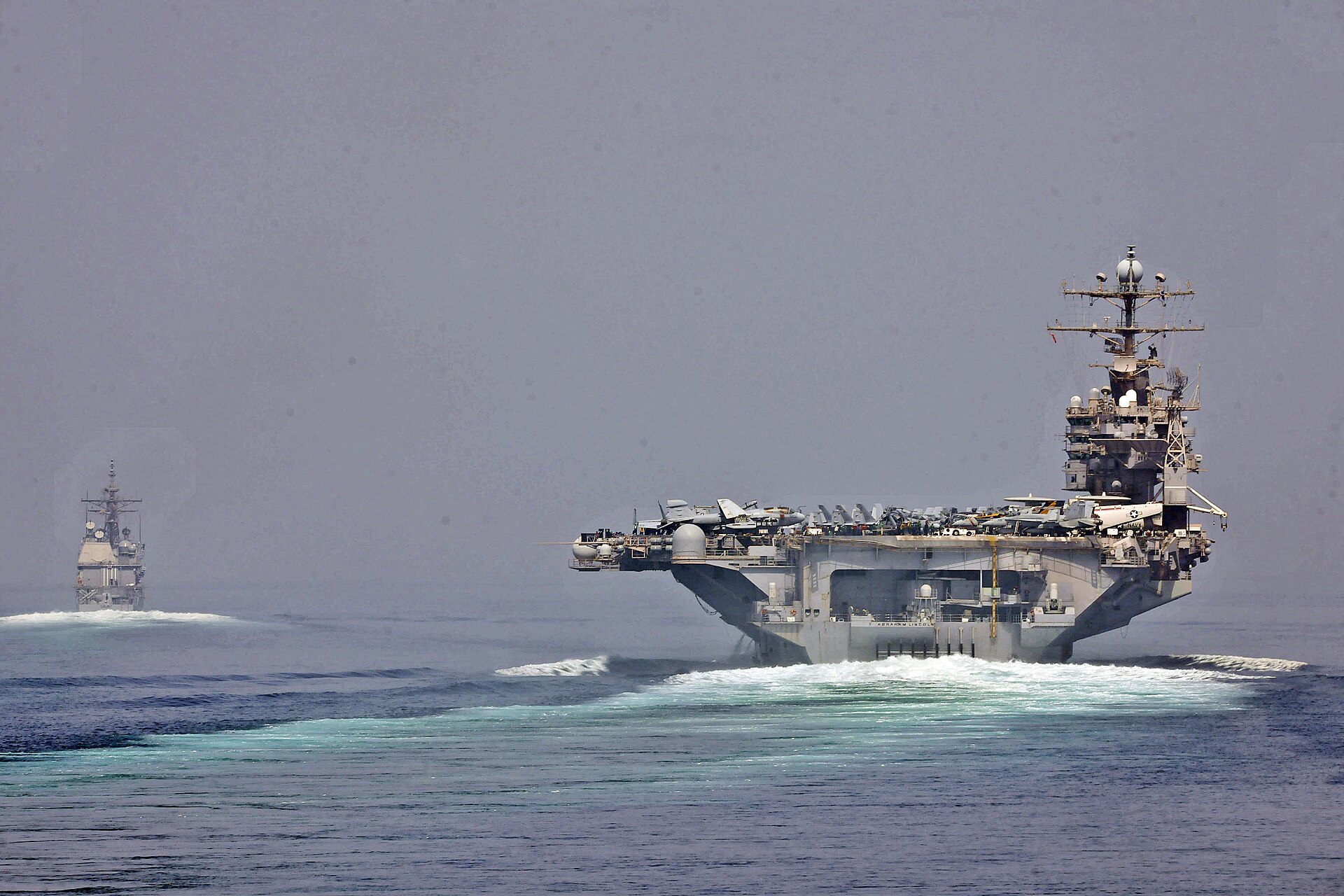
A 3-million-barrel-per-day structural export gap at Hormuz that persists as long as the strait remains contested, permanent reputational exposure from publicly staking Saudi credibility on a deal that collapsed, and a deeper structural repricing of Gulf security that extends well beyond this war. Chatham House described this last risk as the “long-term threat” of the Hormuz precedent: the prospect that a strait closure, having happened once, becomes a repeatable instrument of coercion.
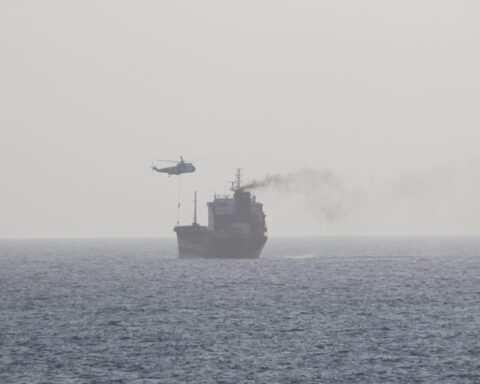
The economic dimension makes the stakes tangible before the diplomatic calculation even begins. Saudi Arabia is exporting approximately 4 million barrels per day through the East-West Pipeline to its Red Sea terminal at Yanbu, compared to pre-war exports of approximately 7 million bpd through Hormuz — a gap of 3 million bpd that Chatham House’s May 2026 analysis documented as structural rather than temporary. With global oil inventories draining at rates the IEA has described as unsustainable and Brent crude above $109 per barrel, the cost of diplomatic failure is measured in the 1,550 vessels and 22,500 mariners still stranded at Hormuz, according to figures cited by CJCS General Caine.
The reputational cost may prove sharper than the economic one. By going public, Faisal converted what had been a deniable facilitation role into a named advocacy position, and if negotiations collapse on May 21-22, the failure will carry Saudi fingerprints in a way that nine weeks of private diplomacy were constructed to prevent. Bernard Haykel, Professor of Near Eastern Studies at Princeton University, has noted that Crown Prince Mohammed bin Salman views Iran’s potential collapse as “a demographic nightmare” rather than a strategic opportunity — a framing, reported by Bloomberg, that distinguishes Saudi interests from Israeli ones and explains why Riyadh has spent diplomatic capital on a deal that Tel Aviv has shown no appetite for supporting.
Chatham House’s May 2026 assessment captured the structural fear underneath the immediate crisis: “Now that Hormuz has been closed once, there will always be the risk it could happen again.” The separation of the nuclear file from the ceasefire talks, which Iran has pursued and which Faisal’s comprehensive approach was designed to resist, would leave that repricing permanently in place even if a partial deal emerges — a ceasefire without the security architecture that prevents the next one from becoming necessary.
Background
Saudi-Iranian diplomatic engagement has followed an accelerating arc since the 2023 China-brokered restoration of relations, when Faisal became the first Saudi Foreign Minister to visit Tehran in years, meeting President Raisi and Foreign Minister Amir-Abdollahian in what represented Saudi Arabia’s most substantial diplomatic investment in regional stability since the Abraham Accords. That rapprochement collapsed when the current conflict began in late February 2026, but its institutional residue has shaped every subsequent Saudi interaction with Tehran, including the private model that Faisal maintained through three documented calls with Araghchi before breaking publicly on May 20. In October 2024, Faisal had met Iranian President Pezeshkian in Doha amid fears of escalation following Iran’s massive missile attack on Israel — again in a multilateral format, without the kind of named public advocacy he produced on Tuesday, as The National reported.
The war is now approximately 83 days old, and the covert Saudi air strikes on Iran in late March — the first known Saudi military action on Iranian soil — were privately resolved without either government acknowledging them publicly. The Hajj is underway, with the Day of Arafah on May 26, and approximately 30,000 Iranian nationals are inside Saudi Arabia, a fact that creates its own deterrence calculation for both governments. Faisal himself declared earlier in the war that “what little trust there was before has completely been shattered” following Iranian missile strikes on Saudi territory, as Arab News reported — making his May 20 appeal to Tehran to “seize the opportunity” his most conciliatory public language since that declaration, and a measure of how far Riyadh was willing to extend itself to keep the window from closing.
The diplomatic weight of that Hajj constraint has been formalised by Washington itself. On April 7 — eleven days before Faisal’s May 20 statement — the US Embassy issued a Level 3 “Reconsider Travel” advisory against Hajj, the first in modern US diplomatic history. As The Most Damaging Document Issued Against Saudi Arabia This Year Is a Travel Advisory documents, the State Department language constitutes an implicit finding that the Custodian of the Two Holy Mosques title cannot currently deliver its foundational guarantee.
Bin Farhan’s European diplomatic circuit in the weeks before the statement — which included a London stop where he met UK Foreign Secretary Yvette Cooper to discuss Hormuz’s economic repercussions — culminated commercially when Britain concluded the first G7 nation’s GCC trade deal the same day as the endorsement.
Frequently Asked Questions
Could Gulf states restrict US military base access over the strikes?
Yes, and the threat carried operational weight. Kuwait, Qatar, Saudi Arabia, and the UAE all signaled around May 18-19 that they would likely impose tighter restrictions on US forces using their bases and airspace if Trump proceeded with additional strikes on Iran, as CNBC reported. The United States cannot effectively project force against Iranian military infrastructure without Gulf staging areas — Al Udeid Air Base in Qatar, Prince Sultan Air Base in Saudi Arabia, and Al Dhafra in the UAE form the backbone of American operations in the region — which gave the Gulf veto teeth well beyond its diplomatic framing.
Are the UAE and Saudi Arabia aligned on Iran?
Not entirely, and the fissure is widening under wartime pressure. The Soufan Center assessed on May 14, 2026 that Saudi Arabia “favors accommodation with Iran and Iran-backed regional actors” while the UAE “believes military confrontation with Iran can produce transformative change.” Abu Dhabi’s experience with Iraqi drone strikes on its Barakah nuclear plant has hardened Emirati views on the utility of force, and the UAE’s departure from OPEC+ has reduced one of Saudi Arabia’s traditional levers of economic influence over its most hawkish Gulf partner.
What is the current state of Iran’s enrichment programme?
At a deadlock, by Tehran’s own description. Iran’s FM Araghchi, speaking at a BRICS foreign ministers meeting in New Delhi, said the enrichment question was being “postponed” to later negotiating stages and confirmed that Iran may consider Russia’s proposal to store Iranian enriched uranium “at an appropriate time,” without committing to a timeline. All three core gaps in Iran’s 14-point proposal remain unresolved before the window closes, according to Axios.
Has Iran offered to separate Hormuz from the nuclear talks?
Yes, on April 27, 2026, Iran proposed decoupling the Hormuz question from nuclear negotiations entirely, seeking broader international support for a Hormuz-first deal under a multilateral framework, as Al Jazeera reported. That approach would structurally disadvantage Saudi Arabia’s insistence on a comprehensive settlement that links Hormuz freedom of navigation to enforceable nuclear constraints — precisely the linkage that Faisal’s public appeal was designed to preserve and that Iran’s track-splitting strategy was constructed to dissolve.
No public contact between Faisal and Araghchi has been disclosed since the May 11 call. Whether the cancelled strikes remain off the operational calendar past May 22 depends entirely on what Tehran does with the window that Saudi Arabia’s top diplomat publicly, by name, asked it to use. On May 20, bin Farhan confirmed the outcome by name — Saudi Arabia’s FM publicly endorsed Trump’s decision to cancel the Iran strike, completing a 62-day arc from explicit military threat to diplomatic praise.