
BEIRUT — President Donald Trump announced on June 1 that he had brokered a ceasefire in Lebanon through “highly placed representatives” of Hezbollah — a claim with no precedent in the United States’ twenty-seven-year designation of Hezbollah as a Foreign Terrorist Organization. Israeli Prime Minister Benjamin Netanyahu rejected the terms within hours, telling reporters the IDF would “keep striking southern Lebanon as planned,” while Defense Minister Israel Katz stated flatly: “There is no ceasefire in Lebanon.”
The gap between the declaration and the ground gave Iran the documentary record it needed. Tehran had listed Lebanon as Point 1 of its March 2026 five-point counter-proposal — the gateway condition before any nuclear or sanctions discussions could proceed. On June 2, with Israeli airstrikes killing eight people in Lebanon and a hospital in Tyre struck, Iran’s IRGC-affiliated Tasnim news agency issued a formal suspension of MOU negotiations, citing “violation on all fronts, including Lebanon.” Reuters reported the same day that Iran was preparing to formally decline the US proposal on June 9.
Table of Contents
- What Trump Declared and What Netanyahu Rejected
- Eight Dead and a Hospital Struck
- How Is Iran Building Its Case?
- Beaufort Castle and the Ground Israel Will Not Return
- Can Washington Enforce What It Declared?
- June 9: Rejection, Counteroffer, and the Aramco Dividend
- Background and Context
- Frequently Asked Questions
What Trump Declared and What Netanyahu Rejected
Trump’s announcement arrived via Truth Social at approximately 1:29 p.m. ET on June 1. “I had a very good call with Hezbollah, and they agreed that all shooting will stop — that Israel will not attack them, and they will not attack Israel,” he wrote. No treaty text accompanied the statement. No joint communiqué was issued. No other head of state co-signed.
The declaration existed as a social media post, according to the Times of Israel and Al Jazeera.
Netanyahu’s response was public and unequivocal. The prime minister said the Israeli military would continue operations in southern Lebanon. Katz went further: “We are continuing our operations — to thwart Hezbollah’s capabilities and remove all Hezbollah operatives from southern Lebanon.”
The call between Trump and Netanyahu that preceded the public split was, by multiple accounts, explosive. Trump told Netanyahu: “You’re fucking crazy,” according to multiple US officials cited by Outlook India. He continued: “You’d be in prison if it weren’t for me. I’m saving your ass. Everybody hates you now. Everybody hates Israel because of this.”
The Middle East briefing 3,000+ readers start their day with.
One email. Every weekday morning. Free.
Officials said Trump believed the IDF’s operational tempo was disproportionate and was endangering his Iran diplomacy track.
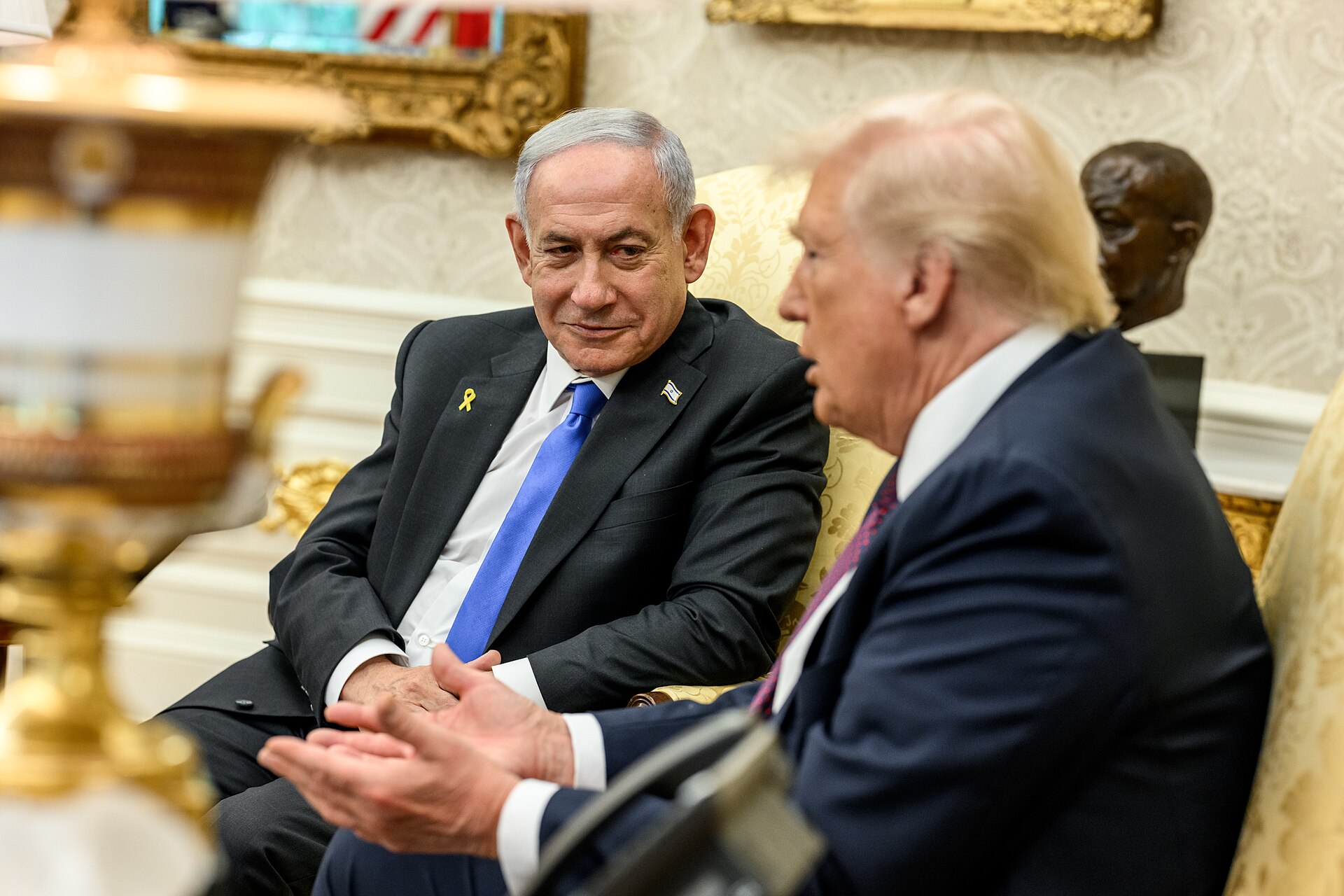
Hezbollah’s response was conditional, not declaratory. Lebanese Parliament Speaker Nabih Berri told the Trump administration that Hezbollah was “ready for a full and immediate ceasefire with Israel” and pledged to guarantee implementation, according to Axios. But Hezbollah MP Hassan Fadlallah, speaking on Al-Manar, said the group would “watch whether a cessation of hostilities took hold in the coming days.” Berri offered acceptance. Fadlallah imposed a probationary test.
Eight Dead and a Hospital Struck
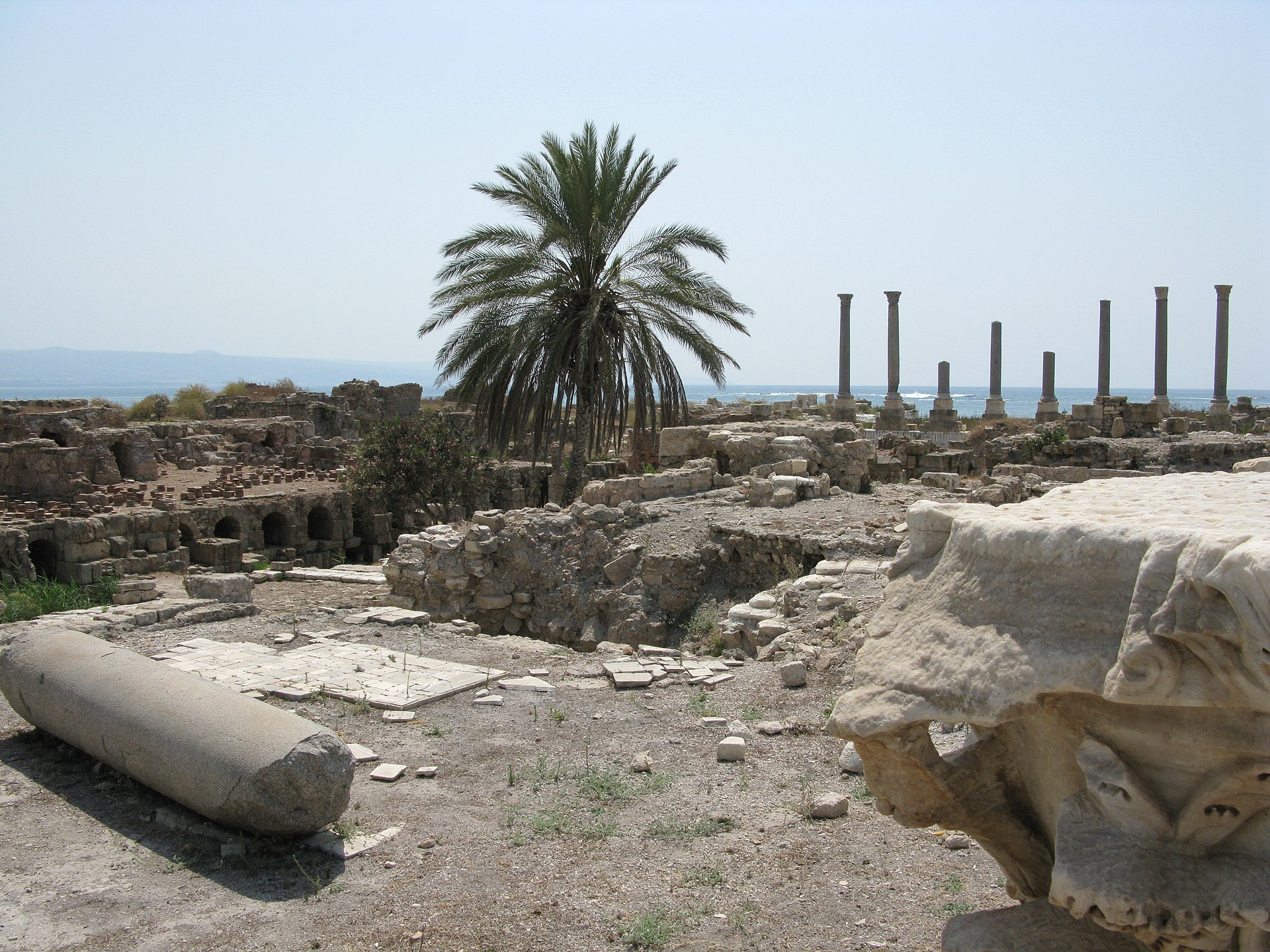
The probation lasted less than twenty-four hours. On June 2, Israeli airstrikes killed eight people in Lebanon, including a father and his son and daughter, according to Al Jazeera and AP wire reports. A separate strike hit Jabal Amel Hospital in Tyre, killing four and injuring fifty, damaging hospital wards, a parking garage, and surrounding buildings.
The IDF issued evacuation warnings for sixteen south Lebanon villages and towns north of the Litani River on the same day, citing Hezbollah ceasefire violations. Its statement: “In light of the Hezbollah terror group’s violations of the ceasefire agreement, the IDF is compelled to act against it with force.”
The scale of Israeli operations extended well beyond targeted counterstrikes. Haaretz, citing military sources, described the campaign under the headline “‘Like Gaza’: IDF Razes South Lebanon Villages During Cease-fire.” IDF commanders stated that residents would not be permitted to return to fifty-five villages within the operational zone. More than 3,370 Lebanese have been killed since the broader conflict began, according to Lebanese government figures.
The original ceasefire between Israel and Hezbollah, declared on April 17, has never been observed. Both sides have accused each other daily of violations since its announcement. Trump’s June 1 declaration was the second attempt at a cessation of hostilities — against a record where the first never took effect on the ground.
How Is Iran Building Its Case?
Tasnim’s formal suspension notice is simultaneously a diplomatic communication and a forensic filing. The notice stated: “considering that Lebanon was one of the preconditions for the ceasefire and that this ceasefire has now been violated on all fronts, including Lebanon, the Iranian negotiating team is suspending dialogues.”
Iranian Foreign Minister Abbas Araghchi framed the issue in terms that directly contradict Washington’s position. “The ceasefire between Iran and the US is unequivocally a ceasefire on all fronts, including Lebanon,” he said via PressTV. The US position — that Lebanon was never formally within the scope of Iran-US negotiations — is the opposite claim. As House of Saud has reported, the two sides have operated under mutually exclusive interpretations of the same agreement since April.
Mohammad Mokhber, a member of Iran’s Expediency Discernment Council and adviser to Supreme Leader Ali Khamenei, offered the most expansive formulation on June 1. “Any ceasefire agreement that does not take into account Iran’s allied groups is irrelevant,” he told the Washington Times.
Iran’s March 2026 five-point counter-proposal, delivered through Pakistani intermediaries, placed Lebanon at Point 1: an “end to US-Israeli attacks on Iran and pro-Iranian forces in Lebanon and Iraq.” The sequencing was not incidental. Lebanon was the gateway condition — the one that must be satisfied before any nuclear or sanctions terms could be discussed. The Carnegie Endowment noted that the scope dispute was never authoritatively resolved. Pakistani officials told Reuters at the time that the April ceasefire covered “Lebanon and elsewhere.” Netanyahu denied it the same day.
Tasnim’s MOU draft language demanded “the declaration of the end of war on all fronts, including Lebanon” — a declaratory standard. But Araghchi’s application uses an implementation test: “violation on all fronts” based on IDF ground operations. Trump met the declaratory standard on June 1. The IDF failed the implementation test on June 2. Iran can apply whichever standard yields a violation. Both now do.
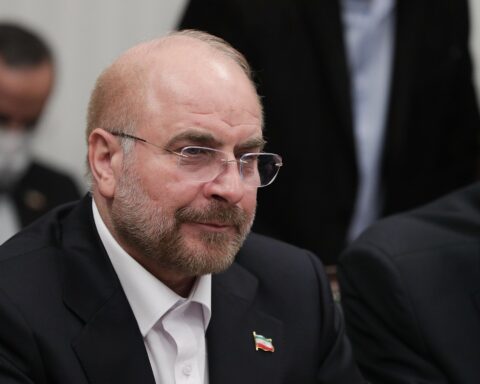
Iranian Parliament Speaker Mohammad Bagher Ghalibaf communicated the same position directly to Lebanese Parliament Speaker Nabih Berri: any accord concluding the Iran-US conflict “will include the cessation of attacks on all fronts, especially Lebanon,” according to PressTV. The coordination between Ghalibaf’s message to Berri, Araghchi’s public framing, and Tasnim’s formal notice suggests a unified documentary strategy, not an improvised reaction.
Beaufort Castle and the Ground Israel Will Not Return
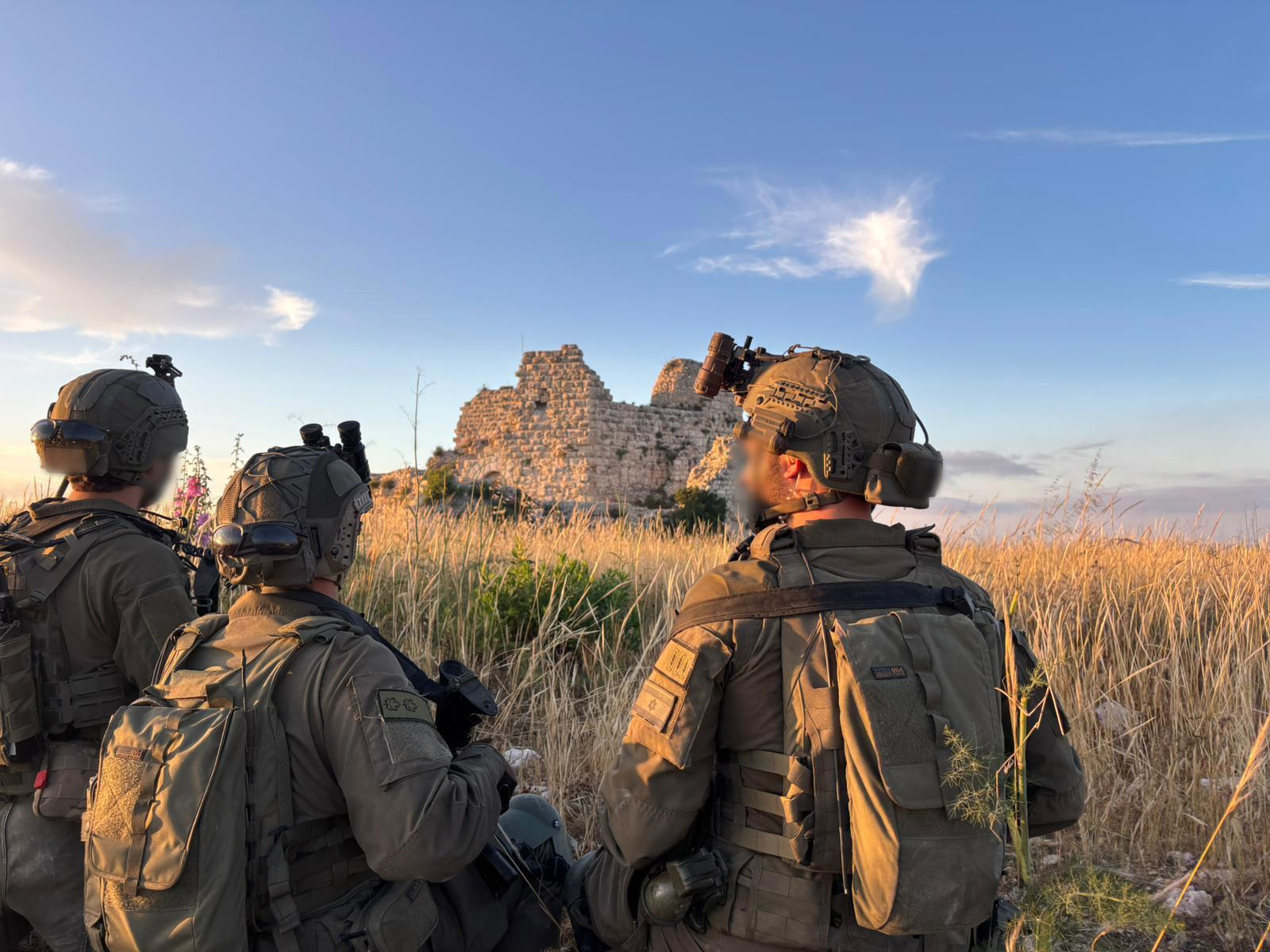
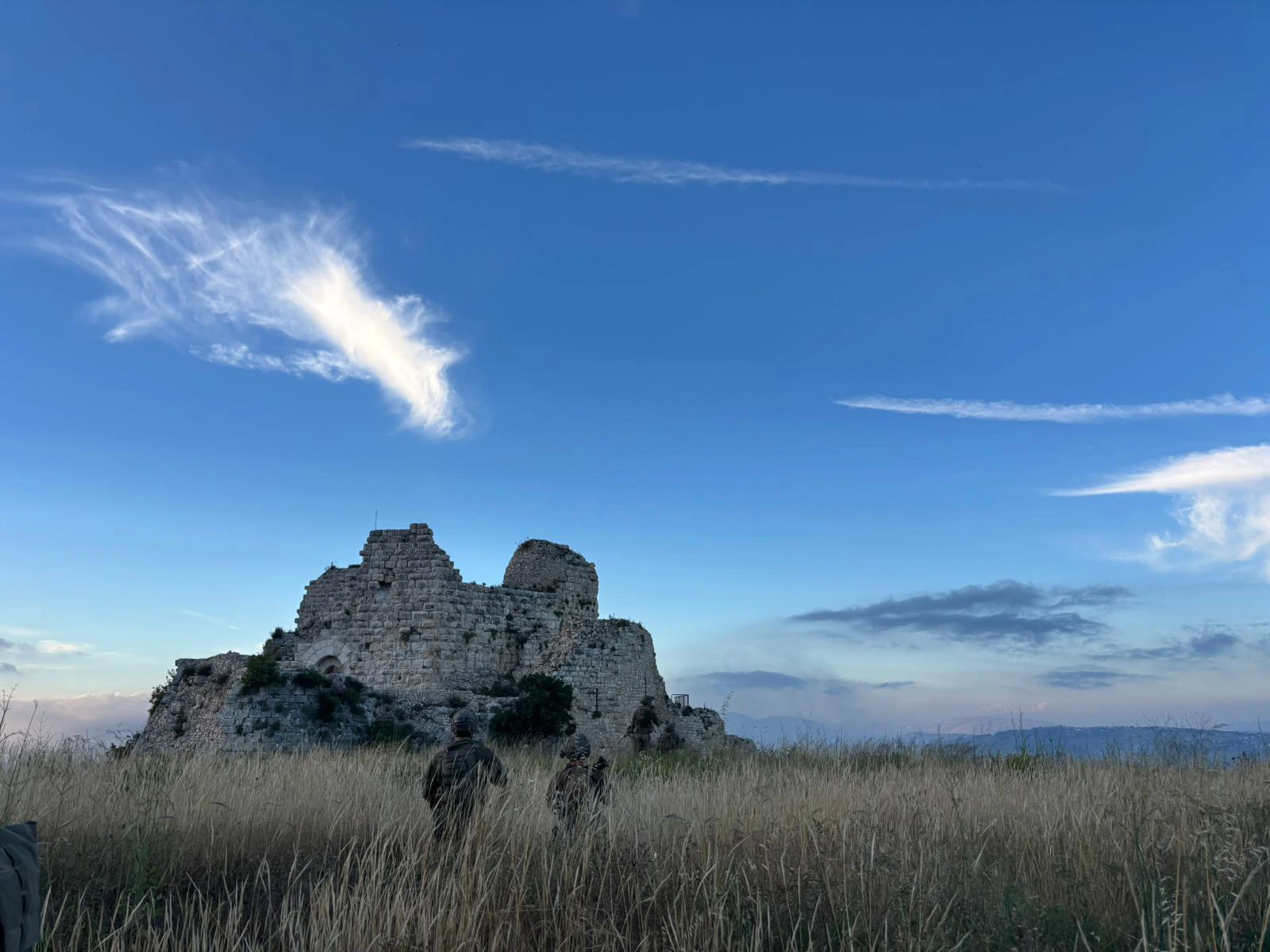
The day before Trump’s announcement, on May 31, the IDF crossed the Litani River — the boundary that the April 17 ceasefire used as its demarcation line. The Golani Brigade’s Reconnaissance Unit seized Beaufort Castle, the Beaufort Ridge outpost, and the Wadi al-Saluki corridor north of the Litani, according to the Times of Israel, CNN, and the Jerusalem Post. It was the first Israeli capture of the twelfth-century Crusader fortress in twenty-six years.
Netanyahu described the objective as expanding “the forward defense line.” The castle sits at approximately 700 meters elevation above the Litani and commands observation of the entire upper Galilee from inside Lebanese territory. Every armed force that has controlled southern Lebanon since the 1970s — the PLO, the IDF during its 1982–2000 occupation, and Hezbollah after Israel’s withdrawal — used Beaufort as a controlling military position. The IDF’s last withdrawal from the castle, in May 2000, was a defining image of Israel’s departure from Lebanon.
France responded on June 1 by requesting an emergency UN Security Council meeting. Foreign Minister Jean-Noël Barrot stated: “nothing can justify the continuation of Israeli military operations in Lebanon and its ever-deeper occupation of Lebanese territory.” President Emmanuel Macron added that “nothing justifies the major escalation under way in south Lebanon.” France released €6 million in emergency humanitarian aid for Lebanon, according to the Élysée.
France’s intervention carries weight beyond its UNSC permanent seat. Paris co-leads the Hormuz maritime coalition with the UK from Northwood and maintains a direct channel to Tehran — Macron has spoken with President Masoud Pezeshkian twice since March, on March 8 and in May. France is the only power that simultaneously holds a coalition co-leadership role, active diplomatic access to both Washington and Tehran, and an $8 billion Rafale arms deal with the UAE that ties it financially to Gulf security outcomes.
Can Washington Enforce What It Declared?
The State Department’s fourth round of Israel-Lebanon peace talks is scheduled for June 2–3 in Washington. A Pentagon “security track” took place on May 29 with Lebanese, Israeli, and American military delegations, covering IDF withdrawal sequencing, Lebanese Army deployment, Hezbollah disarmament, and enforcement mechanisms, according to Tribune India.
The operational reality leaves those negotiations without a foundation. Trump’s Truth Social post committed no party to a legally binding obligation. Netanyahu rejected the terms publicly within hours. The IDF’s continued operations — the Litani crossing, the Beaufort seizure, the hospital strike in Tyre, the systematic razing that Haaretz compared to Gaza — proceeded as if the declaration had not been made.
Trump told ABC News on June 1 that he believed a deal to reopen the Strait of Hormuz and extend the ceasefire was reachable “over the next week.” That timeline collides with the June 9 date on which, per Reuters, Iran will formally decline the MOU. The figure who holds de facto MOU ratification authority — Mojtaba Khamenei, communicating from an underground bunker via motorcycle couriers — has set ten conditions for any agreement with the United States. Eight of those conditions remain violated by the unamended US draft, according to Iran International.
At a Senate Foreign Relations Committee budget hearing on the same day, Secretary of State Rubio added a layer of public confirmation that the White House had not provided: he named Mojtaba Khamenei as the party “increasingly engaging” through the courier system and listed the PGSA toll among four specific US conditions for Hormuz reopening. What Rubio named in open session, why it contradicts the ceasefire-declaration framing, and what Saudi Arabia cannot say in response is here.
June 9: Rejection, Counteroffer, and the Aramco Dividend
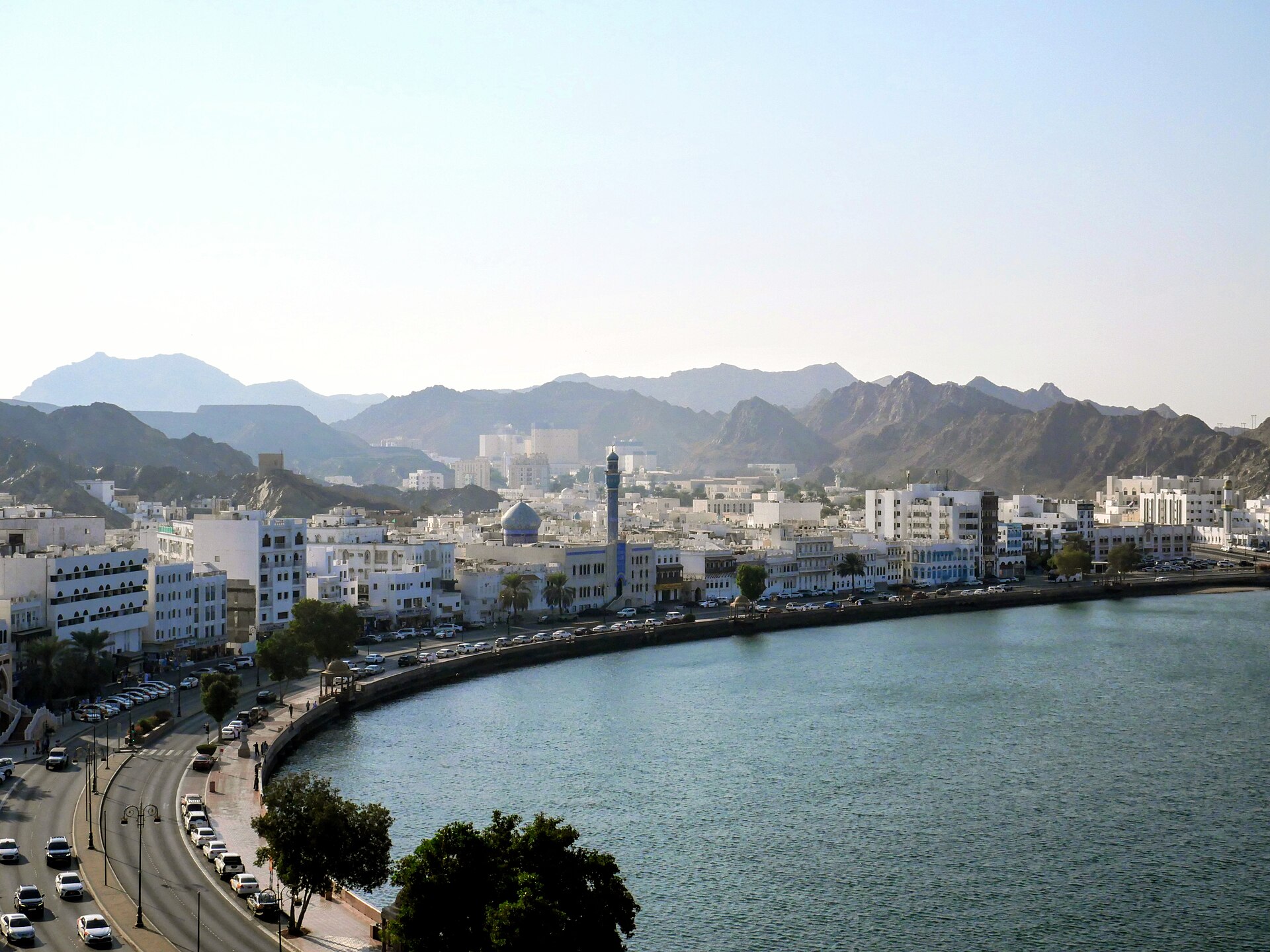
Three tracks intersect on June 9. Reuters reported on June 2 that Iran is preparing to formally decline the Trump administration’s MOU proposal while submitting a counteroffer through Omani mediators. Iranian Foreign Ministry spokesman Esmail Baghaei has stated that the current US terms are “not acceptable.” The Omani counteroffer is expected to propose narrower terms focused on sanctions relief and maritime transit, sidestepping the nuclear and HEU removal provisions that have deadlocked the talks.
On the same date, Aramco’s $21.89 billion quarterly dividend becomes payable — a payout that exceeds the company’s $18.6 billion in Q1 2026 free cash flow by $3.3 billion, producing a coverage ratio of 0.85x.
For Saudi Arabia, a formal MOU rejection eliminates the primary mechanism for de-escalation in the Strait of Hormuz, where Iran’s PGSA transit regime continues to restrict commercial shipping. Brent crude remains below $100 — well short of the $108–111 Bloomberg-estimated breakeven the kingdom requires. The Q1 2026 deficit of SAR 125.7 billion ($33.5 billion) consumed 76 percent of the full-year SAR 165 billion target in ninety days. The National Debt Management Center has funded approximately 90 percent of its annual borrowing capacity. Saudi Arabia remains excluded from all three Hormuz negotiation tracks: the US-Iran bilateral, the Oman co-management channel, and the UK-France maritime coalition.
Background and Context
The Iran-US confrontation escalated into direct military conflict in early 2026, following US strikes on Iranian nuclear facilities and Iranian retaliation against American bases in the Gulf. The April ceasefire, brokered through Pakistani intermediaries, halted direct combat between the two countries but left the status of proxy conflicts in Lebanon and Iraq formally unaddressed.
The MOU under negotiation would convert the April ceasefire into a permanent framework covering nuclear inspections, sanctions relief, Hormuz transit norms, and the status of Iran’s regional allies. Negotiations have been conducted through Omani and Pakistani intermediaries rather than direct US-Iran meetings. The draft text has gone through multiple amendment rounds, most recently Trump’s May 31 edits demanding specifics on HEU removal timing and Hormuz wording — provisions Iran has categorically rejected. Iran’s last verified HEU stockpile stood at 440.9 kg of 60 percent enriched uranium as of June 2025, but a ninety-three-day IAEA verification blackout means the current figure is formally unknown.
Frequently Asked Questions
Has a US president ever communicated with Hezbollah before?
No. Trump’s June 1 claim that he spoke with Hezbollah through “highly placed representatives” is unprecedented. The United States designated Hezbollah as a Foreign Terrorist Organization in 1997, and every subsequent administration has maintained the designation. Previous presidents communicated with Lebanese government officials and regional intermediaries but never claimed direct contact — even through proxies — with Hezbollah’s command structure. The identity of the intermediaries Trump referenced has not been disclosed by the White House or the State Department.
What is the legal status of Trump’s ceasefire declaration?
The declaration was made via Truth Social with no accompanying treaty text, executive order, or joint communiqué. It carries no binding legal force on Israel, Hezbollah, or any other party. A ceasefire becomes enforceable when formalized in an agreement signed by belligerents or codified through a UN Security Council resolution. The State Department’s ongoing Round 4 talks in Washington (June 2–3) and the Pentagon’s May 29 security-track meeting are the venues where a binding framework would be negotiated. No agreement has been reached in those talks.
Why does Iran link Lebanon to the MOU when the US treats them as separate tracks?
Iran’s “Axis of Resistance” doctrine treats Hezbollah, Iraqi militias, and Houthi forces as integrated components of its regional security architecture. Ghalibaf communicated directly to Berri that any accord ending the Iran-US conflict “will include the cessation of attacks on all fronts, especially Lebanon.” Khamenei adviser Mokhber’s formulation was broader still: “Any ceasefire agreement that does not take into account Iran’s allied groups is irrelevant.” Iran’s position is that a ceasefire with Tehran that does not cover its allied groups is structurally incomplete — and that Israel’s continued operations in Lebanon provide the evidence.
What military significance does Beaufort Castle hold?
Beaufort Castle, built by Crusaders in the twelfth century, sits on a ridge at approximately 700 meters elevation above the Litani River. The fortress provides line-of-sight observation over the upper Galilee to the south and the Bekaa Valley approaches to the east. It has served as the dominant military position in southern Lebanon since the PLO established a presence there in the 1970s. Israel held the castle from its 1982 invasion through its withdrawal in May 2000 — when the last Israeli flag was lowered at Beaufort, it became a symbol of the end of the occupation. The IDF’s May 31 recapture, conducted by the Golani Brigade’s Reconnaissance Unit, reverses that withdrawal and places Israeli forces north of the Litani demarcation line for the first time since 2000.
What is the Aramco dividend’s connection to the Iran MOU timeline?
Aramco’s $21.89 billion quarterly dividend becomes payable on June 9 — the same date Iran is expected to formally reject the MOU. The dividend exceeds Aramco’s Q1 2026 free cash flow of $18.6 billion, meaning the company is distributing more to shareholders than it earns. Saudi Arabia’s Public Investment Fund, which depends on Aramco distributions as its primary revenue source, holds $15 billion in cash — a six-year low, representing 1.6 percent of its total assets. Goldman Sachs has projected the kingdom’s full-year budget deficit at 6 to 6.6 percent of GDP, a revised estimate of $80–90 billion that substantially exceeds the government’s planned target. A failed MOU would sustain Hormuz transit restrictions and keep Brent crude below the kingdom’s breakeven, compressing the revenue base that funds both the dividend and the state budget simultaneously.