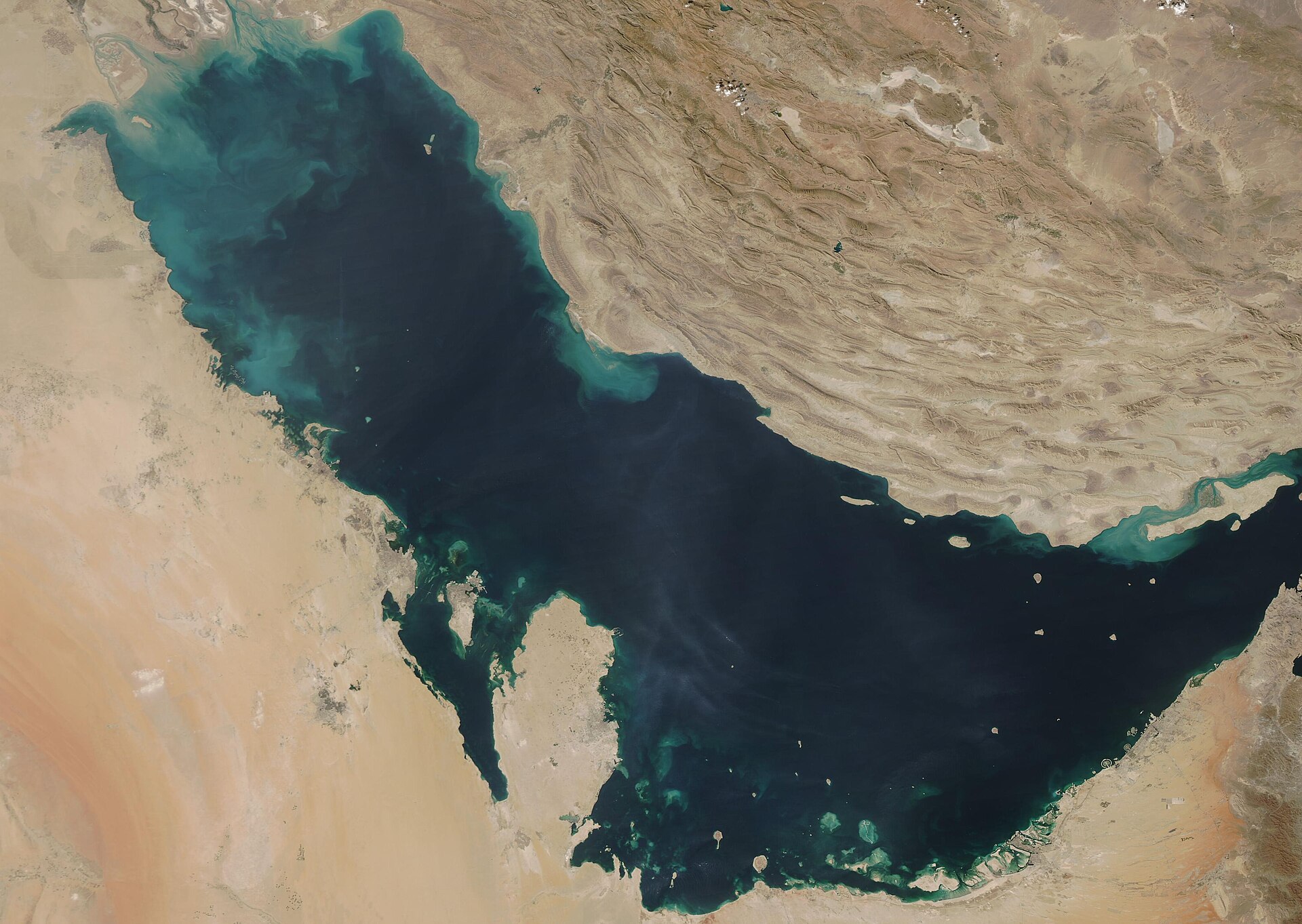

TEHRAN — Brigadier General Seyyed Majid Mousavi, commander of the IRGC Aerospace Force, declared on Saturday evening that “the missiles and aerospace drones are locked on the enemy and we are waiting for the firing order.” The statement, published via social media on May 9, landed roughly 72 hours after Axios first reported the terms of a US-drafted memorandum of understanding on Iran’s nuclear program — and at the moment Iran blew past the 48-hour response window Washington had set. Four days remain before Donald Trump arrives in Riyadh for a Gulf summit. Within 24 hours, a separate senior Iranian military figure warned that countries enforcing sanctions on Iran would “face problems” when their vessels transit the Strait of Hormuz. The twin declarations were not aimed at Washington. They were aimed at Tehran — at President Masoud Pezeshkian’s diplomatic apparatus, which had been “inches away” from signing the Islamabad MoU before the IRGC dismantled it. The 72-hour gap between the Axios report and the Aerospace Force’s weapons-readiness declaration, combined with the four-day window before Trump’s Riyadh arrival, is not coincidence. It is the authorization ceiling converted into a public, timed foreign policy instrument.
Table of Contents
- The 72-Hour Gap
- Who Is Seyyed Majid Mousavi?
- Why Did the IRGC Issue Two Threats in 24 Hours?
- The Persian Gulf Strait Authority: Building the Veto’s Infrastructure
- What Does ‘Awaiting the Order’ Mean When No One Can Give It?
- Pezeshkian’s Denial, Ghalibaf’s Mockery, and the 27 Lawmakers
- How Does This Compare to Previous IRGC Weapons-Readiness Statements?
- The MOU’s Structural Problem
- What Happens Between Now and May 13?
- Frequently Asked Questions
The 72-Hour Gap
On approximately May 7, the United States set a 48-hour response window for Iran to accept or reject the MOU framework reported by Axios on May 6. The terms included a 12-to-15-year enrichment moratorium, a cap at 3.67 percent after the moratorium expires, no underground enrichment facilities, snap IAEA inspections, and the transfer of Iran’s 440.9 kilograms of highly enriched uranium out of the country. In exchange: the US would lift the naval blockade imposed on Iranian ports on April 13, Hormuz would reopen, and frozen Iranian assets would be released.
Iran did not respond within 48 hours. By Saturday evening, May 9, the response window had closed. No counter-proposal had been communicated. No rejection had been formally issued. The response came instead from the IRGC Aerospace Force.
Trump himself had already blurred the deadline. “Never a deadline,” he said. “It’ll happen, it’ll happen, but never a deadline.” The ambiguity gave both sides cover — but it also left the MOU in a liminal state, neither accepted nor dead, precisely the condition in which the IRGC could act to foreclose it without issuing a formal rejection that would carry diplomatic costs.
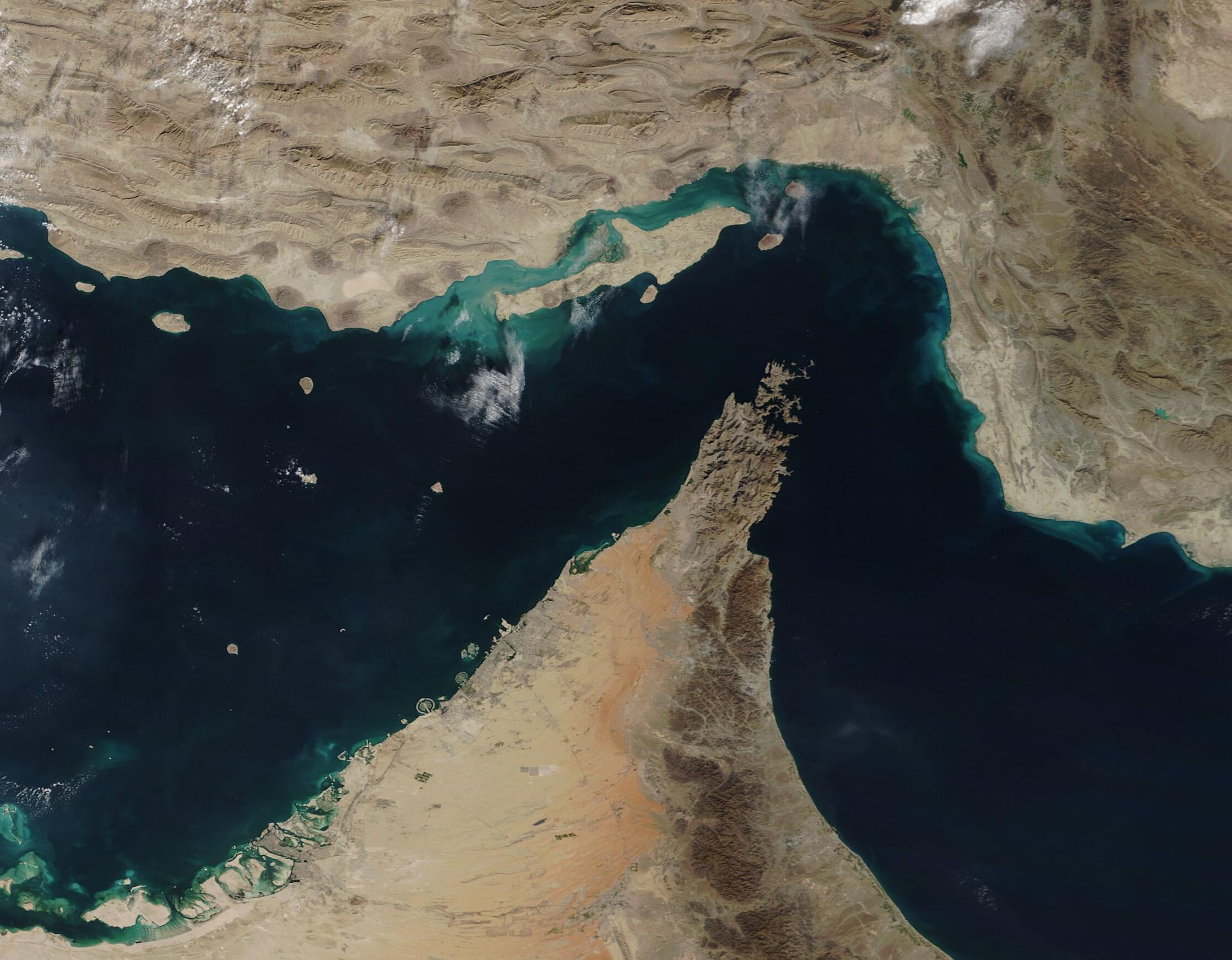
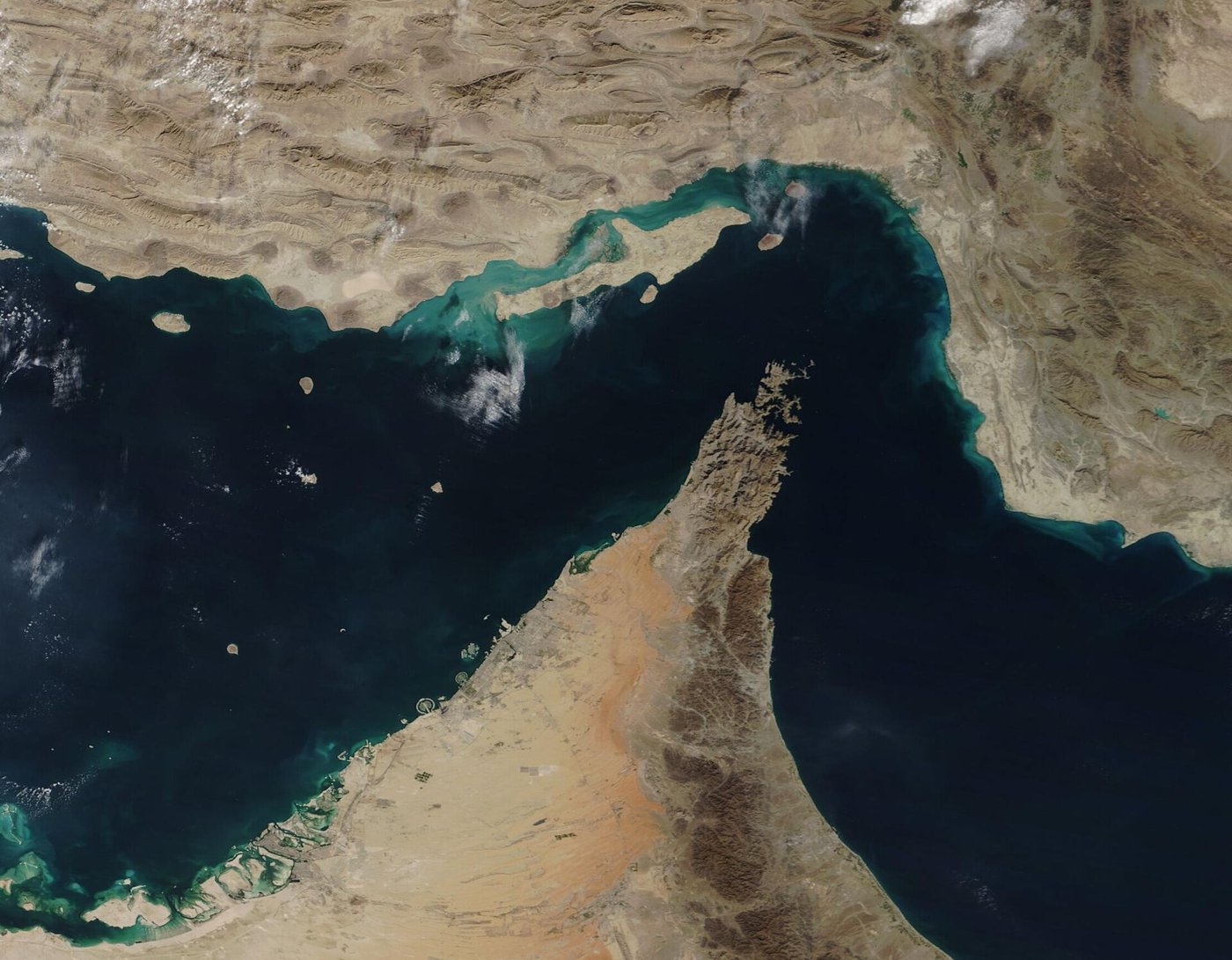
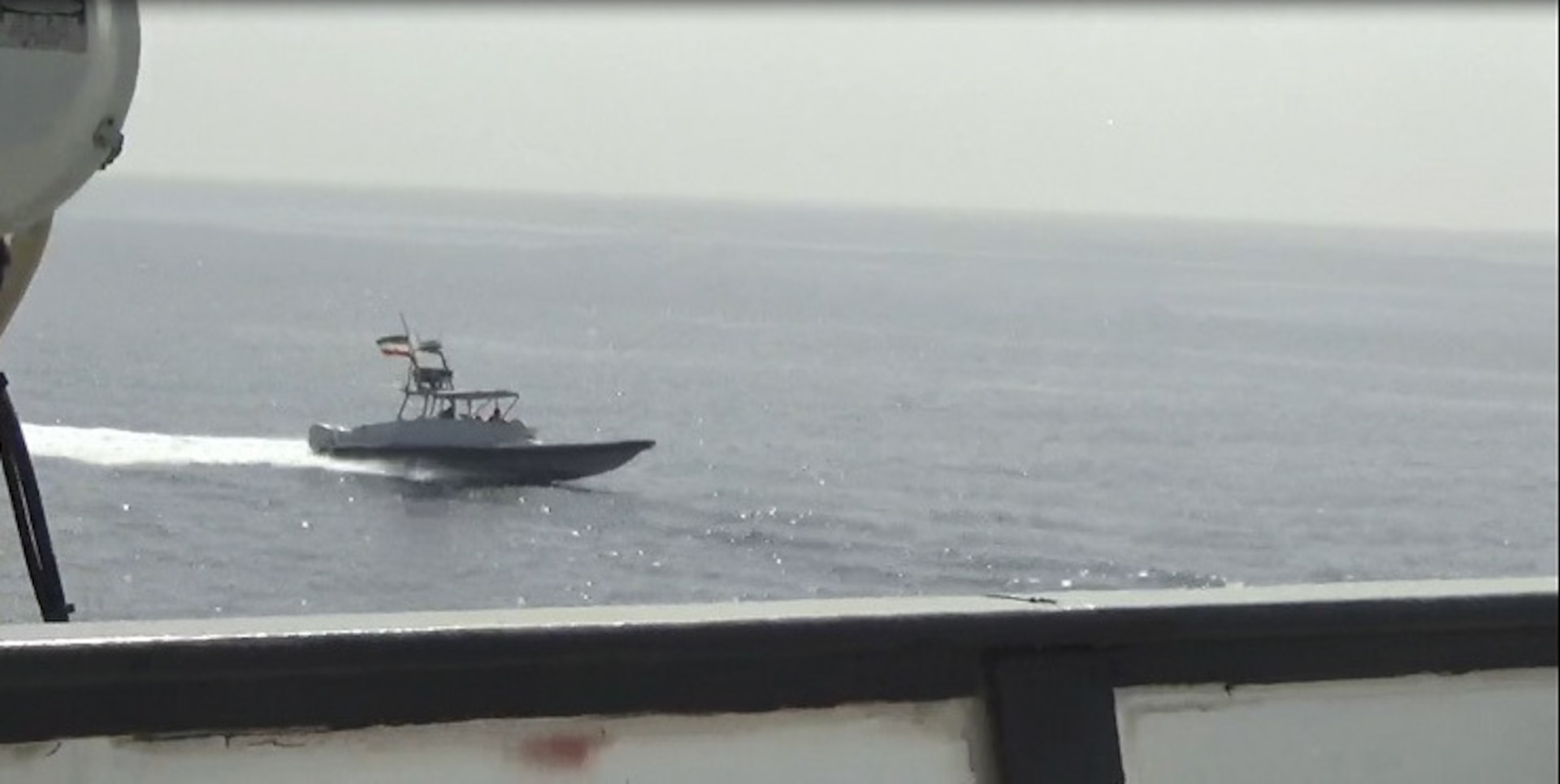
The IRGC Navy issued its own statement the same evening: “Warning! Any aggression against Iran’s oil tankers and commercial vessels will result in a heavy assault against one of the American centres in the region and the enemy’s ships.” This followed the US Navy’s May 8 F/A-18 strike on two Iranian-flagged tankers — the Sevda and the Sea Star III — east of Hormuz. Satellite imagery showed smoke rising from the Sevda on May 9. The tanker strikes gave the IRGC a proximate cause for its language. The MOU terms, unanswered for 72 hours since Axios published them, gave the IRGC a reason to use it when they did.
Who Is Seyyed Majid Mousavi?
Mousavi — born February 17, 1965, full name Seyyed Hossein Mousavi Eftekhari — spent sixteen years as deputy commander of the IRGC Aerospace Force under Amir Ali Hajizadeh. When Hajizadeh was killed in an Israeli airstrike on June 13, 2025, Khamenei appointed Mousavi to replace him the following day, June 14. The speed of the succession — less than 24 hours — reflected both institutional continuity and the absence of competition for the role. A sixteen-year deputy does not innovate.
The Middle East briefing 3,000+ readers start their day with.
One email. Every weekday morning. Free.
Mousavi had already attracted Washington’s attention before his promotion. The US State Department sanctioned him on December 18, 2024, for supporting Iran’s ballistic missile and drone programs — six months before he became commander. He ascended to lead an organization whose previous commander’s death he had witnessed from the institutional inside, and whose operational record during the war he had helped direct from the number-two position since 2009.
By March 2026, that record was under internal scrutiny. Iran International reported on March 21 that families of Aerospace Force personnel had filed formal complaints to senior IRGC authorities alleging battlefield absence and the provision of inaccurate missile strike data. The complaints targeted Mousavi’s leadership specifically.
For a commander already questioned from within, a public weapons-readiness declaration on the same evening the MOU deadline expired served two audiences at once. It signaled institutional loyalty to the IRGC command structure above — to Vahidi’s chain of command. And it projected operational aggression to the skeptics below, the families and field officers who had lodged formal complaints about his leadership seven weeks earlier. Mousavi’s “missiles locked” statement reads differently when you know he spent March answering questions about whether his missiles had hit anything at all.
Why Did the IRGC Issue Two Threats in 24 Hours?
The IRGC’s twin public threats on May 9 and May 10 — Mousavi’s “missiles locked” declaration and a senior military figure’s warning that sanctions-enforcing countries would “face problems” in Hormuz — were not negotiating tactics aimed at Washington. They were institutional signals designed to ensure no MOU is signed before Trump arrives in Riyadh on May 13.
The logic is structural. A deal signed before Trump’s arrival would accomplish two things the IRGC cannot accept: it would give Pezeshkian diplomatic credit for ending the crisis, and it would demonstrate that Iran’s civilian government can negotiate binding agreements without IRGC approval. Both outcomes would weaken the institutional dominance the IRGC has consolidated since the war began — a dominance made visible on the MOU deadline day itself, when Iran’s civilian and military voices delivered contradictory messages within hours of each other.
The Institute for the Study of War’s Critical Threats Project, writing on April 29, identified Ahmad Vahidi as the “current decision maker” in Iran alongside Mojtaba Khamenei, concluding that Parliament Speaker Ghalibaf and Foreign Minister Araghchi “cannot make decisions without the IRGC’s approval.” Vahidi — who carries an INTERPOL red notice for the 1994 AMIA bombing in Buenos Aires — holds the position of acting IRGC commander-in-chief. Mousavi’s Aerospace Force reports to him. A “missiles locked, awaiting order” declaration from a force commander does not happen without command-level awareness. The statement appeared on social media on a Saturday evening, simultaneously with the MOU review window — timing that points to coordinated IRGC-level signaling, not a rogue communication.
Vice President Vance, speaking on May 9, characterized the ceasefire as a “fragile truce.” He did not address the Mousavi declaration directly. The US response framework has consistently treated the IRGC’s public statements as tactical noise rather than institutional signals — a reading that misidentifies the audience these statements are designed for.
The Persian Gulf Strait Authority: Building the Veto’s Infrastructure
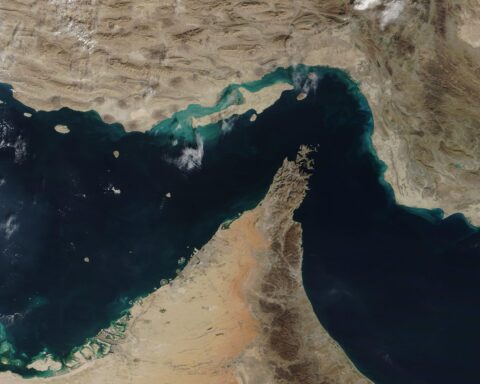
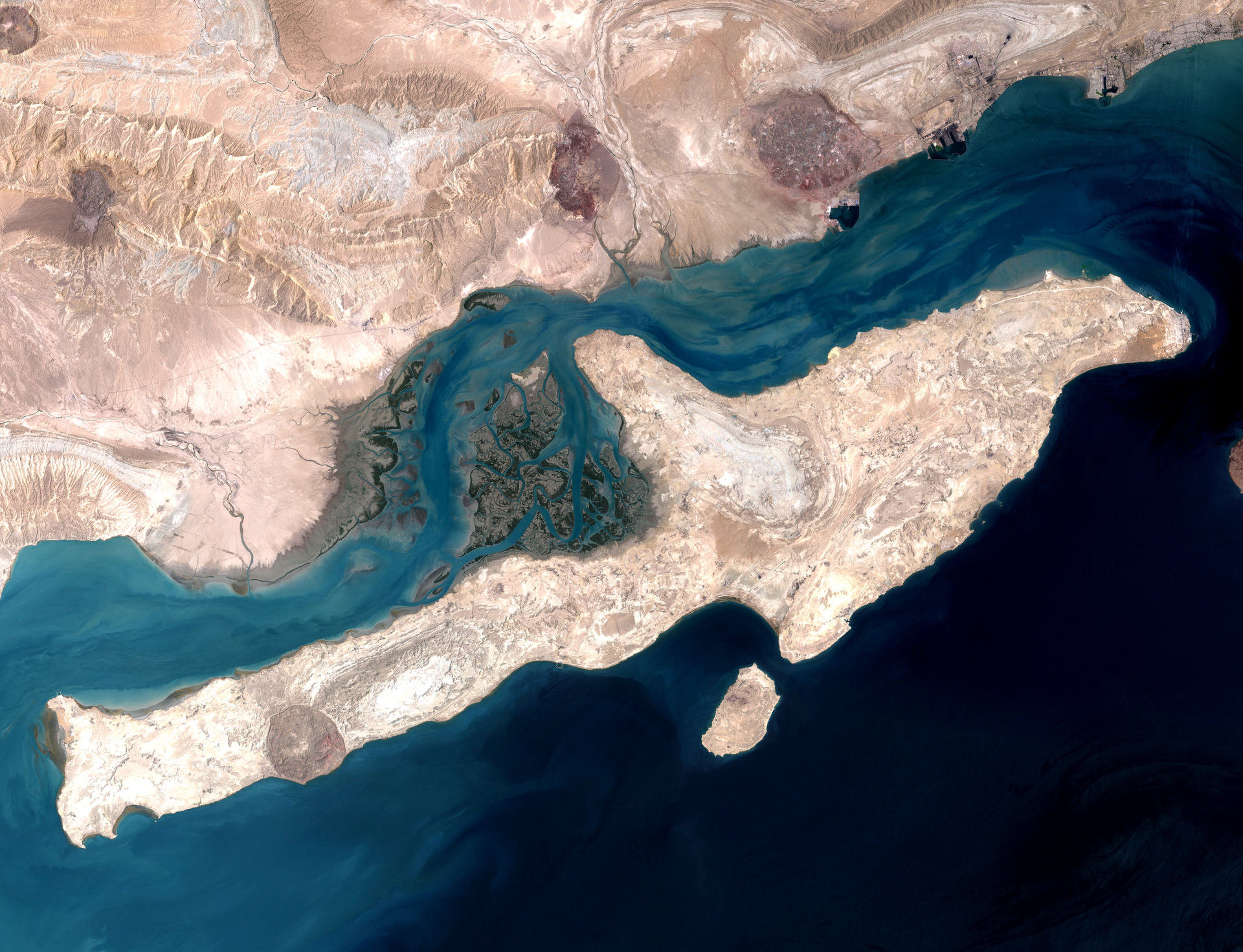
Three days before Mousavi’s declaration, the IRGC’s institutional veto acquired administrative machinery. Iran’s newly created Persian Gulf Strait Authority, established around May 7, issued a “Vessel Information Declaration” requiring ships transiting Hormuz to submit more than 40 data points — ownership structure, crew nationalities, cargo manifests, and voyage plans — before entry.
The PGSA is not a regulatory body in any conventional sense. It is a compliance trap. OFAC had already issued an alert on May 1 establishing that “payments to the government of Iran or the IRGC, directly or indirectly, for safe passage through the Strait of Hormuz would not be authorized for US persons.” Any shipping company that submits data to the PGSA creates a paper trail that exposes it to US enforcement. Any vessel that pays a transit fee triggers secondary sanctions. The PGSA forces a binary choice: comply with Iran and face American penalties, or comply with America and face Iranian interdiction. No middle option exists, which is the design.
The PGSA also gives the IRGC a bureaucratic mechanism to block Hormuz reopening even if the MOU is signed. A deal that lifts the US naval blockade and “reopens Hormuz” means nothing operationally if the IRGC can impose its own administrative closure through the PGSA’s data submission requirements. Washington’s concession of Hormuz-first sequencing — agreeing to reopen the strait as a precondition rather than a reward — handed the IRGC precisely this lever. The PGSA is the lever in institutional form: forty-plus data fields on a government letterhead, backed by a navy that seized the MSC Francesca (11,660 TEU) and the Epaminodas (6,690 TEU) on April 22 to demonstrate it could.
What Does ‘Awaiting the Order’ Mean When No One Can Give It?
Mousavi’s phrase invokes a chain of command that has been functionally headless since the war began. Article 110 of Iran’s constitution vests supreme command of the armed forces in the Supreme Leader. Khamenei has been absent from public view for over 70 days. His son Mojtaba has maintained only audio-only contact. The SNSC, which coordinates defense and security policy under Article 176, is now run by Zolghadr — installed by IRGC pressure over Pezeshkian’s objection on March 25. The firing order Mousavi references would travel through Vahidi, not through Pezeshkian’s office.
Vahidi’s institutional position — acting commander-in-chief, ISW-identified “current decision maker,” INTERPOL-listed — means the formal distinction between awaiting an order and already having authorization to act is functionally difficult to locate. When Pezeshkian went to Mojtaba Khamenei to stop the IRGC, he came out carrying their demands instead. The president went up the constitutional chain to invoke supreme-leader authority against the IRGC and found that the chain now ran through the IRGC itself.
Pezeshkian named the obstruction publicly. On April 4, he identified Vahidi and Mohammad Reza Abdollahi — commander of the IRGC’s Khatam al-Anbiya Construction Headquarters — as the officials who wrecked the ceasefire. “Deviation from the delegation’s mandate,” read the Zolghadr report of April 14, documenting the Islamabad walkout. The president accused two IRGC commanders of sabotaging his diplomacy on the record. Their response, over the following five weeks, was to consolidate further — to install Zolghadr, to establish the PGSA, to declare missiles locked.
Iran’s Foreign Minister Araghchi described the diplomatic collapse in his own terms: “In intensive talks at highest level in 47 years, Iran engaged with US in good faith to end war. But when just inches away from ‘Islamabad MoU’, we encountered maximalism, shifting goalposts, and blockade.” The “inches away” framing is Araghchi’s way of marking how close the civilian track came before the IRGC intervened. On May 9, Mousavi’s declaration placed the military track’s language — “locked,” “awaiting” — directly against Araghchi’s diplomatic language of proximity and good faith. The two statements, from officials ostensibly serving the same government, described two different Irans. The same split was operating two days later, on Round 4 day: Araghchi called Saudi FM Faisal to relay Iran’s diplomatic positions while Khamenei had briefed Abdollahi on new military operational directives the day before — the authorization ceiling made architecturally visible, both tracks running simultaneously.
Pezeshkian’s Denial, Ghalibaf’s Mockery, and the 27 Lawmakers
On May 7 — the same day the MOU response window opened — Pezeshkian’s chief of staff told ISNA that the president and IRGC commanders “make decisions in joint meetings” and that reported rifts were “fake news.” The denial was itself a data point. Presidents who share power with their military do not normally need to issue press statements affirming that they share power with their military. Al Jazeera published the denial on the same day. Iran International, two days earlier, had published the condition it was designed to deny: that Pezeshkian had considered resignation after being “angered by IRGC strikes on UAE” and had called the IRGC’s escalation “madness.”
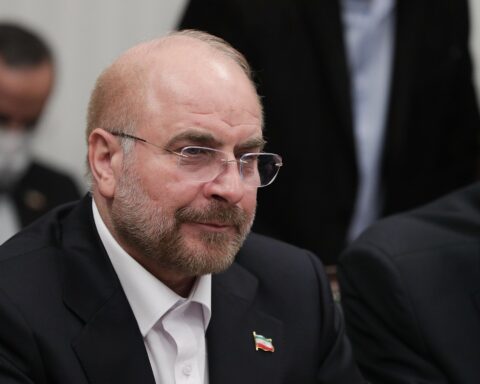
Parliament Speaker Mohammad Bagher Ghalibaf — himself a former IRGC Aerospace Force commander from 1997 to 2000, Mousavi’s institutional predecessor by two generations — chose the MOU reporting to mock the framework by name. “Operation Trust Me Bro failed,” he wrote on X. “Now back to routine with Operation Fauxios.” The neologism — a portmanteau of “faux” and “Axios,” the outlet that broke the MOU terms — became its own political signal. The Speaker of Iran’s parliament, a man who once held the same Aerospace Force command Mousavi now holds, publicly ridiculed the diplomatic framework his own government was reviewing.
Tasnim News — the IRGC-aligned outlet that functions as the corps’ unofficial communication channel — reinforced Ghalibaf’s line, calling the Axios MOU reporting “today’s propaganda by American media…justifying Trump’s retreat.” The IRGC’s media apparatus was not expressing skepticism about the MOU. It was pre-labeling the framework as enemy propaganda, ensuring that any Iranian official who endorsed the terms would be endorsing what Tasnim had already categorized as an American deception operation.
The legislative branch added its own signal. Twenty-seven hardline lawmakers — including seven from Saeed Jalili’s Endurance Front (Jebhe-ye Paydari) — refused to sign the joint statement endorsing Iran’s Islamabad negotiating team. CNN reported the holdouts on May 9, the same day as Mousavi’s declaration. The refusal was procedural in form but institutional in substance: a parliamentary minority aligning with the IRGC’s position that the negotiating team exceeded its mandate, and signaling that any MOU ratification vote would face organized opposition from members whose political identity is built on rejecting exactly this kind of agreement.
How Does This Compare to Previous IRGC Weapons-Readiness Statements?
The IRGC has made public weapons-readiness declarations before major military actions twice in recent memory — April 2024’s Operation True Promise and January 2020 after Soleimani’s assassination — and both involved coordinated civilian-military signaling with declared diplomatic offramps. The May 2026 Mousavi declaration has no accompanying diplomatic signal, no back-channel context, and no evidence of civilian coordination.
In April 2024, before Operation True Promise — the IRGC’s 300-plus drone and missile strike on Israel — Hajizadeh made public statements signaling readiness. But Iran’s Foreign Ministry simultaneously communicated through diplomatic channels that the operation would be “concluded” immediately after execution. The civilian-military coordination was imperfect, but it existed. Iran told the world what was coming and told the world when it would stop. The strike had a declared endpoint.
In January 2020, after the US assassination of Qassem Soleimani, the IRGC launched twelve ballistic missiles at al-Asad Airbase in Iraq. Iran pre-warned the United States through Iraqi intermediaries — confirmed by Foreign Minister Zarif. The warning was followed immediately by FM-level communication through UN channels. Once again, the civilian and military tracks ran in parallel, with the civilian side providing de-escalation signals that bounded the military action and gave Washington a framework to absorb the strike without responding.
The May 9, 2026, declaration follows neither pattern. There is no accompanying diplomatic message from Araghchi or Pezeshkian’s office bounding the threat. There is no back-channel communication contextualizing the “missiles locked” language for a foreign audience. The civilian apparatus is not running in parallel with the military track — it is running in the opposite direction. Araghchi says “inches away.” Mousavi says “missiles locked.” These are not complementary signals calibrated for different audiences. They are competing outputs from institutions that have lost the capacity to coordinate — or, more precisely, from a military institution that has decided coordination would limit its freedom of action.
The IRGC’s separate threat to close Hormuz permanently for Bahrain, issued four days before Trump’s Riyadh arrival, follows the same pattern: escalation timed not to battlefield conditions but to diplomatic calendars the IRGC needs to disrupt.
The MOU’s Structural Problem
The MOU terms reported by Axios contain a provision Iran has “strongly rejected”: the transfer of its 440.9 kilograms of uranium enriched to 60 percent out of the country. At 60 percent enrichment, Iran is approximately 25 days per device from weapons-grade using its IR-6 centrifuge cascades. The HEU stockpile is the most time-sensitive element in the negotiation, and it is the element the IRGC has the strongest institutional interest in retaining.
The remaining terms — enrichment moratorium, IAEA access, facility restrictions — involve future constraints that are negotiable because they are reversible. The HEU transfer involves a present, irreversible concession. Once the material leaves Iran, the latent nuclear capability it represents leaves with it. For an IRGC that has built its post-war domestic authority on the argument that military strength alone can protect Iran from existential threats, surrendering the HEU stockpile would concede that diplomacy achieved what the Aerospace Force’s 2,800-plus missiles did not — and that the diplomats, not the commanders, delivered it.
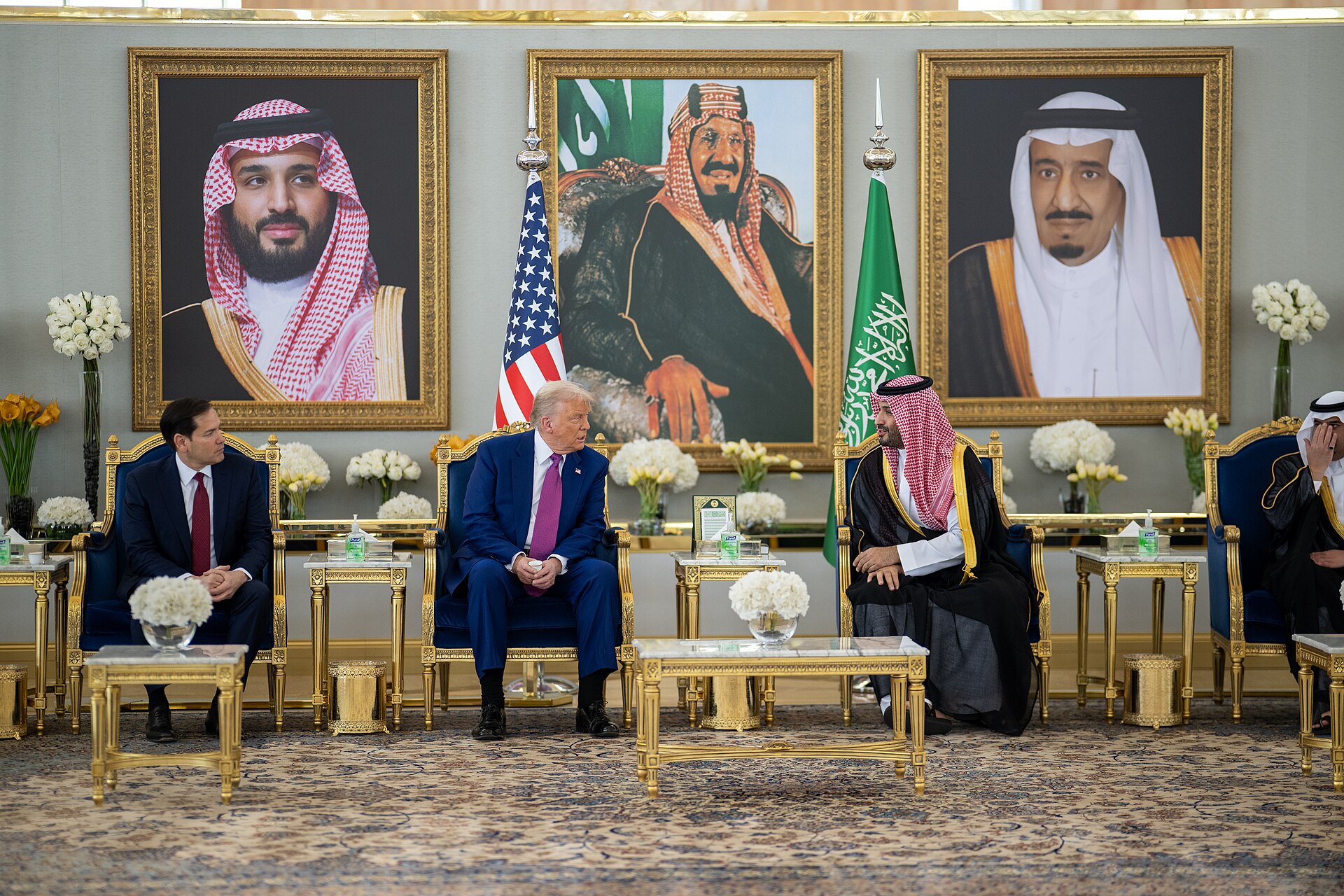
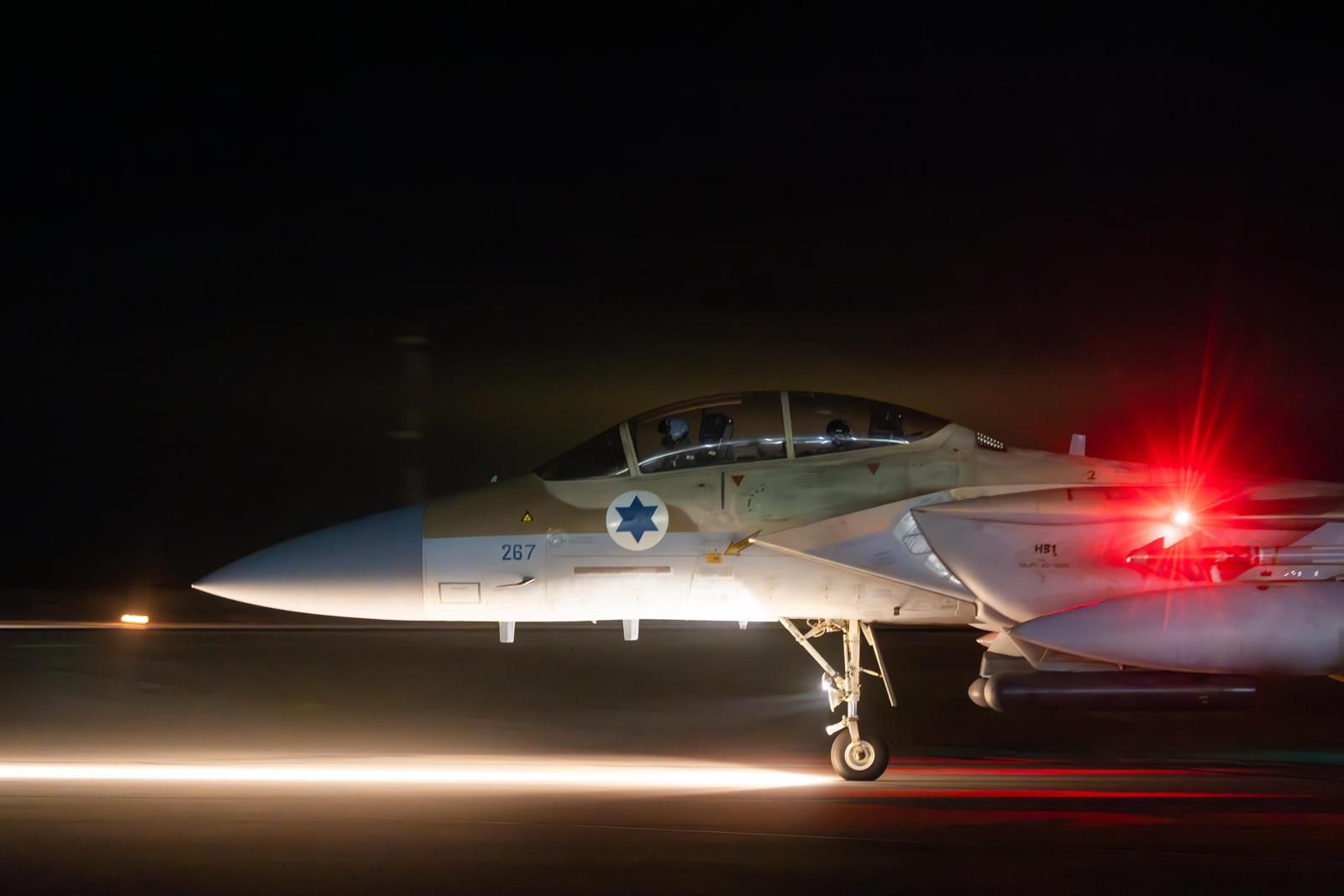
The MOU’s sequencing makes this worse for the IRGC, not better. Trump is flying to Riyadh on May 13 for a bilateral with MBS, followed by a Gulf summit on May 14 and stops in Doha and Abu Dhabi. A signed MOU before Trump’s arrival would allow him to present a diplomatic achievement on Saudi soil — and would give Pezeshkian domestic cover to claim the credit. The IRGC’s May 9 declaration is timed to prevent exactly this sequence.
The tanker strikes of May 8 provided proximate justification. But the pattern of IRGC escalation timed to diplomatic milestones has been consistent since the Islamabad talks collapsed in April. The Mousavi declaration does not respond to the tanker strikes in any operational sense — locking missiles on targets is not a response to ships being hit. It responds to the diplomatic calendar, which is where the IRGC’s institutional threat actually lies.
What Happens Between Now and May 13?
Trump arrives in Riyadh in three days. The MOU remains unsigned. Iran has issued no formal response — neither acceptance, rejection, nor counter-proposal. The IRGC has filled that silence with weapons-readiness declarations, Hormuz threats, and a new maritime bureaucracy designed to make reopening the strait administratively impossible even if both governments agree politically.
Pezeshkian’s options have narrowed to a corridor the IRGC controls on both sides. He cannot sign the MOU without IRGC approval — approval that Vahidi, per ISW’s assessment, has the institutional authority to withhold. He cannot reject it without owning the diplomatic failure that Araghchi’s “inches away” formulation has already assigned to the IRGC’s interference. And he cannot remain silent past May 13, because Trump’s arrival in Riyadh will shift the diplomatic venue from bilateral US-Iran channels to a multilateral Gulf format where Saudi and Emirati security demands — not Iranian priorities — set the terms.
The IRGC’s institutional arithmetic is straightforward. A signed MOU would require surrendering the Hormuz chokepoint, accepting enrichment restrictions, and transferring HEU — three concessions that each diminish a different dimension of IRGC power: territorial control, nuclear latency, and the domestic narrative that military strength is Iran’s only protection. A dead MOU preserves all three.
Pezeshkian framed the choice on his own terms: “If the American government abandons its totalitarianism and respects the rights of the Iranian nation, ways to reach an agreement will certainly be found.” The conditional construction — if Washington changes, then agreement is possible — locates the obstacle outside Iran. Mousavi’s declaration, issued two days earlier, locates it inside. As of May 10, the IRGC Aerospace Force’s missiles remain, by its commander’s account, locked on their targets. The MOU sits unanswered on Pezeshkian’s desk. Trump’s plane lands in Riyadh in 72 hours.
Frequently Asked Questions
What is the IRGC Aerospace Force’s current missile capability after months of war?
Iran’s pre-war ballistic missile arsenal was estimated at over 3,000 short- and medium-range missiles by the International Institute for Strategic Studies. Expenditure rates during the conflict — Iran fired more than 2,800 combined ballistic missiles, cruise missiles, and drones at targets across the Gulf — have depleted stockpiles to levels that neither Western intelligence agencies nor Iranian sources have publicly quantified. The March 2026 complaints from Aerospace Force families about “inaccurate missile strike data” suggest internal awareness that claimed capabilities and actual inventories may have diverged. Mousavi’s “missiles locked” language asserts readiness without specifying quantity or type — a distinction that matters when production lines at the Parchin and Khojir complexes have been operating under wartime conditions with degraded supply chains and when Iran’s Central Bank has internally assessed 180 percent inflation with a 12-year economic recovery timeline.
Could Pezeshkian theoretically bypass the IRGC and sign the MOU unilaterally?
No. Article 110 of Iran’s constitution reserves supreme command of the armed forces to the Supreme Leader, not the president. Article 176 places defense and security coordination under the SNSC, whose secretary — Zolghadr — was installed by IRGC pressure against Pezeshkian’s objection. Even if Pezeshkian signed the MOU as a diplomatic agreement, the IRGC retains independent operational authority to continue Hormuz enforcement through the PGSA, maintain enrichment at military sites outside civilian oversight, and refuse to transfer HEU from facilities it controls. The Foundation for Defense of Democracies’ “5 men running Iran” analysis explicitly excludes Pezeshkian from the actual decision-making circle. His foreign minister can negotiate text. His office cannot bind the institutions that control the territory, the enrichment facilities, and the warheads the text is about.
Why does Trump’s Riyadh arrival on May 13 create a structural deadline the IRGC needs to run past?
Trump’s Riyadh visit shifts the diplomatic venue from bilateral US-Iran channels — where Araghchi and Special Envoy Witkoff were the principal negotiators — to a multilateral Gulf format where Saudi Arabia, the UAE, and Qatar each bring separate security demands. The May 14 Gulf summit is expected to produce a Saudi-US investment framework and a joint security architecture communiqué. If the MOU remains unsigned by then, its bilateral terms risk being subsumed into a broader Gulf security package where Hormuz reopening becomes conditional on not just nuclear concessions but also on Saudi and Emirati demands for security guarantees, reparations frameworks, and regional force posture adjustments — terms the IRGC would find even less acceptable than the current bilateral framework. By running the clock past May 13, the IRGC ensures the bilateral MOU window closes and is replaced by a multilateral format where Iran’s negotiating position weakens and the number of counterparties multiplies.
What is the Endurance Front (Jebhe-ye Paydari) and what do its 7 lawmakers represent?
The Endurance Front is a hardline political faction aligned with Saeed Jalili, who lost the 2024 presidential election to Pezeshkian on a platform of maximum resistance to Western demands and opposition to any enrichment concessions. The faction’s base is ideologically committed to the IRGC’s worldview and draws support from Basij networks and seminary-connected constituencies. Of the 27 lawmakers who refused to endorse the Islamabad negotiating team, seven belong to Jebhe-ye Paydari — a disproportionate share given the faction’s overall parliamentary representation. Their refusal provides legislative cover for the IRGC’s position that the negotiating team exceeded its mandate. Jalili himself has maintained deliberate public silence on the MOU, a posture consistent with positioning for a future presidential bid predicated on the failure of Pezeshkian’s diplomatic approach — a failure the Endurance Front’s parliamentary actions are helping to engineer.