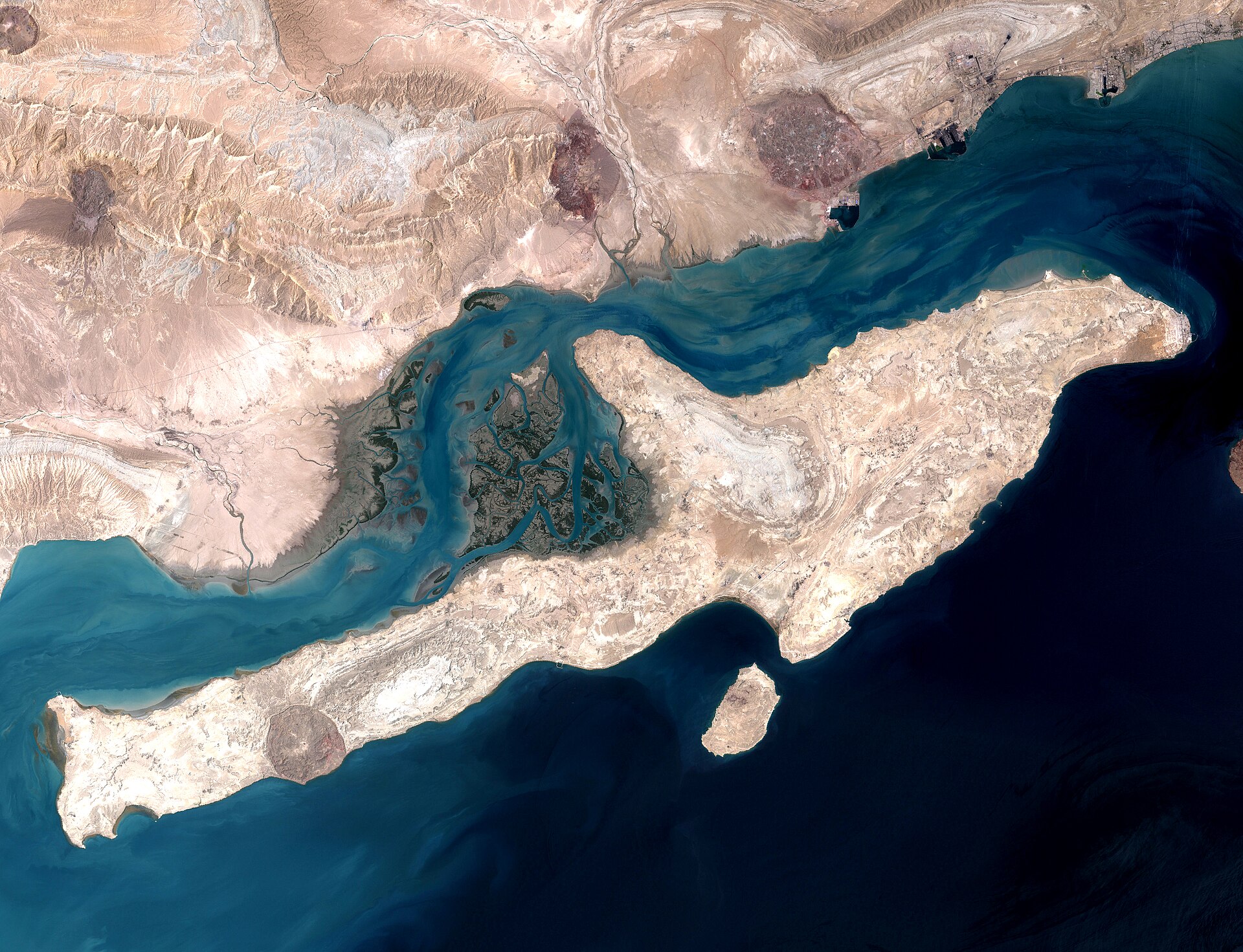
RIYADH — The 10-day ceasefire proposal presented to Washington and Tehran by regional mediators as of July 21 includes a condition that would reopen the Strait of Hormuz to commercial shipping — a provision worth approximately $1.1 billion per day in collective GCC and Iraqi oil revenue, with Saudi Arabia bearing the largest single-country share. Riyadh holds no formal seat at any of the three negotiating tracks where the proposal’s terms are being settled.
Qatar, Egypt, and Pakistan — three of Saudi Arabia’s own quintet partners — presented the framework over the weekend. Its architecture mirrors the April 8 MOU that collapsed on Day 31, when Iran struck the East-West Pipeline and suspended the agreement. The condition that matters most to Saudi fiscal planning — Hormuz transit resumption — is the same condition Iran frames not as a reopening but as a sovereign arrangement it administers.
The IRGC stated on July 15 that the strait “will remain closed until US operations stop.” US operations did not stop. Night Ten struck Bandar Abbas by road, rail, and sea.
Table of Contents
- What Is the Hormuz Reopening Worth to Saudi Arabia?
- The East-West Pipeline Cannot Replace Hormuz
- Why Is Saudi Arabia Excluded From All Three Negotiating Tracks?
- What the Quintet Does and Does Not Give Riyadh
- Why Is Brent Flat Despite a Dual Blockade?
- Iran Does Not Call It a Reopening
- What Happens If the Ceasefire Collapses?
- The Borrowing Cliff
- Frequently Asked Questions
What Is the Hormuz Reopening Worth to Saudi Arabia?
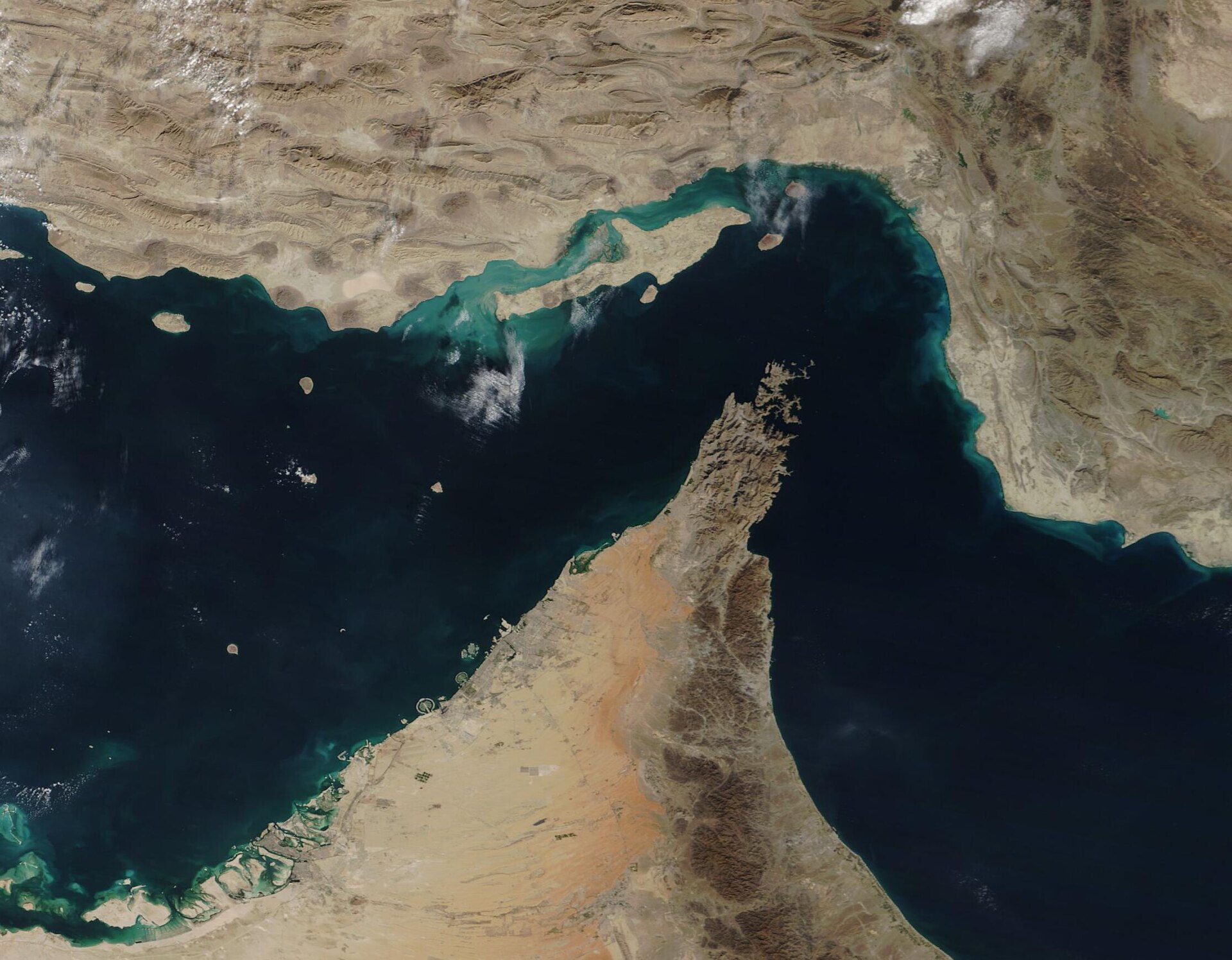
Saudi Arabia loses the largest single-country share of the approximately $1.1 billion in daily oil revenue that GCC states and Iraq collectively forfeit while the Strait of Hormuz remains closed, according to Dallas Federal Reserve research published in March 2026. Before the crisis, roughly 15 million barrels per day of crude transited the strait. Saudi Arabia’s Hormuz-dependent exports constituted the single largest national volume.
The revenue loss is structural. Saudi Arabia’s crude production capacity exceeds 12 million barrels per day, distributed across Gulf coast terminals and the Red Sea port at Yanbu. With Hormuz closed to commercial shipping, the Gulf coast terminals that handled the majority of Saudi export volumes cannot load cargoes for international buyers. The Petroline to Yanbu was built as a strategic bypass, not as a replacement for the entire eastern seaboard.
Every day Hormuz remains closed, the kingdom is producing oil it cannot monetise — barrels that would have loaded at Ras Tanura or Ju’aymah sitting in storage or staying in the ground, generating no revenue against a deficit that consumed three-quarters of the annual target in the first three months.
The Middle East briefing 3,000+ readers start their day with.
One email. Every weekday morning. Free.
The kingdom posted a first-quarter 2026 deficit of SAR 125.7 billion — $33.5 billion — consuming 76 percent of its official full-year $44 billion deficit target in 90 days. Goldman Sachs now projects the full-year deficit at $80 to $90 billion, nearly double the government’s figure. The official target has not been revised.
The IMF’s 2026 fiscal breakeven for Saudi central government spending stands at $86.60 per barrel. Bloomberg Economics places the consolidated figure — including Public Investment Fund outlays — at $94. With full PIF capital expenditure, the breakeven rises to $111 per barrel. Brent traded at approximately $87 to $89 on July 21 — within margin-of-error distance of the central government breakeven and well below the consolidated figure.
| Metric | Value | Source |
|---|---|---|
| GCC + Iraq daily revenue loss (Hormuz closed) | ~$1.1 billion/day | Dallas Fed / gCaptain, March 2026 |
| IMF fiscal breakeven (central government) | $86.60/bbl | IMF Article IV, June 2026 |
| Bloomberg Economics breakeven (consolidated) | $94/bbl | Bloomberg Economics, 2026 |
| Breakeven with full PIF capex | $111/bbl | Bloomberg Economics, 2026 |
| Brent spot, July 21 | ~$87–89/bbl | Bloomberg |
| Q1 2026 deficit | $33.5 billion (SAR 125.7B) | Asharq Al-Awsat |
| Full-year deficit projection | $80–90 billion | Goldman Sachs |
| Official full-year deficit target | $44 billion | Saudi Ministry of Finance |
| 2026 total borrowing plan | $57.9 billion (SAR 217B) | Gulf News / Arab News |
Aramco posted net income of $32.5 billion for the first quarter — a 25 percent year-on-year increase — because higher prices more than compensated for the volume shortfall in the early weeks of the Hormuz closure. That arithmetic was specific to Q1. Before the Houthi maritime blockade declaration on July 20, Saudi crude loadings through the Bab al-Mandeb had already fallen 36 percent. The IMF cut Saudi 2026 GDP growth to 1.7 percent in June, citing the Hormuz disruption as the primary constraint on government energy revenues.
The kingdom’s $11.5 billion international bond issued earlier in 2026 attracted $31 billion in orders — a 2.7x oversubscription that reflected market confidence in Saudi sovereign credit when the Hormuz disruption was weeks, not months, old. Whether that appetite persists after four months of closure, a Petroline strike, and a formal dual-blockade declaration is the question Riyadh’s debt management office faces before year-end.
The East-West Pipeline Cannot Replace Hormuz
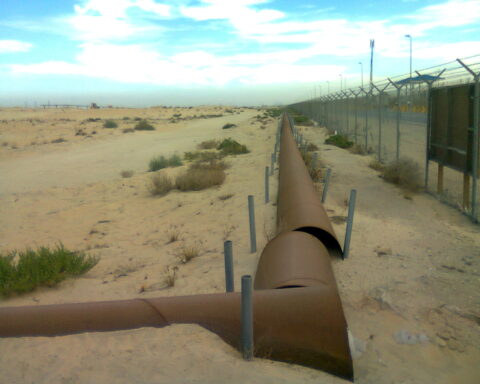
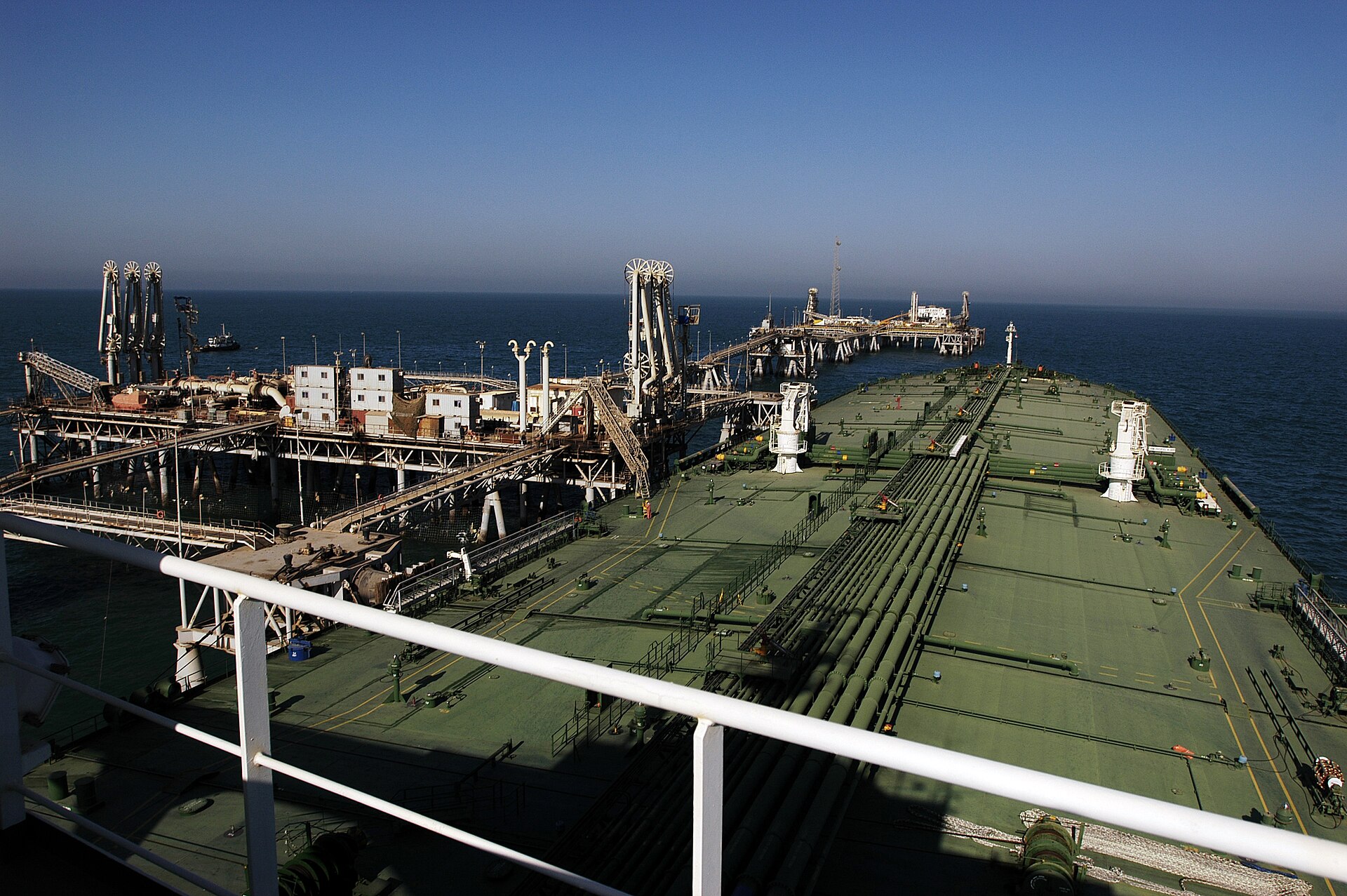
Aramco’s East-West Pipeline — the Petroline — reached its absolute maximum capacity of seven million barrels per day on March 28, 2026. There is no expansion path available on any timeline relevant to this conflict. Seven million barrels is a hard physical ceiling, confirmed by Aramco through the Pipeline Technology Journal.
Of that seven million, approximately two million barrels per day are consumed by Saudi domestic refineries along the route, leaving a crude export ceiling at Yanbu of roughly five million barrels per day — a figure further constrained by port-side loading infrastructure that cannot be expanded by decree. Refined product exports through Yanbu add 700,000 to 900,000 barrels per day through separate facilities. That is the kingdom’s total westward export capacity.
Before the war, roughly 15 million barrels per day of crude transited Hormuz, with Saudi volumes the largest national component. The Petroline carries less than half that total flow, and Yanbu’s loading infrastructure caps crude exports at roughly five million barrels per day — well below the pipeline’s maximum throughput and a fraction of the pre-war Hormuz volume. The gap between pre-war Saudi export capacity and the current westward ceiling is defined by the location of the oil fields — concentrated in the Eastern Province, on the Gulf coast — relative to the ports that remain accessible.
The 36 percent decline in Saudi crude loadings through the Bab al-Mandeb corridor, reported by The National on July 20, preceded the formal Houthi blockade declaration. That figure measured the effect of elevated insurance premiums — war-risk rates have reached 2 percent of hull value, an eightfold increase from pre-crisis levels — and voluntary rerouting by commercial shippers. The formal blockade transforms a market-driven reduction into an operational shutdown. Tankers that were avoiding the corridor for cost reasons must now avoid it because a belligerent has claimed jurisdiction over it.
Saudi Arabia’s sole remaining export corridor now passes through a Red Sea exit that a non-state actor has formally declared closed. The kingdom does not control the entry to the Strait of Hormuz on its eastern coast, and it does not control the exit from the Bab al-Mandeb on its western coast. Both chokepoints are administered by actors who have declared them shut.
Why Is Saudi Arabia Excluded From All Three Negotiating Tracks?
Saudi Arabia holds no formal seat at any of the three active negotiating tracks — Doha (US-Iran indirect talks mediated by Qatar), Islamabad-Geneva (nuclear timeline and MOU implementation mediated by Pakistan), and Muscat (Hormuz transit monitoring facilitated by Oman). The kingdom sits inside the same conflict zone as Iran: its territory has absorbed missile and drone strikes, disqualifying it from credible mediator positioning.
| Track | Location | Principal Mediator | Saudi Formal Role |
|---|---|---|---|
| US-Iran indirect talks | Doha | Qatar | None |
| Nuclear / MOU implementation | Islamabad-Geneva | Pakistan | None |
| Hormuz transit monitoring | Muscat | Oman | None |
Each mediator holds its seat for structural reasons Saudi Arabia cannot replicate. Qatar hosts Al Udeid Air Base, which gives Washington an engagement logic beyond the mediation itself. Pakistan brokered the April 8 ceasefire and maintains direct lines to both Tehran and Washington that predate the current crisis.
Egypt’s stake runs through the Suez Canal — any Hormuz arrangement that redirects global shipping volumes affects Egyptian toll revenue and canal traffic management. Cairo’s mediation role is partially a function of commercial self-interest, which gives it credibility that Saudi Arabia — whose interest in Hormuz is existential rather than transactional — cannot claim.
Oman’s role in the Muscat track bears most directly on Saudi Arabia’s export future. Sultan Haitham has maintained quiet diplomatic channels with Tehran since his accession, and Oman shares a maritime border with Iran across the Strait of Hormuz. The Muscat track is specifically focused on how any ceasefire’s shipping provisions would be operationally implemented — the monitoring framework, the coordination mechanisms, the rules of transit.
If a reopening occurs under Iranian “coordination,” the Muscat framework determines what that coordination looks like in practice. Saudi tanker captains will receive their transit instructions from a system negotiated in a capital where Riyadh holds no seat.
Saudi Arabia cannot enter the ceasefire it needs most because the structural prerequisites for mediation are the opposite of the structural conditions that make it the primary beneficiary. Iranian missiles have struck Saudi territory. Saudi air bases have hosted — or been prevented from hosting — US combat operations. Prince Sultan Air Base has been struck three times.
What the Quintet Does and Does Not Give Riyadh
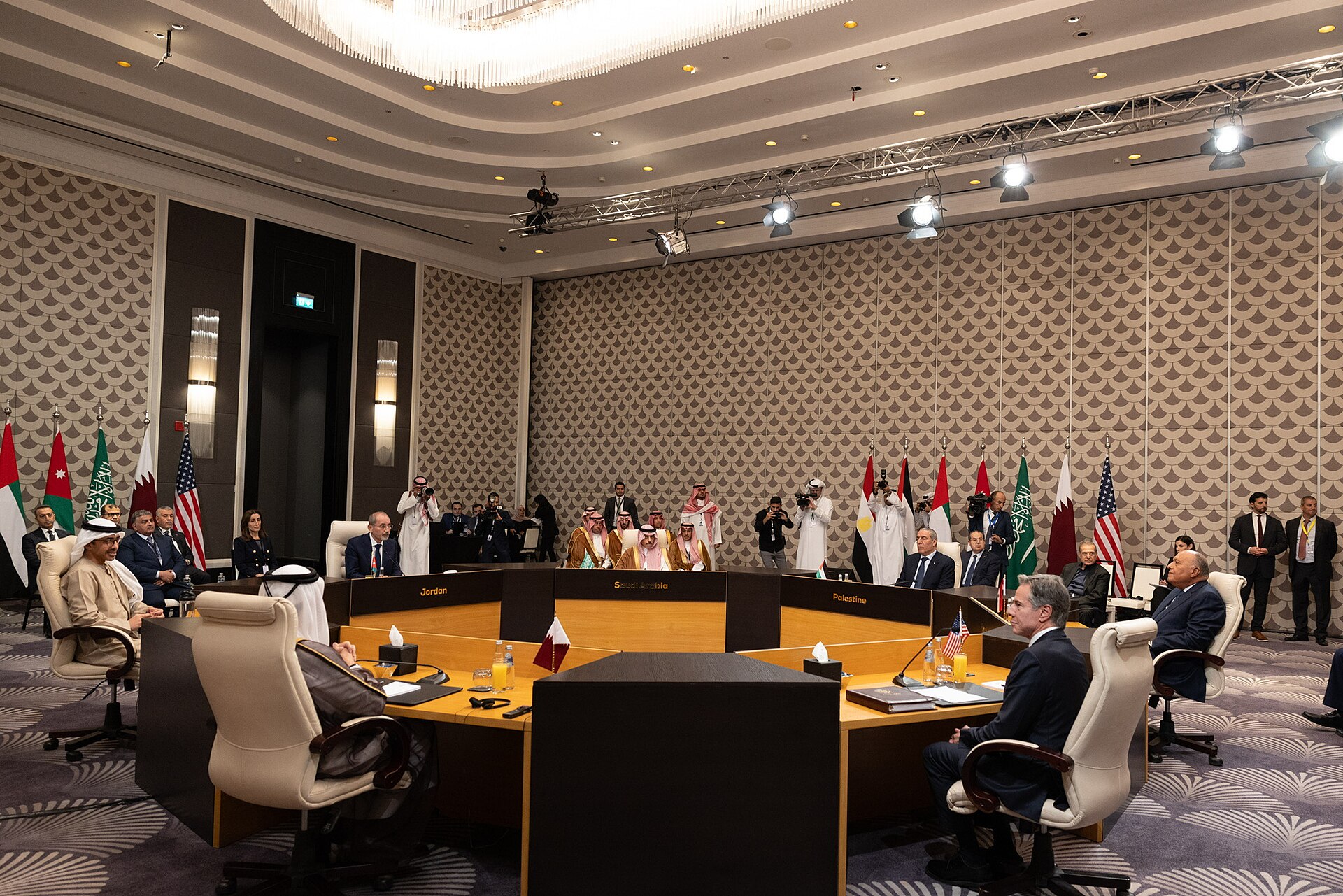
Saudi Arabia, Qatar, Turkey, Pakistan, and Egypt formed a consultation mechanism in March 2026 that held four foreign minister-level meetings in 31 days. Three of the five quintet members — Qatar, Pakistan, and Egypt — are simultaneously the ceasefire mediators. This gives Saudi Arabia informal reach into three of the capitals where the 10-day proposal is being shaped.
“The quintet has evolved beyond ad hoc crisis response into a recognisable security architecture — but it lacks institutionalisation, shared threat assessment, and enforcement mechanisms.” — International Institute for Strategic Studies, May 2026
The IISS assessment captured a structural reality. The quintet coordinates threat perception and diplomatic messaging among five capitals. It does not produce negotiating mandates, treaty language, or ceasefire terms. Those functions belong to the mediator capitals — Doha, Islamabad, Muscat — where the proposals are drafted and delivered.
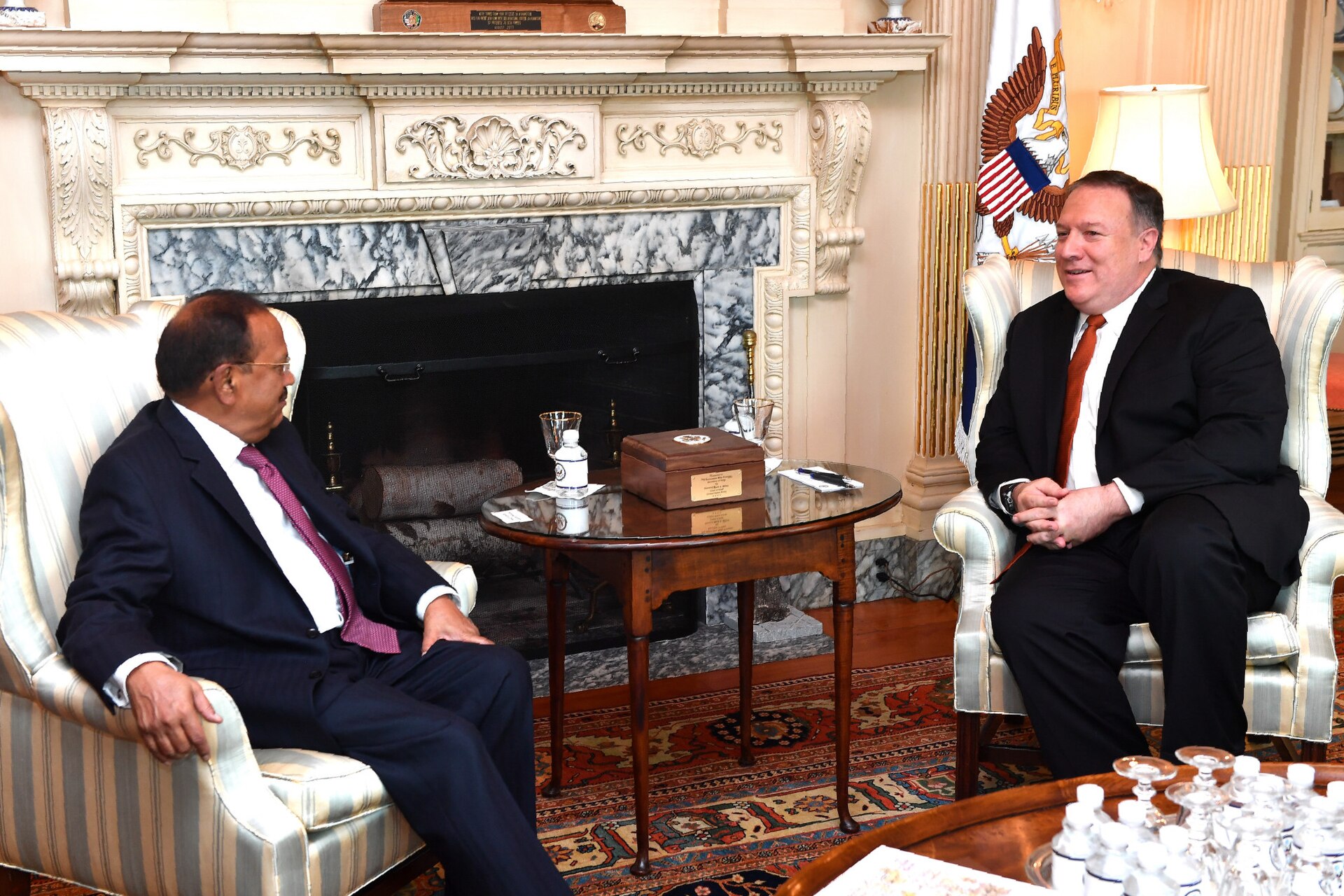
When India’s National Security Adviser Ajit Doval arrived in Riyadh on the day both corridors closed, the visit demonstrated that Saudi Arabia retains gravitational pull on regional diplomacy. Foreign ministers take Saudi calls. But the 10-day proposal’s Hormuz condition — the clause that determines whether Saudi Arabia regains access to its primary export route — was drafted without Saudi input, presented without Saudi approval, and will be accepted or rejected by Washington and Tehran alone.
The four FM-level quintet meetings occurred between March 18 and April 19 — a pace that reflected the urgency of the April 8 ceasefire and the MOU negotiations that followed. Since then, the mechanism’s output has been less visible. No joint quintet statement has been issued on the 10-day proposal. No communiqué has been released on the Houthi blockade declaration.
Whether the quintet functions as a diplomatic force multiplier or as a venue for being informed of decisions made elsewhere depends on whether the mediator members choose to share drafts before presenting them to Washington and Tehran. On the 10-day proposal, there is no public evidence that they did.
Why Is Brent Flat Despite a Dual Blockade?
Brent traded within a narrow band of $87 to $89 per barrel on July 21 despite tanker fires in the Gulf, an Iranian-enforced Hormuz closure, and a Houthi declaration of maritime blockade over Bab al-Mandeb. The flat price reflects a market consensus that the 10-day ceasefire proposal, or a variant of it, will succeed before the supply disruption forces a structural repricing of Gulf crude.
Hormuz has recorded zero transits with Brent barely moving — a pattern that has persisted for weeks. The market is not ignoring the dual blockade. It is discounting it, pricing in a diplomatic resolution that neither Washington nor Tehran has accepted and that the IRGC publicly rejected six days ago.
For Saudi fiscal planning, this creates a specific trap. The kingdom’s budget requires oil to remain near the IMF’s $86.60 central government breakeven while also assuming that export volumes will eventually recover to pre-war levels. The market is making the same bet.
Goldman Sachs analysts noted that higher prices compensated for lost shipments in Q1 — but that arithmetic required both elevated prices and the expectation that volumes would return. If volumes remain capped at the Yanbu ceiling while Brent drifts sideways on ceasefire optimism, the compensation that sustained Aramco’s first-quarter results stops working.
There is a second reading of the flat price that is less reassuring. Brent may not be pricing ceasefire success at all. It may be pricing demand destruction — the expectation that a prolonged conflict will slow Asian and European industrial activity enough to offset the supply loss.
If that reading is correct, the market is signalling not that Saudi Arabia’s export crisis will resolve but that the global economy is absorbing the disruption by consuming less oil. For Saudi Arabia, demand destruction is worse than a supply-driven price spike: it compresses both the price per barrel and the volume of barrels the world wants to buy, reducing the value of a Hormuz reopening even after one is negotiated.
The Invezz analysis published on July 21 asked directly whether the market was “being too complacent” about Hormuz closure risk. The US Strategic Petroleum Reserve stands at its lowest level since the 1980s, constraining Washington’s ability to use emergency releases as a price stabiliser if ceasefire diplomacy fails. In previous cycles, the SPR served as the circuit breaker between a Gulf disruption and a consumer-economy price shock. That breaker is now substantially weakened.
Iran Does Not Call It a Reopening
The 10-point plan Iran submitted as the basis for the April 8 MOU contains an explicit demand: “continuation of Iran’s control over the Strait of Hormuz.” Tehran does not frame the strait as a waterway to be reopened by international consensus. It frames Hormuz as a waterway Iran currently administers, with the terms of that administration subject to negotiation on Iranian terms.
“Hormuz will only open with Iranian arrangements, not American threats.” — Mohamed Ghalibaf, Iranian Parliamentary Speaker, July 2026
Iranian Foreign Ministry spokesman Esmaeil Baghaei confirmed on July 20 that “mediators are working and trying to prevent tension from escalating,” while separately describing US demands as “maximalist” and “illogical.” The language pattern is familiar from the April sequence: Iran rejected a US 48-hour ceasefire proposal on approximately April 4, then accepted the broader 14-point MOU four days later. Tehran negotiates through rejection-then-counteroffer, not through acceptance of frameworks as presented.
The distinction between reopening and Iranian administration is not semantic. When Foreign Minister Abbas Araghchi described the April MOU’s Hormuz provisions, he said Iran’s military would “coordinate safe passage through the Strait of Hormuz during the ceasefire.” Coordinate — not permit, not restore, not withdraw from.
The word choice positions any Hormuz transit under a ceasefire arrangement as passing through an Iranian security apparatus. For Saudi tanker traffic, this means the difference between returning to a free waterway and submitting to an inspection and coordination regime administered by the state that struck Saudi oil infrastructure on July 18.
One regional source cited in Axios reporting on July 21 indicated that Iran is exploring a “service fee” model for Hormuz transit — analogous to the arrangement in the Strait of Malacca, where Malaysia, Indonesia, and Singapore charge vessels for maritime security services. If implemented, this would convert Hormuz from a contested chokepoint into a formalised Iranian revenue instrument. Saudi tankers carrying Saudi crude through Saudi-adjacent waters would pay fees to Tehran for the right to reach their own customers.
The MOU that emerged from Iran’s initial 10-point framework addressed a subset of Iranian demands, leaving the most contentious — Hormuz sovereignty, security guarantees — as subjects for the 60-day negotiation that collapsed on Day 31. The 10-day proposal reprises that unresolved subset.
The IRGC’s public framing has been less accommodating than the Foreign Ministry’s: the July 15 statement conditioning Hormuz reopening on full cessation of US operations demands something the 10-day proposal does not offer. Night Ten struck Iranian naval infrastructure in Bandar Abbas hours after the proposal was reported. The gap between what the IRGC requires and what the mediators have proposed remains unreconciled with the Foreign Ministry’s more measured language.
What Happens If the Ceasefire Collapses?
If the 10-day ceasefire proposal fails, Saudi Arabia’s sole remaining high-volume export corridor — the Petroline — becomes the conflict’s most consequential target. Iran struck it on July 18, coinciding with MOU suspension, cutting 600,000 barrels per day and establishing the pipeline as Tehran’s preferred instrument of economic coercion against Riyadh.
The Islamabad MOU signed on June 17 — Day 1 of a 60-day negotiating window — envisaged a cessation of hostilities, resumption of commercial Hormuz shipping, and negotiations toward a final agreement. It lasted 31 days. The current 10-day proposal is shorter by design, but the conditions that collapsed the MOU remain unresolved: Iran insists on administering Hormuz, and the US insists on an open waterway.
The sequencing of the July 18 attack was precise: Iran suspended the MOU and struck the pipeline on the same day, converting a diplomatic rupture into a physical one within hours. If the 10-day proposal follows the same trajectory, the precedent maps directly onto Saudi infrastructure. A second Petroline strike at the moment of rejection would follow a sequence that has already occurred once, targeting a pipeline whose repair timeline Iran has already observed.
A second strike would not need to shut the pipeline entirely to produce fiscal consequences. The July 18 attack removed approximately nine percent of maximum throughput. A similar reduction today, with Yanbu already at capacity and Bab al-Mandeb formally blockaded, would remove crude from a system operating with zero redundancy.
There is no inventory buffer at Yanbu sufficient to maintain loading schedules through a multi-day repair. There is no alternative routing through the Gulf, because the Gulf is closed.
Saudi crude faces simultaneous interdiction risk on both the eastern and western export routes — Hormuz and Bab al-Mandeb — a configuration with no precedent in the kingdom’s export history. For Saudi fiscal planners, the collapse scenario introduces a variable no budget model has incorporated: the possibility that both corridors remain denied for an extended period while the Petroline operates under demonstrated threat. The current budget was constructed in December 2025, when Hormuz was open and Bab al-Mandeb was contested but traversable.
The Borrowing Cliff
Saudi Arabia’s total 2026 borrowing plan stands at SAR 217 billion — $57.9 billion — covering an expected deficit of $44 billion and $13.9 billion in debt principal repayments. The $11.5 billion international bond was the anchor issuance, and the first-quarter deficit was financed entirely through debt.
No spending cuts were announced. No reserve drawdowns were publicly disclosed. No Vision 2030 timeline was revised.
A $32 billion drawdown from central bank reserves occurred between February and April — predating the worst of the Hormuz disruption and the Goldman deficit projection. If the full-year deficit reaches the $80 to $90 billion range Goldman Sachs now projects, the gap between the borrowing plan and the actual financing requirement widens to $22 to $32 billion.
That gap has three possible closures: additional bond issuance, further reserve drawdowns, or spending cuts. The first depends on market appetite that a ceasefire collapse would test directly. The second depends on how far the Saudi Arabian Monetary Authority will draw down reserves before foreign reserve adequacy ratios trigger their own consequences. No Saudi official has publicly discussed the third option since the conflict began.
The IMF’s June 2026 Article IV mission to Saudi Arabia noted that the kingdom’s fiscal position “remains under pressure reflecting continued Vision 2030 investment spending” and that “elevated regional tensions create risks for oil trade flows limiting government energy revenues.” Vision 2030 spending has been trimmed at the margins — a $16 billion NEOM reduction was announced earlier in 2026 — but the core programme of megaproject construction, entertainment infrastructure, and sports acquisitions has not been restructured to reflect a deficit running at twice the official forecast.
A formal deficit revision would activate review processes at Moody’s (A1 rating), S&P (A/A-1), and Fitch (A+). Saudi procedural interest lies in delaying revision until second-quarter actuals force the issue, likely in early August — the same window in which $253 million in outstanding conflict-related obligations, accruing at $5.5 million per day, reaches a hard deadline on August 18.
Frequently Asked Questions
Could Saudi Arabia expand the East-West Pipeline beyond its current capacity?
The Petroline reached its absolute maximum of seven million barrels per day on March 28, 2026, and no expansion path exists within the timeframe of this conflict. Even if pipeline throughput could theoretically be increased, Yanbu port-side loading infrastructure independently caps crude exports at approximately five million barrels per day. Refined product exports add 700,000 to 900,000 barrels per day through separate loading facilities. Any meaningful capacity expansion would require simultaneous investment in pipeline infrastructure and port systems — a multiyear engineering programme that cannot begin while both are operating at maximum output, and that faces the additional constraint of being under active threat from the same adversary whose actions created the capacity bottleneck.
Has Iran previously agreed to reopen Hormuz during this conflict?
Under the April 8 MOU signed in Islamabad, Iran agreed to allow “safe passage through the Strait of Hormuz” during a two-week ceasefire, with Iran’s military coordinating transit. The subsequent dispute centred on whether Iran was permitting passage through an international waterway or administering transit through a strait it claimed sovereign authority over. That interpretive disagreement — not a new military escalation — was the proximate cause of the MOU’s collapse on Day 31. The pattern suggests Tehran uses initial rejection to extract expanded counter-frameworks on its own terms rather than accepting proposals as presented.
What constrains Washington’s ability to manage oil prices if the ceasefire fails?
The US Strategic Petroleum Reserve stood at its lowest level since the 1980s as of July 2026, limiting the White House’s capacity to use emergency releases to suppress prices during a supply disruption. In previous Gulf crises — including the September 2019 Abqaiq-Khurais attack — SPR release announcements helped cap price spikes within 48 to 72 hours. That tool is now substantially diminished. A Brent spike following a ceasefire collapse would coincide with a constrained SPR, capped Saudi export volumes at Yanbu, and a Houthi blockade of the only Red Sea exit — three simultaneous supply-side constraints that have no precedent in post-1973 oil market history.
Has Saudi Arabia publicly responded to the 10-day ceasefire proposal?
As of July 21, no Saudi official had publicly commented on the 10-day framework presented by Qatar, Egypt, and Pakistan. The silence is consistent with Riyadh’s posture throughout the conflict: the kingdom has neither endorsed nor rejected mediation proposals in which it holds no formal seat. Saudi public communications have focused on domestic security measures and bilateral defence coordination rather than on ceasefire architecture. The quintet mechanism — particularly the Qatar and Pakistan channels — serves as Saudi Arabia’s informal conduit into the negotiating tracks, but the absence of any Saudi statement on the Hormuz reopening condition from any official at any level is itself an indicator of the structural limitations of that informal arrangement. India faces a structurally parallel exclusion: Ajit Doval’s three visits to Riyadh in 2026 reflect a pattern in which India’s structural exclusion from the ceasefire architecture produces intensive bilateral diplomacy without any mechanism for converting that engagement into a seat at the negotiating table. The same structural exclusion applies to the nuclear question: with 400 PAC-3 interceptors remaining from a pre-war stockpile of 2,800, Saudi Arabia Bought the Nuclear Ceiling It Cannot Set — and will absorb the consequences of a Pickaxe Mountain strike it had no role in authorising. On July 21, Khalid bin Salman and UAE Vice President Mansour bin Zayed released an arm-in-arm photograph framed as a Gulf solidarity signal — with no joint military command, shared procurement, or coordinated response to Saudi Arabia’s diplomatic isolation. What that solidarity display can and cannot deliver is examined in a separate analysis. Saudi Arabia holds no seat in any of the three active mediation tracks; reporting confirmed on July 21–22 that Iran authored the ceasefire framework now circulating through Qatari, Egyptian, Omani, and Pakistani channels — embedding a Hormuz corridor provision that does not address Riyadh’s Red Sea closure. Baghaei made the dual-track architecture explicit on July 22, when Wave 23 launched the same morning he endorsed diplomacy — Iran’s simultaneous ceasefire proposal and missile salvo are doctrine, not contradiction.