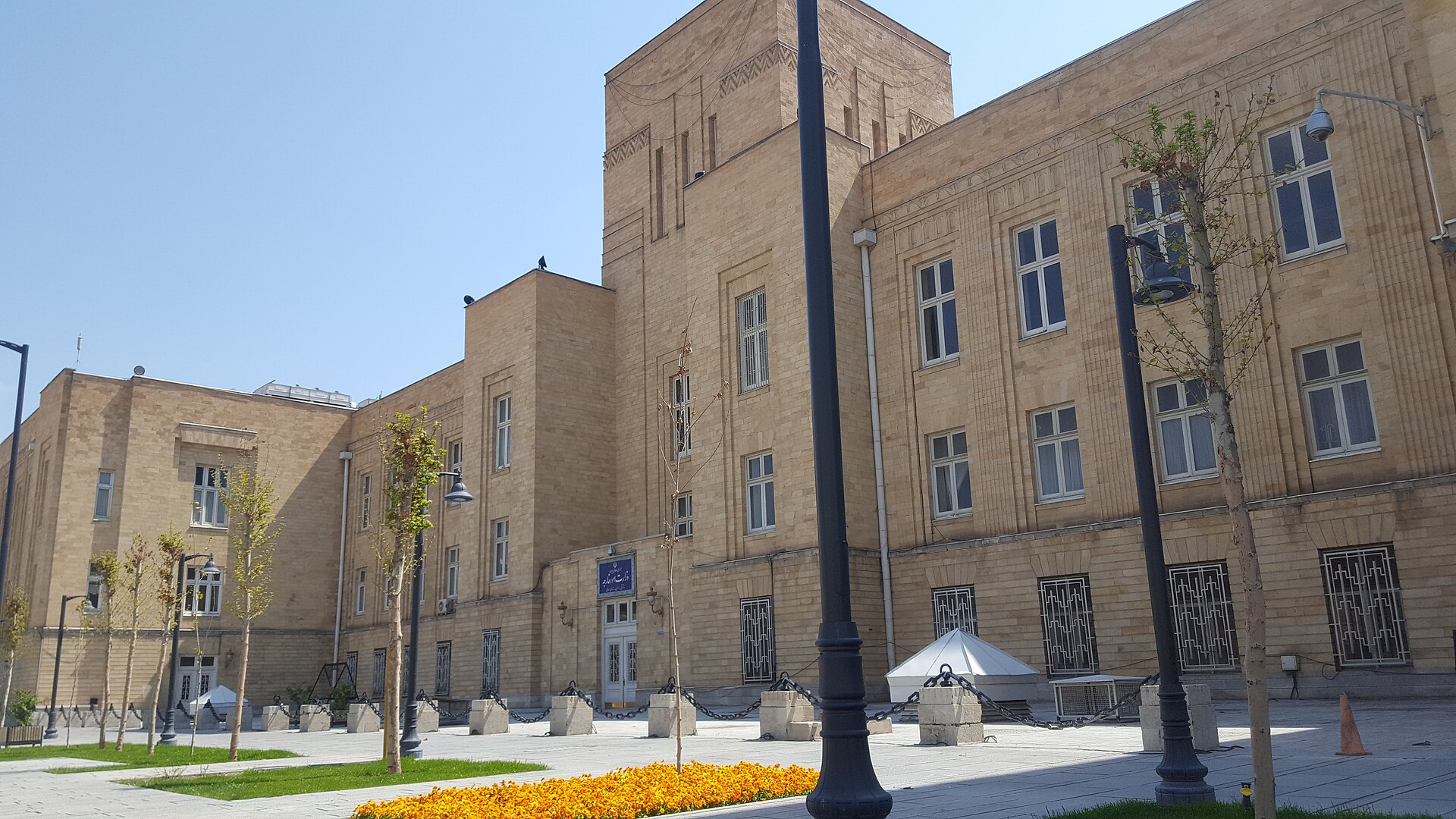

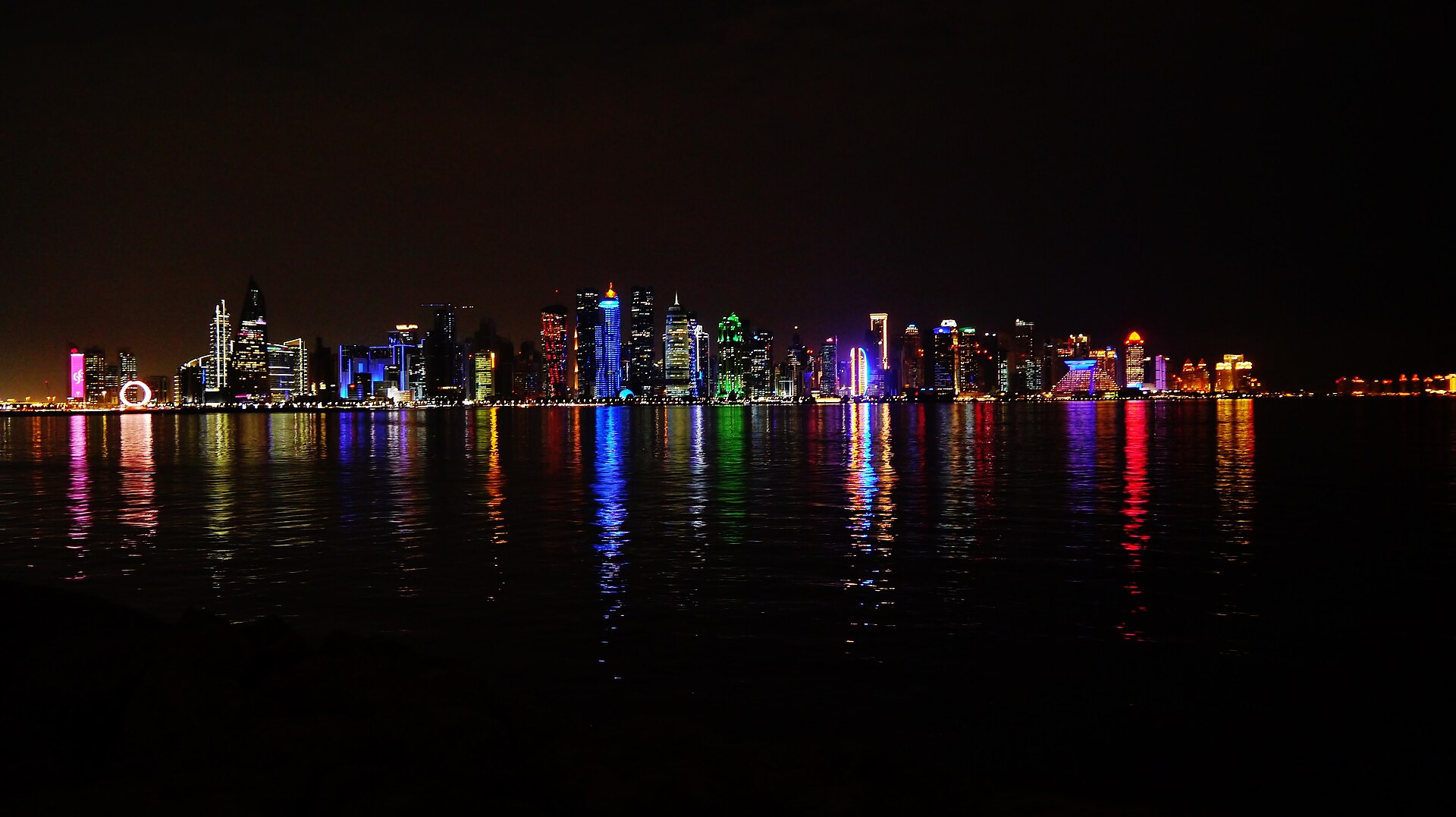
DOHA — An Iranian delegation arrived in Doha on Saturday for Qatar-mediated talks, one day after Tehran rejected the latest draft peace plan and fewer than three days before the expiry of President Trump’s moratorium on US strikes against Iran, in a reversal of tone that foreign minister Abbas Araghchi framed as a response to Washington’s willingness to engage. Araghchi told Al Jazeera that the US outreach was “a positive step,” while insisting Iran has no need for direct US contact at this stage — opening a diplomatic door without committing to walking through it.
The speed matters more than the words. On Friday morning Iran rejected Qatar’s revised peace draft; by Friday evening Qatari mediators were back in Tehran with amendments; by Saturday an Iranian delegation — including one of Araghchi’s aides, according to Al Jazeera — had landed in Doha, and Araghchi was giving interviews that replaced the confrontational register Tehran had used all week with something closer to diplomatic ambiguity. Whether this represents a genuine shift or a calibrated effort to run the clock past November 3, when Trump’s self-imposed moratorium on attacking Iran expires, is the question that every capital from Riyadh to Washington is trying to answer right now.
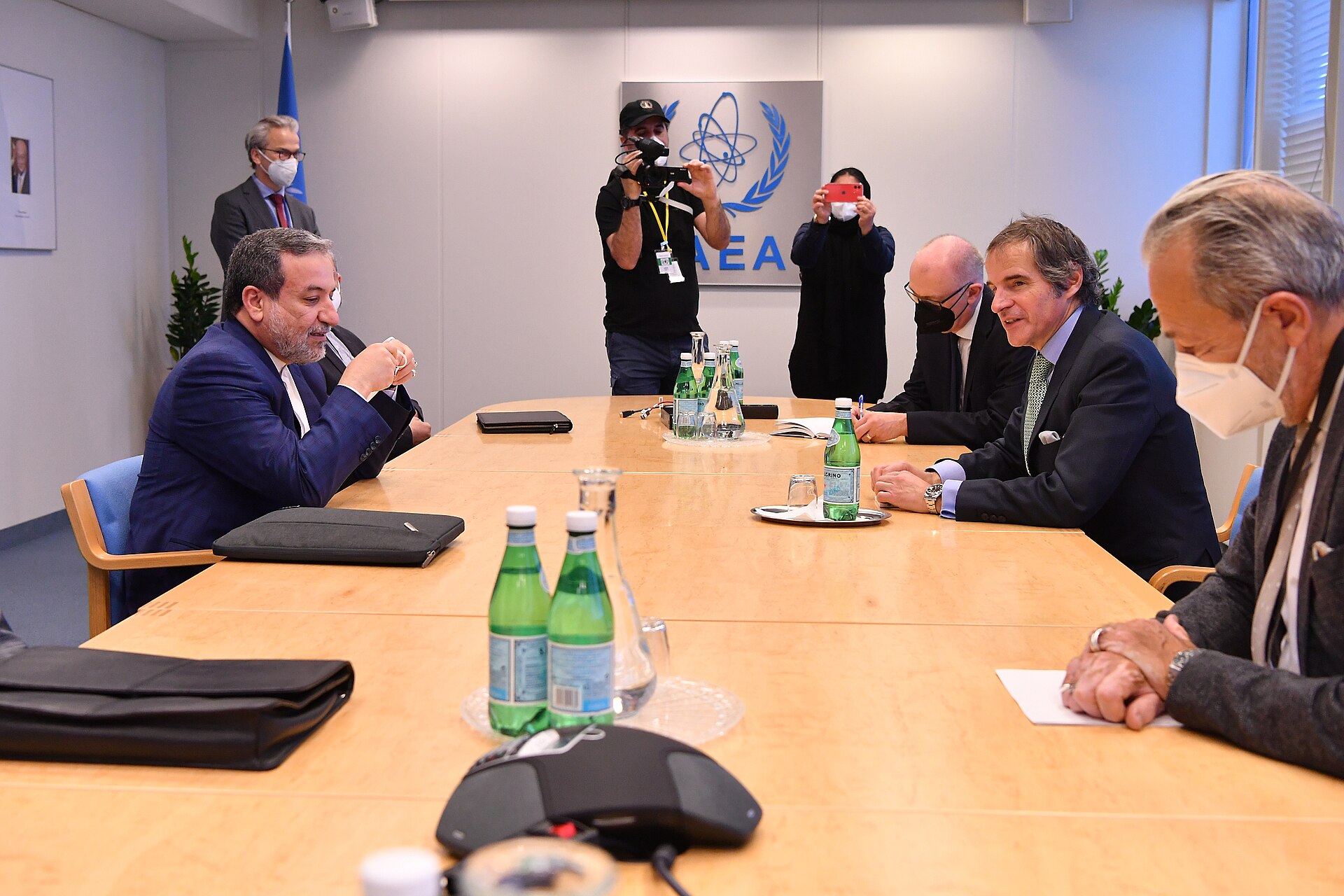
Table of Contents
Araghchi’s Dual Signal: Engagement and Deterrence on the Same Day
Araghchi’s Al Jazeera interview on Saturday was an exercise in strategic ambiguity carried out in plain sight. He called Washington’s diplomatic outreach “a positive step,” but warned that if the US aim is to “stir up discord,” it would be “yet another mistake to add to its previous ones.” He confirmed that Iran had studied a letter from US Vice President JD Vance delivered via Qatari intermediaries, and said Tehran is in “the second phase” of reviewing proposals from mediators on the nuclear dossier — without specifying what the first phase covered or concluded. He said Iran was “prepared for all scenarios,” a phrase that reads as reassurance to hardliners while leaving the diplomatic channel intact.
The House of Saud Daily Briefing
Saudi Arabia's news in 3 minutes, every morning. Free. See today's issue
On reports of a possible direct meeting with US officials, Araghchi was categorical: “We see no need to meet with the Americans at this stage.” He called media speculation about such an encounter “merely media speculation” — an unusual moment of rhetorical redundancy from a diplomat whose English is precise enough to know when he is repeating himself. IRGC-affiliated Tasnim News Agency reinforced the framing, reporting that the Doha visit “aims to advance recent negotiations with Qatar rather than hold direct talks with US officials.”
The deterrence signal came not from Araghchi but from Supreme Leader Mojtaba Khamenei, who on the same day ordered the military to update its target list so that “all US and Israeli assets, tangible and intangible” within striking range would be covered. Any threat, Khamenei said, would be met with “an immediate and geographically unrestricted response,” according to The New Arab. The simultaneous broadcast of diplomatic opening and military threat is not a contradiction — it is how Tehran has conducted negotiations since the war began in February, and both signals are aimed at audiences that do not overlap.
What Did the Vance Letter Propose?
The catalyst for the shift appears to be a letter from Vice President Vance to Mohsen Rezaei, head of Iran’s Supreme National Security Council, delivered via Qatari mediators earlier in the week. Axios reported on October 28 that Vance sent the letter at Trump’s direction; the Wall Street Journal confirmed that the letter proposes direct talks and insists that Iran’s nuclear programme must be on the table from the outset. PressTV, Iran’s English-language state broadcaster, reported on Saturday that Iran had “studied” the letter — language that signals deliberation, not dismissal.
Araghchi’s response to the letter’s nuclear demand was guarded: he confirmed the “second phase” review of mediator proposals on the nuclear dossier but gave no indication Tehran would accept preconditions on enrichment. Rezaei had previously called the latest US response “insufficient,” according to Iran’s state news agency IRNA on October 11.
The nuclear question remains the wall that every prior round has hit. Vance’s insistence that the programme be discussed from the start collides with Tehran’s longstanding position — reiterated by Rezaei in October — that it will not surrender enriched uranium or accept constraints on enrichment capacity as a precondition for broader negotiations. The letter’s value, for now, may be less in its content than in its existence: it gives Tehran something to study, something to respond to, and something that consumes time.
From Rejection to Delegation in 24 Hours
The diplomatic timeline since Friday morning has moved at a pace that is unusual even by the compressed standards of this war. On Friday, Iran rejected the revised Qatari peace draft — the latest iteration of a confidence-building sequence Qatar has been mediating since September. By Friday evening, Qatar had returned to Tehran with further amendments and a counter-proposal on the Hormuz reopening timeline. Iran counter-proposed two days — down from the seven-day window Araghchi had outlined at UN sideline talks on September 25 — according to Al Jazeera.
By Saturday morning, the delegation was in Doha. Anadolu Agency, TASS and Al Jazeera all confirmed the arrival independently, with Al Jazeera reporting that the team included one of Araghchi’s aides — a detail that suggests the delegation carries enough authority to negotiate specifics, not just relay positions. The Times of Israel reported that an official confirmed Iranian negotiators were in Doha for Qatar-mediated talks.
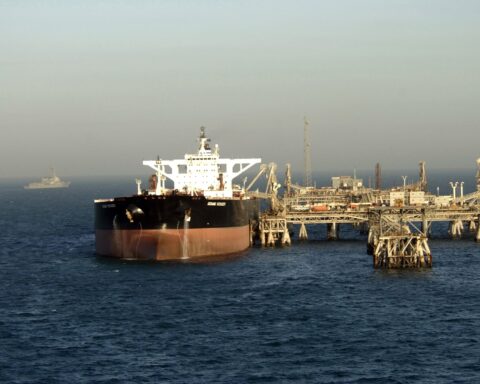
Iran’s conditions for a Hormuz deal have not changed in substance, even as the implementation timeline has compressed. Tehran wants the US to lift sanctions imposed after the collapse of the Islamabad Memorandum, reduce its military presence in the region, restore oil export waivers, release all frozen funds — including those held in Qatar — and recognise shipping routes negotiated with Oman. What has changed is the apparent willingness to discuss those conditions through an intermediary rather than restating them as preconditions, a distinction that may be diplomatic or may be cosmetic, depending on what happens inside the room in Doha.
Is Iran Stalling or Genuinely Engaging?
The case for stalling is well documented and sourced to people inside the Iranian system. Three senior Iranian officials told Reuters in October that Tehran has intentionally prolonged talks to weaken Trump before the midterm elections. One stated that “the clerical establishment is determined not to give Trump a political victory.” A second said Iran is preparing for renewed attacks rather than a deal with the United States to end the war.
Saeed Leylaz, a Tehran-based political analyst, told the same outlet that “Iran is influencing the US election without taking any unlawful action” — a framing that treats delay as strategy rather than failure.
Alex Vatanka of the Middle East Institute told Reuters that the clerical establishment “clearly wants to hurt Trump politically” and that Tehran’s core belief is that Trump seeks regime change following Netanyahu’s policy. Danny Citrinowicz of Israel’s Institute for National Security Studies told the Christian Science Monitor on October 27 that “even a far more intense and destructive military campaign is unlikely to force Tehran into capitulation” — an assessment that, if Tehran shares it, reduces the urgency to compromise. Mark Cancian of the Center for Strategic and International Studies told RFE/RL that the US is “searching for an exit” from the crisis, and that many of Iran’s demands remain non-starters even as both sides narrow differences on nuclear and maritime issues.
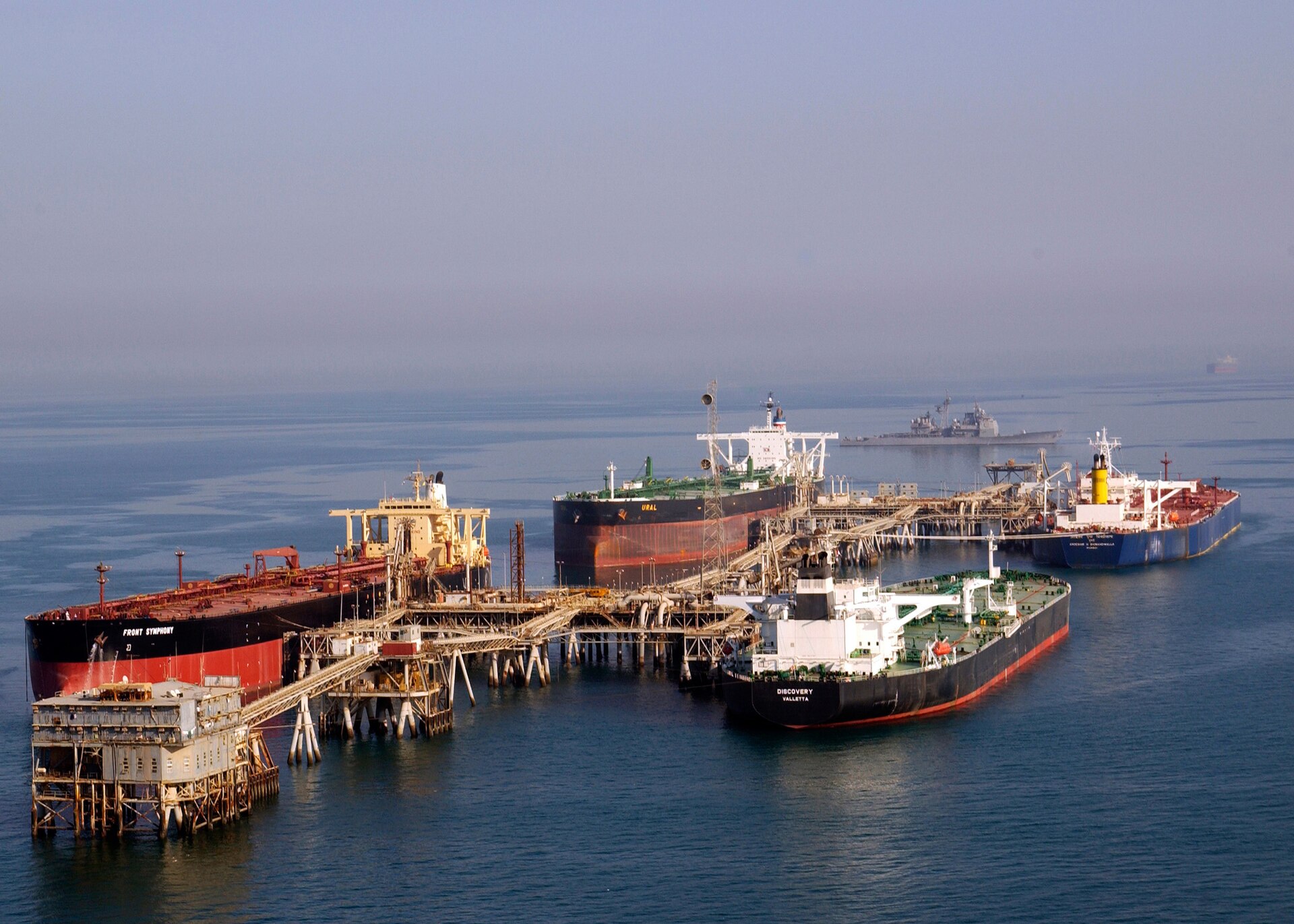
The case for a genuine opening is thinner but not empty. Iran’s economy offers its own form of compulsion. Inflation hit 73.6% in September, according to Iran’s Statistical Center; the rial has lost roughly a quarter of its value against the dollar since the start of the blockade, according to a US Treasury report cited by Axios on October 30; and seaborne crude exports have reportedly dropped to zero, according to Vortexa data cited by multiple energy analysts. A country whose oil revenue has effectively been eliminated and whose currency is in freefall has material reasons to engage, even if its political leadership would prefer not to give an adversary a win two days before an election.
There is also the unconfirmed report, via Al-Araby Al-Jadeed and cited by Türkiye Today, that a US delegation is “expected” to arrive in Doha for direct talks — a claim that neither Washington, Tehran nor Doha has confirmed. Pakistan’s military spokesman described himself as “cautiously optimistic” about the Doha mediation track. If a US presence does materialise, even in an adjacent room, the stalling theory becomes harder to sustain — though the qualifier “expected” is doing heavy work in that sentence, and the sourcing is anonymous.
Where Does Saudi Arabia Stand?
Riyadh has not commented publicly on Saturday’s Doha developments. Its most recent multilateral move was the October 26 meeting in Tehran hosted by Rezaei, where Saudi Defence Minister Khalid bin Salman met Turkey’s intelligence chief and Pakistan’s army chief. The joint communiqué said the four countries agreed to continue dialogue and bolster cooperation, with Saudi Arabia calling for “positive and practical engagement,” according to the Saudi foreign ministry.
Saudi Arabia’s position in this sequence is structurally awkward. Riyadh wants Iran constrained — the four scenarios it faces after November 3 range from a deal that reopens Hormuz and restores oil flows to a resumption of US strikes that could escalate the war further. A diplomatic outcome that lifts the US blockade and reopens the strait would relieve the kingdom’s single greatest economic pressure point: Saudi output has run well below its OPEC+ quota, with Hormuz disruption and Houthi attacks on export infrastructure the primary drivers. But a deal that gives Iran sanctions relief without addressing the Houthi campaign against Saudi territory — or Iran’s role in directing it — would leave the kingdom absorbing the costs of a war whose principal antagonists settled over its head. On Saturday, as Iran’s delegation gathered in Doha, Saudi coalition air defences intercepted and destroyed a hostile drone over Riyadh, with Khamenei simultaneously ordering his forces to update target lists — the air campaign from Yemen continuing as the diplomatic process ran in parallel.
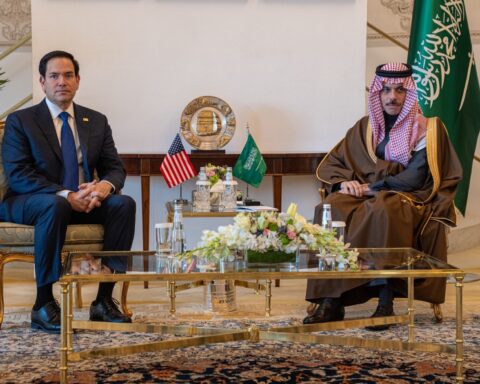
The Saturday meeting between Saudi Foreign Minister Prince Faisal bin Farhan and US Secretary of State Marco Rubio at the G20 in Atlanta may have touched on the Doha developments, though neither side has said so. What Riyadh needs from any US-Iran arrangement is a mechanism that connects Hormuz reopening to a reduction in Houthi attacks — a linkage that neither the Vance letter nor Qatar’s draft appears to include explicitly.
What Happens After November 3?
Trump’s October 8 moratorium — “we will not be attacking Iran at any time prior to the midterm elections” on November 3, as reported by The National — expires on Tuesday. ABC News has documented that since the war began in late February, Trump has issued at least four separate Iran deadlines and overridden each with a new one. Trump separately told The Hill that “60 days” was “not a hard deadline,” a reference to the original Islamabad Memorandum negotiation window. On Saturday, he told CBS News that the US is “in no hurry” to end the conflict, calling it “not a typical war” — language that could mean patience for diplomacy or patience for the status quo, or both.
The pattern suggests that November 3 is less a cliff than a hinge. If the Doha talks produce enough movement to constitute progress — a lower bar than a deal — Trump has a track record of granting extensions. If they produce nothing, his options range from resuming the kind of Hormuz confrontations that have defined the past four months to escalating military action that the Pentagon has been visibly ambivalent about. The DNI warning on Saturday about advanced Iranian plots against US officials and diplomats abroad adds a domestic security dimension that could push in either direction — toward de-escalation to remove the threat, or toward punitive action to deter it.
For Iran, the calculation is simpler in structure if not in execution. Every day of negotiation that passes without a US strike is a day that the midterm election gets closer and the political cost of attacking rises. If Tehran can sustain the appearance of engagement through Tuesday, it buys time regardless of whether the engagement is real — and the economic data suggests it needs to buy something, because the rial and the oil revenue are not coming back on their own.
FAQ
Who is leading Iran’s delegation in Doha?
Al Jazeera reported that the delegation includes one of Foreign Minister Abbas Araghchi’s aides, but the individual has not been named publicly. The delegation’s composition suggests it carries negotiating authority rather than serving as a purely ceremonial presence, though its mandate — whether to discuss substance or simply to receive Qatar’s latest amendments — remains unclear from open sources.
Has Qatar mediated between the US and Iran before during this war?
Qatar has served as a primary back-channel throughout the 2026 conflict. Pakistan’s Prime Minister Shehbaz Sharif credited Saudi Arabia, Qatar, Turkey and Egypt with facilitating the June 17 Islamabad Memorandum, the only formal agreement signed by both presidents since the war began. Qatar’s current mediation effort dates to at least September 25, when Araghchi submitted a seven-day roadmap via Doha proposing Hormuz reopening in exchange for blockade lifting, sanctions waivers and release of approximately $12 billion in frozen assets, according to Al Jazeera.
What is the Islamabad Memorandum?
Signed electronically by the US and Iranian presidents on June 17 and brokered by Pakistan, the memorandum provided for a 60-day passage arrangement in the Strait of Hormuz, an end to the US naval blockade within 30 days and a reconstruction plan of at least $300 billion, according to Iran International. The agreement collapsed on July 8 after three ships — including the Saudi-flagged Wedyan — were hit in Hormuz, prompting CENTCOM to strike more than 80 targets and Trump to declare the ceasefire “over,” as reported by The New Arab. The US resumed its blockade on July 14.
How many ships has the US blockade diverted since July?
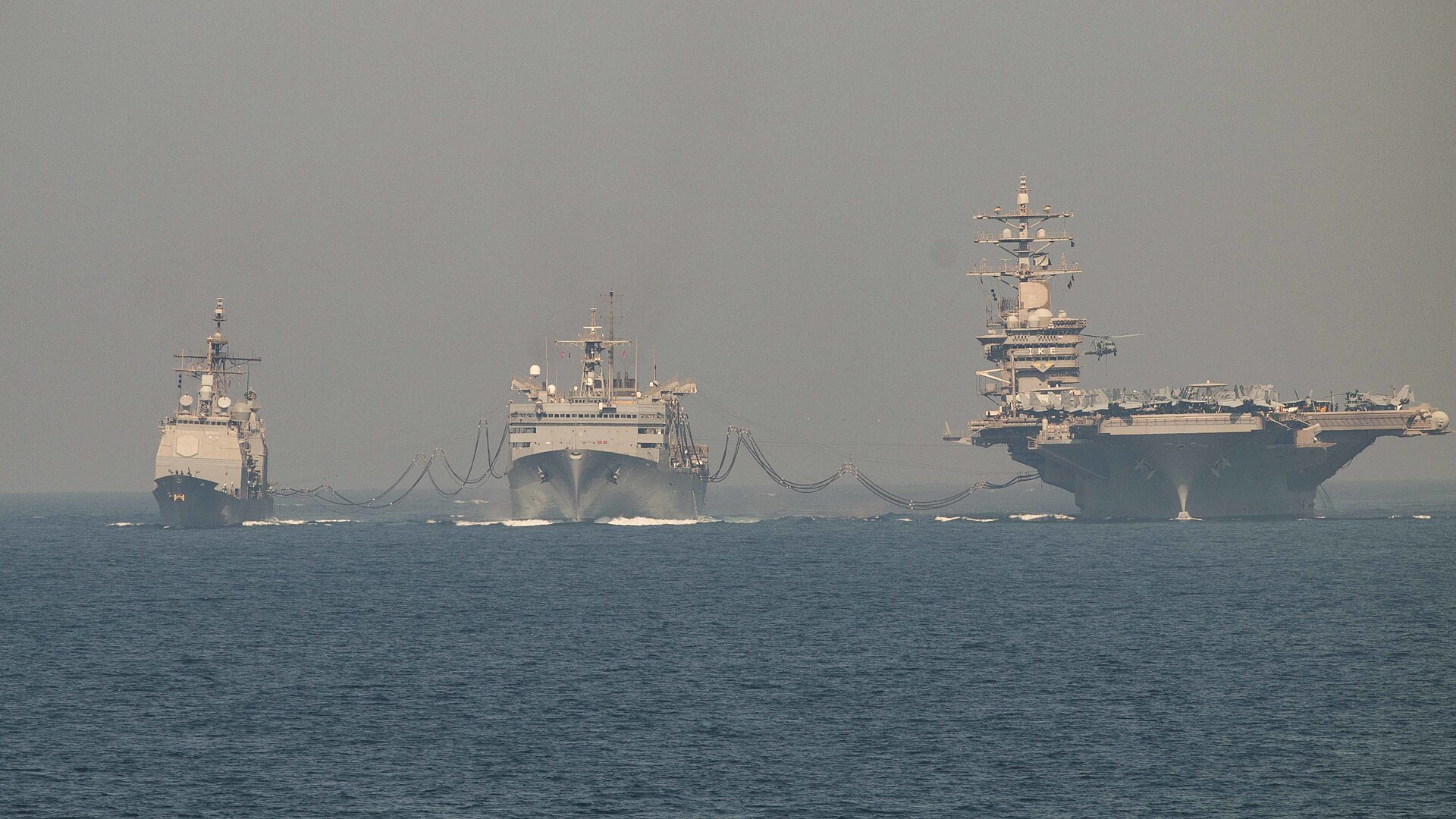
CENTCOM said it had turned around more than 130 vessels since the blockade resumed on July 14, according to CBS News on October 10. Before the war, Hormuz handled approximately 138 ship transits per day, according to JMIC. Traffic fell to single digits during the most intense periods of the blockade and the IRGC’s October 26 declaration that Hormuz was closed.
Could the US and Iran meet directly in Doha?
Al-Araby Al-Jadeed, citing anonymous sources close to the Qatari and Pakistani mediation, reported that a US delegation is “expected” to arrive in Doha for direct talks. No official confirmation has come from Washington, Tehran or Doha. Araghchi explicitly ruled out a meeting, saying “we see no need to meet with the Americans at this stage.” If a US delegation does arrive, the format could involve proximity talks — where both sides negotiate through the Qatari intermediary from separate rooms — rather than face-to-face sessions, a format used in prior rounds including the Vance-led Islamabad negotiations in April.
The House of Saud Daily Briefing
Saudi Arabia's news in 3 minutes, every morning. Free. See today's issue