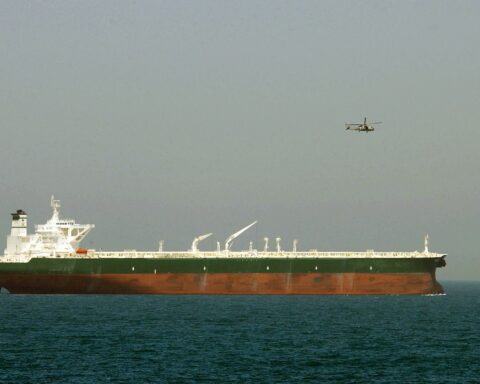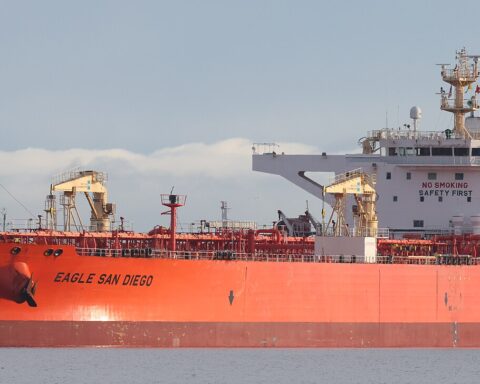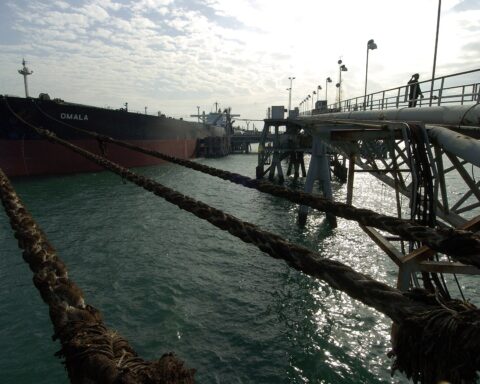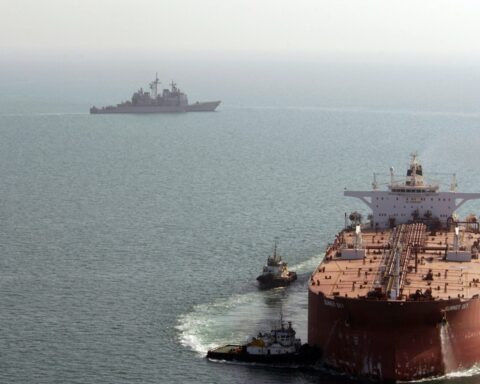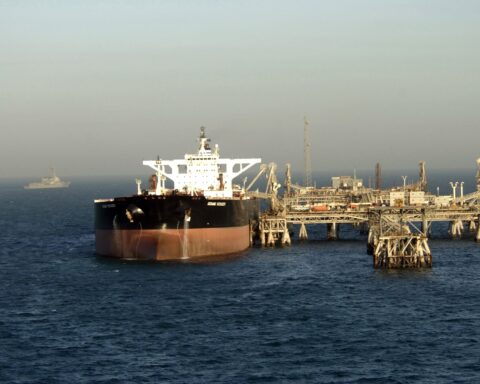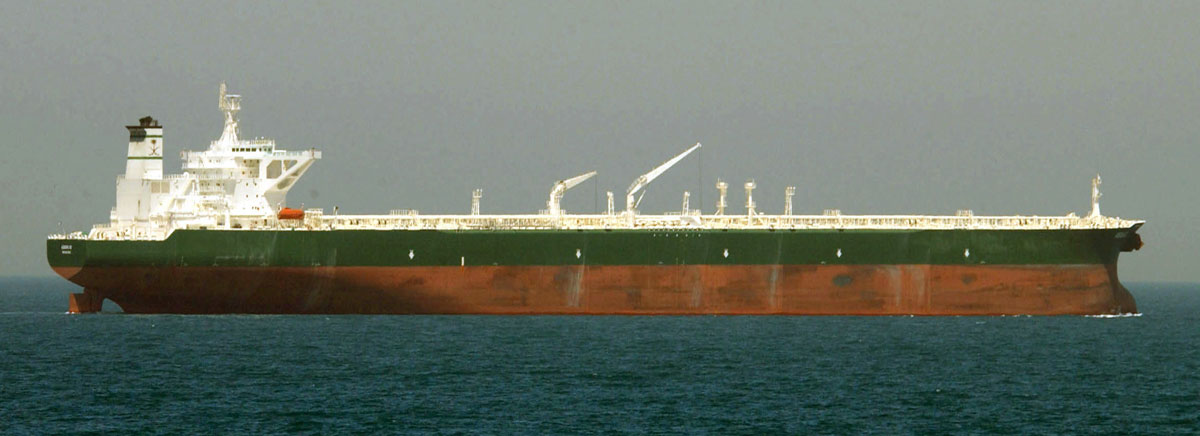

DUBAI — Three oil tankers struck naval mines and caught fire in the Strait of Hormuz on October 30 while transiting the IMO’s Traffic Separation Scheme, the IRGC Navy claimed. The IRGC called it the “unauthorised route south of the Strait of Hormuz,” according to AP. Separately, Oman’s Maritime Security Centre rescued 25 crew from the burning crude tanker RITI. A confirmed limpet mine attack on the Panama-flagged tanker Louise 1 the previous day pushed Brent crude above $117. Bloomberg described it as the first successful such strike since the US-Iran war began in February 2026, with OPEC ministers scheduled to meet on November 1.
The route the IRGC now calls “unauthorised” is the Traffic Separation Scheme co-proposed by Iran and Oman and adopted by the IMO in the late 1960s. It is the only routing option endorsed by international maritime law and the corridor Western navies use. Iran formally rejected it on June 24, calling it “unacceptable and completely dangerous,” according to Lloyd’s List, and has treated any vessel on it as a target since. The sole internationally recognised route through the world’s most-transited oil chokepoint is the one Iran is mining.
Saudi Arabia’s output runs 4.5 million barrels per day below its OPEC quota of 10.5 mb/d, constrained not by voluntary cuts but by blocked export routes. The IMF’s PortWatch tracker recorded approximately 2 vessels transiting the strait on October 25 — down from a pre-war average of 138 a day, according to the JMIC’s March 2026 advisory.
The House of Saud Daily Briefing
Saudi Arabia's news in 3 minutes, every morning. Free. See today's issue
Table of Contents
Louise 1: First Confirmed Limpet Mine Attack of the War
The Panama-flagged tanker Louise 1 was hit by two limpet mines on October 29 while on an outbound transit through the strait. A small boat attached the devices to its hull approximately 25 nautical miles northeast of Khasab, Oman, according to gCaptain and Bloomberg. The mines ignited an engine-room fire that the crew extinguished before the vessel resumed its voyage, with all crew reported safe. UKMTO issued Warning 187-26 for the incident.
Bloomberg described the attack as the first known successful limpet mine strike in the Strait of Hormuz since the US-Iran war began in February 2026. The distinction matters. Limpet mines require a small boat to approach a moving vessel and physically attach a device below the waterline — something moored or drifting sea mines cannot do. That demands the kind of operational proximity that CENTCOM’s presence in the strait was supposed to deter. Martin Kelly of EOS Risk Group told gCaptain the Louise 1 attack represented “another step in Iran’s evolving campaign.” He also warned that limpet mines placed below the waterline can cause “significant damage and water ingress.”
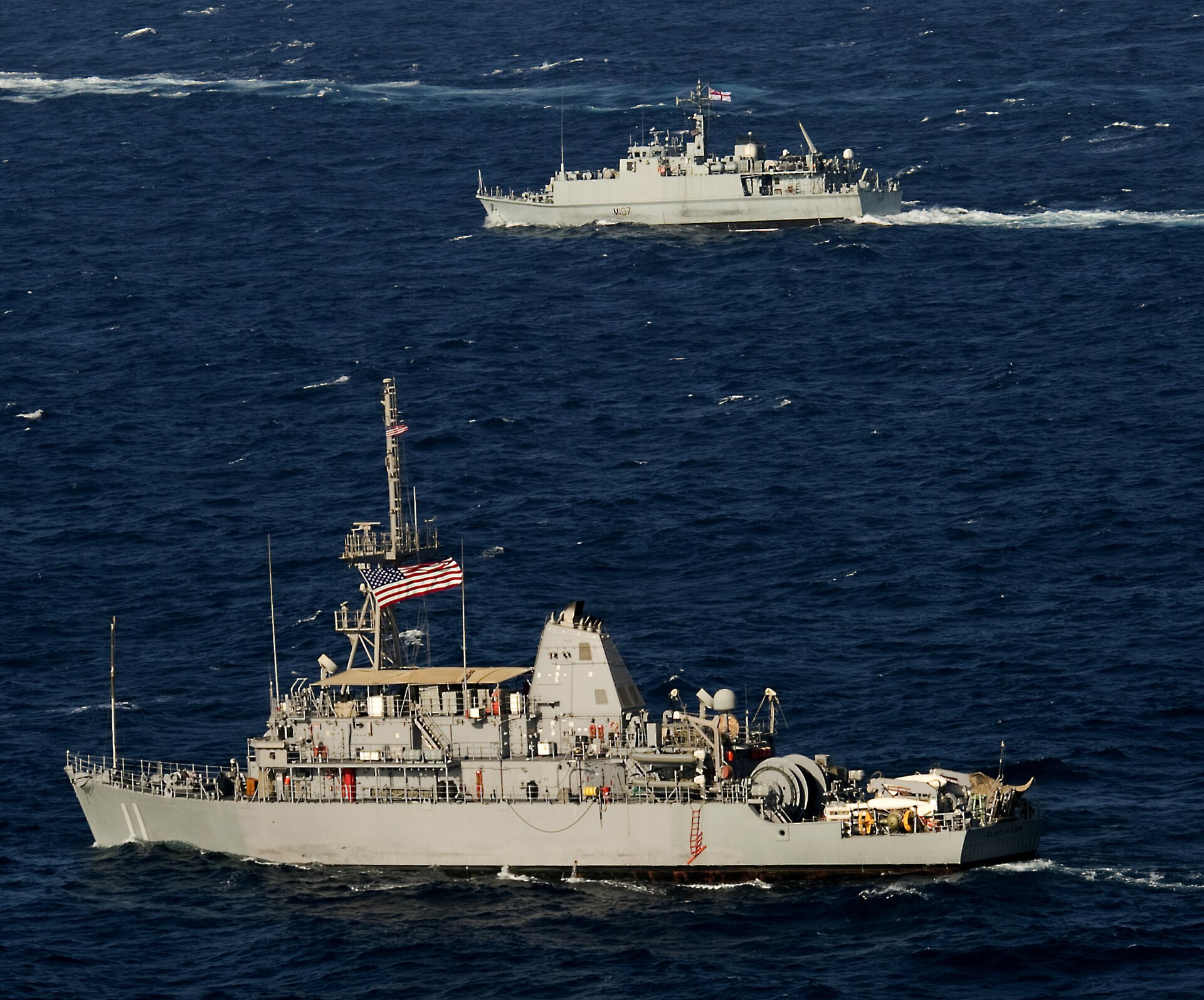
The shift has direct implications for any operator who had relied on CENTCOM mine-clearance assurances as the basis for a risk calculation. Admiral Brad Cooper, flying over the strait in an aircraft on October 30, told Al Jazeera that the “internationally recognised primary transit routes” had been cleared of Iranian sea mines. But a mine attached to a hull by a small boat after a clearance sweep falls outside what route-clearing operations can prevent. The Louise 1 proved it.
What Did the IRGC Claim on October 30?
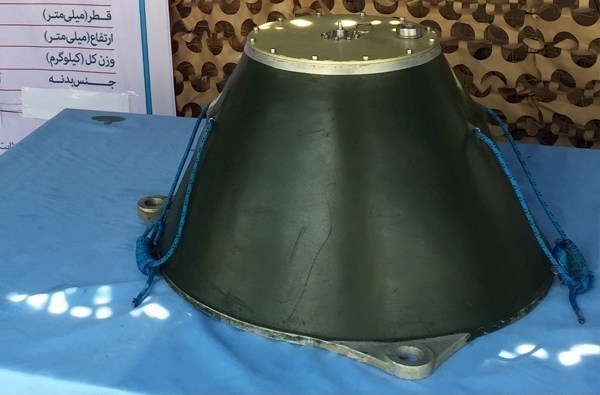
The IRGC Navy claimed on October 30 that three oil tankers struck naval mines and caught fire, according to AP via CTV News. The IRGC said they were using what it calls the “unauthorised route south of the Strait of Hormuz.” A separate IRIB broadcast carried a fourth claim: a supertanker carrying more than 2 million barrels of crude had hit a mine after ignoring radio warnings, according to Newsquawk. None of these claims has been independently verified, and CENTCOM denied any IRGC presence in the strait on October 30, according to Al Jazeera.
The claims followed an identical pattern from October 29, when the IRGC said three tankers had hit mines. They also followed an earlier October 30 statement that four tankers had struck mines, which the US called false. The IRGC’s October 29 statement said the tankers had “switched off all their radar and navigation systems” — Iran’s standard framing for assigning liability to vessel operators, according to PressTV. IRGC Spokesman Brigadier General Hossein Mohebbi said the same day that the situation in the Strait of Hormuz “is determined in the air, on land, and at sea,” according to PressTV.
Mehr News Agency described the October 30 vessels as “three violating oil tankers.” The word “violating” carries the IRGC’s operative legal claim — that it has authority to determine what constitutes lawful passage through a strait it co-designed for international shipping. IRIB reported the supertanker was “ignoring radio warnings and trying to use the unauthorised southern passage through the Strait of Hormuz,” according to Newsquawk. The framing places all responsibility on vessel operators and all authority with the IRGC.
Oman Rescues 25 Crew From Burning Tanker RITI
On October 30, Oman’s Maritime Security Centre rescued 25 crew from the Panama-flagged crude oil tanker RITI after it caught fire in the Strait of Hormuz, according to Al Jazeera. The vessel’s exact position — and whether it was transiting the IMO corridor — has not been confirmed in available reporting. No crew fatalities were reported.
The RITI rescue adds a verified data point to a week of escalating confrontations in the strait. UKMTO has recorded 145 Iran-US conflict-related incidents through October 28, including 88 in the Hormuz corridor alone, according to Iran International. IMO figures show 34 confirmed attacks on vessels between September 28 and October 27. The IRGC separately claimed earlier on October 30 that it had “halted” two oil tankers in the strait, a claim CENTCOM also denied.
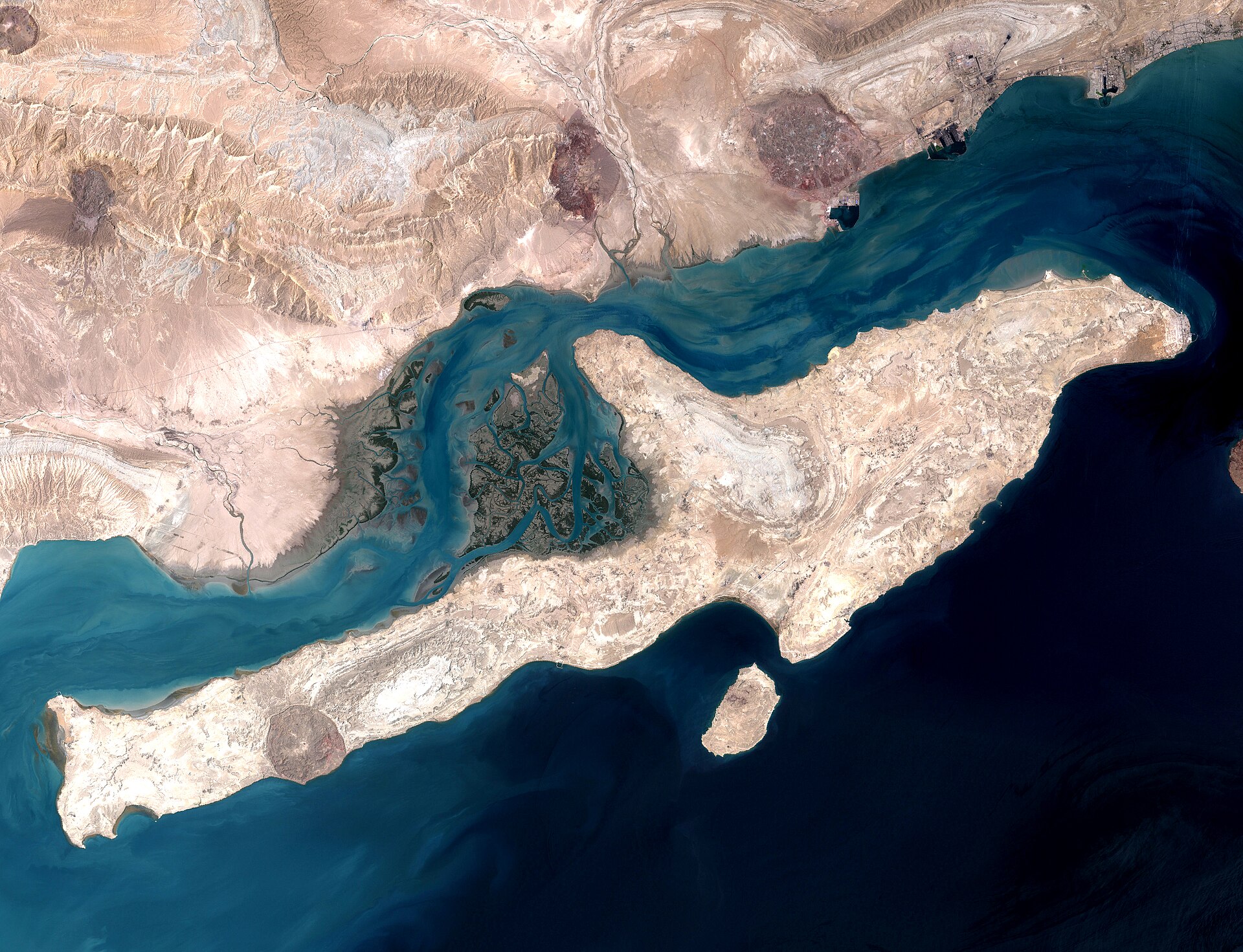
Why Is Iran Targeting the IMO-Approved Route?
The route the IRGC calls “unauthorised” is the Traffic Separation Scheme — the internationally recognised corridor co-proposed by Iran and Oman and adopted by the IMO in the late 1960s. Iran is not a signatory to the UN Convention on the Law of the Sea and disputes transit passage rights as customary international law. Since June 24, Iran has insisted that the “only permitted route is the routes announced by the Islamic Republic of Iran,” according to Lloyd’s List and Al Jazeera. That route requires coordination with the IRGC Navy on VHF Channel 16.
The IRGC’s formal rejection came on June 24, 2026, the same day the IMO announced an evacuation framework using the southern route through the TSS corridor, according to Lloyd’s List. The IRGC said the route had been announced “without notifying or coordinating with Iran” and was “unacceptable and completely dangerous.” Two tankers — the Blue Star I and the Azumasan — tested the IMO route the following day. Both turned back after receiving IRGC radio warnings, as reported by Lloyd’s List and Al Jazeera on June 25, 2026.
The traffic separation scheme “is not clear of mines right now, so it’s not safe.”
IMO Secretary-General Arsenio Dominguez, Fox News interview
Dominguez confirmed that approximately 6,000 seafarers remain stranded in the Persian Gulf. The IRGC declared the Strait of Hormuz formally closed on October 26, four days before the tanker fires the IRGC itself now frames as enforcement of that declaration.
What Does This Mean for Oil Prices Before OPEC Meets?
Brent crude rose to between $117.56 and $117.88 on October 30, up from $116.54 at 0900 GMT, with WTI near $104.91, according to The National and Investify. Brent is on course for a fourth consecutive monthly gain, up roughly 15 percent in October alone. OPEC ministers meet on November 1. Saudi Arabia cannot ship what it produces through either a Hormuz blockade that the IMO has said is unsafe or an East-West pipeline under Houthi attack.
War-risk insurance premiums reached 7.5 to 10 percent of hull value per single transit in October, according to Lloyd’s List and Financial Times-cited brokers. At those rates, a standard VLCC insured at $100 million faces a $7.5 to $10 million premium for a single Hormuz passage. The pre-war baseline was approximately 0.25 percent of hull value. The shipping industry’s options have narrowed to full diversion around the Cape of Good Hope or a full halt. The near-total collapse of Hormuz traffic in late October reflects the decision most operators have already made.
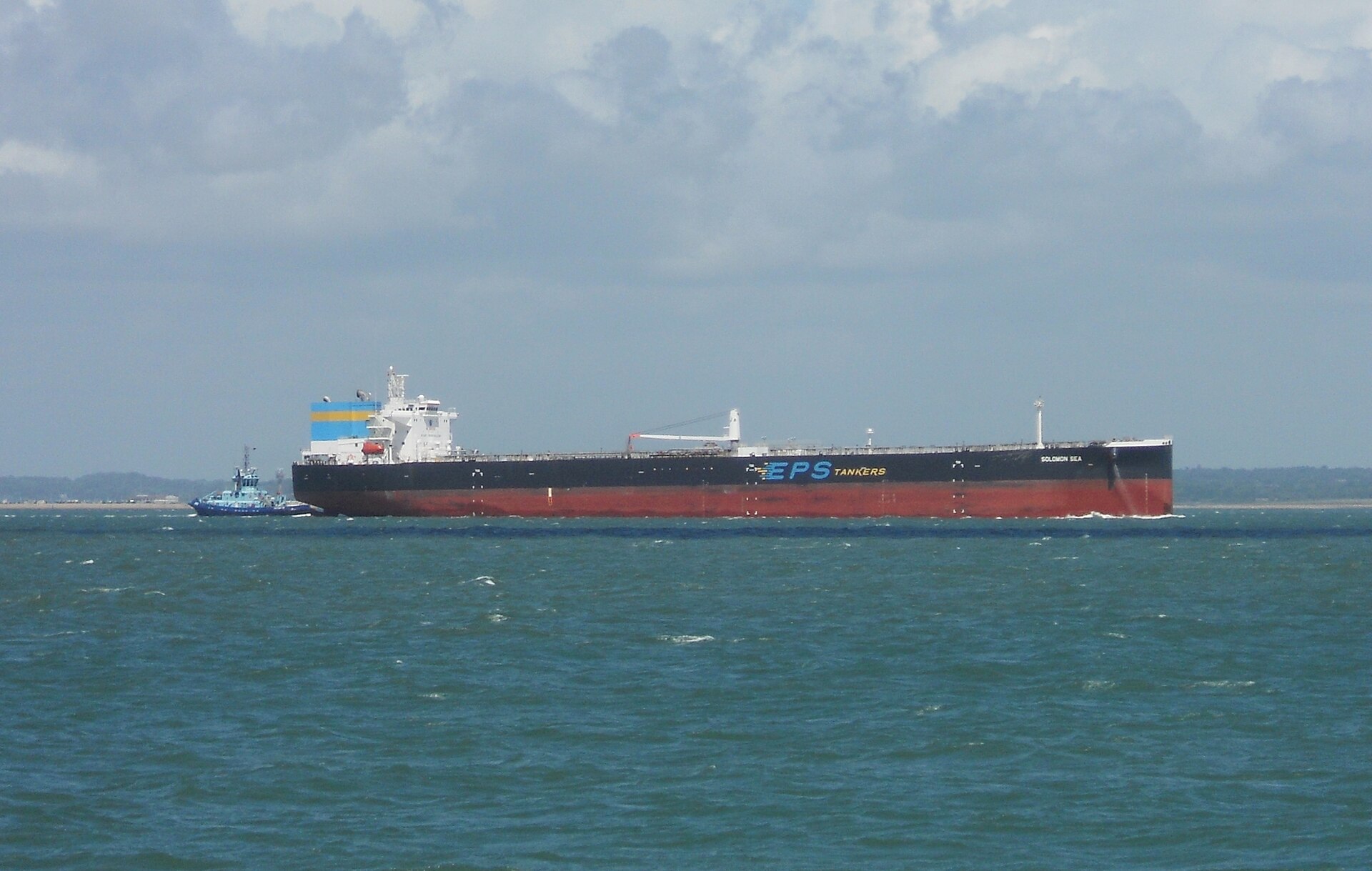
The Hormuz Corridor
The Traffic Separation Scheme in the Strait of Hormuz was co-proposed by Iran and Oman and adopted by the IMO in the late 1960s. It served as the primary routing for international shipping through the strait for more than five decades before the current conflict. The US-Iran war began on February 28, 2026, and Iran imposed an initial blockade on the strait beginning April 13.
The Islamabad memorandum — providing for a 60-day passage arrangement — temporarily eased the closure, but the agreement collapsed and the blockade resumed on July 14. On June 24, the IMO announced an evacuation framework using the southern TSS route; the IRGC rejected it the same day. The IRGC declared the strait formally closed on October 26, and Iran has said it could reopen in under seven days if conditions are met, but no agreement has materialised.
CENTCOM maintains more than 130 vessels in the region and continues mine-clearance operations along the TSS corridor. On October 29, the Louise 1 limpet attack demonstrated a tactic that falls below the threshold of what mine sweeps can detect or prevent. On October 30, the IRGC claimed three more tankers struck mines on the same route CENTCOM says it has cleared.
Frequently Asked Questions
Has Iran used limpet mines in the Strait of Hormuz before?
Iran was accused of limpet mine attacks on two tankers in the Gulf of Oman in June 2019, during the Trump administration’s first-term “maximum pressure” campaign. The US Navy released video it said showed an IRGC patrol boat removing an unexploded limpet mine from the Japanese-owned tanker Kokuka Courageous near Fujairah; Iran denied involvement. The October 29, 2026 Louise 1 attack is the first confirmed limpet mine strike of the current war, according to Bloomberg.
What is the difference between a sea mine and a limpet mine?
Sea mines are typically moored or free-floating devices that detonate on contact or magnetic proximity — indiscriminate weapons that can remain active for months after deployment. Limpet mines are magnetic charges attached directly to a ship’s hull by divers or small-boat operators, allowing the attacker to choose the target and the point of detonation. The Louise 1 was hit by two limpet mines delivered by a small boat, according to UKMTO and gCaptain. That made it a deliberate act against a specific vessel, not an encounter with a pre-positioned weapon.
Can shipping operators use Iran’s alternative routes through the strait?
Iran insists the only lawful transit requires coordination with the IRGC Navy on VHF Channel 16 and use of IRGC-designated routes instead of the IMO corridor. Most Western operators are reluctant to comply. The United States designated the IRGC as a foreign terrorist organization in April 2019, and coordinating with a sanctioned entity carries legal risk under US Treasury regulations. Operators therefore face no compliant route through the strait — the IMO corridor is mined and the IRGC alternative requires contact with a US-sanctioned force. Most have chosen to avoid the passage entirely.
What is UKMTO?
United Kingdom Maritime Trade Operations is a Royal Navy unit headquartered in Dubai that serves as the primary contact point between commercial shipping and coalition military forces in the Middle East maritime region. UKMTO issues numbered incident warnings — such as Warning 187-26 for the Louise 1 attack — and operates a voluntary reporting scheme under which merchant vessels share their positions and intended routes. This enables military coordination and real-time threat updates. Its area of responsibility spans from the Suez Canal to the western Indian Ocean.
The House of Saud Daily Briefing
Saudi Arabia's news in 3 minutes, every morning. Free. See today's issue