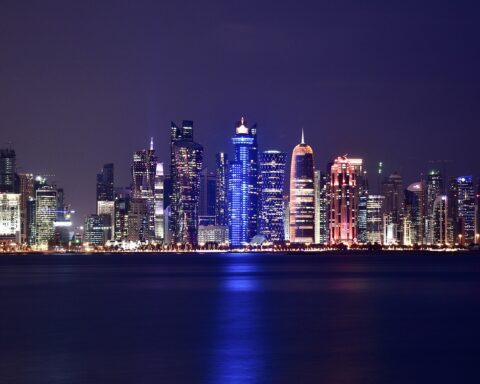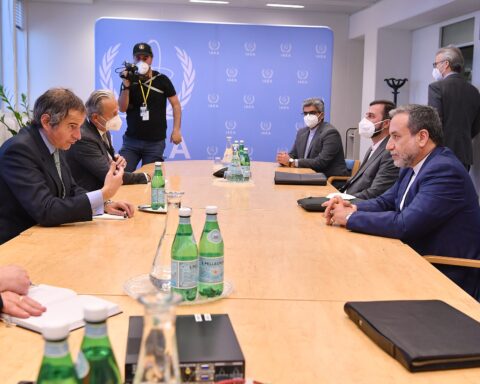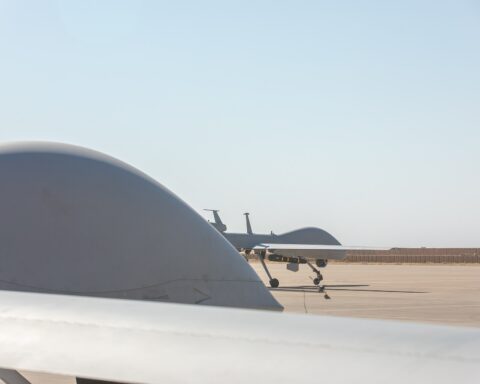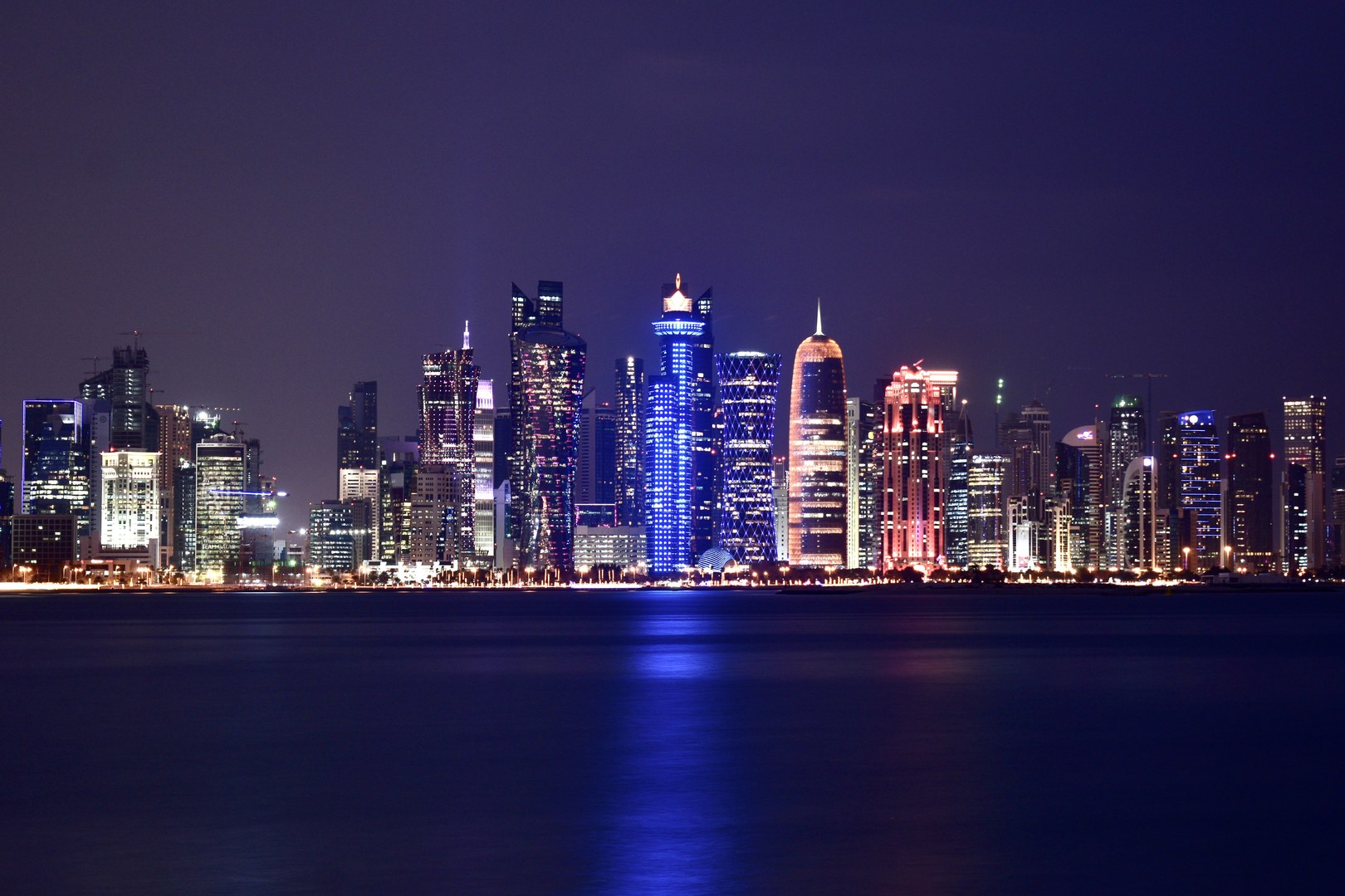

DOHA — Qatari mediators returned to Tehran on Friday carrying a revised American draft proposal to end the eight-month US-Iran war, hours after President Trump told Kansas City radio station KCMO that the conflict would be “wrapped up soon” and his envoy Tom Barrack declared the two sides “very close” to a de-escalation agreement. The visit, coordinated with Washington according to CBS News, came five days after Iran rejected the original Qatari draft outright — and four days before US voters head to the polls on November 3.
The contradictions in Tehran’s response are the story. Foreign Minister Abbas Araghchi has signalled continued engagement with intermediaries on his September 25 seven-day plan, while an unnamed senior official told Reuters that Qatar had delivered nothing worth discussing. That split — between a diplomatic track that looks alive and a political establishment that may be content to let it stall before Election Day — is playing out against an economy in freefall, with crude exports at zero and inflation above 70 percent.
Table of Contents
What Does the Revised Draft Propose?
The core of the proposal, reported by Axios and confirmed in part by IBTimes, would see Iran allow International Atomic Energy Agency inspectors back into its nuclear sites in exchange for limited sanctions relief and access to frozen financial assets. Iran would not be required to surrender enriched uranium upfront — a concession from earlier US positions — but Washington insists nuclear issues must be on the table from the start of any talks, a condition Tehran has so far resisted with the kind of firmness that leaves little room for creative ambiguity.
The House of Saud Daily Briefing
Saudi Arabia's news in 3 minutes, every morning. Free. See today's issue
What changed between the original draft delivered on October 25 and the version Qatar brought on Friday has not been made public. No government has released the text, and the sources who spoke to Reuters and AFP described “revisions” without specifying them. A source told CBS News there were “indications of progress,” with Iran’s response expected by Saturday — one day before the Israeli election results are finalised, three days before American voters go to the polls, and roughly 96 hours before the window Trump has left open for renewed military action swings back open.
Araghchi’s original September 25 plan, submitted at UN sideline talks via Qatari mediators, proposed reopening the Strait of Hormuz within seven days in exchange for the US lifting its naval blockade, easing oil export restrictions, and releasing approximately $12 billion in frozen assets. Iran has since added a $24 billion reserves demand to its preconditions, and the revised draft reportedly includes a seven-day timeline with daily confidence-building measures and unnamed guarantor countries, though Reuters noted those details came from a single unnamed official.
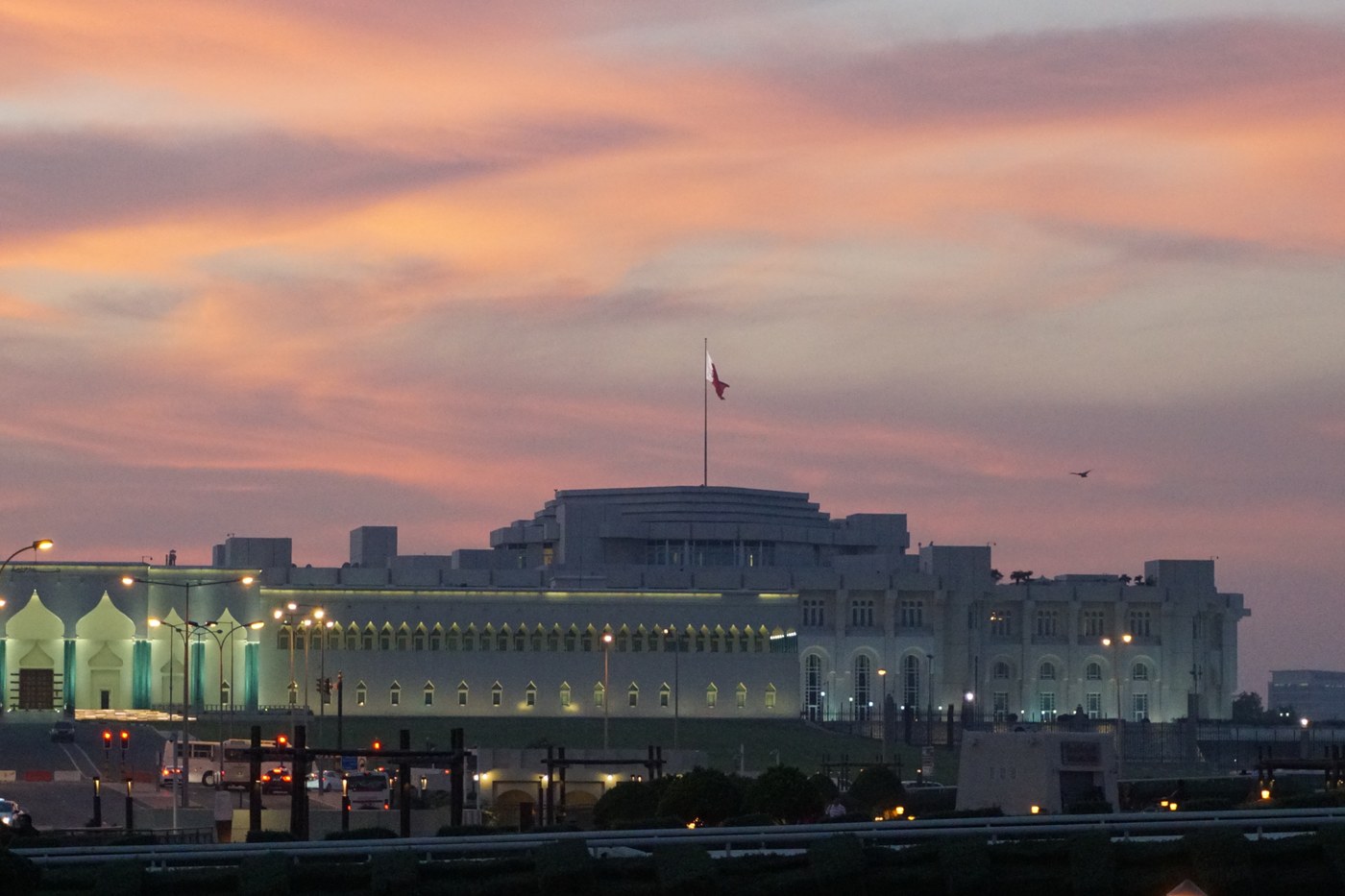
Why Did Barrack Name Saudi Arabia as a Mediator?
Tom Barrack, the US Ambassador to Turkey and Special Presidential Envoy for Syria and Iraq, told CNN’s Becky Anderson on October 29 that Washington and Tehran are “very close” to a de-escalation understanding — framing it not as a final settlement but as a breather that both sides could live with in the short term.
Let’s have a time out, bring temperatures down. We’re not going to have an overall solution immediately, but we can allow the region to find its own pace.
Tom Barrack, US Ambassador to Turkey, CNN, October 29
The more revealing part of the interview was the list of names. Barrack explicitly credited Qatar, Pakistan, Saudi Arabia, and Turkey as mediating parties — a recognition of Riyadh’s role that reflects the joint communiqué issued by all four countries in Tehran on October 26. He suggested visible steps could come within about two weeks, according to Middle East Eye, which would place any initial agreement around November 13 — well after the midterms, and possibly part of the timeline’s appeal to an Iranian establishment that has shown no interest in handing Trump a pre-election win.
Iran’s Parliament Speaker Mohammad Bagher Ghalibaf responded within hours. The carrot-and-stick approach “has no effect on Iran,” he said, according to wire reports. His adviser Mehdi Mohammadi had put it differently on October 21, telling the Guardian that Iran’s strategy is “zero red lines” — meaning, in context, that Tehran would accept nothing less than its full list of demands before any discussion of the nuclear file could begin.
What Is Iran Actually Saying?
The gap between Iran’s public and private messaging has rarely been this visible. Araghchi, according to Asharq Al-Awsat on October 28, indicated that Iran remains in close and ongoing contact with intermediaries to review ideas aimed at implementing the seven-day plan, and warned via Middle East Eye of a “devastating impact” on global markets from any Israeli-instigated military action in the Persian Gulf region — the kind of statement designed to signal reasonableness to European capitals and energy traders simultaneously.
Behind that diplomatic posture, the picture is less accommodating. A senior Iranian official — unnamed in every outlet that carried the quote, including Middle East Eye and Türkiye Today — told Reuters that Qatar had brought only “unacceptable ideas and not an offer” and that Tehran would show “no flexibility on the nuclear issue.” Iran’s stated preconditions include lifting the US naval blockade that resumed on July 14, easing oil export sanctions, releasing frozen financial assets, and ending hostilities on all fronts including Lebanon — precisely the sequence Washington has said it will not accept.
IRNA, Iran’s state news agency, confirmed the Qatari delegation’s arrival on Friday but described the visit blandly as a continuation of “Qatar’s mediation efforts,” with no reference to any draft or proposal. The gap between Araghchi’s careful engagement and the unnamed official’s blunt dismissal leaves mediators reading tea leaves in a capital where the real decisions run through Supreme Leader Mojtaba Khamenei and SNSC Secretary Mohsen Rezaei, neither of whom has said a word about the revised draft in public.

Is Tehran Running Out the Clock Before November 3?
Three senior Iranian officials and one insider told Reuters, in reporting published by Asharq Al-Awsat on October 20, that Tehran is deliberately prolonging negotiations to weaken Trump before the midterms. “The clerical establishment is determined not to give Trump a political victory,” one official said — a calculation that treats the American electoral calendar as a strategic weapon, wielded without firing a shot.
The economics of that gamble are savage. Iran’s annual inflation rate hit 73.6 percent in September, according to the Statistical Centre of Iran. The rial has fallen against the dollar since the US naval blockade resumed on July 14, and Iran’s seaborne crude exports — which had survived years of sanctions through a shadow fleet of tankers — fell to zero by the second week of September, according to Vortexa. The US sanctions campaign targeting Iran’s shadow fleet has closed off the workarounds that kept some oil moving even during the tightest enforcement periods.
Saeed Leylaz, a Tehran-based economist and political analyst, told Reuters that “Iran is influencing the US election without taking any unlawful action.” Alex Vatanka, director of the Iran Program at the Middle East Institute in Washington, was more direct: “The clerical establishment clearly wanted to hurt Trump politically.” But Leylaz added a caveat that gets less attention than the headline-ready version — “Nothing will go back to the pre-war status quo,” he said, a recognition that stalling has costs that compound whether the strategy works or not.
The American bill is compounding too. The war has killed 23 US service members — 11 from enemy fire, 12 in non-hostile incidents — and cost $47 billion, of which $29 billion is munitions replacement, according to CBS News. The Congressional Budget Office projects $2 to $3 billion per month going forward. Trump, who said on October 8 that the US would not strike Iran before November 3, told KCMO on Friday that the war would be “wrapped up soon” and that “We need a guarantee there’ll never be a nuclear weapon” — a line that doubles as a campaign promise and an ultimatum, depending on who in Tehran is listening.
What Happens if the Draft Fails?
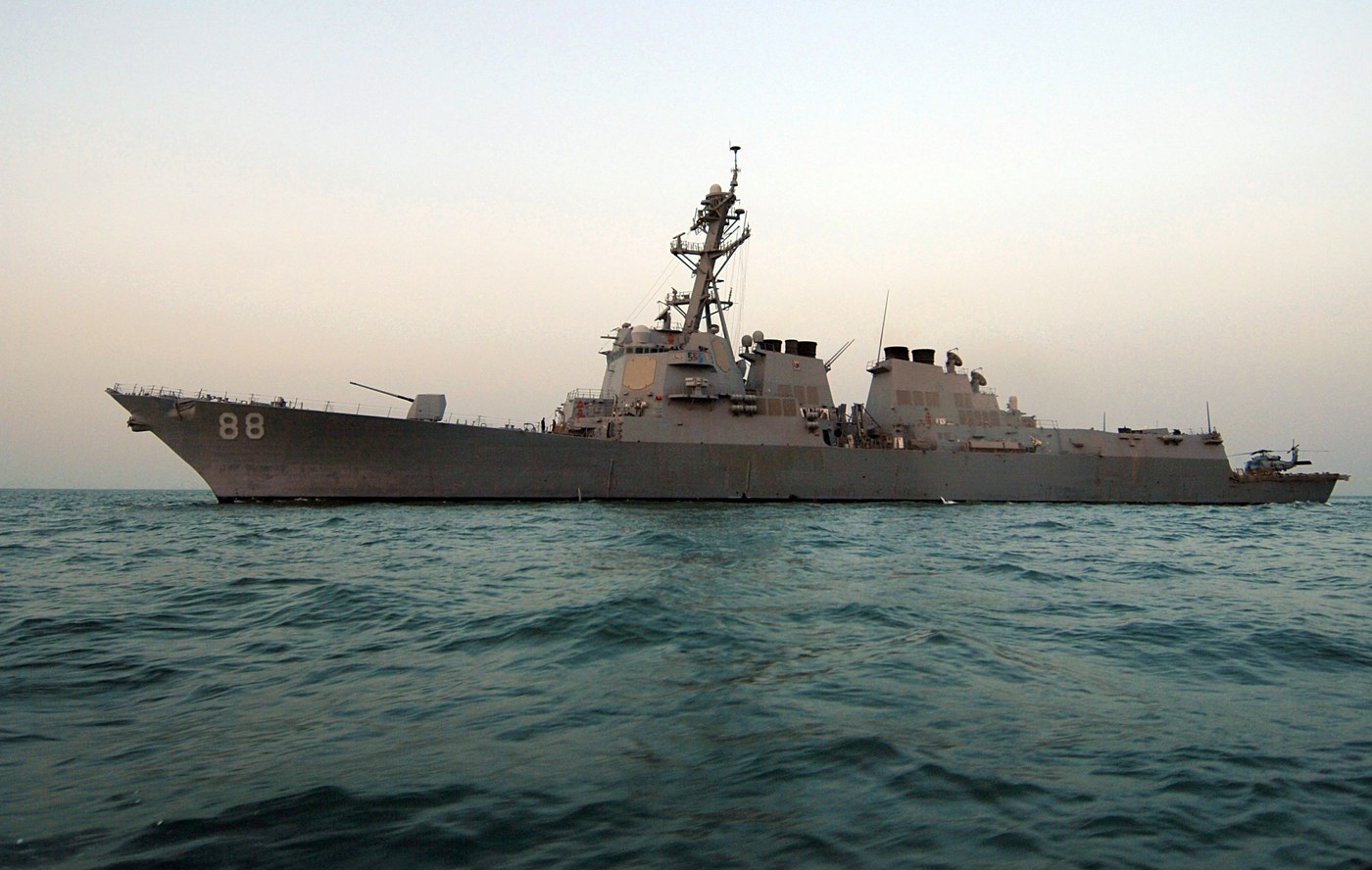
Mediators have been unusually explicit about the stakes. Reuters, cited by i24 News, reported that intermediaries warned Iranian officials the current proposal may be “the last chance before President Trump might decide to launch a military operation against Iran.” That warning landed days after Vice President JD Vance sent a letter to Rezaei on October 25 via Qatari intermediaries, offering direct talks and stipulating that nuclear issues must be included from the outset — with Vance himself leading the US delegation, potentially in Qatar or Turkey “as soon as next week,” according to the New York Times via Al Jazeera. No formal response from Rezaei has been confirmed as of Friday.
Analysts are not optimistic about the draft’s chances. Ali Vaez, deputy programme director for the Middle East and North Africa at the International Crisis Group, told Al Jazeera that while Vance may be a “more credible messenger” than other administration voices, he “cannot bridge a chasm of substantive disagreements,” and the risk of new strikes remains “dangerously high.” Marzieh Kouhi Esfahani, a researcher at Durham University, assessed the likelihood of renewed military action as “quite high,” and Rouzbeh Parsi of Lund University offered a reading of Vance’s position within the administration that carried its own kind of warning — Vance is the “voice of reason” on Iran, Parsi said, but that position has “never proven to be sturdy enough to actually sway Trump.”
From the Vance Letter to the Revised Draft
The diplomatic sequence is compressed to a degree that says as much about the urgency as any official statement. Vance’s October 25 letter, reported by Axios, proposed direct US-Iran talks with nuclear issues included from the start — a departure from Tehran’s insistence that hostilities end first. Qatar delivered the initial draft alongside the letter. Iran rejected it within days. Qatar returned on Friday with revisions, in what IRNA described as a continuation of mediation efforts.
The war, now in its eighth month since the February 28 strikes that killed Ali Khamenei, has produced two previous rounds of direct US-Iran talks — the Islamabad round on April 11-12 and the Geneva round on June 21 — and one ceasefire that collapsed on July 8 after three ships, including the Saudi-flagged Wedyan, were hit in the strait on July 7. The June 17 Islamabad Memorandum, which provided 60 days of passage through Hormuz, lasted three weeks. More than 130 vessels have been turned around since the blockade resumed on July 14.
Hamidreza Azizi, a senior analyst at the International Crisis Group, told Al Jazeera that Vance addressing Rezaei directly “may signal a shift in Washington’s view of who holds influence in Tehran” — a nod to Rezaei’s dual role as SNSC secretary and former IRGC commander with a direct line to Supreme Leader Mojtaba Khamenei. Whether that signal reaches anyone inclined to act on it before November 3 is the question that four mediating governments, two warring capitals, and the entire global oil market are waiting on this weekend.
FAQ
Who is Tom Barrack and what is his role in the Iran negotiations?
Tom Barrack serves as US Ambassador to Turkey and Special Presidential Envoy for Syria and Iraq. He is not formally the lead negotiator on Iran, but his proximity to Trump — he chaired Trump’s 2017 inaugural committee — and his ambassadorial posting in Ankara, one of the four mediating capitals, have placed him at the centre of the diplomatic track. His October 29 CNN appearance was a notable instance of a senior US official publicly crediting Saudi Arabia alongside Qatar, Pakistan, and Turkey as a mediating party in the Iran negotiations.
What are Iran’s seven preconditions for talks?
Iran’s preconditions, as outlined by Parliament Speaker Ghalibaf and state media, include lifting the US naval blockade of Iranian ports, easing oil export sanctions, releasing frozen financial assets (approximately $12 billion was the figure cited in September, later raised to $24 billion), ending hostilities on all fronts including Lebanon, withdrawing US forces from certain forward positions, halting secondary sanctions enforcement against third-party buyers of Iranian oil, and reversing the UN Security Council’s snapback sanctions. Tehran insists all seven must be satisfied before any discussion of the nuclear file.
Has Mohsen Rezaei responded to the Vance letter?
As of Friday, October 30, no formal response from Rezaei has been confirmed publicly. Iran’s Tasnim news agency reported no response as of October 29. Rezaei serves as secretary of Iran’s Supreme National Security Council and is a former IRGC commander with a direct line to Supreme Leader Mojtaba Khamenei. Any formal reply to Vance’s offer of direct talks would almost certainly require the Supreme Leader’s approval, and the silence itself has become a data point that mediators are interpreting as either deliberation or, less charitably, delay.
How many US service members have died in the Iran war?
The toll rose from 16 in mid-July (Al-Monitor/Reuters) to 18 by late August (Chronicle.lu/Reuters) to 23 as of October 30 (CBS News) — a pace that tracks the conflict’s escalation cycle. Of the 23, 11 died from enemy fire and 12 in non-hostile incidents. The $47 billion total cost includes $29 billion in munitions replacement, with the Congressional Budget Office projecting $2 to $3 billion per month going forward.
What is the Islamabad Memorandum?
The Islamabad Memorandum, signed on June 17, 2026, was the only formal ceasefire agreement reached between the US and Iran during the current conflict. It provided for 60 days of passage through the Strait of Hormuz, an end to the US blockade within 30 days, and a reconstruction framework of at least $300 billion. The agreement collapsed on July 8 when three ships — including the Saudi-flagged tanker Wedyan — were attacked in the strait, after which Trump declared the ceasefire “over” and the US naval blockade resumed on July 14.
The House of Saud Daily Briefing
Saudi Arabia's news in 3 minutes, every morning. Free. See today's issue