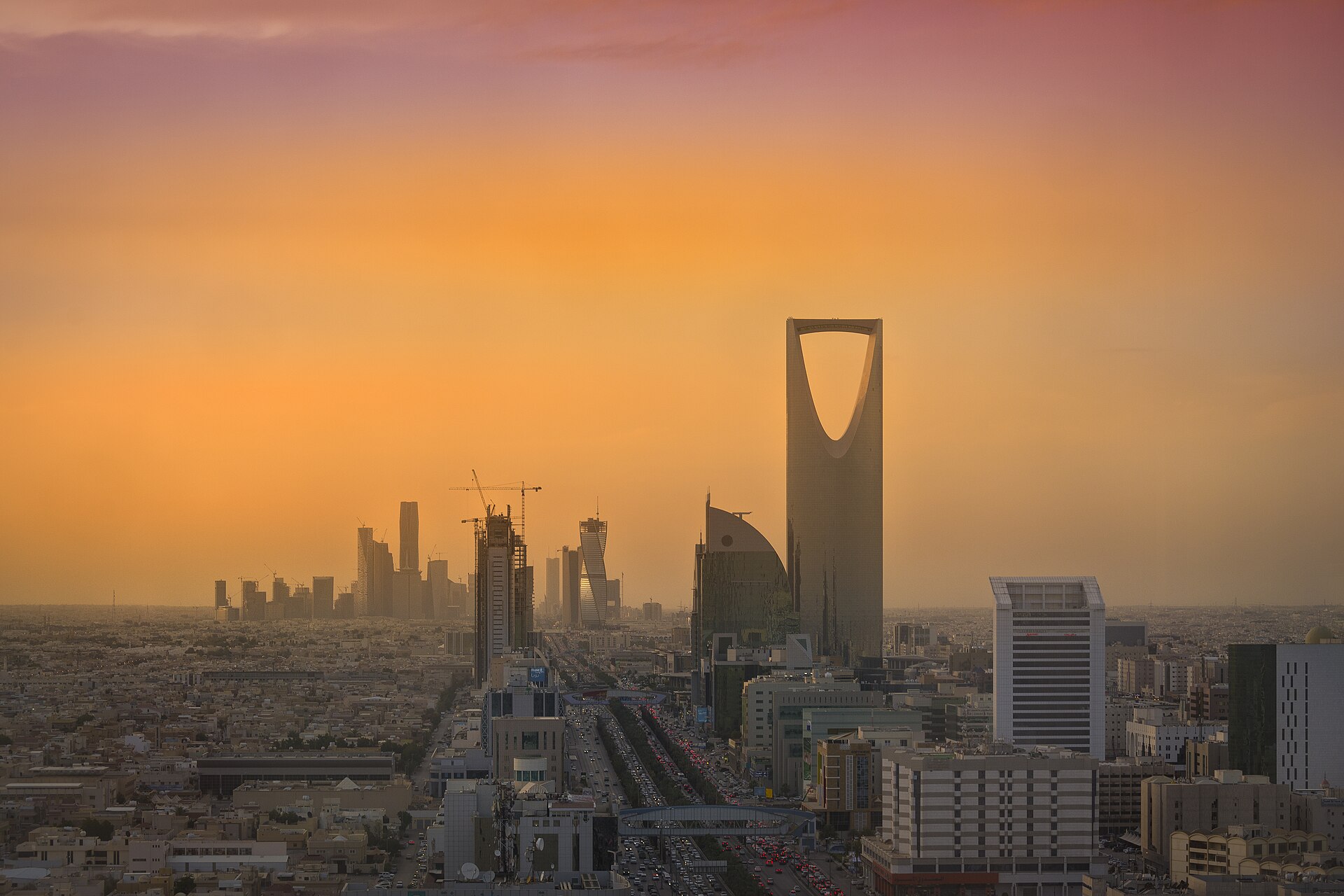

RIYADH — Yemen’s Houthi forces claimed six simultaneous attacks targeting Saudi oil refineries, both of the kingdom’s primary commercial airports, and a military command headquarters on the evening of October 29, 2026. Houthi military spokesman Yahya Saree named Ras Tanura refinery, Aramco’s Abqaiq processing facility, King Khalid International Airport in Riyadh, King Fahd International Airport in Dammam, Rabigh refinery on the Red Sea coast, and a Saudi military headquarters in the Najran region, according to Al Jazeera and Middle East Eye.
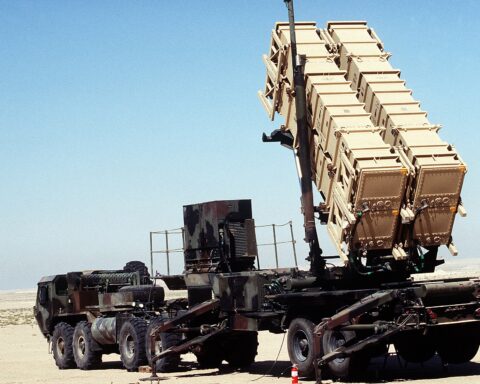
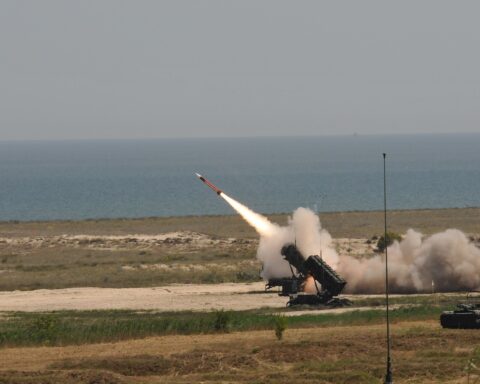
Coalition spokesman Turki al-Maliki confirmed air defenses intercepted and destroyed two ballistic missiles aimed at Riyadh — the sole Saudi confirmation from any of the six claimed targets, Al Jazeera reported. Saudi Civil Defence said shrapnel from the interception wounded one citizen and damaged one house and one vehicle. No Saudi, coalition, or Aramco statement has addressed the other five targets.
The announcement came hours after flydubai extended its Saudi Arabia suspension to November 1 — overriding a previously published plan to resume Riyadh and Dammam flights on October 30 — and approximately two hours after three Houthi ballistic missiles triggered explosions heard across Riyadh. Both airports named by Saree — King Khalid International and King Fahd International — had been named in flydubai’s original October 30 resumption plan.
The House of Saud Daily Briefing
Saudi Arabia's news in 3 minutes, every morning. Free. See today's issue
Saree described the targets as “vital commercial and military infrastructure” spanning the kingdom’s eastern and western coasts to Riyadh and Najran, according to SBS. The three oil facilities alone — Ras Tanura, Abqaiq, and Rabigh — represent some of Saudi Arabia’s most critical energy assets. The two airports are the kingdom’s primary gateways to its capital and its eastern economic hub.
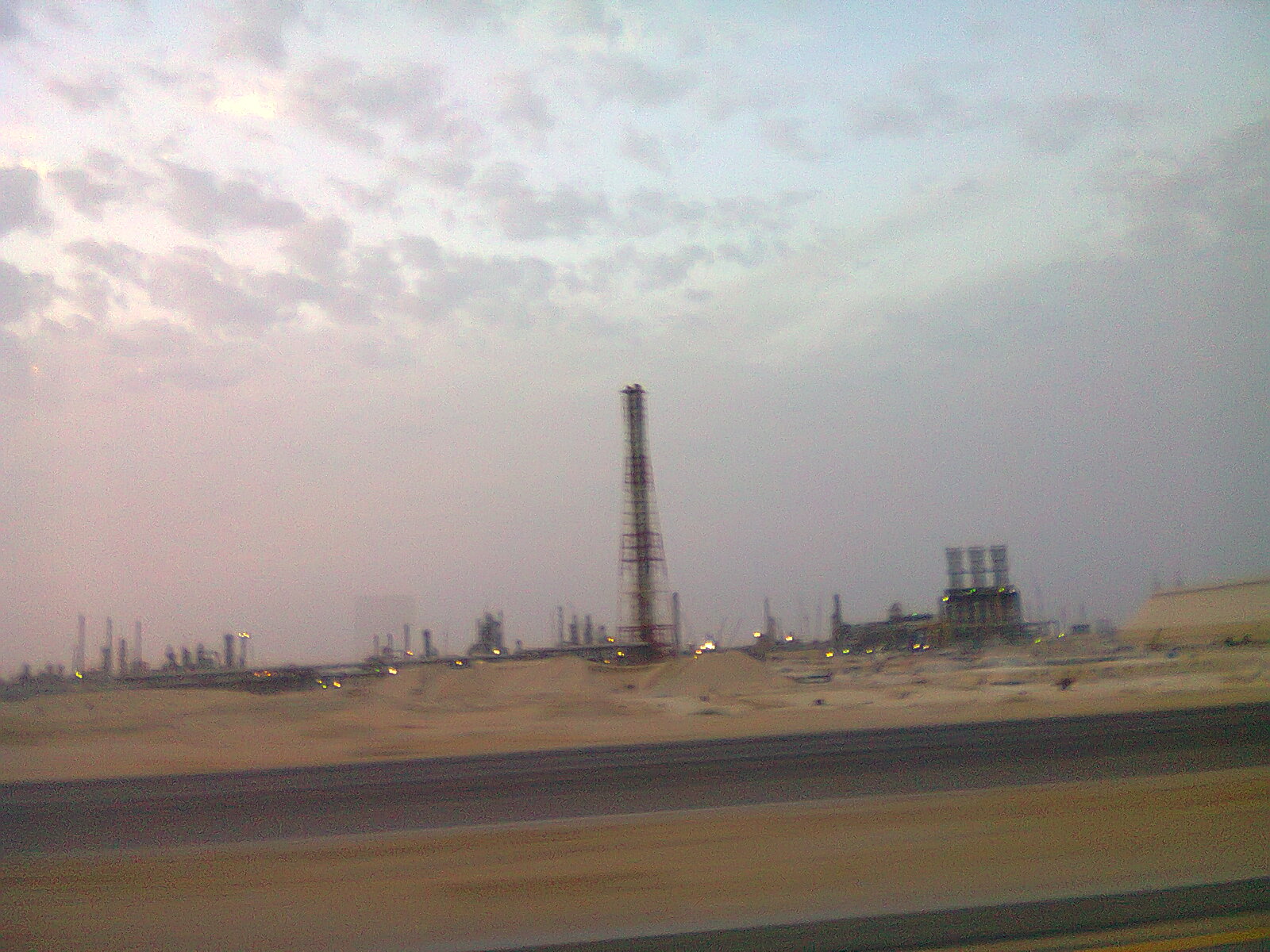
Table of Contents
- What Did the Houthis Claim in the October 29 Dusk Wave?
- What Has Saudi Arabia Confirmed?
- The Refinery Targets: Ras Tanura, Abqaiq, and Rabigh
- How Does the Six-Target Wave Affect flydubai’s October 30 Return?
- Tehran Communiqué to Dusk Strikes: A 48-Hour Gap
- October’s Multi-Target Escalation Pattern
- Frequently Asked Questions
What Did the Houthis Claim in the October 29 Dusk Wave?
Saree announced attacks on six targets he described as “vital commercial and military infrastructure” spanning Saudi Arabia’s eastern and western coasts, Riyadh, and Najran, according to SBS. He framed the operations as retaliation for “recent ruthless attacks by Saudi Arabia that caused dozens of casualties, including women and children.”
The six claimed targets, with weapon types as reported by Middle East Eye:
- Ras Tanura refinery (Eastern Province) — ballistic and conventional missiles
- Aramco Abqaiq processing facility (Eastern Province) — ballistic and conventional missiles
- King Khalid International Airport, Riyadh — multiple missiles
- King Fahd International Airport, Dammam — drone; Saree claimed the strike disrupted air traffic, according to SBS
- Rabigh oil refinery (Red Sea coast) — ballistic missiles
- Saudi military command headquarters, Najran region — Saree claimed deaths and wounded among Saudi forces, according to This Is Beirut
The six targets span the kingdom from the Red Sea coast to the Persian Gulf, through the capital, and down to the Yemen border zone. The geographic spread — combined with ballistic missiles, conventional missiles, and at least one drone — indicates an operation designed to demonstrate reach across Saudi Arabia’s full breadth.
“We affirm our continued advance, imposing the equation of siege with siege, escalation with escalation,” Saree said, according to This Is Beirut. He added that operations would continue “until Saudi acts of aggression cease and the blockade is lifted,” SBS reported.
Saudi Civil Defence had issued warning alerts for Riyadh, al-Kharj governorate, and Najran city before the interception announcements, and residents reported explosions across the capital, according to Al Jazeera and SBS. Three of the six claimed target areas — Riyadh, the Eastern Province, and Najran — align with the alert zones.
What Has Saudi Arabia Confirmed?
The Saudi response covers a fraction of Saree’s six claims. Coalition spokesman al-Maliki confirmed that air defenses intercepted and destroyed two ballistic missiles aimed at Riyadh, according to Al Jazeera. He provided no detail on the other five claimed targets — the three refineries, Dammam airport, or the Najran headquarters.
Saudi Civil Defence, in a statement distributed by the Saudi Press Agency and cited by Al Jazeera, reported that shrapnel from the Riyadh interception wounded one Saudi citizen and damaged one house and one vehicle. This is the only confirmed harm from the entire six-target wave.
Saree’s specific claims of air traffic disruption at King Fahd International Airport and of deaths and wounded at the Najran military headquarters remain unverified. No statement from Saudi aviation authority GACA, Aramco, or the Saudi military has addressed these claims.
The gap between six claimed targets and two confirmed interceptions does not necessarily mean the other targets were struck. Saudi Arabia’s public communications in October have consistently addressed missile threats over populated areas — particularly Riyadh, which has been the focus of civil defense alerts — while remaining silent on attacks claimed against remote oil facilities or military installations.
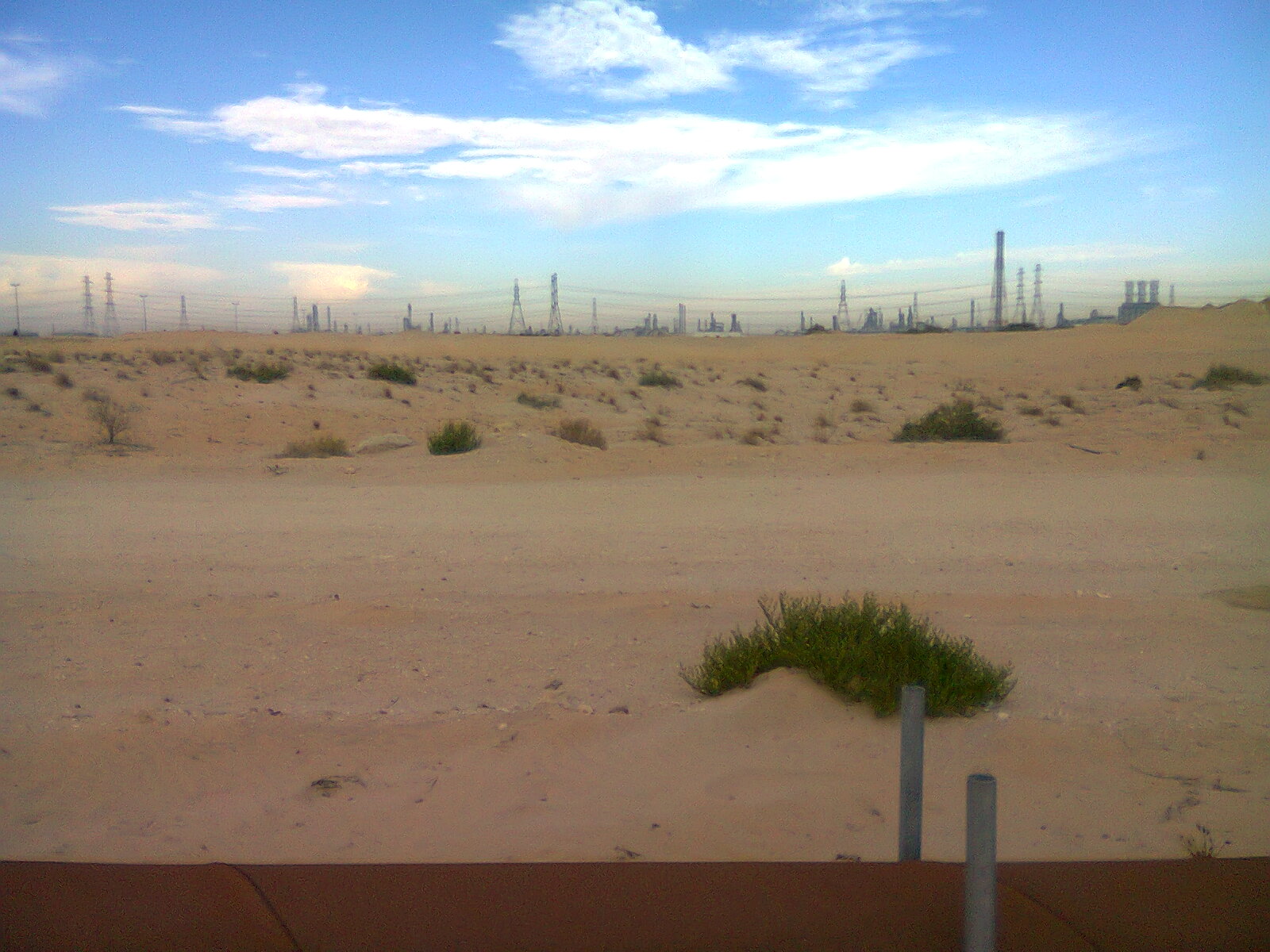
The Refinery Targets: Ras Tanura, Abqaiq, and Rabigh
Three of Saree’s six targets are oil infrastructure — two of Saudi Arabia’s largest refineries and the world’s largest crude processing plant.
Ras Tanura, Saudi Arabia’s largest petroleum refinery with a capacity of approximately 550,000 barrels per day, was claimed as a Houthi target two days earlier on October 27. The October 29 announcement makes this a re-strike claim within 48 hours. Aramco’s response to the October 27 claim, distributed via Argaam, described the resulting fire as “fully contained,” reported eight injuries, and said operations were “not affected.” No Aramco statement has addressed the October 29 claim.
Abqaiq, also known as Buqayq, is the world’s largest crude oil processing facility, handling the bulk of Saudi Arabia’s crude output before export. It had not been publicly claimed as a Houthi target in 2026 before this wave. The last confirmed major attack on Abqaiq was the September 2019 drone-and-missile strike — attributed to the Houthis and Iran — that was widely estimated to have temporarily removed roughly 5 percent of global daily oil supply. Saree claimed the facility was targeted with ballistic and conventional missiles on October 29, but no confirmation or damage report has emerged.
If the Abqaiq claim is substantiated, the implications for oil markets would be severe. The facility’s 2019 disruption sent crude prices sharply higher and prompted emergency drawdowns from strategic petroleum reserves. No damage report, satellite imagery, or third-party assessment has confirmed any impact on Abqaiq from the October 29 wave.
Rabigh, a refinery on the Red Sea coast in which Aramco holds a 60 percent majority stake and Sumitomo Chemical holds a 15 percent stake — following Aramco’s 2024 buyout of additional Sumitomo shares — was also named in the Houthi October 24 wave, according to France 24. The facility lies on the western export corridor that has taken on added importance since the Strait of Hormuz closure limited Persian Gulf shipments. No damage confirmation has been reported for either the October 24 or October 29 claims against the facility.
The inclusion of Abqaiq marks a significant escalation in targeting ambition. Even as an unconfirmed claim, naming the facility signals that the Houthis consider it within their operational reach — a message directed at oil markets and Saudi planners regardless of whether the missiles arrived.
How Does the Six-Target Wave Affect flydubai’s Saudi Arabia Resumption?
Both commercial airports in flydubai’s originally planned October 30 resumption appear by name in Saree’s announcement. King Khalid International Airport in Riyadh and King Fahd International Airport in Dammam — the two destinations flydubai had scheduled — were claimed as targets on the evening before the airline’s intended return date. flydubai subsequently extended its Saudi Arabia suspension to November 1, according to Gulf Today.
flydubai had scheduled two daily flights to Riyadh and four daily flights to Dammam beginning October 30, according to The National, before extending the suspension. Emirates was set to resume Jeddah service on October 30, with Riyadh and Dammam routes not returning until November 8. Etihad suspended all Saudi flights until at least November 5.
The airline resumption followed a period in which thousands of flights were cancelled across Saudi Arabia’s airports between October 8 and 25. King Khalid International Airport — site of the October 10 attack that killed 13 people and wounded between 308 and 309, according to Saudi authorities — had reopened on October 25 to Terminals 1 and 2.
King Fahd International Airport has faced repeated attacks. On October 21, a Houthi strike killed two people and injured eight, according to GACA. GACA initially reported one death before revising the toll upward to two, with injuries ranging from minor to severe, per Al Arabiya and the Jerusalem Post. The airport also saw navigation suspended on October 11 before operations were restored.
Saree had warned airlines between October 24 and 25 against resuming Saudi operations and declared King Khalid International Airport a “military target,” according to Tribune India. The six-target announcement — naming both airports on the same day flydubai was originally planning to return — coincided with the airline’s decision to extend its suspension to November 1.
flydubai’s planned October 30 return had represented one of the first attempts by a Gulf carrier to restore regular Saudi service since the October escalation grounded much of the kingdom’s air traffic. The airline’s extension to November 1, announced on October 29 per Gulf Today, reflected the continued instability. Emirates and Etihad remained on later schedules.
No airline statement directly linking the extension to the six-target announcement has been found. Travelers can check the latest Saudi Arabia flight and travel updates for current information.
Tehran Communiqué to Dusk Strikes: A 72-Hour Gap
The six-target wave came three days after Saudi Arabia, Iran, Turkey, and Pakistan issued a joint communiqué following talks in Tehran on October 26, according to Al Jazeera, IranWire, and The New Arab. Saudi Defence Minister Khalid bin Salman attended the meeting. An Iranian press release said participants agreed to continue discussions, according to Al Jazeera.
The Houthis were not party to the Tehran meeting. Saree framed the October 29 attacks as retaliation for Saudi air strikes, not as a response to the diplomatic track. Earlier on October 29, the Houthis had accused Saudi-led coalition strikes of killing 14 people at a Yemen market and claimed 101 coalition-caused deaths in 24 hours.
The Houthi operations — targeting Saudi economic infrastructure while claiming retaliation for civilian deaths in Yemen — illustrate the challenge of the Tehran diplomatic track. Saudi Arabia and Iran can discuss de-escalation at the negotiating table, but the Houthis set their own operational tempo. No diplomatic engagement in October has produced a pause in Houthi attacks against Saudi targets.
The 72-hour gap between a communiqué and a six-target wave underscores a central problem: any ceasefire that emerges from the Tehran process must extend to Yemen, where the Houthis operate with Iranian support but maintain independent decision-making on when and where to strike.
October’s Multi-Target Escalation Pattern
The October 29 wave follows a pattern of multi-target Houthi claims throughout the month, with a consistent gap between the number of targets announced and the number Saudi forces confirm.
On October 24, the Houthis claimed eight Saudi targets: King Khalid International Airport, the Yanbu Aramco facility, Rabigh refinery, crude oil pumping stations, the East-West pipeline, King Fahd International Airport Dammam, Najran airport, and Khamis Mushait airbase, according to France 24. The coalition confirmed intercepting two ballistic missiles from that wave.
The October 29 wave introduces two targets not claimed on October 24 — Abqaiq and a military command headquarters — while maintaining pressure on previously targeted airports and refineries. It drops the pipeline and pumping-station dimension from the earlier wave and substitutes the Najran military headquarters for Najran airport.
October 29 itself showed the escalating tempo. The day began with a Houthi ballistic missile intercepted over the Eastern Province in the morning. The evening brought a three-missile salvo that triggered explosions across Riyadh. The six-target announcement followed approximately two hours later. Saudi forces faced Houthi operations across multiple regions from dawn to dusk.
Each wave has introduced at least one target not previously claimed — a rolling expansion that compels Saudi air defenses and planners to prepare for strikes across an ever-widening set of facilities. In both the October 24 and October 29 waves, the coalition confirmed exactly two intercepts, each time over Riyadh, while the remaining claimed targets received no public confirmation or denial.
The Houthis’ ability to generate broad multi-target announcements — regardless of how many projectiles arrive at their destinations — serves its own strategic purpose. It keeps oil markets, airlines, and foreign governments uncertain about the safety of Saudi infrastructure, a form of pressure that operates independently of battlefield results.
Frequently Asked Questions
What is Abqaiq and why is it a significant target?
Abqaiq, also known as Buqayq, is the world’s largest crude oil processing facility, located in Saudi Arabia’s Eastern Province. It stabilizes and prepares the bulk of the kingdom’s crude output for pipeline transport and export. The September 2019 drone-and-missile attack — which also struck the Khurais oil field — caused a severe disruption to Saudi oil production and prompted emergency drawdowns from global strategic petroleum reserves. In 2026, the October 29 claim was the first time the Houthis publicly named Abqaiq as a target.
Has any airline confirmed operating flights to Saudi Arabia on October 30?
At the time of publication, no airline has publicly confirmed completing flights to Saudi Arabia on October 30 following the October 29 attack claims. flydubai, which had originally published a schedule of six daily Saudi flights — two to Riyadh and four to Dammam beginning October 30 — extended its suspension to November 1, according to Gulf Today. Saudia, the Saudi national carrier, has maintained limited domestic operations throughout October but has not announced a full restoration of international service. Emirates and Etihad both delayed Riyadh and Dammam routes until November.
How do Houthi multi-target claims compare with confirmed strikes?
Throughout October, a consistent gap has emerged between the number of targets the Houthis announce and the number Saudi Arabia acknowledges. The coalition has confirmed intercepts over populated areas — typically Riyadh — while providing no public comment on claimed strikes against refineries, pipelines, or remote military bases. Whether unconfirmed targets suffered actual impact, were intercepted without announcement, or were missed entirely remains unknown in each case. Independent satellite imagery has occasionally revealed damage at claimed sites, but no such verification has emerged for the October 29 wave.
What is the current status of the Strait of Hormuz?
Iran’s Islamic Revolutionary Guard Corps declared the Strait of Hormuz closed on October 26, 2026. Daily tanker transits had fallen to four, down from a pre-war baseline of approximately 85 per day, according to Reuters. The closure is a separate but related dimension of the broader Iran-Saudi conflict. Saudi Arabia has shifted oil exports westward through the Yanbu terminal on the Red Sea coast and the East-West pipeline to compensate for reduced Persian Gulf access.
The House of Saud Daily Briefing
Saudi Arabia's news in 3 minutes, every morning. Free. See today's issue