
ANKARA — Turkey’s Foreign Affairs Committee approved the Makkah Joint Defence Agreement ratification bill on October 27, but the full parliament has not voted, and a separate deployment mandate has not been requested. Turkey remains the last of the pact’s 3 original signatories to complete ratification. Saudi Arabia and Pakistan submitted their ratification notifications months ago. As of October 31, Turkey has provided no operational forces under the agreement it signed on August 7 — 85 days ago.
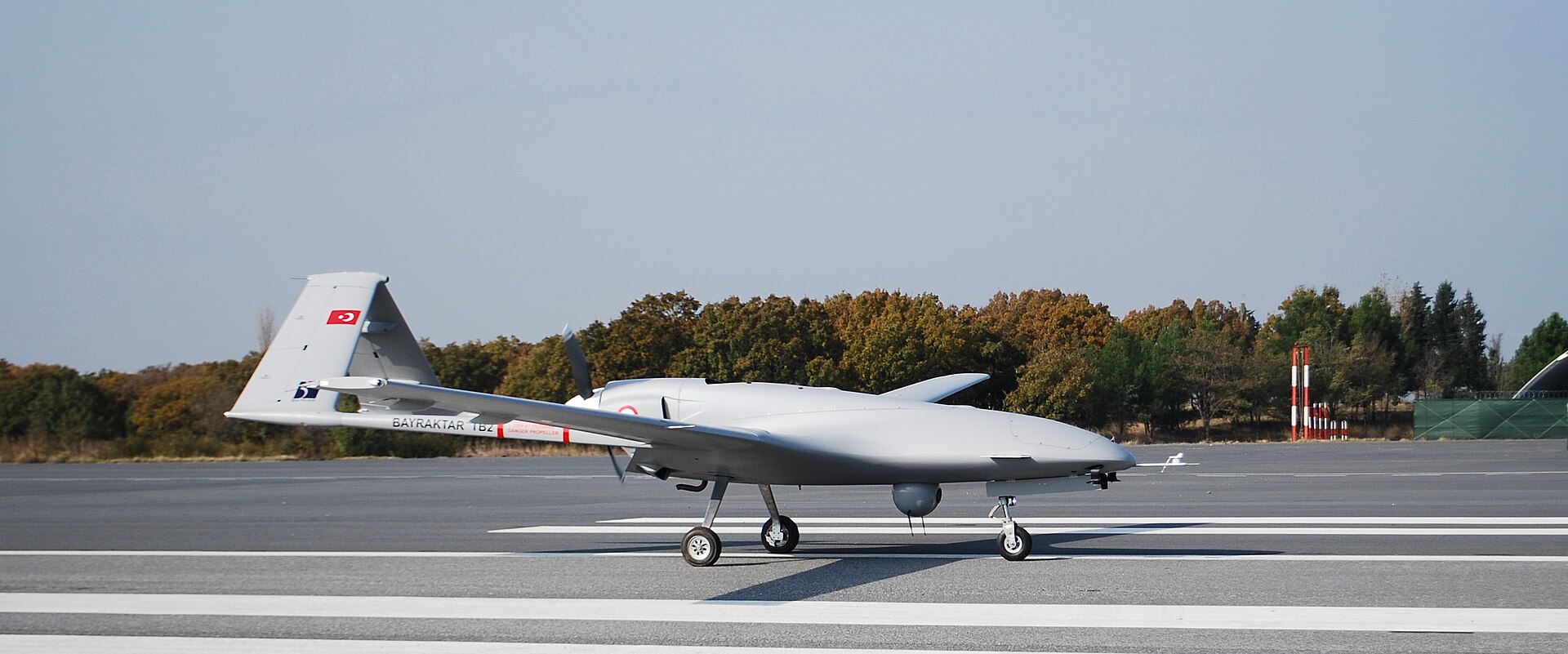
The gap between Turkey’s military capacity and its parliamentary calendar is the defining tension of the Makkah Pact. Turkey fields the second-largest standing military in NATO, according to CNN’s reporting on the pact signing. Its Bayraktar drones reshaped conflicts in Libya, Syria and Azerbaijan. Yet the constitutional machinery required to move those assets to Saudi Arabia involves 2 sequential parliamentary votes — neither of which is complete — while Egypt, not even a pact signatory, authorized troop deployment on October 26. With President Trump’s self-imposed moratorium on striking Iran expiring on November 3, the distance between Turkey’s pledge and Turkey’s parliament has become a strategic fact in its own right.
Table of Contents
What the Makkah Pact Promised
On August 7, 2026, President Erdogan, Crown Prince Mohammed bin Salman and Pakistani Prime Minister Shehbaz Sharif signed the Makkah Joint Defence Agreement — a 16-article treaty that treats an attack on any member as an attack on all, mirroring the logic of NATO’s Article 5 (Kuwait Times/AFP, August 7, 2026). The signing followed Erdogan’s February 3 visit to Riyadh, which produced a $2 billion energy agreement and a deal for Turkish company Acwa to build 2,000 MW of solar plants (France 24, February 20, 2026). The defence pact formalised a security relationship that the energy partnership had signalled.
The House of Saud Daily Briefing
Saudi Arabia's news in 3 minutes, every morning. Free. See today's issue
The pact’s collective-defence clause, Article 2, applies to attacks by “another country or group of countries,” language noted by the Arab Center for Washington D.C. as not explicitly covering non-state actors such as the Houthis. Article 5 commits parties to counter-terrorism cooperation separately. The distinction matters operationally: the Houthis are the principal threat to Saudi territory, and whether Houthi missile and drone strikes trigger Article 2 or fall under Article 5’s narrower counter-terrorism provisions shapes the legal basis for any Turkish deployment.
Amr Hamzawy of the Carnegie Middle East Program called it “the first attempt by Middle Eastern and Muslim-world middle powers to build multilateral defense independent of great-power involvement,” adding that American security guarantees had become “insufficient” for Saudi Arabia (Carnegie Endowment, October 19, 2026). Doga Eralp, writing in War on the Rocks on September 9, 2026, offered a colder assessment: the pact was “largely a political commitment” at inception and “a high-stakes political experiment whose failure could compound, rather than mitigate, regional insecurity.” He warned that strategic ambiguity “may lead adversaries to probe its limits.”
The limits were tested quickly. On October 5, the pact’s emergency committee met in Riyadh and agreed to activate “collective deterrence measures” and commit to “rapid deployment,” according to Al Jazeera’s October 6 report. Prince Khalid bin Salman, Saudi Arabia’s defence minister, announced the activation. The qualifier was buried in the communiqué: deployment would proceed “subject to each country’s domestic laws.” For Turkey, those domestic laws require 2 parliamentary votes that had not begun. The military chiefs of Saudi Arabia, Pakistan and Turkey had already held their first joint meeting under the pact in Riyadh on September 25 (Gulf News, September 26, 2026), and a ministerial session had been scheduled in Istanbul for August 31 (Oman Observer, August 31, 2026). The command architecture was forming. The legal authority to use it was not.
What Has Turkey’s Parliament Actually Done?
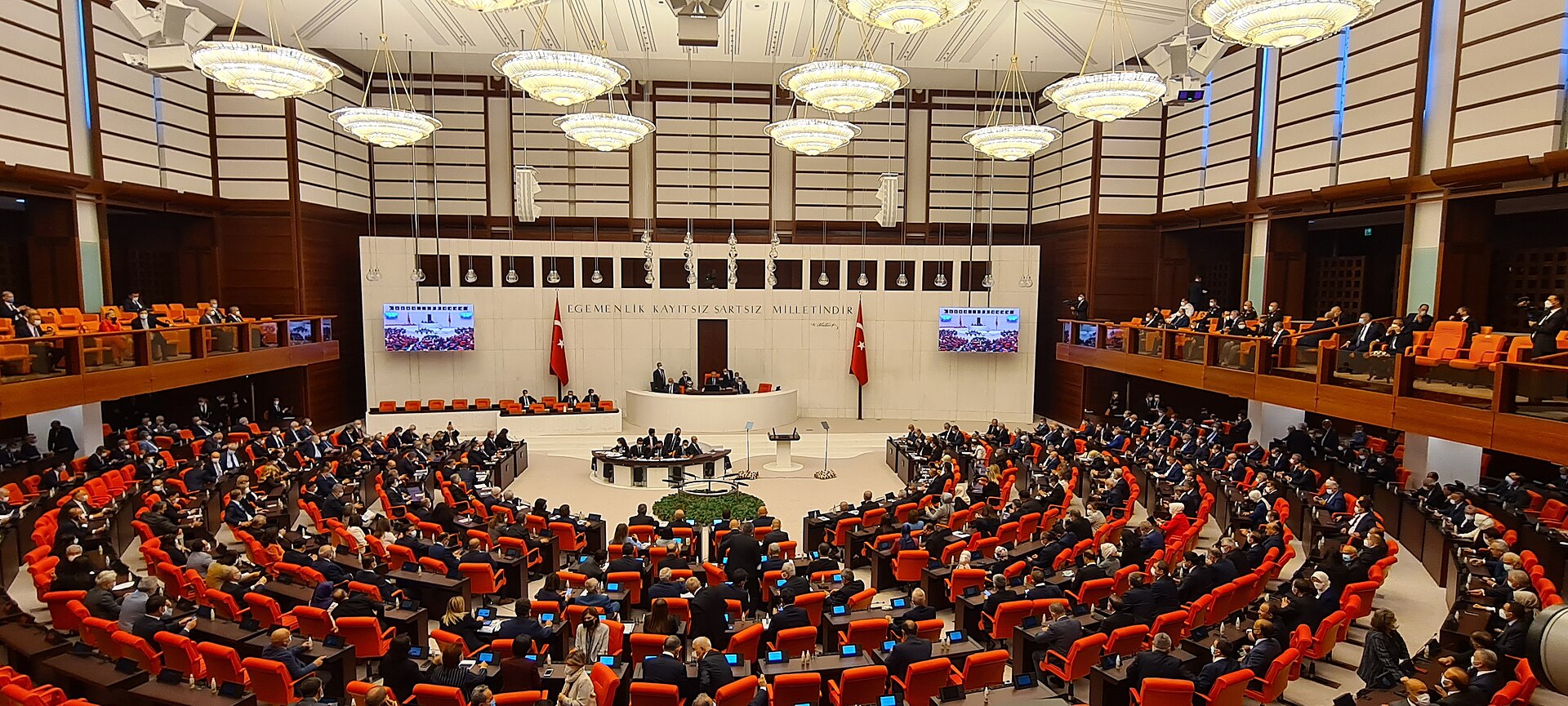
Turkey’s ratification path requires 2 separate instruments under the constitution, and neither is complete. First, under Article 90, parliament must ratify the treaty itself. Second, under Article 92, a deployment mandate — the tezkere — must be approved before Turkish forces can legally deploy abroad. These are distinct votes with distinct legal consequences (US News/Reuters, October 21, 2026; Turkish Minute, October 7, 2026).
The timeline so far:
- August 7 — Pact signed in Makkah.
- October 5 — Pact committee activates “rapid deployment” in Riyadh.
- October 20 — The government submits the 3-article ratification bill covering the 16-article pact to the Grand National Assembly (TBMM), 74 days after signing (Cyprus Mail, October 20, 2026).
- October 27 — The Foreign Affairs Committee approves the bill by majority vote (TRT World, October 27; Turkish Minute, October 27).
- October 31 — No date set for the full General Assembly vote. The tezkere has not been introduced.
The contrast with Turkey’s own precedents is instructive. When Erdogan sought parliamentary authority to deploy forces to Libya, the tezkere was submitted on December 30, 2019, and voted on January 2, 2020 — 3 days later. The vote was 325 to 184 in favour (Al-Monitor, January 2020). Turkey’s Syria and Iraq mandate was renewed most recently on October 21, 2025, for 3 years, demonstrating the speed at which the ruling AKP-MHP coalition can move when it chooses (Enab Baladi, October 2025). The Makkah Pact took 74 days to reach the parliamentary floor. It has been there for 11 more. Turkey’s ruling alliance holds a comfortable majority, so the obstacle is not arithmetic.
Fuat Oktay, the AKP chairman of the Foreign Affairs Committee, said after the committee vote that the pact “will not undermine the territorial integrity or sovereignty of the three countries.” Deputy Foreign Minister Levent Gümrükçü told the committee the agreement was “entirely defense oriented” and “does not target any country.” He confirmed that Saudi Arabia and Pakistan had already completed their ratification and submitted notifications to the pact’s secretariat (Turkish Minute, October 27, 2026). Turkey is the last of the 3 signatories to finish.
Once ratified, signatories are locked in for 10 years. Withdrawal requires 3 months’ written notice after that period (Turkish Minute, October 27).
What Would Turkish Deployment Look Like?
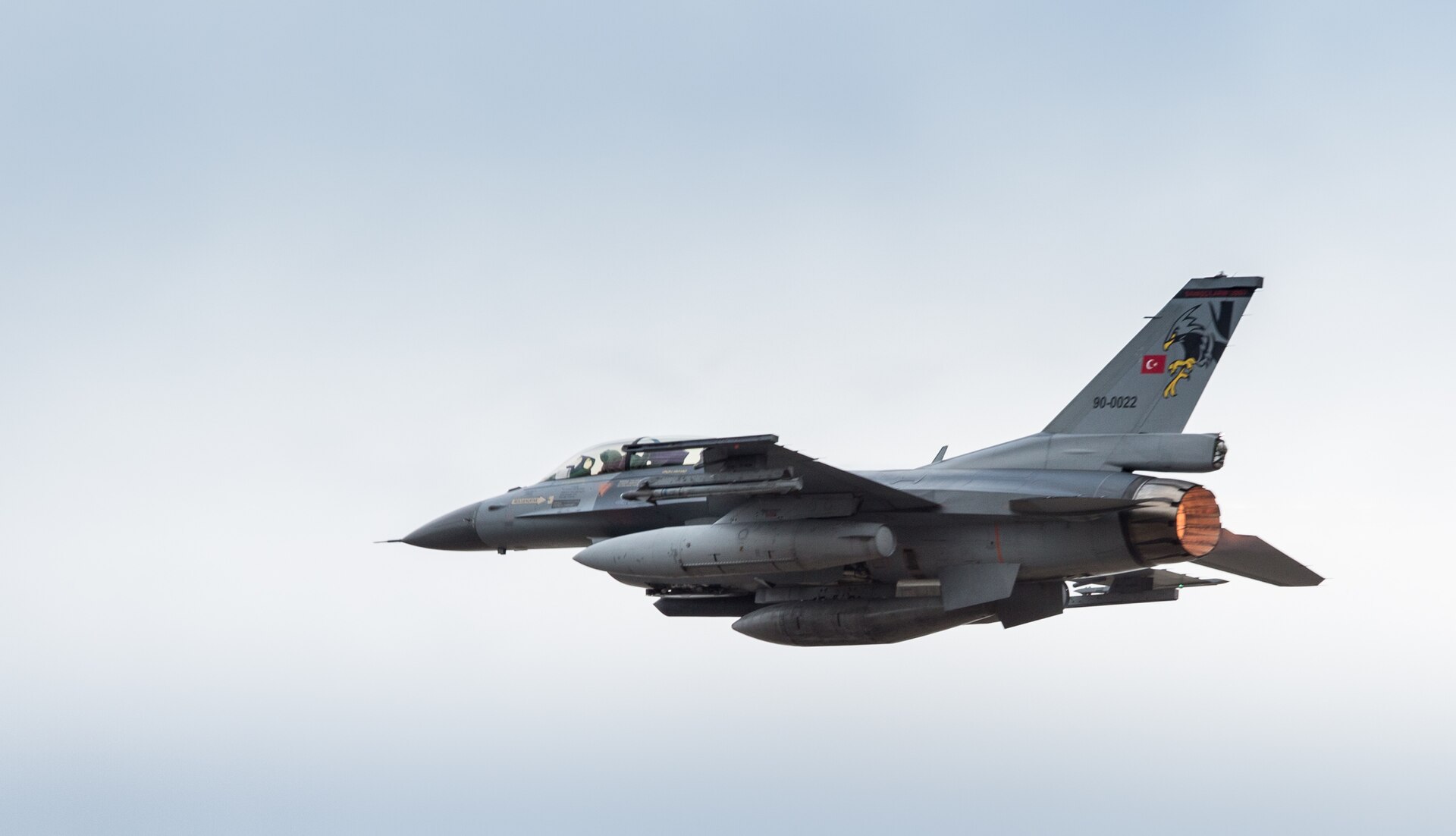
Turkey maintains the second-largest standing military in NATO, behind only the United States (CNN, August 7, 2026). Its air force operates approximately 235 active F-16 fighters — the largest F-16 fleet in NATO outside the US, though the precise operational count is not confirmed by a primary government source. As of August 2026, 5 Turkish F-16s and 76 Air Force personnel were deployed to Estonia for NATO Baltic Air Policing, a rotation running through November (Army Recognition, 2026).
Hasan Selim Ozertem, research director at Ussal Consultancy in Ankara, told The National on October 6 that Turkey was not expected to send troops to Yemen but could deploy to Saudi territory for defence. He noted that Turkey’s drones, electronic warfare systems and military advisers had “changed the dynamics on the ground” for allies in Libya, Syria and Azerbaijan. Murat Yesiltas, foreign policy director at the Seta think tank in Ankara, advocated “measured solidarity” that keeps Turkish control over offensive operations, describing Turkey’s position as “delicate” (The National, October 6, 2026).
An unnamed AKP lawmaker told Reuters on October 21 that any initial deployment would involve only “technical personnel initially supporting air defences and electronic warfare,” adding that forces would “not take part in offensive operations.” The tezkere, this lawmaker said, would be sought only after the treaty itself was ratified — sequencing that adds weeks to an already extended timeline.
This framing — advisory, defensive, short-of-combat — tracks with what Turkey has already been doing quietly. Turkish Minute, citing Middle East Eye, reported on October 7 that limited Turkish technical teams had been operating in Saudi Arabia since 2025 under a bilateral military training agreement dating to the 2010s. The scope of those teams is unconfirmed. But the precedent matters: Turkey may already have personnel in the kingdom under a legal instrument that requires no parliamentary vote. The question is whether the Makkah Pact changes what those personnel are authorized to do, and whether the political cost of a tezkere is worth the operational upgrade.
Why Has Erdogan Moved Slowly?
The parliamentary schedule is Erdogan’s instrument, not his constraint. He controls the legislative calendar through the AKP-MHP alliance. The Libya tezkere proved he can compress weeks into days. That he has not done so for the Makkah Pact tells you something about what he is managing.
The first pressure is NATO. Turkey is a member of the alliance that includes the United States, France and the United Kingdom — all of which already have military assets committed to Saudi Arabia’s defence through bilateral channels. When asked at the committee hearing whether the Makkah Pact was a NATO alternative, Oktay replied: “Absolutely not” (TRT World, October 27). Turkey’s Foreign Minister Hakan Fidan indicated on October 8 that Turkey would not send troops to another country’s territory to carry out an attack there, a formulation Al-Monitor described as carefully limiting Turkey’s exposure (Al-Monitor, October 20, 2026). Deniz Karakullukcu, a foreign policy adviser in the Turkish parliament, described the pact as moving faster than expected but stressed it should not be read as “Turkey automatically entering the war” (The National, October 6, 2026).
The second pressure is Iran. On October 26, Turkey joined Saudi Arabia, Iran and Pakistan in issuing a joint communiqué from Tehran — the same weekend its Foreign Affairs Committee was preparing to approve a defence pact that Iran’s Majlis members have publicly dismissed. Ebrahim Rezaei, a member of Iran’s parliamentary national security commission, said: “The Saudis should know that a paper agreement with Turkey and Pakistan will not bring them security” (Iran International/Jerusalem Post, August 2026). Seyed Abdollah Motavalian, writing in the IRGC-affiliated newspaper Javan, acknowledged the pact had “considerable propaganda potential” but faced “serious obstacles to becoming a strategic alliance.” His warning to Tehran was more revealing: “The first defeat in this arena may come not on the battlefield, but in the mind” (Iran International, August 10, 2026).
Turkey’s parliament speaker, Numan Kurtulmus, tried to pre-empt Iranian hostility by telling Tehran the pact was not directed against it, and that Iran could even join (The News, Pakistan). Iran’s formal response was ambiguous. Foreign Ministry spokesman Esmail Baghaei said on August 10 that Iran had “no reason to fear” the pact, framing it as a response to Israeli ambitions and declining confidence in US guarantees (Jerusalem Post, August 10; Iran International, August 10, 2026). The Arab Center for Washington D.C. described Iran’s reaction as “largely muted,” while Iranian hardline media struck a harder tone.
The third pressure is domestic. Özgür Özel, the Turkish opposition leader, called the commitment “adventurism that would send Turkish soldiers into Yemen’s deserts after 100 years” (Swarajya Mag). Namık Tan, an opposition MP and former ambassador to both the United States and Israel, asked whether the Makkah document was “a binding defence agreement, a memorandum of understanding, or a joint declaration,” and called any government action before parliamentary review a “constitutional crime” (Swarajya Mag). The sharpest political signal came from Kemal Kılıçdaroğlu, the CHP leader, who said on October 24: “We have our criticisms, but we will vote in favor of the Mecca Agreement.” He added that his initial concern was conflict with Iran, but that Iran later indicated the deal was acceptable (Hurriyet Daily News, October 25, 2026). Cross-party support exists. Urgency does not.
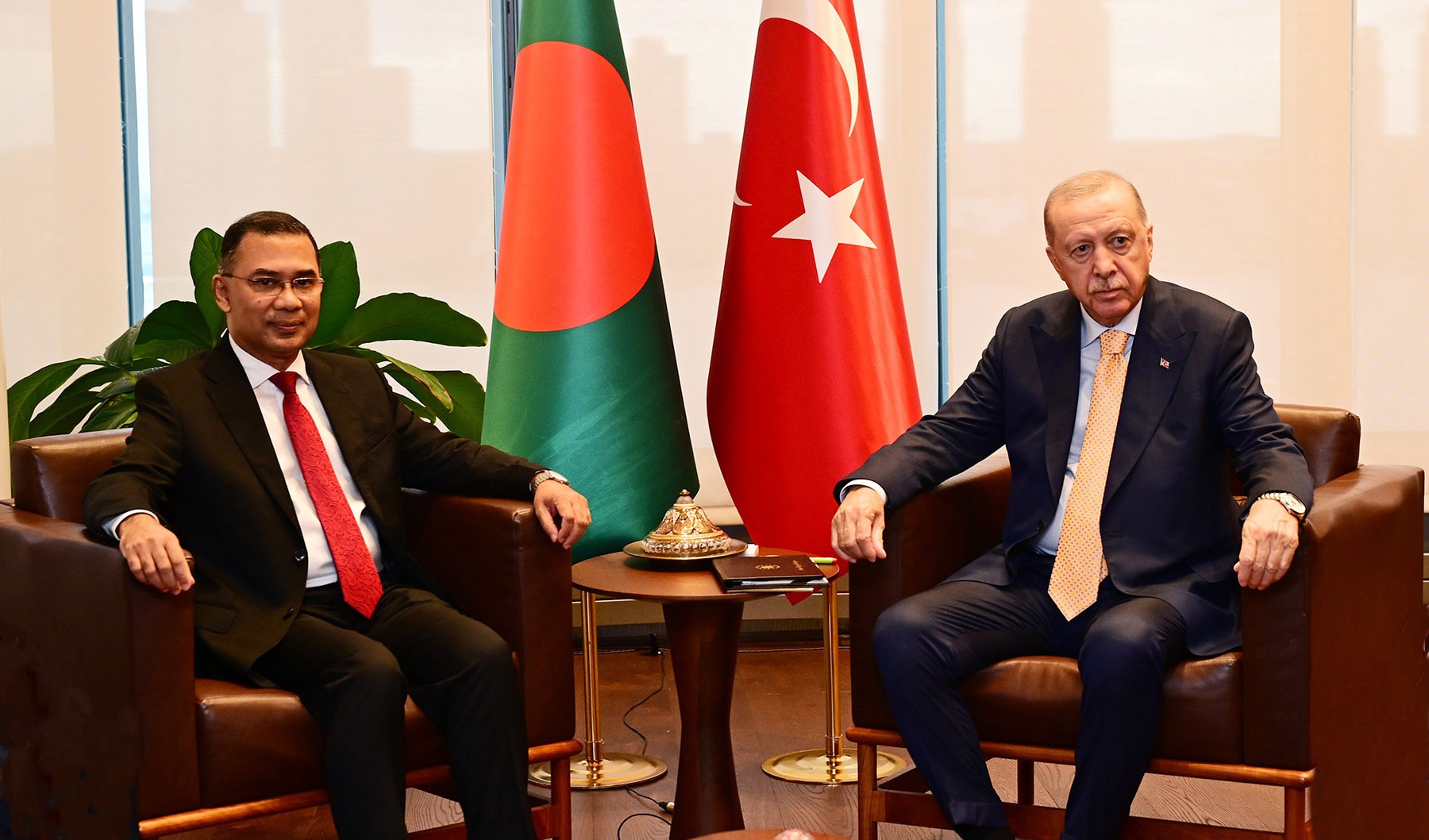
Erdogan himself told Crown Prince Mohammed bin Salman on October 13 that Turkey would stand by Saudi Arabia and believed “this challenge will be overcome” (Al Arabiya English, October 13, 2026). The gap between the personal assurance and the parliamentary pace is the gap between signal and commitment. Dr. Yasir Atalan of CSIS in Washington argues that Ankara sees a new “principal partner” as regional security erodes, and that the pact could strengthen Turkey’s bargaining power with Washington (Middle East Eye). If that is the calculus, delay serves Turkey’s interests as much as deployment would.

Pakistan and Egypt Moved Faster
The comparison sharpens the question. Pakistan’s Field Marshal Asim Munir — promoted to that rank in May 2025 — traveled personally to Tehran in late October carrying a Trump-backed proposal. Pakistani fighter and support jets had already landed at King Abdulaziz Air Base on April 11 under a September 2025 mutual defence pact (Al Jazeera, April 11, 2026). Reuters later reported a deployment of about 8,000 troops, around 16 mostly JF-17 aircraft, 2 drone squadrons and an HQ-9 air defence system financed by Riyadh (The Standard/Reuters, May 20, 2026). Pakistan’s ratification of the Makkah Pact was completed before Turkey’s bill even reached the parliamentary floor.
Egypt’s parliament authorized troop deployment to Saudi Arabia on October 26 — the same day the Tehran communiqué was issued. Egypt is not a signatory to the Makkah Pact. Its authorization came through its own parliamentary process, and it happened on the same day Turkey’s Foreign Affairs Committee was still preparing its vote. Cairo moved from proposal to authorization faster than Ankara moved from committee approval to a floor vote that still has no date.
The different speeds reflect different calculations. Pakistan has a financial relationship with Saudi Arabia that makes deployment a near-obligation; Reuters reported the HQ-9 air defence system was financed by Riyadh. Egypt’s authoritarian political system allows rapid legislative action when the executive demands it. Turkey’s constitutional framework imposes genuine procedural steps — but those steps can be accelerated when the political will exists, as the Libya tezkere proved.
Turkey is the member for whom the reconciliation between collective commitment and national interest is most visibly unresolved. It is also the member whose military contribution would matter most. Pakistan’s JF-17s are capable aircraft; Turkey’s F-16 fleet is larger, better integrated with NATO systems, and backed by a defence industry that produces its own precision munitions and electronic warfare suites. The contrast between Turkey’s potential contribution and its actual delivery is what makes the parliamentary delay strategically significant rather than merely procedural.
What Does Saudi Arabia Actually Have Right Now?
While Turkey’s parliament deliberates, Saudi Arabia’s operational defence relies on a patchwork of bilateral arrangements assembled outside the Makkah Pact framework. France confirmed troops, radars and air defences at Yanbu (Al Jazeera, September 25, 2026). Britain announced the deployment of a Voyager refuelling tanker (The National, September 22, 2026) and RAF Typhoons (The Aviationist, October 20, 2026) to support Saudi air defence. The United States sent more than 100 military advisers under a new joint intelligence command (CNN, September 10, 2026) and approved a potential $24.3 billion sale of 48 F-35A fighters (The Aviationist, September 17, 2026). Trump called the Turkish and Pakistani deployments “good” on October 7 (Gulf News, October 7, 2026), but ruled out US strikes on Iran before the November 3 midterms (The National, October 8, 2026).
None of these deployments operate under the Makkah Pact. The French forces at Yanbu, the British jets, the American advisers — each answers to its own national command. The pact was conceived to replace this ad hoc arrangement with a standing collective-defence structure. That structure does not yet exist.
Pakistan’s deployment is the most substantial. The roughly 8,000 troops, 16 aircraft and HQ-9 air defence system that Reuters counted in May arrived under a bilateral pact signed in September 2025 — before the Makkah agreement existed. Saudi Arabia, Egypt, Pakistan and Turkey issued a joint condemnation of Houthi attacks on October 11, calling them “a blatant violation of international law” (CBS News, October 11, 2026). Joint statements are not joint operations.
The Makkah Pact, as Doga Eralp wrote, has no integrated joint command structure, no standing forces and no defined trigger mechanism. Carnegie’s October 19 assessment noted that “full agreement details are not yet public.” Alper Coşkun of Carnegie’s Europe Program identified the structural problem: the pact is “a classic case of the whole being greater than the sum of its parts,” but members “must reconcile collective commitments with existing alliances and their reluctance to be drawn into war” (Carnegie Endowment, October 19, 2026). What Saudi Arabia has, then, is a treaty framework with 2 ratified members, a committee-stage ratification from its most capable military partner, and a collection of bilateral forces operating under separate national mandates. The pact was built to unify that patchwork. Eighty-five days after signing, the seams remain visible.
Three Paths After November 3
The November 3 US midterms are not Turkey’s deadline, and no source directly links a specific Turkish parliamentary action to that date. But the strategic environment shifts after it. Trump told The National on October 8 that the US “will not be attacking Iran at any time prior to the midterm elections.” What follows is an open question.
If the post-midterm period brings US strikes on Iran, Turkey faces pressure to accelerate. A full General Assembly vote and a tezkere could be compressed into days — the Libya precedent exists. Rapid ratification followed by a limited defensive deployment of air defence technicians and electronic warfare specialists would match the framing Turkey has already signalled: supportive, non-offensive, constitutionally authorized.
If diplomatic channels hold — and the Tehran communiqué of October 26 suggests Turkey is working to ensure they do — Turkey can continue its current trajectory. Technical teams remain in Saudi Arabia under the pre-existing bilateral agreement. Parliamentary ratification proceeds at its own pace. The tezkere is deferred indefinitely. This path costs Turkey nothing and preserves its relationships in Tehran, Moscow and with its own electorate. Turkey’s Qatar military base, operational since 2015, shows Ankara is willing to maintain a forward presence in the Gulf. The question is whether the Saudi commitment follows the Qatar model — slow, quiet, bilateral — or the pact model of collective, visible deployment.
A third possibility: Turkey ratifies the treaty but declines the tezkere. Ratification without a deployment mandate would make Turkey a full pact member with no legal authority to send forces. It would satisfy the formal commitment while deferring the operational one. This is the path of maximum strategic ambiguity — and the one most consistent with every signal Ankara has sent since August 7. Turkey would be in the alliance but not in the war, a posture Erdogan has perfected over 2 decades of calibrating Turkey’s position between NATO obligations and regional entanglements.
Kamran Karami, a Persian Gulf security analyst writing in the Tehran economic daily Donya-e Eqtesad, observed that “Turkey is becoming one of the main poles of the Middle East’s new security architecture” (Iran International, August 10, 2026). That may be true. Architecture, though, is drawn before it is built. Saudi Arabia’s multi-front campaign against the Houthis requires building materials, and Turkey’s parliamentary calendar has not delivered them.
The 10-year lock-in and 3-month withdrawal notice mean Turkey cannot exit until 2036. That permanence may explain the caution as much as any diplomatic calculation. Erdogan’s government is not refusing the commitment. It is ensuring that when it comes, it comes on Ankara’s terms — with the tezkere’s scope, duration and rules of engagement defined by Turkey, not by the pace of events in Saudi Arabia’s southern border or the Strait of Hormuz.
Frequently Asked Questions
Can Turkey deploy forces to Saudi Arabia without a tezkere?
Turkey’s constitution requires a deployment mandate under Article 92 before troops operate abroad. Limited technical training teams, however, have reportedly been present in Saudi Arabia since 2025 under a bilateral military training agreement that predates the Makkah Pact, according to Middle East Eye reporting cited by Turkish Minute on October 7. That legal workaround applies only to advisory roles, not to combat or air defence operations under the pact’s collective framework.
Has the Makkah Pact been invoked against the Houthis specifically?
The October 5 activation called for collective deterrence “in response to the attacks and all those responsible for them,” per Al Jazeera’s report. However, the pact’s Article 2 collective-defence clause covers attacks by “another country or group of countries.” The Houthis are designated as a non-state armed group. Whether they fall under Article 2 or Article 5’s counter-terrorism provisions is a legal question the pact’s text does not resolve clearly, and the operational implications differ significantly depending on which article applies.
What did Turkey gain from delaying ratification?
Measured ambiguity — the position that deploys Turkey’s military weight without foreclosing its diplomatic options. Had Erdogan sought a tezkere immediately after the October 5 activation, Turkey would have become visibly a war party, affecting its standing with Iran, Russia and EU interlocutors simultaneously. Fidan’s formulation — that Turkey would not send troops to carry out an attack — constructed a public posture that ratifies collective defence while declining offensive participation. The 85-day calendar was the price of keeping that distinction intact.
Could other countries join the Makkah Pact?
The treaty’s terms permit accession by additional states. Turkish parliament speaker Numan Kurtulmus publicly suggested even Iran could join, a statement aimed at neutralizing Tehran’s objections. Egypt, which authorized a separate deployment to Saudi Arabia on October 26 without being a pact member, is a likely candidate. No accession process has been publicly initiated by any additional country as of October 31.
The House of Saud Daily Briefing
Saudi Arabia's news in 3 minutes, every morning. Free. See today's issue