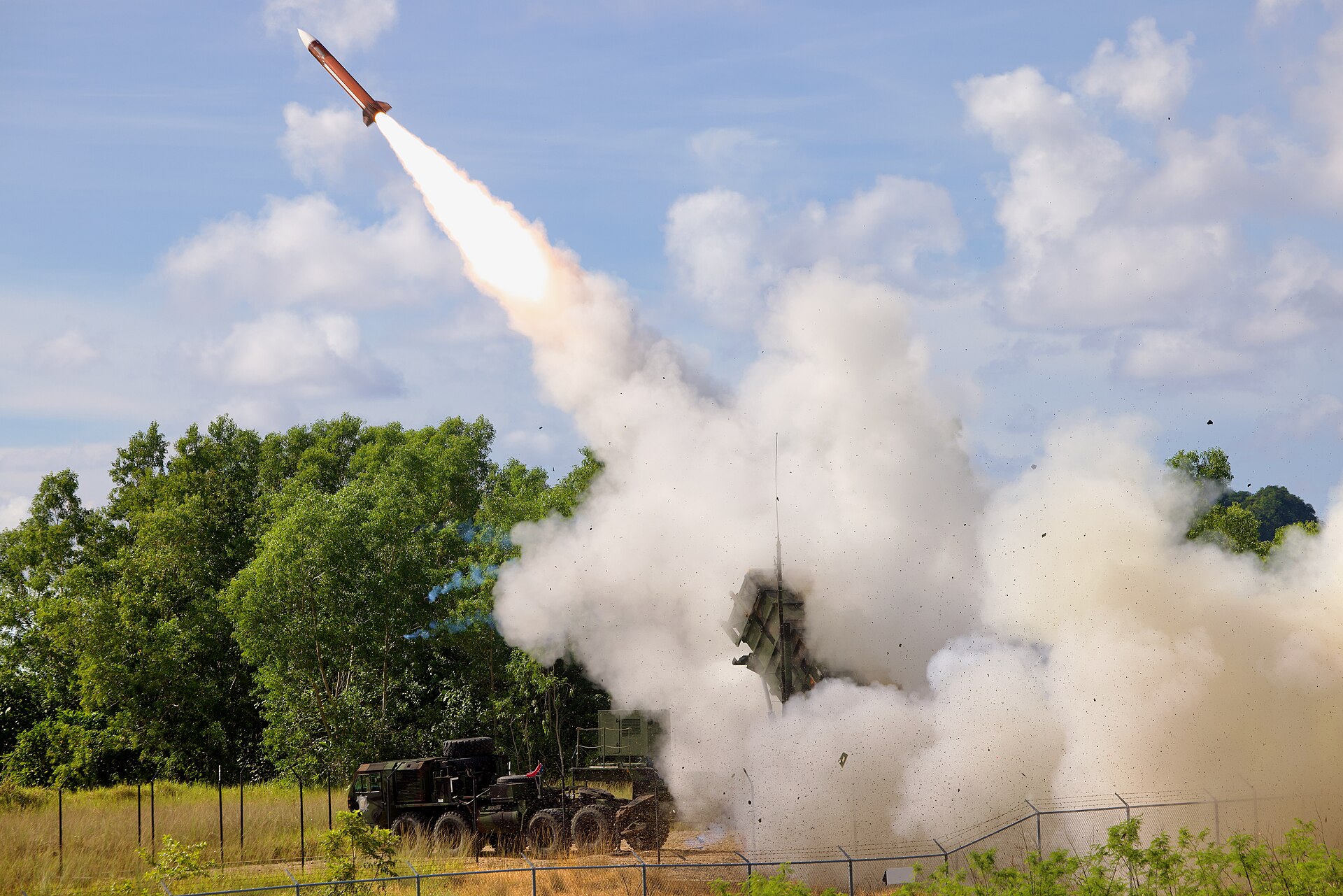

RIYADH — Saudi-led coalition air defenses intercepted and destroyed three cruise missiles fired by the Houthis toward the Riyadh region and two drones targeting Makkah and southern Saudi Arabia on Wednesday, coalition spokesman Maj. Gen. Turki al-Maliki announced in a pair of statements released on the night of November 11 and the early hours of November 12, 2026.
The five interceptions were part of a broader seven-projectile salvo on November 11 that also included two ballistic missiles whose debris fell in the Makkah region, Saudi Civil Defence confirmed in a separate announcement. The attack scattered Houthi fire across three widely separated areas of Saudi Arabia — the capital, the holiest city in Islam and the southern border — for the second consecutive day of missile and drone fire aimed at the kingdom.
The House of Saud Daily Briefing
Saudi Arabia's news in 3 minutes, every morning. Free. See today's issue
Houthi military spokesperson Yahya Saree disputed the coalition’s account, claiming the cruise missiles struck King Khalid International Airport and “achieved their objectives,” Xinhua reported. No casualties or infrastructure damage were reported from any of the interceptions, according to Reuters.
Table of Contents
Coalition Statement: 3 Cruise Missiles and 2 Drones Destroyed
Al-Maliki’s first announcement, issued on Wednesday evening, said air defenses had “intercepted and destroyed three cruise missiles launched by the terrorist Houthi militia toward the Riyadh Region,” Asharq Al-Awsat reported. He did not specify the time of the launches, the interceptor systems used or the flight paths of the incoming missiles. The coalition’s phrasing — “toward the Riyadh Region” rather than naming a specific installation — left the exact target of the cruise missiles unconfirmed from the Saudi side.
A second statement from the coalition, released in the early hours of Thursday, confirmed that two drones had also been shot down — one over the Makkah region and one over Saudi Arabia’s southern border area, according to Anadolu Agency and Asharq Al-Awsat. The coalition again offered no details on the drone types, their launch points or their precise intended targets within those regions. No model designation or country of manufacture was given for any of the five intercepted projectiles.
The Saudi Defence Ministry did not release video or photographic evidence of the engagements, and al-Maliki’s two written statements were the only official account. No other Saudi military or government figure commented publicly on the November 11 air defense operations.
The coalition did not describe the sequencing of the attacks or the interceptions, nor explain the gap between its two announcements.
What Was the Full November 11 Salvo?
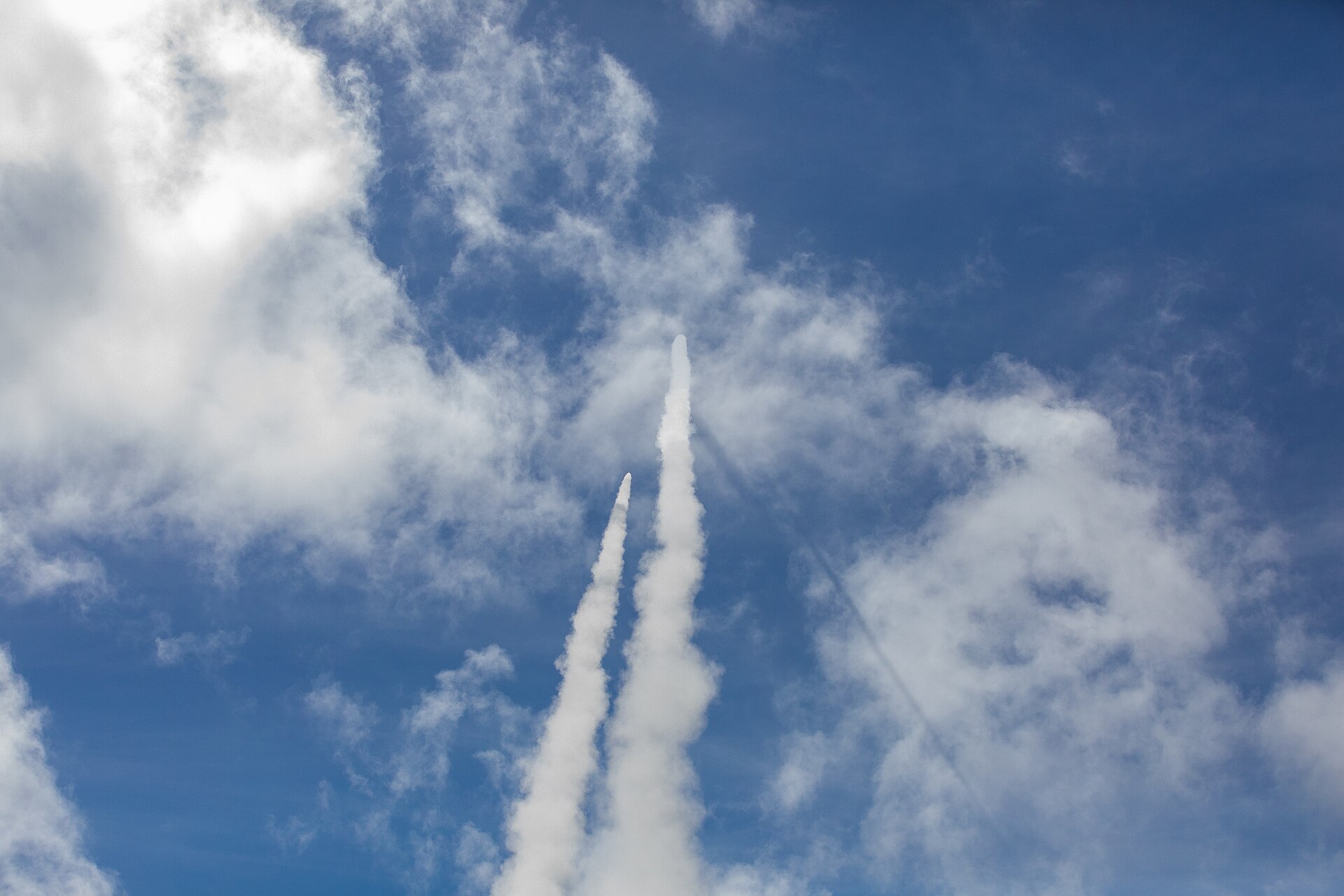
The cruise missiles and drones were part of a multi-weapon attack larger than either coalition statement described individually. Coalition announcements, compiled by Anadolu Agency, accounted for seven Houthi projectiles aimed at Saudi territory on November 11: three cruise missiles directed at the Riyadh region, two drones targeting the Makkah region and the southern border, and two ballistic missiles fired at western Saudi Arabia. The ballistic missiles were intercepted, but their debris reached the ground in the Makkah region — a development Saudi Civil Defence confirmed in a separate announcement early on November 12.
| Weapon type | Number | Target region | Reported outcome |
|---|---|---|---|
| Cruise missiles | 3 | Riyadh | Intercepted and destroyed |
| Drones | 2 | Makkah (1), southern region (1) | Intercepted and destroyed |
| Ballistic missiles | 2 | Western Saudi Arabia / Makkah region | Intercepted; debris fell in Makkah region |
The seven projectiles included three distinct weapon types — cruise missiles, ballistic missiles and drones — and targeted areas spanning the breadth of the kingdom. Riyadh, in central Saudi Arabia, absorbed the cruise missile fire. Makkah, roughly 800 kilometres to the west, faced both a drone and two ballistic missiles. The southern border area, closest to Houthi-controlled territory in Yemen, was targeted by the second drone.
It was the second consecutive day of Houthi missile fire aimed at the Saudi capital. On November 10, coalition air defenses intercepted Houthi missiles targeting Riyadh and the southern region, Middle East Eye reported. The Houthis had separately claimed four operations that day against KKIA, the Abqaiq oil processing facility, the Riyadh Financial Centre and a military position in Yemen’s Lahj province.
On Thursday morning, November 12, the coalition announced a further interception: one drone destroyed over the Eastern Province, Saudi Arabia’s oil-producing heartland along the Persian Gulf coast, Anadolu Agency reported. That engagement was separate from the November 11 salvo but extended the operational tempo of air defense activity into a third consecutive day.
Houthis Claim Missiles Hit KKIA, Deny Targeting Makkah
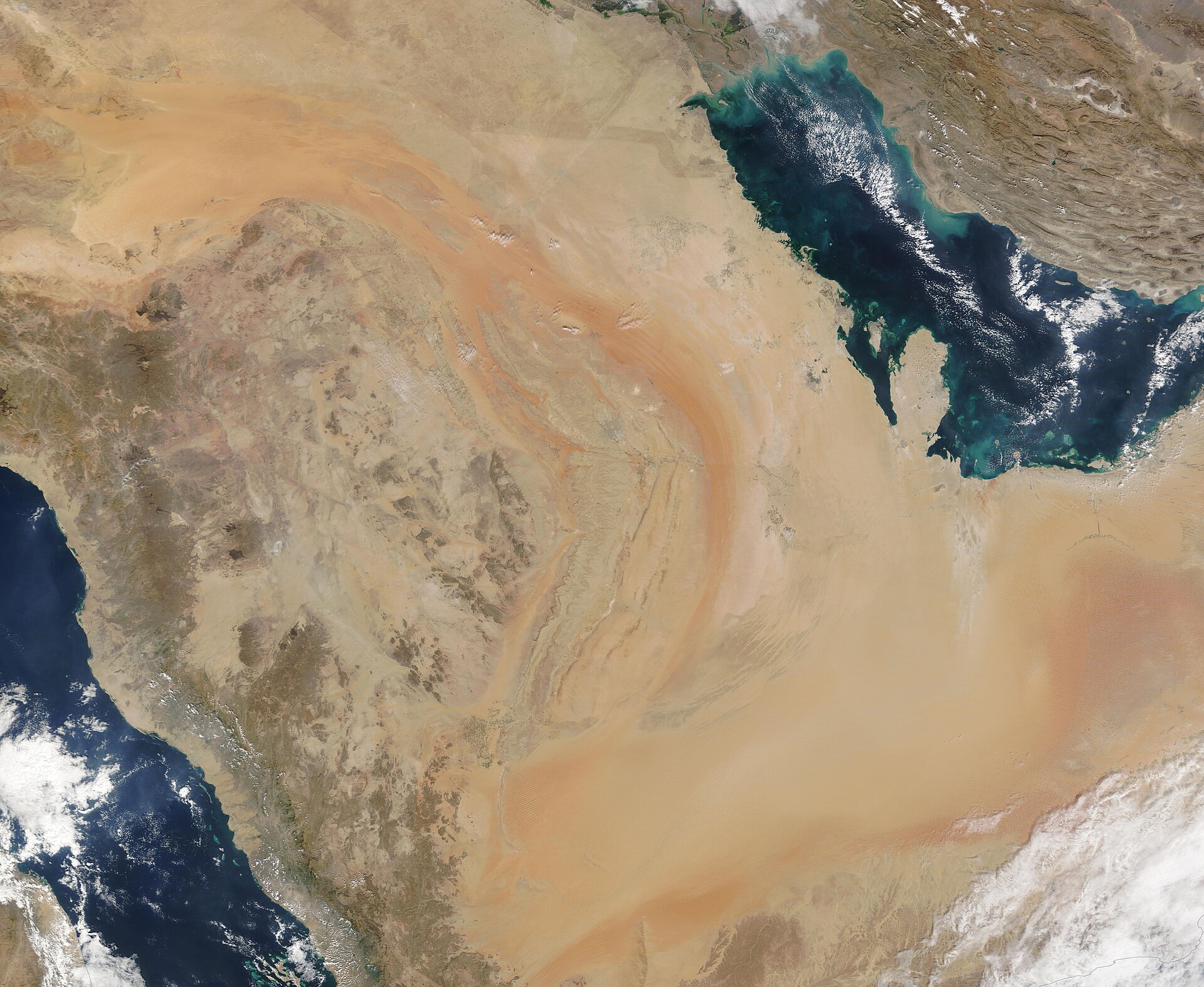
Houthi military spokesperson Yahya Saree issued a statement on Wednesday that contradicted the coalition at nearly every point. In remarks carried by Xinhua, Saree said three cruise missiles had targeted King Khalid International Airport in Riyadh and “achieved their objectives” — language the Houthis use consistently to assert that weapons reached their intended targets, in direct contradiction to the coalition’s account that all three were destroyed in flight.
Saree also claimed a drone struck Pumping Station No. 11, an oil pipeline facility at Yanbu on Saudi Arabia’s Red Sea coast, Xinhua reported. Saudi authorities issued no statement confirming or denying damage at the Yanbu station. The pumping station is part of the infrastructure that carries crude oil from the kingdom’s eastern fields to its western export terminals, and the Houthis’ decision to name a specific installation — rather than a general region — appeared designed to lend specificity to the claim.
On the question of Makkah, Saree was unequivocal. He denied that any Houthi drone targeted the holy city, calling the coalition’s interception claim over Makkah “false,” according to Xinhua. Houthi operations target “oil facilities and military bases,” he said. The Houthis have denied targeting religious sites throughout the conflict, though Saudi authorities have repeatedly reported Houthi projectile debris landing in the Makkah region, including ballistic missile fragments that fell there hours before Saree’s Wednesday statement.
Separately, Saree claimed “several ballistic missiles” hit a coalition command centre in the al-Buraiqa district of Aden, a Yemen-theater claim unrelated to the Saudi-territory interceptions. The competing narratives — the coalition reporting five successful interceptions, the Houthis asserting their weapons reached their targets — have followed every large-scale engagement since the conflict escalated in August. Independent real-time verification of either side’s claims has not been available.
How Was Makkah Targeted on November 11?
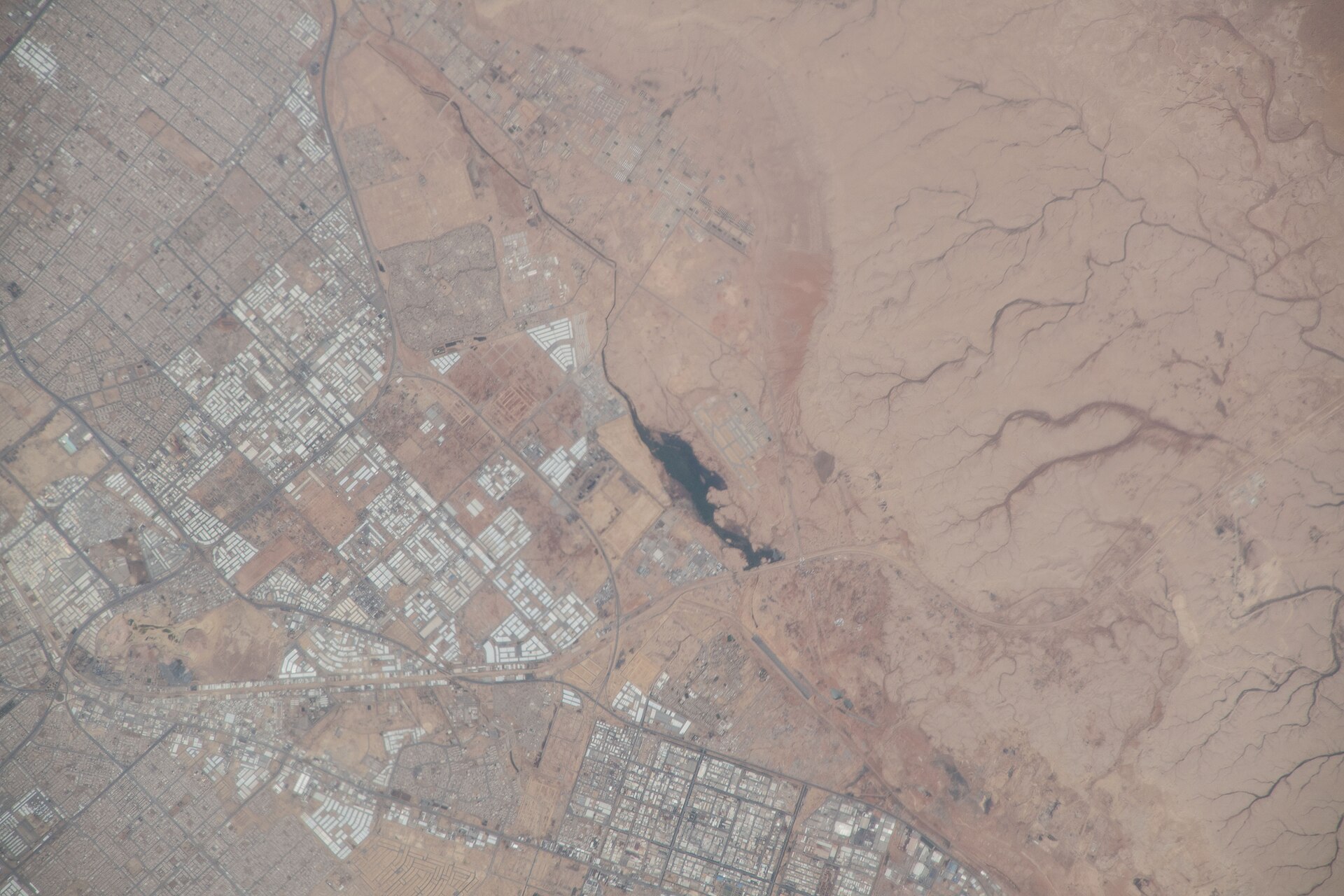
Makkah, the holiest city in Islam and the destination of millions of annual pilgrims, faced at least three Houthi projectiles on November 11: two ballistic missiles and one drone, according to the coalition’s combined statements. The coalition said all three were intercepted, but the ballistic missile debris reached the ground near the holy city.
Saudi Civil Defence reported early on November 12 that debris from the intercepted ballistic missiles fell at two locations: Sabuhah village, roughly 35 kilometres northeast of the Grand Mosque, and Wadi al-Maghmas, about 21 kilometres to its east, Anadolu Agency and Reuters reported. No casualties were reported at either site. Civil Defence teams were dispatched to inspect the debris fields.
The drone intercepted over the Makkah region was a distinct weapon from the two ballistic missiles. The coalition’s sequenced announcements — one covering the cruise missiles and drones, a separate Civil Defence statement covering the ballistic missile debris — treated them as different engagements with different outcomes. The Houthis denied launching any drone at Makkah but did not dispute firing the ballistic missiles whose fragments landed near the Grand Mosque.
Saudi Civil Defence condemned the targeting of Makkah as “a flagrant violation of international humanitarian law,” Al Jazeera reported. Houthi projectile debris has landed in the Makkah region on multiple occasions during the conflict. On October 25, missile fragments fell at Wadi al-Mughammas, approximately 20 kilometres from the Grand Mosque, Asharq Al-Awsat reported — a location in the same general area east of the city where the November 11 debris was recovered.
From KAFD to the Eastern Province
The November 11 salvo capped a week of intensifying Houthi fire that has tested Saudi air defenses from the capital to the country’s oil infrastructure and its holiest religious site. On November 8, an attack damaged an Aramco administrative building at the King Abdullah Financial District in Riyadh, striking the heart of the capital’s financial quarter. Two days later, on November 10, coalition air defenses intercepted Houthi missiles aimed at Riyadh and the southern region, while the Saudi Cabinet called for an immediate end to threats in the Strait of Hormuz and the Bab al-Mandeb strait — a statement that addressed maritime security but came as the air war over Saudi cities continued to intensify.
The seven-projectile barrage on November 11 targeted three geographically dispersed regions simultaneously. By Thursday morning on November 12 — with the Makkah ballistic missile debris confirmed and a new drone downed over the Eastern Province — the coalition had reported engagements stretching from the Persian Gulf coast to central Saudi Arabia to the western Hejaz and the Yemeni border in the south.
The World Health Organization reported that the broader conflict had caused 11,755 casualties since the fighting intensified — 2,098 killed and 9,657 wounded — and that more than 320,000 people had been displaced since August 1, according to figures cited by Al Jazeera. Neither the coalition nor the Houthis have published comprehensive civilian casualty figures specific to the attacks inside Saudi territory, and the WHO totals cover the broader conflict across Yemen and the Arabian Peninsula.
Frequently Asked Questions
Were Makkah Pact multinational forces involved in the November 11 interceptions?
No coalition statement mentioned the Makkah Pact’s multinational forces in connection with the November 11–12 interceptions. Turkey ratified the pact on November 5, 2026, in a 279-119 parliamentary vote, Anadolu Agency reported, but no coalition operational communiqué has cited the agreement since its activation. Saudi Arabia, Pakistan and Turkey are the pact’s three signatories.
What drone models do the Houthis use against Saudi Arabia?
The coalition did not identify the types of drones intercepted on November 11 or the one downed over the Eastern Province on November 12. The Houthis’ known arsenal includes the Qasef-K2, a kamikaze drone, and copies of Iran’s Shahed series, though the group has not disclosed which models it deployed in the latest attacks. No coalition statement has named the specific drone variants used in any of the November engagements.
How many people were killed at KKIA in the October attack?
Attacks on King Khalid International Airport in October killed at least 13 people and wounded more than 300, according to Saudi civil aviation authority figures and Al Jazeera. The Houthis have repeatedly claimed KKIA as a target since the conflict escalated, and Saree’s November 11 statement again named the airport as the destination of the cruise missiles.
Did Saudi Arabia confirm the Houthi claim of a strike on Yanbu?
Saudi authorities issued no statement confirming or denying damage at Pumping Station No. 11 in Yanbu. The facility is part of the East-West crude oil pipeline, Saudi Arabia’s primary alternative export route for crude oil that bypasses the Strait of Hormuz. The Houthis have targeted pipeline and oil infrastructure at several points during the conflict.
Has any independent body verified the interception claims?
No independent organisation has verified the coalition’s November 11 interception claims or the Houthis’ counter-claims. Physical evidence — such as the Makkah debris — has been assessed by Saudi Civil Defence, not by international monitors. The absence of independent verification has been a consistent feature of the air war over Saudi cities and Yemeni territory since August.
The House of Saud Daily Briefing
Saudi Arabia's news in 3 minutes, every morning. Free. See today's issue