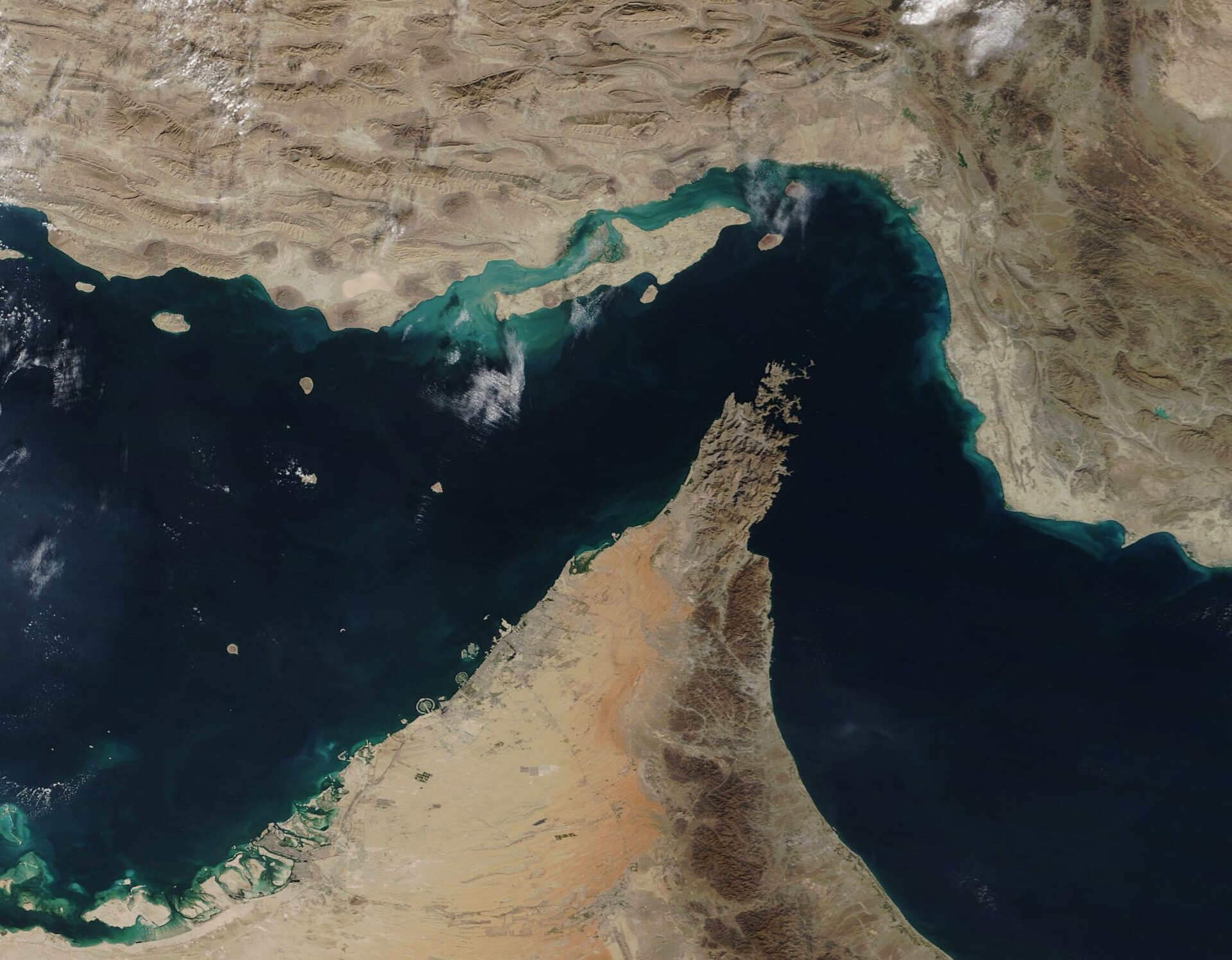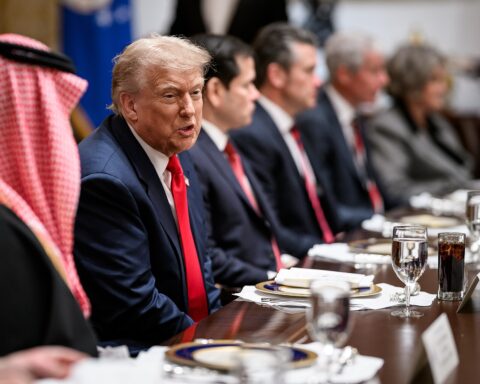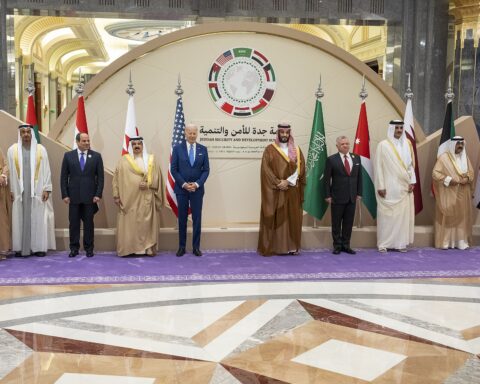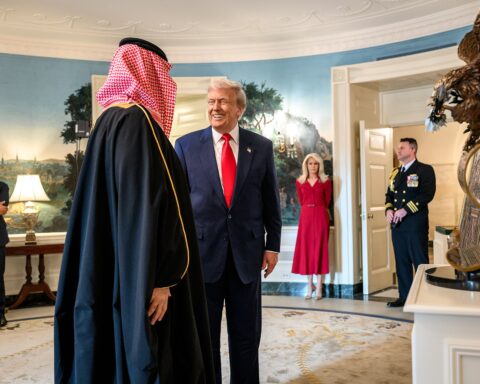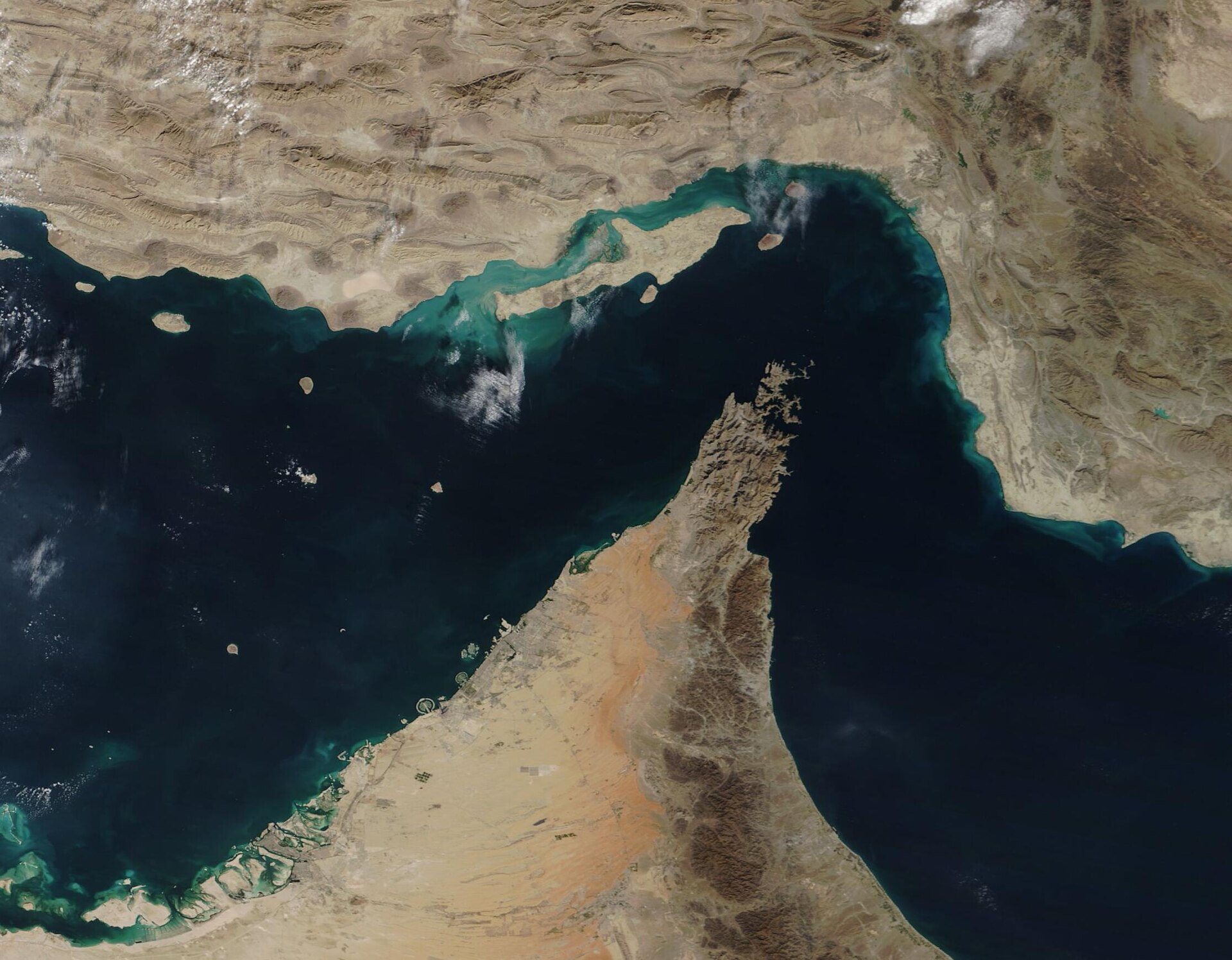

RIYADH — Saudi Arabia’s cabinet called on Tuesday for an immediate end to all acts threatening navigation through the Strait of Hormuz, Bab al-Mandeb and the Red Sea — bracketing the two chokepoints that, between them, now control virtually every barrel of Saudi crude that reaches a buyer. Crown Prince Mohammed bin Salman chaired the November 10 session in Riyadh, according to Asharq Al-Awsat.
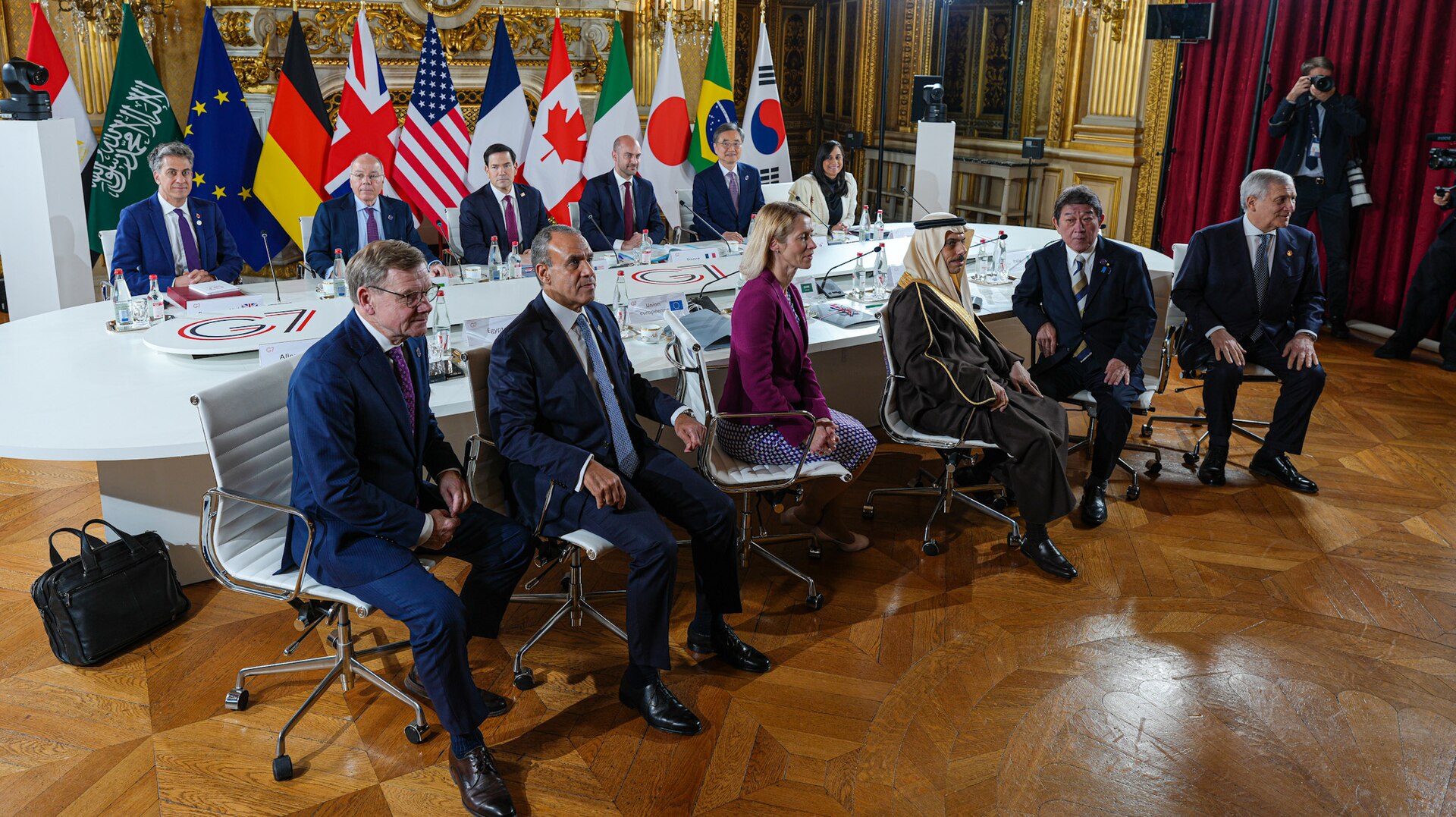
The communiqué named no specific adversary, a deliberately non-attributive formulation that covers both Iran — which has declared Hormuz closed and refused to reopen it without seven conditions being met — and the Houthis, who declared a naval blockade of Saudi Arabia on July 20. On the same day, G7 foreign ministers were meeting in Paris with Iran’s obstruction of both waterways on Tuesday’s agenda, according to The National.
The House of Saud Daily Briefing
Saudi Arabia's news in 3 minutes, every morning. Free. See today's issue
Table of Contents
What Did the Saudi Cabinet Say About the Straits?
The cabinet “underlined the need for an immediate end to all acts that threaten the security of navigation in the Red Sea, Bab al-Mandeb, and the Hormuz Straits,” Asharq Al-Awsat reported on November 11, publishing the communiqué language in full. The Gulf Observer rendered the same passage as a call for “an immediate cessation of all acts that threaten the safety of maritime navigation,” covering all three waterways in one demand.
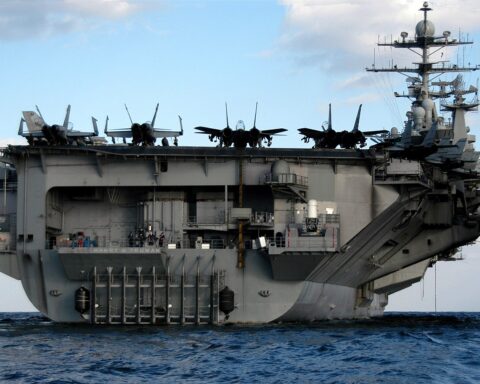
The formulation is careful. It covers Iran’s operations in Hormuz, the Houthi campaign in the Red Sea and Bab al-Mandeb, and the US naval counter-blockade of Iranian ports — all without naming any of them, which preserves Riyadh’s diplomatic room to engage each party separately while stating its bottom line publicly. Saudi cabinet communiqués have named both Hormuz and Bab al-Mandeb together since at least August 11, according to Asharq Al-Awsat and Arab News reporting over several months, and by September 29 the language had expanded to include all four waterways: Hormuz, Bab al-Mandeb, the Red Sea and the Gulf of Aden.
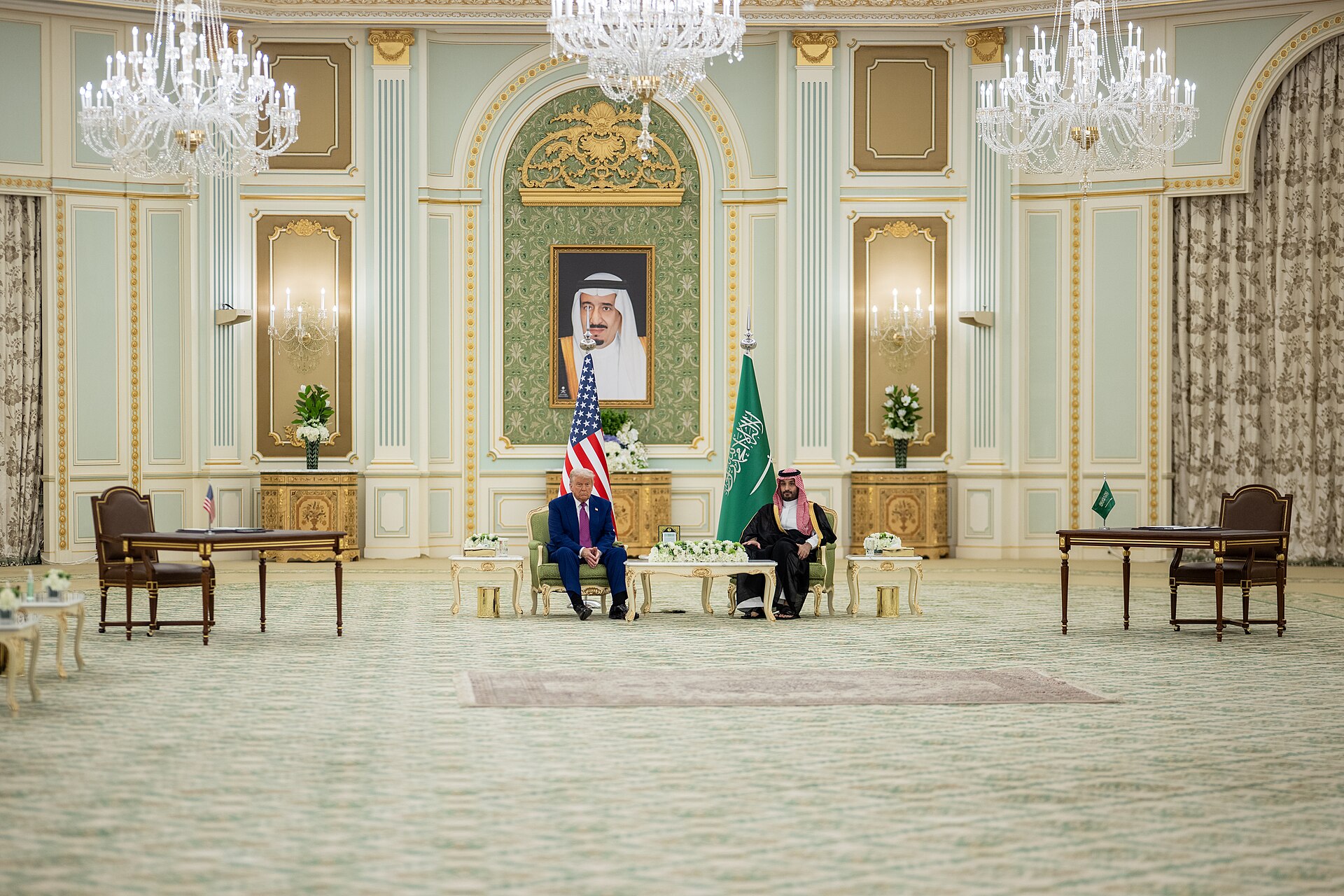
At the same session, MBS briefed the cabinet on talks with Bahrain’s King Hamad bin Isa Al Khalifa and Syrian President Ahmed al-Sharaa, a message from Sierra Leone’s President Julius Maada Bio, and phone calls with Canadian Prime Minister Mark Carney and Greek Prime Minister Kyriakos Mitsotakis, Asharq Al-Awsat reported. The cabinet also welcomed the signing of the general agreement on the GCC Railway Project, a long-planned transport link between the Gulf states.
Dr Ayed Al-Manna, a political researcher quoted by Asharq Al-Awsat, called the step “necessary and urgent” for collective Gulf security, and said it “should have been taken a long time ago to bolster the security of all GCC states.” He cited threats from what he described as the Iranian axis and its proxies — Iraqi militias, the Houthis and Hezbollah — as making constant readiness essential across the region.
“This step should have been taken a long time ago to bolster the security of all GCC states.”
Dr Ayed Al-Manna, political researcher, to Asharq Al-Awsat
Why Does Saudi Arabia Need Both Straits Open?
Before the war with Iran, approximately 138 vessels per day transited the Strait of Hormuz, according to the Joint Maritime Information Centre. Saudi Arabia loaded the bulk of its crude at Ras Tanura and other terminals on the Arabian Gulf coast, bound principally for Asian refineries. When Iran declared Hormuz closed, Riyadh had one fallback: pump crude westward through the East-West pipeline — approximately 7 million barrels per day of capacity, according to the Saudi Energy Ministry — to the Red Sea port of Yanbu, which then became the kingdom’s primary export terminal.
That pivot worked, initially. Yanbu crude exports peaked at approximately 4.07 million barrels per day in March 2026, according to Wood Mackenzie data reported by World Pipelines. But the reroute turned Bab al-Mandeb into Saudi Arabia’s new arterial chokepoint, and the Houthis were already there. The Houthis declared a naval blockade of Saudi Arabia in late July, threatening to target Saudi-linked vessels “in any location,” and by September a Houthi commander was claiming the strait was under their forces’ administration — a claim documented in the section below.
The pipeline itself has become a target. Drone strikes damaged the East-West line in September, according to Middle East Monitor. Operations resumed, but the energy ministry confirmed a fresh targeting in the Madinah region on November 9, according to Arab News — the day before the cabinet met. By June, Yanbu exports had fallen 41 per cent from their March peak to approximately 2.39 million barrels per day, according to Oil & Gas 360, a decline that reflects not just pipeline disruption but the cumulative pressure on a supply chain that was never designed to carry the kingdom’s entire export burden through a single Red Sea port.
How Did Saudi Oil Exports Shift After Hormuz Closed?
The collapse of Hormuz traffic is visible in the JMIC numbers. By late May 2026, daily transits through the strait had dropped to single figures — seven ships on May 26 and three the following day, according to JMIC advisory notes. The IRGC has continued to target tankers in the strait, claiming to have hit 11 ships in 10 days as recently as November 10, and Iran claimed a strike on navigation aids on Oman’s Didamar Island the same day.
The effect on Saudi volumes has been severe. The IEA reported that Saudi crude supply fell to 5.97 million barrels per day by August, according to data published in September — well below the kingdom’s OPEC+ allocation of 10.5 million barrels per day, as confirmed when the producer group kept November targets unchanged in early October. Aramco cut its November Arab Light official selling price to Asia by $3, to $5 below the Oman/Dubai benchmark, the widest discount since June 2020, according to Reuters — a price signal that reflected both reduced volumes and the logistical risk premium that Asian buyers now attach to Saudi crude that must transit either a closed strait or a contested one.
| Indicator | Figure | Source |
|---|---|---|
| Hormuz pre-war daily transits | ~138 | JMIC |
| Hormuz late-May daily transits | 3–7 | JMIC Advisory Notes |
| East-West pipeline capacity | ~7M bpd | Saudi Energy Ministry |
| Yanbu exports, March peak | ~4.07M bpd | Wood Mackenzie |
| Yanbu exports, June | ~2.39M bpd | Oil & Gas 360 |
| Saudi crude supply, August | 5.97M bpd | IEA (September report) |
| Aramco Nov. Arab Light discount to Asia | $5 below Oman/Dubai | Reuters |
G7 Meets in Paris as Saudi Arabia Presses the Same Case
The cabinet session was timed, or at least coincided, with a broader diplomatic push. The G7 foreign ministers’ meeting in Paris ran November 9–10, with France-based diplomats confirming that Iran’s role in obstructing navigation through both Hormuz and Bab al-Mandeb was high on Tuesday’s agenda, according to The National. Saudi Foreign Minister Prince Faisal bin Farhan attended the Monday evening dinner hosted by French Foreign Minister Jean-Noël Barrot.
The diplomatic track on Hormuz has produced no breakthrough. US Secretary of State Marco Rubio, speaking on his way to Paris, told reporters: “I wouldn’t say we’re on the verge of a breakthrough,” according to The National. Qatar has been mediating between the US and Iran on a phased reopening of the strait, but Iran has rejected Washington’s terms and insisted that the seven conditions set by its Supreme National Security Council are non-negotiable. On the same day as the cabinet session, President Trump declared the US-Iran war “effectively over” — and hours later the Houthis fired missiles at Riyadh, a sequence that underscored the gap between Washington’s declarations and Riyadh’s lived reality.
“I wouldn’t say we’re on the verge of a breakthrough.”
US Secretary of State Marco Rubio, G7 Paris, according to The National
Dr Sania Faisal El-Husseini, writing in Middle East Monitor, argued that Saudi Arabia’s simultaneous vulnerability in Hormuz and Bab al-Mandeb had become the kingdom’s central strategic problem, and that “Riyadh has once again turned towards military confrontation.” Western diplomats and Gulf officials, paraphrased by the same outlet, said Riyadh could not negotiate new peace talks with the Houthis while they controlled the Bab al-Mandeb strait.
Who Controls Bab al-Mandeb?
The Bab al-Mandeb strait, which connects the Red Sea to the Gulf of Aden, has been contested ground since the Houthis escalated their campaign against Saudi Arabia in the summer of 2026. On September 10, the Houthis seized Mokha, a Red Sea port near the strait’s southern approach, and a Houthi commander told The National News the waterway was “under the administration of our forces.”
On October 5, Yemeni government forces said they had retaken the Bab al-Mandeb strait area, the Dhubab district and Mokha, according to The National News — but the Houthis have continued to claim operations against Saudi-linked shipping in the waterway and against coastal targets, and the extent of government control over the strait’s southern shore remains disputed. The fighting over Mokha and Dhubab has changed hands enough times that no single claim of control can be taken as settled.
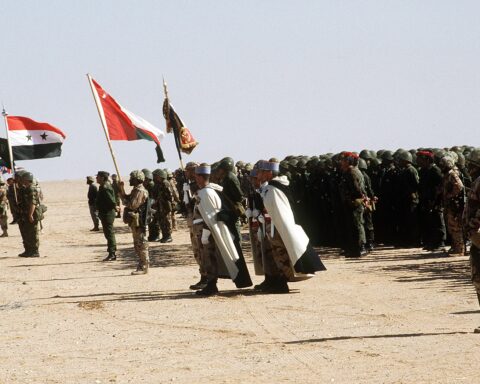
Saudi Arabia launched a defensive maritime alliance in late July covering the Red Sea, Bab al-Mandeb and the Gulf of Aden, with 13 other countries joining the coalition. The Makkah Joint Defence Agreement, signed on August 7 by Saudi Arabia, Turkey and Pakistan, provides a collective security framework that Saudi Arabia, Turkey and Pakistan jointly invoked in October after Houthi attacks on Saudi territory. Turkey ratified the agreement on November 5 by a vote of 279 to 119, according to Anadolu Agency. Egypt’s foreign minister confirmed on November 10 that Egyptian troops had been deployed in Saudi Arabia for months.
The cabinet communiqué, read alongside those deployments and alliances, amounts to Riyadh stating publicly what its military planning already assumes: that the kingdom’s security cannot be disaggregated from the security of the waterways that carry its exports, and that both straits — not one, not the other — are the problem that must be solved for Saudi Arabia’s economy to function at anything close to full capacity. The November 10 session names no adversary and sets no deadline, a formula that allows Riyadh to press its case at every table — including the one in Paris — without closing off any of the diplomatic channels that MBS briefed ministers on at the same meeting.
Frequently Asked Questions
Has Iran or the Houthis responded to the November 10 Cabinet statement?
As of publication on November 11, no Iranian government statement or Houthi response addressing the specific November 10 cabinet communiqué had been indexed by major wire services or state outlets. Iran’s broader position remains that the Strait of Hormuz will not reopen until seven conditions set by the Supreme National Security Council are met, and that the issue is non-negotiable. The Houthis have continued to claim military operations against Saudi targets throughout November.
What is the East-West pipeline?
Also known as the Petroline, the East-West pipeline runs from Saudi Arabia’s Eastern Province oil fields to the Red Sea port of Yanbu. Originally built in the early 1980s during the Iran-Iraq War — the last time Hormuz was seriously threatened — it was repurposed as Saudi Arabia’s primary crude export artery after Hormuz closed in early 2026. Its design capacity is approximately 7 million barrels per day, according to the Saudi Energy Ministry, though actual throughput has fluctuated due to repeated attacks on pumping stations and sections of the line.
What is the Makkah Joint Defence Agreement?
The Makkah Joint Defence Agreement was signed on August 7, 2026, by Saudi Arabia, Turkey and Pakistan, providing a collective security framework for military cooperation against shared threats. Saudi Arabia, Turkey and Pakistan jointly invoked the pact in October after Houthi attacks on Saudi territory. Turkey’s parliament ratified the agreement on November 5, according to Anadolu Agency. A Tehran communiqué issued on October 26 attempted to address the agreement’s provisions from Iran’s perspective.
How many countries patrol the Red Sea with Saudi Arabia?
Saudi Arabia announced a defensive maritime alliance in late July 2026, and 13 other countries joined the coalition, which covers the Red Sea, Bab al-Mandeb and the Gulf of Aden. The alliance’s full membership list has not been officially published in a single document, but participating states include GCC members and regional partners with naval capabilities. The coalition operates separately from the US-led Combined Maritime Forces, which has been focused on Hormuz enforcement.
The House of Saud Daily Briefing
Saudi Arabia's news in 3 minutes, every morning. Free. See today's issue