
TEHRAN — Iran’s regular army told the world on Tuesday that the war is still on. Brigadier General Mohammad Akraminia, spokesperson for the Artesh, told Tasnim News Agency that “a ceasefire does not make much difference to us compared to wartime conditions” — at the exact hour Foreign Minister Abbas Araghchi was filing his third Islamabad proposal in 48 hours.
The split is no longer the IRGC versus the diplomats. It is now both military pillars of the Iranian state telling foreign capitals that the army remains on full war footing while Iran’s chief negotiator offers a three-phase ceasefire architecture in Pakistan. Any counterpart reading both wires understands the same thing at the same time: Araghchi cannot deliver what he is offering.
Table of Contents
- What the Army Spokesperson Actually Said
- Why Is It the Regular Army, Not the IRGC?
- Araghchi’s Three Islamabad Drafts
- The Authorization Ceiling, in Public View
- The Parade That Wasn’t Held During the Iran-Iraq War — But Was Cancelled This Year
- What Foreign Counterparts Read Off the Wires
- The Hajj Deadline, 28 Days Out
- Background & Context
- FAQ
What the Army Spokesperson Actually Said
Akraminia did two interviews on April 28. To Tasnim, the IRGC-aligned wire that has spent the past fortnight publicly shredding Araghchi’s diplomatic statements, he said the Iranian Army was on “high alert” and that the ceasefire “does not make much difference” to its operational posture. To ISNA, the semi-official agency closer to the Pezeshkian government, he chose different words for the same message: “Iran will continue the war as long as the political authorities see fit.”
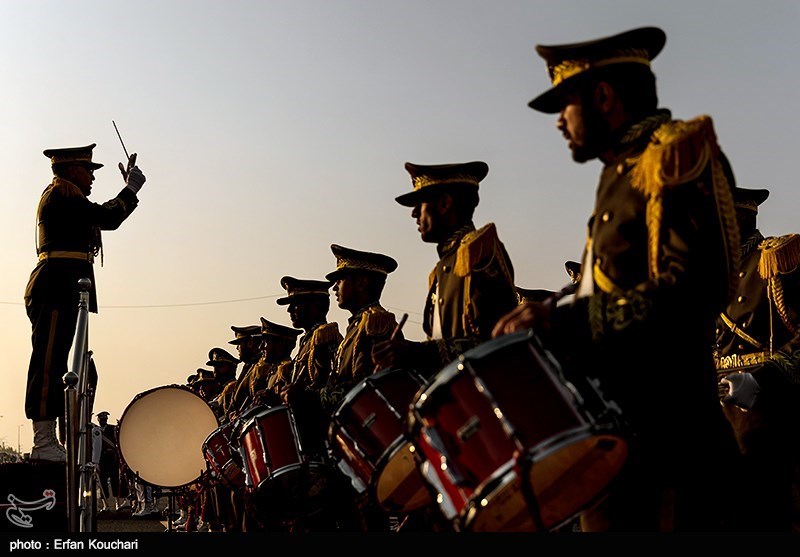
Al Jazeera’s liveblog ran the story with a single headline that captured what every foreign ministry in the region read: Iran’s army says “it is still a war situation.” The phrasing was not casual. It was institutional. The Artesh — the conventional, professional, pre-revolutionary military with roughly 350,000 active-duty troops — was telling the international system that no ceasefire instruction had reached the field.
That distinction is the story. The statement did not come from the Revolutionary Guard or from Tasnim editorialising — it came from the regular army’s official spokesperson, on the record, on the day Araghchi was attempting to seal Phase One of a ceasefire architecture in Islamabad.
Why Is It the Regular Army, Not the IRGC?
The Artesh and the Islamic Revolutionary Guard Corps are two parallel armed forces that both answer to the Supreme Leader but operate under separate chains of command, separate budgets and — historically — separate political loyalties. The Artesh is the conventional army, navy and air force inherited from before 1979. The IRGC, founded after the revolution, is the praetorian guard of the Islamic system. During the Iran-Iraq War their command rivalries were so severe that Ayatollah Khomeini personally arbitrated disputes.
The Middle East briefing 3,000+ readers start their day with.
One email. Every weekday morning. Free.
The Artesh has historically been considered more professionally military and less ideologically driven than its rival. Iran International reported in March that Artesh field units had received “only 20 bullets per two soldiers,” faced group desertions, lacked drinking water in forward positions, and were refused medical evacuation by IRGC units operating in the same theatre. The IRGC takes the equipment. The Artesh takes the casualties.
So when the regular army’s spokesperson — not an IRGC mouthpiece — declares the country is still at war, that is the institution that has been bled by the conflict speaking. It carries a different signal weight. The IRGC’s “still at war” framing has been continuous for weeks. The Artesh joining it makes the position bicameral.
Akraminia himself is not a combat commander. He is an associate professor of strategic management at the Army’s Command and Staff University, appointed to the spokesperson role on January 6, 2026, by Major General Amir Hatami. His previous post was Political Deputy of the Army — an ideological-political function, not an operational one. The spokesperson role exists to communicate institutional consensus, and that is what he was doing.
“Iran will continue the war as long as the political authorities see fit.”Brigadier General Mohammad Akraminia, Iran Army Spokesperson, ISNA, April 28
Araghchi’s Three Islamabad Drafts
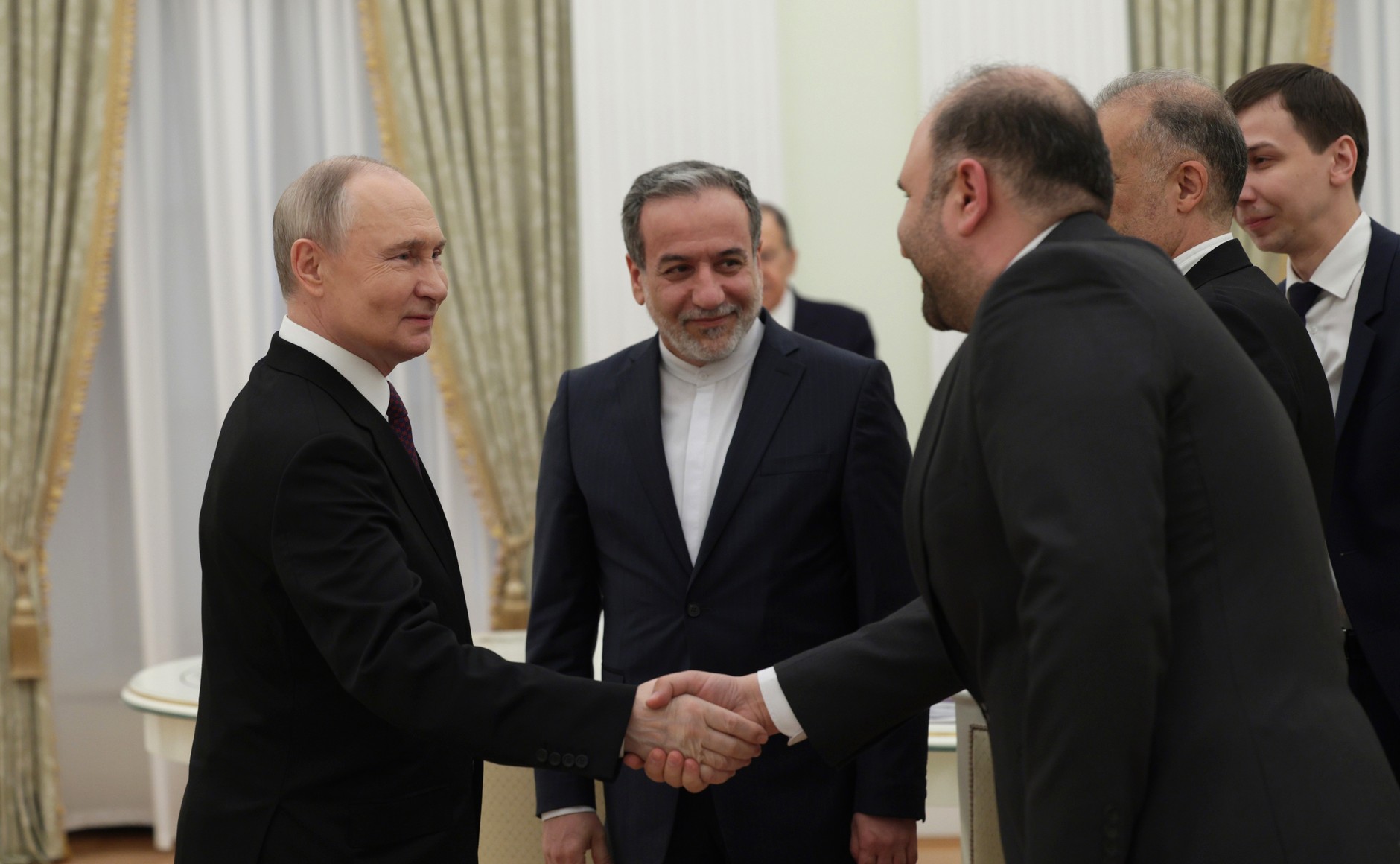
Araghchi has been to Islamabad three times in the past 48 hours. April 26, April 27, April 28. The architecture his delegation has been workshopping with Pakistani Foreign Minister Ishaq Dar is structured in three phases: a full ceasefire with no renewed attacks on Iran or Lebanon in Phase One; “management and security” of Hormuz in Phase Two; the nuclear program in Phase Three. The sequencing is deliberate. Hormuz comes before the bomb.
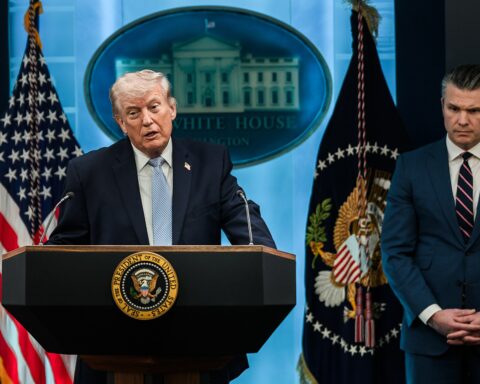
The American response landed within hours. An unnamed US official told CNN that President Trump “doesn’t love the proposal.” Secretary of State Marco Rubio went on the record and called it “unacceptable,” with the nuclear file ineligible for deferral to a Phase Three. Whitehall and Berlin had not yet weighed in by Tuesday afternoon. Riyadh, conspicuously, was not in the room — a continuation of the pattern set when the original Islamabad track convened on April 10 and 11 without Saudi attendance.
What the architecture actually requires is binding Iranian military compliance with whatever Phase One contains. The Artesh statement on Tuesday told every counterpart the obvious: that compliance is not on offer. Araghchi can sign a document. The Artesh, on the record, says it is still in a war situation. The IRGC, on April 22, seized two container ships — MSC Francesca at 11,660 TEU and Epaminodas at 6,690 TEU — on the same day Trump extended the ceasefire. The signing has decoupled from the binding.
For prior context on the IRGC’s open factional war with Araghchi, see the IRGC Navy’s “full authority” declaration of April 5, in which the Guard Corps publicly asserted operational control of Hormuz at the precise hour Araghchi was claiming the strait was “completely open.” ISW concluded after that incident that “the IRGC appears to be controlling Iranian decision-making instead of Iranian political officials.”
The Authorization Ceiling, in Public View
Article 110 of the Iranian constitution makes the Supreme Leader Commander-in-Chief of the armed forces. The president has zero authority over either the Artesh or the IRGC. Pezeshkian named the IRGC commanders he held responsible for sabotaging his negotiating mandate — Vahidi and Abdollahi — in early April. He had no power to remove them, redeploy them, or override them. He documented his own impotence in a public confession of the authorization-ceiling problem on April 17.
Akraminia’s phrasing on Tuesday — “as long as the political authorities see fit” — maps onto Article 110 with the precision of a clerk reading from a code. The political authorities, in Iranian constitutional practice, are not the elected president and his foreign minister. They are the Supreme Leader and the bodies the Supreme Leader convenes. With Mojtaba Khamenei absent now for 44 days, no such body has met to authorise war termination. The Artesh spokesperson is, on the record, telling the world that he has received no instruction to stand down because the only office capable of issuing that instruction is unmanned.
Saeid Golkar of the University of Tennessee at Chattanooga put the dynamic in plain terms to Fortune earlier this month: “Because the main arbitrator is gone, the fight between different factions has started.” Gregory Brew of the Eurasia Group framed it as a structural drift: the public military-diplomatic disagreement reflects “the broader trend of the military’s expanding power.” Kristian Alexander of the Rabdan Security and Defence Institute put it most directly to The National in March: “Iran is not speaking with one voice. Government officials and diplomats do not fully control the military tempo.”
What changed on Tuesday is that the regular army made the same argument from inside the system. The diagnosis is no longer external observation. It is a domestic institutional position, on the official wire of Iran’s largest standing armed force, on the day its foreign minister was attempting to lock in Phase One.
The Parade That Wasn’t Held During the Iran-Iraq War — But Was Cancelled This Year
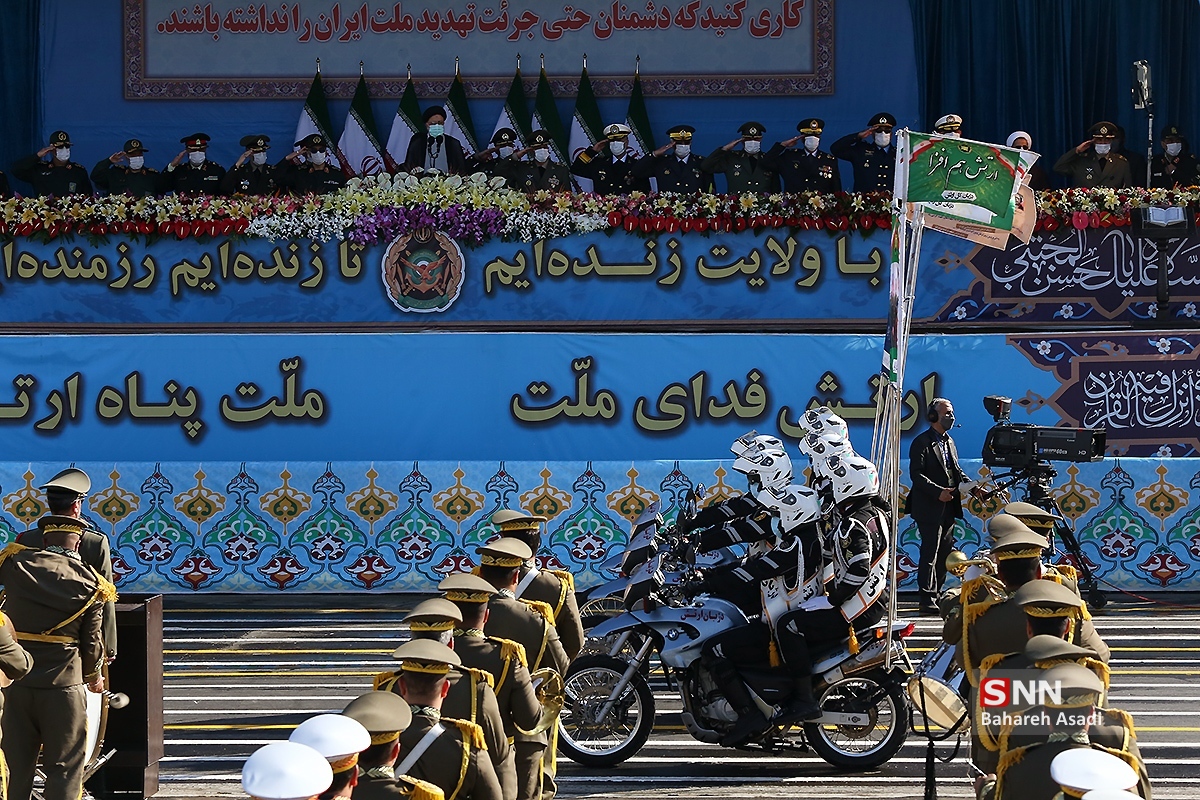
April 1 in Iran is Army Day. The annual parade in central Tehran has been held continuously since the Islamic Republic’s founding, including throughout the Iran-Iraq War, including in years when Iraqi missiles were striking Tehran’s residential districts and Saddam Hussein’s air force was bombing Tabriz. The parade was held in 1985. It was held in 1987. It was held in 1988, the year Iran accepted UN Security Council Resolution 598 and ended the war. It is the country’s most durable martial ritual.
This year, it was cancelled. Akraminia announced the cancellation himself in a television interview reported by IranWire: “For us, the current ceasefire does not differ much from war conditions; therefore, it is not possible to hold the parade in cities as in previous years.” The phrasing was identical to what he told Tasnim and ISNA on April 28. The institutional self-understanding has been consistent for nearly a month.
Cancelling Army Day during a nominal ceasefire — when it was held during years of actual urban bombardment — is not symbolic theatre. It is a logistical and operational judgement issued by the army itself. The Artesh does not consider its troops releasable from forward positions. It does not consider the air defence umbrella sufficient to mass armoured columns in Azadi Square. It does not consider the political moment safe enough to have its general staff in fixed locations for two hours of choreography.
That is the second-order signal Tuesday’s statement reinforced. The April 1 cancellation was the act. The April 28 statement was the explanation. They are the same institution telling the same story across nearly a month.
What Foreign Counterparts Read Off the Wires
A foreign ministry desk reading the Tuesday traffic from Tehran sees two stories at once. Story A: Araghchi files a three-phase proposal in Islamabad and is still in the building. Story B: the regular army’s spokesperson says the ceasefire makes “no difference” to war footing and the conflict will continue “as long as the political authorities see fit.” If the authorisation chain were intact, only one of these stories would be running on Iranian state-aligned wires. Both are.
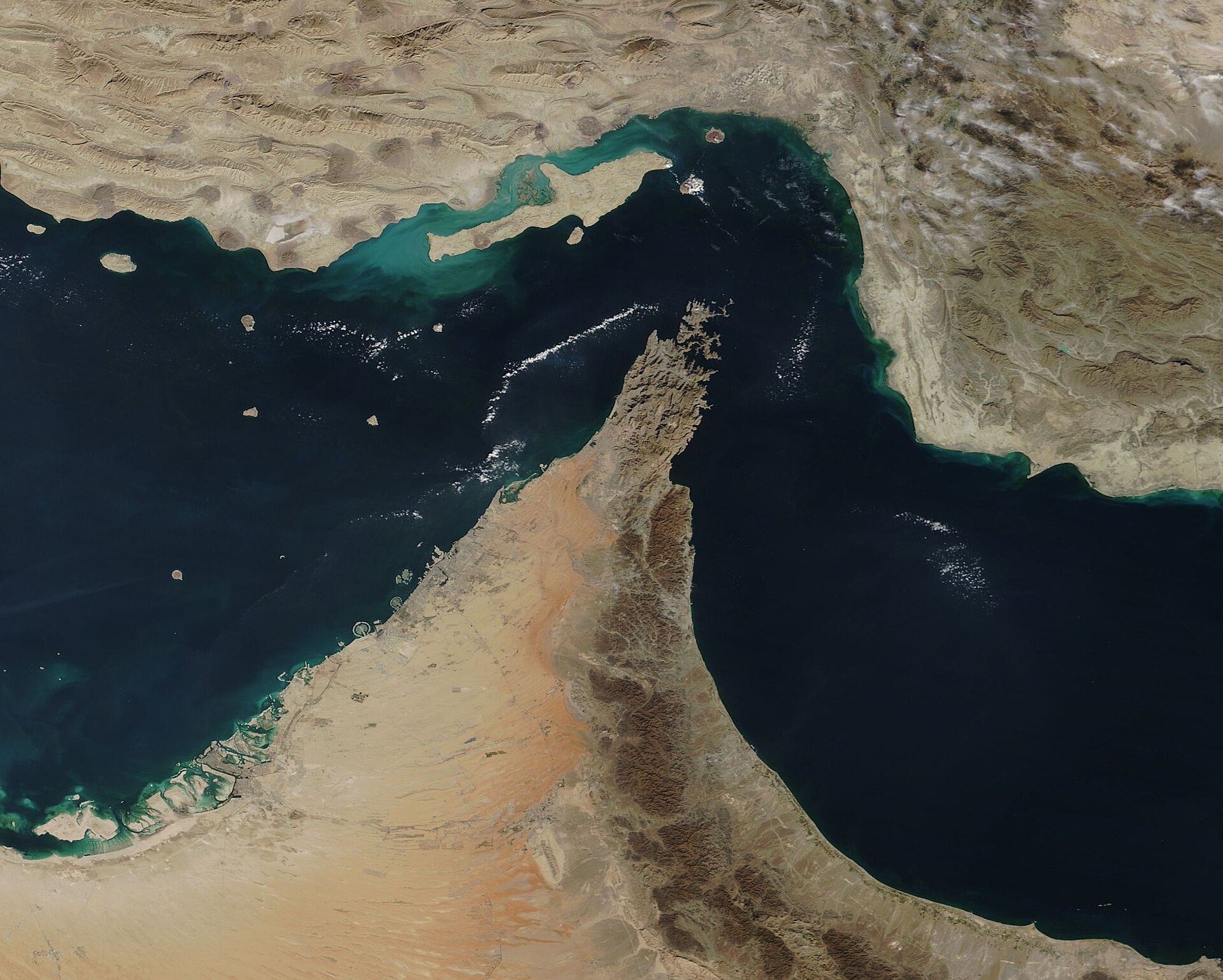
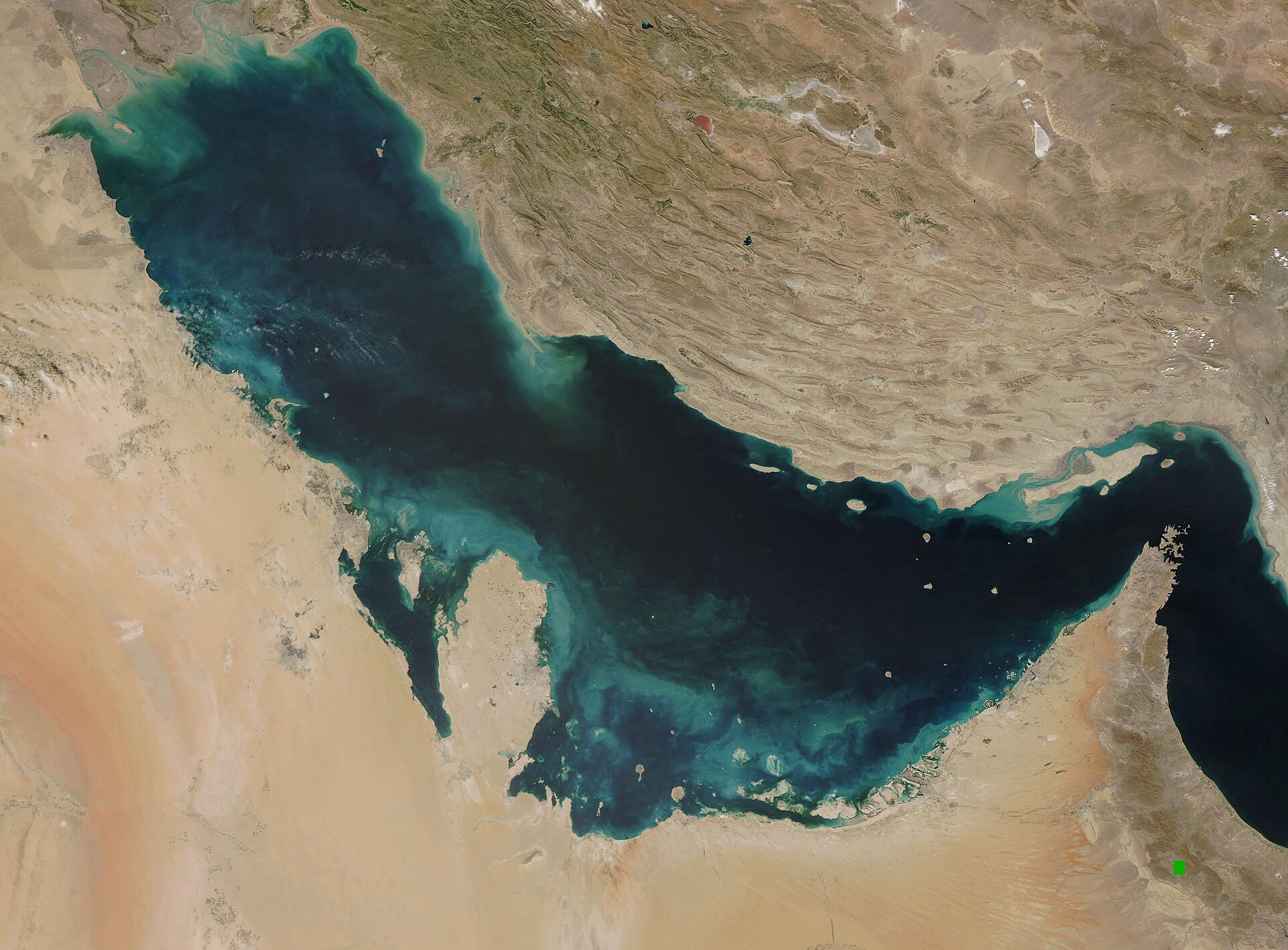
What the desk concludes is that signing a Phase One document with Araghchi’s delegation will produce no enforcement on the Iranian side. The IRGC has demonstrated this empirically — the April 22 ship seizures, conducted on the same day Trump extended the ceasefire, are part of the Hormuz “double blockade” pattern in which the US controls Arabian Sea entry and the IRGC controls Gulf of Oman exit, with vessels needing both approvals to move and neither approval being reliably granted.
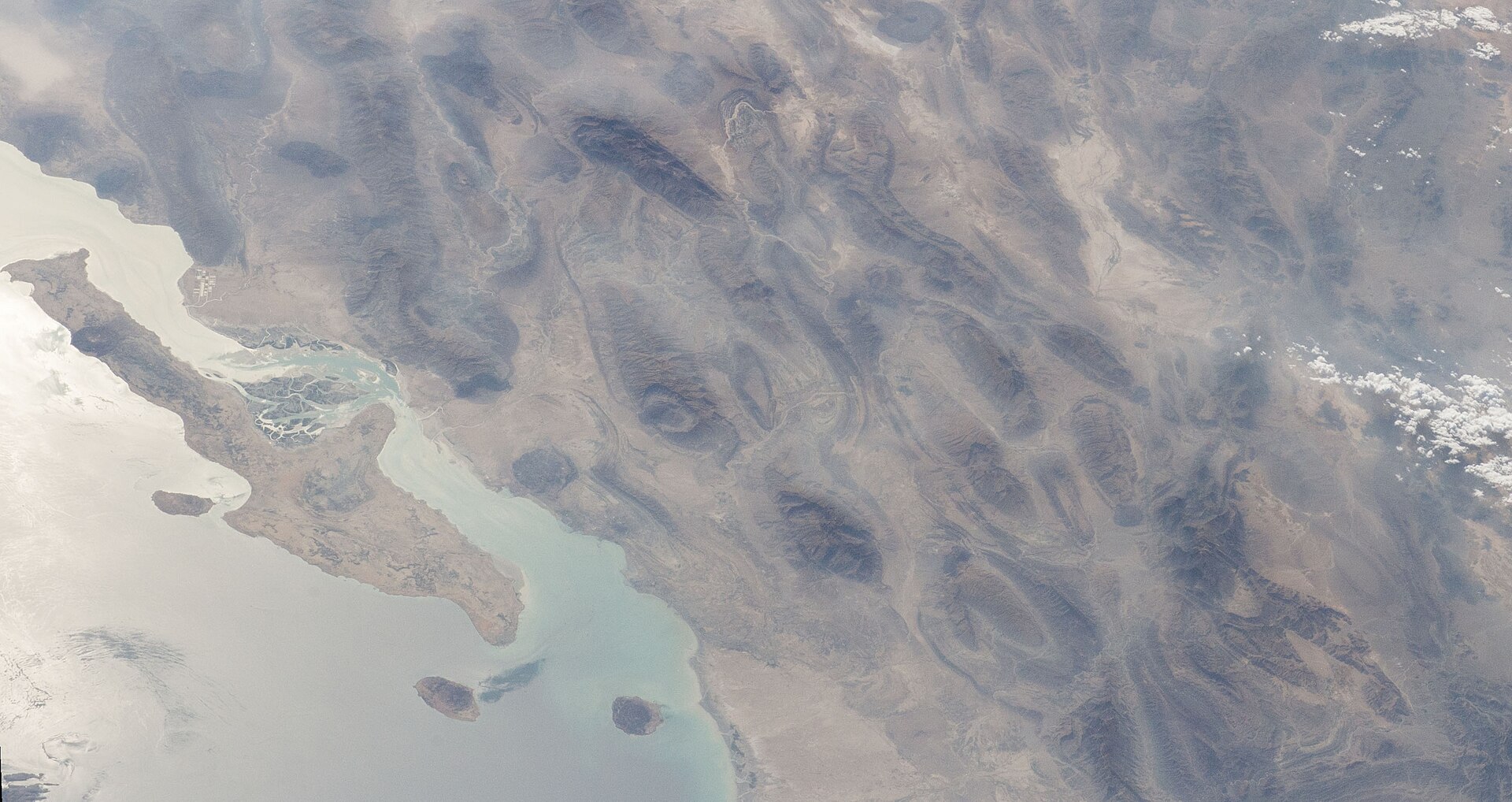
Hormuz transits are now running at about seven ships per day, against a pre-war baseline of 140 — roughly 3.6 percent of normal throughput. International Maritime Organization Secretary-General Arsenio Dominguez said this week that “there is no safe transit anywhere in the Strait of Hormuz,” with tens of thousands of seafarers stranded in port or anchored offshore across the region. UN Secretary-General António Guterres warned the impasse risks “the worst supply chain disruption since COVID-19 and the war in Ukraine.”
That aggregate figure obscures a sharp disparity between flag states. Iran’s selective authorization of the Idemitsu Maru — a Japanese VLCC carrying Saudi crude, cleared fee-free under IRGC license — illustrates how the 3.6 percent throughput is not random triage but a curated list of approved operators: a licensing regime rather than a blockade in the conventional sense.
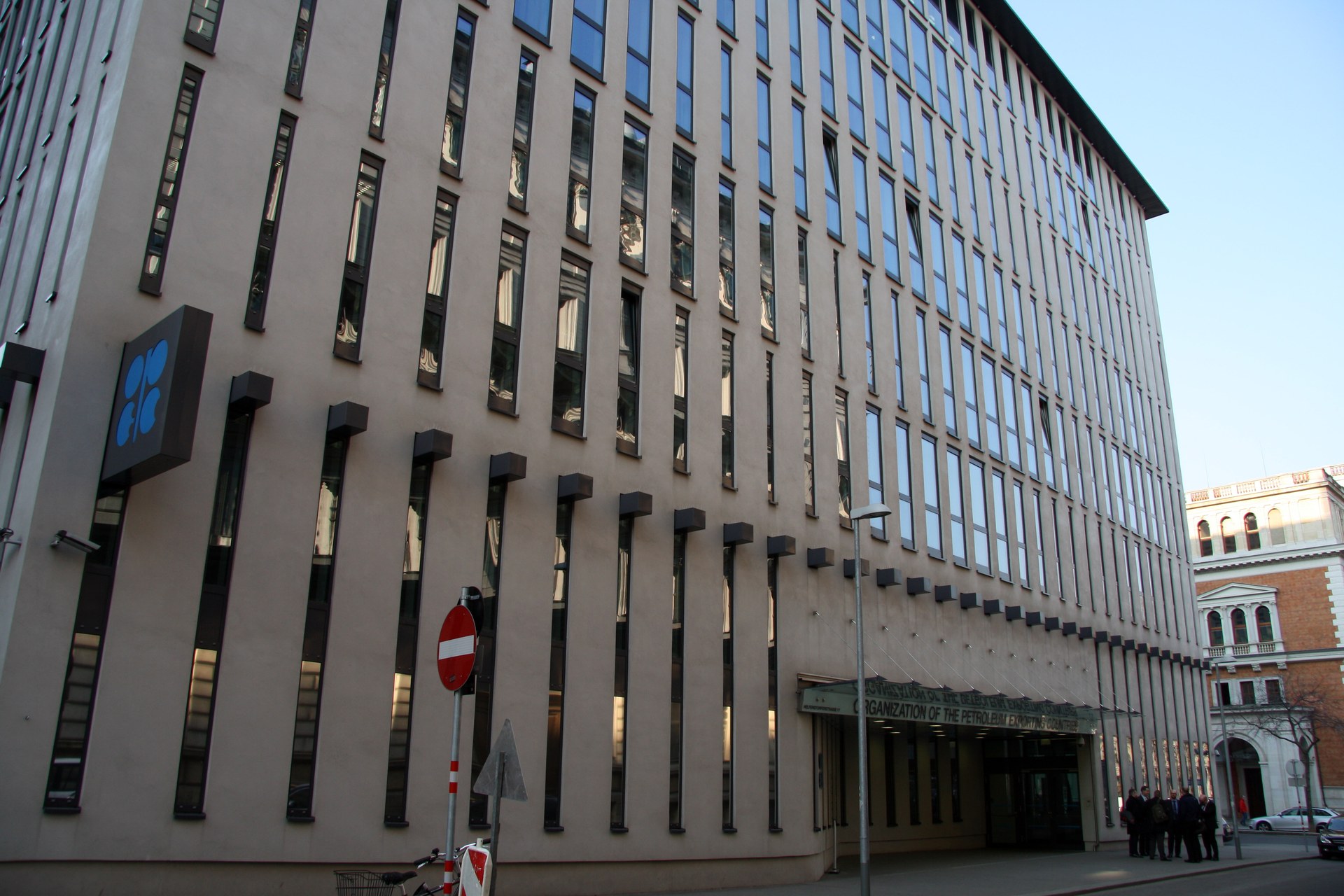
The United Arab Emirates announced its OPEC exit on Tuesday, citing “national interests” and timing the move to the Hormuz crisis, according to Al Jazeera and CNN reporting confirmed by UAE Energy Ministry statements. That is a Gulf member state with one of the world’s largest sovereign wealth funds publicly decoupling from the Saudi-led production framework on the same day Iran’s army declared the war was still on. The simultaneity is not coincidence. It is two structural signals from opposite directions converging on the same conclusion: the diplomatic track is not pricing the war correctly.
The Hajj Deadline, 28 Days Out
The Day of Arafah falls on May 26 this year, four weeks from Tuesday’s statement. Between 1.2 and 1.5 million pilgrims are scheduled to converge on Makkah and the surrounding holy sites under a Saudi air defence umbrella that has been depleted to roughly 14 percent of its pre-war PAC-3 MSE interceptor stockpile — about 400 rounds against a war that has been consuming them since late February.
Indonesia’s first pilgrim departures began April 22. Pakistan’s mass pilgrim arrivals began April 18. The Saudi Hajj Ministry has not announced any contingency for partial suspension despite Indonesia’s published Scenario Three planning for full suspension. The Custodian of the Two Holy Mosques title, claimed in October 1986, is the central legitimacy claim of the Saudi state. Cancelling Hajj is structurally more dangerous to Riyadh than allowing it to proceed under fire.
That timeline is what gives Tuesday’s Artesh statement its operational weight. The Iranian army is not making a rhetorical point. It is documenting an institutional posture that will hold through any escalation in the next four weeks unless the authorisation chain reactivates. With Mojtaba Khamenei absent 44 days and counting, no signal of reactivation has appeared. The Artesh has now said publicly what the IRGC has been saying for weeks: the field commanders are running their own war.
Araghchi will fly back to Tehran from Islamabad with a draft Rubio has rejected and a proposal Trump “doesn’t love.” The army has told him, in writing, on the wire, that even if he could secure American assent he could not deliver Iranian compliance. That is the structural picture as the Hajj clock starts its final month.
Background & Context
The Artesh-IRGC institutional split predates the current conflict. Khomeini personally adjudicated command rivalries during the Iran-Iraq War. No comparable arbiter exists today: the Supreme Leader’s office has been functionally unmanned for 44 days and the elected president has no constitutional authority over either force.
The current crisis began with the IRGC’s open public attack on Araghchi after his April 17 declaration that Hormuz was “completely open.” Tasnim accused the foreign minister of “a complete lack of tact in information dissemination.” IRGC-aligned media in Tehran, Mashhad and Qom amplified the criticism. Araghchi did not retract the statement, but the IRGC’s operational reversal of his policy was visible to the international system within hours. ISW documented the pattern. Iran’s formal deadline rejection in early April had already revealed the IRGC’s command structure as functionally autonomous.
Pezeshkian’s April 17 confession that he had no authority over Vahidi or Abdollahi was the elected government’s first explicit acknowledgement of its own constitutional ceiling. The Artesh statement on April 28 is the regular army’s first explicit acknowledgement of the same ceiling — from inside the uniformed armed forces, not from the civilian executive. The architecture of the problem is now described by all three relevant sources: the elected president, the international observation desks, and the conventional army’s spokesperson. Only the Supreme Leader’s office, currently unmanned, has not weighed in.
FAQ
What does Artesh mean and how is it different from the IRGC?
The Artesh is Iran’s regular national military — the conventional army, navy and air force, with roots predating the 1979 revolution and a current strength of approximately 350,000 active-duty personnel. The Islamic Revolutionary Guard Corps was created after the revolution as a parallel armed force loyal to the clerical establishment, with 125,000 to 190,000 active-duty personnel according to IISS estimates. They have separate command chains, separate budgets, and have historically been at institutional odds.
Has the Artesh ever publicly contradicted the foreign ministry before?
Public open contradictions of this scale are rare. Quiet institutional disagreement is part of the system’s normal operation. What is unusual about Tuesday’s statement is the combination of timing — issued during active negotiations — and channel, with the Artesh choosing both an IRGC-aligned outlet (Tasnim) and a government-aligned outlet (ISNA) on the same day.
Who is Brigadier General Mohammad Akraminia?
The official spokesperson of the Islamic Republic of Iran Army (Artesh), appointed on January 6, 2026 by Army Commander Major General Amir Hatami. He holds a PhD in Strategic Management and is an associate professor at the Army’s Command and Staff University. His previous role was Political Deputy of the Army. He is an institutional-political figure rather than an operational combat commander, which is why his statements carry weight as expressions of formal Artesh position.
What is Article 110 of the Iranian constitution?
The article that designates the Supreme Leader as Commander-in-Chief of the armed forces and grants him exclusive authority over war declarations, ceasefires, and senior military appointments. Under Article 110, the elected president has no formal authority over the Artesh or the IRGC. War termination requires Supreme Leader authorisation. With Mojtaba Khamenei absent for 44 days as of April 28, no body capable of issuing that authorisation has convened.
Why does the UAE leaving OPEC matter to this story?
The UAE’s announcement on April 28 — the same day as Akraminia’s statement — signals that a major Gulf producer is decoupling from the Saudi-led OPEC framework as the Hormuz crisis hardens. It is a structural indicator that Gulf states are repositioning for a prolonged Iranian non-compliance scenario, rather than betting on a successful ceasefire architecture. Two signals on the same day, from opposite institutional directions, pointing toward the same conclusion about the durability of the diplomatic track.
Araghchi flies back from Islamabad on Tuesday night with a rejected draft and a public statement from his own army that the war never paused. The Hajj clock reads 28 days. The Custodian’s stockpile reads 14 percent. Mojtaba Khamenei has not spoken since March 15.