
TEHRAN — Iran’s Foreign Ministry spokesman Esmaeil Baqaei said Monday that Tehran would use “all available means” to counter the US naval blockade, calling it an act of military aggression and invoking Article 51 of the UN Charter — the self-defence provision that sits one step short of a formal state of war. The statement, delivered at Baqaei’s weekly press briefing, came less than 24 hours after Foreign Minister Abbas Araghchi declared the Islamabad peace agreement dead and five days after the Pentagon expanded its blockade to cover ships receiving Iranian crude through transfers at sea.
What made Monday’s language different was its origin, not its content. The IRGC has spent months promising to break the blockade through its own commanders and through affiliated media outlets pushing what amounts to a tanker convoy into American naval guns, but Baqaei’s statement routed the same threat through the Foreign Ministry’s legal department, grounding it in Article 51, Article 2(4), and UN General Assembly Resolution 3314 — the international definition of aggression — a framework designed for the Security Council and the International Court of Justice rather than for Iranian state television.

Table of Contents
What Did Iran’s Foreign Ministry Say?
Baqaei’s most consequential line was the one that read like a legal brief rather than a press statement. “You should bear in mind that what the Americans have described as economic sanctions, an economic blockade and a naval blockade undoubtedly constitutes an act of military aggression against Iran,” he told reporters, according to CBS News. “Under these circumstances, Iran is entitled, pursuant to Article 51 of the UN Charter, to use any means at its disposal to defend itself.”
The House of Saud Daily Briefing
Saudi Arabia's news in 3 minutes, every morning. Free. See today's issue
He said senior Iranian authorities “had made the necessary decisions” on political, diplomatic, and defence measures, without naming who those authorities were or specifying what had been decided. Separately, he dismissed reports of Iranian oil tankers preparing to run the blockade as “speculation” with no official basis, and rejected calls for UN nuclear inspections of sites damaged during the nearly nine-month conflict, saying “there is no protocol” for such inspections.
Iran’s conditions for reopening the Strait of Hormuz remained unchanged: the United States must end hostilities, lift the naval blockade, and grant sanctions relief. Baqaei said the strait could reopen within two days if those demands were met — the same conditions Iran has stated since the blockade was reimposed on July 14, and the same conditions Washington has so far declined to meet.
What Triggered the Statement?
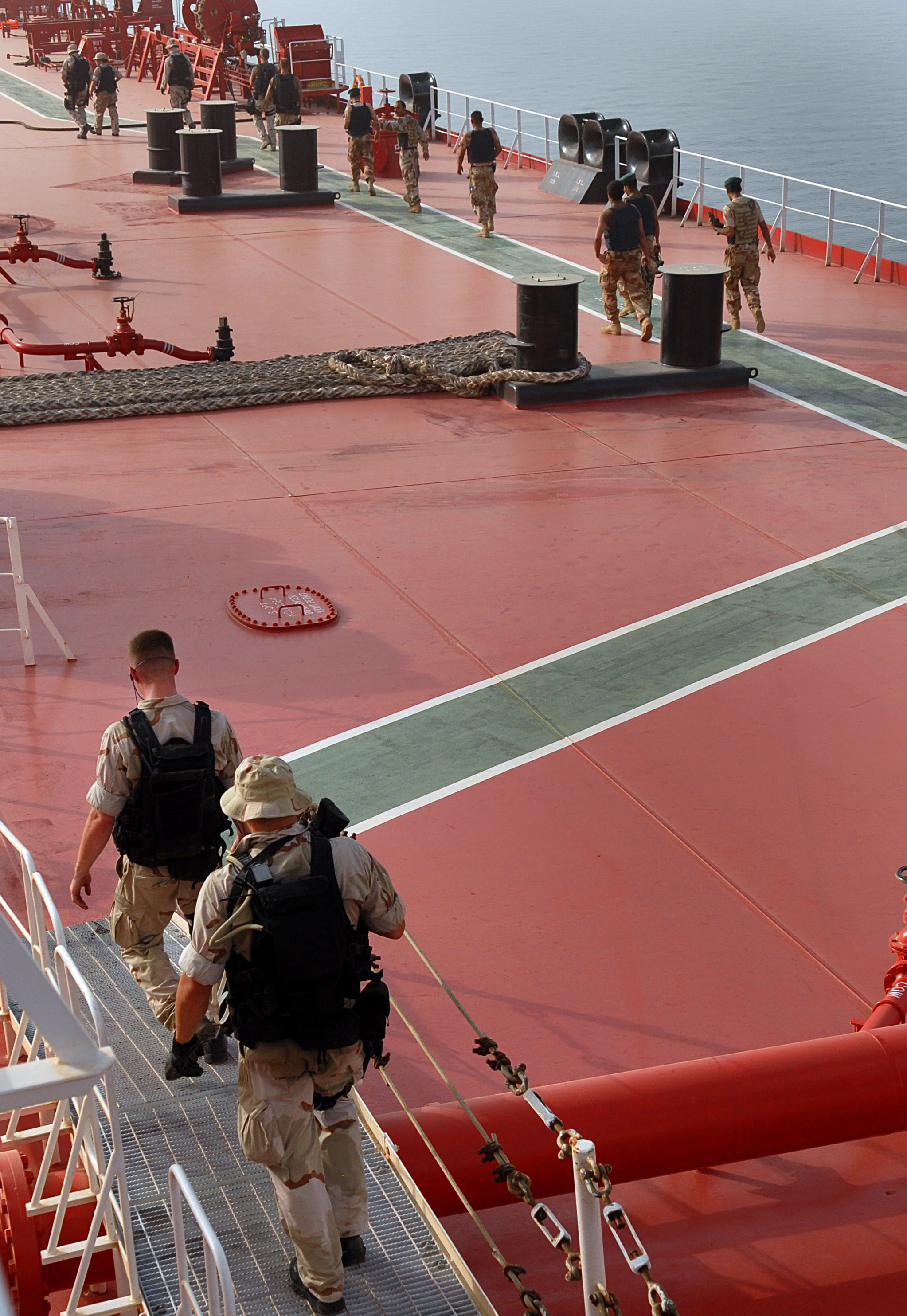
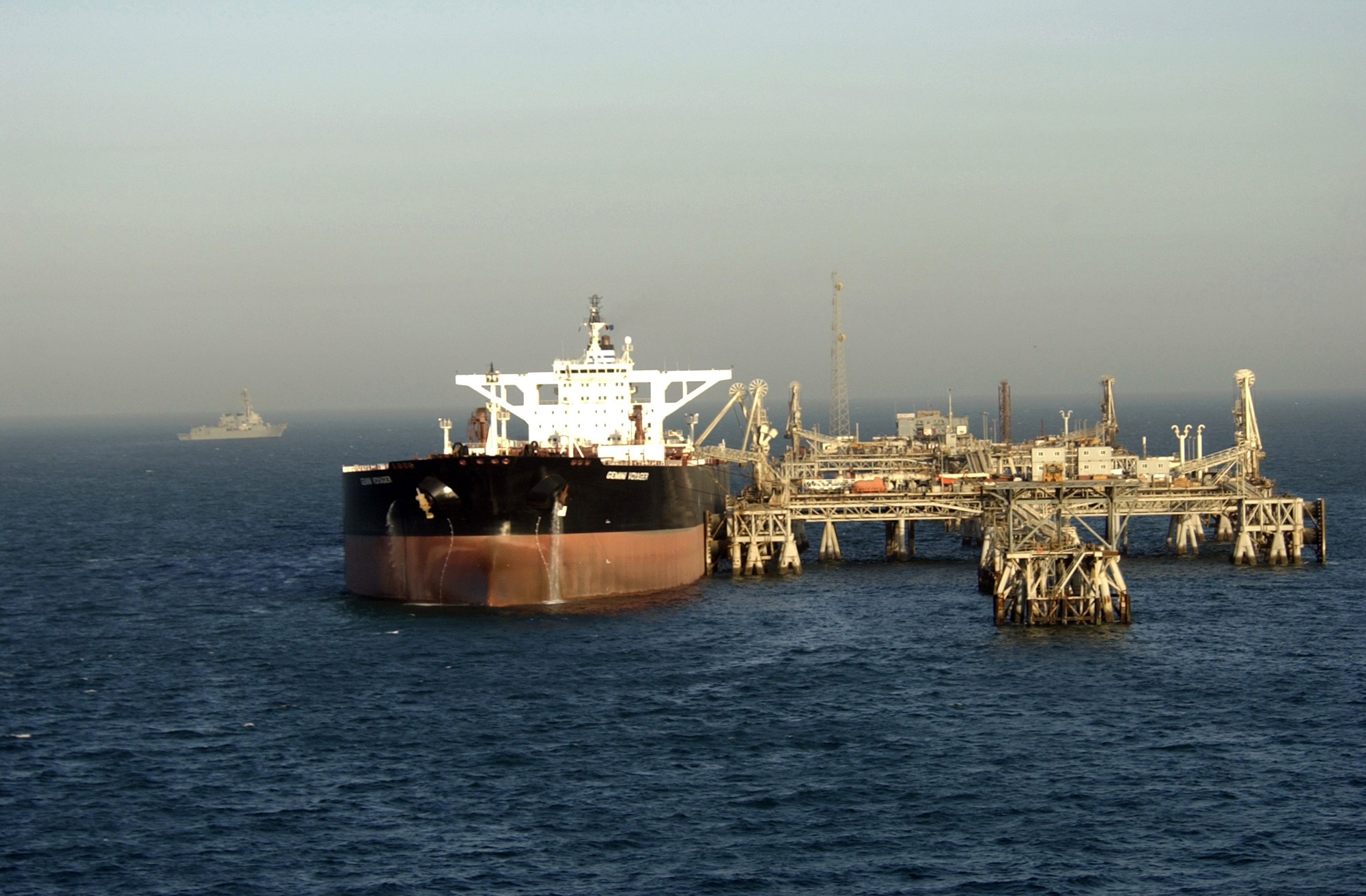
The proximate trigger was a November 18 advisory from the Joint Maritime Information Centre — the intelligence fusion cell based at CENTCOM — that expanded the blockade’s reach to cover ship-to-ship transfers. The new guidance warned that any vessel receiving cargo from a ship loaded at an Iranian port “may be considered to be evading the blockade, even if it has not entered Iranian ports or the Iranian coastline,” and that such ships could be “stopped, boarded, diverted, captured or directed to proceed to the Iranian port where the cargo originated,” according to the Maritime Executive.
The advisory closed a loophole Iran had been testing. On November 17, the commodity data firm Kpler detected the first observed ship-to-ship oil transfer since the blockade was reimposed on July 14, according to RFE/RL. TankerTrackers reported a further transfer on November 19. The JMIC added that failure to comply immediately with enforcement orders “may result in rapid escalation to disabling or destructive fire.”
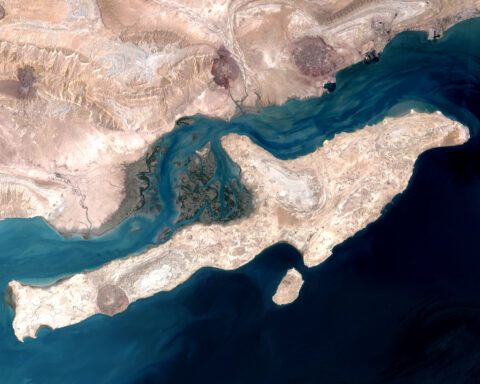
The Tankers at Kharg
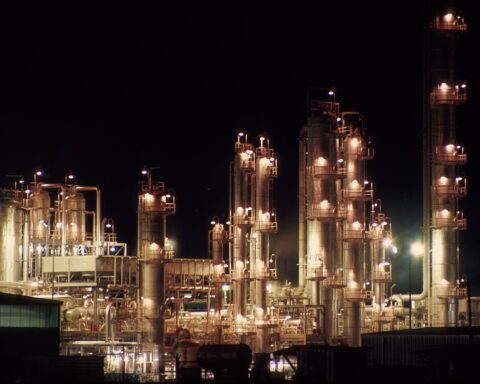
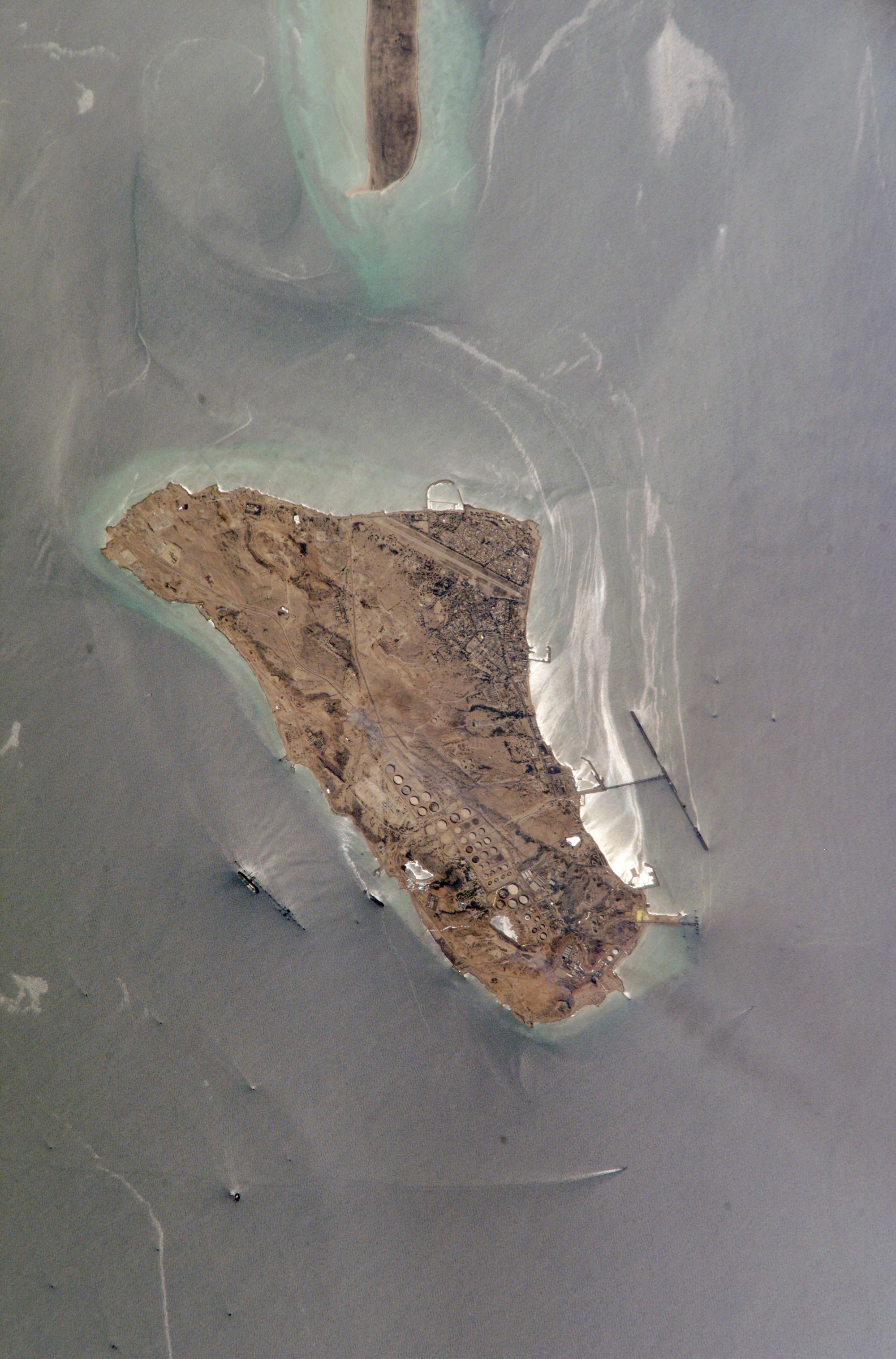
Behind the legal language, the physical reality at Iran’s main export terminal tells a more constrained story. Kpler, the commodity data firm, reported that about 20 tankers were stationed near Kharg Island with their tracking transponders off, most of them loaded but stationary, and only one had been observed moving as of November 20. Senior Kpler analyst Homayoun Falakshahi told Radio Farda that “it is still too early to say that Iran has taken serious action to break the naval blockade.”
The IRGC-affiliated Fars news agency published a column on November 19 making the case for a declared convoy of oil tankers to sail through the American cordon, warning that an attack on Iranian vessels could bring retaliation against oil facilities in Qatar, Saudi Arabia, and the UAE, as RFE/RL reported. IRGC spokesman Hossein Mohebbi said the same day, in statements reported by Iranian media, that “we will not allow the continued naval, land, and air blockade imposed on our country,” while hard-liner lawmakers echoed the message — Ebrahim Azizi, chairman of parliament’s national security committee, wrote that Iran “cannot be blockaded,” and commentator Ruhollah Jomei described what he called “the Islamic republic’s decision to load crude oil and dispatch a tanker to China.”
No Iranian official body has formally announced a convoy, and Baqaei’s dismissal of the reports as “speculation” on Monday was the clearest signal yet that the Foreign Ministry regards the convoy talk as pressure rather than policy. Hamidreza Azizi of the International Crisis Group framed the dilemma Tehran faces: if a tanker gets through, the blockade loses credibility, but if American forces stop or strike it, Tehran gains a pretext for retaliation. Iran, he told RFE/RL, was seeking “to take the military initiative while leaving Washington with the responsibility for triggering the next escalation.”
Araghchi’s Dead Deal and Open Door
Baqaei’s briefing followed by roughly 24 hours the most direct diplomatic signal Tehran has sent since the blockade was reimposed in July. On Sunday, Foreign Minister Abbas Araghchi declared the Islamabad Memorandum of Understanding — the Pakistani-brokered deal signed in June that provided for a halt to military operations, the lifting of the US blockade, Iranian arrangements for the Strait of Hormuz, a path toward sanctions relief, and a $300 billion reconstruction framework — “no longer on the table,” citing US aerial strikes and the reimposition of the naval blockade as violations.
“What is the point of reaching an agreement today if it is violated two months later and war resumes?”
Abbas Araghchi, Iranian Foreign Minister, November 19 (interview with Iran newspaper, via Al Jazeera)
Araghchi proposed what he called Iran’s “Seven Conditions” as a replacement, folding the MOU’s original commitments into a broader set of demands that includes lifting sanctions imposed since July, and said the seven-day Hormuz reopening timeline from the original deal could be shortened if conditions were met. The pattern — kill the old deal, propose a new one — is consistent with what analysts describe as escalate-to-negotiate diplomacy, in which Tehran raises the cost of American enforcement while keeping a negotiated exit within reach.
His conditions for further talks through Qatari mediators included ending the war on all fronts, unfreezing Iranian assets, lifting oil sanctions, and ending the blockade. “As long as Iran’s demands are not met,” he said, according to CBS News, “the discussion on the Strait of Hormuz and its opening is pointless.” A Qatari delegation held talks in Tehran, according to Iranian state media, though no outcome was announced.
The Blockade in Numbers
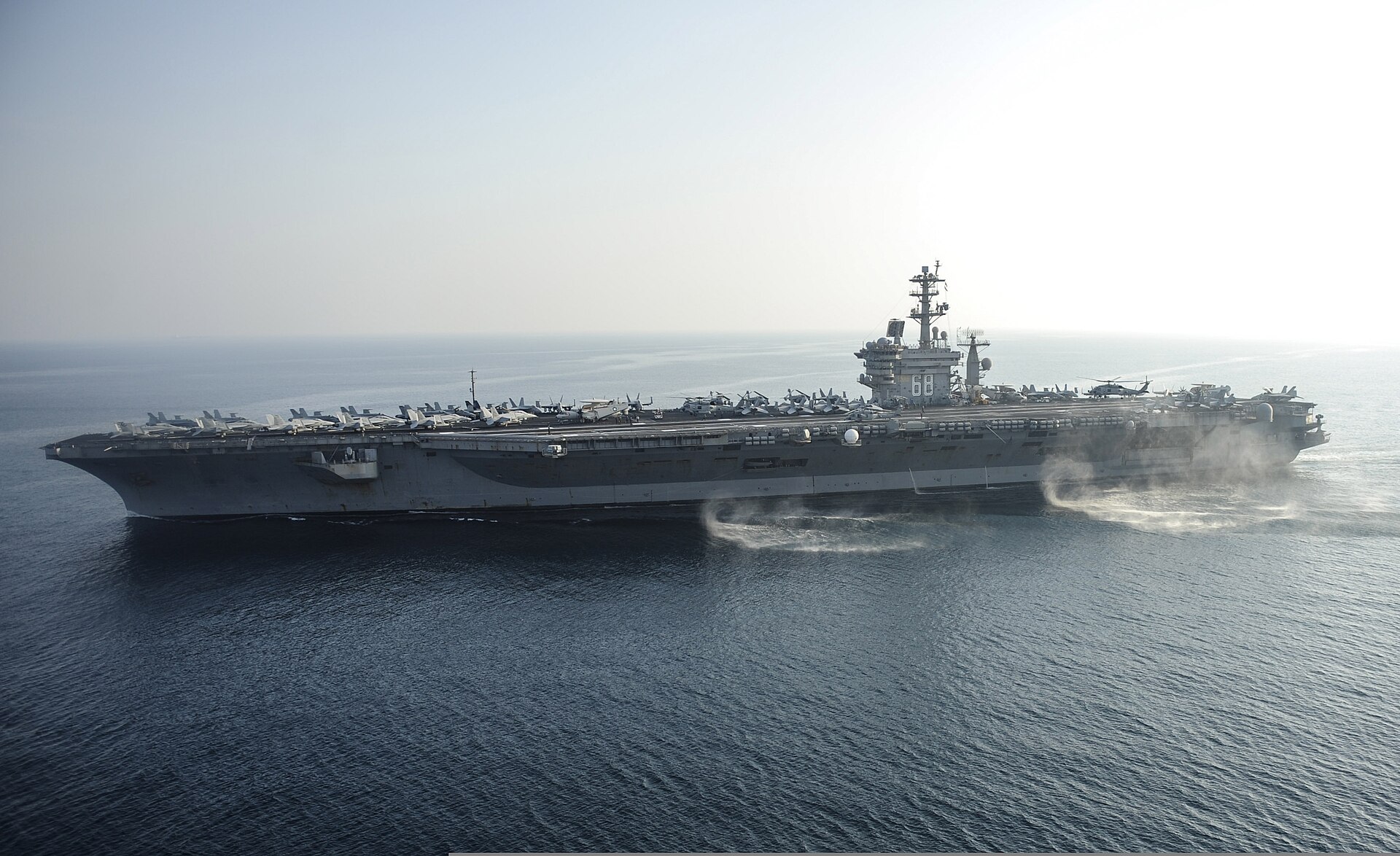
CENTCOM said on November 14 that its forces had redirected 150 ships and disabled 5 since the blockade was reimposed on July 14, while facilitating the passage of more than 1.7 billion barrels of crude oil from Gulf partners through the Strait of Hormuz under American naval protection, according to Shafaq News, citing CENTCOM’s posts. About 4,000 commercial vessels have crossed the strait with US support in that period, and Hormuz oil flows stood at roughly 10 million barrels per day as of November 21 — against a pre-conflict baseline of 138 ships per day tracked by the JMIC.
The economic pressure on Iran is approaching a threshold that may force a decision one way or another. Kpler reported that Iranian oil on the water outside the blockade zone — crude already loaded and in transit before July 14 — peaked at 88.8 million barrels the day the blockade was reimposed and fell to zero by mid-October, as the last cargoes were discharged in China, according to RFE/RL. Another 43 million barrels remain stranded inside the blockade area, and because buyers of Iranian crude typically settle payments one to two months after delivery, Kpler projects that Tehran’s export revenue will approach zero by mid-December — which the firm described as a first in the country’s history.
| Metric | Figure | Source |
|---|---|---|
| Ships redirected since July 14 | 150 | CENTCOM via Shafaq News, Nov 14 |
| Ships disabled | 5 | CENTCOM via Shafaq News, Nov 14 |
| Vessels transited with US protection | ~4,000 | CENTCOM via Shafaq News, Nov 14 |
| Crude oil transited under US protection | 1.7 billion+ barrels | CENTCOM post, Nov 14 |
| Iranian oil on water outside blockade zone | 0 barrels (as of mid-Oct) | Kpler via RFE/RL, Nov 20 |
| Iranian crude stranded inside blockade zone | 43 million barrels | Kpler via RFE/RL, Nov 20 |
| Tankers near Kharg Island (transponders off) | ~20 | Kpler via RFE/RL, Nov 20 |
| Daily blockade enforcement cost (US) | ~$32.5 million | Sen. Warren; confirmed by Acting Navy Sec. Hung Cao |
| Total US cost of Iran operations (to Nov 13) | $48.3 billion | Pentagon via RFE/RL, Nov 20 |
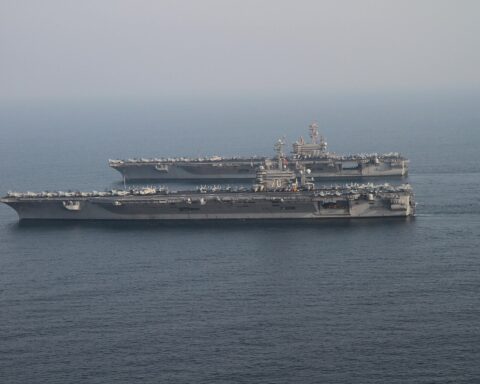
The blockade costs Washington, too. Senator Elizabeth Warren cited independent estimates of about $32.5 million per day to maintain the naval cordon, a figure confirmed by Acting Navy Secretary Hung Cao, while the Pentagon put the total cost of Iran-related military operations at $48.3 billion as of November 13, excluding damage to US bases, according to RFE/RL. Bloomberg reported that the operation ties up more than 30 percent of US Navy warships.
Mostafa Najafi, an adviser to SNSC Secretary Mohsen Rezaei, said Supreme Leader Mojtaba Khamenei had ordered an end to the “neither war nor peace” situation and that “the military option is also on the agenda,” according to Iran International. IRGC Commander-in-Chief Ahmad Vahidi said “part of a great battle” was behind Iran and “part of it lies ahead.” President Trump, for his part, posted on Truth Social on Sunday that Iranian missiles and drones had “done no damage,” and told Fox News he wanted a “permanent” deal — adding that Iranian officials had been “very, very difficult” because “we make a deal and then they break the deal the next day.”
What “All Available Means” Leaves Open
The phrase is by design one that includes everything and commits to nothing — it covers diplomatic initiatives, legal filings, IRGC operations in the Strait, tanker convoys, and negotiated settlements with equal grammatical comfort. Iran’s judiciary announced on Monday that it had secured $290 billion in domestic court rulings against the United States, according to CBS News, with Hassan Abdolianpour — head of the judiciary’s centre for lawyers — saying that some compensation would be settled through the seizure of US-linked commercial ships.
At Kharg Island, about 20 tankers sat loaded and stationary with their transponders dark, their crude worth nothing if it cannot reach a Chinese refinery and worth a confrontation with the US Fifth Fleet if it tries. Kpler’s Falakshahi told Radio Farda: “I think we have to wait for the next few days and see whether more tankers try to move.”
Frequently Asked Questions
Has Iran officially announced a tanker convoy to break the blockade?
No. IRGC-affiliated media and hard-liner commentators have advocated for a declared convoy from Kharg Island, and Kpler has tracked about 20 tankers stationed near the terminal with their transponders off, but no official body has announced an operation. Baqaei dismissed the convoy reports as “speculation” on November 23. The gap between the media campaign and official policy is itself part of Tehran’s signalling strategy, designed to raise the perceived cost of the blockade without committing to a confrontation that the IRGC’s own naval capabilities may not survive.
How much is the US naval blockade costing both sides?
The direct enforcement cost has been estimated at about $32.5 million per day, a figure Senator Elizabeth Warren cited and Acting Navy Secretary Hung Cao confirmed, with the Pentagon’s total bill for Iran-related military operations standing at $48.3 billion as of November 13. Bloomberg reported the operation ties up more than 30 percent of US Navy warships. For Iran, Kpler has estimated the daily revenue loss at $200 million to $250 million in forgone oil exports — roughly six to eight times what Washington spends to enforce the cordon.
What is Iran’s “Seven Conditions” proposal?
Foreign Minister Araghchi proposed the framework on November 22, the same day he declared the Islamabad MOU dead. It folds the original MOU commitments — a halt to military operations, lifting the blockade, Hormuz transit arrangements, and a sanctions path — into a broader set of demands that includes reversing sanctions imposed since July. Araghchi said the seven-day Hormuz reopening timeline from the original deal could be shortened if conditions were met, though he did not specify by whom the conditions would be verified or what mechanism would prevent a repeat collapse.
What has the US said in response to Iran’s threat?
Trump posted on Truth Social on November 22 that Iranian missiles and drones had “done no damage,” and told Fox News he wanted a “permanent” deal that would prevent future presidents from allowing Iran to obtain nuclear weapons. He had previously warned that Iranian ships attempting to break the blockade would end up “at the bottom of the sea,” according to CBS News. CENTCOM has not issued a specific statement in response to Baqaei’s Monday remarks, though Trump has claimed full US control of Hormuz in recent weeks.
The House of Saud Daily Briefing
Saudi Arabia's news in 3 minutes, every morning. Free. See today's issue