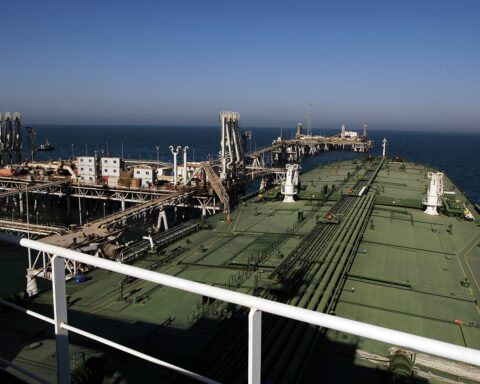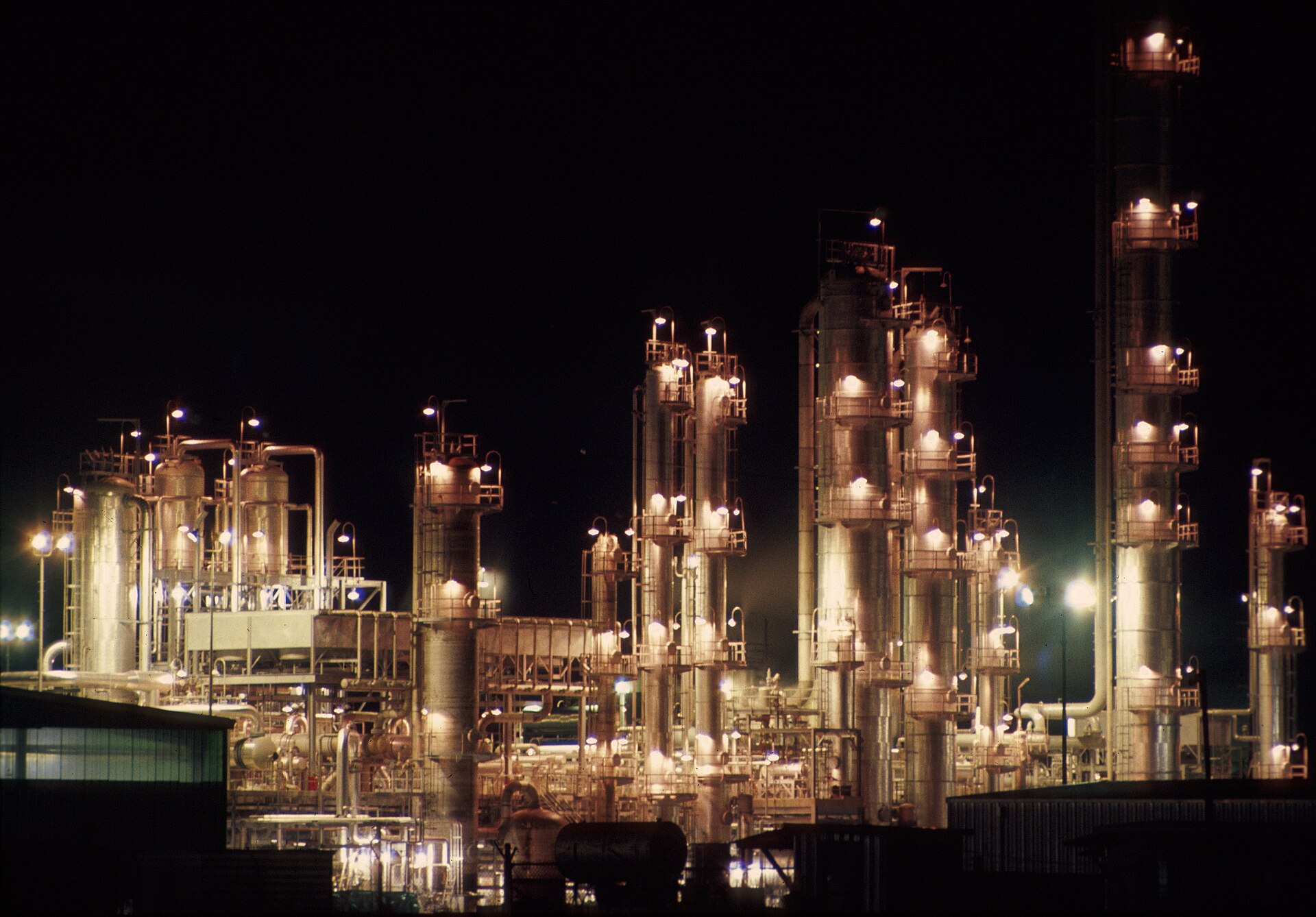

JEDDAH — Houthi military spokesman Yahya Saree claimed on Sunday that Houthi forces scored a “direct hit” on the Rabigh oil refinery, a 400,000-barrel-per-day integrated refining and petrochemical complex on Saudi Arabia’s Red Sea coast approximately 165 kilometers north of Jeddah. Saudi authorities have not confirmed any damage to the facility, and Aramco, PetroRabigh’s majority owner, has issued no statement on the plant’s operational status, maintaining a pattern of silence on refinery damage claims that Reuters said has held across multiple October and November Houthi attacks.
The claim, if validated, would represent a strike on one of the last major Saudi downstream assets to have avoided confirmed damage since the Iran-Saudi war began in February 2026. PetroRabigh’s Red Sea location has shielded it from the Strait of Hormuz disruption that has hammered eastern facilities — in the second quarter alone, it and its Red Sea peer Yansab significantly outperformed Gulf-facing petrochemical peers, AGBI reported, while those operations posted widening losses. The Rabigh complex sits at the end of the same pipeline-to-tanker chain that Saudi Arabia has relied on since Iran first closed Hormuz in late February, making any confirmed damage there a threat to the kingdom’s primary energy workaround.
Table of Contents
What Did Saree Claim on November 22?
Saree’s post on X on Sunday described two operations. The first targeted the Rabigh oil refinery; the second targeted a radar installation in Wadi al-Dawasir, south of Riyadh, in what Saree called a “two-stage” operation that “successfully achieved its objective,” PressTV reported.
The House of Saud Daily Briefing
Saudi Arabia's news in 3 minutes, every morning. Free. See today's issue
Xinhua’s Sanaa bureau reported that Saree “provided no details about the weapons used or the extent of damage” in either operation. No munition type — ballistic missile, cruise missile, or drone — has been identified for the Rabigh claim by any source, a gap that makes independent assessment of the alleged strike impossible.
The framing split along predictable lines. Iranian state broadcaster PressTV described the operations as actions by “Yemen’s Armed Forces” carried out “in retaliation for the kingdom’s aggression against the Arab country,” without naming a weapon. Xinhua adopted neutral language, calling the attackers the “Houthi group” and noting the claims “could not be independently verified.”
The Coalition’s November 22 Interception Statement
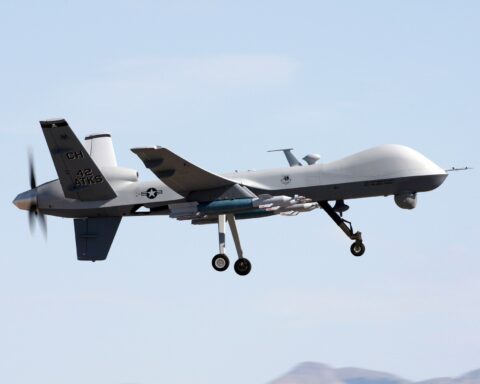
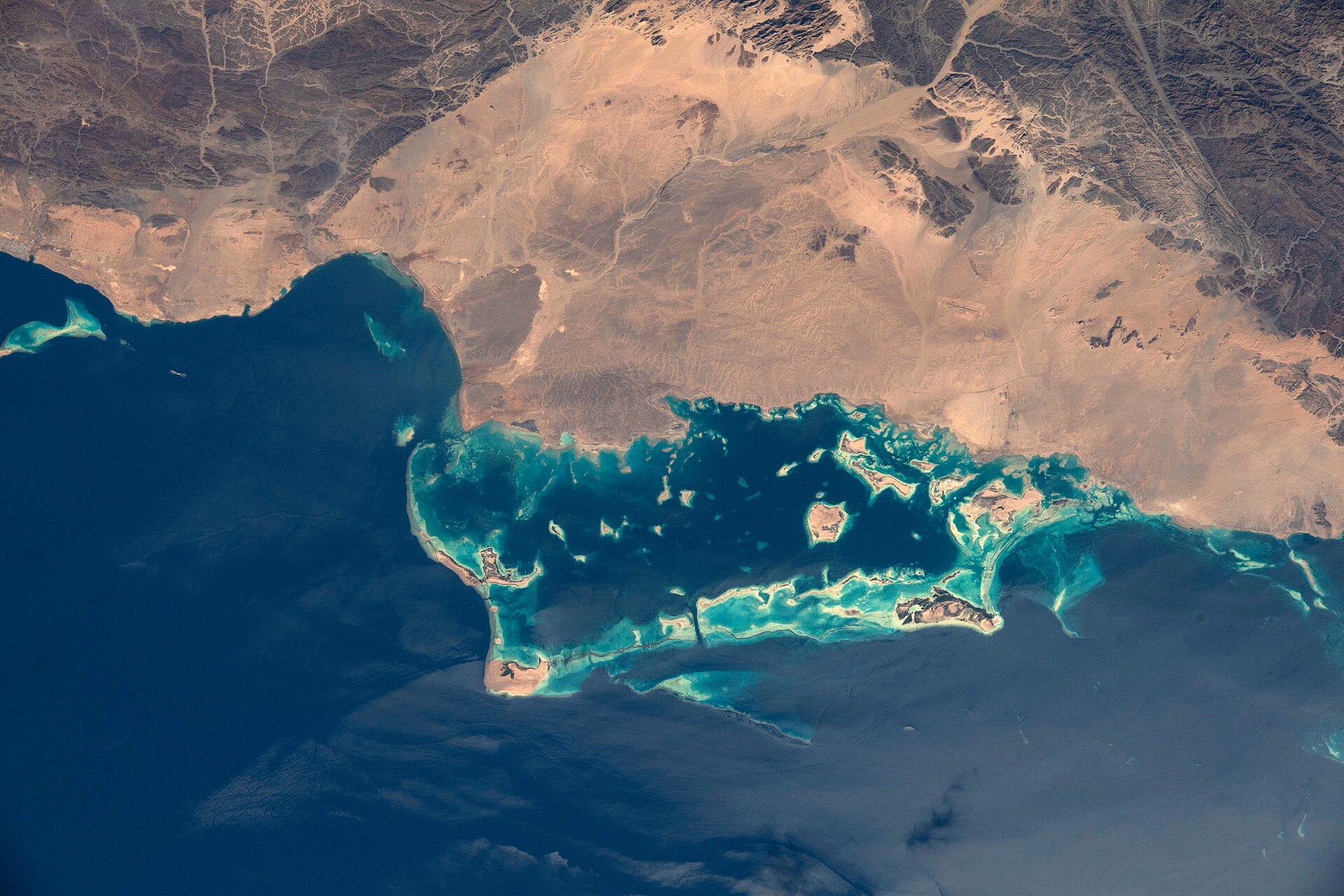
Saudi Arabia’s coalition announced separately on Sunday that it had intercepted a ballistic missile fired by the Houthis in “the west of the kingdom,” Al-Monitor reported, citing AFP. The coalition also said it destroyed two drones aimed at the Riyadh and southern regions on the same day. Earlier on November 22, the coalition had also intercepted a Houthi missile in the Mecca area.
The western-region interception is geographically consistent with the Rabigh area, but no Saudi source has explicitly linked the intercept to the refinery. That distinction matters: the coalition is not silent on November 22 — it announced the missile and drone intercepts. What Saudi authorities have not done is confirm that any projectile reached a refinery or caused damage. Reuters reported that Saudi Arabia has “not confirmed any attacks on refineries” across multiple October and November claims, a formula the wire service has repeated in several dispatches.
Aramco has issued no statement on PetroRabigh’s operational status. Japan’s Sumitomo Chemical, a minority shareholder in PetroRabigh, has also said nothing publicly about the facility since Saree’s post.
Why Does Rabigh Matter for the Hormuz Workaround?
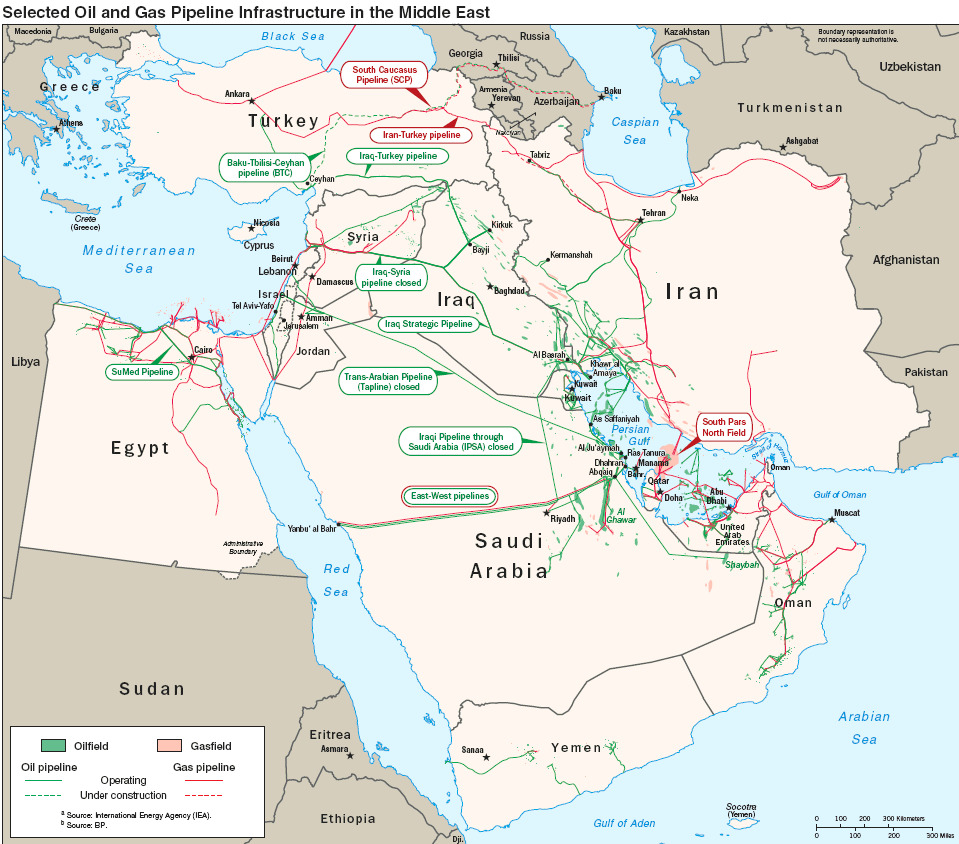
Since Iran first closed the Strait of Hormuz on February 28 and March 2–4, Saudi Arabia has relied on its East-West pipeline to move crude from the oil-rich Eastern Province to Red Sea terminals at Yanbu and Rabigh. That pipeline can carry up to 7 million barrels per day, with roughly 5 million exportable, according to Saudi Gazette via Zawya, citing Aramco. Yanbu exports approached 4 million barrels per day in March, shortly after the pivot west began, Reuters reported via The News. The pipeline has itself come under attack — Saudi Arabia suspended flows as a precaution from September 12 to September 22 after drone strikes, Saudi Gazette via Zawya reported — but the Red Sea coast terminals remained the functioning end of the route.
PetroRabigh sits at the end of that chain. The complex processes 400,000 barrels of crude daily and includes deep-water export facilities, according to Aramco’s project documentation — making it both a downstream processing hub and a crude loading point. In the second quarter of 2026, PetroRabigh and Yansab posted combined profits of $779 million, AGBI reported in a July analysis, a performance driven by their isolation from Hormuz shipping disruptions at a time when Gulf-facing peers were losing money. As November attacks have driven down crude flows through Hormuz, every functioning Red Sea terminal has grown more valuable to Riyadh’s export strategy.
The Foundation for Defense of Democracies argued in a July analysis published by the Algemeiner that the Houthis were targeting the Red Sea coast “to close that escape route” — referring to the Hormuz bypass strategy that has sustained Saudi oil revenue since February. The Armed Conflict Location and Event Data Project wrote in an August 2026 report that the Houthis had “carefully calibrated attacks on oil infrastructure to inflict economic damage and extract concessions from Saudi Arabia.” If confirmed damage narrowed Rabigh’s capacity, it would squeeze the pipeline-to-tanker chain that has become Saudi Arabia’s economic lifeline.
Saudi authorities have not confirmed any attacks on refineries.
Reuters, November 22, 2026
Have Any Rabigh Claims Been Independently Confirmed?
Saree has named Rabigh in multiple claims during October and November. On October 25, the Houthis claimed strikes on the Rabigh refinery and the East-West pipeline; the coalition said it intercepted two ballistic missiles from that wave, but Saudi Arabia did not confirm damage to the refinery. On October 29, Saree named Rabigh as one target in a six-operation barrage that also included Ras Tanura, Abqaiq, King Khalid International Airport in Riyadh, King Fahd International Airport in Dammam, and a Najran military headquarters. Al Jazeera reported it found “no independent corroboration” of the claims.
Before 2026, the last time the Rabigh refinery came under fire was in March 2022, according to OilPrice. The years-long gap between that date and the current war means verifiable baseline damage assessments at Rabigh are thin, and there is no independent confirmation that any Houthi projectile has reached the facility during the present conflict.
Two unverified open-source intelligence accounts circulated imagery on November 22 that they attributed to the Rabigh facility. The account @HormuzLetter posted what it described as satellite imagery showing “a black smoke plume roughly 80 km trailing away from the site” with “the fire centred on the oil storage tanks.” A second account, OSINT613, described “a fire of about 410 MW detected by the MTG-I1 satellite, with a thick black plume visible,” but added that “independent confirmation that a Houthi attack caused this blaze is still needed.” Neither account’s claims have been verified by any news wire, government source, or credible industry monitor.
Saudi Refinery Damage in 2026
The 2026 conflict has hit Saudi refining capacity in ways that were once considered remote scenarios. The timeline of confirmed refinery incidents — incidents where either a Saudi government body, a facility operator, or a credible industry monitor acknowledged damage — provides the context against which the Rabigh claim must be measured.
| Date | Facility | Capacity | What Happened | Source |
|---|---|---|---|---|
| March 2 | Ras Tanura | — | Drones caused fire | Euronews; Maritime Executive |
| March 19 | SAMREF, Yanbu | — | Drone hit refinery, loadings paused briefly | Marine Insight |
| April 7–8 | SATORP, Jubail | 465,000 bpd | Overnight attacks closed refinery | TotalEnergies; The New Arab |
| July 27 | Jazan refinery | 400,000 bpd | Strike shut facility; restart delayed to Aug 30 | IIR; Hydrocarbon Processing |
| Aug 9 | Jazan refinery | 400,000 bpd | Second strike; fire extinguished, no injuries | Al-Monitor/Reuters |
| Sept 12–22 | East-West pipeline | ~7 million bpd | Precautionary suspension after drone strikes | Saudi Gazette via Zawya |
Each entry on this list involved a confirmation from Saudi authorities, the facility operator, or an industry body like IIR. The Jazan refinery — another 400,000-barrel-per-day facility — was shut for more than a month after the July 27 strike, with the restart pushed to August 30, according to Hydrocarbon Processing. A second Houthi attack hit Jazan on August 9; the energy ministry confirmed a fire was extinguished with no injuries, Al-Monitor reported, citing Reuters. Aramco CEO Amin Nasser told Saudi Gazette via Zawya in September that disruptions typically last “days, not weeks or months,” a statement that preceded the September pipeline suspension by days.
The earlier strikes established that Saudi Red Sea coast facilities are within range. A drone hit the SAMREF refinery — the Aramco-ExxonMobil joint venture at Yanbu — on March 19, briefly disrupting Red Sea loadings, according to Marine Insight. Coalition strikes on Hodeidah in November have been framed in part as an attempt to degrade the Houthi launch infrastructure responsible for these Red Sea coast attacks.
The Rabigh claim on November 22 stands apart precisely because none of the confirmations that accompanied those earlier incidents exist here. No Saudi government body has acknowledged damage, no operator has reported a disruption, and no industry monitor has flagged an outage at PetroRabigh.
Background
The Houthis have expanded their target set over the course of 2026, moving from eastern oil facilities and airports to the Red Sea coast infrastructure that became Saudi Arabia’s fallback when Hormuz was disrupted. Reuters reported on November 22 that “the Houthis have repeatedly claimed attacks on Saudi energy infrastructure in recent months, including the East-West oil pipeline and refineries in Jazan in the south and Ras Tanura in the Eastern Province.”
Saudi Arabia’s coalition has been conducting counter-strikes simultaneously. The coalition struck Hodeidah on November 20 after warning the Houthis, who responded by threatening Jeddah port. On November 22 alone, the coalition announced a missile interception in the western region, two drone destructions, and earlier that day intercepted a Houthi missile near Mecca. Bahrain filed a UN letter on November 21 and Saudi Arabia warned Iran after a strike — the tempo on both sides has remained high throughout November.
Aramco completed its acquisition of an additional 22.5 percent stake in PetroRabigh from Sumitomo Chemical on October 9, 2025, paying $702 million, according to Aramco’s press release and the Oil and Gas Journal. The deal raised Aramco’s holding to roughly 60 percent; Sumitomo retained about 15 percent, with the remainder held by public shareholders. No ownership changes have occurred since.
Frequently Asked Questions
What weapon did the Houthis say they used to strike Rabigh on November 22?
Saree’s post on X did not specify the weapon type. His October 29 claim against Rabigh explicitly named a ballistic missile, according to Al Jazeera — making the November 22 omission notable, since ballistic trajectories are harder to dispute than claims involving drones or cruise missiles. Without a specified munition, independent analysts cannot assess whether the claimed strike was plausible given the facility’s radar and air-defense coverage, nor whether the coalition’s simultaneous interception of a ballistic missile in “the west of the kingdom” on the same day is consistent with the Rabigh claim or unrelated to it.
How does PetroRabigh’s capacity compare to other Saudi refineries hit in 2026?
By throughput, PetroRabigh’s 400,000-barrel-per-day capacity matches the Jazan facility confirmed shut by Houthis in July 2026, and falls slightly below SATORP at Jubail, which ran at 465,000 barrels per day before its April 2026 closure. The more significant difference is functional: PetroRabigh combines the refinery with deep-water crude export terminals on the Red Sea, making it both a processing hub and a tanker-loading point in the pipeline-to-tanker chain. Jazan and SATORP do not serve that dual export role, which makes Rabigh uniquely positioned — and uniquely exposed — in the Hormuz bypass strategy.
Has Aramco commented on Rabigh’s operational status since November 22?
As of November 22, Aramco has not issued any public statement on PetroRabigh’s status following Saree’s claim. Sumitomo Chemical has also not commented. Each confirmed refinery incident detailed earlier — SATORP, Jazan, SAMREF — eventually produced a public acknowledgment from the operator or Saudi energy authorities: TotalEnergies disclosed the SATORP closure, independent monitors at IIR tracked the Jazan shutdown, and Aramco CEO Amin Nasser addressed the East-West pipeline suspension publicly in September. The absence of any equivalent acknowledgment for the November 22 Rabigh claim is consistent with how Saudi energy companies have handled strikes they cannot independently verify.
When was Rabigh last confirmed hit before 2026?
The last time the refinery came under fire before 2026 was in March 2022, according to OilPrice. The four-year gap before the current conflict means analysts assessing imagery have limited recent reference points for what normal and damaged Rabigh infrastructure looks like. During the current war, Rabigh has appeared in at least three distinct Houthi claims — October 25, October 29, and November 22 — none of which produced a Saudi confirmation of damage. That progression tracks with the broader Houthi pattern of repeating unconfirmed claims against high-value facilities over successive weeks before or after a confirmed strike elsewhere.
The House of Saud Daily Briefing
Saudi Arabia's news in 3 minutes, every morning. Free. See today's issue