
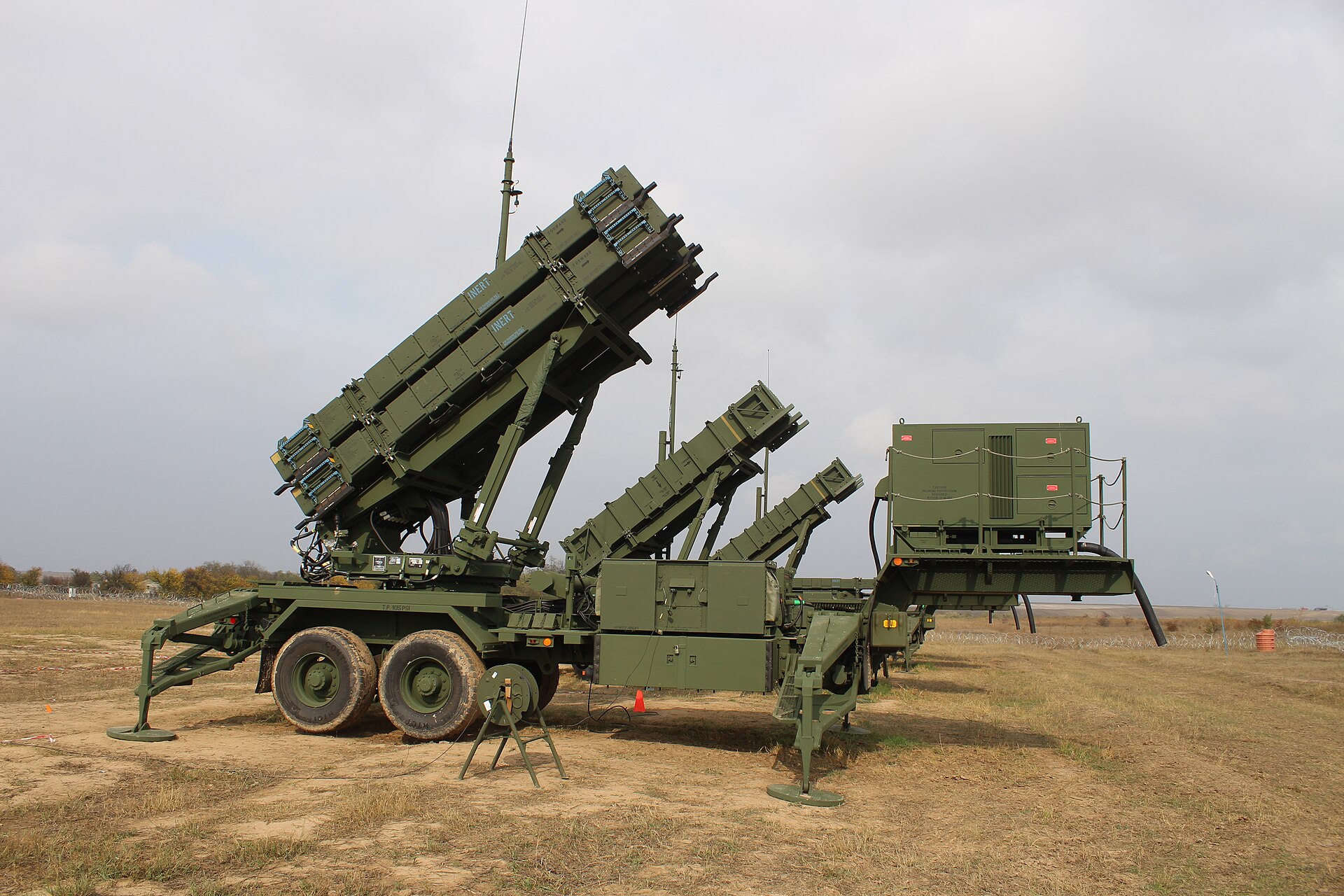
MANAMA — Iran’s Revolutionary Guard struck Bahrain’s Sitra Island on Saturday night and claimed it destroyed two American Patriot air-defence radars at US military bases, AFP reported on Sunday. Bahrain’s interior ministry rejected the claim within hours, saying the target was a civilian industrial facility where a fire wounded two people. The IRGC named the operation “Ya Umm al-Banin” and said it used a combined missile and drone attack. Iran released footage of drone launches but no impact footage of any radar system, TRT World noted.
The dispute over what was actually hit determines whether Iran attacked American military hardware or Bahraini civilian infrastructure. The first would implicate Washington’s bilateral security arrangement with Bahrain directly; the second falls under the Makkah Pact collective-defence framework. Separately, tankers were reported struck or mined in the Strait of Hormuz over the same weekend, with conflicting accounts from British and Iranian authorities on what actually happened.
The House of Saud Daily Briefing
Saudi Arabia's news in 3 minutes, every morning. Free. See today's issue
Table of Contents
What Did Iran Actually Hit?
Bahrain’s interior ministry posted on X that “as a result of the heinous Iranian aggression, a civilian industrial facility was targeted, causing a fire at the site” and that “civil defence is working to bring the fire under control,” AFP reported via Al-Monitor. The ministry’s statement reported no injuries.
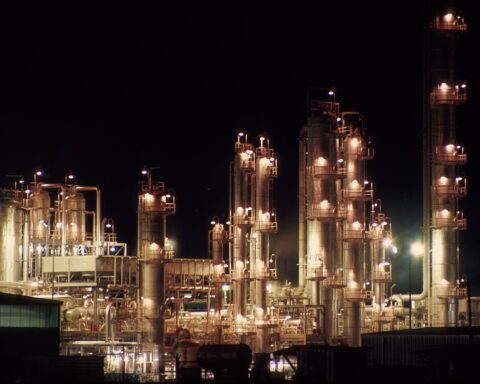
Two witnesses told AFP they saw smoke rising above Sitra Island, east of Manama, “which is home to several industrial facilities including a refinery run by state oil company Bapco.” AFP did not confirm that the Bapco refinery itself was struck, and no source has independently established the exact impact site at Sitra — a gap that leaves the most basic question about Saturday night’s attack unanswered.
The IRGC’s version is entirely different. In a statement carried by Iranian state media and reported by AFP, the Guard said it had struck US military positions “at the Al-Riffa and Awali bases in Bahrain” and that “two radars belonging to the US Army’s Patriot air defense systems… were struck,” Mehr News Agency reported. The stated trigger was that “two US MQ-1 and MQ-9 drones violated Iranian airspace,” according to Mehr, and that any further violation would be met with a “harsh and decisive response.”
Saudi Arabia’s foreign minister posted on X “the strongest condemnation and denunciation… of the criminal Iranian attacks against a civilian industrial facility in the brotherly Kingdom of Bahrain,” AFP reported. That language explicitly endorsed Bahrain’s characterisation of the target as civilian, not military, and implicitly rejected the IRGC’s claim without naming it — a diplomatic choice by the GCC’s most powerful member that signals which version of events the Gulf bloc intends to treat as operative.
Iran’s Contradictory Target Claims
The IRGC’s public statements about Saturday’s attack name four distinct facilities across two separate claims, an internal inconsistency that neither Iranian state media nor the Guard has addressed. The first statement, carried by Mehr News Agency and AFP, identified the targets as “the Al-Riffa and Awali bases in Bahrain.” A second statement, cited by TRT World via AFP and other agencies, said the IRGC had “attacked two US bases, Sheikh Isa and Juffair, on the island of Bahrain” — a completely different pair of targets for what Iran presented as a single combined operation.
These are not interchangeable locations. Al-Rifaa is a helicopter base. NSA Bahrain at Juffair is the headquarters of the US Navy’s Fifth Fleet. Sheikh Isa Air Base is a Bahraini airfield that hosts US aircraft on rotation. All three are separate facilities with different functions, different security profiles, and different locations on the island. Whether the IRGC struck all four, confused its own target list, or issued deliberately vague claims about a strike that hit none of them cannot be determined from the available information, because Iran published no impact footage of any named facility, TRT World noted.
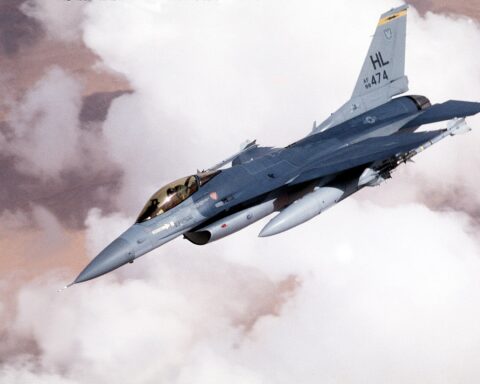
CENTCOM, which commands the US military assets Iran claims to have destroyed, had not issued a statement specifically addressing the Patriot radar claim as of Sunday evening. The command did deny a separate Iranian assertion from the same weekend — the Iranian Army’s claim that it had damaged a US F-16 fighter aircraft over the Gulf on November 21, which CENTCOM called categorically false: “Iran did not attack a US F-16 fighter aircraft yesterday — at all,” TRT World reported.
That CENTCOM publicly denied the F-16 claim but said nothing about the Patriot radar assertion is a gap in the record that invites a question the available evidence cannot answer. Either the Patriot claim is too operationally sensitive to address, too insignificant to warrant a response, or falls somewhere in between — and without independent verification or impact footage, the dispute rests on two contradictory Iranian statements against one Bahraini denial.
What Happened in the Strait of Hormuz?
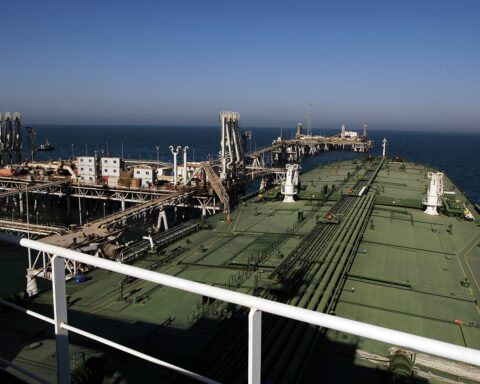
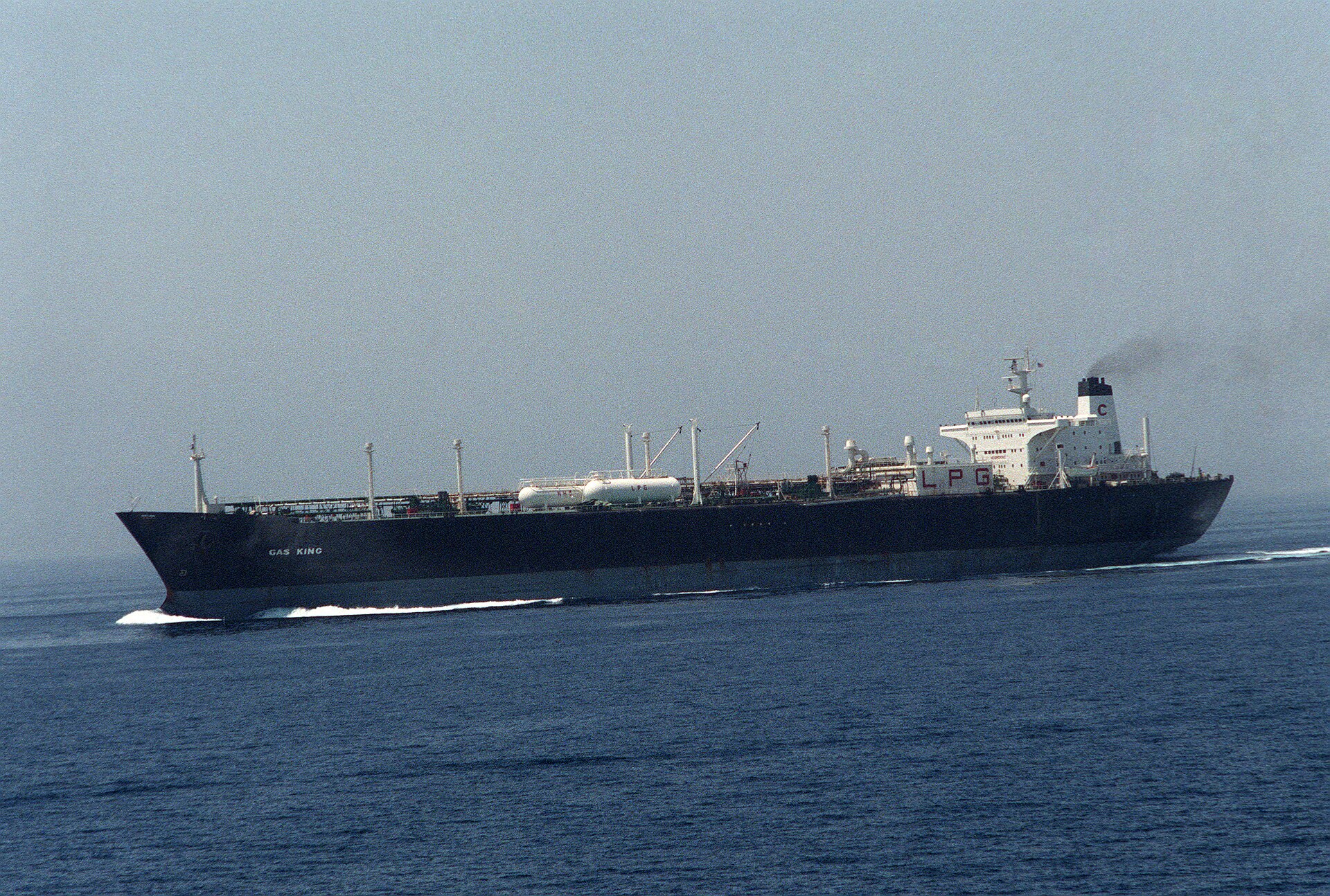
Two separate tanker incidents were reported in the Strait of Hormuz over the same weekend, though whether they describe the same events or different ones cannot be established from available reporting. On Saturday November 21, UKMTO — the British maritime authority that monitors Gulf shipping — reported two tankers struck: one hit on the stern by an “unknown projectile” while transiting Hormuz, and a second struck in its engine room, with “no reported casualties at this time,” France 24 reported citing AFP.
On Sunday evening, Iran’s Army Navy Public Relations Office reported that “two supertankers exploded and were immobilised after striking naval mines in east of the Strait of Hormuz,” according to Mehr News Agency. Iran’s Navy said the vessels had “entered the restricted area… with their navigation and identification systems turned off” and warned that owners and operators who “ignore warnings… will be directly responsible for the consequences,” Mehr reported.
The principal discrepancy between UKMTO’s account and Iran’s Navy reporting is the nature of the attack: UKMTO described projectile strikes on two vessels, while Iran’s Navy reported two supertankers striking mines. A projectile strike and a mine detonation are fundamentally different attack vectors, and no vessel names, flag states, or operator details have been published by any party — not by UKMTO, not by Iran, and not by the wire services, according to France 24, AFP, and Mehr News.
“As long as Iran’s demands are not met, the discussion on the Strait of Hormuz and its opening is pointless.”
Abbas Araghchi, Iranian Foreign Minister, to state television — France 24 with AFP, November 22, 2026
Deputy Foreign Minister Kazem Gharibabadi, cited by Tasnim via France 24, said Iran “consider[s] the economic blockade an act of war and we will take all necessary measures to lift it,” and confirmed that a Qatari delegation had visited Tehran and “held two hours of talks.” The declared death of the Islamabad MOU earlier the same day — Araghchi’s statement that the framework was finished — leaves Qatar’s channel as one of the few remaining diplomatic tracks between Iran and the broader Gulf security architecture.
Does the Strike Trigger the Makkah Pact?
The Makkah Pact — the collective-defence agreement between GCC states, Turkey, and Pakistan — was designed for attacks of exactly this kind. Turkey’s parliament ratified it on November 5 by a vote of 279 to 119, according to Anadolu Agency, and Pakistan ratified on October 23. No GCC member had formally invoked its collective-defence clauses in response to Saturday’s strike as of Sunday evening.
The target dispute is directly relevant because an Iranian attack on US military equipment falls primarily within Washington’s bilateral security obligations, while an attack on Bahraini civilian infrastructure falls more cleanly under the Makkah Pact’s mutual-defence provisions. Giorgio Cafiero, writing for Al-Monitor, argued that Iran is seeking to “raise the costs of its confrontation with Washington while testing Gulf states’ confidence in US security guarantees,” and that Bahrain’s “close military alliance with Washington explains why Iran has repeatedly targeted the country since Feb. 28.”
Bahrain has already filed a letter with the UN Security Council, and Saudi Arabia has warned Iran in the wake of the November 21 strikes. The GCC approved a forward command headquarters in Kuwait earlier this month, described as addressing gaps in regional defence coordination exposed by Iranian attacks, Al-Monitor’s Andrea Schiavi reported. But the distance between building coordination infrastructure and invoking collective defence remains wide, and Saturday’s contested strike — where even the target is in dispute — has not narrowed it.
Bahrain Under Sustained Iranian Fire
Saturday’s strike was not an isolated event but the latest in a sustained campaign against Bahrain that has escalated since the conflict began on February 28, 2026. Iranian strikes on the island kingdom resumed on November 13 after a lull that stretched back to September, and the Gulf kingdom had suffered several attacks that week, France 24 reported.
The current wave has followed a compressed timeline: claimed attacks on US radar and base facilities from November 13 through November 18, when Bahrain said it intercepted incoming strikes, culminating in Saturday’s operation — the most explicit Iranian claim of the campaign, with a named operation, specified weapons systems, and a declared trigger. Each strike has generated a fresh cycle of contradictory claims from Tehran and denials from Bahrain, with no independent verification emerging before the next attack resets the narrative.
Iran targets Bahrain because it hosts the US Navy’s Fifth Fleet headquarters at NSA Juffair, along with US radar, surveillance, and early-warning systems that Tehran has named as “legitimate targets,” Cafiero reported for Al-Monitor. The pattern — first strikes in February, a September wave, then November’s sustained campaign — shows Iran treating the island kingdom as a pressure point where it can target American-linked assets without directly striking US territory, while maintaining the ambiguity of claiming military targets that Bahrain insists were civilian.
The broader regional violence of the same weekend — Houthi missiles intercepted near Mecca, coalition strikes on Hodeidah, mines in the strait — means the Bahrain strikes do not hold sustained international attention before the next escalation on another front displaces them. Gharibabadi confirmed via Tasnim that a Qatari delegation spent two hours in Tehran over the same days that Iranian drones and missiles struck Bahrain and mines immobilised tankers in Hormuz — what they discussed, and whether Sitra’s burning industrial facility featured in the conversation, has not been disclosed.
Frequently Asked Questions
Where is Sitra Island and why is it economically sensitive?
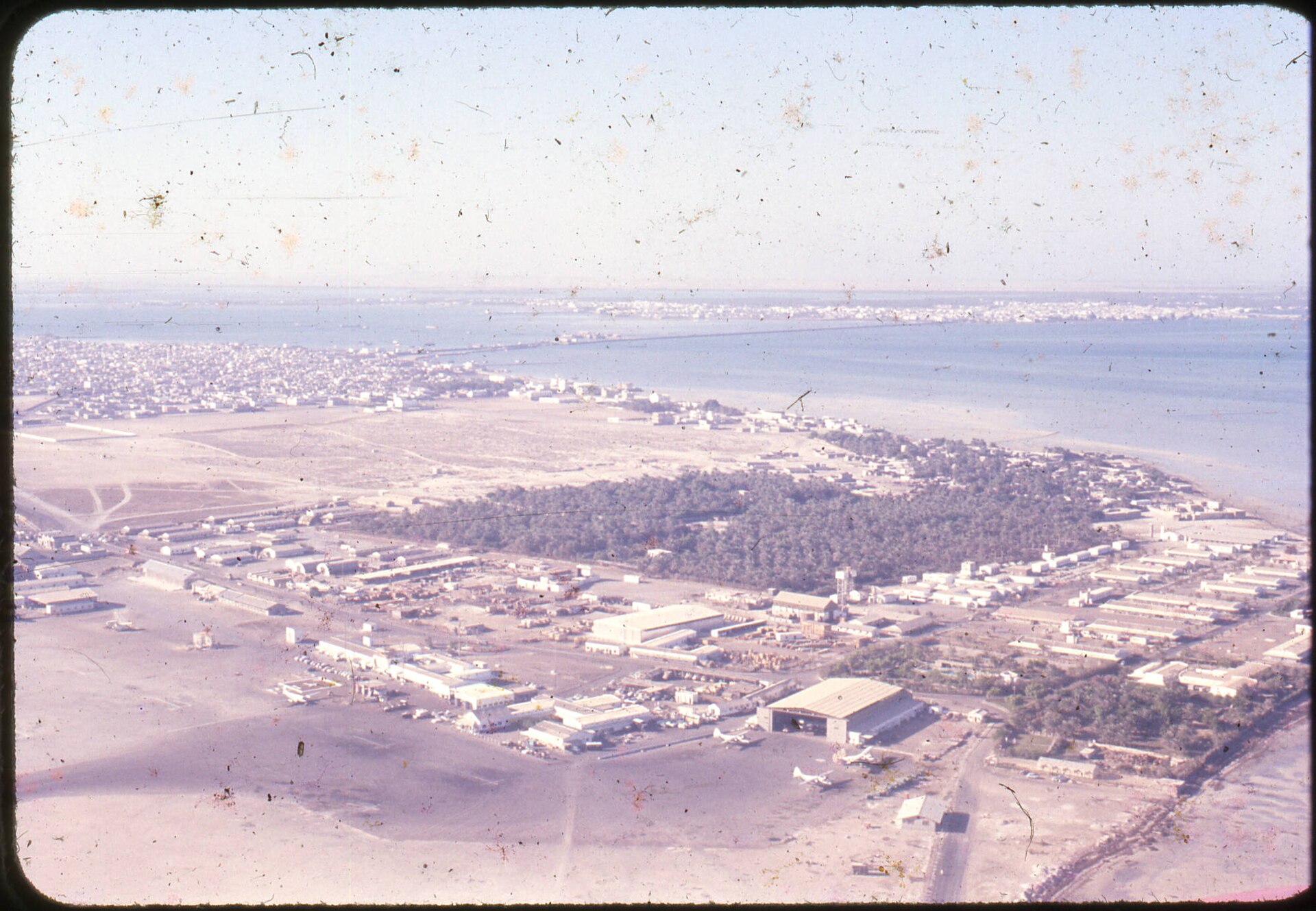
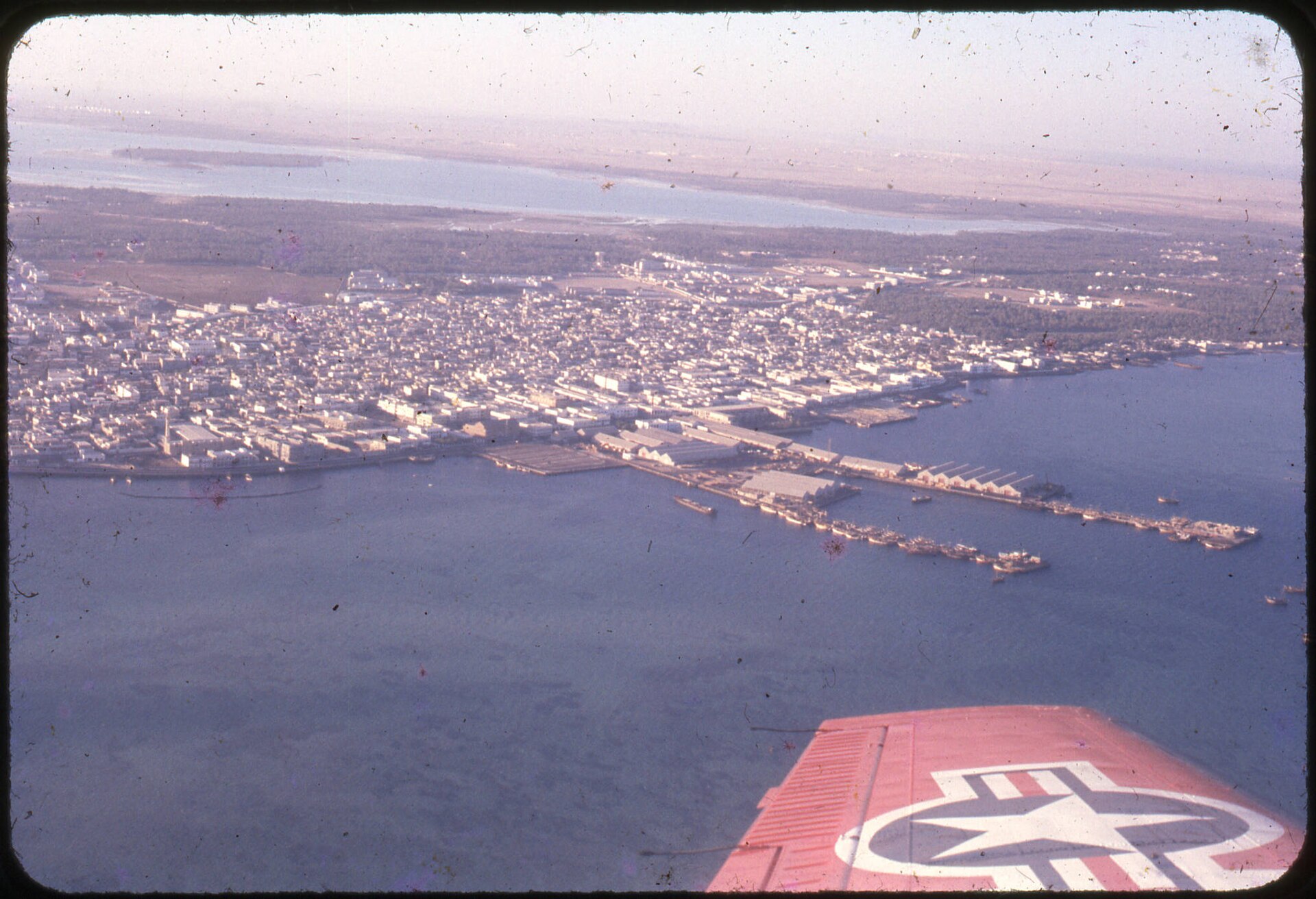
Sitra is a small island east of Manama connected by causeway, home to Bahrain’s primary oil refinery operated by state company Bapco, several petrochemical plants, and port infrastructure handling a large share of the country’s hydrocarbon exports. Any strike on the island threatens Bahrain’s core economic output — and the facility is geographically and functionally distinct from the US military installations at Juffair, Sheikh Isa, and Al-Rifaa.
What is a Patriot radar and why does its destruction matter?
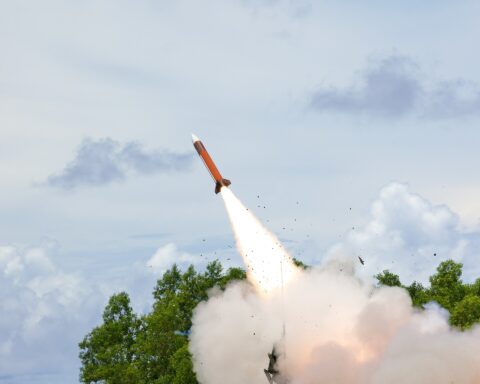
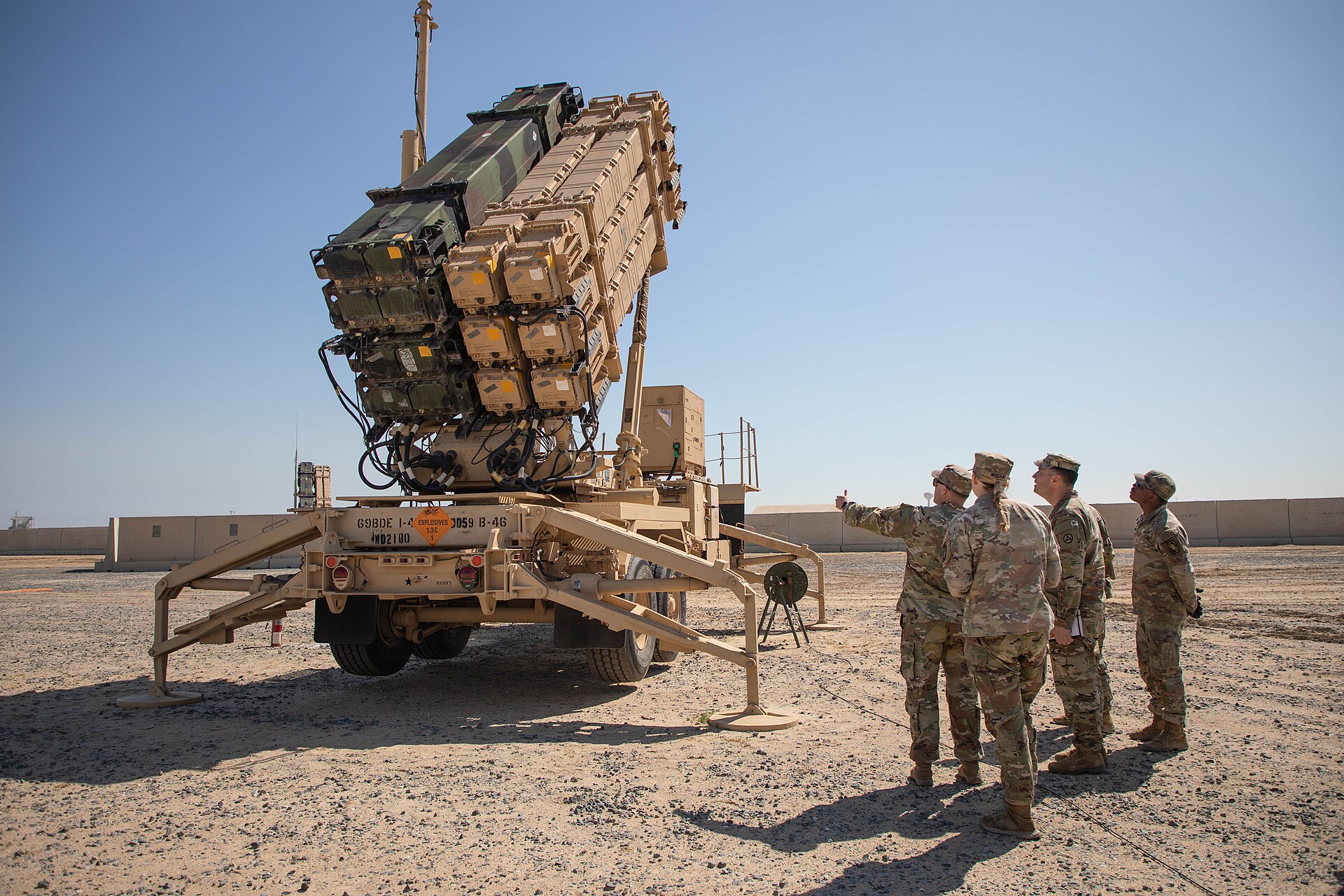
The Patriot system relies on its AN/MPQ-65 radar to detect and track incoming ballistic missiles, cruise missiles, and aircraft — without the radar, interceptor missiles cannot be guided, rendering the entire battery inoperative. If Iran actually destroyed two Patriot radars, it would degrade the air-defence shield protecting both Bahrain and the US Fifth Fleet, a capability gap that could take weeks to restore depending on replacement availability from Raytheon’s production line.
What does “Ya Umm al-Banin” mean?
The name refers to Fatimah bint Hizam al-Qilabiyya, a 7th-century figure revered in Shia Islam as the second wife of Imam Ali and mother of Abbas ibn Ali, who was martyred at Karbala. Iran routinely names military operations after Shia religious figures to frame them within a broader ideological narrative of resistance — a naming convention that serves domestic propaganda purposes and signals solidarity with Shia communities across the Gulf.
How many times has Iran struck Bahrain since February 2026?
Iran first attacked Bahrain on February 28, 2026, the day the broader conflict began, followed by a September wave and a renewed campaign from November 13 that has included at least three strikes in the week ending November 22. The precise total is impossible to verify because Iran and Bahrain routinely give different accounts of the same events, with the IRGC occasionally claiming operations that Bahrain does not acknowledge as separate incidents.
The House of Saud Daily Briefing
Saudi Arabia's news in 3 minutes, every morning. Free. See today's issue