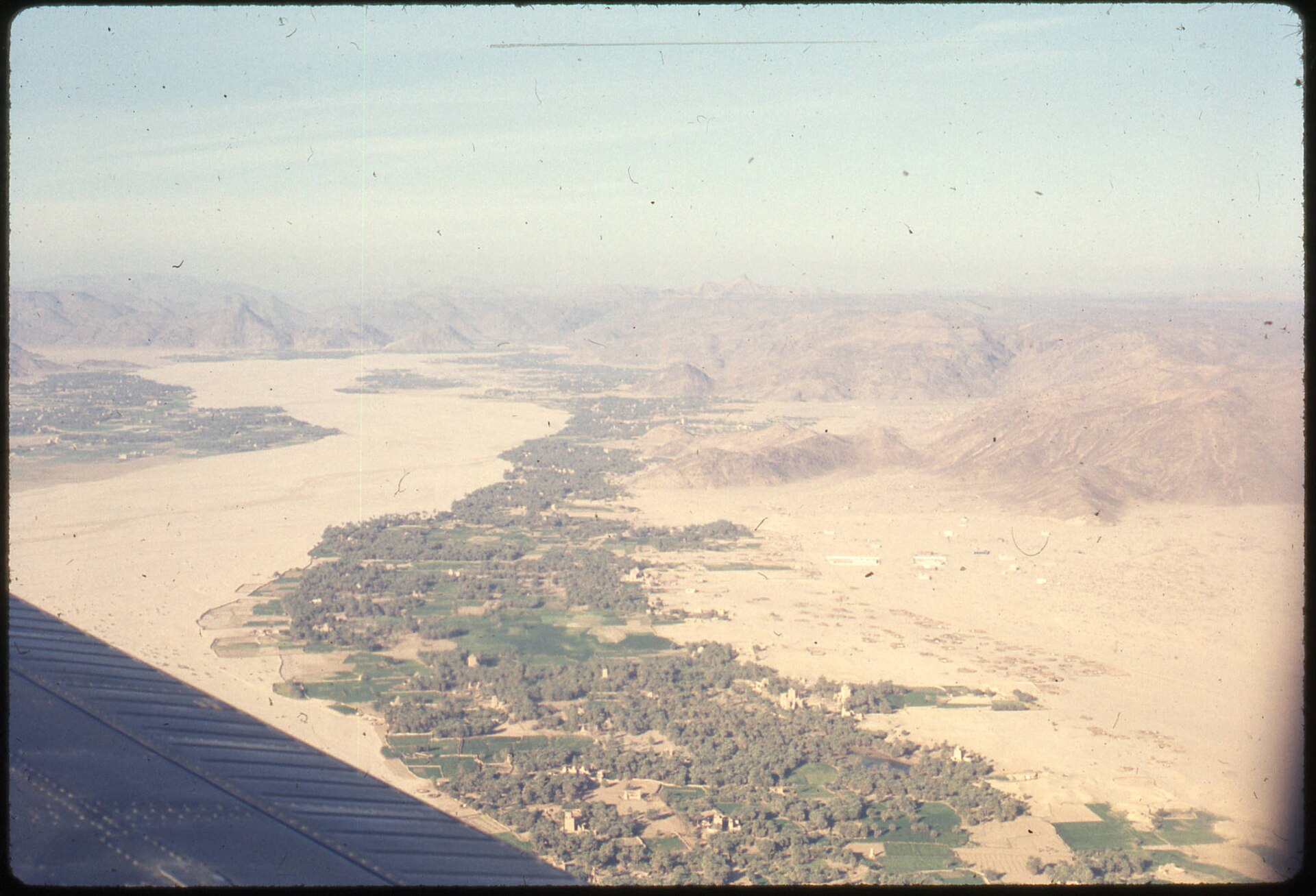

NAJRAN — A hostile projectile struck a residential neighbourhood in Najran on 18 October 2026, wounding six Saudi civilians, damaging three homes and three vehicles, and drawing no standalone headline from any major Western wire service. The attack — the third on Najran in seventeen days — captures a structural asymmetry in how the Houthi war against Saudi Arabia is reported: when missiles reach Riyadh’s airport, the world watches; when they hit Najran’s houses, the world does not.
Najran, a city of roughly 505,000 people on the Yemen border, has been absorbing projectiles since May 2015. Its schools have closed for shelling, its airport has shut under fire, and its homes have taken hits that killed and wounded civilians across more than a decade of war. The 18 October strike landed eight days after a Houthi attack on King Khalid International Airport killed 13 and wounded over 300 — a strike that drew intensive global coverage from Al Jazeera, BBC, AP, Reuters and CNN. The Najran attack received one paragraph inside an AFP dispatch carried by the Times of Israel. No standalone Reuters, BBC or Al Jazeera piece followed.
This article examines why Houthi targeting of the Saudi borderlands has become invisible, what the pattern of October 2026 reveals about the campaign’s geographic scope, and what that invisibility costs — in lives, in policy, and in the international community’s understanding of who this war is killing.
Table of Contents
- What Happened in Najran on 18 October?
- Why Has Najran Been Hit Three Times in Seventeen Days?
- How Long Has Najran Been Under Fire?
- Why Did the World Cover Riyadh’s Airport but Not Najran’s Homes?
- What Happened to the Saudi Helicopter Near Najran?
- Who Lives in the Line of Fire?
- What Does Invisibility Cost?
- How Close Can Foreign Citizens Get to the Border?
- Najran After the Truce
What Happened in Najran on 18 October?
Saudi Civil Defence reported that a hostile projectile struck a residential area in Najran city on the afternoon of Sunday, 18 October 2026. Six Saudi citizens were injured. Three homes and three vehicles sustained damage, according to the Saudi Press Agency report carried by Shafaq News and Arab Times Online (SPA via Shafaq News, 18 October 2026; Arab Times Online, 18 October 2026).
Civil Defence had issued “potential danger” alerts for Najran earlier that afternoon, before announcing the threat had passed (Aaj English, 19 October 2026). The alerts preceded the strike — a pattern that has repeated across months of Houthi escalation, in which civil defence warnings serve as the only public acknowledgement that an attack is expected.
The Middle East briefing 3,000+ readers start their day with.
One email. Every weekday morning. Free.
The weapon was described by Saudi authorities only as a “hostile projectile.” No official source identified it as a missile, a rocket or a drone. The severity of the six injuries was not specified; no report states whether those wounded were hospitalised or treated at the scene. The Saudi Civil Defence spokesman called the attack “a clear flagrant violation of international humanitarian law” (SPA via Shafaq News, 18 October 2026).
No Houthi claim was found for the 18 October residential strike specifically. The Houthis did claim, on the same day, to have shot down a Saudi coalition AH-6i helicopter near Najran — a separate incident addressed below.
Why Has Najran Been Hit Three Times in Seventeen Days?
The 18 October attack was the third strike on Najran in less than three weeks. Each targeted a different type of civilian infrastructure:
- 2 October: A Houthi projectile struck a school in Najran. Saudi authorities reported material damage and no casualties (SPA via QNA, 2 October 2026; Yeni Şafak, 2 October 2026).
- 5 October: Najran International Airport and King Abdullah bin Abdulaziz International Airport in Jazan were both attacked. GACA reported three minor injuries and material damage. The Houthis claimed both strikes (Gulf News, 6 October 2026; QNA, 6 October 2026).
- 18 October: The residential strike — six wounded, three homes and three vehicles damaged.
The targets moved from a school to an airport to a residential neighbourhood. The trajectory suggests that the Houthis are not distinguishing between military and civilian sites in the border region — or that they lack the guidance systems to do so and are firing into populated areas regardless.
This three-strike pattern coincides with the broader Houthi escalation that has moved northward since the collapse of the 2022 truce in July 2026. The Houthis shifted from border cities to strikes deep inside Saudi territory, reaching Riyadh’s airport by 19 September (Kathmandu Post/Reuters, 20 September 2026). But Najran never stopped being hit. The city that was under fire before the escalation remained under fire during it — even as the headlines moved north.
How Long Has Najran Been Under Fire?
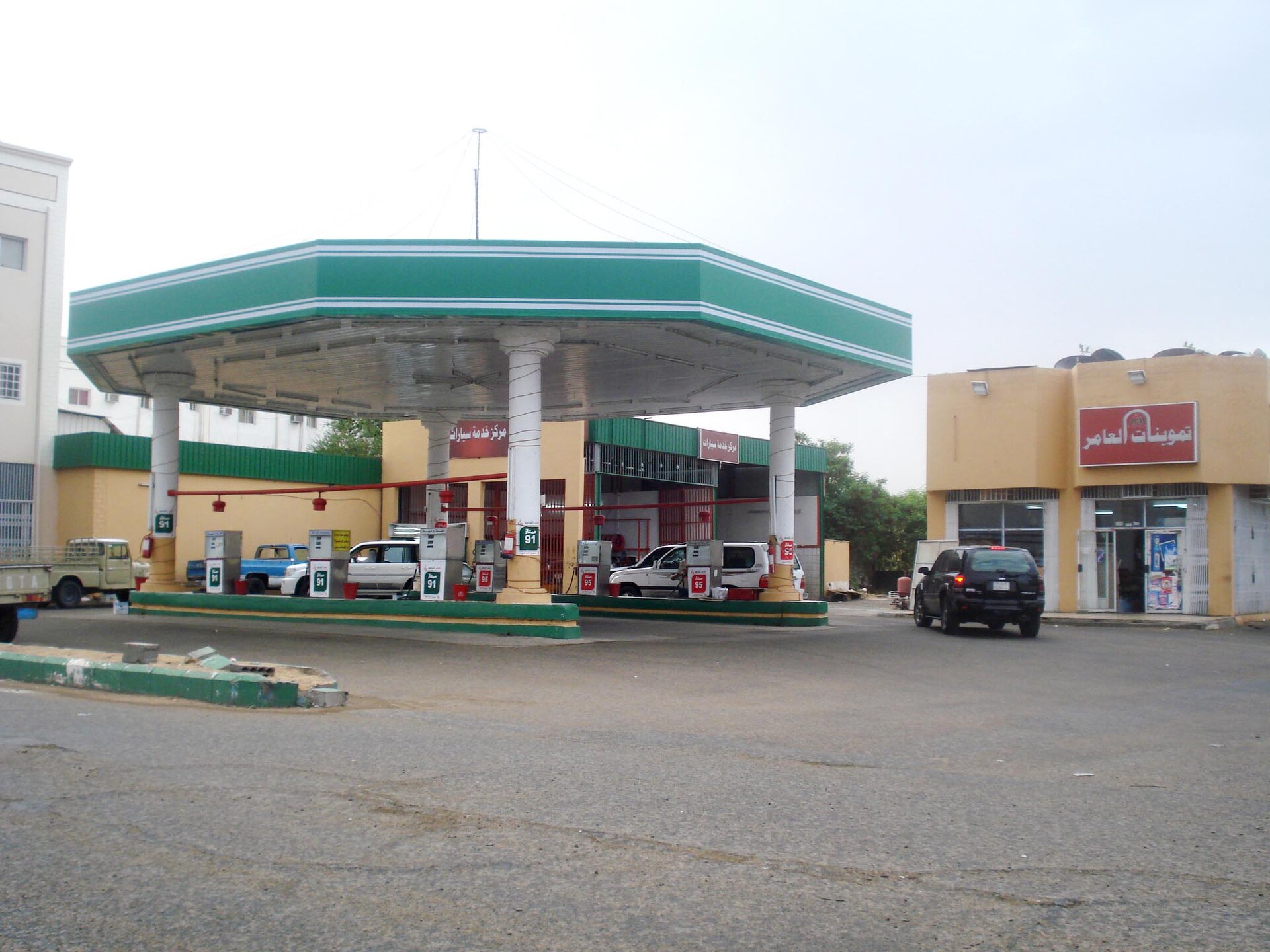
Najran has been a Houthi target since the first months of the Saudi-led intervention in Yemen. The first major shelling struck the city on 5 May 2015, forcing the closure of Najran’s schools and airport (Al Arabiya, August 2016). The city has been absorbing projectiles — rockets, mortars, drones and weapons of unspecified type — for more than eleven years.
The deadliest period in early reporting came in August 2016, when shelling of Najran’s industrial zone killed seven civilians (New Arab, August 2016). By late 2016, Al Arabiya put the overall civilian death toll from Houthi border attacks on Najran at 27 (Al Arabiya, 2016). In the same year, Najran’s civil defence spokesperson said the city had experienced “more than 10,000 rocket attacks” and that 1,074 homes had been partially or fully damaged (Al Arabiya, 28 August 2016). Those are Saudi official figures from a decade ago and have not been independently verified — but the scale they describe, even with a margin of error, is extraordinary for a city that most of the world has never heard of in the context of this war.
The 2019 period brought Houthi drone attacks on Najran’s airport. The April 2022 de facto truce halted most cross-border fire and gave the border communities what amounted to their first sustained period of quiet in seven years. When the truce collapsed in July 2026, Najran went back under fire almost immediately.
The timeline since the truce’s end:
| Date | Target | Casualties / Damage | Source |
|---|---|---|---|
| 7 August 2026 | Najran region | 11 civilians including a child injured | Gulf News, 7 August 2026 |
| 2 October 2026 | School in Najran | Material damage, no casualties | SPA via QNA, 2 October 2026 |
| 5 October 2026 | Najran International Airport | 3 minor injuries, material damage | Gulf News, 6 October 2026 |
| 18 October 2026 | Residential area, Najran city | 6 injured, 3 homes and 3 vehicles damaged | SPA via Shafaq News, 18 October 2026 |
That is at least 20 civilian injuries in Najran between August and October 2026 alone — a figure that does not include any strikes that went unreported by international media or any injuries documented only in Arabic-language local outlets that Western aggregators do not index.
Why Did the World Cover Riyadh’s Airport but Not Najran’s Homes?
On 10 October 2026, a Houthi strike on King Khalid International Airport killed at least 12 people and wounded 309, according to Al Jazeera (Al Jazeera, 10 October 2026); a subsequent death brought the toll to 13 (BBC, 11 October 2026), with the BBC putting the injured at 308. The attack drew standalone coverage from Al Jazeera, BBC, AP, Reuters and CNN. It led bulletins. It prompted EASA airspace warnings, airline cancellations and diplomatic statements from a dozen capitals.
Eight days later, a projectile wounded six civilians in their homes in Najran. The AFP wire filed a paragraph. The Times of Israel carried it as part of a broader piece. No standalone Reuters dispatch was found. No BBC report. No Al Jazeera article (Times of Israel/AFP, 18 October 2026).
The disparity is not accidental. It reflects several structural factors that shape how conflict reaches international audiences:
Scale of Casualties
Thirteen dead and over 300 wounded at an international airport is, by the standards of news selection, a larger event than six wounded in a border city. The gap in coverage, however, is not proportional to the gap in casualties. Six wounded civilians and three destroyed homes in a residential neighbourhood — on the third strike in seventeen days — would ordinarily meet the threshold for a standalone wire dispatch from any active conflict zone. It did not.
Symbolic Geography
Riyadh is the capital. King Khalid International is the gateway that foreign executives, diplomats and journalists use. An attack there threatens infrastructure that the international community uses personally. Najran is a border city that most foreign correspondents have never visited and that most news desks could not place on a map without checking.
Access
The United States bars its staff from travel within 20 miles of the Yemen border (Gulf News, 7 October 2026). The United Kingdom advises against all travel within 10 kilometres of the border (BBC, 11 October 2026). Those exclusion zones mean that no Western diplomat, journalist or aid worker is routinely present in the areas being hit. There are no eyewitness accounts in English. There is no video that Western networks can license from a stringer on the ground. The attacks happen, Civil Defence confirms them via the Saudi Press Agency, and the story dies in the wire queue.
Normalisation
Najran has been hit so often, for so long, that it no longer registers as news. A 2016 Gulf News feature described the city as a place where “a war that most Saudis only see on their TV screens” had a direct, physical impact — “even if on a far smaller scale” (Gulf News, 2016). That description was written a decade ago. The scale has not shrunk. The coverage has.
What Happened to the Saudi Helicopter Near Najran?
On the same day as the residential strike, a Saudi coalition AH-6i helicopter crashed near Najran, killing both crew members. Coalition spokesman Turki Al-Maliki attributed the crash to “a technical malfunction” (Pakistan Today, 19 October 2026). The Houthis claimed they shot the helicopter down. Reuters could not verify the claim (Times of Israel/AFP, 18 October 2026).
Al-Maliki, asked about the Houthi shootdown claim, replied that Saudi Apaches “would enter the battlefield soon” (Pakistan Today, 19 October 2026). The statement carried an implicit acknowledgement that the helicopter loss — whatever its cause — occurred in an environment where Houthi forces are active near the border and capable of engaging low-flying aircraft, or at least claiming to.
The helicopter crash and the residential strike together mark 18 October as the most violent single day in Najran since the truce’s collapse. Two Saudi aircrew dead, six civilians wounded, and three homes damaged — and the combined toll generated less international coverage than a single cancelled flight at Riyadh’s airport.
Who Lives in the Line of Fire?
Najran is the capital of Najran Province in southwestern Saudi Arabia. Its population was approximately 505,652 according to the 2017 census. The city sits on the border with Yemen — close enough that short-range rockets, artillery and unguided projectiles can reach its residential districts without the kind of longer-range ballistic or cruise missiles required to strike Riyadh or Dammam.
The province formally joined Saudi Arabia in 1934 and carries a history of tribal and sectarian complexity. A significant portion of the population follows Ismaili Shia Islam, a minority within a minority in the kingdom. The sectarian dimension does not appear in the Houthi targeting calculus — the projectiles hit residential areas indiscriminately — but it shapes how Najran fits into the broader national narrative. The city has long occupied an ambiguous position: Saudi enough to be defended, peripheral enough to be forgotten.
GCC Secretary-General Jasem Albudaiwi, responding to the August 2026 Najran attack that wounded 11 civilians including a child, called it “a heinous terrorist crime” that represented “a flagrant violation of international law and international humanitarian law.” He reiterated that Saudi Arabia’s security is “part of the GCC states’ collective security” (Asharq Al-Awsat, 7 August 2026). The statement was the strongest official acknowledgement of Najran’s vulnerability from a regional body. It did not produce a shift in the coverage pattern.
What Does Invisibility Cost?
The absence of sustained international coverage of Houthi attacks on Saudi border communities has consequences that extend beyond the news cycle. Three stand out.
The Humanitarian Record Is Incomplete
No independent tally of Najran casualties exists for the period between the 2022 truce and October 2026. Saudi official figures from 2016 — 27 dead, 1,074 homes damaged — have not been updated in any source accessible to this analysis. The six wounded on 18 October, the 11 wounded on 7 August, the three minor injuries on 5 October: these are confirmed data points. They are not a comprehensive count. The gap between confirmed incidents and the actual toll is unknowable when neither international media nor independent humanitarian organisations maintain a presence in the exclusion zone. The August 2026 attack alone injured a child — a detail that Albudaiwi cited in his condemnation but that no English-language outlet followed up on.
The Legal Record Is Distorted
Houthi attacks on Saudi civilian areas — schools, homes, airports — constitute potential violations of international humanitarian law. Saudi Civil Defence says so in every statement. The GCC secretary-general has said so explicitly. But legal accountability requires documentation, investigation and sustained international attention. The UN Human Rights Council’s scrutiny of the Yemen war has focused overwhelmingly on coalition strikes inside Yemen — strikes that deserve scrutiny — while Houthi attacks on Saudi territory receive comparatively little institutional attention. The 18 October residential strike in Najran is, under IHL, an attack on a civilian object. It will not be investigated by anyone outside Saudi Arabia.
The Policy Debate Is Skewed
When Western governments discuss the Saudi–Houthi conflict, the reference points are Riyadh’s airport, Aramco’s infrastructure and the Strait of Hormuz — targets that affect global commerce, aviation and oil prices. Najran’s wounded civilians do not move oil markets. They do not delay international flights. They do not feature in congressional testimony or parliamentary questions. The result is a policy framework that understands the Houthi threat in terms of disruption to Western interests rather than harm to Saudi civilians. The six people wounded on 18 October live in the same country as the 13 killed at KKIA on 10 October. They live under the same threat. They occupy a different tier of international concern.
How Close Can Foreign Citizens Get to the Border?
Those two advisories — 20 miles for US government staff, 10 kilometres for UK nationals — predate the October 2026 escalation and reflect years of accumulated threat assessments. Najran sits inside both perimeters.
Those zones effectively guarantee that no Western journalist, diplomat, or NGO worker is present when a projectile lands in Najran. The city falls inside the exclusion perimeter. Coverage depends entirely on Saudi official statements — primarily SPA dispatches and Civil Defence announcements — and on Arabic-language local reporting that rarely reaches English-language wire services.
The exclusion zones are justified on security grounds. But they create a feedback loop: the border is too dangerous for foreigners, so foreigners do not go; because foreigners do not go, there is no independent reporting; because there is no independent reporting, the attacks are invisible; because the attacks are invisible, there is no political pressure to address them; and because there is no political pressure, the border remains too dangerous for foreigners.
Najran After the Truce
The 2022 truce gave Najran roughly four years of relative quiet — the longest such period since the Saudi intervention began in March 2015. Its collapse in July 2026 returned the city to a wartime tempo that its residents know well. The escalation that followed pushed the Houthis’ range northward into Riyadh, Dammam and the kingdom’s oil infrastructure, but it did not lift the targeting pressure on the border.
Iran’s formal position, stated by Foreign Ministry spokesman Esmaeil Baqaei on 16 October, is that Tehran “rejects any claim that Iran has played a role in Yemeni (Houthi) operations” (Times of Israel/AFP, 16 October 2026). The claim is contested by the Saudi-led coalition and by Western intelligence assessments, but it serves a diplomatic purpose: it distances Tehran from the specific civilian harm that attacks like the 18 October Najran strike produce. If Iran has no role, Iran has no responsibility. Najran’s wounded are someone else’s problem.
Houthi spokesman Yahya Saree claimed an attack on weapons depots and command centres in the Sharurah area of Najran Province on 13 September 2026. No Saree statement was found for the 18 October residential strike. The absence of a claim is itself significant: the Houthis publicise strikes on military and strategic targets but appear to say nothing when their projectiles hit homes. The silence may be tactical — a claim would invite condemnation — or it may reflect a command structure that does not track where every short-range projectile lands.
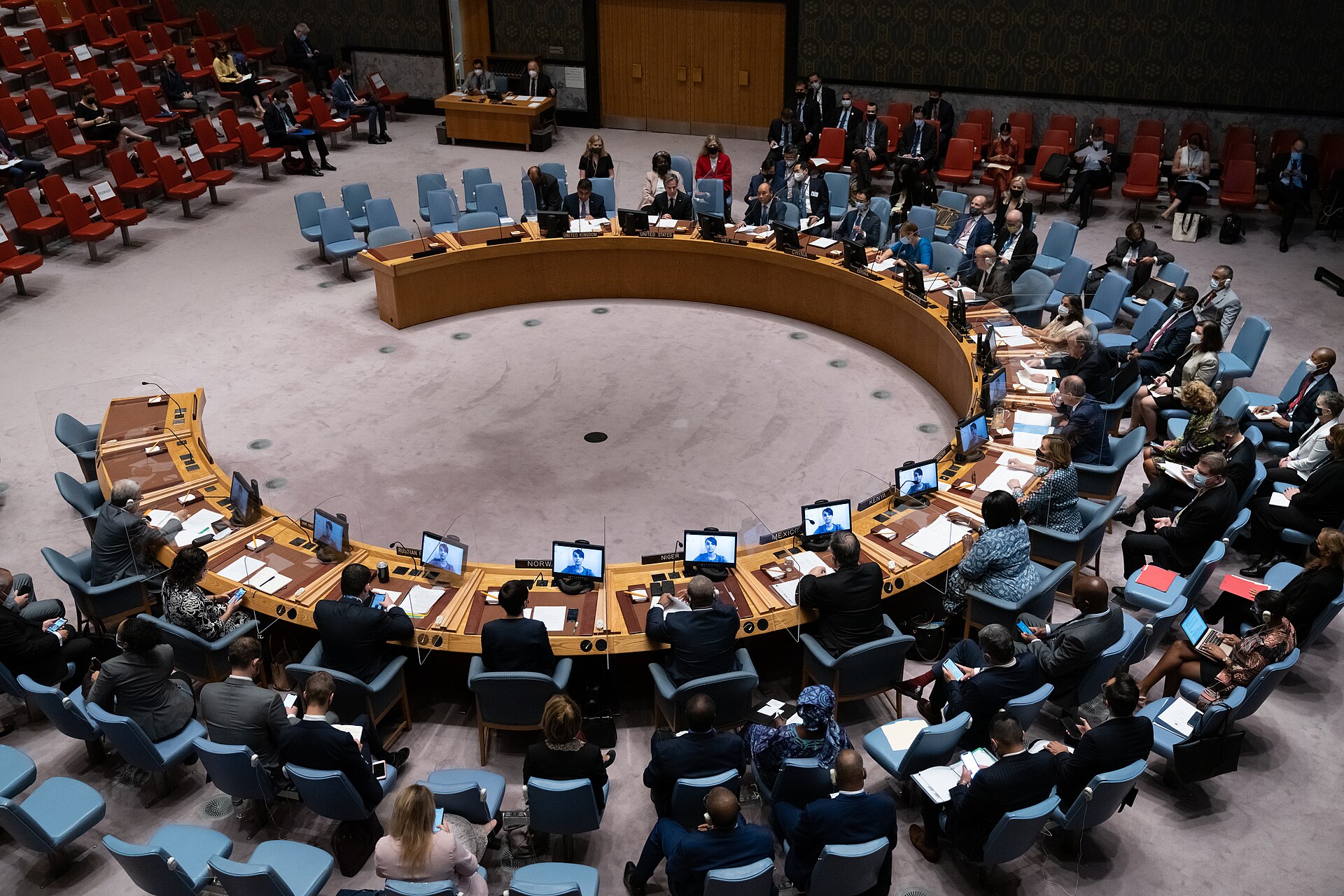
The airport attacks between 6 and 11 October killed approximately 20 people across multiple strikes on Saudi aviation infrastructure (BBC, 11 October 2026). Those deaths catalysed diplomatic action: joint condemnations from Saudi Arabia, Egypt, Pakistan and Turkey (CBS News, 11 October 2026), a Saudi request to the UN Security Council (Al Jazeera, 9 October 2026), and the activation of collective deterrence measures under the Makkah defence pact (Al Jazeera, 6 October 2026).
Najran’s 20-plus wounded since August did not catalyse any of those responses. They did not produce a Security Council referral, a collective deterrence activation or a joint statement. They produced press releases from the Saudi Press Agency, a condemnation from the GCC secretary-general, and paragraph-length mentions in AFP dispatches that most readers scrolled past.
The coalition’s ground offensive — “Dawn of Yemen,” launched on 4 October with 100 jets according to the coalition (Oman Observer, 5 October 2026) — was designed to push the Houthis back from the positions that enable both the deep strikes and the border attacks. Whether that offensive reaches the launch sites used against Najran is an open question. The Houthis’ short-range weapons require little infrastructure: a truck, a tube, a residential neighbourhood in range. Eliminating the threat to Riyadh’s airport requires destroying sophisticated missile and drone systems. Eliminating the threat to Najran may require controlling ground that no force has held securely since 2015.
The war that Najran has absorbed since 2015 is the same war that reached Riyadh’s airport in September 2026. The weapons are less sophisticated, the casualties are smaller in any single incident, and the targets are houses rather than terminals. But the pattern is continuous, the civilian harm is real, and the silence around it is a choice — made not by the people of Najran, but by every institution that decides which casualties count.
Frequently Asked Questions
Has any international humanitarian organisation documented Houthi attacks on Najran?
No independent humanitarian organisation is known to maintain a monitoring presence in Najran or the Saudi–Yemen border zone. The UN Group of Eminent Experts on Yemen, which operated from 2017 to 2021, documented some cross-border attacks in its reports, but its mandate focused primarily on the conflict inside Yemen. Documentation of Najran strikes relies almost entirely on Saudi government statements issued through the Saudi Press Agency and on Arabic-language local media.
Are the Houthis using the same weapons against Najran as against Riyadh?
Almost certainly not. Riyadh is roughly 1,000 kilometres from the Yemen border and requires ballistic or cruise missiles with extended range. Najran sits directly on the border and can be reached with short-range rockets, artillery, mortars and unguided projectiles. Saudi authorities described the 18 October weapon only as a “hostile projectile” — a term broad enough to cover anything from an artillery shell to an improvised rocket. The technological gap between border strikes and deep-strike operations is a major reason the two receive different levels of attention.
Has the Saudi government requested international assistance specifically for Najran’s border communities?
Saudi Arabia’s diplomatic efforts since the October escalation have focused on the airport strikes and on the Houthi threat to aviation and oil infrastructure. King Salman condemned the Houthi “terrorist militia” in a 22 September cabinet session, and Prince Khalid bin Salman announced collective deterrence measures on 5 October, but neither statement referenced Najran or the border communities by name. The GCC secretary-general’s August 2026 statement on Najran remains the most specific international-level acknowledgement of the border targeting pattern.
How does Najran compare to other Saudi border cities under Houthi fire?
Jazan, Khamis Mushait and Abha have all sustained Houthi attacks during the current escalation. On 14 September 2026, Houthi strikes wounded 13 civilians across Khamis Mushait, Abha and Taif (Khaleej Times, 14 September 2026). Jazan’s airport was attacked alongside Najran’s on 5 October. Najran’s proximity to the border — and its exposure to short-range, low-cost weapons that are difficult to intercept — makes it the most frequently targeted of the border cities, though no comprehensive comparative tally exists for the post-truce period.