
TEHRAN — Iran submitted a 14-point counterproposal to the United States via Pakistani mediators on May 2, demanding the end of the Arabian Sea naval blockade and the resolution of all outstanding war issues within 30 days — a deadline that expires approximately June 1-2, six days after the Day of Arafah lifts the kinetic constraint of Hajj. The demand, routed through an IRGC command structure that has formally seized control of Iran’s diplomatic decision-making, creates an escalation tripwire that neither side possesses the structural capacity to defuse.
The problem is not that 30 days is too short for a deal. The problem is that no mechanism exists to produce a deal at all — Trump cannot lift the blockade without a nuclear agreement, and Iran’s authorization ceiling means no agreement is signable by anyone empowered to bind the IRGC. The 30-day clock is therefore less an ultimatum than a pre-announced escalation timeline, and the question Saudi Arabia must answer before June is whether the IRGC treats its own deadline as a trigger or as theatre.
Table of Contents
What Iran Demanded
The 14-point proposal, confirmed by both Tasnim News Agency and NPR on May 2, constitutes the most comprehensive set of demands Iran has issued since the war began 65 days ago. It calls for the immediate end of the US naval blockade, the withdrawal of American forces from Iran’s periphery, the release of frozen Iranian assets, reparations for war damage, the lifting of all sanctions, a ceasefire in Lebanon, a new Hormuz governance mechanism under Iranian participation, and recognition of Iran’s right to peaceful nuclear enrichment. Each point individually would take months of negotiation; collectively, they represent a document designed to be rejected.
Trump’s response on May 2-3 was characteristic in its ambiguity. He told ABC News he was “reviewing” the plan, then told CNN separately that Iran “has not yet paid a big enough price” — two statements that cannot coexist unless the review is performative. The framing matters because it reveals the American position as essentially static: the blockade remains the instrument, and no Iranian proposal short of nuclear capitulation will move it.
Fars News Agency, IRGC-aligned and typically the first outlet to frame military messaging as diplomatic language, denied there had been “any negotiations with Trump” while simultaneously publishing the 14-point proposal’s details. Tasnim confirmed the submission and insisted “the strait would not return to pre-war levels of travel” regardless of the outcome — a sentence that tells you everything about IRGC intentions wrapped in the language of sovereign prerogative.
Why the Deadline Is Structurally Dead
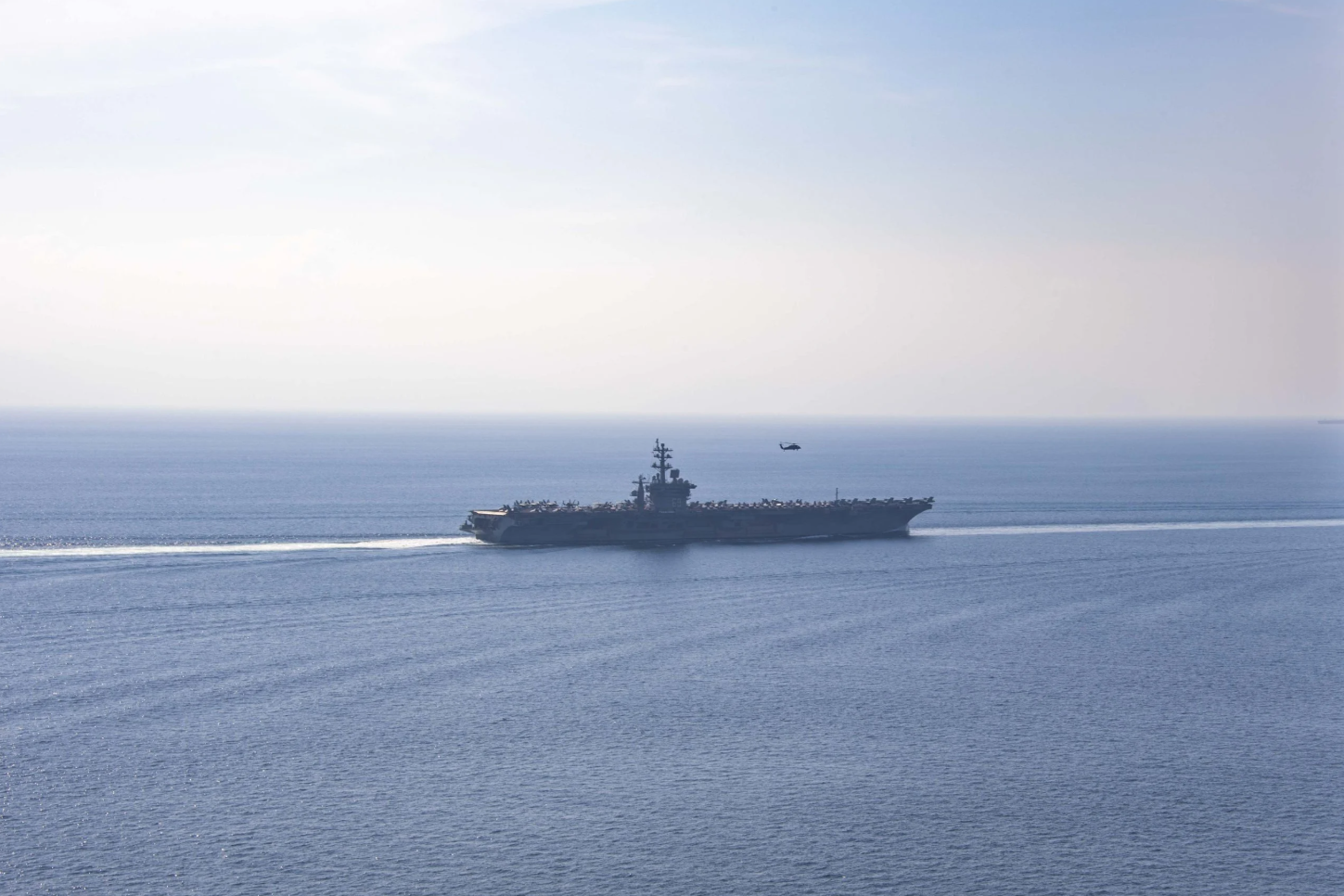
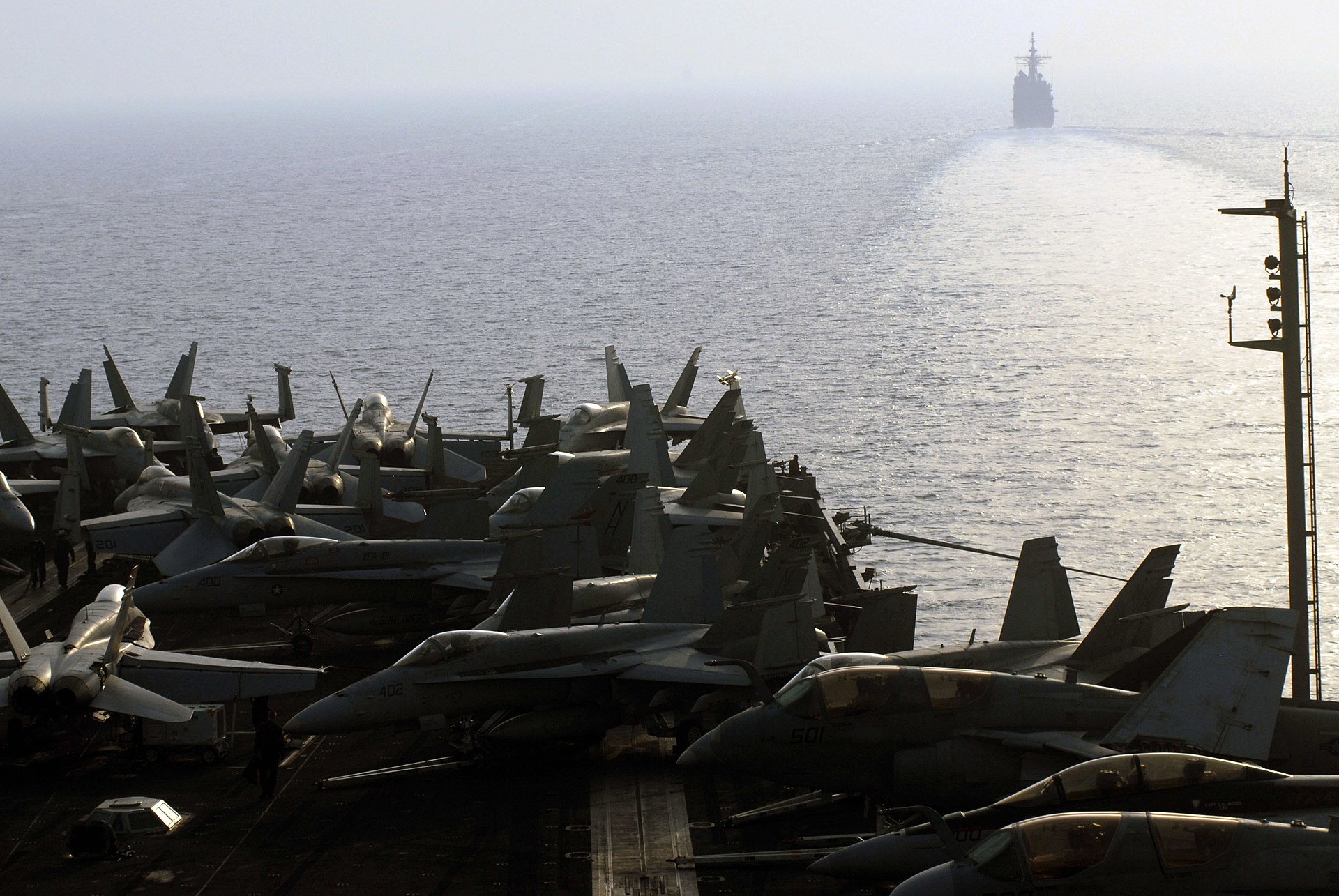
The structural impossibility operates on both sides simultaneously. On the American side, Trump has framed the blockade as his primary lever against Iran — CNN reported on April 29 that maintaining it is his “best option” for forcing Tehran back to the table. The Pentagon confirmed on May 1 that the blockade has cost Iran $4.8 billion in oil revenue and collapsed Iranian crude loadings from 2.1 million barrels per day to 567,000 bpd, with 31 tankers carrying 53 million barrels of Iranian crude stranded in the Gulf. Lifting it without a nuclear deal would constitute the most visible foreign policy reversal of Trump’s presidency.
The Middle East briefing 3,000+ readers start their day with.
One email. Every weekday morning. Free.
On the Iranian side, the authorization ceiling makes the 30-day clock a fiction even if Trump were inclined to negotiate. Reuters reported on April 29 that a military council of senior IRGC officers has seized effective state control, with Ahmad Vahidi operating as the de facto decision-maker on military operations. President Pezeshkian has been explicitly sidelined under Article 110 of Iran’s constitution, which gives the president zero authority over IRGC operations. Foreign Minister Araghchi can submit proposals, negotiate frameworks, even initial agreements — none of it binds the command that controls the strait, the missiles, and the target lists.
Mojtaba Khamenei’s role as Supreme Leader has been described by Reuters and the Manila Times as “legitimizing decisions made by generals, not giving his own orders.” Even the authority to authorise a ceasefire appears distributed across a committee structure that includes Vahidi, who holds an INTERPOL red notice for the 1994 AMIA bombing and who Pezeshkian publicly accused on April 4 of wrecking the Islamabad talks. The 30-day deadline was issued by a system that cannot accept its own terms being met. When Project Freedom’s first convoy completed on May 4, Brent fell to $107.80 — at or below Saudi Arabia’s PIF-inclusive fiscal break-even, meaning the market read the convoy as a supply signal even as the structural gap between production and export capacity remained unchanged.
What Does June 1 Look Like for Saudi Arabia?
The IRGC’s established doctrine of using diplomatic deadlines as escalation windows provides the clearest guide to what June means for Riyadh. On April 8, the IRGC struck the East-West Pipeline pumping station — the day the ceasefire nominally took effect, not before it. The pattern is deliberate: a deadline passes, the world notes that it passed, and the IRGC uses the failed deadline as retroactive justification for the next strike. The 30-day proposal follows the same structural logic.
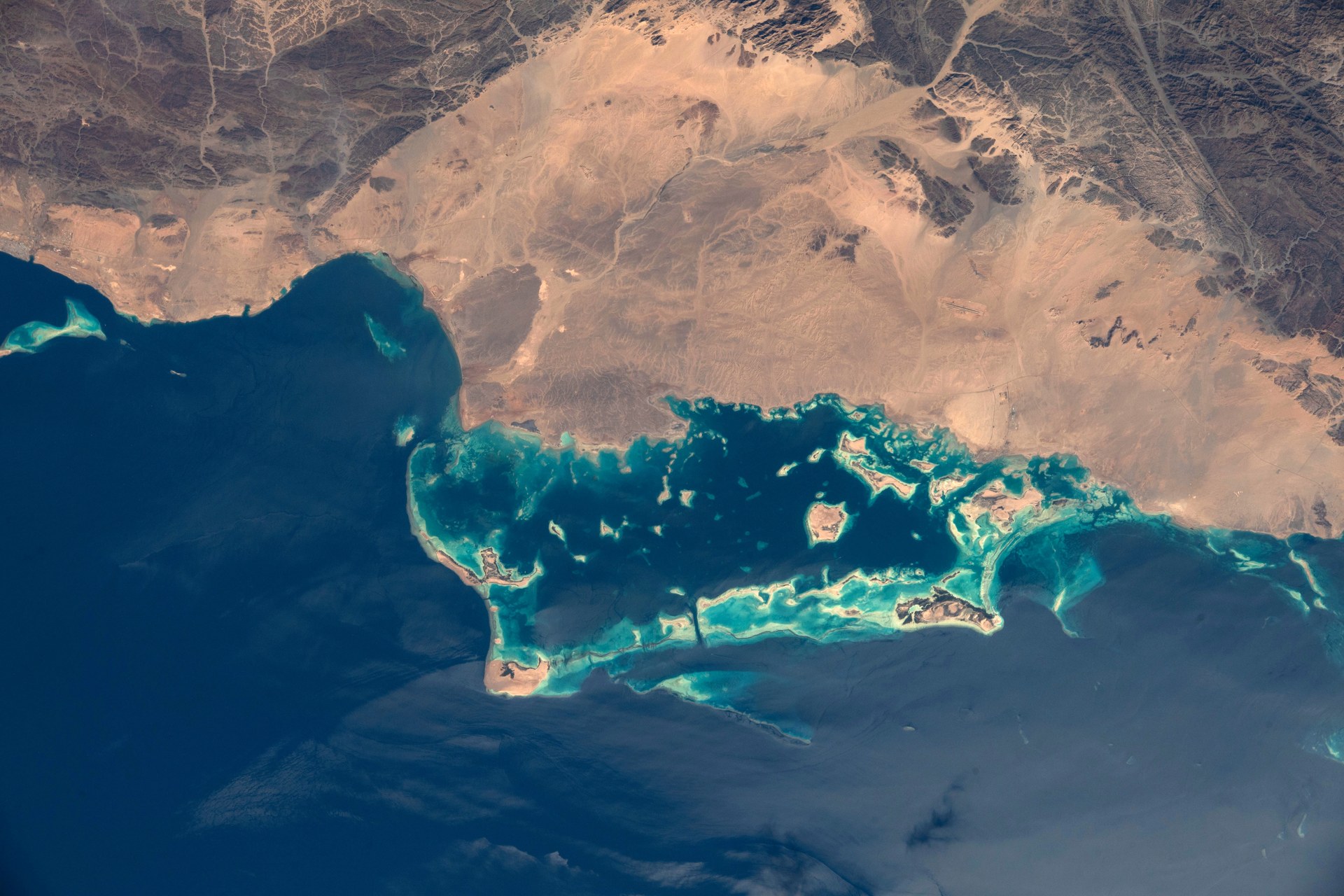
CSIS’s escalation tracker documented that IRGC-linked messaging on April 19 — nine days after the pipeline strike and during the nominal ceasefire — explicitly named expanded targets: Yanbu, Fujairah, Bab al-Mandeb, and Saudi energy infrastructure broadly. Of the IRGC’s confirmed counter-target list of eight Gulf bridges and major hydrocarbon facilities, the East-West Pipeline, Ras Tanura, and Jubail SABIC have already been struck. Yanbu — the Red Sea terminal that Saudi Arabia has been using as its primary bypass for Hormuz — remains intact and explicitly on the list.
Chatham House analysts have noted that Saudi Arabia is “reassessing its economic geography, reducing its dependence on Hormuz and reorienting policy towards the Red Sea.” But that reorientation is precisely what makes Yanbu a priority target — the bypass only works as long as IRGC doctrine stops at the East-West Pipeline’s eastern terminus. The IEA confirmed Saudi March production at 7.25 million bpd, down from 10.4 million pre-war, with Khurais still offline at 300,000 bpd and the Yanbu loading ceiling running at 4-5.9 million bpd against the pipeline’s 7 million bpd capacity. A Yanbu strike would eliminate the bypass entirely.
Chatham House also observed that Saudi Arabia “has been reluctant to engage directly in military action, recognizing that a kinetic response would increase risks to energy assets” — diplomatic language for the reality that Riyadh is deterred by its own vulnerability. With approximately 400 PAC-3 interceptor rounds remaining (14% of pre-war stockpile) and no confirmed resupply, Saudi air defence is operating on a trajectory that inverts as the IRGC target list expands.
The Hajj Calendar Trap
The timing of Iran’s 30-day deadline is not coincidental — it lands in the precise window where the kinetic threshold drops. The Day of Arafah falls on May 26, 2026, with 1.2-1.5 million pilgrims concentrated in Makkah and the surrounding holy sites — including 30,000 Iranians who entered the kingdom overland via the Jadidat Arar crossing with Iraq, a route that maps the diplomatic ceiling between Riyadh and Tehran with more precision than either foreign ministry’s public statements. The kinetic constraint this creates is real: any IRGC strike against Saudi infrastructure during active Hajj would risk pilgrim casualties and unite the Islamic world against Tehran, which is why the ceasefire period has roughly tracked the pilgrimage season.
Return flights begin in earnest around June 1. Iran’s 30-day clock, measured from the May 2 submission, expires June 1-2 — the first days in which a major escalation would not carry the political cost of endangering Hajj. The IRGC has 65 days of established precedent showing it uses the gap between diplomatic windows closing and kinetic thresholds lifting as its preferred strike zone. The April 8 pipeline attack came on the day the ceasefire took effect; the June 1-2 window comes on the day Hajj’s protective umbrella retracts.
For Saudi Arabia, the question is not whether the IRGC respects its own deadline literally — the Guards have shown they operate on their own operational timeline regardless of diplomatic frameworks. The question is whether the confluence of a failed deadline, a lifting kinetic threshold, and the post-Hajj dispersal of international attention creates the conditions under which the IRGC’s expanded target doctrine moves from messaging to execution.
Can Trump Sustain the Blockade Until June?
The US Congress passed May 1 without resolving the War Powers clock, adding a domestic constraint that limits Trump’s flexibility even as the IRGC deadline approaches. The 60-day war powers authorization for the blockade operation has not been formally renewed, though administration lawyers argue the original Article II authority remains valid. The legal ambiguity is less important than the political signal: Congressional appetite for an open-ended naval confrontation with Iran is narrower than Trump’s own appetite for one.
The blockade’s economic damage to Iran is severe and documented. The Pentagon’s $4.8 billion revenue-loss figure translates to roughly $240 million per day — slightly below Trump’s claimed $500 million daily cost, but devastating regardless. Iranian oil and condensate loadings have collapsed 73% from pre-blockade levels. Fortune and Al Jazeera reported on May 2 that Iran is proactively cutting production to avoid storage overflow, with tank capacity approaching physical limits. The economic pressure is real, but the Soufan Center’s April 28 assessment — that Iran is “open to talks but plans to outlast the US blockade” — frames Tehran’s posture as endurance, not compliance. Treasury Secretary Bessent has since put Washington’s explicit framing on the record: the US is “suffocating” Iran’s economy, as CENTCOM confirmed 49 vessels redirected under the cordon.
Trump’s domestic calendar adds another layer. Aramco’s Q1 2026 earnings report, scheduled for May 10, will provide the first public financial readout of the Saudi production crash — a data point that will move oil markets and potentially shift Congressional pressure toward resolution rather than escalation. The wider economic picture — approximately 2,000 ships stranded in the Gulf, 147 containerships carrying 470,000 TEU (CNN, April 29, 2026; NBC News data graphics), and Hormuz transit running at roughly 5% of its pre-war baseline — creates global supply chain pressure that does not respect Washington’s preferred timeline.
What Happens When the Clock Runs Out?
The IRGC’s expanded target doctrine, published April 19 through affiliated media, named three facilities that remain unstruck: Yanbu, Fujairah, and the Bab al-Mandeb chokepoint. Each represents a different escalation vector with distinct strategic consequences. A strike on Yanbu eliminates Saudi Arabia’s primary bypass for Hormuz — the Red Sea terminal that currently handles the majority of the Kingdom’s reduced export capacity. Fujairah hits the UAE’s Arabian Sea terminal — the one port that allows Gulf crude to load outside the strait. Bab al-Mandeb opens a second chokepoint war that would threaten Red Sea shipping lanes already stressed by the broader regional confrontation.
The IRGC Navy remains headless — Admiral Tangsiri was killed March 30, and 65 days later no named successor has been confirmed. This is not necessarily a constraint. The Navy declared “full authority to manage the Strait” in early April and has enforced that declaration through the Larak Island corridor system, forcing all transit through a 5-nautical-mile channel inside Iranian territorial waters. A headless command that nonetheless operates with consistency suggests the orders originate above Navy level — from Vahidi’s military council directly.
The command ambiguity intersects directly with Project Freedom, the US Navy convoy Trump announced May 3 for Monday launch: whether any Iranian response to the first transit is centrally ordered or a local unit-level decision is not answerable from outside the IRGC structure, and the 30-day deadline creates no mechanism that resolves it.
The most dangerous scenario for Riyadh is not a single spectacular strike but a graduated escalation that tests each target sequentially, beginning at the June deadline and accelerating through the summer. The IRGC’s pattern — pipeline first, then refinery, then petrochemical, with each step preceded by messaging that names the next target — is methodical enough to suggest a pre-planned sequence. CSIS described Iran as “methodically working down every tier of the Kingdom’s hydrocarbon value chain,” and the 30-day deadline provides the next waypoint on that timeline.
Background
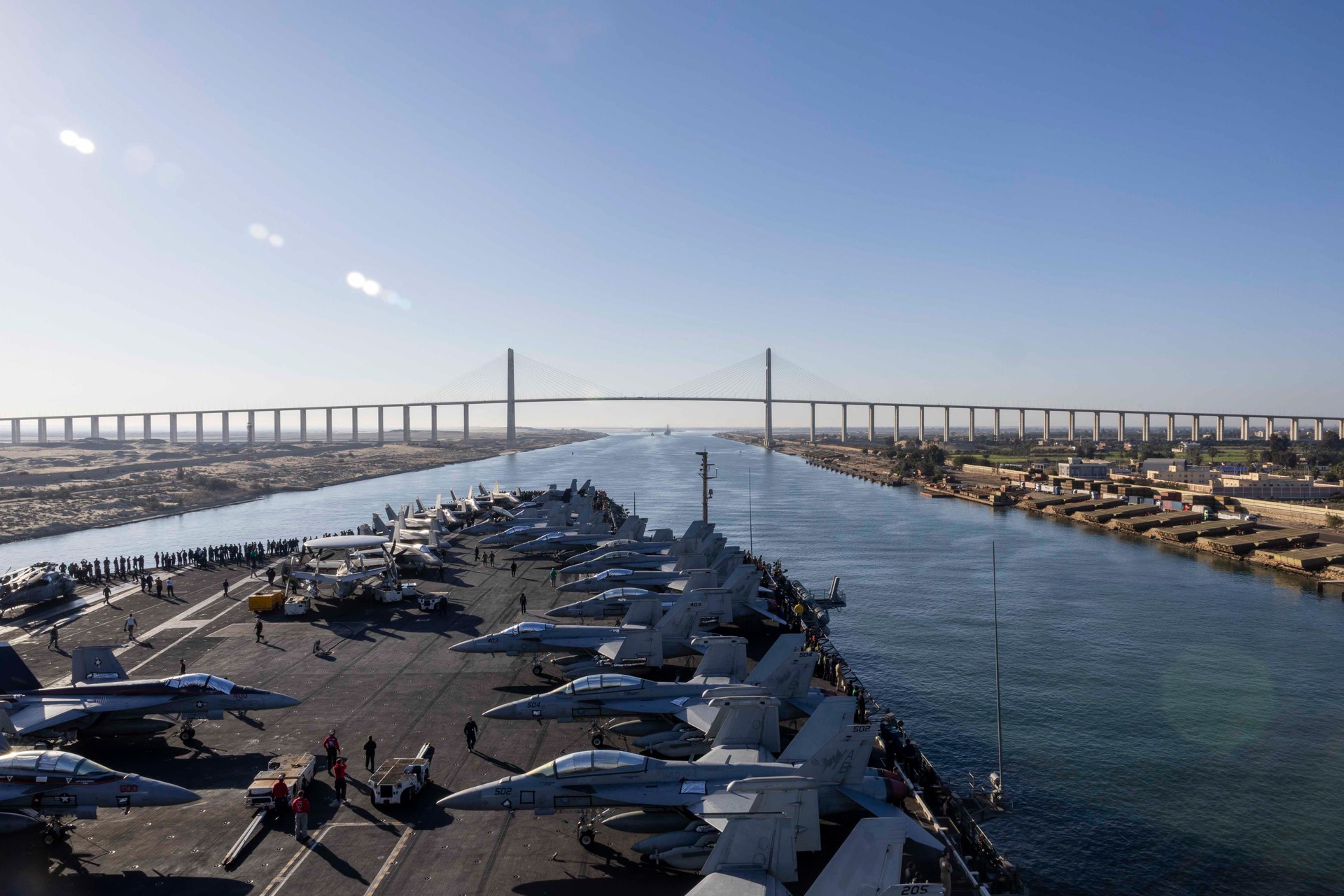
The US naval blockade of Iranian ports took effect on April 13, 2026 — applying specifically to Iranian ports and vessels paying IRGC transit tolls, not to all Hormuz shipping. Iran had previously declared “full authority” over the strait through the IRGC Navy and established a toll system charging approximately $1 per barrel for transit, which Trump initially proposed as a “joint venture” before the relationship collapsed. The double-blockade configuration — US controlling Arabian Sea entry, IRGC controlling Gulf of Oman exit — is the operational architecture that Iran’s 14-point proposal demands be dismantled.
The 14-point proposal, while submitted through diplomatic channels by Foreign Minister Araghchi, reflects IRGC priorities and carries IRGC enforcement — making it simultaneously a diplomatic document and a military one. President Pezeshkian’s government has been progressively sidelined since early April; Reuters confirmed on April 29 that a military council is now preventing government reports from reaching Mojtaba Khamenei.
Saudi Arabia enters June in a structurally exposed position: the Yanbu bypass operates below theoretical capacity, diplomatic avenues have narrowed with each successive mediation round, and every framework that Pakistan, Doha, or Oman has produced has run into the same IRGC authorization ceiling that the 14-point proposal itself cannot resolve.
FAQ
What exactly is Iran’s 14-point proposal?
Submitted via Pakistani mediators on May 2, it is a comprehensive demand package requiring the US to end the naval blockade, withdraw forces from Iran’s periphery, release frozen assets, pay reparations, lift all sanctions, end fighting in Lebanon, establish a new Hormuz governance mechanism, and recognise Iran’s enrichment rights — all within 30 days. NPR, Al Jazeera, and Tasnim confirmed the proposal’s contents. The document effectively inverts the US position: rather than Iran making concessions to lift the blockade, Iran demands the blockade end as a precondition for everything else.
Is the 30-day deadline a military threat or a diplomatic offer?
Iranian state media frames it as diplomatic — Al Jazeera’s May 3 headline reads “Iran eyes war’s end in 30 days,” presenting Tehran as seeking peace. But the structural context makes a purely diplomatic reading untenable. The deadline was issued by a command apparatus (the IRGC military council under Vahidi) that cannot sign a deal, directed at an adversary (Trump) who has explicitly said Iran hasn’t “paid a big enough price.” The IRGC’s established pattern of using failed deadlines as retroactive justification for escalation — the April 8 pipeline strike came the day the ceasefire took effect — suggests the 30-day clock creates conditions for action rather than conditions for agreement.
What would it take for the deadline to be met?
In practical terms, meeting Iran’s demands within 30 days would require: Congressional authorisation or waiver for sanctions relief (minimum 60-day review period under the Iran Nuclear Agreement Review Act); a nuclear framework acceptable to both IAEA inspectors and an IRGC that terminated inspector access on February 28; Lebanese ceasefire terms that satisfy both Israel and Hezbollah; an asset-release mechanism for frozen funds (held in multiple jurisdictions requiring separate legal processes); and a Hormuz governance treaty — any one of which normally takes 6-18 months of negotiation. The demands are architecturally undeliverable within the stated timeframe.
What happens to Aramco’s share price if Yanbu is struck?
Aramco reports Q1 earnings on May 10, which will already reflect the production crash from 10.4M to 7.25M bpd. A Yanbu strike would eliminate Saudi Arabia’s primary Hormuz bypass — the Red Sea terminal that currently handles the majority of reduced Saudi exports. Goldman Sachs has already revised Saudi’s GDP deficit to 6.6% on a war-adjusted basis, against the official projection of 3.3%. Yanbu’s elimination would push that figure toward double digits and raise immediate questions about Saudi Arabia’s ability to service PIF-linked sovereign obligations, which now total over $925 billion in committed projects (PIF official).
Has the IRGC ever followed through on a named deadline before?
The closest precedent in this conflict is the April 8 East-West Pipeline strike. The ceasefire agreed at Islamabad was meant to take effect that day; the IRGC struck hours after it nominally began, with Zolfaqari declaring “all restraint removed” the day before. The IRGC did not announce a specific deadline in advance of that strike, but the pattern — diplomatic framework collapses or passes, followed by kinetic action within 24-72 hours — has held consistently. The 30-day proposal is the first time the IRGC has named a specific timeframe, which either represents escalation in messaging discipline or an attempt to set expectations for what follows failure. The legal architecture underpinning that expectation has since been formalized: Iran’s Hormuz sovereignty law — a 12-article statute ratified by the Majlis committee on April 21 — provides a domestic legal basis for IRGC transit controls that persists regardless of whether any ceasefire deadline passes or is renewed.
The 30-day deadline the IRGC set in that proposal was matched hours before its announcement by Khatam al-Anbiya’s operational attack order against Project Freedom: KACHQ commander Abdollahi threatened on May 4 that “any foreign military force, especially the aggressive US military, that intends to approach or enter the Strait of Hormuz will be targeted” — the 30-day diplomatic deadline and the kinetic threat arriving in the same news cycle.