
Correction, October 12, 2026: An earlier version of this article understated oil prices during the war, saying Brent was “briefly elevated” and in the $80–$90 range; Brent has been above $100 a barrel since March. It gave second-quarter non-oil growth as 0.9 percent; GASTAT’s estimate was 0.6 percent. It said construction of The Line at NEOM was suspended in September 2025; the halt was reported in May 2026. It also gave a crude production figure we cannot source, and included unsourced figures for the original 2026 GDP forecast, revised spending and revenue, Q1 spending by category, subsidies, Public Investment Fund cash reserves and construction awards, fiscal breakeven prices, credit ratings, 1990 production, the 2015 deficit and Saudi exclusion from mediation, along with quotations attributed to Bloomberg, Al-Monitor, CSIS, Arab Center DC, the Middle East Institute, ABC News and PressTV. These have been corrected or removed.
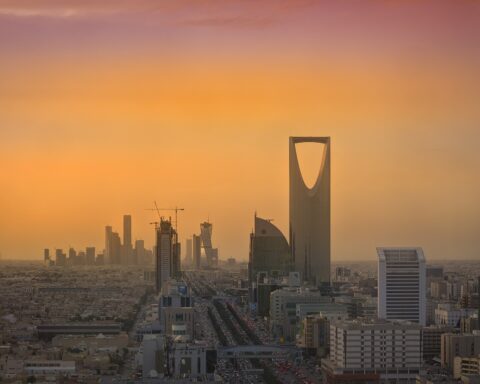
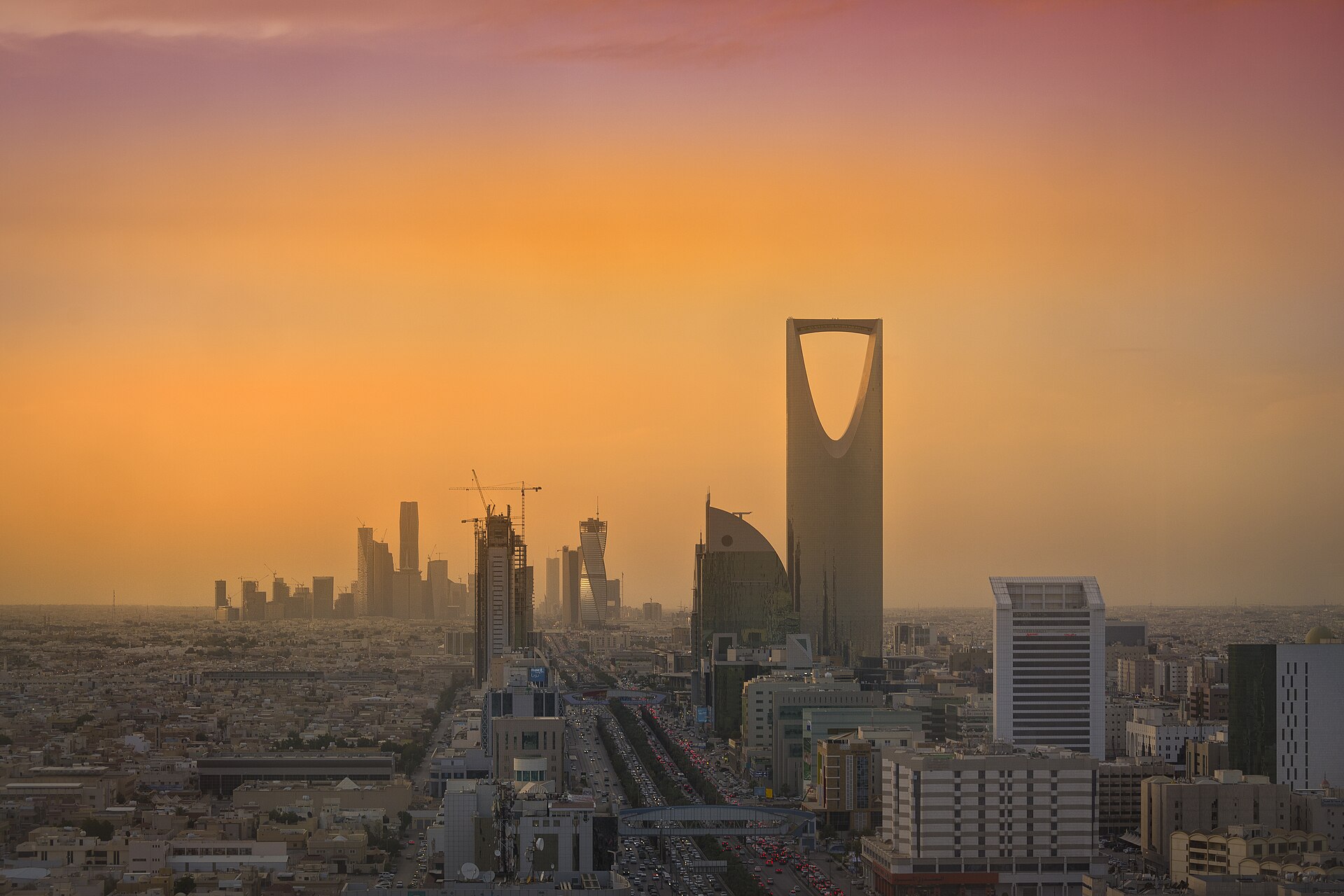
RIYADH — Vision 2030’s fiscal architecture has failed its first wartime test. The Ministry of Finance, in its 2027 pre-budget statement released this week, forecast that Saudi Arabia’s real GDP will contract by 3.6 percent in 2026 — the IMF had still projected growth of 1.7 percent in July — and raised its 2026 deficit estimate to 245 billion riyals, about $65.3 billion, from the 165 billion riyals, about $44 billion, projected in the budget.
The IEA estimated Saudi crude supply at 5.97 million barrels per day in August, down from 8.24 million in July, with crude shipments at their lowest in more than three decades. First-quarter spending rose 20 percent year on year. Non-oil activity — the metric most often cited as proof that diversification was working — grew just 0.6 percent in the second quarter, according to GASTAT’s flash estimate, while the war disrupted the logistics, transport, and events calendar the programme built as its oil hedge.
The House of Saud Daily Briefing
Saudi Arabia's news in 3 minutes, every morning. Free. See today's issue
The programme is in its final stretch before 2030. By the time the pre-budget statement was released, the Ministry had abandoned the growth and deficit projections it published in its budget last year.
Table of Contents
From Growth to Contraction
The 2026 budget was built before the war. It assumed a stable Gulf security environment in which crude exports, tourism arrivals and the Public Investment Fund’s construction pipeline could sustain domestic growth through the programme’s final phase.
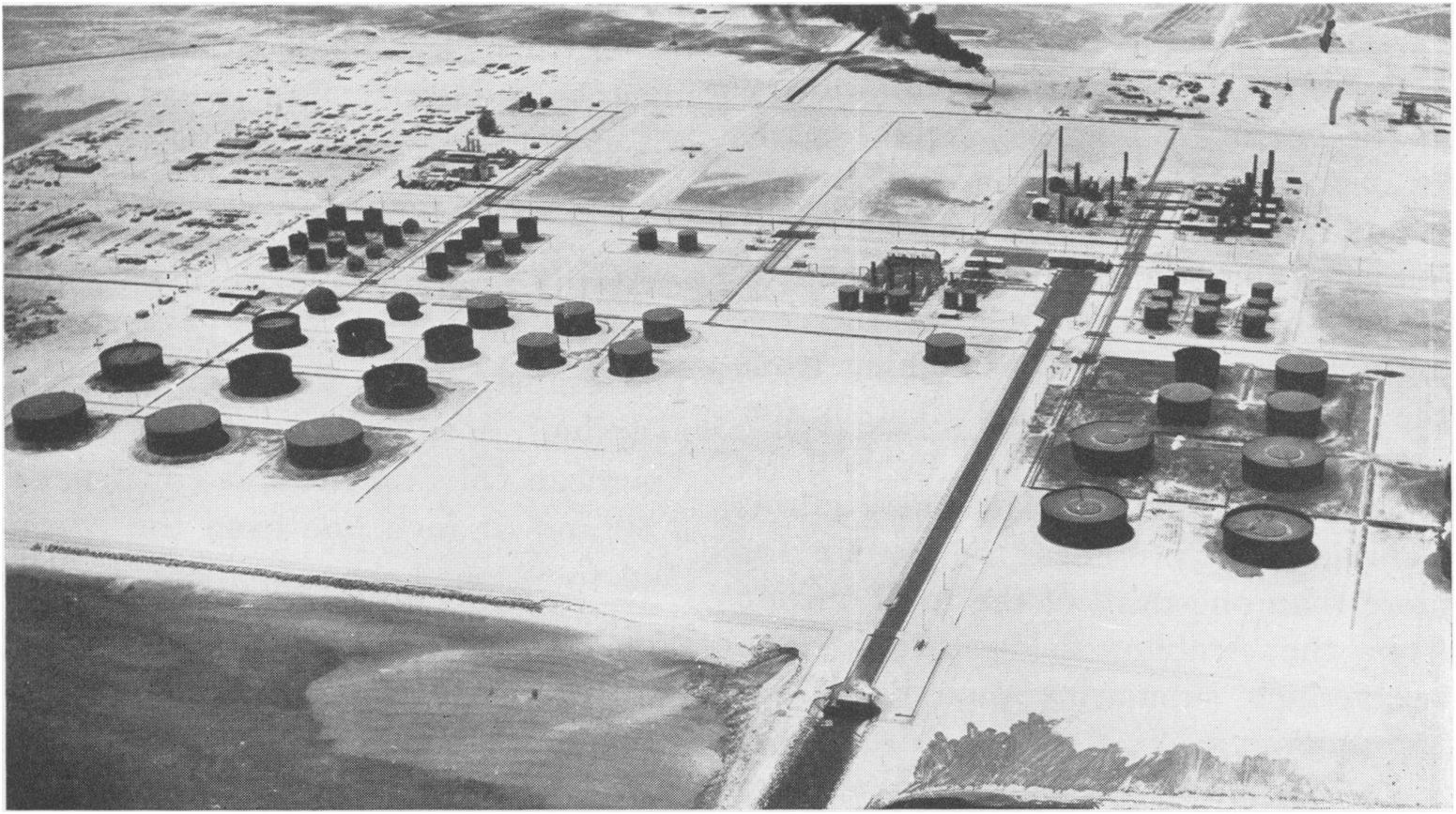
By August 2026, Saudi crude supply had fallen to 5.97 million barrels per day, from 8.24 million in July, according to the IEA. The oil sector contracted 24.7 percent year-on-year in the second quarter, driving an overall Q2 GDP contraction of 4.8 percent. Second-quarter revenue rose 12 percent, with oil revenue up 22 percent as prices stayed above $100 a barrel, but spending rose too, and the first-half deficit reached 160 billion riyals.
The quarterly progression told the story before the annual revision formalised it. By the second quarter, the oil sector’s contraction had dragged the overall economy into negative territory. The full-year projection of -3.6 percent leaves room for some stabilisation in the second half, but with crude output near its lowest in decades, the basis for second-half improvement is thin.
Where the Spending Went
The first quarter of 2026 produced a fiscal deficit of SAR 125.7 billion ($33.5 billion). Total Q1 expenditures rose 20 percent year-on-year to SAR 387 billion. The deficit was fully financed by borrowing, and public debt reached SAR 1,667 billion.
Part of the increase reflects direct air-defence costs and accelerated procurement for interceptors and ammunition consumed at wartime rates.
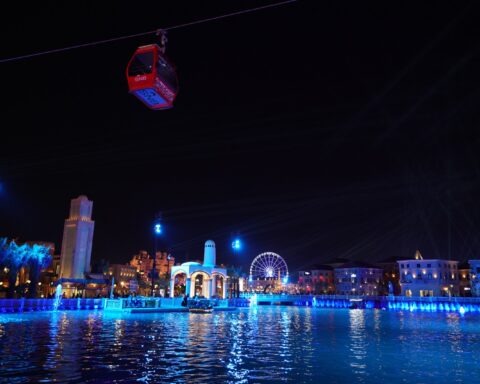
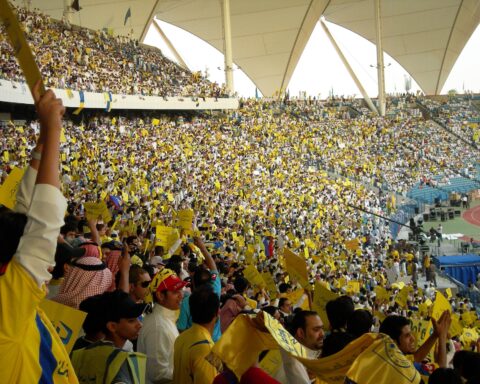
Before the war, Vision 2030 delivered visible compensations for fiscal tightening: concert programming, international sporting events, the Riyadh Season festival. The war has hit that calendar. Formula 1 cancelled the April Saudi Arabian Grand Prix, National Day fireworks and drone shows were postponed, and Riyadh schools moved classes online for a week in September.
The expenditure profile admits no easy cuts: military outlays cannot be reduced while the operational tempo persists.
How Fast Is the Sovereign Buffer Depleting?
The Public Investment Fund entered 2026 with assets under management above SAR 3.4 trillion, more than $900 billion. But assets under management and deployable liquidity measure different things, and the distinction is acute in wartime.
PIF’s 2025 annual report showed revenue up 9 percent to $120 billion and net profit of $17 billion. Its 2026–2030 strategy, published in August, described a shift “from rapid expansion to consolidating efficiency” and toward enabling the private sector.
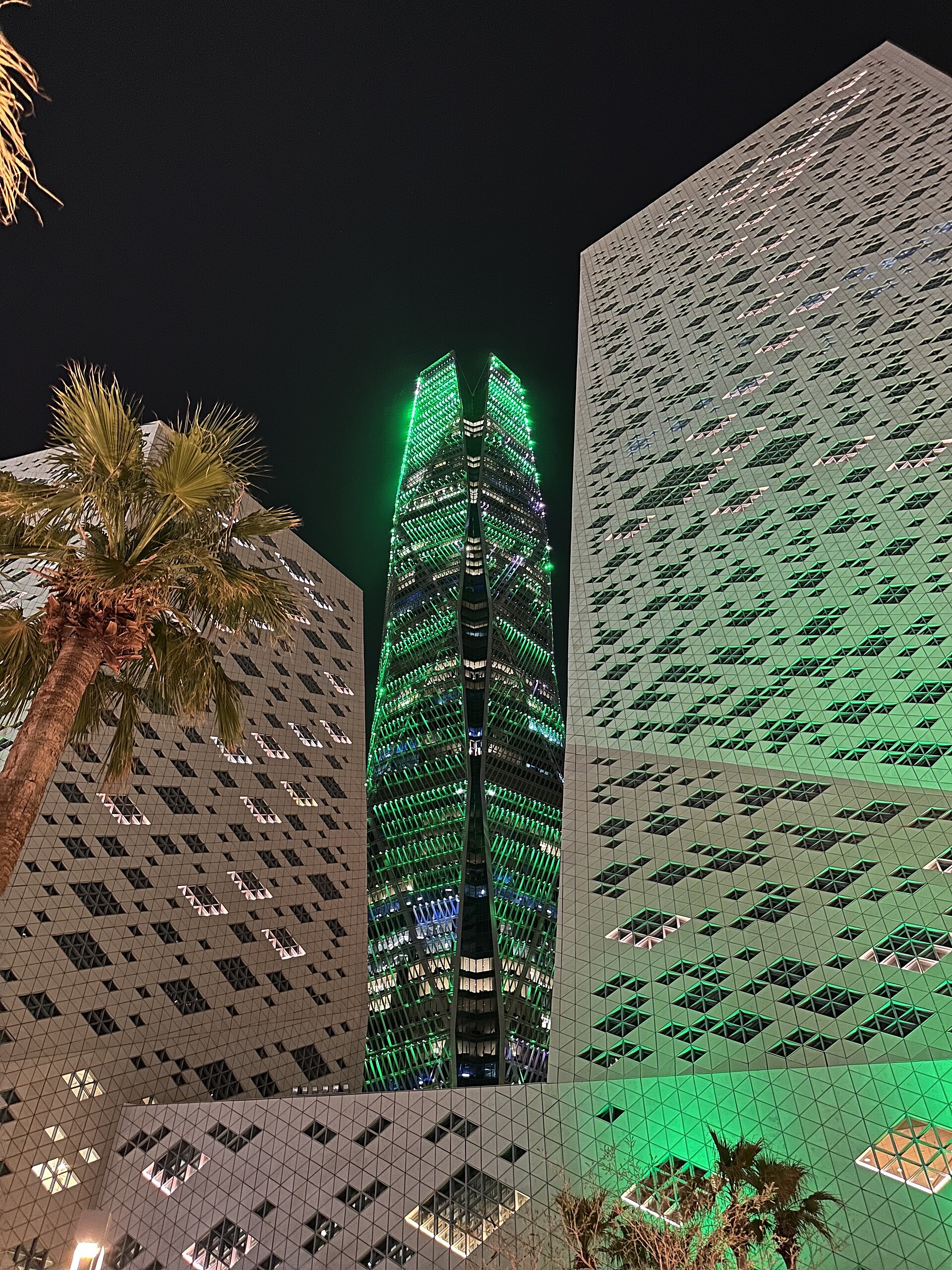
Retrenchment began before the war: the 2029 Asian Winter Games at Trojena were postponed indefinitely in January 2026. NEOM halted further work on The Line until at least after 2030, Semafor reported in May. What the war produced was a fiscal shock the recalibration was not designed to absorb.
With the state deficit widening, the fund’s ability to sustain both its Vision 2030 mandate and the kingdom’s wartime fiscal requirements depends on new borrowing or asset sales. The finance ministry has said its 2027 borrowing plan will be disclosed by the end of the year.
PIF’s 2026-2030 strategy regroups its holdings into six ecosystems and favours consolidation over expansion. The shift is rational. It also converts a sovereign wealth fund designed for economic transformation into a wartime financial manager, prioritising resilience over the physical infrastructure — cities, entertainment districts, tourism corridors — that formed the original centrepiece of Vision 2030.
The Breakeven Price That Vision 2030 Built
Vision 2030 was designed to reduce Saudi Arabia’s dependence on oil revenues. Its fiscal record, after a decade of implementation, is more mixed: spending rose with the programme, and the budget remains heavily exposed to oil.
The mechanism is straightforward. Vision 2030 added structurally higher non-oil expenditure — entertainment infrastructure, tourism development, sports-event hosting, city-scale construction, education reform, health-sector expansion — without building a non-oil revenue base at comparable speed. Non-oil revenue grew, but not fast enough to fund the commitments the programme generated. The gap was filled by oil revenue, which meant the budget’s sensitivity to oil prices increased during the decade the programme was supposed to reduce it. Each year of implementation ratcheted the breakeven higher as new spending commitments — once legislated or contracted — persisted regardless of oil-price cycles.
Saudi Arabia could maintain Vision 2030 spending levels, sustain OPEC+ production discipline, or preserve fiscal balance, but not all three simultaneously. The war removed the choice by eliminating production flexibility. With crude supply near six million barrels per day, even Brent above $100 has not prevented the deficit from widening. The IMF’s October revision made the arithmetic explicit, projecting a 3.3 percent GDP contraction despite oil prices above $100 — the oil price and volume paradox the war created.
The first-half fiscal data suggest the kingdom cannot finance both the war and Vision 2030 at current scale. Vision 2030 funded an oil-independence agenda with oil-dependent budgets — the programme expanded spending into new sectors while the revenue base that funded the expansion remained concentrated in crude. The war compressed the timeline over which that contradiction had to be resolved. The IMF’s October 2026 World Economic Outlook formalised that verdict: Vision 2030’s wartime economic test produced a 3.3 percent GDP contraction, the Fund’s first full accounting of the damage.
Did Diversification Survive the War?
By 2025, Vision 2030 planners cited the growing share of non-oil activity in the economy as evidence that the programme’s core objective was being met.
The war tested whether that translated into resilience. Non-oil activity grew just 0.6 percent in the second quarter of 2026, according to GASTAT’s flash estimate. The sectors most exposed were not peripheral to the diversification programme — they were its flagship outputs: logistics networks disrupted by Red Sea and Gulf corridor closures, transport hit by the Houthi blockade, and an events calendar disrupted as airlines cut routes and travel advisories proliferated.
The insulation thesis — that non-oil sectors would buffer the economy during oil-price shocks — assumed a specific type of shock: a price decline in which revenues fall but the physical and commercial environment remains intact. A regional war tests something different. It simultaneously depresses production, disrupts the transport and logistics corridors that service the non-oil economy, deters foreign investment, and diverts public spending from commercial infrastructure to military operations. The Q2 data answered whether the non-oil economy had an autonomous foundation or whether it depended on the same security environment the oil economy requires.
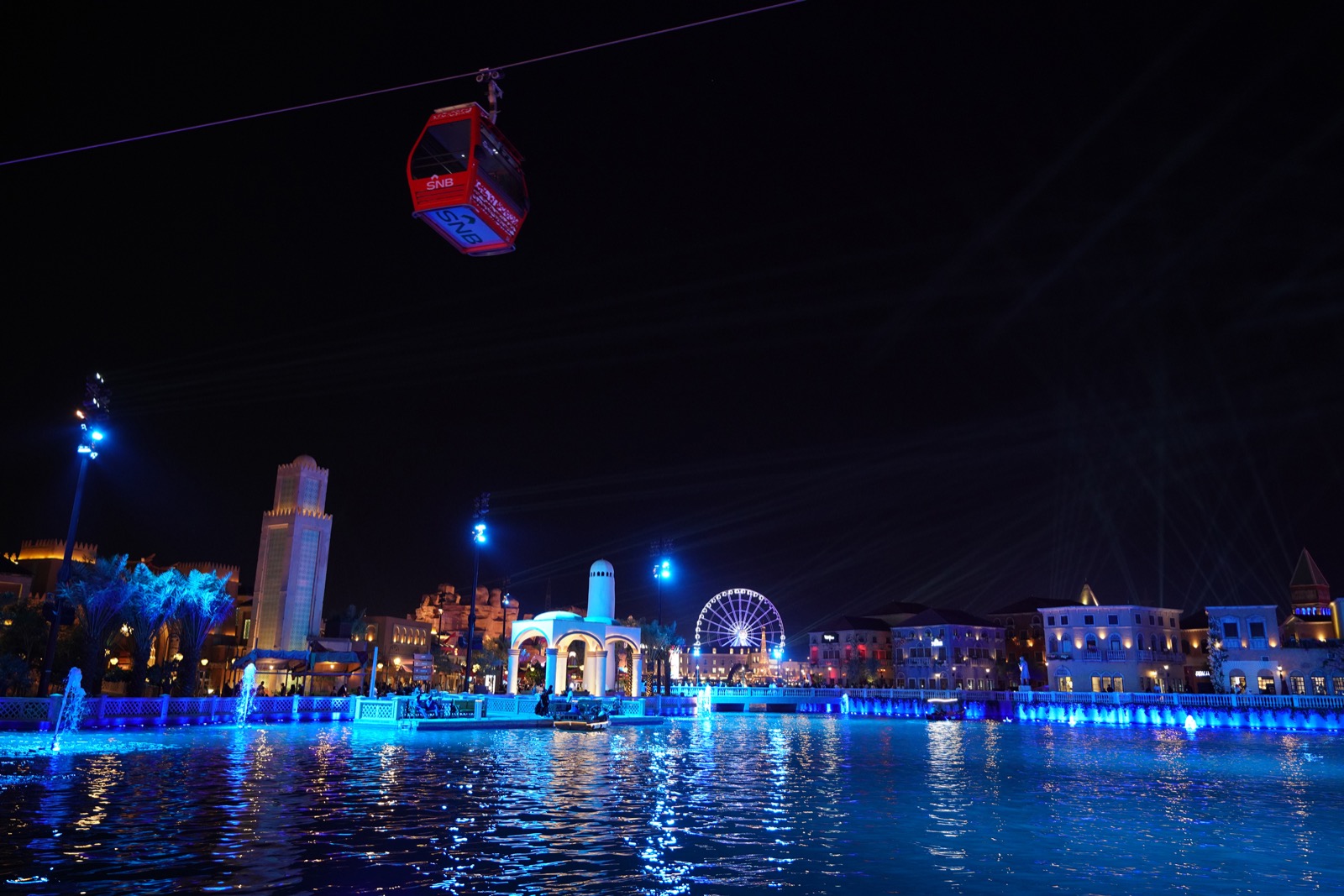
The entertainment sector faced cancellations and deferrals as security concerns mounted. Tourism, the most externally visible of Vision 2030’s diversification achievements, depends on the airline routes the war has disrupted. The logistics and transport sectors that Saudi Arabia had positioned as evidence of its role as a hub connecting Europe and Asia via the Red Sea were precisely the sectors most exposed to the maritime disruption the Houthi blockade imposed.
Wartime disruption can accelerate import substitution, but the transition requires years, and its fiscal cost compounds the deficit the government is already running. The absence of a functioning collective-security architecture in the Gulf means the security precondition for pre-war diversification has no institutional mechanism for restoration.
Can Saudi Arabia Repeat 1990?
The current war’s fiscal damage is frequently compared to the 1990-91 Gulf War. The comparison is instructive, but not in the direction usually assumed. In 1990, the loss of Iraqi and Kuwaiti supply — about 4.3 million barrels a day combined — pushed the average monthly oil price from $17 a barrel in July to $36 in October, a rise the kingdom was positioned to sell into.
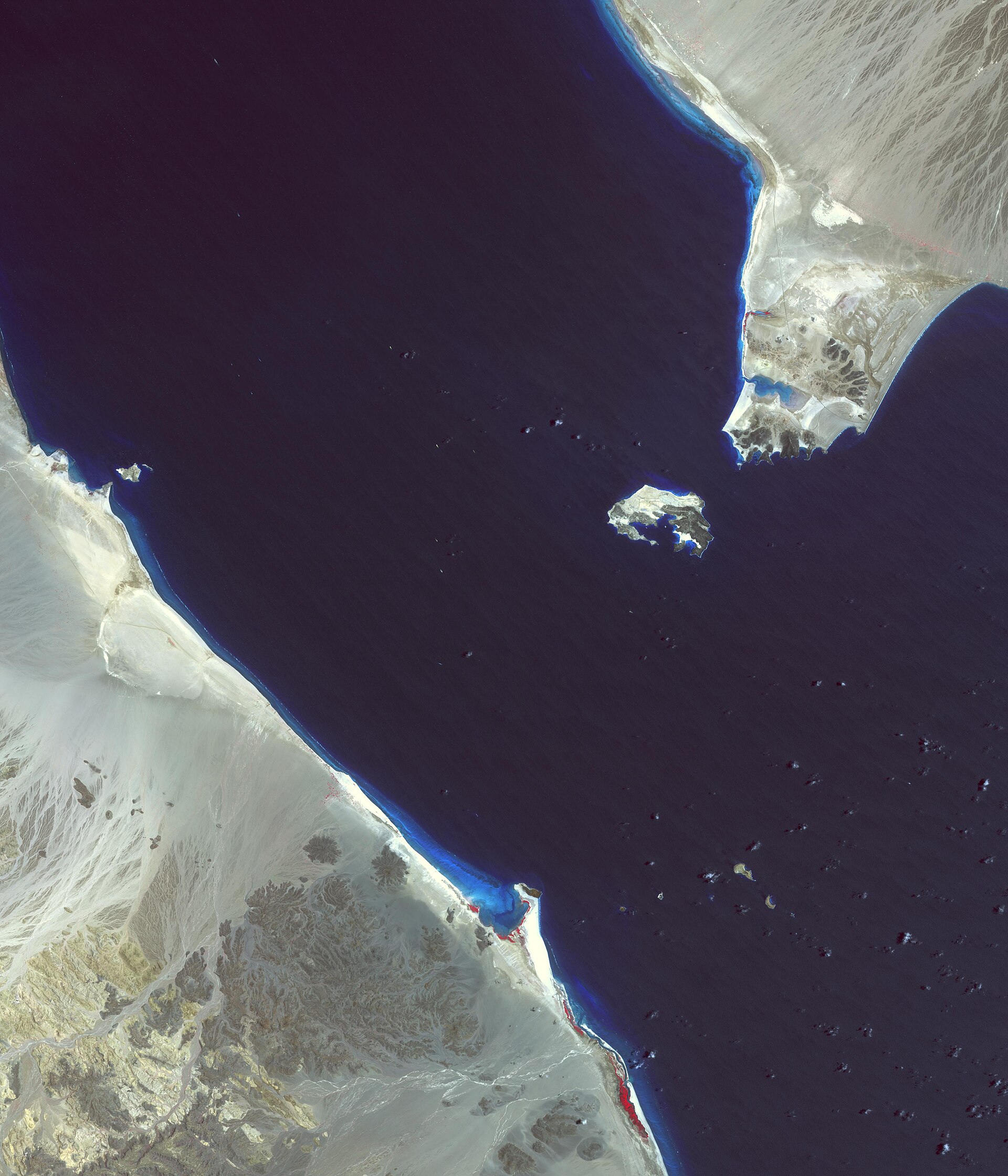
In 2026, the trajectory is inverted. Production is falling, not rising. Oil prices rose sharply — Brent passed $100 in March and peaked above $126 in April — but the kingdom could not capitalise fully on the gain because output was declining simultaneously, with export routes through both Hormuz and Bab al-Mandeb compromised and an East-West Pipeline still recovering from drone damage to three pumping stations.
The pricing signal from that route compression arrived in Aramco’s November official selling prices: Aramco’s November OSP cut Asia to a six-year low, setting Arab Light at minus $5 per barrel against the Dubai/Oman average — the deepest Asia discount since June 2020 — while simultaneously raising European prices by $3, a split that maps directly onto Bab el-Mandeb corridor risk.
The market’s judgment of where Aramco’s vulnerability ends was tested directly on October 13, when a Houthi missile struck the company’s headquarters in Dhahran. Brent added sixty-three cents — a 0.6 percent move that priced the destruction of the building coordinating Saudi oil output at less than a standard-deviation daily swing, while Goldman Sachs’s $22-per-barrel war premium remained unchanged.
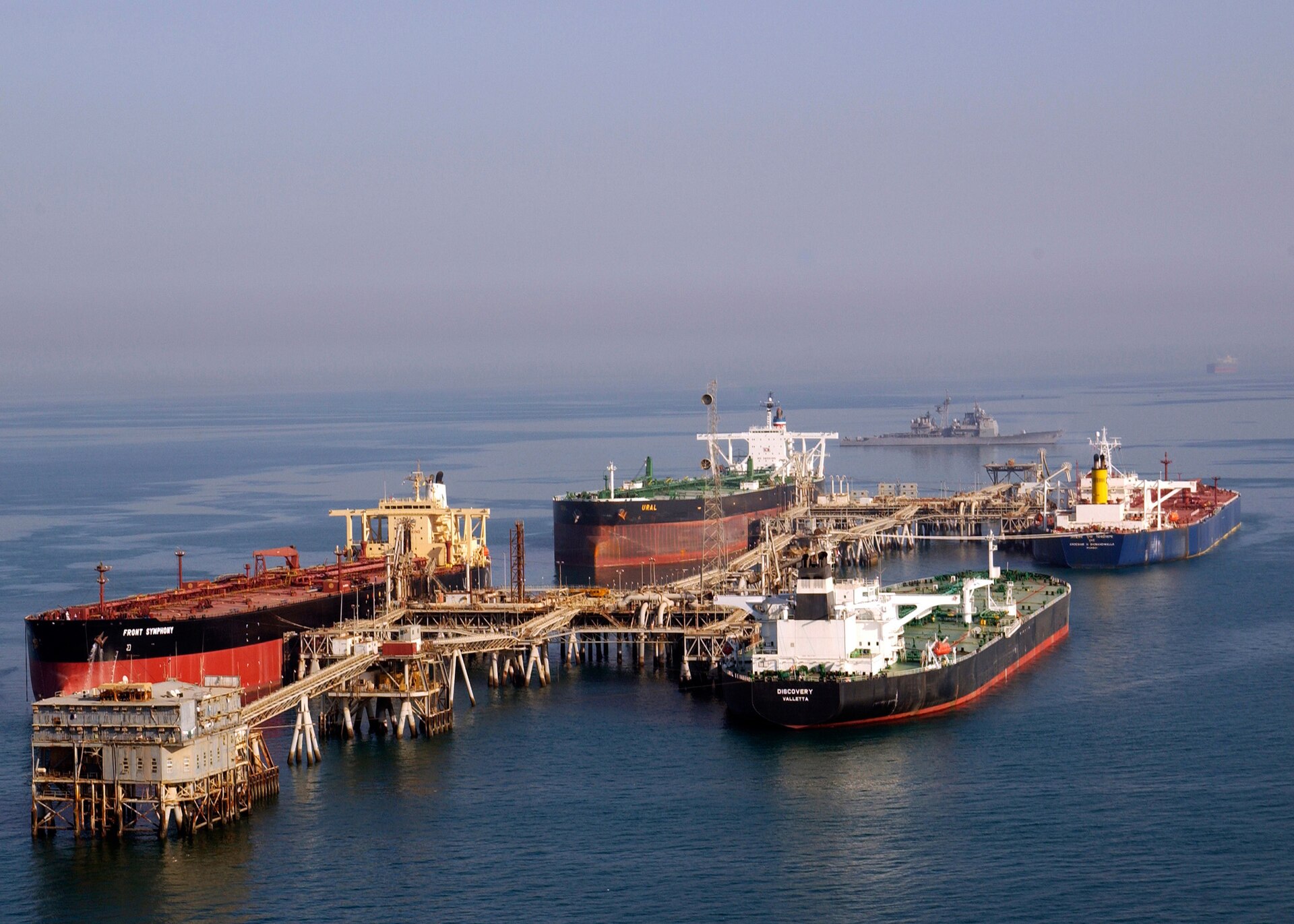
Saudi Arabia’s role in the two conflicts also differs. In 1990, the kingdom was a rear-area base and financial backer for a US-led coalition that fought the war in Kuwait and Iraq. Saudi territory was not a primary target, and oil infrastructure was not under direct threat. In 2026, Saudi export routes, military installations, and the maritime approaches to the peninsula are under active threat. Houthi forces declared a maritime blockade of Saudi Arabia in July, and Iran has fired on US positions in neighbouring states. The war is not happening elsewhere with Saudi money; the economic damage is a direct function of the kingdom’s geographic exposure to the conflict. Retaking Bab el-Mandeb is the operational response Riyadh has backed, through a Yemeni ground offensive — but the kill-chain problem at the heart of the Bab el-Mandeb offensive has no easy solution: Washington refused Saudi requests for airstrikes twice, and US strike support remains unavailable.
The expenditure comparison is equally unfavourable. In 1990, Saudi Arabia did not have a spending programme on Vision 2030’s scale; the ministry now projects 2027 expenditure of 1.39 trillion riyals. Peacetime expenditure was substantially lower, so the incremental war cost was absorbed against a smaller baseline. In 2026, the war’s fiscal burden layers on top of Vision 2030’s structurally elevated spending base, producing a compound deficit that neither the war alone nor the transformation programme alone would have generated.
What the Recovery Forecast Requires
The pre-budget statement projects GDP growth of 12.8 percent in 2027, categorising the 2026 contraction as a temporary, war-driven shock rather than a structural break. The projection is mathematically plausible: a return to the roughly 8 million barrels per day the IEA recorded in July, combined with restored export capacity, would produce a substantial base-effect recovery. A rebound of that magnitude would require the oil sector to nearly reverse its 2026 decline within twelve months — a production ramp that depends on open shipping lanes, willing buyers, stable insurance markets for Gulf-bound tankers, and physical export infrastructure that has been partially damaged.
Recovery requires, at minimum, a cessation or substantial reduction of hostilities that allows crude production to ramp; the reopening of both Hormuz and Bab al-Mandeb to commercial shipping at pre-war volumes; restored investor confidence sufficient to restart PIF’s construction programme; and a spending strategy that returns the fiscal trajectory toward consolidation. Each condition depends on variables the Saudi government does not control.
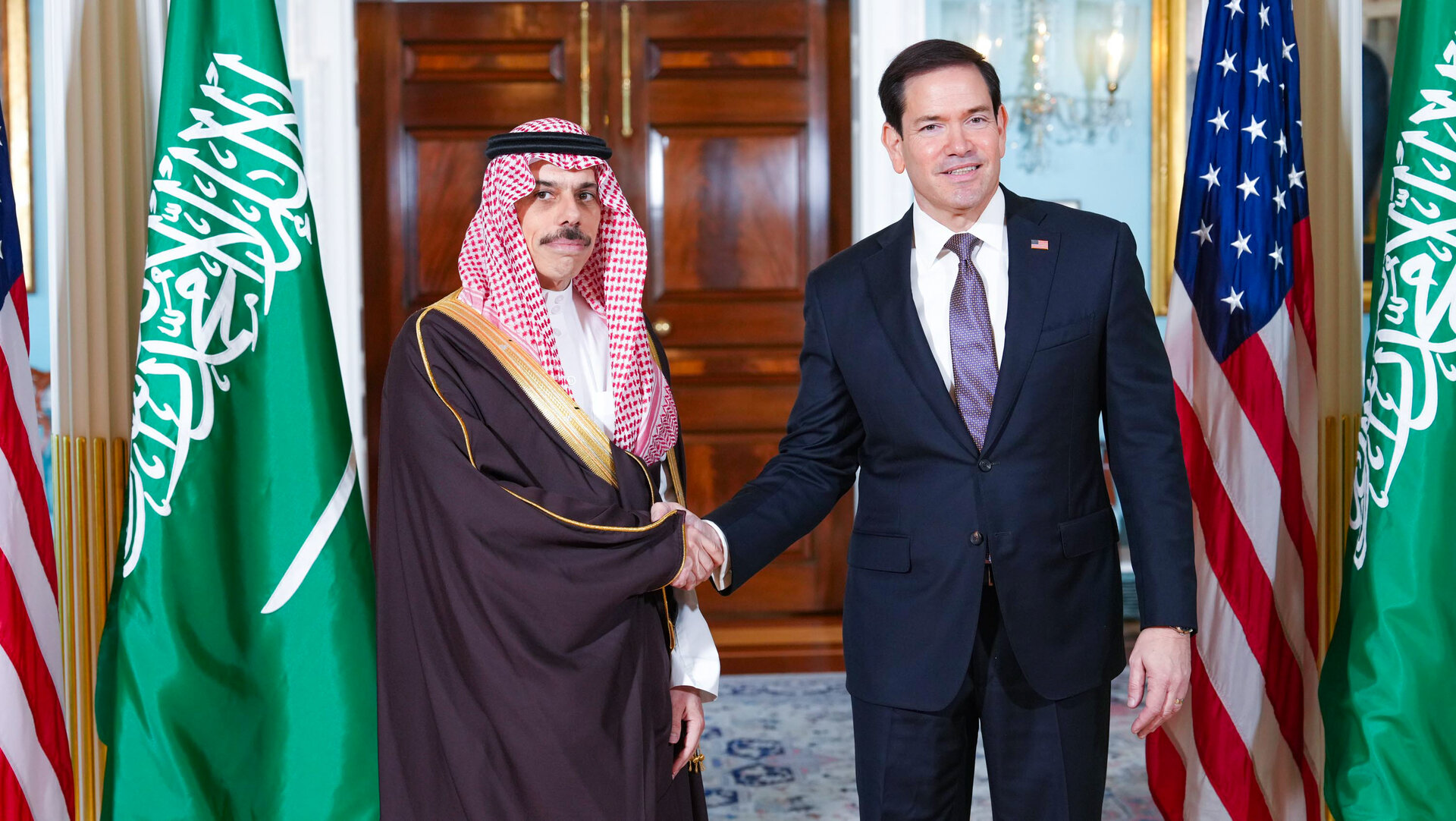
The 2027 deficit projection — 191 billion riyals, about $50.9 billion — confirms that even in the recovery scenario, fiscal balance does not return. Foreign Minister Faisal’s September visit to Washington produced no deliverables on the three items most relevant to the recovery timeline: PAC-3 interceptor resupply and operations against Houthi positions. Both carry delivery timelines extending past the recovery window the forecast assumes.
The government’s bet is that the contraction is temporary. The operational pause in late July produced a temporary de-escalation that did not yield a durable ceasefire. Two months after that pause, the pre-budget statement put the 2026 deficit 80 billion riyals, about $21.3 billion, above the original projection.
Frequently Asked Questions
How does the 2026 deficit compare to Saudi Arabia’s 2015 fiscal crisis?
The 2026 deficit, now estimated at 245 billion riyals, arrives with crude shipments near three-decade lows and a wartime operational tempo that forecloses the kind of fiscal consolidation the 2015 oil-price collapse prompted. The government responded to that earlier crisis by launching Vision 2030; the programme created in response to 2015 is now part of the 2026 fiscal problem.
How has the war affected the PIF’s investment strategy?
PIF has not formally suspended its 2026-2030 strategy, which it says marks a shift “from rapid expansion to consolidating efficiency.” Its priorities appear to have shifted away from the construction and entertainment sectors that originally defined the programme, a reorientation likely to outlast the war itself.
Would the fiscal outlook improve if the war ended immediately?
Even under the government’s own recovery scenario, the 2027 deficit remains 191 billion riyals, about $50.9 billion. The structural spending commitments — health reform, education expansion, entertainment infrastructure, urban development — are not war expenditure and would not be reduced by a ceasefire. A post-war recovery would still require either sustained high oil prices or spending cuts amounting to a formal reduction in Vision 2030’s scope. No Saudi official has publicly signalled willingness to pursue the latter, and the programme’s domestic political architecture makes scope reduction difficult to announce even if the fiscal arithmetic demands it.
The scope-reduction question is no longer theoretical. PIF is preparing to drop five stadiums from the 2034 World Cup bid, including the $2.5bn NEOM venue — the clearest public signal yet that the programme’s capital constraints are forcing structural, not cosmetic, cuts.
The House of Saud Daily Briefing
Saudi Arabia's news in 3 minutes, every morning. Free. See today's issue