
Correction, October 12, 2026: An earlier version of this article said Saudi crude exports recovered to 6 million barrels per day in September from 3.4 million in August; the IEA reported that Saudi crude shipments fell to 6 million barrels per day in August, the lowest in more than three decades. It also misstated the sequence of Iran’s seven-day proposal, described a UN General Assembly address by Prince Faisal bin Farhan on September 20-21 that did not take place, described Operation Project Freedom as a bombing campaign when it was a US naval escort operation, said the period before the November 3 midterms was two months or sixty-one days when it was 38 days, called France the first NATO member to commit ground forces to Saudi soil, and cited a Truth Social “Trump Strait” post, Patriot interceptor stock figures, Hormuz transit counts, Atlantic Council stress-test figures and several quotes that we could not source. These have been corrected or removed.
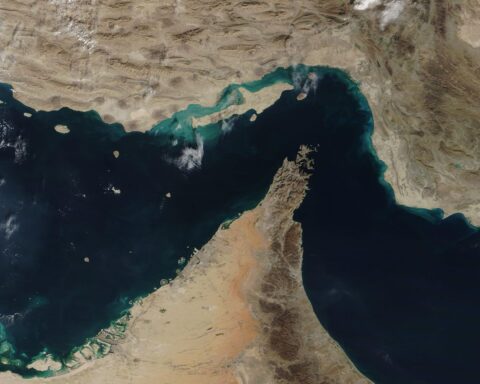
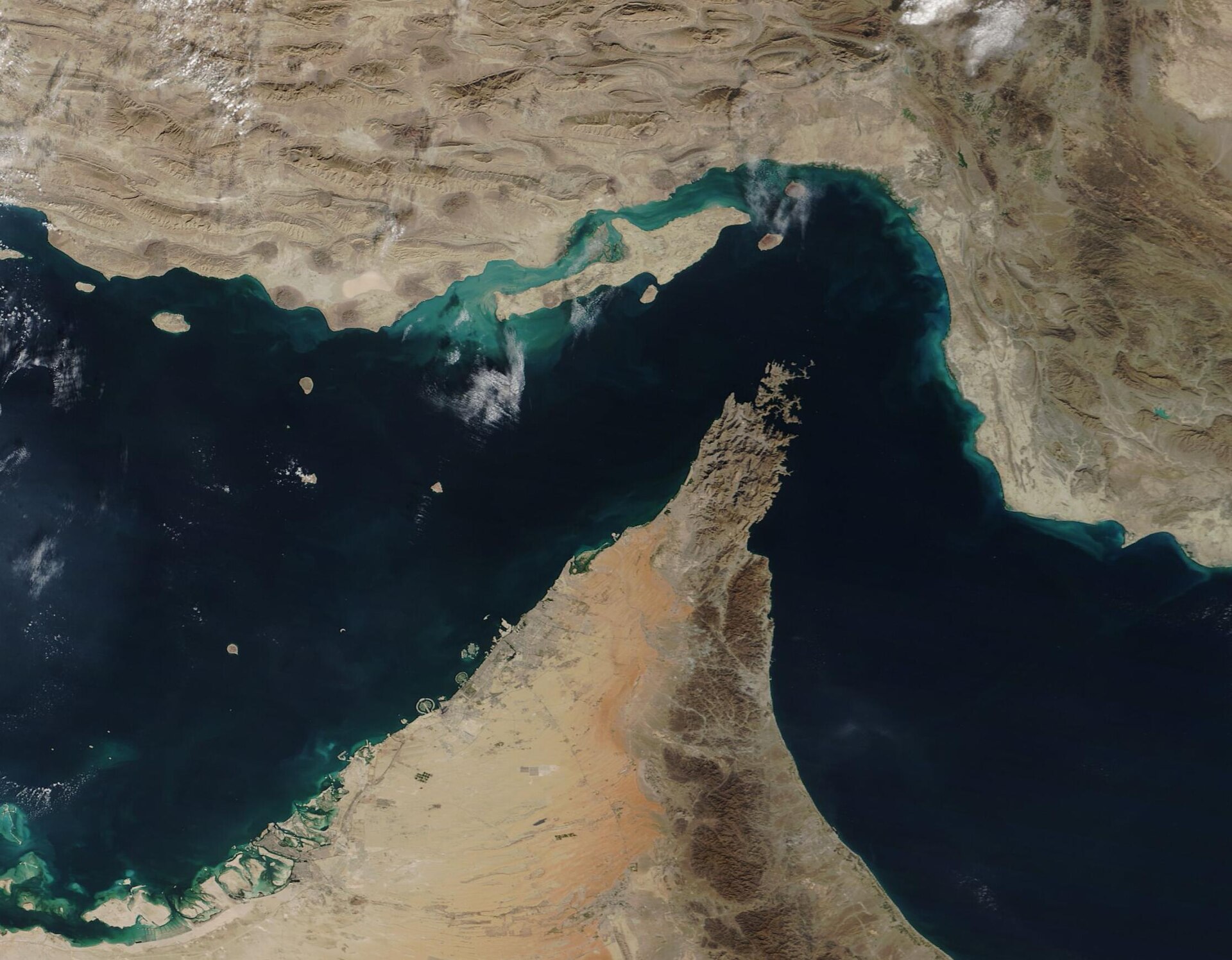
RIYADH — Donald Trump rejected Iran’s seven-day plan to reopen the Strait of Hormuz and, according to the Wall Street Journal, told aides he expects to resume bombing after the November midterm elections. For Saudi Arabia, the rejection was secondary — the date was the story.
For seven months, Riyadh has managed the Hormuz closure as an open-ended emergency — spending deferred, alliances left vague, public statements kept deliberately empty. The WSJ’s sourcing on a post-midterms bombing timeline converted fog into calendar. The crisis now has a floor: at minimum, closure until after the November 3 midterms, with no confirmed ceiling.
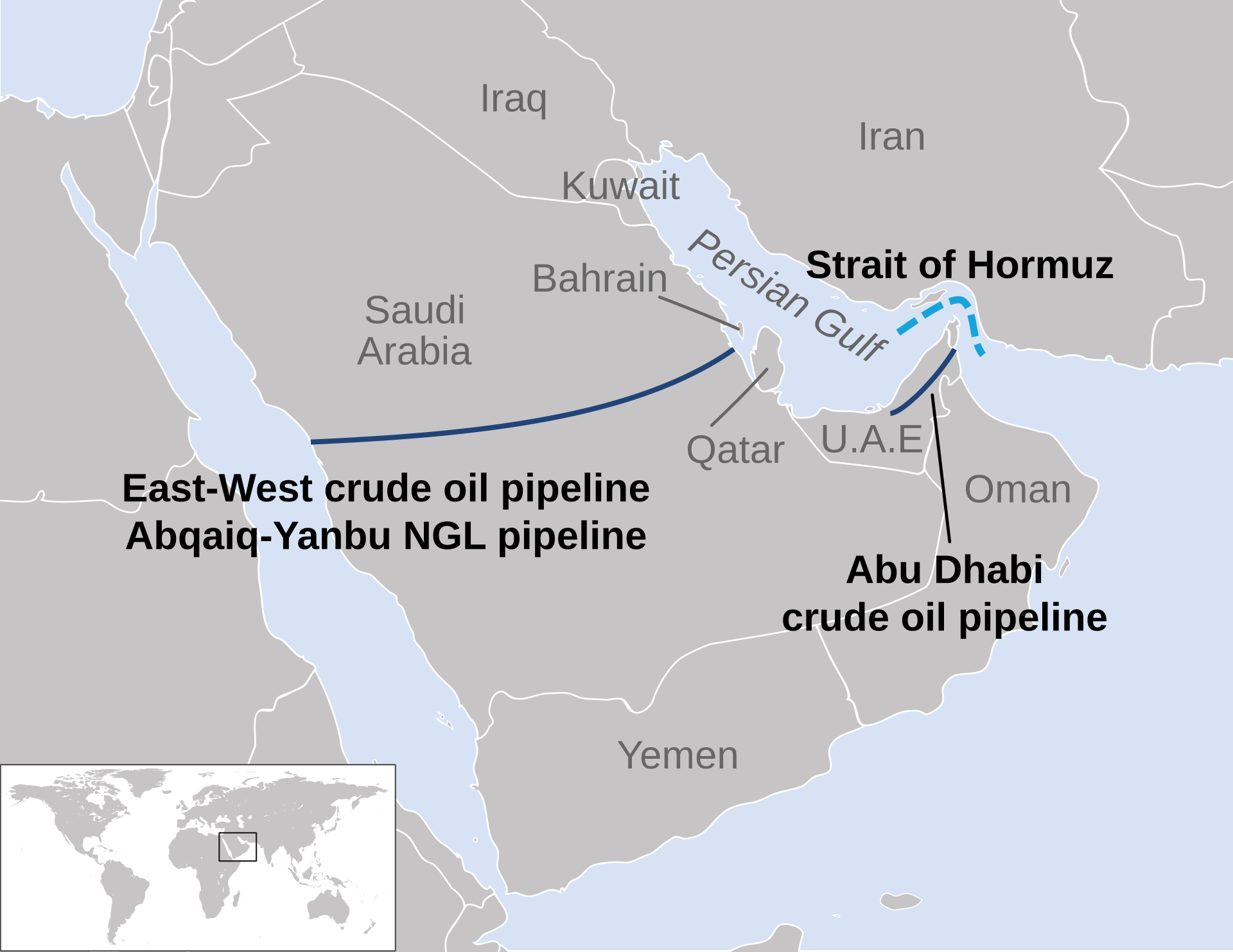
The IEA put Saudi crude shipments in August at 6 million barrels per day, the lowest in more than three decades, and Aramco has told European refiners it is still building volumes at Yanbu before resuming deliveries. The East-West pipeline restarted on September 22 after an eleven-day drone shutdown, at a throughput that has not been disclosed.
Table of Contents
- The Seven-Day Plan That Lasted One News Cycle
- What Did Trump Actually Reject?
- How Does Saudi Arabia Plan Around a Dated Crisis?
- Six Million Barrels and Nowhere to Send Them
- Can the Interceptors Last Until November?
- The Pipeline Saudi Arabia Cannot Afford to Lose Twice
- What Does Riyadh’s Reticence Tell Us?
- The Financial Floor
- Saudi Arabia’s Hormuz Crisis by the Numbers
- Frequently Asked Questions
The Seven-Day Plan That Lasted One News Cycle
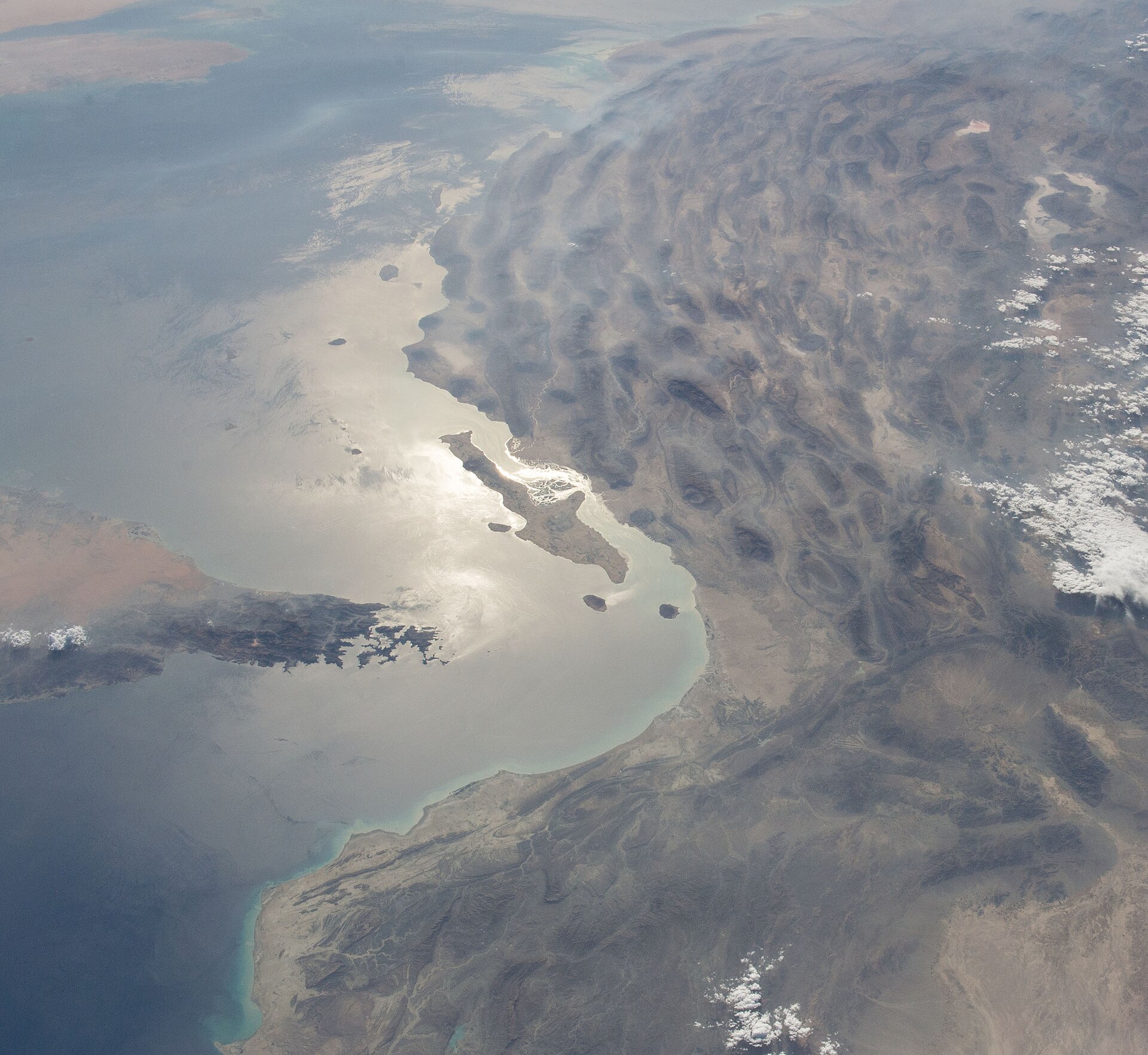
Iran’s Foreign Minister Abbas Araghchi met Trump envoy Steve Witkoff on Tuesday on the sidelines of the UN General Assembly in New York, and Iran conveyed a seven-day roadmap to Washington through Qatar. The sequencing was specific and deliberately front-loaded: initial steps would take four to five days; in return, Washington would lift its naval blockade, waive oil sanctions and release frozen assets. The Strait of Hormuz would reopen on day six. On day seven, talks on a final deal would begin.
Tehran sought the release of an estimated $12 billion in frozen Iranian assets, according to Al Jazeera. The plan looked built to be rejected. Nuclear concessions were pushed past the Hormuz reopening, not placed before it. The enrichment programme, the stockpile, the centrifuges: all outside the seven-day sequence.
The Middle East briefing 3,000+ readers start their day with.
One email. Every weekday morning. Free.
The proposal followed the US-Iran memorandum of June 17, reached after Qatari and Pakistani mediation, which set a 60-day window for talks but collapsed within weeks. Iranian President Masoud Pezeshkian reinforced the framing on Fox News: “It’s America that must choose whether it wants to end this or not” — a line that placed the burden of initiation on Washington.
The proposal’s diplomatic utility was never about acceptance. It was about authorship: Iran wanted to be the country that offered peace, on the record, during the General Assembly week, so that whoever resumed bombing would do so having publicly declined it.
What Did Trump Actually Reject?
Trump appears to have rejected the sequencing, not the principle. The WSJ’s reporting, citing US officials, said the president told aides he expects to resume bombing Iran after the November midterm elections — the first public indication of when a major bombing campaign might resume. The word “expects” is doing real work in that sentence. It is not a commitment, not a plan, not an order — it is a disposition, leaked at a moment when the White House needed to signal resolve without spending a single munition.
The reluctance matters as much as the timeline. US officials told the Wall Street Journal that Trump “remained reluctant to resume large-scale military operations,” and that his position could change as the conflict continues and election results emerge. For Riyadh, that leaves the question of US force allocation in Washington’s hands — a question over which it has no influence and no seat.
“Told aides he expects to resume bombing Iran after November’s midterm elections” — Wall Street Journal, as reported September 26, 2026
By Friday, Iran said it was awaiting Washington’s response, a deliberate choice to keep the proposal formally alive even after the informal rejection. Tehran is preserving optionality and placing the burden of formal closure on Washington — the diplomatic equivalent of leaving the door open so that whoever slams it does so loudly and on camera.
How Does Saudi Arabia Plan Around a Dated Crisis?
This is the question the WSJ report inadvertently answered — not for Washington, but for Riyadh. For seven months, Saudi Arabia managed the Hormuz closure the way states manage open-ended emergencies: hedging, deferring, keeping options alive, because an open-ended crisis demands resilience not strategy. Riyadh could tell partners the situation was fluid, that American strikes might resume any day, that Hormuz could reopen at any time. The ambiguity was itself a form of protection, because ambiguity excuses inaction.
Trump ended that. Not through a policy decision communicated through diplomatic channels, but through officials’ account to the Wall Street Journal — a disclosure no Saudi strategist planned for and no Saudi diplomat can now ignore. The planning horizon is published, and European lifters, Asian buyers, shipping insurers, credit agencies, and defence contractors can all read the same sentence: after November. Saudi Arabia cannot claim uncertainty about the timeline when US officials have told reporters when the president expects bombing to resume.
What certainty changes is not the material situation — the strait was closed yesterday and it is closed today. What it changes is the set of questions that partners, creditors, and the Saudi public are entitled to ask.
If Hormuz will not reopen before November at the earliest — and potentially not before 2027 if a post-midterm bombing campaign produces an Iranian escalatory response — then what is the actual throughput of the East-West pipeline, what is the interceptor resupply timeline, and what is the strategy for the European crude market? These questions were deferrable when the crisis had no timeline. They became unavoidable the moment it acquired one.
As of publication, we found no public Saudi response to Iran’s proposal, Trump’s rejection, or the WSJ report. The omissions were not oversights — they were the diplomatic vocabulary of a state that has not decided what to say, or has decided that saying nothing is the safest option while its security guarantor sets the timeline.
Six Million Barrels and Nowhere to Send Them
The IEA put Saudi crude shipments in August at 6 million barrels per day, the lowest in more than three decades. It put Saudi crude supply at 5.97 million barrels per day in August, down from 8.24 million in July.
Aramco has told European refiners it is still building a “critical mass” of volumes at Yanbu before it resumes crude deliveries, according to Reuters. The East-West pipeline restarted on September 22 after the drone shutdown, but Yanbu loadings had not resumed by September 24 and no barrel-per-day figure was confirmed.
The pipeline’s design capacity is about 7 million bpd; before the September 11 shutdown it was carrying about 4 million bpd of rerouted export crude. What it is carrying now has not been disclosed.
The result is a market reading the pipeline rather than the monthly averages. For trading desks in London and Singapore, the question is not what September averaged but what October will deliver, and that depends on a pipeline whose vulnerability was demonstrated two weeks before the WSJ gave the crisis a calendar — and whose protection depends on air defences under heavy demand.
Can the Interceptors Last Until November?
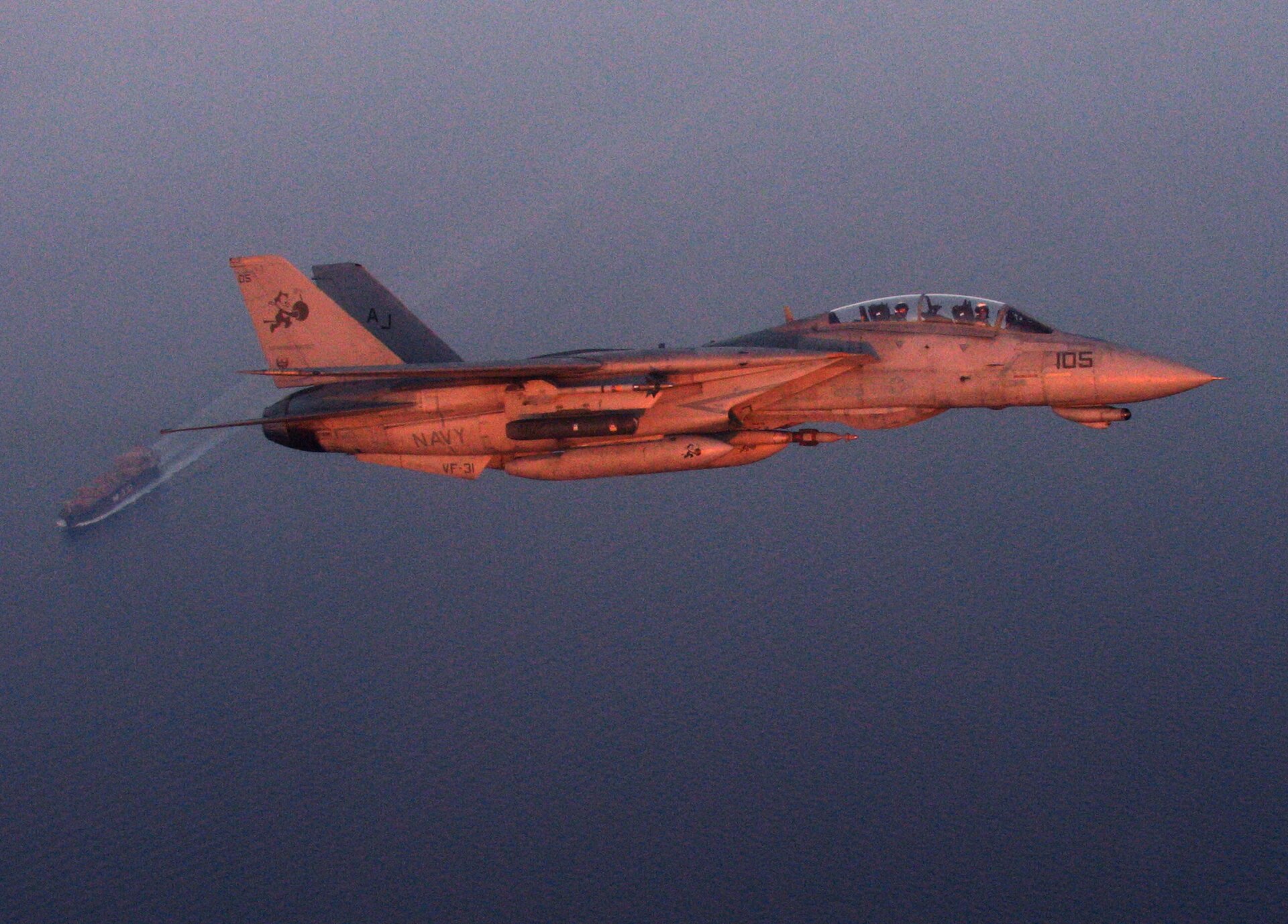
Published estimates of Saudi Arabia’s remaining PAC-3 interceptors conflict, and none has been confirmed. Resupply is a gap Saudi Arabia has sought to close through American and alternative procurement channels. The demand on those stocks has risen with the September drone attacks on the East-West pipeline and continued Houthi strikes, while Trump decided against US strikes on the Houthis, at least for the time being, according to the New York Times.
The November timeline turns a general concern into a specific planning problem. If Iran or the Houthis escalate, knowing that American strikes are not expected until after the midterms, the demand on Saudi air defences rises. Every adversary who can read the Wall Street Journal now knows the same thing Riyadh does: the WSJ’s reporting points to no major American bombing campaign before the November 3 midterms.
The Mecca Joint Defence Agreement signed August 7 with Pakistan and Turkey was meant to strengthen Saudi defences against exactly this category of threat. The Arab Center Washington DC’s analysis cited the judgment that the pact’s language “carries political weight without operational content,” and noted Turkish Foreign Minister Hakan Fidan’s statement that it “identifies no common adversary and is not directed at Iran.” The agreement seemingly does not cover drone strikes, according to the same analysis — the weapon used against the East-West pipeline in September and a frequent threat to Saudi Arabia since the war began. A defence pact that may not cover drones in a drone war is a communiqué dressed as a treaty. The first outside actor to address that gap directly was not a Mecca pact signatory: France pledged troops and air defence for Yanbu.
The Pipeline Saudi Arabia Cannot Afford to Lose Twice
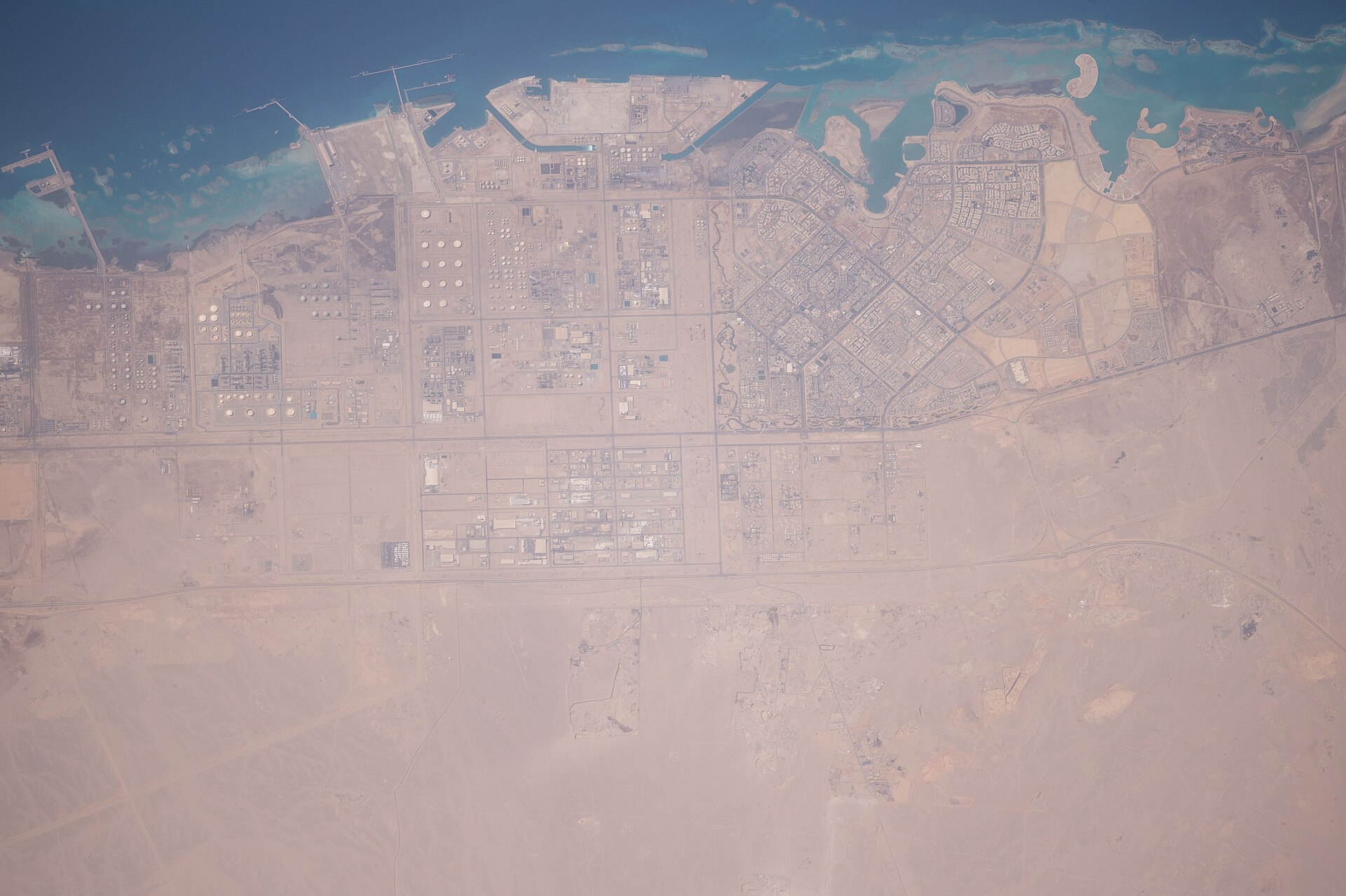
The East-West pipeline’s September 22 restart deserved more attention than it received. The pipeline is not a backup system — it became Saudi Arabia’s primary export route once Hormuz traffic collapsed. After Prince Sultan Air Base lost its deterrent value, it became the main piece of infrastructure keeping Saudi crude flowing to global markets — and the September drone attacks showed it can be reached by the Iraqi militia Saudi Arabia blamed for them.
The restart came with no published throughput figure, which leaves the market guessing. But Yanbu is more than an export terminal: it hosts major oil storage and refining facilities.
At reduced throughput, there is a prioritisation question that Saudi Arabia has not addressed publicly — does the crude go to export cargoes or to domestic refining? At the pipeline’s full 7-million-bpd capacity, there is room for both. At an undisclosed rate, there may not be, and the choice between export revenue and domestic fuel supply is not one any government makes in public.
The pipeline’s demonstrated vulnerability changes the risk profile of the coming weeks. Saudi Arabia’s adversaries now know that drone attacks can take the East-West corridor offline for eleven days, that the WSJ reports Trump expects to resume bombing only after the midterms, and that the Mecca pact specifies no trigger mechanism. The pipeline is operational today, but it operates in a threat environment that the WSJ’s published timeline has made more permissive for Saudi Arabia’s adversaries, not less.
What Does Riyadh’s Reticence Tell Us?
The diplomatic track — Doha, Islamabad, New York — has produced proposals and counter-proposals, but no mechanism that includes Saudi Arabia as a negotiating party rather than an affected bystander watching its economic lifeline discussed in rooms it does not sit in.
Riyadh’s public posture operated within those constraints. By taking no position on Iran’s plan, it avoided two traps simultaneously: endorsing Iran’s seven-day plan, which would have put Riyadh ahead of Washington and exposed the Kingdom to a White House rebuke, and endorsing Trump’s rejection, which would have publicly aligned Saudi Arabia with a bombing campaign it has no control over and whose resumption is now pegged to American domestic politics. The absence of specificity was the strategy. In a week when Araghchi named his plan and the WSJ named the timeline, Riyadh named nothing.
That is not weakness — it is the calculated posture of a government that understands that the first Gulf state to take a public position on the US-Iran standoff inherits responsibility for the outcome. Washington’s own contradictions — a nuclear deal Trump then made conditional on the Abraham Accords, and a president who expects to resume bombing but remains reluctant to do so — give Riyadh cover for now. But the November timeline compresses that cover.
If bombing resumes and Hormuz still does not reopen, because bombing a strait open is not the same as negotiating it open, Saudi Arabia will eventually need a public position. The reticence that has worked so far may not survive the November timeline.
The Financial Floor
Saudi Arabia is not at zero exports. But deliveries to Europe are on hold while Aramco builds volumes at Yanbu, and the pipeline’s undisclosed throughput makes the actual export rate a matter of inference rather than confirmed data. The finance ministry had already reported a first-half deficit of 160 billion riyals. The value of any stress test here is not as a prediction of collapse but as a measurement of the cost of time.
Time is what the WSJ report has now quantified. Every week of continued closure costs Riyadh in revenue, in reserves, and in the credibility of economic plans built on assumptions the war has destroyed. The Public Investment Fund’s 2026–2030 strategy describes a shift “from rapid expansion to consolidating efficiency,” and its plans rest on revenue trajectories that pre-date the Hormuz shutdown.
The drone attacks that shut the East-West pipeline on September 11 showed how much remains to be done to reduce dependence on a single chokepoint, and the WSJ’s report in late September showed how little time there is to do it.
Saudi Arabia’s Hormuz Crisis by the Numbers
The following table compiles the data points that now define Saudi Arabia’s planning floor, drawn from reporting by Al Jazeera, Reuters, the IEA and the Wall Street Journal through September 26, 2026. Read together, they map the gap between the headline figures and the operational reality underneath them.
| Metric | Value | Source |
|---|---|---|
| Iran’s proposed reopening timeline | Day 6 of a seven-day roadmap | Al Jazeera, Sep 25 |
| Iran’s frozen assets demanded | About $12 billion | Al Jazeera, Sep 25 |
| Saudi crude shipments (Aug 2026, IEA) | 6 million bpd (lowest in more than three decades) | IEA, Sep 2026 |
| Saudi crude supply (Aug 2026) | 5.97 million bpd | IEA, Sep 11 |
| East-West pipeline design capacity | About 7 million bpd | Aramco, Mar 2026 |
| East-West pipeline throughput (before Sep 11 shutdown) | About 4 million bpd | Reuters, Sep 24 |
| East-West pipeline throughput (post-Sep 22 restart) | Undisclosed | Reuters, Sep 24 |
| European Saudi cargoes | On hold while Aramco builds volumes at Yanbu | Reuters, Sep 24 |
| Expected bombing resumption | After November 2026 midterms | WSJ, Sep 25 |
Frequently Asked Questions
Has Iran formally withdrawn its seven-day Hormuz proposal?
No. As of September 25, Iran said it was awaiting Washington’s response, according to Al Jazeera.
This is a calculated choice: by keeping the proposal formally on the table, Tehran preserves its ability to present itself as the reasonable party in any future UN Security Council debate or General Assembly vote on the conflict. The burden of closure remains on Washington, which would need to issue a formal, on-the-record rejection to kill the proposal, a step the White House has so far avoided by relying on officials’ comments to the WSJ to communicate its position indirectly.
Could Saudi Arabia negotiate directly with Iran to reopen Hormuz?
Not under the current diplomatic architecture, and not without considerable risk. The negotiating channels on Hormuz have run through two intermediaries: Qatar on the US-Iran track, and Oman on the Gulf-Iran track. Saudi Arabia has not been reported as a direct negotiating party in either.
For Riyadh to open a direct bilateral channel with Tehran on Hormuz would risk being seen by Washington as negotiating behind its ally’s back — a move that could jeopardise the American security umbrella Saudi Arabia depends on, particularly the PAC-3 resupply pipeline. The paradox is that Riyadh bears the heaviest economic cost of the closure but has the least diplomatic room to pursue its own resolution.
What happens to global oil markets if Hormuz stays closed through 2027?
Before the war, a fifth of the world’s traded oil and gas passed through the Strait of Hormuz, according to Al Jazeera. A closure extending into 2027 would prolong the pressure on Saudi export volumes and public finances; the finance ministry had already reported a first-half deficit of 160 billion riyals.
For global markets, the longer-term risk is a structural disadvantage for producers whose exports depend on a single chokepoint, and reducing that dependence requires infrastructure investment on a decade-long timeline that the current crisis does not provide.
That sequence — Washington receiving Saudi requests and declining to act on them — reached its clearest expression on September 28, when Faisal met Rubio and discovered that the Strategic Defence Agreement Washington cited did not commit it to the airstrikes Riyadh wanted. The full picture of what Faisal sought and did not receive when he arrived at the State Department is in Faisal Came to Washington and Left Without an Answer.
Iran’s seven-day Hormuz reopening proposal — rejected by Trump within days — compounded that isolation. The proposal placed Saudi Arabia inside a structural trap: endorsing the rejection aligned Riyadh with a military timeline it cannot control; opposing it would have broken with Washington; brokering a separate track was foreclosed by its exclusion from the Qatar channel.
How Qatar has used that channel in the weeks since — speaking solidarity with Riyadh while keeping the line to Tehran open — is the subject of Doha Spoke to Both Sides and Guaranteed Neither.