
Correction, October 12, 2026: An earlier version of this article said Houthi forces struck the East-West pipeline on September 10; Saudi Arabia blamed the mid-September drone attacks on Iraqi militia, and the pipeline was shut on September 11. It also called France the first NATO member to commit ground forces to Saudi soil, although US forces were based at Prince Sultan Air Base; dated Macron’s announcement and the Mecca pact foreign ministers’ meeting incorrectly; misquoted Pakistan’s defence minister; attributed an Arab Center analysis to an IISS analyst; described a King Salman address to the UN General Assembly and an August 2026 Paris summit for which we found no record; described Operation Project Freedom as grounding 43 Saudi warplanes; and included pipeline throughput figures, a Kpler table and other details we could not source. These have been corrected or removed, and the headline has been changed to reflect that France announced, rather than completed, its deployment.
PARIS — France will deploy soldiers, radar, and air-defence systems to Saudi Arabia’s Yanbu oil terminal, President Emmanuel Macron confirmed on September 25, pledging French ground forces to defend a Saudi energy site. The deployment comes as the Mecca Joint Defence Agreement, signed by Saudi Arabia, Turkey, and Pakistan on August 7 and treating an attack on one member as an attack on all, has produced no formal military response to repeated attacks on the kingdom’s most valuable remaining export infrastructure.
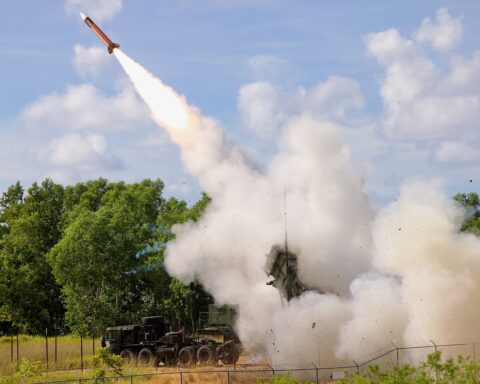
What he gave was a political commitment from a permanent UN Security Council member — a commitment none of the Mecca pact’s three signatories have matched through the pact’s own mechanism. Six ballistic missiles were intercepted over Yanbu and Taif the day before Macron spoke. No crude had loaded from Yanbu as of September 24, after a drone attack shut the pipeline that feeds it on September 11.
Table of Contents
- What Did Macron Announce?
- The Pipeline That Made Yanbu the Kingdom’s Last Export Route
- Why Has the Mecca Pact Not Moved?
- Pakistan Deployed Eight Thousand Troops Under a Different Flag
- One Voyager Tanker and a Kingdom Under Missile Fire
- How Does Iran Read the French Deployment?
- The Defensive Label and the Strategic Function
- Frequently Asked Questions
What Did Macron Announce?
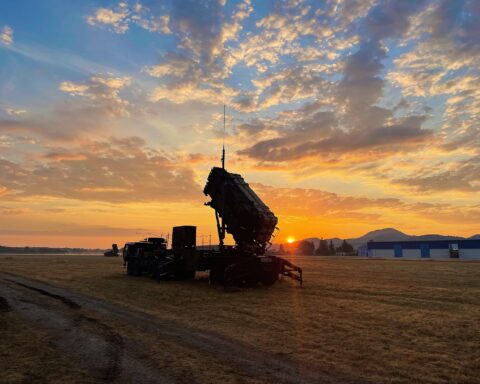
Macron told TF1 and France 2 that France would send “soldiers, radars, and defence systems” to protect the Yanbu site. The remarks as reported gave no troop numbers, system types or deployment timeline. The commitment was political.
French forces, he said, were going “not to involve ourselves in any conflict, but to protect the site.”
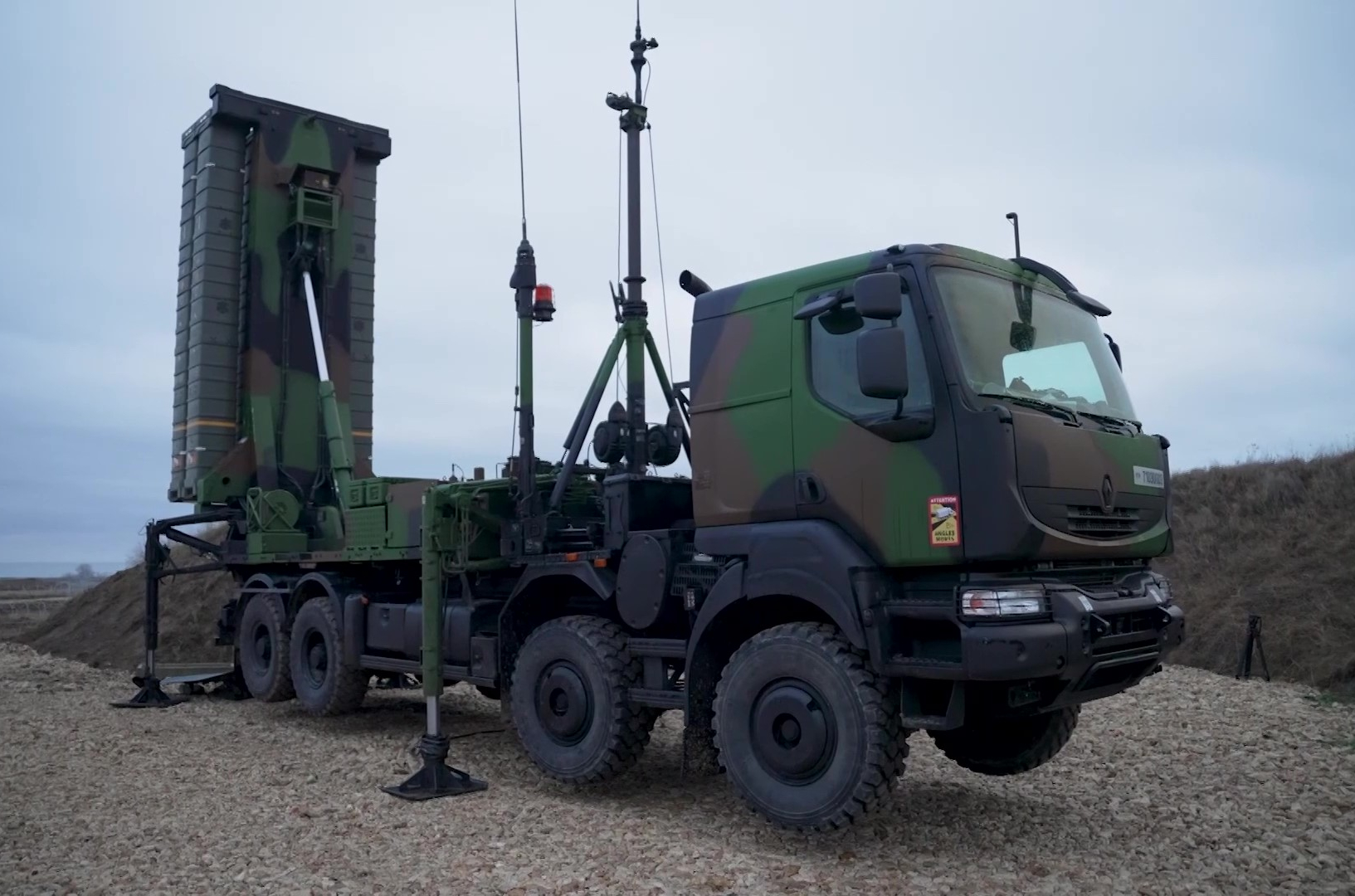
Macron has not confirmed which air-defence system France will send.
The Middle East briefing 3,000+ readers start their day with.
One email. Every weekday morning. Free.
The Pipeline That Made Yanbu the Kingdom’s Last Export Route
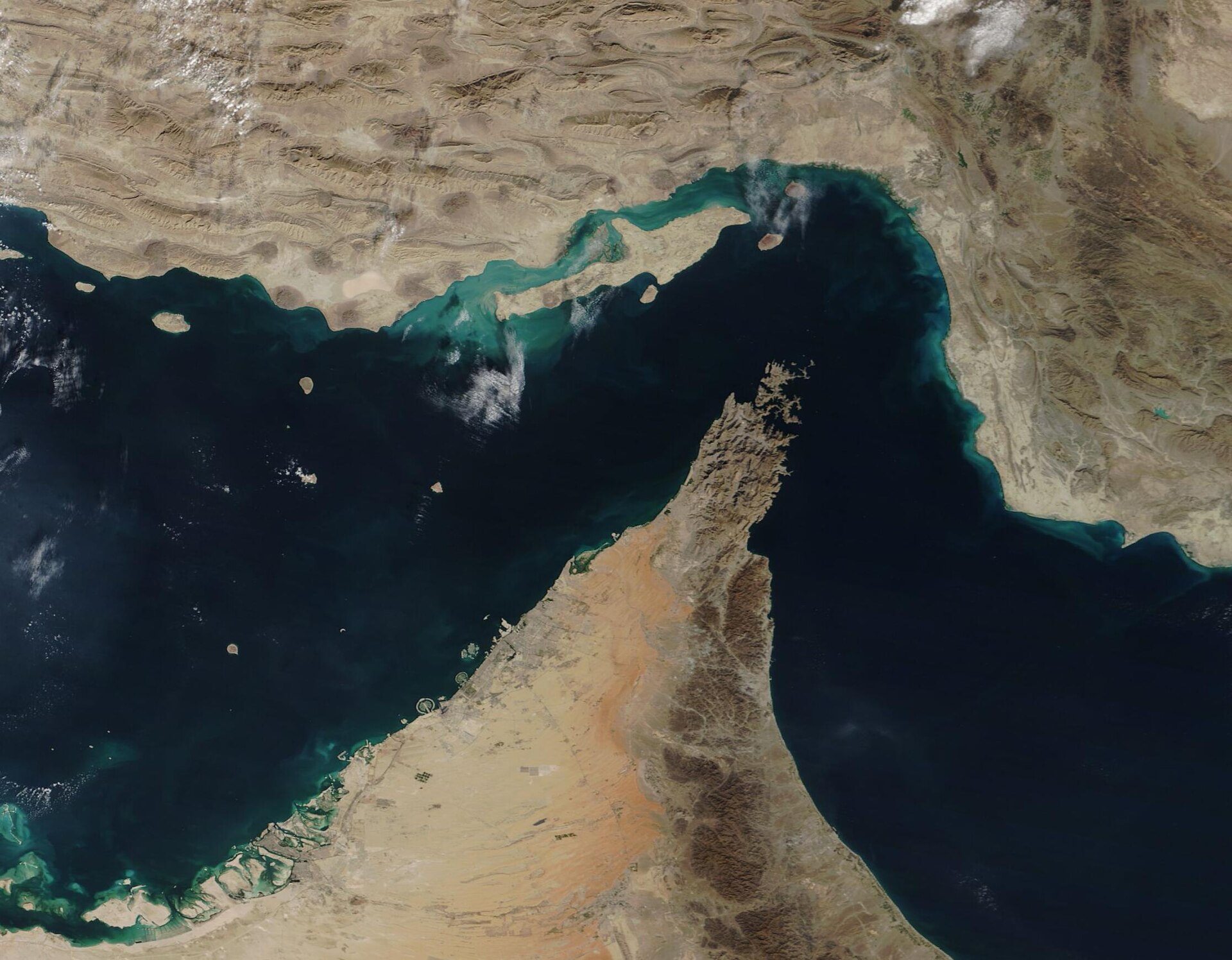
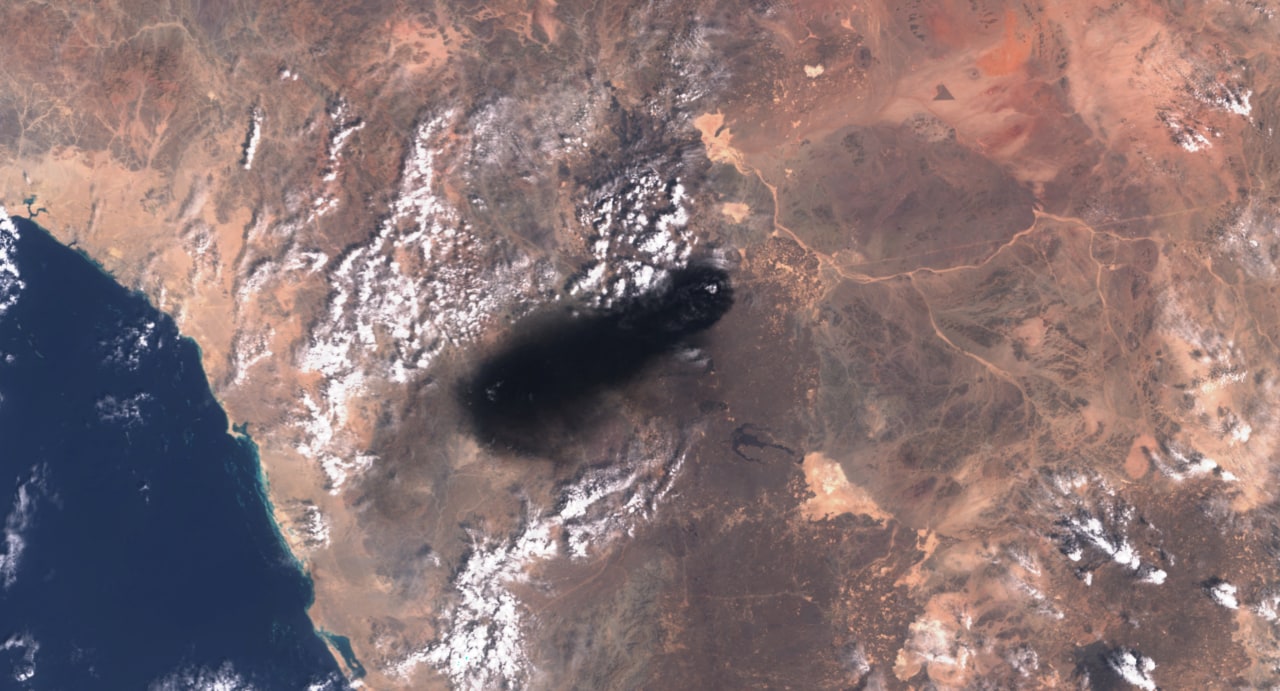
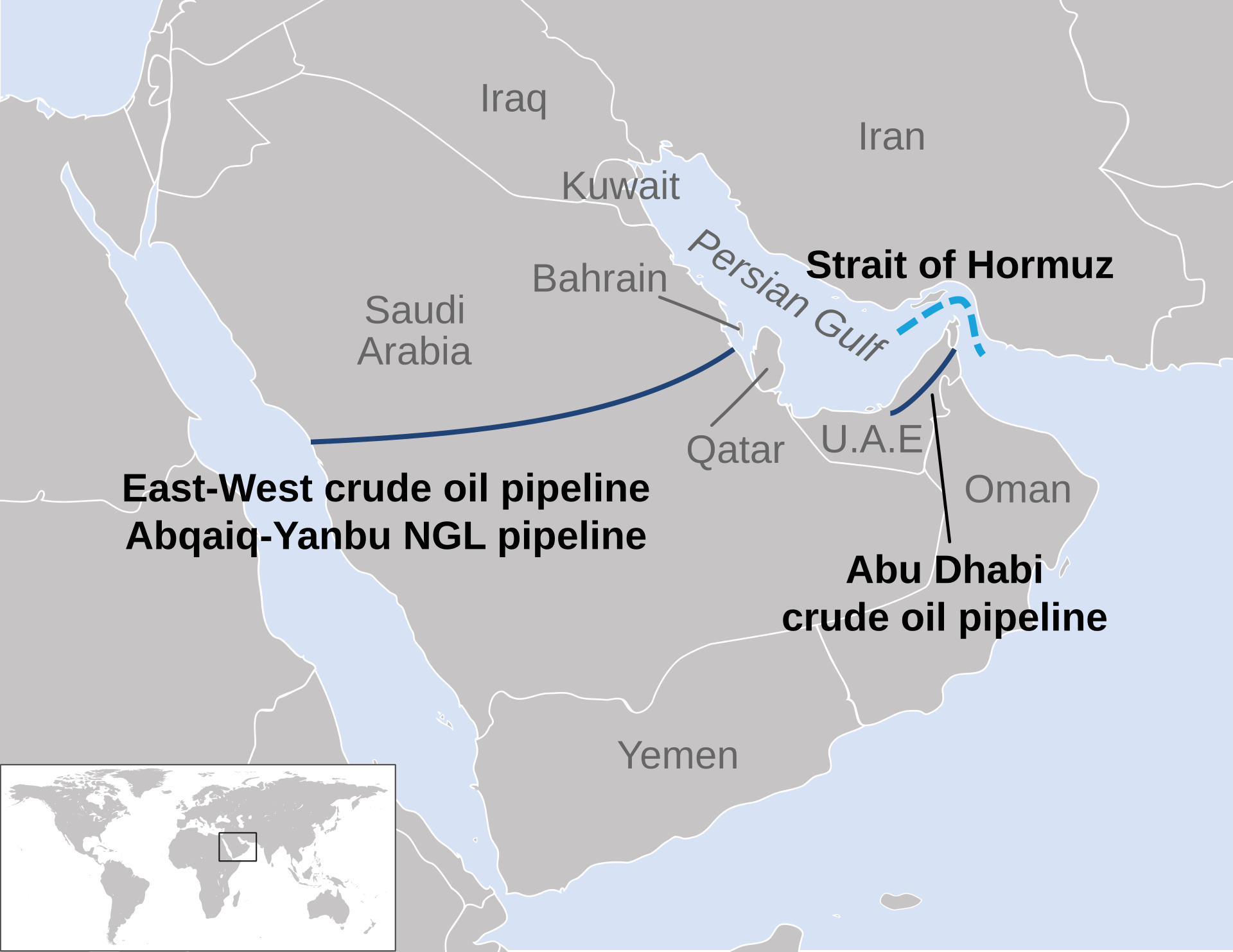
The East-West Crude Oil Pipeline — the Petroline — links Saudi Arabia’s Eastern Province to Yanbu on the Red Sea coast. Built decades ago as a Strait of Hormuz bypass, it became the kingdom’s primary crude export pathway after the strait was largely closed by the Iran war beginning February 28.
Before the shutdown, about 4 million barrels per day of crude was being rerouted through the pipeline to Yanbu, according to Reuters. Yanbu also hosts major oil storage and refining facilities, so its disruption reaches beyond crude exports.
The pipeline’s importance is a function of subtraction. Before the war, a fifth of the world’s traded oil and gas passed through Hormuz, according to Al Jazeera. As the strait’s traffic collapsed, Yanbu absorbed an increasing share of the kingdom’s exports, and every barrel that loaded there was a barrel that could no longer transit Hormuz.
In mid-September, drone attacks that Saudi Arabia blamed on Iraqi militia targeted the pipeline in the Riyadh and Madinah regions. An attack on a pumping station in April had cut flows by 700,000 barrels per day, according to a Saudi official. The September attacks shut the pipeline on September 11, and no crude had loaded at Yanbu as of September 24.
Saudi Arabia restarted the pipeline on September 22, but a return to full capacity may take six weeks or more, according to Reuters.
Why Has the Mecca Pact Not Moved?
The Mecca Joint Defence Agreement was signed on August 7, 2026. Under it, an attack on one member is an attack on all. Seven weeks later, Houthi missiles have repeatedly targeted Saudi territory, and the agreement has produced two meetings and no deployment.
On September 24, the foreign ministers of Saudi Arabia, Pakistan, and Turkey met and agreed to arrange what they called an “urgent meeting” of military chiefs. The chiefs met in Riyadh the next day and reaffirmed the pact’s “immediate implementation”, but announced no deployment.
The structural diagnosis is not speculative. An August analysis by the Arab Center in Washington found that the agreement “does not establish a joint command, standing forces, or any specified trigger mechanism.”
The comparison to NATO’s Article 5 illuminates what is missing. The Mecca agreement has no joint command, no standing forces and no specified trigger mechanism, and its text has not been made public. What it has is a signed commitment and a provision for meetings.
Turkey’s parliament has not ratified the agreement, giving Ankara legal and political cover for inaction. Pakistan’s defence minister said that “unprovoked aggression or spillover … into Saudi Arabia will definitely make this agreement operational.”
The Arab Center in Washington characterised the arrangement as “diversification without substitution” — new partners that, in its words, do “not replace the US security umbrella over Saudi Arabia.”
Pakistan Deployed Eight Thousand Troops Under a Different Flag
Pakistan’s military presence in Saudi Arabia is real and predates the Mecca pact by months. In early April 2026, Islamabad deployed approximately 8,000 troops, fighter jets, and air-defence systems to the kingdom — a bilateral arrangement negotiated separately, four months before the Mecca agreement was signed.
What the Pakistani deployment has not done is defend Yanbu. The Pakistani force arrived at King Abdulaziz Air Base in the Eastern Province, closer to Iran’s missile threat axis from across the Gulf. The Houthi missile volleys at Yanbu came from the south, from Yemen, far from where that force is based.
France’s announcement fills a specific gap: Red Sea-facing air defence at a terminal Pakistan’s deployment does not protect. A pipeline running east to west requires different defensive positions at each end.
The gap is not Pakistan’s failure. Islamabad deployed under a bilateral agreement calibrated to the threat Islamabad assessed at the time — Iranian missiles from the east, not Houthi attacks from the south. The September attacks, in the Riyadh and Madinah regions, demonstrated that the pipeline is vulnerable along its length, and that a bilateral deployment sized for one threat axis leaves the other exposed. The Mecca pact, had it been operational, was supposed to produce the kind of integrated coverage that addressed the full threat picture. It has not.
One Voyager Tanker and a Kingdom Under Missile Fire
Three days before Macron spoke, Britain announced it would deploy a single Voyager air-to-air refuelling aircraft from RAF Akrotiri in Cyprus. Its mission, in the words of Defence Minister Luke Pollard: to “keep the British-built Typhoon jets in the air longer.” A supporting role, non-combat, from a base in the eastern Mediterranean — not from Saudi soil.
Britain built the Typhoons Saudi Arabia flies. The Voyager deployment sustains that existing relationship without expanding it.
France is offering something structurally different: ground troops, radar, and air-defence systems positioned at the facility under active missile attack. London contributed one tanker aircraft based in Cyprus. Paris is sending personnel to the terminal itself.
Turkey offered to help with Riyadh’s military needs, but neither Ankara nor London has committed ground forces to Saudi territory. The distinction matters operationally: equipment sales transfer risk to the buyer; troop deployments keep it with the seller. France chose the version that costs more politically and signals more strategically. A French air-defence presence at Yanbu tells Riyadh that Paris is willing to absorb risk.
How Does Iran Read the French Deployment?
Iran’s official reading of Macron’s announcement is not clear from the public record.
The distinction Macron drew — protecting the site, not joining the conflict — has an operational limit. If French air-defence systems intercept Houthi missiles that would otherwise keep Yanbu offline, that defence directly enables crude exports funding Saudi military operations. Whether Tehran treats the deployment as a threshold for military escalation is a question with no public answer as of September 27.
The Defensive Label and the Strategic Function
“To protect the site” is Macron’s formulation. It is legally precise. It is also incomplete.
Defending Yanbu is not a neutral act in the context of a war where crude exports fund Riyadh’s fiscal position. The terminal operates as a strategic asset because the Strait of Hormuz is closed. French air defence enables the resumption of exports that sustain the kingdom’s war expenditures. The formulation separates the shield from the treasury it protects — a separation useful for Paris, which avoids the parliamentary debate an offensive commitment would require, and for Riyadh, which avoids framing the acceptance as a confession that the Mecca pact has not delivered. Aramco priced that corridor risk explicitly in its November official selling prices: Aramco’s November OSP cut Asia to a six-year low, discounting Arab Light to minus $5 per barrel against the Dubai/Oman average while raising European prices by $3 — a split that came as the Red Sea route remained under threat.
On September 24, six ballistic missiles were intercepted over Yanbu and Taif; within days the Wall Street Journal reported that Trump had rejected Iran’s seven-day Hormuz proposal. Iran had tabled a peace framework. The diplomatic alternatives that might have made the French deployment unnecessary remained closed. The Pentagon had paused its Iran strikes in July and resumed them in late August, but Houthi operations from Yemen continued on a separate track, independent of any US-Iran ceasefire calculus.
Prince Sultan Air Base had already demonstrated what conditional American commitment looks like — in May, Saudi Arabia reportedly warned it could deny US aircraft the base and its airspace. Riyadh’s effort to purchase a nuclear cooperation ceiling reflected the same underlying problem: indigenous and allied defence capacity insufficient to cover the kingdom’s infrastructure across multiple threat vectors simultaneously.
The Mecca pact was supposed to address this gap. The pact’s signatories — Turkey with its defence industry and Pakistan with its conventional military mass — offered the kind of redundancy that a single-patron model could not. Seven weeks after signing, the redundancy exists on paper. The air-defence systems heading to Yanbu fly a French flag.
| Country | Commitment Type | Assets Deployed or Pledged | Under Mecca Pact? |
|---|---|---|---|
| Pakistan | Bilateral (April 2026) | ~8,000 troops, fighter jets, air defence | No (pre-pact bilateral) |
| Turkey | Mecca signatory (Aug 7) | None announced | Not ratified by parliament |
| France | Bilateral (September 2026) | Troops, radar, air defence (numbers withheld) | Not a signatory |
| United Kingdom | Bilateral (September 2026) | 1 Voyager tanker (based in Cyprus) | Not a signatory |
| United States | Legacy bilateral | Forces at Prince Sultan Air Base (numbers not disclosed) | Not a signatory |
The table clarifies what the diplomacy has tried to arrange differently. The Mecca pact’s only signatory with troops in the kingdom — Pakistan — deployed them before the pact existed, under a bilateral agreement Islamabad controls. Turkey, the pact’s second external signatory, has publicly acknowledged no deployment and has not ratified the agreement. The air-defence commitment to the facility under Houthi attack comes from a European republic that signed no collective defence pledge.
Frequently Asked Questions
What air-defence system is France most likely to deploy to Yanbu?
France has not said. Macron promised “soldiers, radars, and defence systems” without naming a system.
Does France have a mutual defence treaty with Saudi Arabia?
No such treaty has been announced. France’s Yanbu deployment is a bilateral political commitment, and Macron described its purpose as protecting the site, not involving France in the conflict.
Can the French deployment alone protect Yanbu from the kind of missiles fired on September 24?
No public assessment answers that. The six missiles fired at Yanbu and Taif on September 24 were intercepted, according to the coalition, before France’s deployment was announced. France has not said which system it will send.
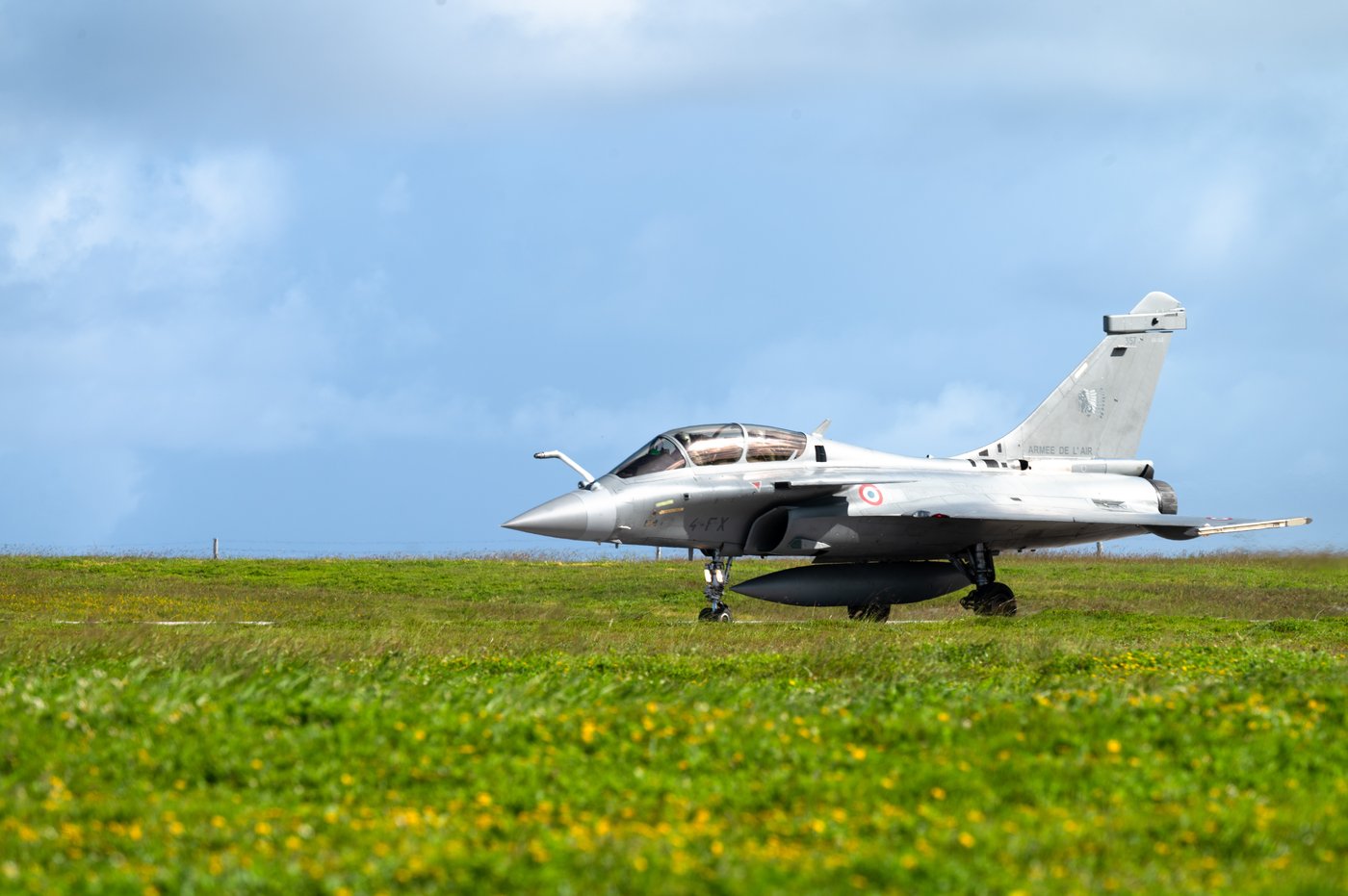
What is the status of a Rafale deal between France and Saudi Arabia?
No signed deal has been announced. The US F-35 sale — a $24.3 billion package notified to Congress on September 17 — sits in parallel: ten days into the review window, it remains under congressional review.
Iran did not wait for France’s deployment to advance its own diplomatic position. While Macron’s commitment was being formalised, Tehran routed a seven-day Hormuz reopening proposal through Qatar — a direct challenge to Riyadh’s capacity to act independently of Washington. Saudi Arabia could neither endorse Trump’s rejection of that proposal, oppose Iran’s terms, nor table a competing framework, a paralysis that Macron’s bilateral commitment did nothing to resolve.
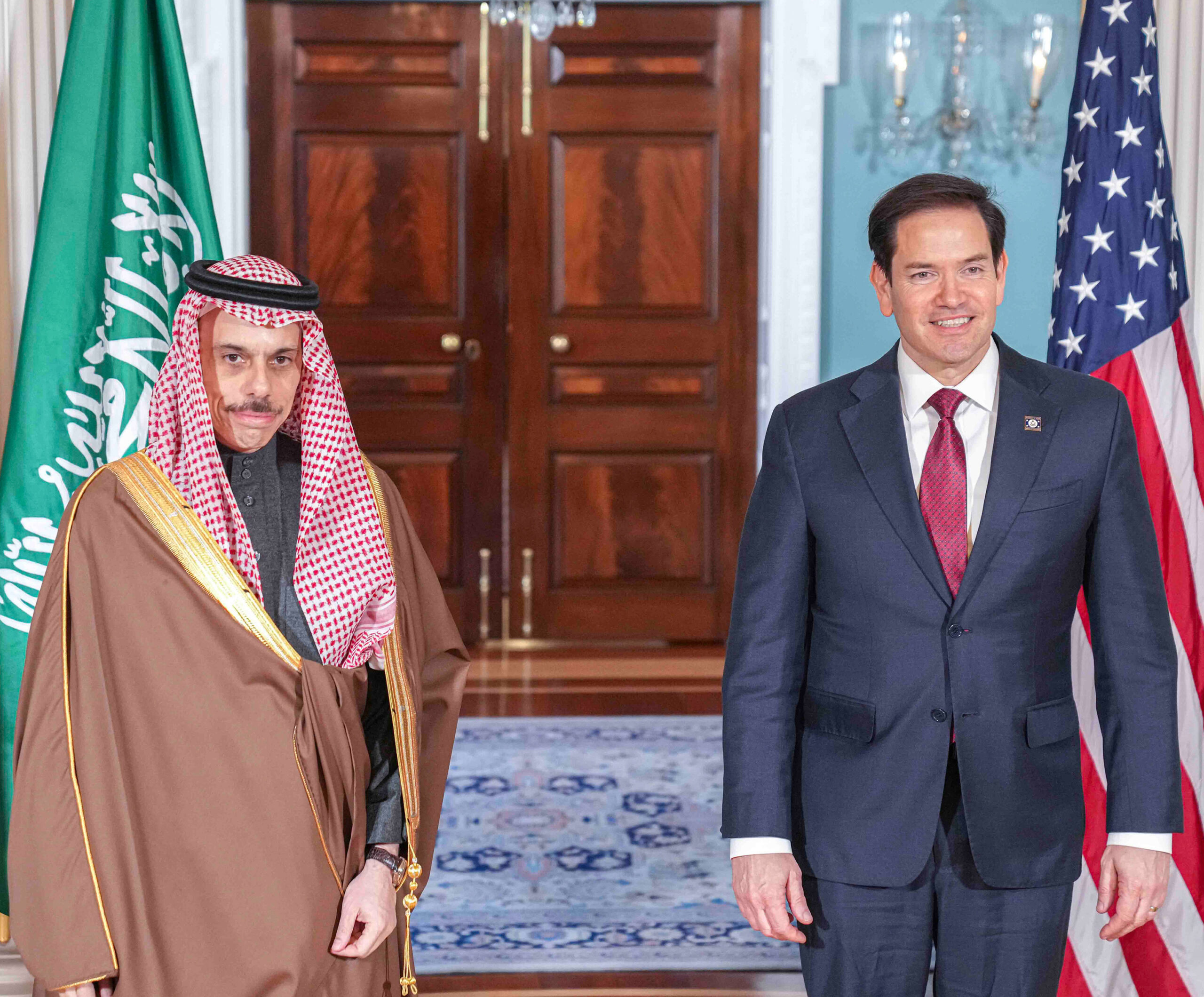
Faisal bin Farhan followed that military escalation with a direct diplomatic push: his September 28 meeting with Rubio in Washington was aimed at converting US non-kinetic support into active defence commitments — an effort that exposed the gap at the heart of the Strategic Defence Agreement. What that effort produced — and what Washington declined to offer — is examined in Faisal Came to Washington and Left Without an Answer.
France’s bilateral deployment stands in contrast to the multilateral Makkah Pact: an agreement with no joint command and no standing forces.
That changed on October 5, when the Makkah pact’s committee agreed to deploy Pakistani and Turkish forces to the kingdom — ten days after Macron’s announcement made the pact’s inaction conspicuous.