
Turkey and Pakistan Are Already Past the April 22 Deadline
ISLAMABAD — Turkish Foreign Minister Hakan Fidan declared on April 19 that he was “optimistic” about a ceasefire extension between the United States and Iran, one day after convening the third four-nation ministerial with Pakistan, Saudi Arabia, and Egypt on the sidelines of the Antalya Diplomacy Forum — and two days after Iran publicly refused to send negotiators to Islamabad for a second round of talks. Pakistan’s security establishment expects resumed negotiations “likely before Friday April 24,” according to regional officials briefed on the back-channel, placing the operative diplomatic window 48 hours after the ceasefire’s formal expiration on April 22.
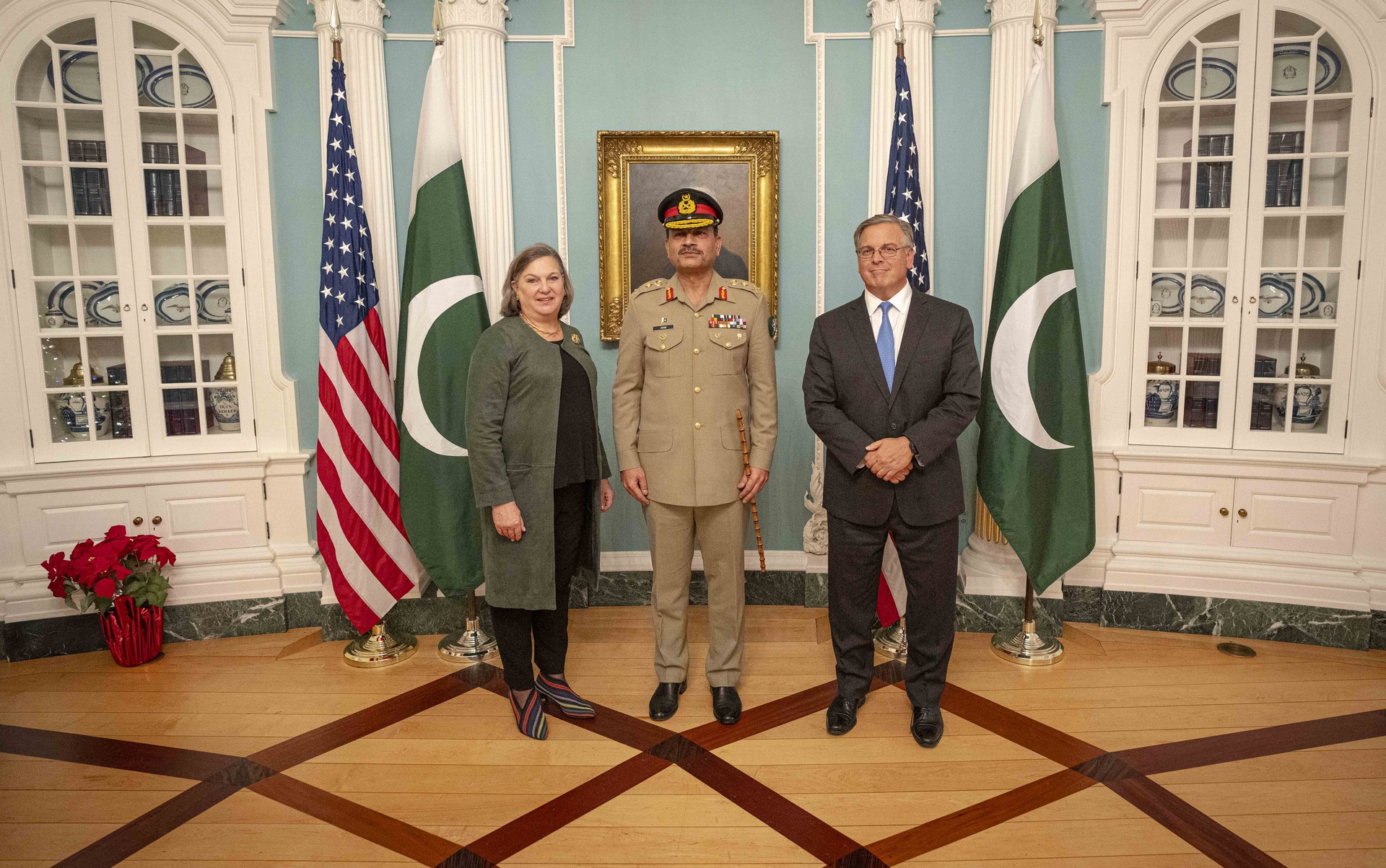
The gap between Iran’s public boycott and the actual state of diplomacy has not been wider since the war began. While Tehran’s Foreign Ministry spokesman Esmaeil Baghaei cited the US naval blockade and the seizure of the Iranian cargo ship Touska on April 19 as “piracy” and grounds for absence, Pakistan Army Chief General Asim Munir spent three days in Tehran — April 15 to 18 — meeting not only President Masoud Pezeshkian and Foreign Minister Abbas Araghchi but the commander of Khatam al-Anbiya, Major General Ali Abdollahi, the IRGC industrial chief whom Pezeshkian himself publicly accused of sabotaging the first round of talks.
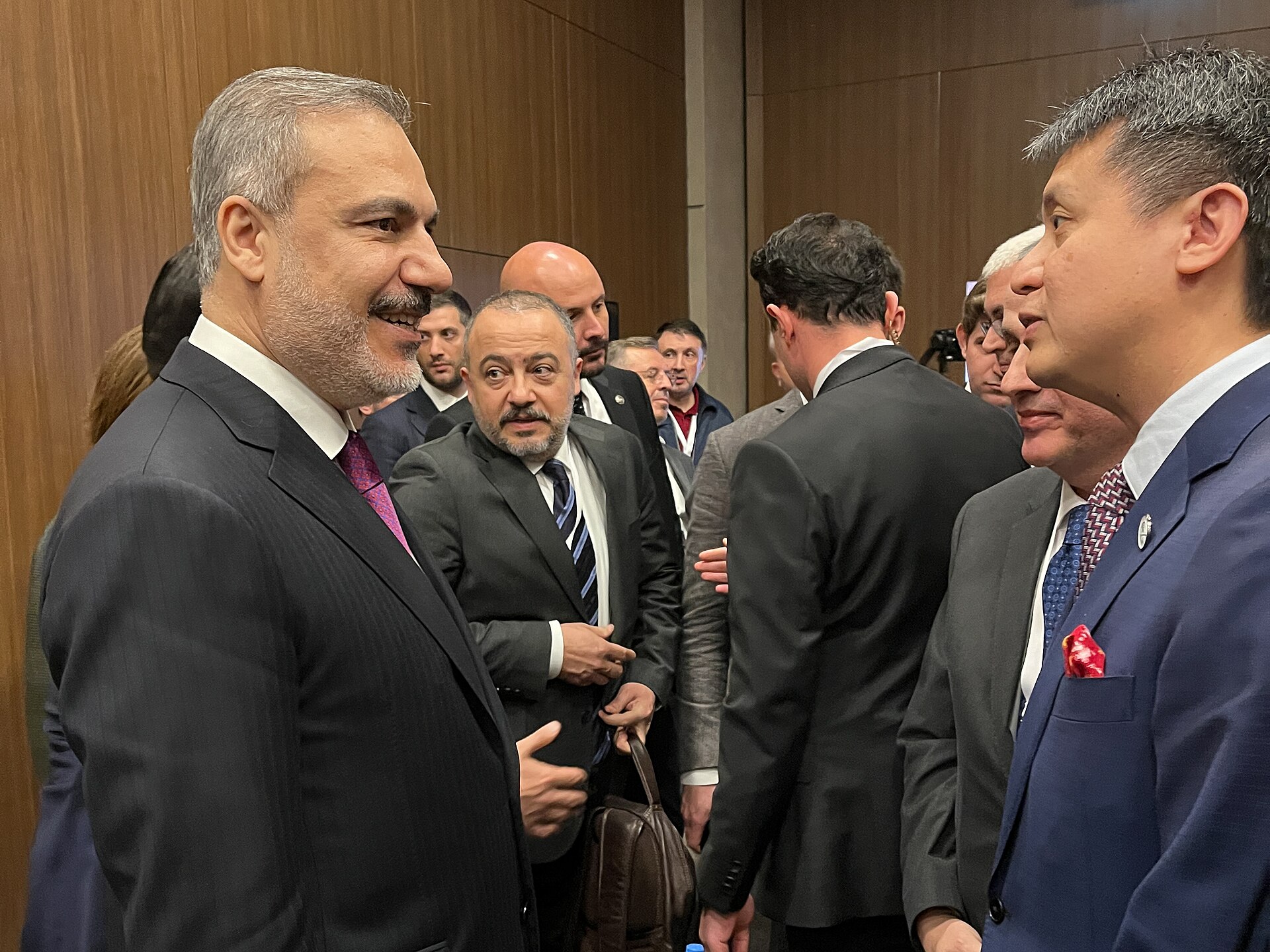
Table of Contents
The Antalya Track: Three Meetings in Ten Days
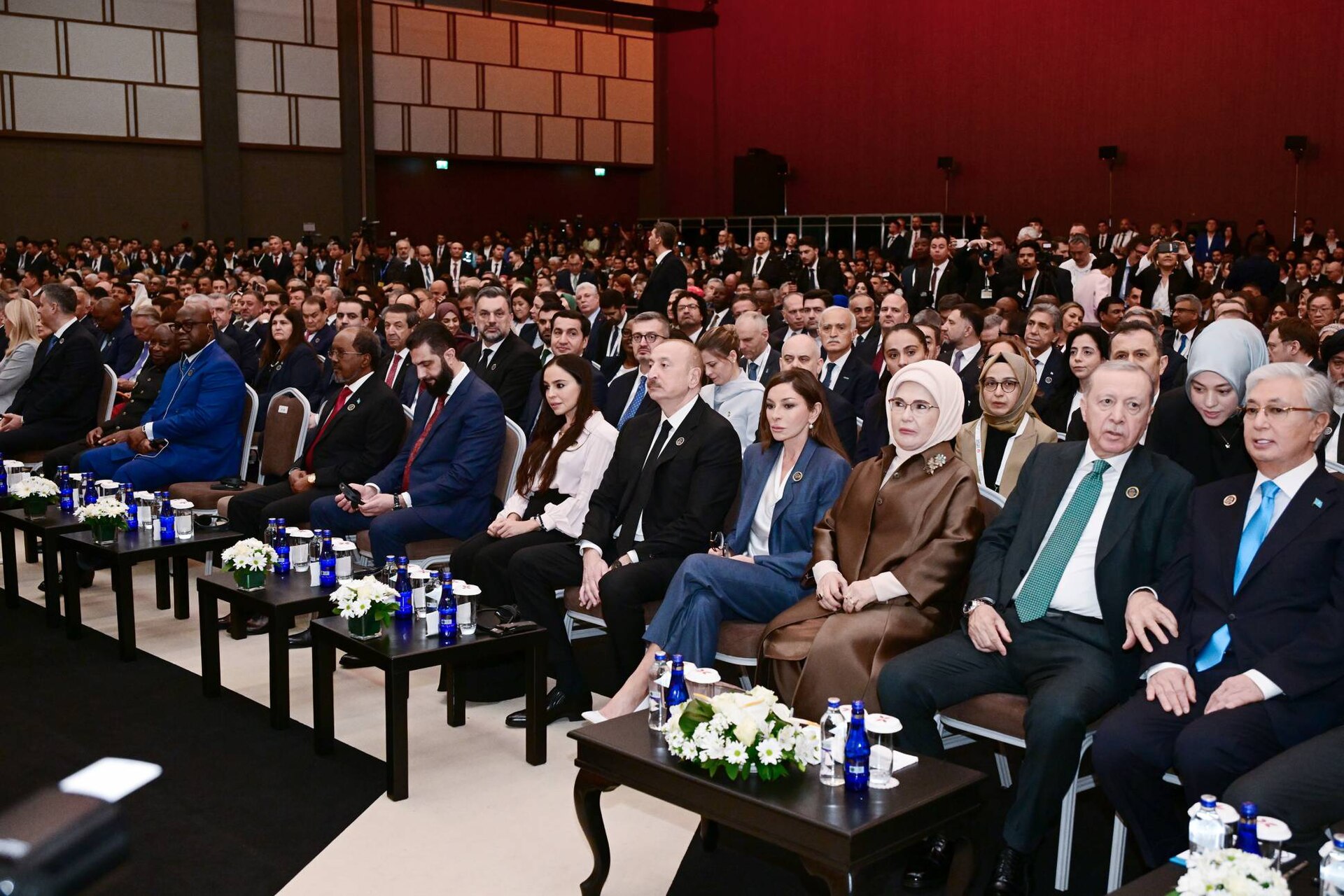
The four-nation grouping — Turkey, Egypt, Pakistan, and Saudi Arabia — met for the third time on April 18 at Antalya. Pakistan Deputy Prime Minister and Foreign Minister Ishaq Dar, Saudi Foreign Minister Prince Faisal bin Farhan, Turkish FM Fidan, and Egyptian FM Badr Abdelatty sat together while, formally, the Islamabad process appeared dead. Abdelatty told reporters the four countries were “coordinating efforts to prevent renewed escalation.” This was diplomatic understatement: the group was building an extension framework outside the bilateral US-Iran track that Iran had just abandoned.
Fidan’s language at the Forum’s closing press conference on April 19 went further than any regional diplomat had gone publicly. “We hope the parties will extend the ceasefire. I am optimistic,” he told journalists, adding that there was “a strong possibility that the ceasefire will be extended and negotiations will continue.” He had opened the Forum on April 17 with a more cautious register, expressing Turkey’s “sincere hope” that the ceasefire “would be fully implemented and turned into lasting peace.” The shift from hope to optimism over 48 hours tracked the progress of Munir’s Tehran visit.
Turkish President Recep Tayyip Erdogan had telegraphed Ankara’s mediating intent on April 15, telling reporters that Turkey was “working to extend a ceasefire between the US and Iran, ease tensions, and ensure the continuation of talks.” Fidan, at Antalya, warned that “new unilateral rules or military impositions in the Strait of Hormuz could trigger a fresh wave of escalation” — language aimed simultaneously at Iran’s toll regime and the US naval blockade imposed April 13.
Turkey has form here. The Brazil-Turkey-Iran fuel-swap declaration of May 17, 2010, demonstrated that Ankara can facilitate agreements with Tehran outside Western-led frameworks — deals Iran can accept without the appearance of capitulation to a P5+1 table. The Antalya track follows the same logic: a regional format Iran never formally joined but whose participants include its interlocutor (Pakistan), its trade partner (Turkey), its diplomatic channel (Egypt), and the financial underwriter of the entire process (Saudi Arabia).
The Middle East briefing 3,000+ readers start their day with.
One email. Every weekday morning. Free.
What Was Munir Doing at Khatam al-Anbiya?
General Munir arrived in Tehran on April 15 — the first foreign military leader to visit Iran since the ceasefire was agreed on April 8. His itinerary was reported by Al Jazeera, PBS, and CNN: meetings with Pezeshkian, parliamentary speaker Mohammad Bagher Ghalibaf, and Araghchi. The meeting that mattered most received the least coverage. Munir visited Khatam al-Anbiya headquarters to meet Abdollahi directly.
The visit’s target was precise. Pezeshkian had publicly named Abdollahi and SNSC Secretary Ali Akbar Ahmadian’s predecessor Ahmad Vahidi on April 14, accusing them of “deviation from the delegation’s mandate” — a reference to the IRGC-authored Zolghadr report that triggered the Islamabad Round 1 walkout. Under Iran’s constitutional architecture, Article 110 reserves supreme command of the armed forces for the Supreme Leader. Pezeshkian has zero authority over the IRGC. Any ceasefire extension that lacks IRGC buy-in is a document, not an agreement.
Munir was not visiting Khatam al-Anbiya as a courtesy. He was appealing to the institution that controls whether any ceasefire survives — bypassing the civilian government that agreed to the first one and going to the command structure that nearly killed it. Pakistan’s 27th Constitutional Amendment places ceasefire diplomacy under the army chief’s operational authority, not the elected government’s foreign ministry. The back-channel runs through GHQ Rawalpindi, not Islamabad’s diplomatic quarter. The White House acknowledged as much on April 16, calling Pakistan “the sole mediator” in US-Iran talks while Munir was still in Tehran.
The Financial Clock
The financial choreography around Munir’s Tehran visit was not subtle. Saudi Arabia’s State Bank of Pakistan deposit — $3 billion, rolled over on April 17 at the IMF/World Bank Spring Meetings in Washington — was signed the same day Munir concluded his Tehran visit and the Antalya four-nation ministerial convened. An additional $2 billion in new Saudi financial support arrived in the State Bank with a value date of April 15, the day Munir landed in Tehran.
Pakistan’s Finance Minister Muhammad Aurangzeb confirmed that Riyadh had committed “$3 billion in additional financial support” alongside the rollover. Pakistan Prime Minister Shehbaz Sharif briefed Saudi Crown Prince Mohammed bin Salman on peace efforts at the IMF meetings, with both Arab News Pakistan and the Nation reporting the deposit signing was “explicitly linked to Pakistan’s mediation role.” Saudi Arabia’s total financial exposure to Pakistan now stands at approximately $10 billion, with a separate $5 billion loan maturing in June 2026.
The synchronization creates a structural incentive framework that is difficult to disassemble. Pakistan cannot afford to lose Saudi financial backing. Saudi Arabia cannot afford a ceasefire collapse — with March production at 7.25 million barrels per day, down from 10.4 million in February, and the East-West Pipeline bypass covering only 4-5.9 million bpd of the pre-war 7 million bpd Hormuz throughput. Pakistan is simultaneously Iran’s diplomatic interlocutor and Saudi Arabia’s treaty ally under the September 2025 Saudi-Pakistan Mutual Defense Agreement. This structural contradiction — serving as protecting power for Iran in the United States since 1992 while anchored financially to Riyadh — is exactly what makes Islamabad the only capital both sides accept.
Why Did Iran Boycott Round 2 But Not the Back-Channel?
Iran’s official position, articulated through IRNA on April 19, attributed the Round 2 absence to “Washington’s excessive demands, unrealistic expectations, constant shifts in stance, repeated contradictions, and the ongoing naval blockade.” Baghaei cited the Touska seizure and the CENTCOM blockade — imposed April 13, applying to Iranian ports and toll-collecting vessels — as ceasefire breaches. The framing was legal, not political: Iran presented its absence as principled objection to American violations, not refusal to negotiate.
But Iran’s actions told a different story. Al Jazeera reported on April 20 that while Iran said it had “no plans to send negotiators to Islamabad,” Pakistan had tightened security measures in the capital ahead of expected talks — a preparation that makes no sense if the process is dead. Middle East Eye reported the same day that Pakistani mediators “remained hopeful that a resolution could be reached in the coming days,” explicitly pointing past the April 22 deadline. The Associated Press had reported on April 15 that Washington and Tehran had reached an “in principle agreement” to extend the ceasefire, citing unnamed regional officials. A US official told Reuters the same day that Washington had “not formally agreed.” Bloomberg reported the two sides were considering a two-week extension.
The AP-Reuters gap — “in principle” versus “not formally agreed” — is the operating space of the back-channel. Both statements can be true simultaneously: the political framework for extension exists, but neither side can publicly confirm it without triggering domestic constraints. For Iran, those constraints are the IRGC’s authorization ceiling and Ghalibaf’s “complete victory” rhetoric on PressTV as recently as April 17. For the US, the constraint is that any appearance of extending a ceasefire Iran publicly rejected would be framed as weakness.
Dan Shapiro, a senior fellow at the Atlantic Council and former Deputy Assistant Secretary of Defense for the Middle East, provided the clearest public framing of the structural problem: “Getting all of those other things — the nuclear program, the missile programs, and the proxies that we have wanted out of the Iranians for years out of one meeting in Islamabad was never realistic.” The three main sticking points — Iran’s nuclear program, the Strait of Hormuz, and war reparations — remain unresolved. Iran’s five-point counter-proposal still demands recognition of sovereignty over Hormuz, security guarantees, and reparations as preconditions.
The 48-Hour Gap
The ceasefire expires at midnight on April 22. Pakistan’s security sources indicate resumed talks “likely before Friday April 24.” The 48-hour window between expiration and the back-channel’s target date is not an accident — it is the diplomatic equivalent of a pressure valve. Both sides can claim they did not extend a ceasefire that expired (satisfying hardliners) while entering a new framework under a different name (satisfying the mediators and the markets).
The operational question is whether 48 hours of expired ceasefire produces kinetic escalation that forecloses the diplomatic window. The Hajj calendar compounds the risk: Indonesia’s 221,000 pilgrims begin departing on April 22 — ceasefire expiry day — and Pakistan’s 119,000 pilgrims began arriving in Makkah on April 18. Saudi Arabia’s air defense umbrella over the holy sites is already operating at wartime posture, with PAC-3 stocks estimated at roughly 400 rounds, approximately 14 percent of pre-war inventory.
The CSIS assessment published in April warned that “the ceasefire is fragile” with “Iran’s nuclear ambitions unresolved, Lebanon destabilized, terrorism risks rising.” But fragile is not the same as failed. The Antalya track, Munir’s Khatam al-Anbiya visit, and the Saudi financial architecture around Pakistan’s mediation role all point to a process that has moved past the formal expiration date — operating on the assumption that what matters is not the April 22 deadline but whether the IRGC permits what the civilian government has already signaled it accepts.
Background: The Authorization Ceiling
The ceasefire was agreed on April 8, 2026, mediated by Pakistan, after weeks of escalating conflict that included Iranian strikes on Saudi energy infrastructure, the closure of the King Fahd Causeway, and IRGC declarations of “full authority” over the Strait of Hormuz. No formal extension mechanism was built into the agreement, according to analysis by the Soufan Center. The original framework envisioned 15 to 20 days of immediate ceasefire followed by a broader negotiating process — a timeline that placed the expiration squarely against the Hajj calendar.
Iran’s internal decision-making architecture has been the primary obstacle to any durable agreement. Supreme Leader Ali Khamenei has been absent from public decision-making for over 45 days. The Supreme National Security Council, which must authorize any ceasefire terms under Article 176, is functionally controlled by Vahidi, who carries an INTERPOL red notice for the 1994 AMIA bombing in Buenos Aires. Pezeshkian’s public accusation that Vahidi and Abdollahi cost Iran the first round of talks was an extraordinary admission that the elected president cannot control the institutions that determine war and peace.
This is why Munir went to Khatam al-Anbiya rather than the presidential palace. Pakistan maintains channels with both the IRGC and the civilian government that predate this conflict by decades. The Islamabad process was never a bilateral US-Iran negotiation with Pakistan as venue — it was a trilateral arrangement in which Pakistan’s military establishment served as the connective tissue between institutions in Tehran that do not trust each other.
FAQ
What happens if the ceasefire expires on April 22 without a formal extension?
Expiration does not automatically mean resumed hostilities. The April 8 ceasefire had no built-in extension mechanism, but both sides have operational reasons to avoid immediate escalation. Saudi Arabia’s Hajj preparations — with 1.2 to 1.5 million pilgrims arriving through late May — raise the threshold for kinetic action near the holy sites. The 48-hour gap between April 22 and Pakistan’s target window of April 24 suggests mediators expect a period of ambiguity rather than collapse. Bloomberg reported on April 15 that both sides were considering a two-week extension, indicating the framework exists even if the public timeline does not.
Why is Turkey involved in Iran ceasefire mediation?
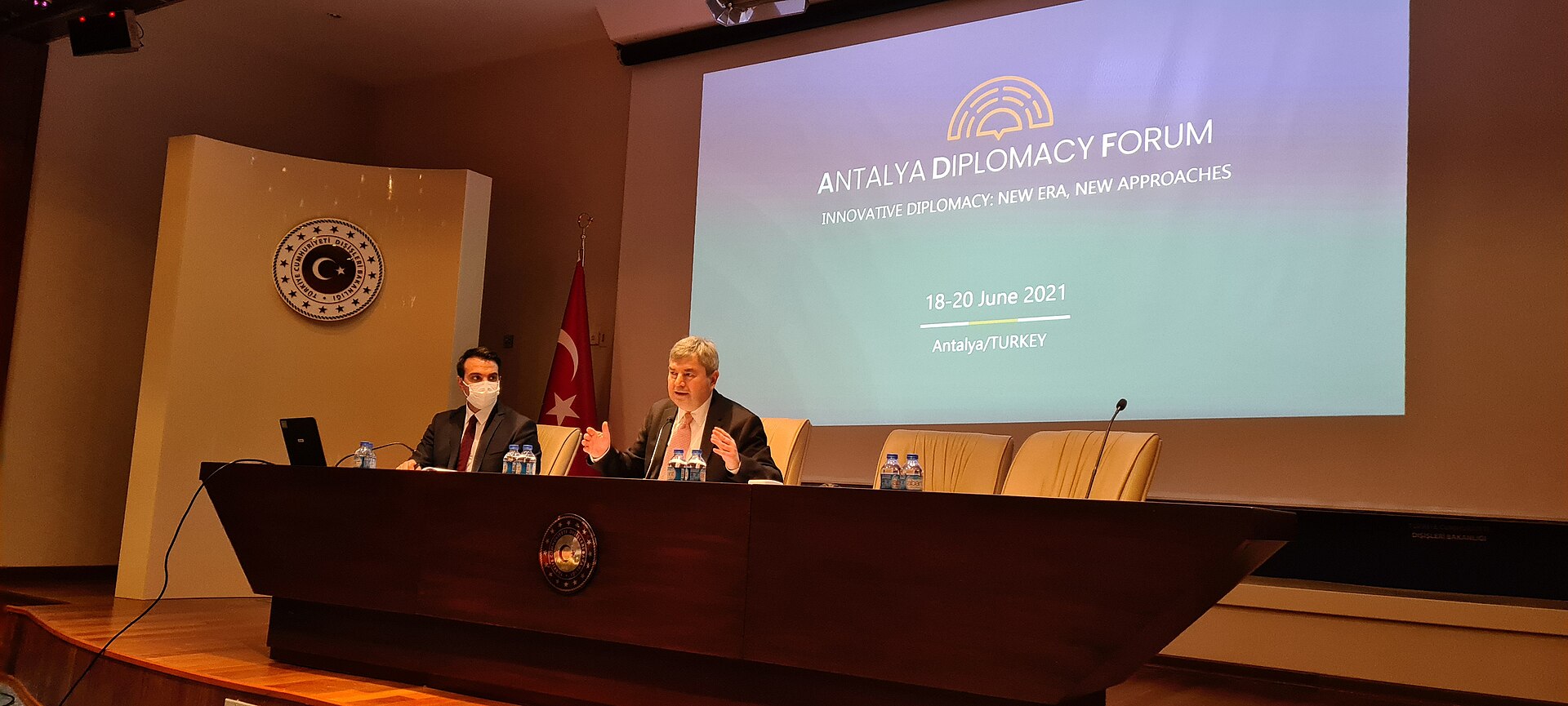
Turkey has historical precedent as an Iran interlocutor outside Western frameworks. The 2010 Brazil-Turkey-Iran fuel-swap declaration demonstrated Ankara’s ability to facilitate agreements Tehran can accept without appearing to capitulate to P5+1 pressure. Turkey’s NATO membership, its economic relationship with Iran (bilateral trade exceeded $5 billion annually before the war), and Erdogan’s personal relationship with multiple Iranian leaders give Fidan a channel that pure Gulf or Western mediators lack. The Antalya Diplomacy Forum provided institutional cover for the four-nation ministerial — a meeting that might have drawn more scrutiny if convened as a standalone ceasefire summit.
What is the Khatam al-Anbiya Construction Headquarters?
Khatam al-Anbiya is the IRGC’s industrial and engineering conglomerate, commanded by Major General Ali Abdollahi. It manages construction, energy, and infrastructure projects worth billions of dollars annually — making it both a military command and an economic institution with direct stakes in sanctions relief and post-war reconstruction. Pezeshkian’s accusation that Abdollahi “deviated from the delegation’s mandate” at Islamabad Round 1 pointed to Khatam al-Anbiya as the institutional source of IRGC obstruction. Munir’s visit to its headquarters was a direct engagement with the power center that controls ceasefire outcomes, bypassing the civilian chain of command Pezeshkian acknowledged he cannot direct.
How does Saudi Arabia’s financial relationship with Pakistan affect ceasefire diplomacy?
Saudi Arabia’s approximately $10 billion financial exposure to Pakistan — including the $3 billion deposit rolled over on April 17, $2 billion in new support arriving April 15, and a separate $5 billion loan maturing June 2026 — creates a structural alignment between Riyadh’s interest in ceasefire extension and Islamabad’s economic survival. The timing of the deposit rollover, coinciding with Munir’s Tehran departure and the Antalya ministerial, was reported by Arab News Pakistan as explicitly linked to Pakistan’s mediation role. Saudi Arabia shapes the ceasefire without sitting at the negotiating table — funding the mediator rather than joining the mediation.
What are the three main obstacles to a permanent ceasefire deal?
AP, Al Jazeera, and Middle East Eye have identified three sticking points: Iran’s nuclear program (with 440.9 kilograms of uranium enriched to 60 percent and IAEA access terminated since February 28), the status of the Strait of Hormuz (where Iran has collected zero revenue from its toll regime despite 60 permits and 8 payment demands over 36 days), and war reparations. Iran’s five-point counter-proposal demands recognition of sovereignty over Hormuz and security guarantees as preconditions — terms the US has not accepted. The AP reported an “in principle agreement” to extend the ceasefire on April 15, but a US official told Reuters that Washington had “not formally agreed,” suggesting the extension framework addresses the timeline without resolving the substantive disputes.