
Saudi Arabia’s most recent endeavour into future-proofing is the announcement of plans for an ultramodern city named NEOM – containing a 250 room high-end resort and the globe’s largest infinity pool. Treyam, this cutting-edge NEOM project aims to break boundaries with a creative blueprint giving a sunset mirage from a distance.
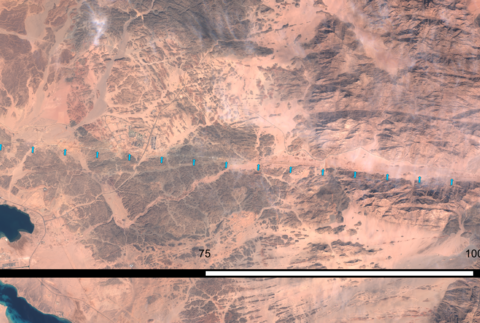
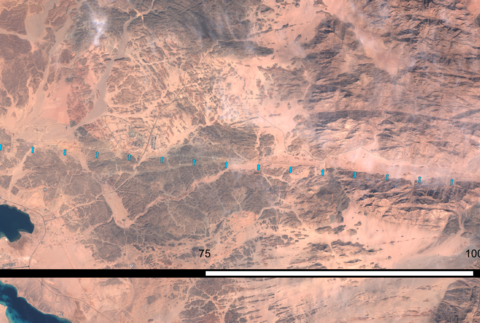
Saudi’s newest bold concept, set at a prime lagoon location in the southern Gulf of Aqaba – an elite resort described by the developers as a raised oasis. Moments away from the sea level, the directors of NEOM ascertain that visitors will have a sensation of levitating. NEOM’s portrayal of the project narrates: “Situated suitably across the entrance of a picturesque azure lagoon at the southern point of the Gulf of Aqaba, Treyam serves as a luxury threshold inviting guests to engage in active lifestyles. “The extraordinary bridge-like architecture links the opposing northern and southern coasts, housing a 250-room luxury resort.
The resort pledges a fusion of opulence and exploration, offering various sports and activities – such as sailing, diving, and aquatic sports besides land-based pursuits involving spa treatments and fine food experiences. Treyam stands as the recent addition to a series of audacious Saudi Arabia’s ventures as the nation currently spends $1 trillion to move away from its oil-dependency.
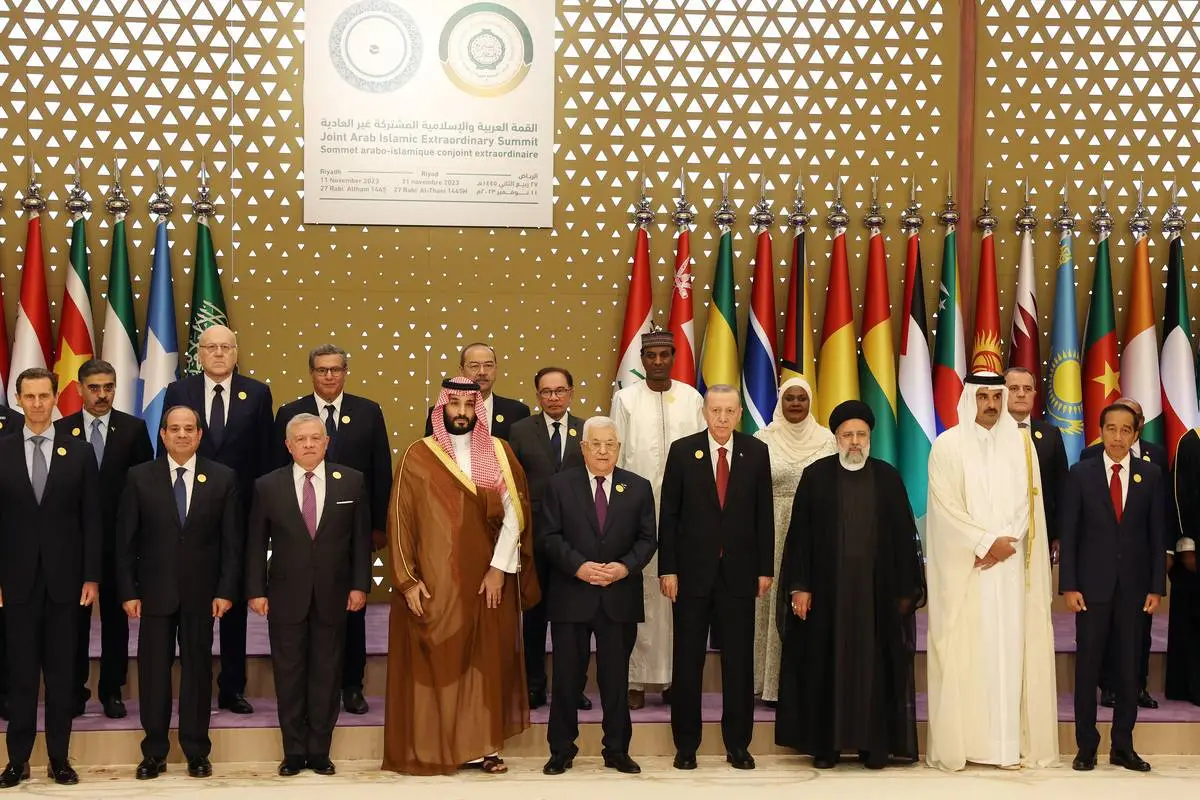
Supported by major investments as a component of Saudi Arabia Vision 2030, the country unveils their daring projects powered by the wealth amassed from oil with an unseen rapidity. Crown Prince Mohammed bin Salman’s inflated self- concept compels Saudi Arabia to be the world’s nucleus. The cost of each project remains undisclosed – but Saudi is intended to invest a whopping $175 billion annually in such significant projects between 2025 and 2028.
However, the glimmering exterior veils a narrative of threats, forced displacements and violence. Numerous projects have drawn criticism over human rights violations – inclusive of the $500bn Neom project where tribes were forced out of their own land, incarcerated or killed. Approximately 20,000 individuals of the Huwaitat tribe are anticipated to face displacement, with no further details on their prospective settlements.
The accounts of these well-documented incidents cast a dark shadow over the envisioned utopian project, with a member of the Human Rights organization calling it a construction based on Saudi blood. Furthermore, some members of the aforementioned tribe believe their phone records and social media interactions are under stringent surveillance and were offered bribes to desert those resisting eviction.
The Middle East briefing 3,000+ readers start their day with.
One email. Every weekday morning. Free.
As additional reports arise about the use of surveillance drones and questionable tactics to implement the project, the stakes for any defiant voices have become exponentially higher. Amidst such controversy, it remains to be seen how the ambitious development plans will align with Saudi Arabia’s human rights obligations, and whether the kingdom can deliver on its glittering promises while navigating the murky waters of international scrutiny.