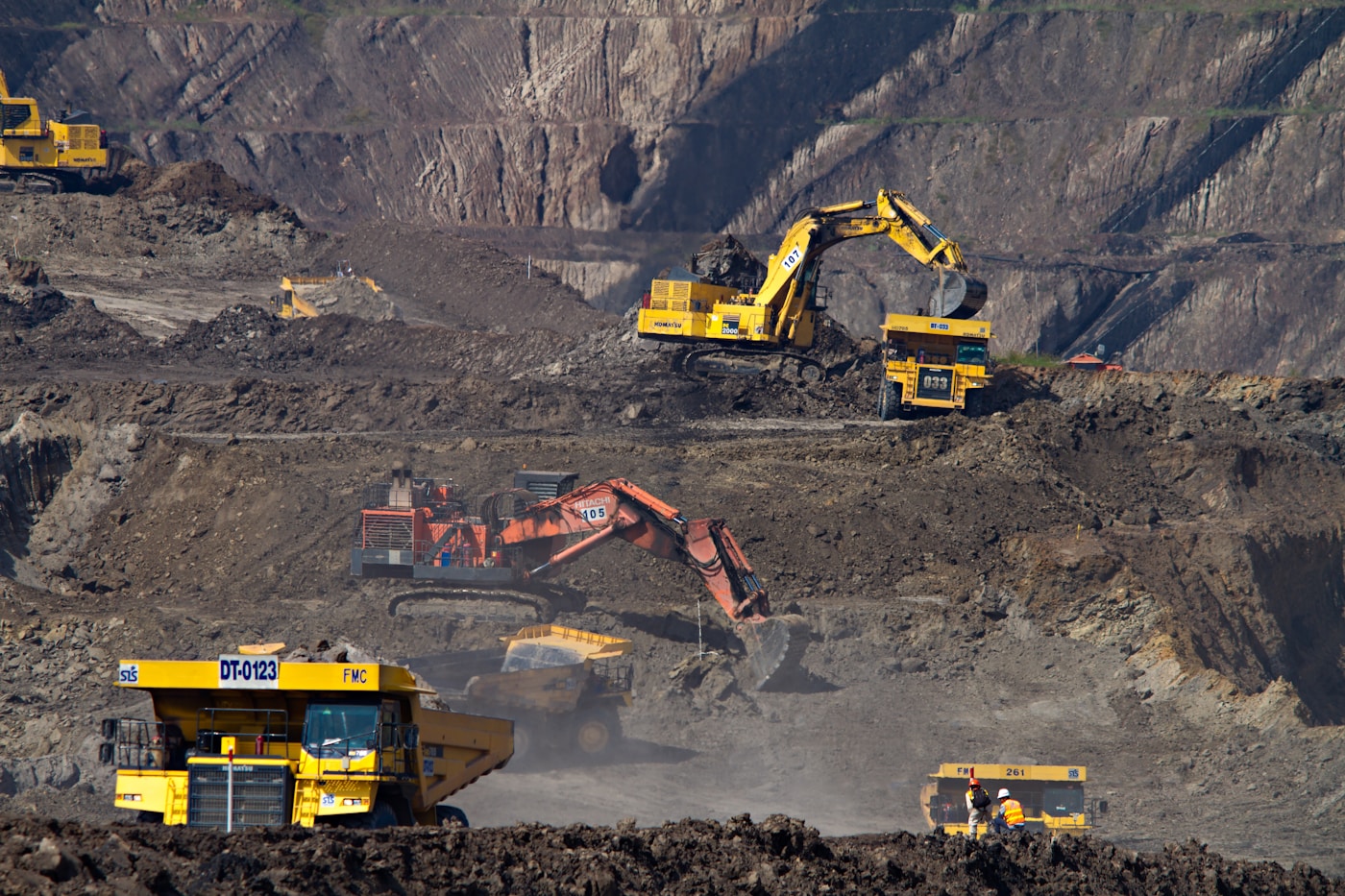

International mining experts and policy makers have highlighted Saudi Arabia as a prime example of successful sector transformation during a recent global summit. Over the past few years, the Kingdom has rapidly overhauled its mining laws, investment frameworks, and geological data accessibility, positioning itself as a major player in the global mineral market. This strategic shift is part of the broader Vision 2030 objective to diversify the national economy and unlock the estimated $1.3 trillion in untapped mineral wealth beneath the Saudi sands.
The Saudi government’s approach has been lauded for its transparency and the speed at which it has implemented reforms. By providing a clear and investor-friendly environment, the Kingdom has successfully attracted significant interest from some of the world’s largest mining firms. The focus is not just on traditional resources like gold and copper, but also on rare earth minerals that are critical for the global energy transition. As the world moves towards electric vehicles and renewable energy, the demand for lithium, cobalt, and nickel is skyrocketing, and Saudi Arabia is positioning itself to be a key supplier in this essential supply chain.
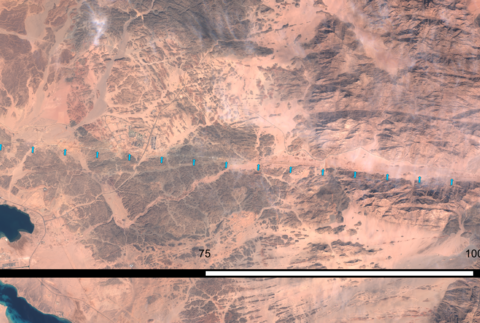
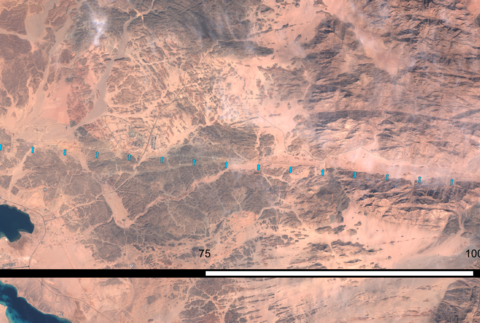
Central to this strategy is the massive geological survey program currently underway. Utilizing advanced satellite imagery and ground-level exploration, the Kingdom is creating a comprehensive map of its mineral resources. This data is being made available to potential investors, reducing the risk and uncertainty that often plaques new mining ventures. High-ranking officials from the Ministry of Industry and Mineral Resources stated that the goal is to make mining the ‘third pillar’ of the Saudi economy, alongside oil and petrochemicals. This would create thousands of high-skilled jobs for Saudi nationals and foster the development of local industries downstream, from smelting to chemical processing.
Furthermore, the Kingdom is emphasizing sustainability and environmental protection within its mining operations. New regulations mandate strict adherence to international standards for water usage, waste management, and site rehabilitation. The government recognizes that for the mining sector to be truly successful in the long term, it must be socially responsible and environmentally sound. This commitment has been a key factor in attracting socially conscious investors and international partners who are increasingly focused on Environmental, Social, and Governance (ESG) criteria.
The global industry has noted that the Saudi model of rapid, top-down reform balanced with investor engagement could serve as a blueprint for other resource-rich nations looking to modernize their sectors. As the Kingdom prepares for the next phase of its mineral development, the world will be watching closely. The success of the Saudi mining strategy is not just a win for the Kingdom’s economic diversification; it is a vital contribution to the global effort to secure the materials needed for a cleaner, more sustainable future.
For a comprehensive analysis of how Saudi Arabia’s mining revolution has evolved u2014 including Ma’aden’s $110 billion investment plan, the rare earth strategy, and the $2.5 trillion mineral valuation u2014 see Saudi Arabiau2019s Next Fortune Is Buried in Rock, Not Oil.
The Middle East briefing 3,000+ readers start their day with.
One email. Every weekday morning. Free.