
TEHRAN — Iran’s new supreme leader Ayatollah Mojtaba Khamenei broke nearly two weeks of silence on Thursday with a combative first public statement vowing to keep the Strait of Hormuz closed, demanding the immediate shutdown of all American military bases in the Middle East, and pledging revenge for Iranians killed since the United States and Israel launched strikes on February 28. The written statement, read aloud by a state television anchor rather than delivered by Khamenei himself, confirmed the 56-year-old cleric’s intention to continue his late father’s confrontational posture and signaled that Tehran sees no path toward a near-term ceasefire.
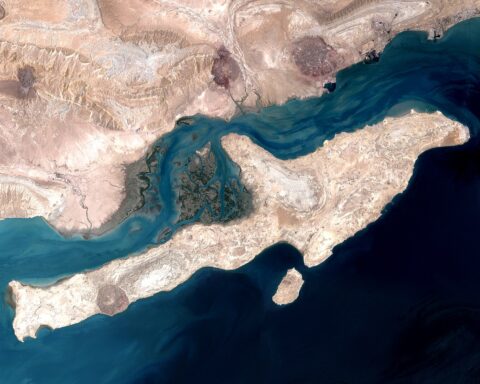
The address carried immediate consequences for Saudi Arabia and every Gulf state hosting U.S. forces. With Brent crude already trading above $100 per barrel — a 38 percent increase since the conflict began — the explicit commitment to maintaining the Hormuz blockade threatened to deepen the economic disruption that has already forced major banks to shutter Gulf branches and driven insurance companies out of the region’s maritime corridors. Iran’s ambassador to the United Nations separately stated that Iranian naval forces “have established full control” over the strait, through which roughly one-fifth of the world’s traded oil normally flows.
Table of Contents
- What Did Mojtaba Khamenei Say in His First Statement?
- Why Is the Strait of Hormuz Closure So Damaging?
- Why Has Iran’s Supreme Leader Not Appeared on Camera?
- Khamenei’s Demand to Close All US Bases in the Region
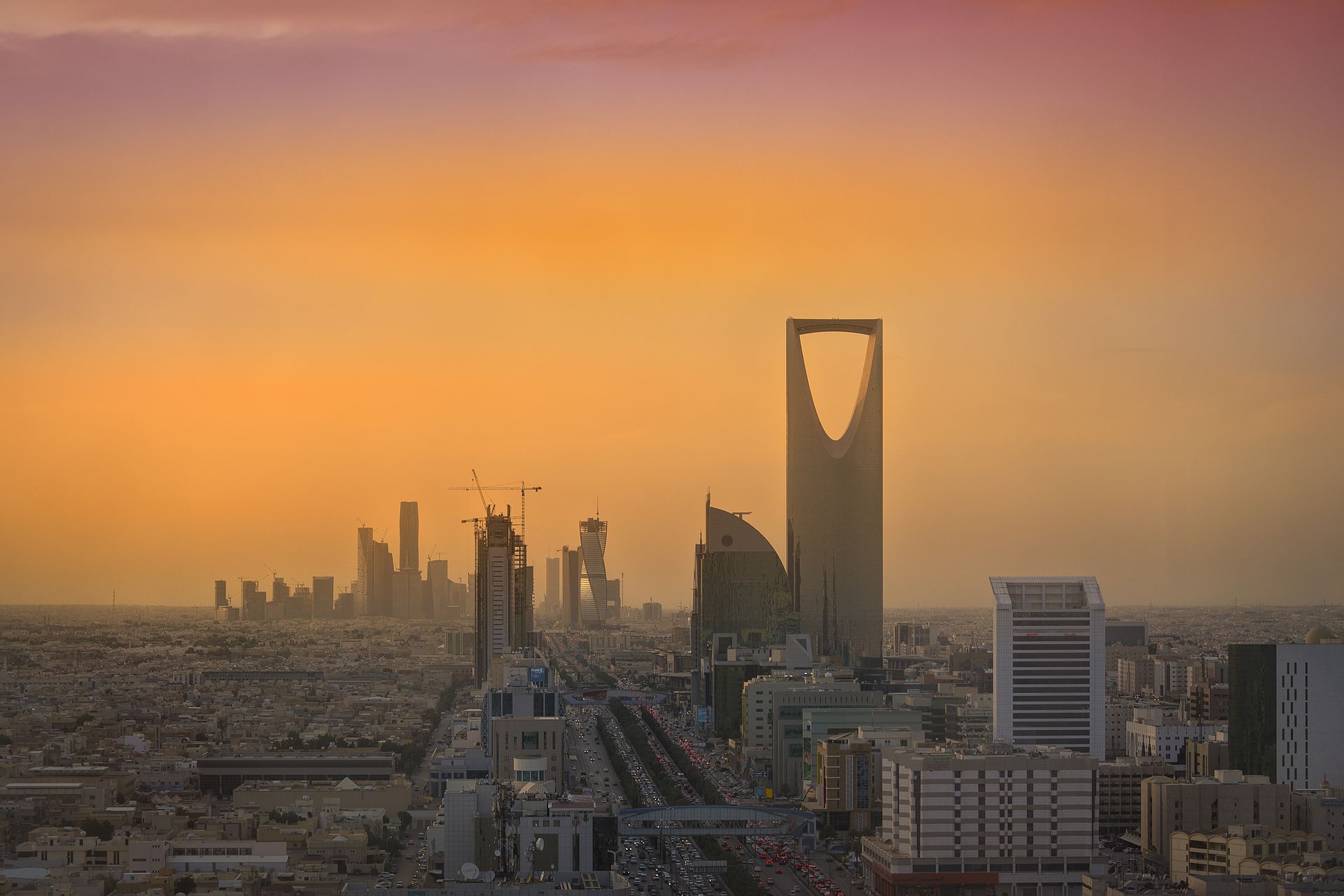
- What the Statement Means for Saudi Arabia
- The Ceasefire That Just Got Harder
- Iran Signals New Fronts Where Adversaries Are Vulnerable
- Frequently Asked Questions
What Did Mojtaba Khamenei Say in His First Statement?
Mojtaba Khamenei’s statement, broadcast on Iranian state media at approximately midday Tehran time on March 12, covered five distinct policy areas: the continuation of military operations, the Hormuz blockade, revenge for Iranian casualties, the role of allied armed groups, and a demand directed at Gulf governments hosting American military installations.
On the question of whether Iran would continue fighting, the statement was unambiguous. “The demand of the masses of the people is the continuation of effective and regret-inducing defense,” the text read, according to a translation provided by Press TV. The language mirrored the rhetoric used by his father, the late Ayatollah Ali Khamenei, who was killed in an Israeli airstrike on February 28 in what Tehran has described as an act of war.
The revenge pledge was equally direct. “We will not ignore revenge for the blood of your martyrs,” the statement declared. “Every member of the nation who is martyred by the enemy becomes an independent case for revenge.” That formulation appeared designed to establish an open-ended casus belli — tying future Iranian military actions not to a single triggering event but to an accumulating ledger of grievances that grows with every casualty.
On the subject of regional proxy forces, the statement indicated that “armed groups in Yemen will also do the job” and that allied forces in Iraq “want to help” the Islamic revolution. The reference to Houthi forces in Yemen and Iran-aligned militias in Iraq suggested a deliberate strategy to expand the conflict’s geographic footprint, consistent with the multi-front approach Iran has pursued since the war’s opening days.
The Middle East briefing 3,000+ readers start their day with.
One email. Every weekday morning. Free.

Why Is the Strait of Hormuz Closure So Damaging?
The most consequential line in the entire statement may have been the shortest. “Certainly the lever of blocking the Strait of Hormuz must continue to be used,” Khamenei wrote, according to the Iran International translation of the Farsi text. The phrasing was notable for its framing of the blockade not as a military operation but as a negotiating tool — a “lever” to be applied and maintained until Iran secures acceptable terms.
The Strait of Hormuz, a narrow waterway between Iran and Oman at its tightest just 33 kilometers wide, carries approximately 20 percent of all globally traded petroleum. Before the war, roughly 17 million barrels of oil passed through the strait daily, according to the U.S. Energy Information Administration. Iran’s Islamic Revolutionary Guard Corps Navy has enforced a de facto closure since early March through a combination of sea mines, fast-attack boats, anti-ship missiles, and drone swarms that have halted nearly all commercial traffic.
The economic toll has been staggering. Brent crude prices, which traded near $72 per barrel before the conflict, spiked past $120 before settling around $100 as of March 12, according to Bloomberg commodity data. The International Energy Agency responded by coordinating the release of 400 million barrels from strategic petroleum reserves — the largest such release in history, according to the IEA — but the intervention has only partially stabilized markets. Qatar, the world’s second-largest liquefied natural gas exporter, shut down LNG operations after Iranian drones targeted key facilities, removing roughly 20 percent of global LNG supply from the market, according to Reuters.
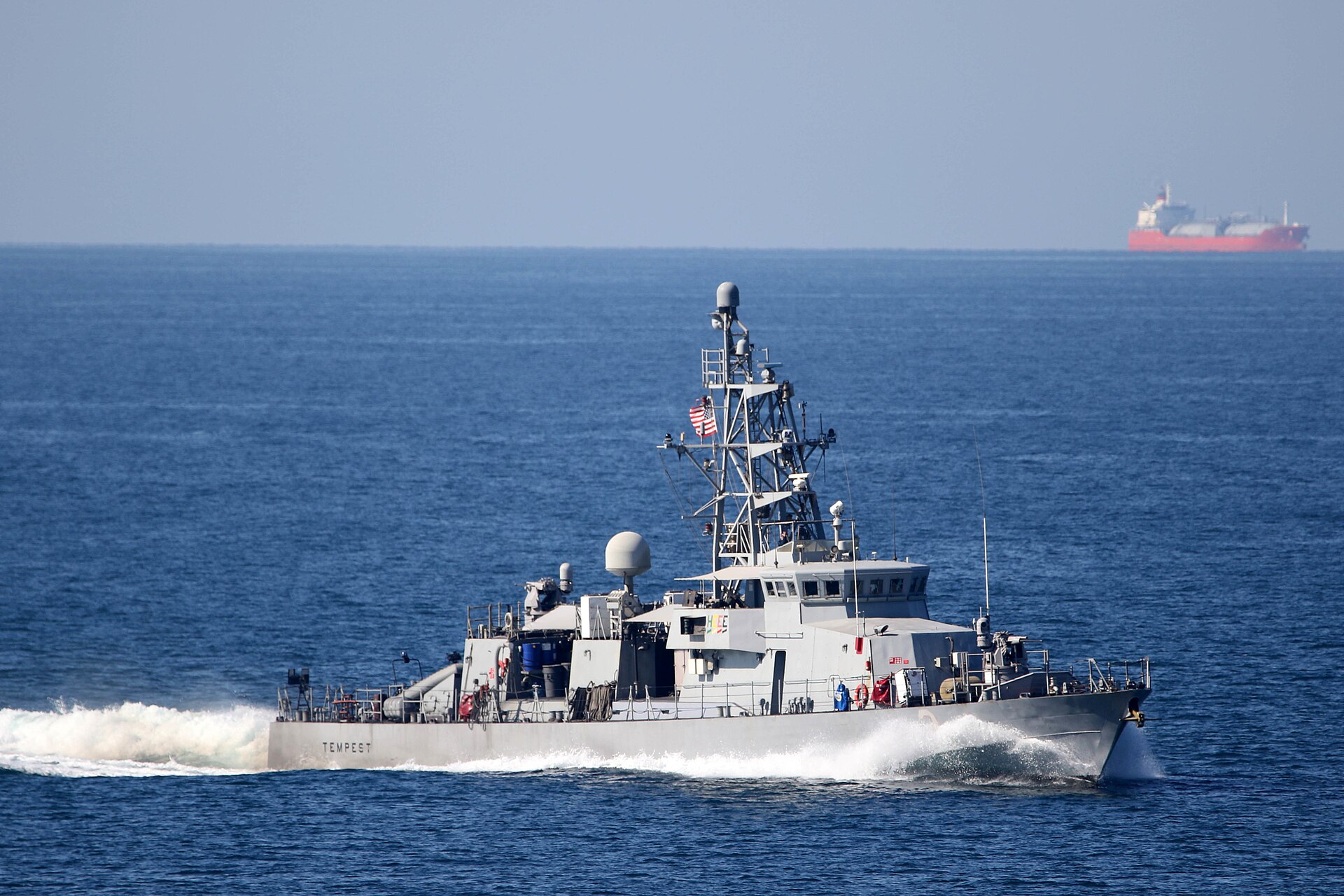
The Trump administration announced a $20 billion reinsurance program through the U.S. International Development Finance Corporation on March 6 to entice commercial shipping back into the Gulf, with Chubb named as the lead underwriter on March 11, according to CNBC. President Trump also pledged U.S. Navy escorts for oil tankers, though analysts at the Center for Strategic and International Studies noted that the Navy’s Fifth Fleet lacks sufficient surface combatants to escort more than a fraction of normal Gulf traffic while simultaneously conducting combat operations against Iran.
| Indicator | Value | Source |
|---|---|---|
| Daily oil flow (pre-war) | ~17 million bpd | U.S. EIA |
| Share of global traded oil | ~20% | U.S. EIA |
| Brent crude pre-war | ~$72/bbl | Bloomberg |
| Brent crude March 12 | ~$100/bbl | Bloomberg |
| Price increase since Feb 28 | +38% | Al Jazeera |
| IEA strategic reserve release | 400 million barrels | IEA |
| Trump reinsurance program | $20 billion | CNBC |
| Qatar LNG share of global market | ~20% | Reuters |
Why Has Iran’s Supreme Leader Not Appeared on Camera?
Perhaps as significant as what Mojtaba Khamenei said was how he said it — or, more precisely, how he did not say it. The statement was not delivered via video address or public appearance. Instead, a photograph of Khamenei was displayed on screen while a state television anchor read the text aloud. Nearly two weeks into the most severe military crisis Iran has faced since the Iran-Iraq War, the country’s new commander-in-chief has not been seen or heard directly by anyone outside his innermost circle.
The absence has fueled intense speculation about Khamenei’s physical condition. Israeli Prime Minister Benjamin Netanyahu seized on the format, calling Khamenei “a puppet of the Revolutionary Guards who cannot even appear in public,” according to Reuters. Netanyahu suggested the moment represented an opportunity for regime change, though he provided no evidence regarding Khamenei’s health.
Iranian officials have dismissed the speculation. A spokesperson for Iran’s Supreme National Security Council told Al Jazeera that the written format was a deliberate security precaution, noting that “the enemy has demonstrated its willingness to assassinate our leaders” — a reference to the February 28 strike that killed Ali Khamenei. The explanation is plausible: Israel demonstrated the ability to locate and strike Iran’s most protected leader, giving any successor reason to avoid public appearances that could reveal his location.
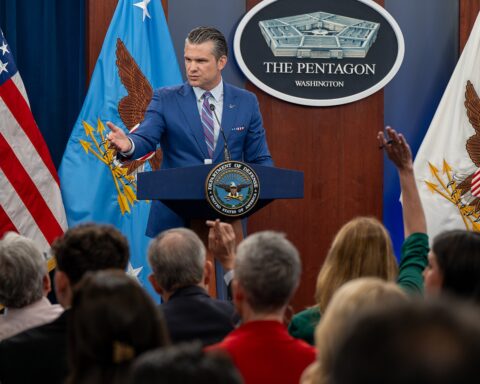
Yet the secrecy carries political costs. Inside Iran, the supreme leader’s authority derives partly from his visibility — delivering Friday prayers, addressing military commanders, issuing televised edicts. A leader who governs only through written statements read by proxies risks being perceived as either incapacitated or controlled by the IRGC generals who have effectively run Iran’s war effort since the conflict began. Several Iran analysts, including Sanam Vakil of Chatham House, noted that the statement “did little to dispel rumors” about the new leader’s condition, according to the BBC. On 13 March, Pentagon chief Pete Hegseth went further, claiming the supreme leader was “wounded and likely disfigured” — the first official US statement on his condition.
Khamenei’s Demand to Close All US Bases in the Region
The statement included a direct ultimatum to Gulf governments. Khamenei demanded that all American military bases in the Middle East “should be immediately closed or will be attacked,” and dismissed Washington’s security guarantees to its Gulf partners as “nothing more than a lie.”
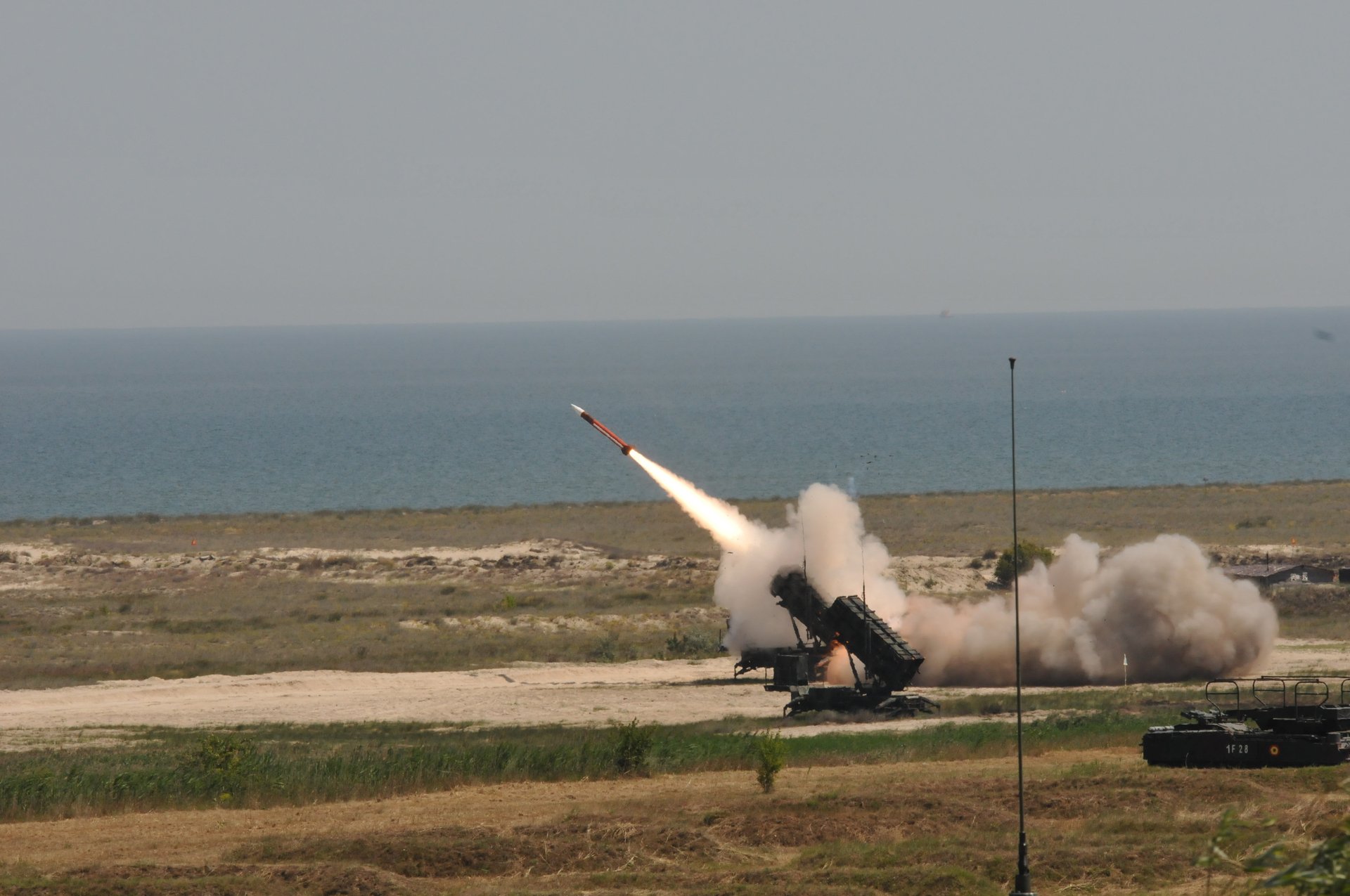
The demand targets a network of facilities that constitutes the backbone of America’s Middle East military posture. The United States maintains significant military installations in Qatar (Al Udeid Air Base, home to the Combined Air Operations Center), Bahrain (Naval Support Activity, headquarters of the U.S. Fifth Fleet), Kuwait (Camp Arifjan and Ali Al Salem Air Base), the UAE (Al Dhafra Air Base), and Saudi Arabia (Prince Sultan Air Base, which has hosted U.S. Patriot batteries and fighter squadrons since 2019), according to the Congressional Research Service.
Iran has already struck several of these installations. The Saudi Ministry of Defense confirmed on March 12 that ballistic missiles were intercepted near Prince Sultan Air Base in Al-Kharj, the seventh such attack on the facility since the war began, according to the Saudi Press Agency. EADaily, citing IRGC communications, reported that Iranian forces struck U.S. positions at Al-Kharj in Saudi Arabia, Azrak Air Base in Jordan, and the U.S. military facility near Erbil in Iraq’s Kurdistan region on March 12 using Emad, Ghadr, Kheibar Shekan, and Fath missiles.
No Gulf state has shown any indication of complying with the demand. The Gulf Cooperation Council issued a joint statement on March 11 reaffirming the sovereign right of member states to maintain bilateral defense agreements, according to the GCC General Secretariat. Saudi Arabia’s foreign ministry separately welcomed UN Security Council Resolution 2817, which condemned Iran’s attacks on Gulf states and Jordan, according to Arab News.
What the Statement Means for Saudi Arabia
For Riyadh, the statement confirmed what Saudi military planners have been preparing for since the war began: Iran has no intention of stopping its attacks on the Kingdom’s energy infrastructure, military installations, and population centers, regardless of diplomatic overtures or international pressure. The IRGC’s Khatam al-Anbiya command subsequently issued an explicit threat to burn all Gulf oil and gas infrastructure if Iranian energy facilities are struck.
Saudi Arabia intercepted and destroyed 18 drones targeting the Eastern Province on March 12, along with additional drone swarms aimed at the Shaybah oil field in the Empty Quarter and the Diplomatic Quarter in Riyadh, according to Saudi Defense Ministry spokesperson Major General Turki Al-Maliki. The daily tempo of Iranian attacks has remained roughly constant since the first week of the war, with Saudi air defenses engaging an average of 15 to 25 incoming projectiles per day, according to data compiled from Saudi Defense Ministry statements.
The economic implications extend beyond oil. The U.S. Embassy in Riyadh directed all American government employees to shelter in place on March 12 and recommended that all U.S. citizens in Saudi Arabia do the same, according to a security alert posted on the embassy’s website. The State Department had already ordered the departure of non-emergency personnel on March 8. Citibank closed all but one of its UAE branches through March 14 after the IRGC explicitly threatened to target “economic centers and banks” affiliated with American and Israeli entities, according to Asharq Al-Awsat. HSBC followed with closures in Qatar, according to The Hill.
Crown Prince Mohammed bin Salman has pursued a dual strategy since the conflict erupted: maintaining Saudi Arabia’s refusal to allow the United States to launch offensive operations from Saudi territory while simultaneously coordinating defensive measures with Washington. Pakistan’s Prime Minister Shehbaz Sharif arrived in Jeddah on March 12 for urgent talks with MBS, one day after speaking with Iran’s President Masoud Pezeshkian — a sequence that suggested Islamabad may be attempting to serve as a back-channel mediator, according to Bloomberg.

The Ceasefire That Just Got Harder
Khamenei’s statement effectively torpedoed what remained of near-term ceasefire hopes. Iran’s President Pezeshkian had signaled in the conflict’s early days that Tehran might consider ending hostilities under certain conditions, including an Israeli withdrawal from Lebanon and a halt to strikes on Iranian civilians. The supreme leader’s address contradicted that position entirely, committing Iran to continued military operations and open-ended revenge without any mention of negotiations or conditions for a halt.
The disconnect between Pezeshkian and Khamenei reflects a deeper fracture within Iran’s leadership. The presidency, an elected office with limited constitutional authority, has historically deferred to the supreme leader on matters of war and foreign policy. Pezeshkian’s earlier statements may have represented a personal view or a trial balloon, but Khamenei’s address made clear that the unelected supreme leader — and, by extension, the IRGC commanders who constitute his power base — will set the terms of any future talks.
International mediators face a narrowing window. China sent a special envoy to the region last week, with Foreign Minister Wang Yi calling the conflict “a war that should never have happened,” according to Xinhua. A brief diplomatic breakthrough on March 10 reportedly secured commitments to keep shipping lanes partially open, briefly causing oil prices to crater, according to MarketMinute. But Iran’s continued attacks on Gulf shipping and Khamenei’s explicit endorsement of the Hormuz blockade have negated whatever progress was achieved. UN Secretary-General António Guterres called for “immediate de-escalation and dialogue,” according to the UN News Service, but offered no mechanism to enforce it. Washington’s own actions have further narrowed the diplomatic path: the State Department’s decision to issue a $10 million Rewards for Justice bounty targeting Mojtaba Khamenei and nine IRGC commanders signals that the United States has moved beyond containment toward a posture that treats Iran’s wartime leadership as a criminal enterprise rather than a negotiating partner.
Iran Signals New Fronts Where Adversaries Are Vulnerable
One of the most ominous passages in Khamenei’s statement was his reference to expanding the war. “Studies have been conducted regarding the opening of other fronts in which the enemy has little experience and is highly vulnerable,” the text read. No specifics were provided, but the warning was consistent with a pattern of escalation that has characterized Iran’s approach throughout the conflict.
Since February 28, Iran has widened its target set from military installations to civilian infrastructure, energy facilities, financial districts, and shipping lanes. Hezbollah launched approximately 200 rockets into northern Israel on March 12, according to the Israel Defense Forces. Iran struck targets in Bahrain near the main airport, damaged a building in Kuwait that injured two people, targeted Dubai’s luxury districts, and hit facilities in Oman’s Duqm port complex, according to wire service reports compiled by the Long War Journal.
The reference to “fronts where the enemy has little experience” could indicate several possibilities, according to regional security analysts. Iran has demonstrated sophisticated cyber warfare capabilities that could target financial systems, power grids, or communications networks across the Gulf. Tehran also maintains relationships with Shia populations in Bahrain, Saudi Arabia’s Eastern Province, and Kuwait that could be activated for asymmetric operations behind enemy lines. Alternatively, the statement could refer to attacks on commercial shipping beyond the Strait of Hormuz, extending into the Arabian Sea or Red Sea corridors.
The United States has struck over 6,000 targets in Iran since operations began, destroyed more than 30 Iranian minelaying vessels, and killed several top nuclear scientists, according to the Pentagon. More than 1,200 people have been killed inside Iran by Israeli and American strikes, while 13 have died in Israel and six in the United Arab Emirates from Iranian retaliatory fire, according to Al Jazeera’s casualty tracker. The humanitarian toll continues to mount: the UN refugee agency reported that up to 3.2 million Iranians have been displaced internally, while approximately 800,000 people have been displaced in Lebanon, according to UNHCR.
President Trump responded to Khamenei’s statement by reiterating that the United States would “finish the job,” while claiming Iran is “virtually destroyed,” according to CBS News. Trump stated that preventing Iran from acquiring nuclear weapons remained a higher priority than reducing oil prices — a position that offers little reassurance to Gulf allies whose economies depend on stable energy markets and whose cities sit within range of Iranian missiles.
Khamenei’s vow to keep the strait closed adds a political dimension to what is already the most complex mine countermeasures challenge since the 1991 Gulf War, with the U.S. Navy acknowledging it is “simply not ready” to begin clearing the waterway.
Frequently Asked Questions
Who is Mojtaba Khamenei and how did he become supreme leader?
Mojtaba Khamenei is the 56-year-old son of Ayatollah Ali Khamenei, who served as Iran’s supreme leader from 1989 until his death in an Israeli airstrike on February 28, 2026. Iran’s Assembly of Experts named Mojtaba as successor on approximately March 8. He is widely regarded as close to the Islamic Revolutionary Guard Corps and has never held elected office.
What did Khamenei say about the Strait of Hormuz?
Khamenei stated that “the lever of blocking the Strait of Hormuz must continue to be used,” framing the blockade as a negotiating tool rather than a purely military operation. Iran claims full naval control over the strait, through which approximately 20 percent of global traded oil flows. The closure has driven oil prices up 38 percent since the war began.
Has Mojtaba Khamenei appeared in public since the war started?
No. His March 12 statement was read by a state television anchor while a still photograph was displayed on screen. No video or audio recording of the new leader has been released since he assumed office. Iranian officials attribute the absence to security precautions following the assassination of his father, but the secrecy has fueled speculation about his condition.
The silence has deepened since. By March 17, Trump publicly questioned whether Mojtaba Khamenei is alive, noting that nobody has seen him since his appointment nine days earlier.
What does the statement mean for ceasefire prospects?
The statement significantly diminished near-term ceasefire prospects. It contradicted earlier signals from Iran’s President Pezeshkian that Tehran might consider ending hostilities under certain conditions. Khamenei committed Iran to continued military operations, open-ended revenge, and the Hormuz blockade, without mentioning negotiations or conditions for a halt to fighting.
How has Saudi Arabia responded to continued Iranian attacks?
Saudi air defenses have intercepted an average of 15 to 25 incoming projectiles daily, including 18 drones in the Eastern Province on March 12 alone. Riyadh has refused to allow the United States to launch offensive operations from Saudi territory while maintaining defensive coordination with Washington. Crown Prince Mohammed bin Salman continues diplomatic engagement, hosting Pakistan’s PM for urgent talks on March 12.