
BRUSSELS — European Union energy ministers gathered in Brussels on March 16 for an emergency session to confront the worst energy price shock since 2022, as the Iran war’s closure of the Strait of Hormuz sent Brent crude past $106 per barrel and added an estimated €3 billion to the bloc’s monthly fuel import bill. EU Energy Commissioner Dan Jørgensen entered the closed-door talks with a stark assessment: “We are in a price crisis.”
The meeting comes on the seventeenth day of the conflict between the United States, Israel, and Iran, which has effectively shut down the world’s most critical oil chokepoint and removed roughly 8 million barrels per day from global supply, according to the International Energy Agency. For Saudi Arabia, the emergency in Brussels represents both a strategic opportunity and a structural validation of decisions made years before the first missile was fired — from the East-West pipeline that bypasses Hormuz to the OPEC+ production strategy that Prince Abdulaziz bin Salman has defended against intense Western criticism.
Table of Contents
- What Did EU Energy Ministers Decide on March 16?
- How High Have Oil and Gas Prices Risen Since the Iran War Began?
- Emergency Measures Under Consideration
- European Refinery Dependence on Gulf Crude
- The Hormuz Blockade and Global Supply Disruption
- Why Saudi Arabia Holds the Strongest Card
- Saudi Aramco’s Price Hike Signals Tightening Market
- Gulf Economies Face Deepest Slump Since 1990s
- What Happens if the Strait Stays Shut Through April?
- Frequently Asked Questions
What Did EU Energy Ministers Decide on March 16?
EU energy ministers convened at the Justus Lipsius building in Brussels on March 16 to discuss a package of emergency measures aimed at containing the inflationary impact of oil and gas prices that have surged since the outbreak of war between the United States, Israel, and Iran on February 28. The meeting, chaired by the Polish EU presidency, brought together the 27 member states’ energy ministers alongside Energy Commissioner Dan Jørgensen and European Commission representatives.
The session focused on five immediate priorities, according to officials briefed on the agenda: national tax relief on energy, industrial support for energy-intensive sectors, the potential release of strategic petroleum reserves, carbon market adjustments to lower emissions permit prices, and the possible imposition of a gas price cap. Jørgensen told reporters ahead of the session that the bloc’s oil and gas supplies remained secure because the majority of European imports come from the United States, Norway, and other suppliers not directly affected by the closure of the Strait of Hormuz, Reuters reported.
The distinction between supply security and price security is central to the EU’s dilemma. Europe can still physically obtain oil and gas — unlike Japan and South Korea, which depend heavily on Gulf LNG — but the cost of that energy has risen sharply as global markets reprice the loss of approximately 20 percent of seaborne crude oil trade, according to the IEA. In the first ten days of the conflict alone, gas prices in the EU rose by 50 percent and oil prices by 27 percent, European Commission data shows, with the combined additional cost to fossil fuel imports exceeding €3 billion.
How High Have Oil and Gas Prices Risen Since the Iran War Began?
The scale of the price shock triggered by the Iran war has few modern precedents. Brent crude, the global benchmark, surged to approximately $106.12 per barrel on March 16, its highest level since July 2022, according to Bloomberg data. West Texas Intermediate, the American benchmark, rose to $101.53. Before the conflict began on February 28, Brent was trading at roughly $67 per barrel, representing a gain of more than 58 percent in just over two weeks.
The Middle East briefing 3,000+ readers start their day with.
One email. Every weekday morning. Free.
The OPEC Reference Basket — the weighted average of prices for crude blends produced by OPEC member states — hit $96.94 per barrel in March, up from $67.90 in February, according to OPEC’s own data. Goldman Sachs expects Brent to average over $100 per barrel through March and April, describing that figure not as a ceiling but as “a floor” given ongoing disruptions to the Strait of Hormuz, the investment bank stated in a research note dated March 11.
| Benchmark | Pre-War (Feb 27) | March 16 | Change (%) |
|---|---|---|---|
| Brent Crude ($/bbl) | $67.00 | $106.12 | +58.4% |
| WTI Crude ($/bbl) | $63.50 | $101.53 | +59.9% |
| OPEC Basket ($/bbl) | $67.90 | $96.94 | +42.8% |
| EU Gas (TTF, €/MWh) | ~€28 | ~€42 | +50.0% |
| EU Extra Fuel Costs | €3 billion additional in first 10 days | — | |
European natural gas prices, measured by the Dutch TTF benchmark, have risen approximately 50 percent since the conflict began, the European Commission reported. The closure of the Strait of Hormuz has disrupted Qatari LNG shipments that previously transited the waterway en route to European terminals, though Qatar has rerouted some cargoes through the Suez Canal and the Red Sea at significantly higher cost and longer delivery times.
Emergency Measures Under Consideration
The European Commission is drafting a package of emergency measures that reflects the scale of the crisis. According to a briefing document seen by Reuters, the proposals under discussion at the March 16 meeting fall into five categories.
The first is national tax relief. Jørgensen has urged member states to cut energy taxes where possible, particularly on electricity, to reduce consumer bills. Several EU countries — including France, Germany, and Spain — already lowered fuel excise duties during the 2022 energy crisis triggered by Russia’s invasion of Ukraine and have the administrative machinery to do so again rapidly.
The second category is industrial support. Energy-intensive industries such as steel, glass, chemicals, and aluminium production face the steepest cost increases. The Commission is examining state-aid frameworks that would allow national governments to subsidise energy costs for these sectors without violating single-market competition rules.
Third, the Commission and member states are discussing the release of strategic petroleum reserves. The IEA has already coordinated the release of a record 400 million barrels from member states’ strategic stockpiles since the war began — the largest coordinated drawdown in the agency’s history. Jørgensen participated in a G7 energy ministers meeting earlier in March and said further releases would be “beneficial” to keeping prices in check.
Fourth, the Commission is considering adjustments to the EU Emissions Trading System (ETS), the bloc’s carbon market. By increasing the supply of emissions permits, carbon prices could be lowered, reducing the total energy cost for power generators and heavy industry. The revision would be accelerated as part of the emergency response.
Fifth, European Commission President Ursula von der Leyen has said Brussels is “considering” capping gas prices, a measure that proved deeply divisive when last debated during the 2022 crisis. Southern European states led by Spain and Italy supported a cap during that episode, while northern states including the Netherlands and Germany warned it could divert LNG cargoes to Asian markets where prices were uncapped.
European Refinery Dependence on Gulf Crude
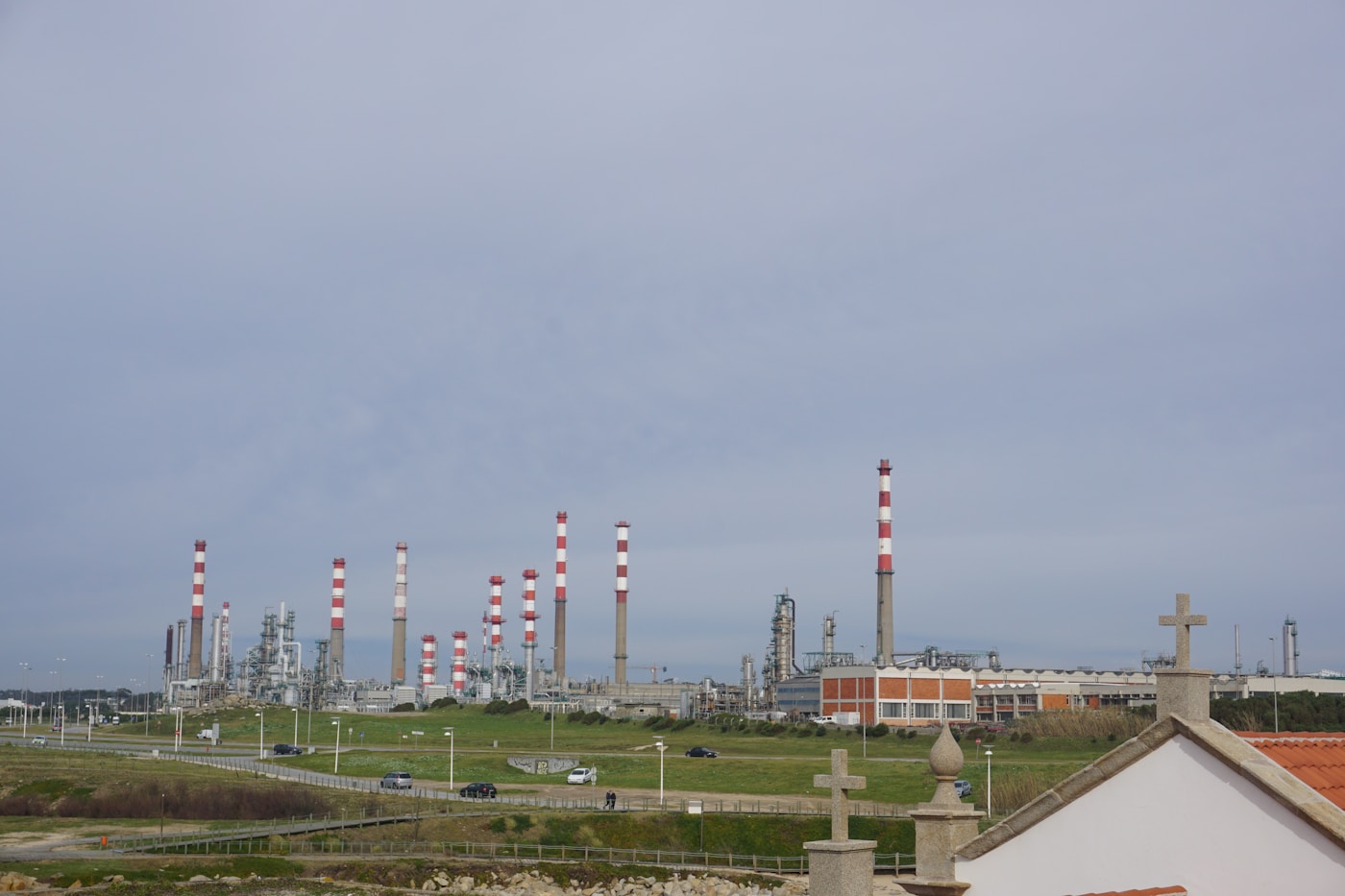
Europe’s vulnerability to the Hormuz closure is less about the volume of Gulf crude it imports directly — European refineries source the majority of their supply from the North Sea, Russia (through remaining contracts), West Africa, and the Americas — and more about the indirect effects on global pricing and supply allocation. When 8 million barrels per day are removed from the global market, every barrel from every source becomes more expensive.
European refineries processed approximately 12.5 million barrels per day in 2025, according to Eurostat, with about 1.8 million barrels coming from Middle Eastern sources that previously transited Hormuz. The loss of those barrels has forced European buyers to compete with Asian refiners for alternative supply from West Africa, Brazil, Guyana, and the United States, driving up delivered costs even for non-Gulf crudes.
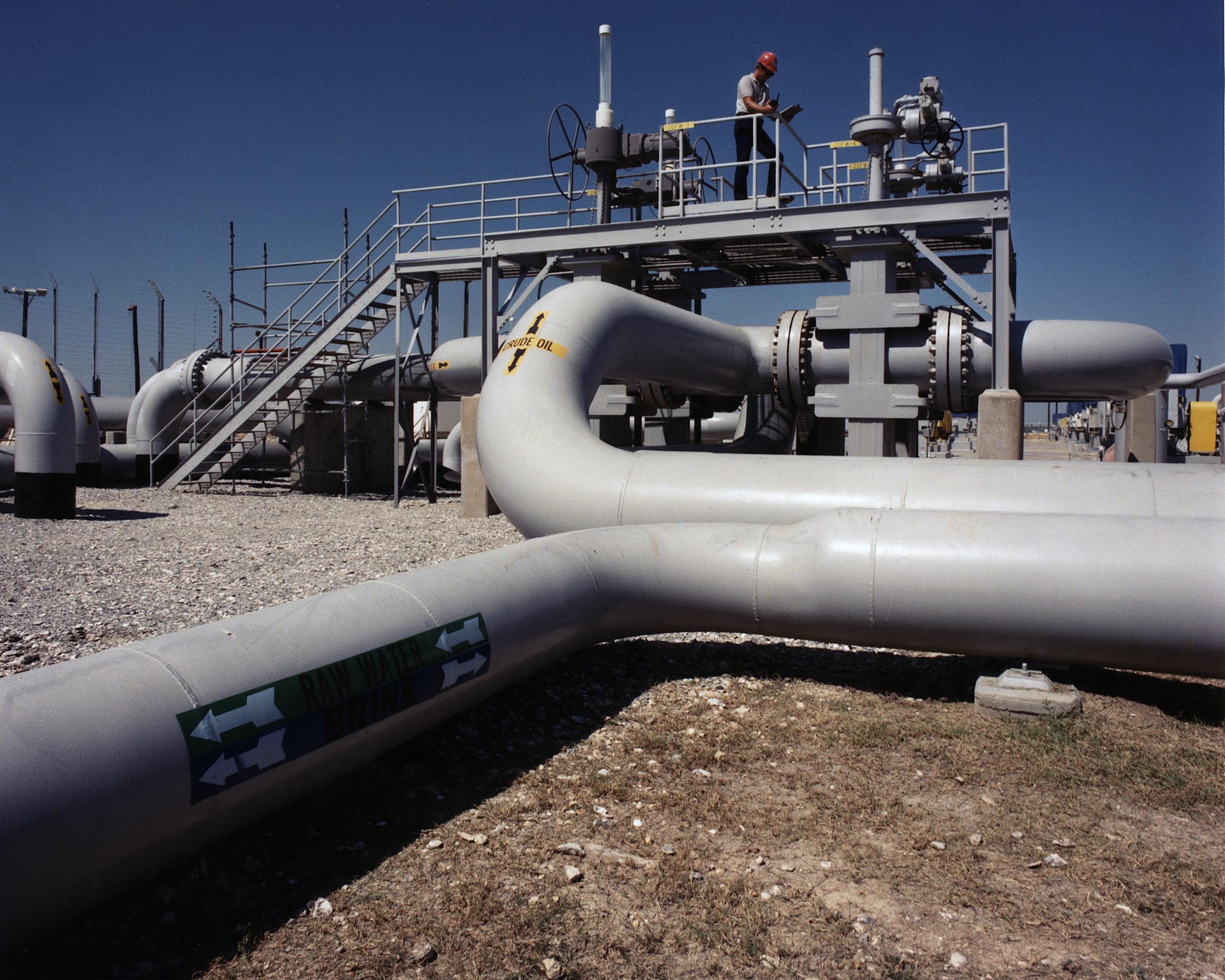
The situation has been compounded by the war’s impact on TotalEnergies, Europe’s largest integrated oil company. The conflict has effectively shut in 15 percent of TotalEnergies’ global oil and gas output, according to the company’s own disclosure, much of it from operations in the Gulf region that cannot be safely maintained under current conditions.
The Hormuz Blockade and Global Supply Disruption
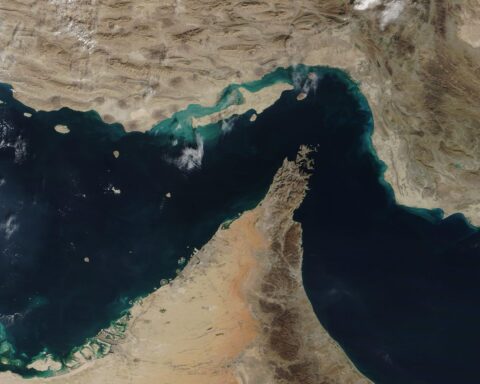
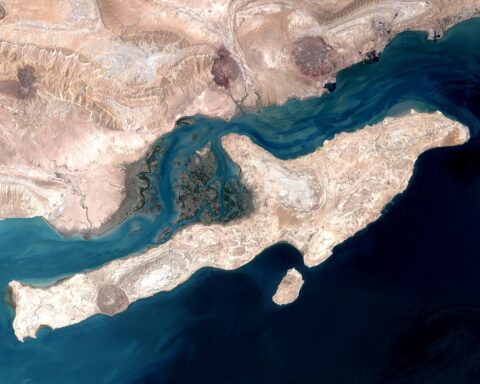
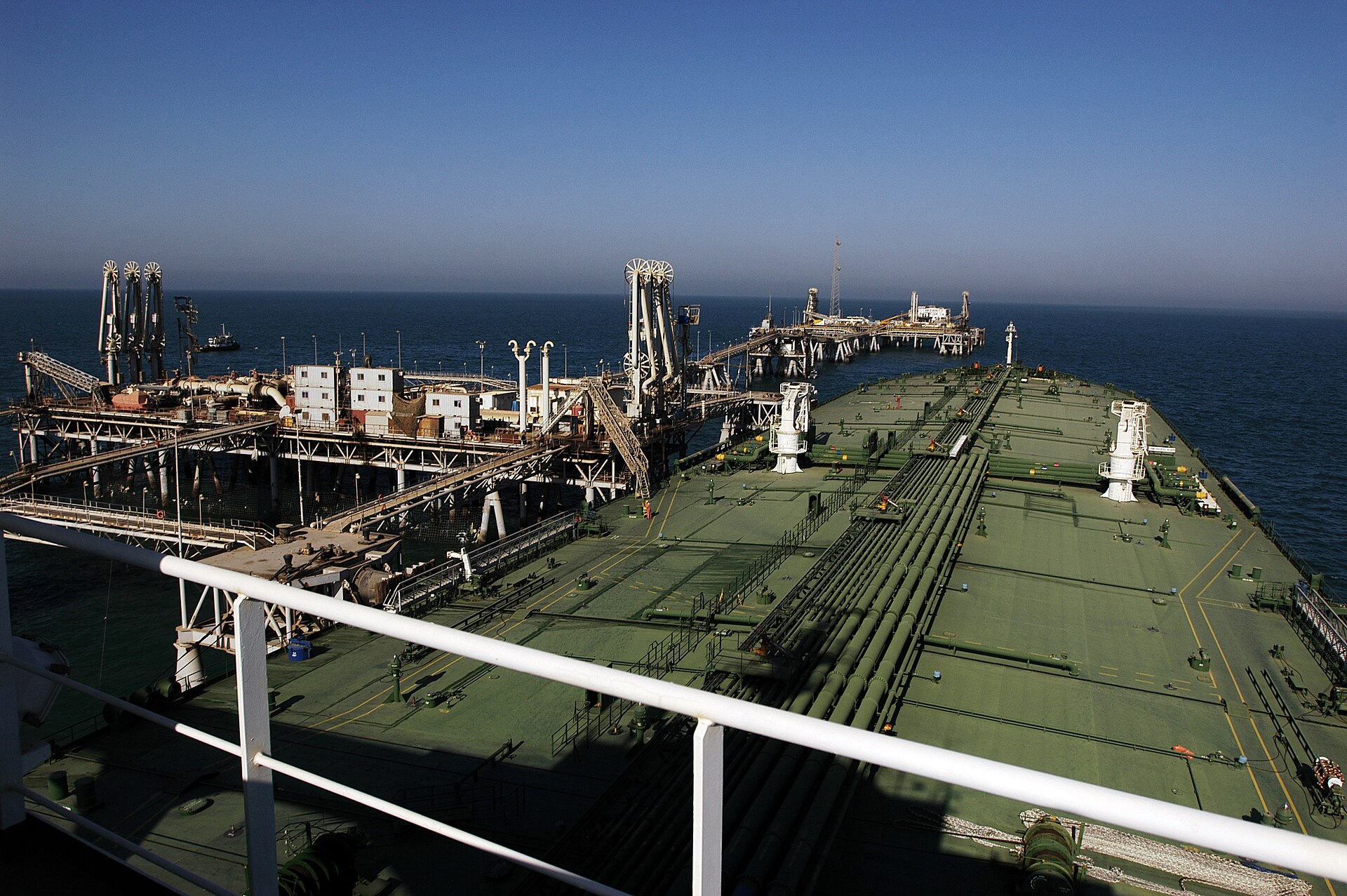
The Strait of Hormuz, through which approximately 21 million barrels of oil and petroleum products transit daily in peacetime, has been effectively closed since the early days of the Iran war. Iran’s Foreign Minister Abbas Araghchi declared on March 16 that the Strait “is open, but closed to our enemies — to those who carried out this cowardly aggression against us and to their allies,” Al Jazeera reported.
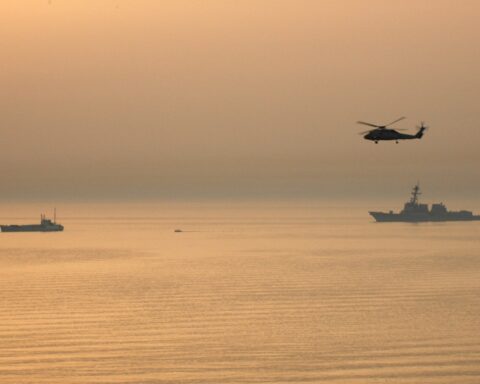
In practice, no commercial tanker traffic has passed through the Strait since Iran deployed naval mines and positioned Revolutionary Guard Navy fast-attack boats across the waterway. The de facto blockade has trapped approximately 3,000 commercial vessels and 20,000 sailors in the Persian Gulf, according to the International Maritime Organization.
The supply disruption extends beyond crude oil. Qatar, the world’s largest LNG exporter, normally ships approximately 80 million tonnes per year through Hormuz. While some Qatari cargoes have been rerouted, the additional shipping distance and cost have pushed Asian LNG spot prices sharply higher, with cascading effects on European gas markets that compete for the same supply. The disruption has effectively reversed three years of European effort to reduce Russian energy dependence — a dynamic Moscow is exploiting across seven strategic dimensions.
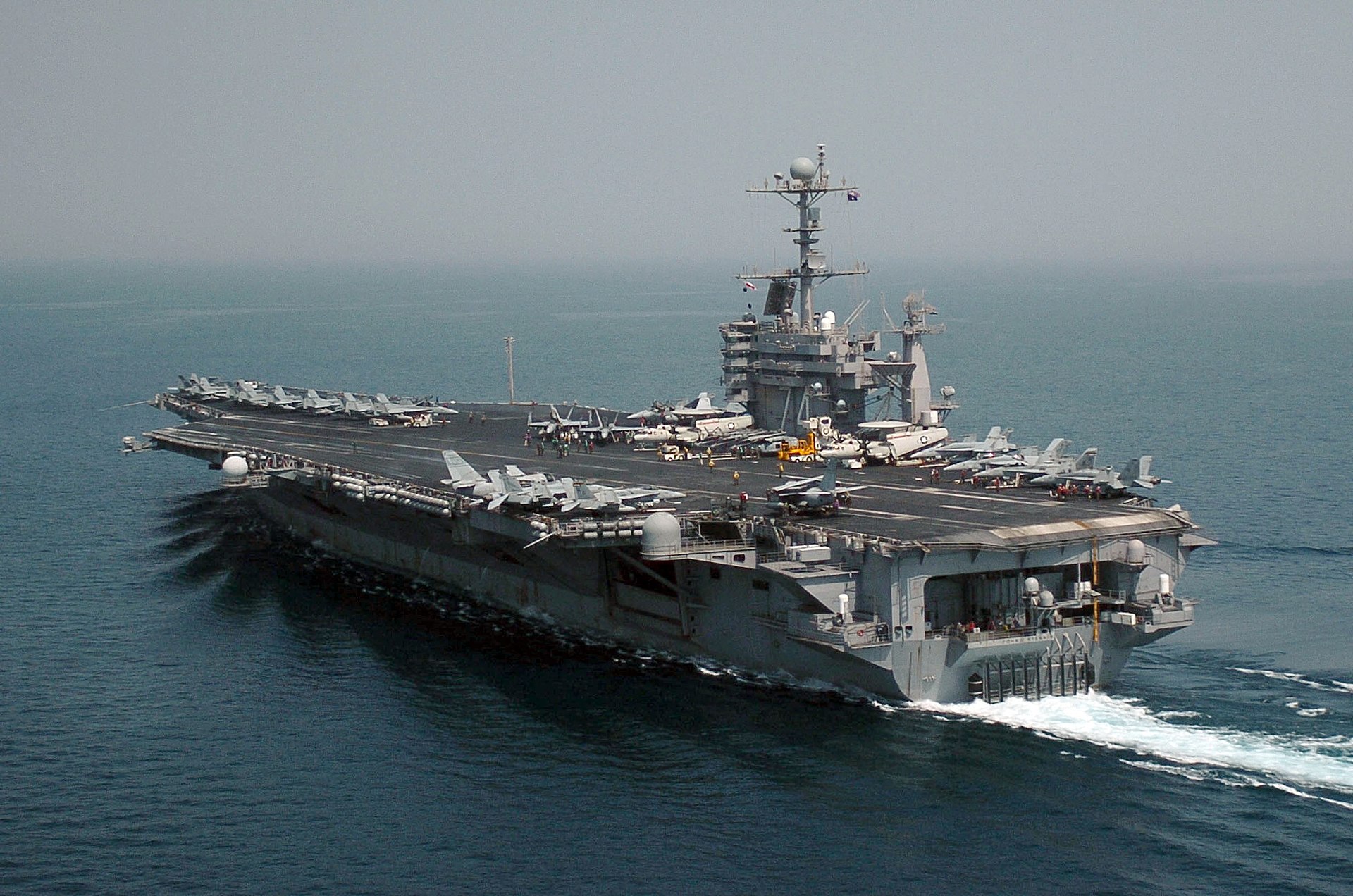
Iran’s blockade strategy has proved remarkably effective as an asymmetric weapon. While the United States has assembled a naval coalition to attempt to reopen the Strait, no country has committed warships to the effort, and President Trump has publicly urged China, France, Japan, South Korea, and the United Kingdom to contribute vessels. Iran’s foreign minister mocked the appeal, asking why the United States needed foreign help roughly fifteen days into a war it had started.
Why Saudi Arabia Holds the Strongest Card
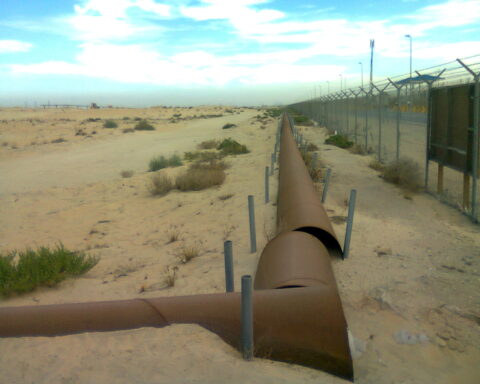
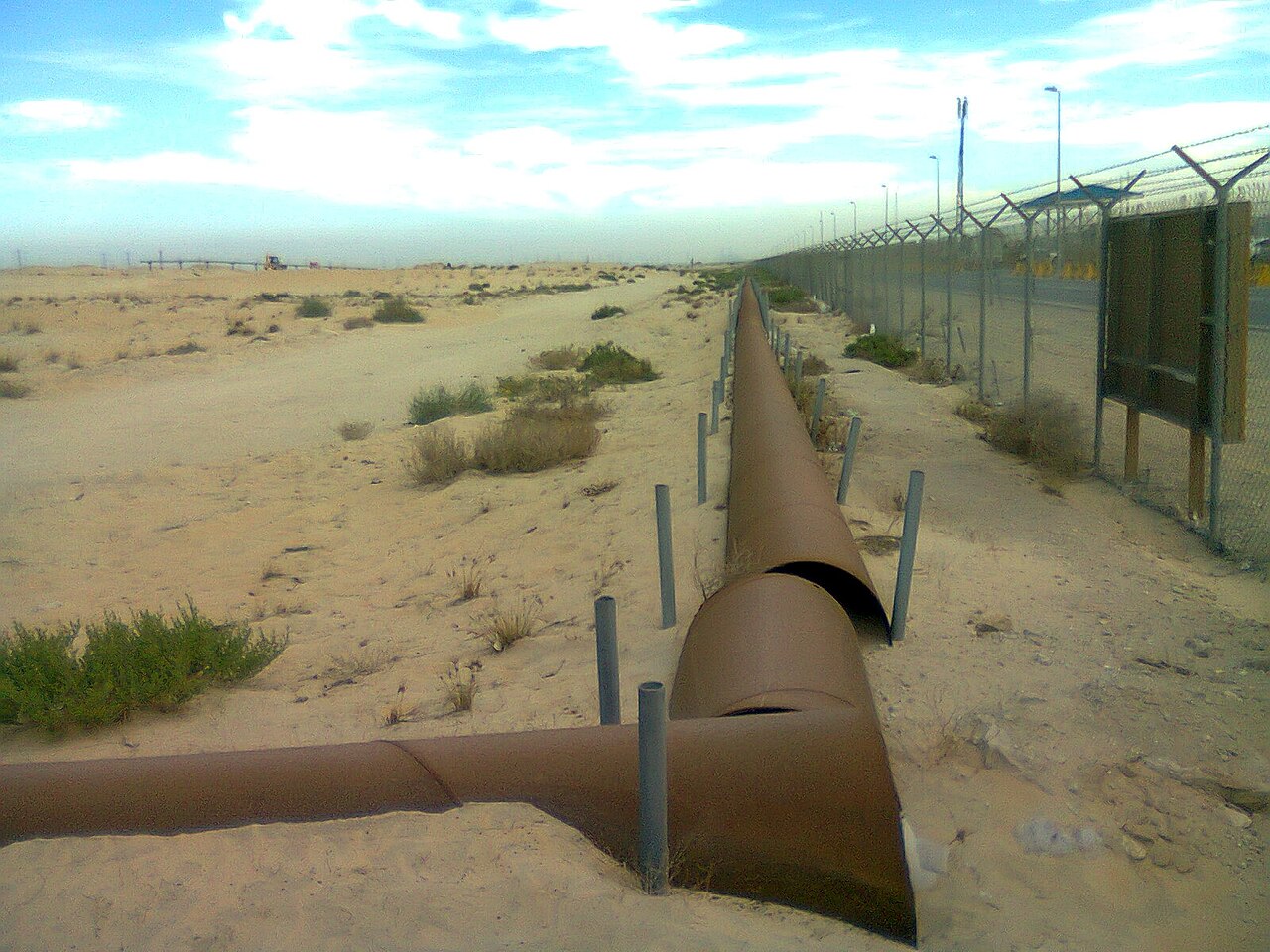
Saudi Arabia occupies a singular position in the crisis: it is the world’s largest oil exporter, the dominant voice in OPEC+, and one of the few Gulf producers with the infrastructure to bypass Hormuz entirely. The Kingdom’s East-West pipeline — running 1,200 kilometres from the Eastern Province oil fields to the Red Sea port of Yanbu — has a capacity of approximately 5 million barrels per day, allowing Saudi Arabia to continue exporting even as its Gulf neighbours are effectively locked out of global markets.
The pipeline’s strategic importance has been validated by the crisis. Before the war, critics questioned the cost of maintaining a redundant export route when Hormuz was secure. The Yanbu bypass has allowed Saudi Aramco to maintain export flows to European and Mediterranean buyers, albeit at reduced volume and with logistical constraints that the company has worked to address since the conflict began.
For Europe specifically, Saudi Arabia’s ability to deliver crude through Red Sea terminals — bypassing the Hormuz bottleneck — gives the Kingdom extraordinary leverage. European refineries that previously sourced from multiple Gulf producers now face a market in which Saudi Arabia is one of the few Gulf states that can physically deliver oil. The diplomatic implications of this dependency have not been lost on either side.
Saudi Aramco’s Price Hike Signals Tightening Market
Saudi Aramco’s pricing decisions in the lead-up to the EU emergency meeting have reinforced the market’s view of a structural tightening. The state oil company raised its official selling price (OSP) for Arab Light crude destined for Asian buyers by $2.40 per barrel for March deliveries, Bloomberg reported — the largest single increase since August 2022 and above the $2.00 rise that analysts had forecast.
The price for Asian buyers was set at $3.90 per barrel above the Oman-Dubai benchmark, the highest premium in more than a year. Arab Extra Light and Super Light grades were raised by $2.40 and $2.10 respectively, while Arab Medium was raised by $2.50 and Arab Heavy by $2.60, according to Aramco’s published pricing circulars.
| Crude Grade | Change ($/bbl) | Premium to Benchmark | Notes |
|---|---|---|---|
| Arab Light | +$2.40 | $3.90 | Largest rise since Aug 2022 |
| Arab Extra Light | +$2.40 | — | Above analyst forecasts |
| Arab Super Light | +$2.10 | — | — |
| Arab Medium | +$2.50 | — | — |
| Arab Heavy | +$2.60 | — | Largest grade increase |
The pricing move reflects the physical tightening of the oil market. With Hormuz closed, Saudi Arabia’s exportable volume is constrained by Yanbu’s pipeline capacity, meaning the Kingdom is effectively rationing supply among its customers. Asian buyers, who historically receive the bulk of Saudi exports, are competing with European refiners for a smaller pool of available barrels.
Prince Abdulaziz bin Salman, Saudi Arabia’s oil minister, has not publicly commented on the EU emergency meeting, but the Kingdom’s OPEC+ strategy — which maintained production discipline throughout 2025 and into 2026 — has positioned Saudi Arabia to benefit from the wartime price environment. The OPEC Reference Basket has jumped from $67.90 in February to $96.94 in March, generating windfall revenue for the Saudi treasury even as the war threatens the Kingdom’s long-term economic diversification plans.
Gulf Economies Face Deepest Slump Since 1990s
While Saudi Arabia has benefited from higher oil revenue, the broader Gulf Cooperation Council is staring at what Goldman Sachs economist Farouk Soussa has called the worst economic slump since the early 1990s. In a research note published on March 15, Soussa projected that Qatar and Kuwait could each see GDP contract by 14 percent this year if the Strait of Hormuz remains closed through April, Bloomberg reported.
That contraction would exceed the economic damage inflicted during the 1990-91 Gulf War, when Iraq’s invasion of Kuwait devastated the Kuwaiti economy and disrupted regional oil production. Saudi Arabia and the United Arab Emirates, with their ability to reroute oil exports through Red Sea and Indian Ocean terminals, would fare better — but Goldman still projected GDP declines of approximately 3 percent and 5 percent respectively, the deepest contraction for both countries since the COVID-19 pandemic in 2020. A detailed analysis of the Gulf’s worst economic crisis since 1990 reveals that the war’s economic toll has already surpassed Covid’s impact across every GCC state, driven by a structural pipeline divide that separates those who can still export from those who cannot.
The damage extends beyond oil revenue. Tourism bookings across the Gulf have collapsed, with luxury hotel reservations in Saudi Arabia dropping an estimated 45 percent during the first two weeks of March, according to Middle East tourism industry data. The cancellation of more than 23,000 flights across the region has severed the air connectivity that underpins Gulf economic diversification strategies. Saudi Arabia’s Public Investment Fund, which holds assets exceeding $930 billion, provides a financial buffer that smaller Gulf states lack — but the war has exposed the fragility of the region’s post-oil economic model.
| Country | Projected GDP Change | Comparison Period | Source |
|---|---|---|---|
| Qatar | -14% | Worst since 1990s | Goldman Sachs |
| Kuwait | -14% | Worst since Gulf War | Goldman Sachs |
| UAE | -5% | Worst since COVID-19 | Goldman Sachs |
| Saudi Arabia | -3% | Worst since COVID-19 | Goldman Sachs |
| Oman | -8% (est.) | — | Oxford Economics |
| Bahrain | -10% (est.) | — | Oxford Economics |
What Happens if the Strait Stays Shut Through April?
The central question facing EU energy ministers — and global markets — is how long the Hormuz closure will persist. Israel’s military has stated it has “thousands of targets” still to hit in Iran, with the IDF preparing for at least three more weeks of airstrikes, the Times of Israel reported on March 15. Iran’s new supreme leader, Mojtaba Khamenei, has shown no indication of accepting a ceasefire, and Tehran has explicitly rejected negotiations while under bombardment.
If the Strait remains closed through April, Goldman Sachs’ base-case scenario projects Brent crude averaging between $98 and $110 per barrel for the quarter, with spikes above $120 possible if Iran escalates attacks on Gulf oil infrastructure. The IEA has warned that strategic reserves — the primary tool used to manage the crisis so far — would be significantly depleted after a two-month drawdown, leaving the global market without its emergency safety net.
For the EU, a prolonged closure would test whether emergency measures can contain inflation that has already begun to accelerate. European consumer price inflation, which had fallen to approximately 2.1 percent before the war, is expected to rise above 3 percent by April and could reach 4 percent by May if energy costs remain elevated, according to Bruegel, the Brussels-based think tank.
Saudi Arabia’s position in this scenario is paradoxical. Higher oil prices generate greater revenue for the Saudi treasury, but a prolonged conflict threatens the very economic diversification programme — Vision 2030 — that the Kingdom needs to survive a post-oil future. Foreign direct investment into Saudi megaprojects has frozen, construction timelines have slipped, and the international workforce that builds the Kingdom’s future is evacuating alongside the diplomats.
The EU’s emergency session on March 16 may have produced immediate measures to cushion the impact on European consumers, but it has also clarified a strategic reality that predates the current crisis: Europe’s energy security depends on decisions made in Riyadh and Dhahran at least as much as those made in Brussels. The ministers can cut taxes and cap prices. They cannot open the Strait of Hormuz.
The energy supply picture worsened further on March 18, when Israel struck Iran’s South Pars gas field and Tehran retaliated by naming Saudi Arabia’s Jubail Petrochemical Complex and Samref refinery as targets for imminent strikes, pushing Brent crude to $109.75 per barrel.
The mathematics of the IEA reserve release are particularly sobering: analysis of country-by-country drawdown rates shows the 400-million-barrel stockpile covers roughly fifty days of the current supply gap, with Japan and South Korea facing depletion within six weeks.
Frequently Asked Questions
Why are EU energy ministers meeting on March 16?
EU energy ministers convened an emergency session in Brussels on March 16, 2026, to address surging oil and gas prices triggered by the Iran war and the closure of the Strait of Hormuz. Gas prices in the EU rose 50 percent and oil prices rose 27 percent in the first ten days of the conflict, costing the bloc an additional €3 billion in fuel imports.
How does the Iran war affect European energy prices?
The Iran war has closed the Strait of Hormuz, through which approximately 21 million barrels of oil transit daily. This has removed roughly 8 million barrels per day from global supply, pushing Brent crude past $106 per barrel. European refineries must now compete with Asian buyers for non-Gulf supply at significantly higher prices.
What emergency measures is the EU considering?
The European Commission is drafting measures including national tax cuts on energy, industrial support for energy-intensive sectors, further release of strategic petroleum reserves, adjustments to the EU carbon market to lower emissions permit prices, and a possible gas price cap. These measures echo the emergency response deployed during the 2022 Russian gas crisis.
How does Saudi Arabia benefit from the EU energy crisis?
Saudi Arabia’s East-West pipeline to Yanbu allows the Kingdom to export oil through the Red Sea, bypassing the closed Strait of Hormuz. This makes Saudi Arabia one of the few Gulf producers that can still physically deliver crude to European refineries. Saudi Aramco has raised its official selling prices by up to $2.60 per barrel, the largest increase since August 2022.
How long could the Strait of Hormuz remain closed?
Israel’s military has indicated it plans at least three more weeks of airstrikes on Iran, and Iran has rejected ceasefire negotiations while under bombardment. Goldman Sachs projects that if the Strait stays closed through April, Brent crude could average between $98 and $110 per barrel, with Qatar and Kuwait facing GDP contractions of up to 14 percent.