
DOHA — Qatar ordered Iran’s military and security attachés to leave the country within 24 hours on Wednesday after an Iranian missile caused extensive damage to the Ras Laffan Industrial City, the site of the world’s largest liquefied natural gas export facility. The expulsion, confirmed by Qatar’s Ministry of Foreign Affairs, marks the most significant diplomatic rupture between Doha and Tehran since the Iran war began on February 28 and signals the collapse of Qatar’s longstanding role as a neutral mediator between Iran and the West.
The attack on Ras Laffan — which accounts for roughly 20 percent of global LNG supply — came hours after Israeli warplanes struck Iran’s South Pars gas field, the world’s largest natural gas reserve shared between Iran and Qatar. President Donald Trump responded by threatening to “massively blow up the entirety of the South Pars Gas Field” if Iran strikes Qatari energy infrastructure again, while simultaneously distancing the United States from Israel’s initial strike on the field. The convergence of these events within a single 24-hour window has transformed the Iran war from a conventional military conflict into a direct assault on the foundations of the global energy system.
Table of Contents
- What Happened at Ras Laffan?
- Qatar’s Diplomatic Response
- Why Did Iran Strike Qatar?
- Trump’s South Pars Ultimatum
- What Is the South Pars Gas Field?
- Eight Ballistic Missiles Over Riyadh
- How Does This Affect Global Energy Markets?
- Riyadh’s Emergency Ministerial Meeting
- Background and Timeline
- Frequently Asked Questions
What Happened at Ras Laffan?
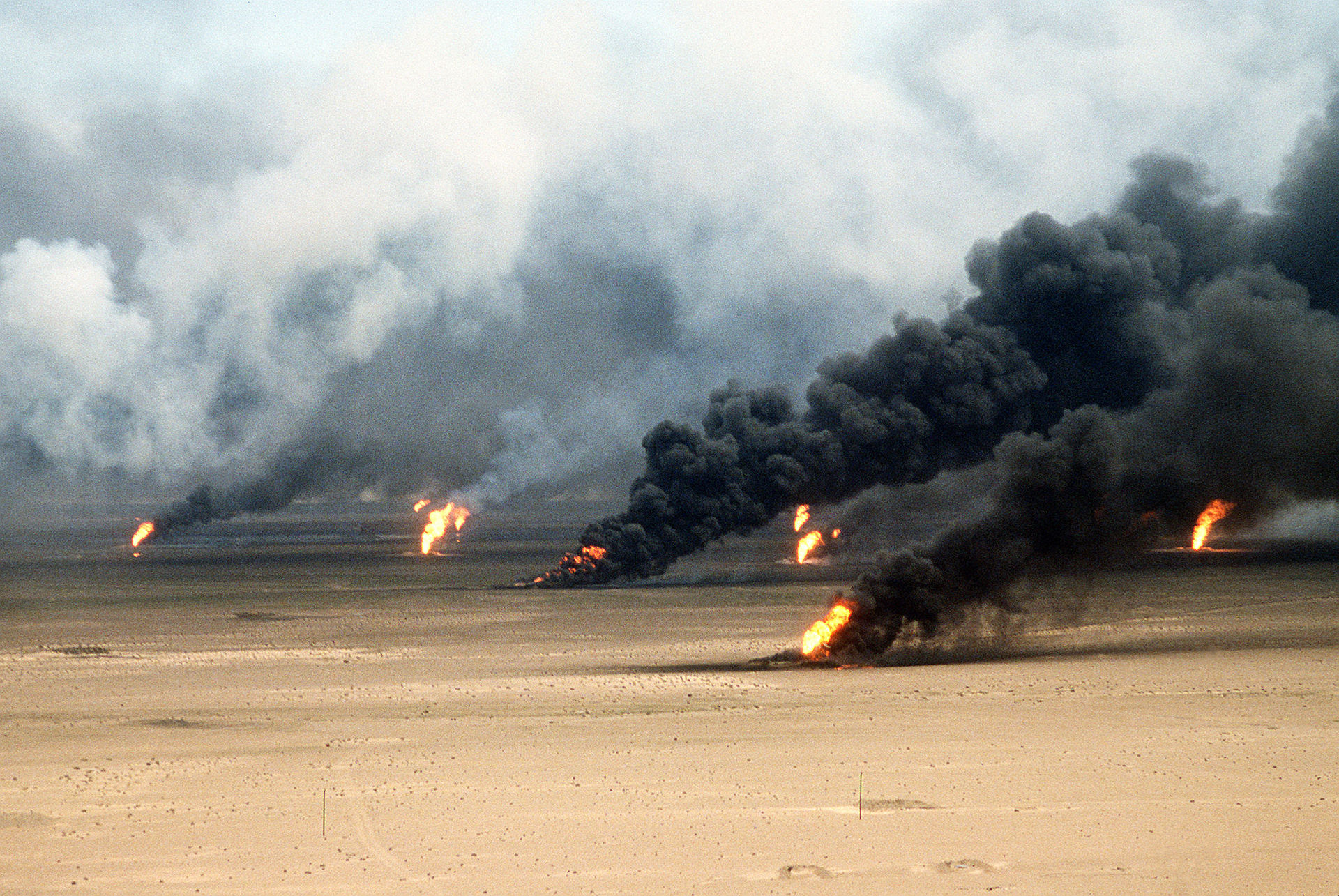
An Iranian missile struck the Ras Laffan Industrial City on Tuesday evening, causing what QatarEnergy described as “extensive damage” to the facility, according to a statement issued by the state-owned company on March 18. Qatar’s Ministry of Interior confirmed that a fire broke out at the site following the impact and was “preliminarily brought under control” by emergency response teams deployed to the complex. No injuries were reported among workers or residents in the surrounding area, the ministry said.
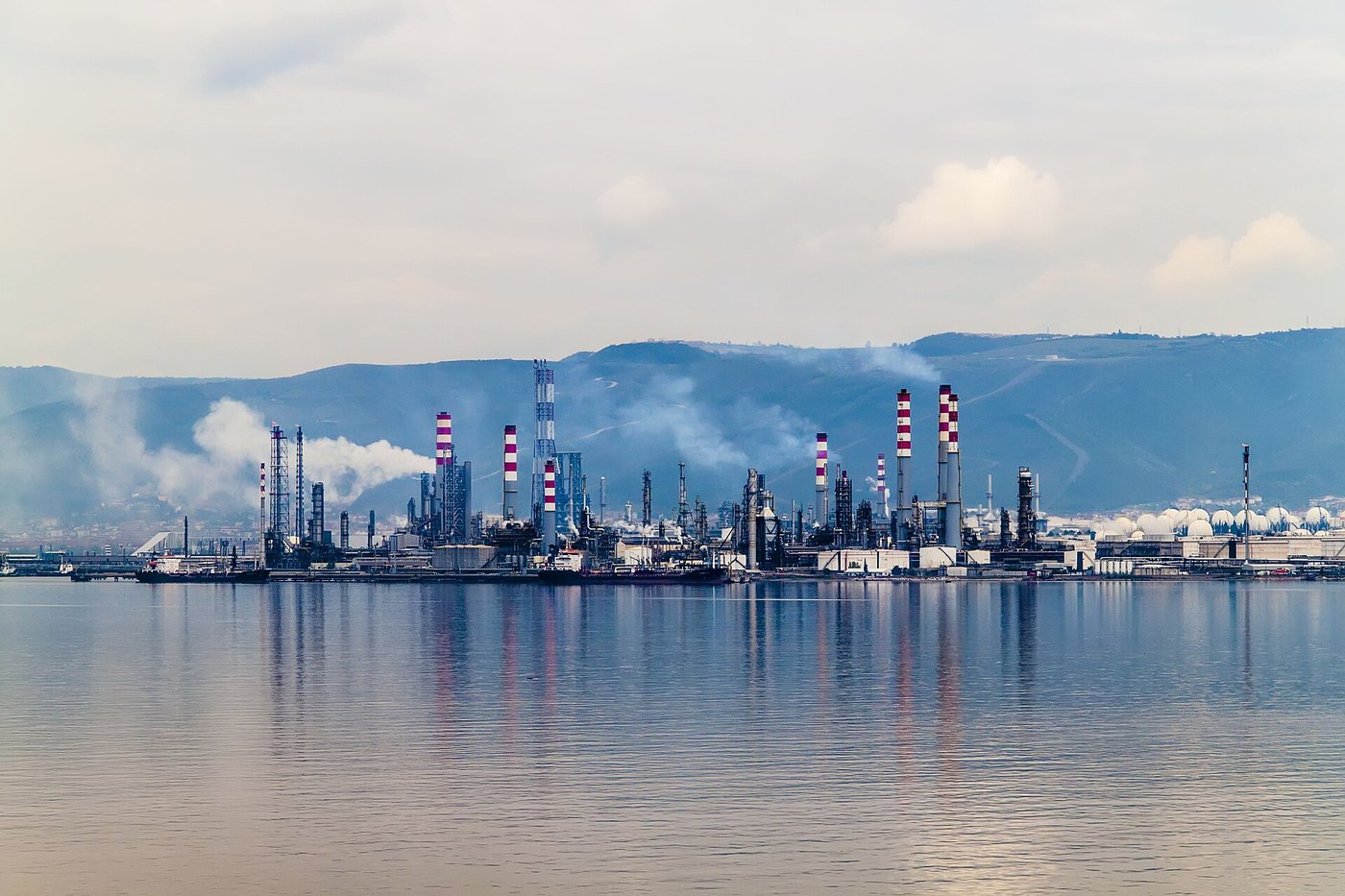
The Ras Laffan complex, located approximately 80 kilometres northeast of Doha on Qatar’s northeastern coast, is the single most important piece of energy infrastructure in the global LNG trade. Before the war forced a production halt on March 2, it processed roughly 77 million tonnes of LNG per annum, making it the world’s largest LNG production and export facility. Four additional Iranian missiles were intercepted by air defense systems before reaching the complex, according to Qatar’s defense ministry. Unlike oil, which Saudi Arabia can reroute through its East-West pipeline to Red Sea terminals, LNG has no bypass infrastructure — a structural vulnerability that makes the Ras Laffan shutdown uniquely devastating to the global energy system.
The March 18 strike was not the first Iranian attack on Ras Laffan. Drone strikes hit the facility and the Mesaieed Industrial City on March 2, prompting QatarEnergy to suspend all LNG production — a decision that immediately removed approximately one-fifth of global LNG supply from international markets. Bloomberg reported on March 19 that gas traders were assessing the latest damage and that the prospect of any near-term restart of operations had become “significantly more remote” following the second attack.
Qatar’s Diplomatic Response
Qatar’s Ministry of Foreign Affairs declared both the military attaché and the security attaché at the Iranian Embassy in Doha persona non grata on Wednesday, according to a statement carried by the Qatar News Agency. The ministry delivered an official diplomatic note to the Iranian Embassy during a meeting between Qatari and Iranian officials, demanding the “immediate departure” of both attachés and all staff attached to their respective offices within 24 hours, Al Jazeera reported.
The Middle East briefing 3,000+ readers start their day with.
One email. Every weekday morning. Free.
The ministry described the expulsion as a direct response to what it called “repeated and blatant Iranian aggression against the territory and sovereign infrastructure of the State of Qatar.” The statement marked the first time Qatar has used the term “aggression” to describe Iranian military actions since the war began three weeks ago.
Emir Tamim bin Hamad Al Thani subsequently suspended all Qatari diplomatic mediation efforts between Iran and Western powers, according to a senior Qatari official who spoke to Reuters on condition of anonymity. Qatar has served as a back-channel intermediary in nuclear negotiations and hostage talks for more than a decade, and the suspension represents the loss of one of the few remaining diplomatic conduits between Tehran and Washington.
The diplomatic rupture is particularly significant given Qatar’s historical relationship with Iran. The two countries share the South Pars/North Dome gas field beneath the Persian Gulf, and Qatar has traditionally maintained warmer ties with Tehran than its Gulf Cooperation Council neighbours. During the 2017-2021 GCC blockade of Qatar, Iran opened its airspace and provided food supplies, deepening the bilateral relationship. The decision to expel Iranian diplomats represents what analysts describe as an irreversible shift in Doha’s strategic alignment.
Why Did Iran Strike Qatar?
Iran’s attacks on Qatari energy infrastructure came as direct retaliation for an Israeli airstrike on the South Pars gas field and associated oil facilities at Asaluyeh on March 18, according to statements carried by Iran’s semi-official Tasnim news agency. The Israeli strike on South Pars — the first time any belligerent has targeted the world’s largest natural gas reserve — was coordinated with the United States, an Israeli official told the Jerusalem Post.
Within hours of the Israeli strike, the Islamic Revolutionary Guard Corps issued a statement naming five specific energy facilities in Saudi Arabia, the United Arab Emirates, and Qatar that “will be targeted in the coming hours,” Tasnim reported. The IRGC followed through on the threat by launching missiles at Ras Laffan and simultaneously escalating attacks on Saudi energy installations in the Eastern Province, as Iran targeted the Jubail industrial complex with a barrage of cruise missiles.
The logic of Iran’s retaliation, according to a statement from IRGC spokesman Ramezan Sharif, was that Gulf states hosting American military facilities bear responsibility for enabling Israeli strikes launched from those bases. “Every nation that provides a platform for aggression against the Islamic Republic will see its own critical infrastructure rendered inoperable,” Sharif said in a statement carried by the Islamic Republic News Agency.
Qatar does not host offensive Israeli military assets and has no formal military alliance with Israel. However, the Al Udeid Air Base near Doha serves as the forward headquarters of the United States Central Command and houses approximately 10,000 American service personnel, making it the largest US military installation in the Middle East. Iran has repeatedly demanded that Gulf states expel American forces as a condition for ending strikes on civilian infrastructure, a demand that Saudi Arabia and its allies have rejected.
Trump’s South Pars Ultimatum
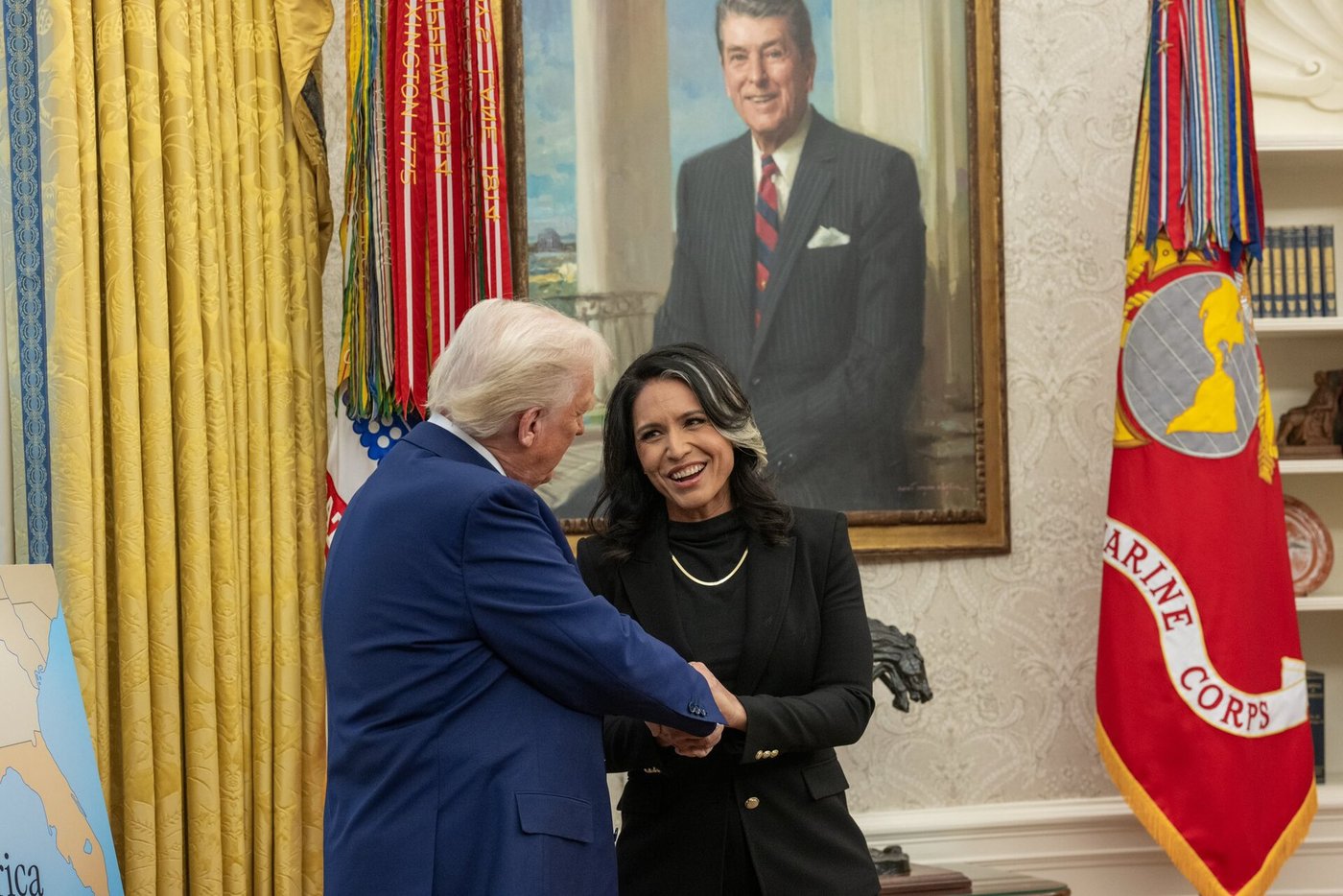
President Trump responded to Iran’s attack on Ras Laffan with an extraordinary ultimatum on Wednesday, threatening to “massively blow up the entirety of the South Pars Gas Field at an amount of strength and power that Iran has never seen or witnessed before” if Tehran launches further strikes on Qatari energy infrastructure. The statement, posted on Truth Social and subsequently confirmed by the White House press office, represented the most explicit threat of direct American military action against Iranian energy infrastructure since the war began.
Trump simultaneously distanced the United States from Israel’s strike on South Pars, stating that Washington “didn’t know about” the attack in advance and declaring there would be “no more” Israeli strikes on the gas field. The president called Qatar “very innocent” in the broader conflict and said the US had an obligation to protect Qatari energy assets, CBS News reported.
The threat placed the United States in the paradoxical position of defending the very gas field that Iran operates on its side of the maritime border. South Pars, on the Iranian side, and North Dome, on the Qatari side, are geologically the same structure — the world’s largest natural gas reserve, containing an estimated 1,800 trillion cubic feet of recoverable gas. Any American strike on the South Pars infrastructure would risk damaging reservoir pressure dynamics that affect Qatar’s production on the North Dome side, energy analysts told CNBC.
The Times of Israel reported that Trump told reporters Israel “won’t again strike” the South Pars field but added that the United States would do so itself if Iran “unwisely decides to attack” Qatar. The distinction — barring Israeli strikes while reserving American escalation — reflects the growing tension between Washington and Jerusalem over the scope and targets of the military campaign, a dynamic that has shaped the conflict since its opening days.
What Is the South Pars Gas Field?
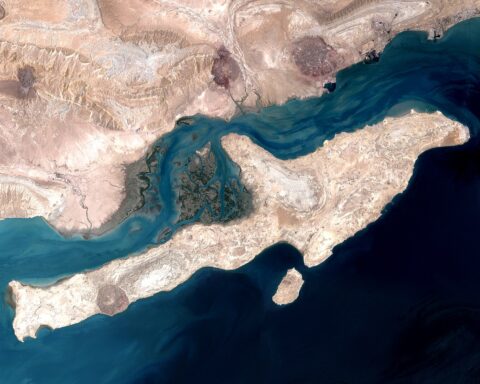
The South Pars/North Dome gas-condensate field is the world’s largest natural gas reserve, spanning approximately 9,700 square kilometres beneath the Persian Gulf. Of that area, 3,700 square kilometres lies within Iranian territorial waters, where it is known as South Pars, while 6,000 square kilometres falls within Qatari territorial waters, where it is designated North Dome, according to data published by the US Energy Information Administration.
The field’s recoverable reserves are staggering in scale. The Qatari North Dome section contains an estimated 900 trillion cubic feet of recoverable gas, representing approximately 99 percent of Qatar’s total proven gas reserves and 14 percent of the world’s proven gas reserves, according to QatarEnergy data. The Iranian South Pars section holds an estimated 360 trillion cubic feet of recoverable gas, accounting for 36 percent of Iran’s proven reserves and 5.6 percent of global reserves.
| Metric | Iran (South Pars) | Qatar (North Dome) |
|---|---|---|
| Area | 3,700 km² | 6,000 km² |
| Recoverable gas reserves | 360 tcf | 900 tcf |
| Share of national reserves | 36% | 99% |
| Share of global reserves | 5.6% | 14% |
| Daily production (pre-war) | ~2 bcf/d | ~18.5 bcf/d |
| Share of government revenue | ~15% | ~80% |
The production disparity between the two sides is striking. Qatar produced approximately 18.5 billion cubic feet per day from the field before the war, compared to roughly 2 billion cubic feet per day on the Iranian side, according to estimates cited by the International Energy Agency. Iran’s underperformance is attributed to decades of Western sanctions, technological isolation, and mismanagement, which have also caused gas to migrate from the Iranian side to the Qatari side due to differential pressure, Foreign Policy reported.
The shared nature of the field makes it uniquely dangerous as a military target. Any significant damage to South Pars infrastructure on the Iranian side could alter subsurface pressure dynamics affecting Qatar’s North Dome production for years, energy geologists told The Conversation. Trump’s threat to destroy the Iranian side of the field therefore carries implications not only for Iran’s economy but for Qatar’s entire revenue model and, by extension, European and Asian energy security.
Eight Ballistic Missiles Over Riyadh
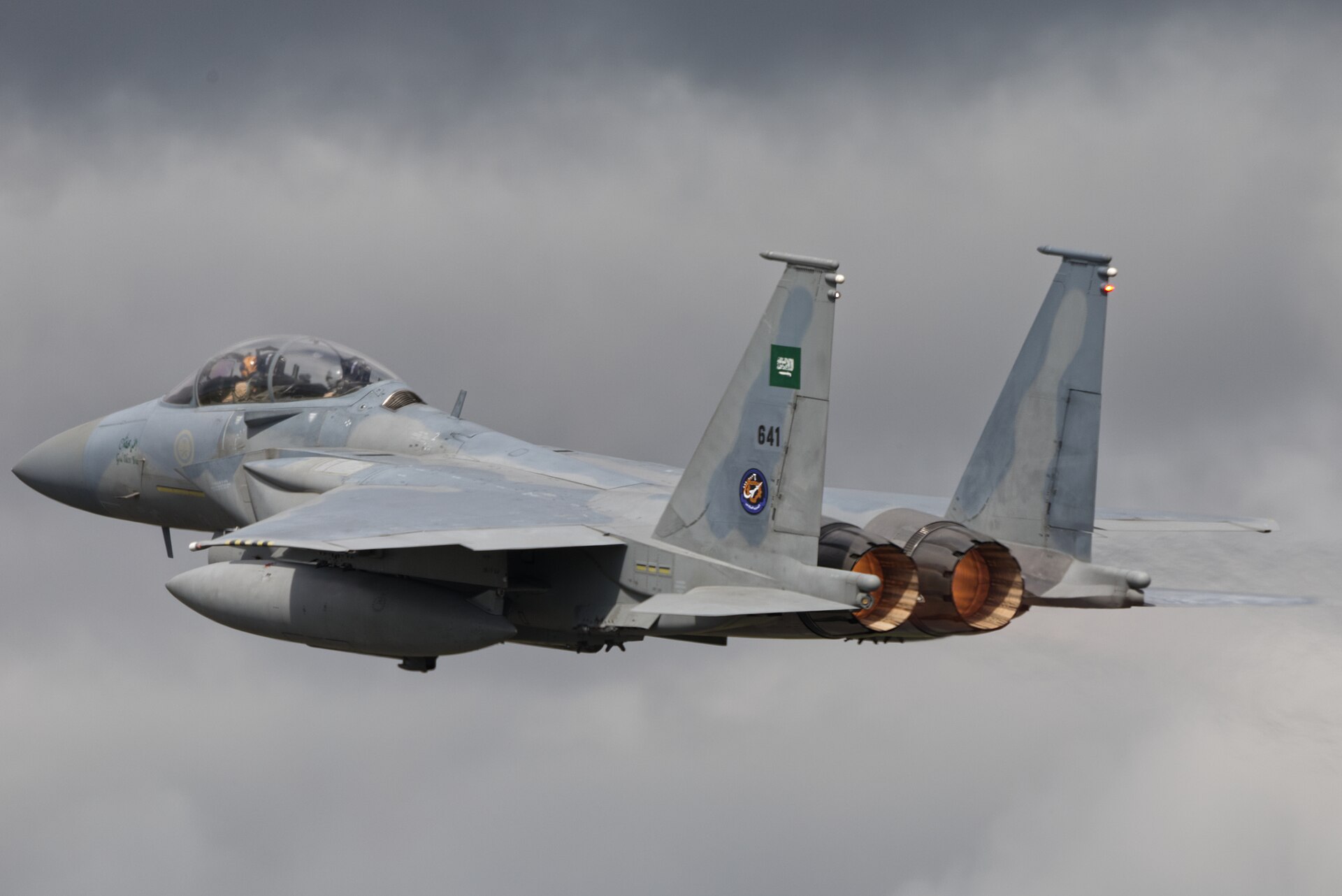
The attacks on Qatar coincided with a dramatic escalation of Iranian strikes on Saudi Arabia. The Saudi Ministry of Defense announced on Wednesday evening that air defense systems intercepted eight ballistic missiles launched toward Riyadh, according to a statement carried by the Saudi Press Agency. Xinhua reported that debris from one intercepted missile landed near a refinery south of the capital.
The Saudi Civil Defense authority confirmed that four residents were wounded by falling debris from the interceptions and reported “minor property damage” in residential areas of Riyadh, Al Arabiya reported. The casualties marked the latest in a pattern of civilian injuries caused by interception debris rather than direct missile impact — a consequence of the sheer volume of Iranian projectiles now targeting the Saudi capital.
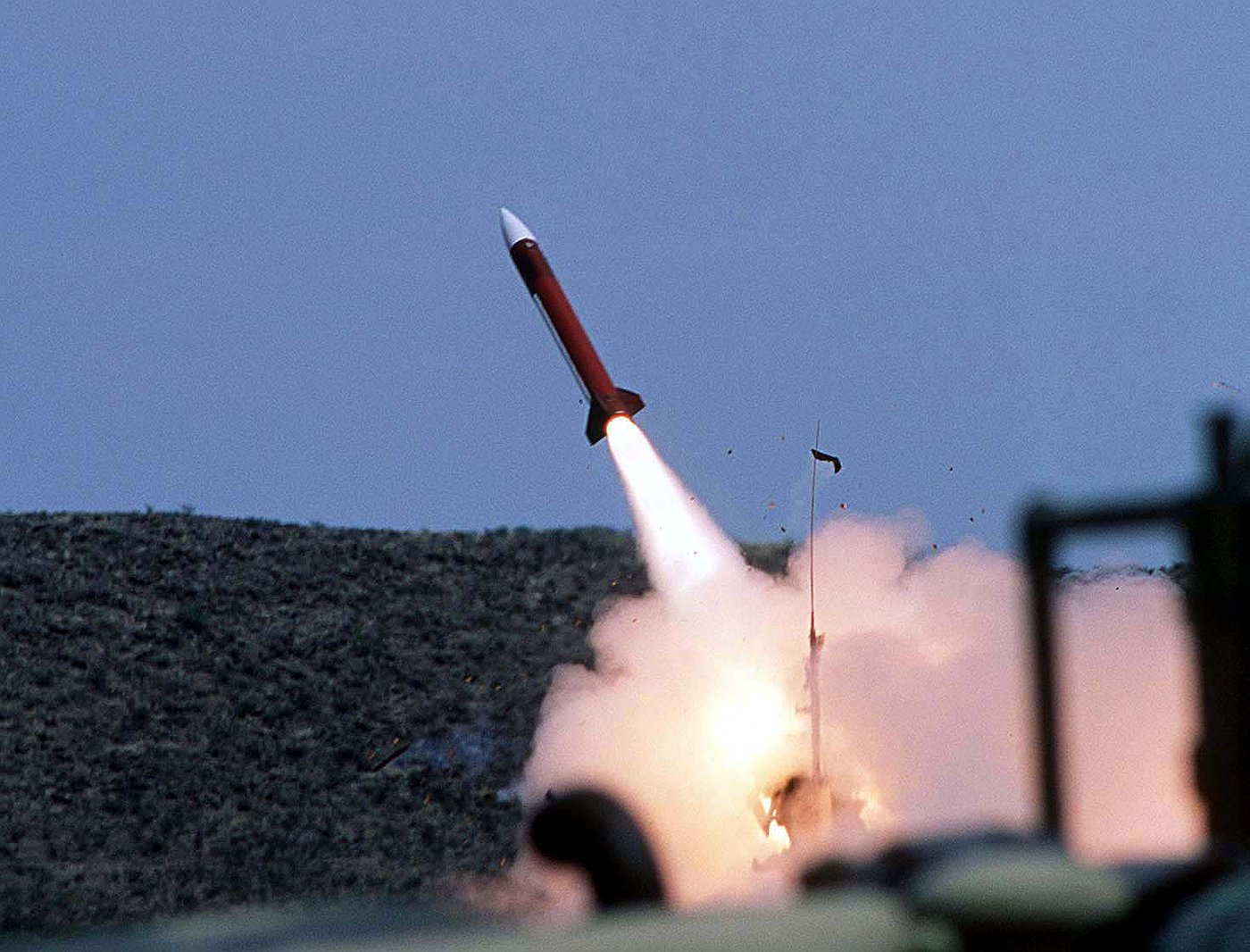
In addition to the ballistic missiles targeting Riyadh, Saudi air defenses intercepted 21 drones across the Eastern Province and Riyadh regions, along with a separate ballistic missile aimed at Al-Kharj Governorate, home to Prince Sultan Air Base, the Saudi Gazette reported. Debris from the Al-Kharj interception fell near the air base, which serves as a staging ground for both Saudi and American military operations.
The scale of Wednesday’s attacks represented a significant increase over previous days. Iran launched approximately 100 drones at Saudi Arabia on Monday alone, far exceeding the previous daily average of fewer than 25, according to Al Jazeera’s tally. The sustained barrage has placed Saudi Arabia’s air defense network under unprecedented strain, consuming interceptor missiles at a rate that defence analysts have described as unsustainable without rapid resupply from the United States.
How Does This Affect Global Energy Markets?
The coordinated attacks on Gulf energy infrastructure sent oil and gas prices sharply higher on Wednesday. Brent crude rose more than 5 percent following the Israeli strike on South Pars, settling at approximately $103 per barrel on March 18, according to Fortune — more than $31 higher than the same period a year earlier. The increase built on gains earlier in the month that had already pushed Brent above $94 by March 9, roughly 50 percent higher than at the start of the year, according to the US Energy Information Administration.
The LNG market faced even more severe disruption. Qatar’s suspension of production at Ras Laffan since March 2 had already removed approximately 77 million tonnes per annum of LNG capacity from global markets — roughly 20 percent of world supply. European natural gas prices surged more than 30 percent in the first two days following the initial shutdown, Bloomberg reported, and the latest damage to the facility has made any near-term restart “significantly more remote.”
| Indicator | Pre-War Level | March 18, 2026 | Change |
|---|---|---|---|
| Brent crude ($/barrel) | $62 | $103 | +66% |
| Qatar LNG production | 77 mtpa | 0 (suspended) | -100% |
| Global LNG supply offline | 0% | ~20% | N/A |
| Strait of Hormuz transit | ~21 mb/d | Severely restricted | N/A |
A coalition of OPEC, Russia, and allied oil-producing nations agreed to boost output by a larger-than-expected amount to help offset shortfalls caused by the conflict, Axios reported. Saudi Arabia, for its part, has revived approximately half of its oil exports through the Hormuz bypass pipeline to Yanbu on the Red Sea, Bloomberg reported on March 18, providing an early sign of success for the kingdom’s contingency planning. Nevertheless, the Goldman Sachs forecast that the Gulf faces its worst recession in a generation underscores the depth of the economic damage already sustained.
The EIA’s Short-Term Energy Outlook projected that Brent crude would remain above $95 per barrel through the next two months before falling below $80 in the third quarter — a forecast that assumed no further major escalation. The South Pars strikes and Trump’s retaliatory threat made that assumption considerably less certain.
Riyadh’s Emergency Ministerial Meeting
Wednesday’s escalation coincided with an emergency meeting of Arab and Islamic foreign ministers hosted by Saudi Arabia in Riyadh, convened to coordinate a collective response to the rapidly evolving regional crisis. Representatives from Azerbaijan, Bahrain, Egypt, Jordan, Kuwait, Pakistan, Qatar, Syria, Turkey, and the United Arab Emirates attended the meeting, according to Al Arabiya.
Saudi Arabia’s Foreign Minister, Prince Faisal bin Farhan, delivered the most forceful public warning yet from Riyadh, telling reporters after the meeting that the kingdom’s restraint in the face of Iranian attacks “is not unlimited.” Prince Faisal said Saudi Arabia “reserves the right to take all necessary measures” to protect its sovereignty and population, while adding that Riyadh still preferred a diplomatic resolution, Arab News reported.
The statement marked a subtle but significant shift in Saudi rhetoric. Since the war began, Riyadh has maintained a posture of strategic restraint, absorbing Iranian missile and drone strikes without launching retaliatory attacks on Iranian territory. Prince Faisal’s remarks were the first time a senior Saudi official has publicly suggested that military action against Iran remains on the table.
Turkey’s Foreign Minister Hakan Fidan attended the Riyadh meeting, Al Arabiya reported, in a move that underscored Ankara’s growing involvement in efforts to end the conflict. Turkey itself has absorbed Iranian missile strikes during the war, putting NATO member Turkey in the unusual position of suffering direct Iranian aggression while seeking to mediate an end to hostilities.
Background and Timeline
The current conflict began on February 28, 2026, when the United States and Israel launched a coordinated military strike on Iran that killed Supreme Leader Ali Khamenei, according to a Pentagon confirmation reported by Reuters. The opening strikes targeted Iranian nuclear facilities, military command centres, and senior IRGC officials across multiple provinces.
Iran’s retaliatory response was swift and wide-ranging. Tehran launched missiles and drones at Israeli cities including Tel Aviv and Haifa, and expanded its attacks to include military and energy infrastructure across the Persian Gulf. Saudi Arabia, the UAE, Bahrain, Kuwait, Qatar, and Oman have all sustained Iranian strikes since the war began, despite none having participated in the initial US-Israeli operation.
The conflict entered a new phase on approximately March 8, when Mojtaba Khamenei was named as Iran’s new Supreme Leader in a wartime succession that consolidated IRGC control over the country’s military and political apparatus. Since then, Iran’s attacks on Gulf states have escalated in both frequency and sophistication, moving from drone harassment to ballistic missile salvos targeting critical infrastructure.
Key milestones in the conflict include the closure of the Strait of Hormuz to commercial shipping, the suspension of Qatar’s LNG production, the deployment of Pakistani air defense systems to Saudi Arabia, and the release of 400 million barrels from international strategic petroleum reserves — the largest such release in history, according to the International Energy Agency. The war has now entered its 20th day with no ceasefire talks underway and escalation continuing on multiple fronts.
Frequently Asked Questions
Why did Qatar expel Iranian military attachés?
Qatar declared the military and security attachés at the Iranian Embassy persona non grata on March 19, 2026, in response to Iranian missile strikes on the Ras Laffan Industrial City, according to Qatar’s Ministry of Foreign Affairs. The ministry cited “repeated and blatant Iranian aggression” against Qatari territory and sovereign infrastructure. The two attachés and their staff were ordered to leave within 24 hours.
What is Ras Laffan and why does it matter?
Ras Laffan Industrial City, located 80 kilometres northeast of Doha, is the world’s largest LNG production and export facility. Before the war suspended operations on March 2, it processed approximately 77 million tonnes of LNG per year, representing about 20 percent of global supply, according to QatarEnergy. Its disruption has caused European natural gas prices to surge more than 30 percent.
What did Trump threaten regarding South Pars?
President Trump threatened to “massively blow up the entirety of the South Pars Gas Field” if Iran attacks Qatari energy infrastructure again, according to a statement posted on Truth Social on March 19. He simultaneously said the United States did not know about Israel’s earlier strike on the field and declared there would be “no more” Israeli attacks on South Pars, while reserving the right for American military action.
How many missiles has Saudi Arabia intercepted?
On March 18 alone, Saudi air defenses intercepted eight ballistic missiles targeting Riyadh, 21 drones across the Eastern Province and Riyadh regions, and a separate ballistic missile aimed at Al-Kharj, according to the Saudi Ministry of Defense. Iran has launched approximately 100 drones at Saudi Arabia in a single day, far exceeding the previous daily average of fewer than 25, Al Jazeera reported.
Is there any prospect of a ceasefire?
No formal ceasefire negotiations are underway as of March 19, 2026. Qatar’s suspension of its mediation role between Iran and the West removes one of the few remaining diplomatic channels. Saudi Foreign Minister Prince Faisal bin Farhan said Riyadh still prefers diplomacy but warned that the kingdom’s patience “is not unlimited,” according to Arab News. Iran has rejected ceasefire proposals and continues to demand the expulsion of American forces from Gulf states as a precondition for ending strikes. By 24 March, the diplomatic collapse had extended beyond the Gulf: Lebanon declared Iran’s ambassador persona non grata, compounding the isolation triggered by Qatar’s and Saudi Arabia’s own expulsions earlier in the week.