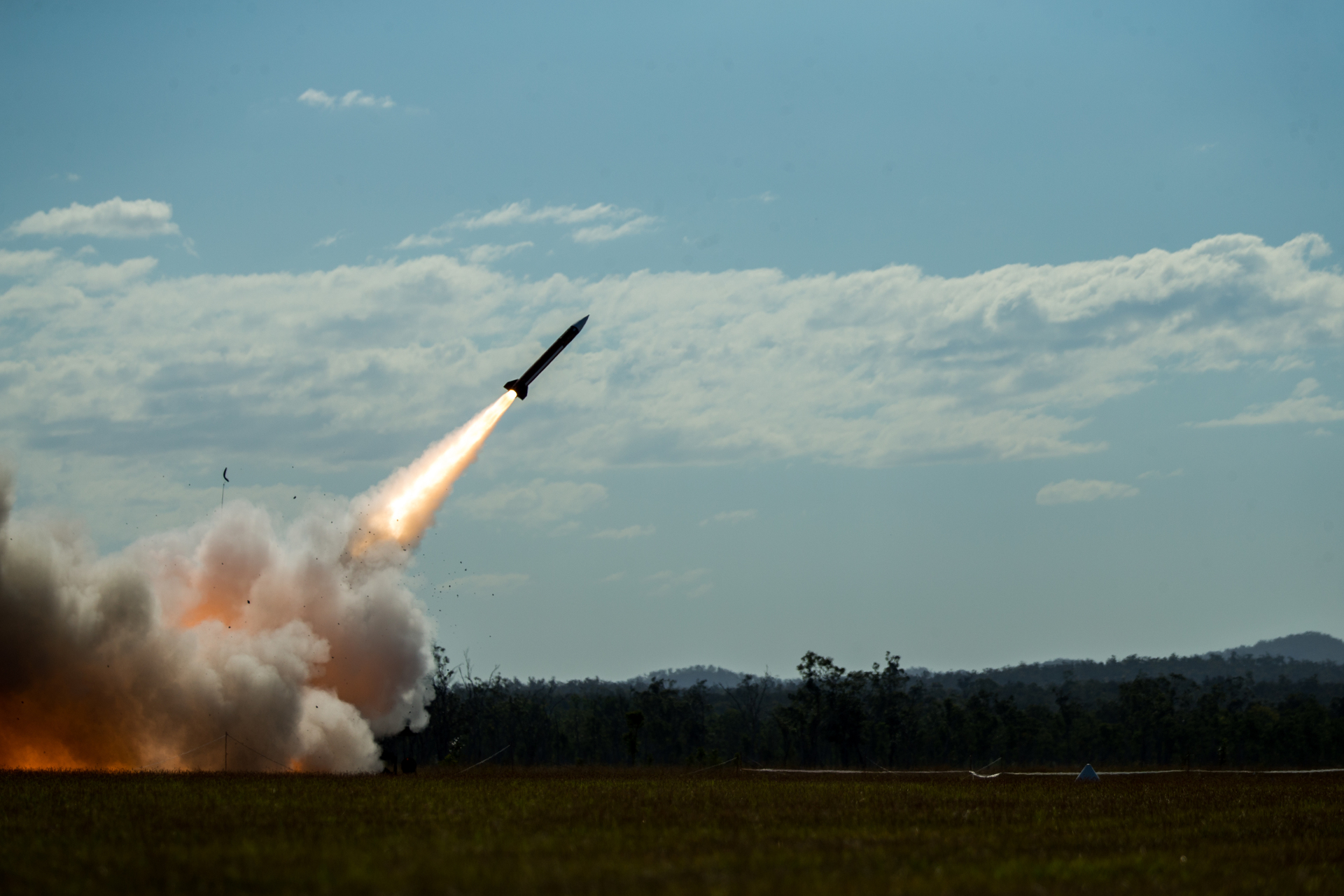

WASHINGTON — A classified US intelligence assessment obtained by CNN reveals that roughly half of Iran’s ballistic missile launchers remain intact after five weeks of American and Israeli airstrikes, a finding that directly contradicts President Donald Trump’s repeated claims that the campaign has “dramatically curtailed” Tehran’s ability to wage war. Three individuals familiar with the assessment told CNN on April 2 that Iran retains enough launchers, missiles, and drones to sustain attacks across the Gulf for months — with one source warning that “Iran is still very much poised to wreak absolute havoc throughout the region.”
For Saudi Arabia, which has absorbed more than 750 Iranian strikes since February 28 and watched its advanced interceptor stocks collapse to 14 percent of pre-war levels, the gap between the intelligence and the president’s rhetoric is not academic. It is the difference between a war that ends on Trump’s April 6 deadline and one that grinds on through a kingdom running out of the missiles it needs to protect Riyadh, Dhahran, and Ras Tanura.
Table of Contents
The Intelligence vs. the White House
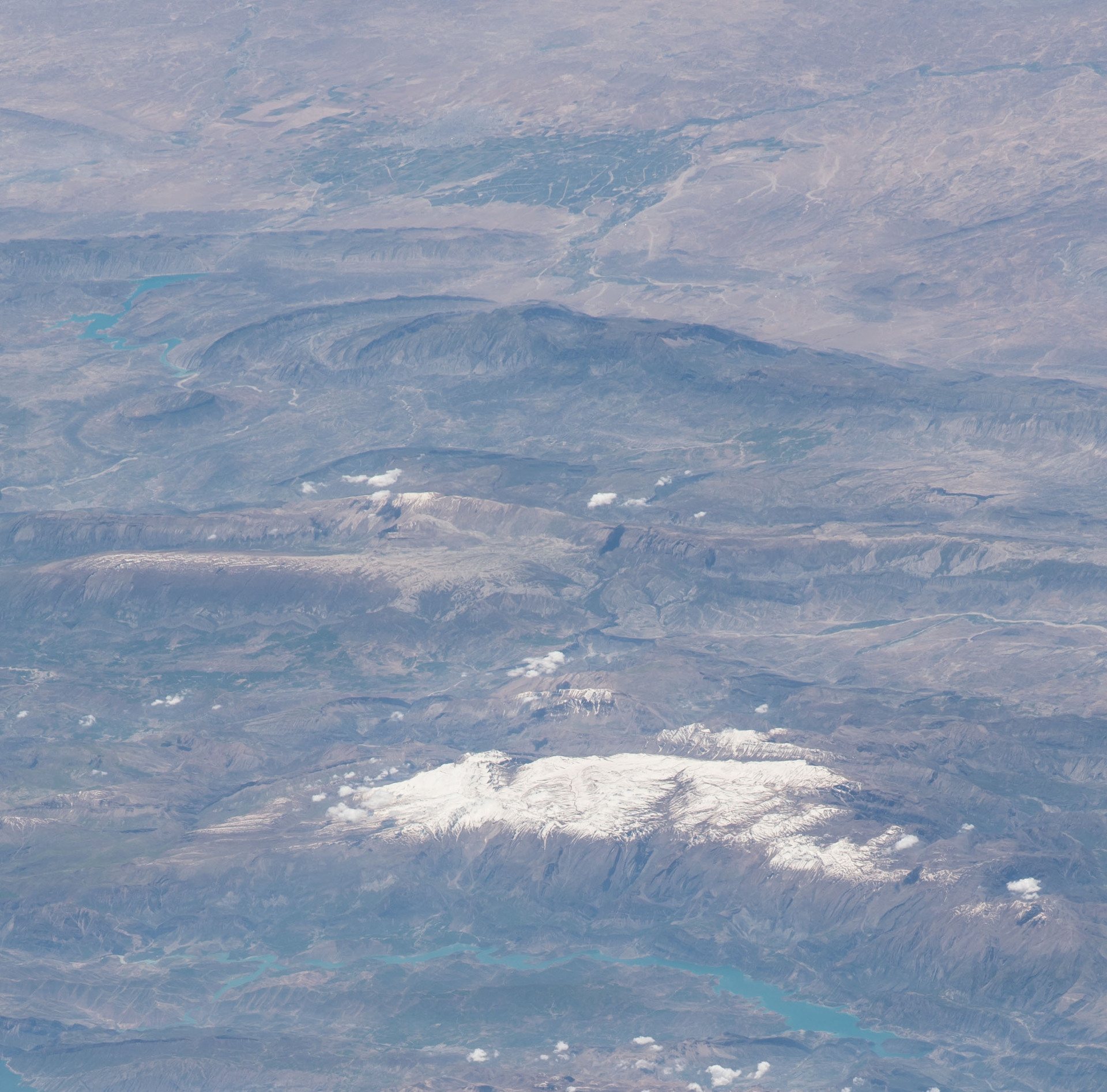
The dispute over Iran’s remaining military capacity has opened a rift between the US intelligence community and the administration that ordered the strikes. Trump told Fox News that coalition forces have “knocked out close to 90% of their missiles.” In a prime-time address on April 1, he said Iran’s “weapons factories and rocket launchers are being blown to pieces, very few of them left.” White House spokesperson Anna Kelly reinforced the message, claiming “Iranian ballistic missile and drone attacks are down 90 percent, their navy is wiped out, two-thirds of their production facilities are damaged or destroyed.”
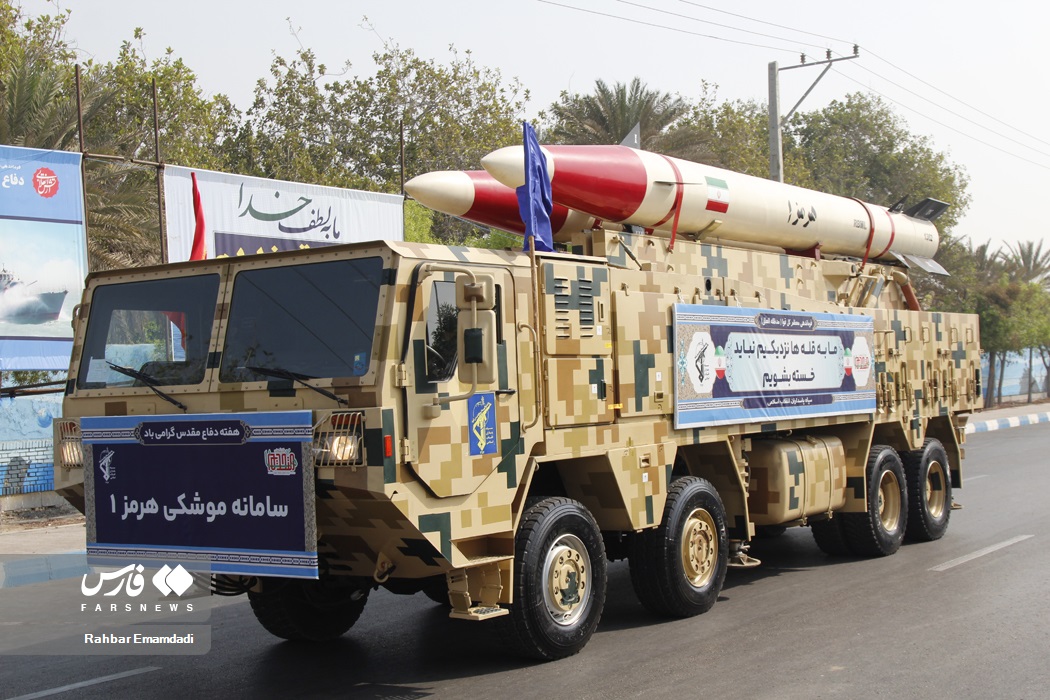
The classified assessment tells a different story. Iran entered the war with approximately 480 transporter-erector-launchers and an estimated 2,500 ballistic missiles, according to Israeli Defense Forces figures compiled by Can Kasapoglu at the Hudson Institute. The IDF initially claimed 60 percent of those launchers had been destroyed. US intelligence, however, assessed that roughly 50 percent remain intact. Israeli officials later revised their own estimate downward, saying only 20 to 25 percent of launchers are still operational — but the discrepancy hinges on whether launchers sealed inside underground facilities count as “destroyed” or merely “inaccessible,” per the Times of Israel.
Pentagon spokesman Sean Parnell dismissed the CNN report as “completely wrong,” insisting the military has “delivered a crippling series of blows to the Iranian regime” and is “far ahead of schedule on accomplishing our military objectives.” The confidence is undercut by the intelligence community’s own numbers: an estimated 500 ballistic missiles remain in Iranian hands, and a large percentage of Iran’s coastal defense cruise missiles survived as well — a direct threat to shipping through the Strait of Hormuz, according to CNN’s reporting.
Tehran’s remaining missile and drone-combat formations continue to fight and still pose a serious threat, especially to the Gulf Arab states.
The HOS Daily BriefThe Middle East briefing 3,000+ readers start their day with.
One email. Every weekday morning. Free.
— Can Kasapoglu, Senior Fellow, Hudson Institute
The gap between classified assessment and public messaging matters because it shapes expectations — in Congress, in allied capitals, and in Riyadh — about what the campaign can actually deliver before any ceasefire. A war sold on the premise that Iran’s offensive power is nearly eliminated looks different when half the launchers that started it are still standing.
What Survived — and Why
The airstrikes have not failed. Iran’s daily launch rate collapsed 92 percent from the war’s opening barrage — 480 missiles on February 28 — to roughly 40 per day by Day 9, according to the Jerusalem Post and National Security Journal. In the first ten days alone, Iran fired 2,410 ballistic missiles and 3,560 drones, a volume that exceeded the entire June 2025 Twelve-Day War, which saw 627 missiles and 735 drones combined, per CSIS data. That pace was unsustainable even without airstrikes, and coalition bombing accelerated the decline.
But suppression is not destruction. Prof. David Des Roches of the National Defense University told Al Jazeera on March 16 that missiles have been “placed in hidden places or locations not associated with the military before the war, when there was less observation.” Iran spent decades dispersing its arsenal across all 31 provinces precisely for this scenario — a war against a technologically superior adversary that would try to eliminate its deterrent in the opening days.
Washington Post satellite imagery published March 29 confirmed that four production sites — Khojir, Parchin, Hakimiyeh, and Shahroud — sustained heavy damage. Experts assessed that this “most likely halted” production of short- and medium-range missiles. Production, however, is a future problem. The immediate threat is the inventory already manufactured, dispersed, and hidden before the first bomb fell.
Why Can’t the US Destroy Iran’s Missile Cities?
Iran’s missile infrastructure is not a collection of above-ground bases waiting to be hit. It is a network of what Tehran calls “missile cities” — hardened tunnel complexes bored up to 500 meters into granite mountains, equipped with internal railway systems to move launchers between concealed firing positions. The IRGC military council that seized de facto control of Iran’s war effort built these facilities across every province, according to National Security Journal and Al Jazeera reporting from March 17.
The US military designed the GBU-57 Massive Ordnance Penetrator — a 30,000-pound bunker buster — specifically for targets like these. But American forces have expended most of their MOP stocks and transitioned to smaller “Mini-MOPs,” which lack the penetrating power to reach facilities buried hundreds of meters inside rock. The physics are simple: no air-delivered munition currently in the US arsenal can reliably collapse a tunnel bored half a kilometer into a mountain.
This is not a temporary shortfall that production can fix on the timeline of this war. It is the structural reason the intelligence assessment and the White House narrative diverge. The administration counts sealed-off tunnel entrances as degraded capability. The intelligence community counts the launchers inside those tunnels as intact, because they are — and because Iran has demonstrated the ability to reopen alternative exits and resume firing.
Iran’s Pivot to Precision
The collapse in daily launch volume has not ended the threat — it has changed its character. Iran fires fewer missiles but more are landing. Between March 28 and April 1, the Foundation for Defense of Democracies tracked roughly 90 incidents, with Iran shifting from saturation salvos to precision strikes — one or two missiles aimed at civilian and economic infrastructure, achieving higher hit rates than the mass barrages of the war’s first week.
Kasapoglu described the logic driving IRGC strategy: “The IRGC know they cannot defeat the American-led coalition militarily. Instead, they seek to raise the economic and diplomatic costs of the war sufficiently to break President Donald Trump’s will to continue waging it.” Fewer missiles, better aimed, at targets that generate headlines and insurance claims — oil infrastructure, desalination plants, power grids. The shift also conserves remaining ballistic stocks for a longer campaign than Washington is publicly planning for.
Iran’s coastal defense cruise missiles add another dimension. Their survival, confirmed in the CNN intelligence assessment, means Iran’s Hormuz sovereignty demand carries military weight beyond rhetoric. Tanker traffic through the strait remains exposed to a force the coalition has not neutralized.
What Does This Mean for Saudi Arabia’s Air Defense?
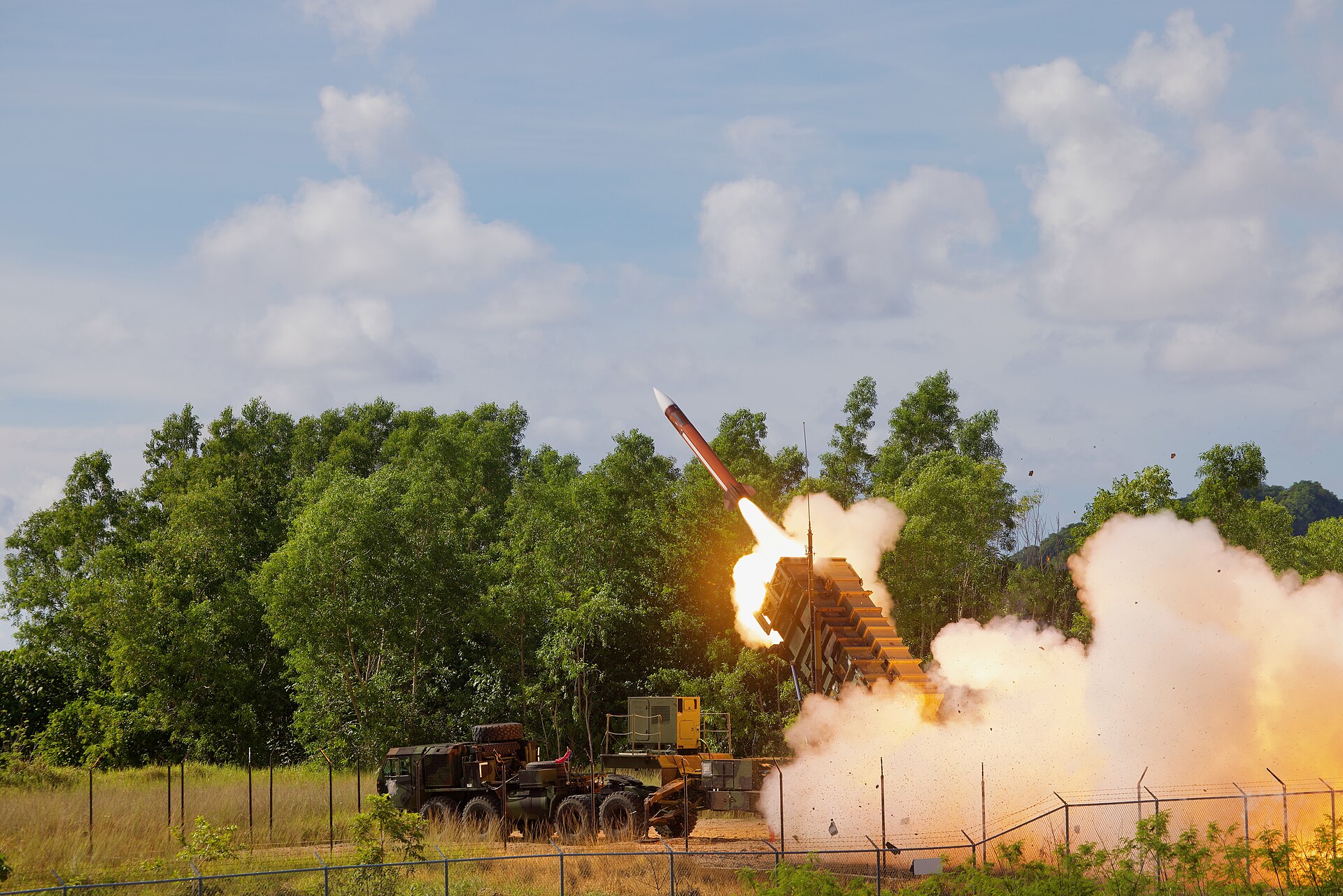
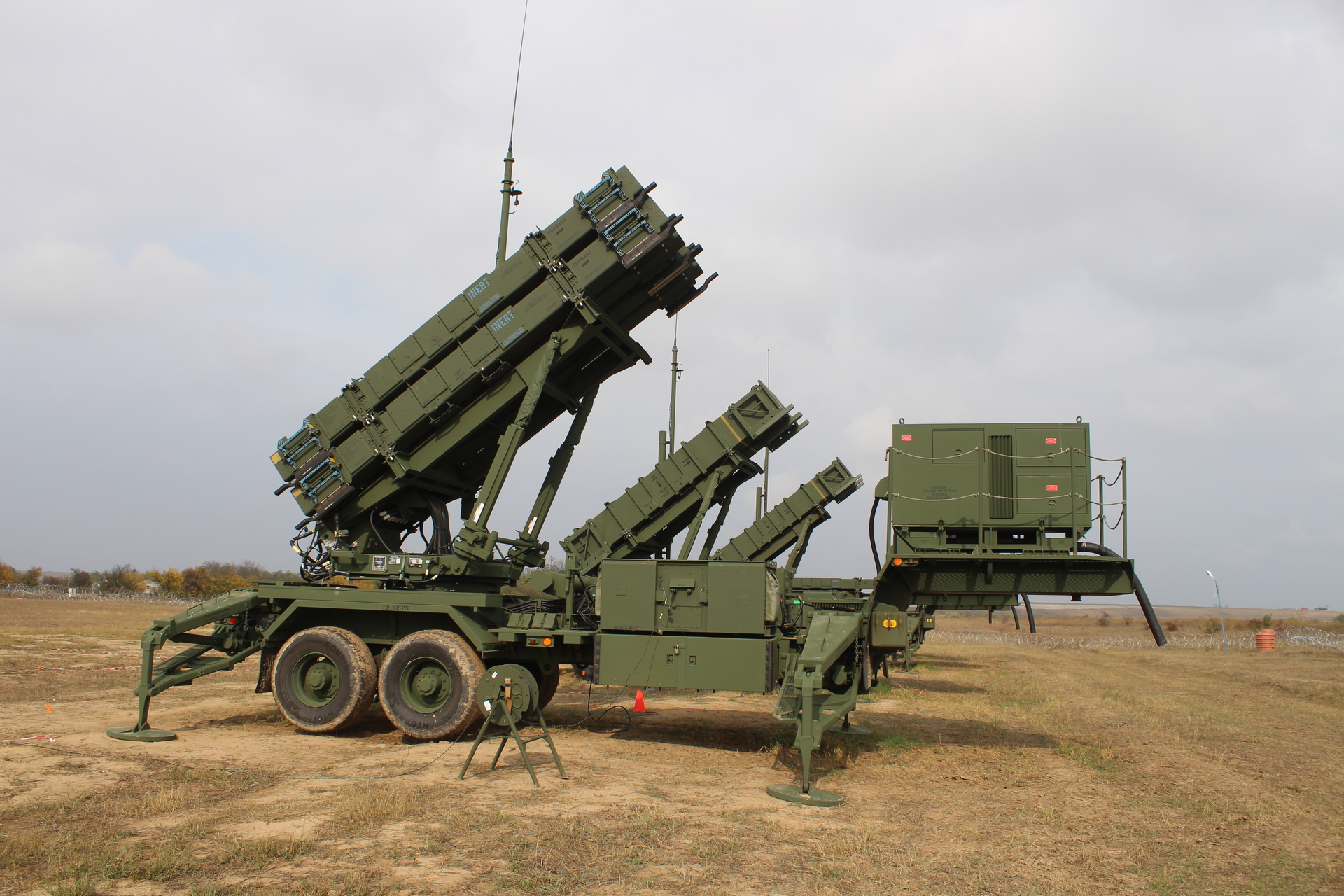
Saudi Arabia has borne the heaviest cost of any US ally in this war. At minimum 38 ballistic missiles and 435 drones struck Saudi territory out of more than 750 total Iranian attacks, according to compiled strike data. Each interception draws down a finite stockpile of PAC-3 MSE rounds that Lockheed Martin cannot replenish on any timeline relevant to this conflict.
GCC nations entered 2026 with approximately 2,800 PAC-3 MSE interceptors. In the first 16 days of war alone, 402 advanced rounds were expended — a pace that, sustained over the five weeks since, has driven PAC-3 interceptor stocks to just 400 rounds — 14 percent of pre-war levels — across all Gulf Cooperation Council members, per DSCA figures and House of Saud reporting. Four hundred rounds sounds like a buffer until you measure it against Iran’s remaining capacity: 500 ballistic missiles, thousands of drones, and coastal cruise missiles that demand their own intercepts.
Saudi Arabia secured a $9 billion Foreign Military Sales agreement on January 30, 2026, for 730 additional PAC-3 MSE rounds. No delivery date has been announced. Standard FMS procurement lags have historically run up to 11 years, according to Government Accountability Office analyses of major arms sales. Lockheed Martin produced a record 620 rounds in 2025 and aims to reach 2,000 per year by 2030 — but that production serves every US ally worldwide, not Saudi Arabia alone. MBS is building air defense that doesn’t need Washington’s permission, but the systems that would replace American dependence are years from deployment.
| Metric | Figure | Source |
|---|---|---|
| Pre-war GCC PAC-3 MSE stocks | ~2,800 rounds | DSCA |
| Rounds expended (first 16 days) | 402 | DSCA / HOS reporting |
| Current GCC stocks | ~400 rounds (14%) | DSCA / HOS reporting |
| Saudi FMS order (Jan 30, 2026) | 730 rounds ($9B) | DSCA |
| Lockheed Martin annual production (2025) | 620 rounds | Lockheed Martin |
| Estimated Iranian missiles remaining | ~500 ballistic | US intelligence / CNN |
| Iranian drones remaining | Thousands | US intelligence / CNN |
The 82-to-1 Problem
The mathematics of this war favor the attacker. A single wave of 50 Shahed drones costs Iran approximately $2.5 million. Intercepting that wave with PAC-3 MSE rounds costs Saudi Arabia roughly $205 million — an 82-to-1 cost ratio derived from CSIS and DSCA data. Iran can bleed Saudi Arabia’s air defense budget faster than Riyadh can replenish it, and faster than Lockheed Martin can manufacture replacements.
This asymmetry is not new in warfare, but its scale in this conflict is extreme. Iran does not need to overwhelm Saudi defenses in a single barrage. It needs to sustain the rate of attack long enough for the interceptor math to do the work. At 400 remaining rounds and an adversary still capable of launching hundreds of missiles, the arithmetic points toward a gap — a period when incoming threats exceed available intercepts. That gap does not require Iran to win the war. It requires Iran to keep fighting it.
Tehran appears to understand this. Iranian state media outlet PressTV reported on April 2 that an unnamed official said “the process of firing missiles from Iran will gradually increase” and that “operations would continue unabated until deterrence is achieved.” The IRGC has claimed through National Security Journal reporting that less than 25 percent of its missile power has been used, less than 30 percent of its missile cities are active, 90 percent of its air defenses remain untouched, and it holds enough missiles and drones for three years of war without new production.
Those claims are almost certainly inflated. But even if Iran retains a fraction of what it advertises, the interceptor deficit remains real. PressTV reported on April 1 that “production capacity at strategic sites is steadily increasing, alongside the continued deployment of ballistic missile launchers” — a claim that contradicts Washington Post reporting on damaged factories but reflects Tehran’s intent to signal endurance.
MBS and the Ceasefire Paradox
Crown Prince Mohammed bin Salman faces a contradiction with no clean resolution. A senior Saudi foreign ministry official told the Christian Science Monitor on April 1 that Riyadh wants Iran’s capability “degraded as much as possible before any ceasefire” and confirmed that Saudi Arabia is “talking to Iran on a daily basis.” The kingdom wants more destruction delivered to Iranian military infrastructure — but every additional day of war burns through the interceptors keeping Saudi cities and oil facilities protected.
The paradox sharpens as Trump’s April 6 deadline approaches. If the war continues past that date, Saudi Arabia must defend itself with roughly 400 PAC-3 MSE rounds against an adversary the US intelligence community assesses still has 500 ballistic missiles, thousands of drones, and intact coastal cruise missiles. If the war stops, it stops with half of Iran’s launchers still in their mountain tunnels — available for the next confrontation. Iranian Foreign Minister Araghchi told Al Jazeera on March 26 that trust with the United States is “at zero,” suggesting negotiations will be slow even if both sides want them.
MBS has begun hedging. The kingdom’s pursuit of indigenous and diversified air defense — layered systems from multiple suppliers, domestic production lines, integrated command networks — reflects a judgment that American supply chains cannot be trusted to keep pace with the threat. But those programs operate on five- and ten-year timelines. The interceptor shortage operates on a timeline of weeks.
The intelligence assessment published by CNN strips away the comfortable version of this war — the one where American airpower has nearly finished the job and the ceasefire is a formality. What remains is a campaign that has suppressed but not eliminated Iran’s offensive capacity, conducted against an adversary that built its arsenal specifically to survive this kind of assault. Saudi Arabia sits at the intersection of those two realities: dependent on a war it needs to continue, running out of the means to survive one that does.
Frequently Asked Questions
How many transporter-erector-launchers did Iran have before the war?
Iran entered the conflict on February 28 with approximately 480 transporter-erector-launchers (TELs) and an estimated 2,500 ballistic missiles, according to Israeli Defense Forces assessments compiled by Can Kasapoglu at the Hudson Institute. TELs are mobile platforms that can be driven to dispersed launch sites, fired, and relocated before counter-strikes arrive — making them far harder to destroy than fixed launch infrastructure. The mobility of these systems is a primary reason coalition airstrikes have struggled to eliminate them entirely.
What is the Massive Ordnance Penetrator and why has the US run out?
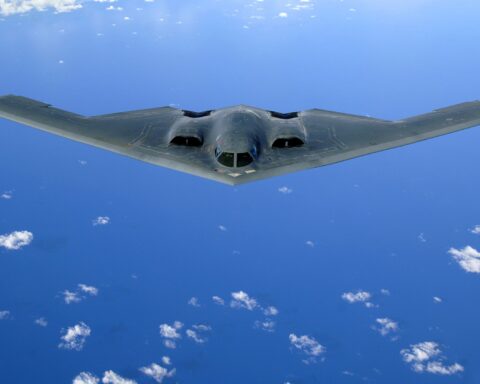
The GBU-57 Massive Ordnance Penetrator is a 30,000-pound precision-guided bomb designed to penetrate hardened underground facilities before detonating. The US Air Force carries it exclusively on the B-2 Spirit stealth bomber, with each aircraft able to carry two. The total US inventory of MOPs was never publicly disclosed but is believed to be limited, as each weapon costs approximately $3.5 million and the B-2 fleet consists of only 19 operational aircraft. After five weeks of strikes against Iran’s deepest bunker complexes, the US has expended most of its MOP stocks and shifted to smaller penetrating munitions with reduced capability against deep mountain targets.
Could Saudi Arabia purchase interceptors from countries other than the United States?
Technically, several allied nations operate PAC-3 systems — including Japan, Germany, South Korea, the Netherlands, and the UAE — and emergency transfers have precedent. The US facilitated transfers of Patriot batteries between allies during the Ukraine conflict. However, every PAC-3 operator is currently reassessing its own stockpile adequacy in light of this war’s consumption rates. Japan and South Korea face their own North Korean missile threat and are unlikely to part with interceptors. Germany’s stocks are already strained by NATO commitments. The practical supply bottleneck is Lockheed Martin’s production line, which serves all customers through the same facility in Camden, Arkansas.
What is Iran’s stated goal for continuing missile strikes?
Iran has articulated a strategy of cost imposition rather than military victory. IRGC leadership, through statements compiled by the National Security Journal, has framed its campaign as an effort to make the war economically and politically unsustainable for the US-led coalition. This includes targeting Gulf state oil infrastructure to raise global energy prices, striking civilian areas to generate domestic political pressure in allied capitals, and maintaining a persistent tempo of attacks to drain interceptor stockpiles. Iranian FM Araghchi has simultaneously kept diplomatic channels open while insisting that trust with Washington is “at zero,” positioning Tehran for eventual negotiations from a posture of demonstrated resilience rather than defeat.
Has Iran used its most advanced missiles in this conflict?
Military analysts assess that Iran has withheld some of its most capable systems. Iran’s Fattah series hypersonic missiles, first displayed in June 2023, have appeared in limited numbers during the conflict. The Kheibar Shekan medium-range ballistic missile, which uses a maneuverable reentry vehicle designed to evade Patriot intercepts, has been deployed but not in the volumes Iran is believed to possess. Kasapoglu and other analysts interpret the restraint as deliberate — Tehran is preserving its most advanced weapons as a deterrent against escalation to strikes on nuclear facilities or regime leadership targets, while using older, cheaper systems for the sustained campaign against Gulf infrastructure.