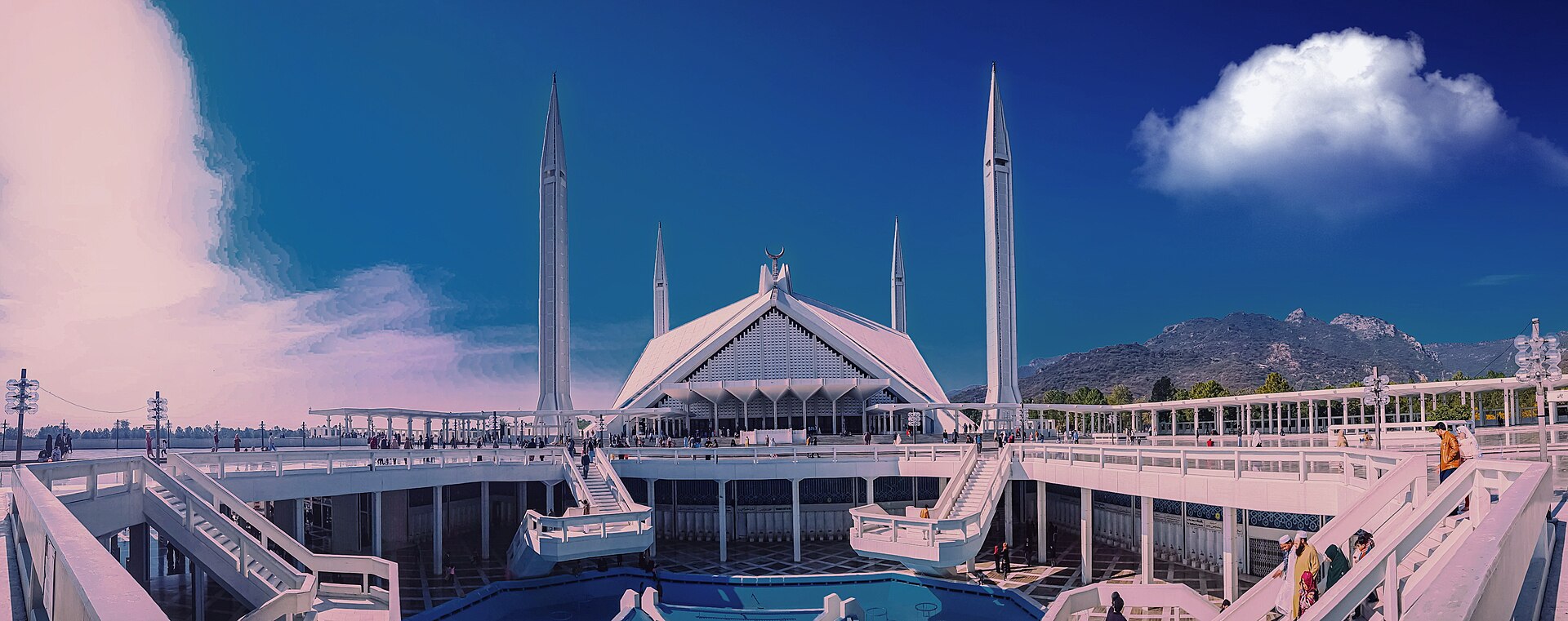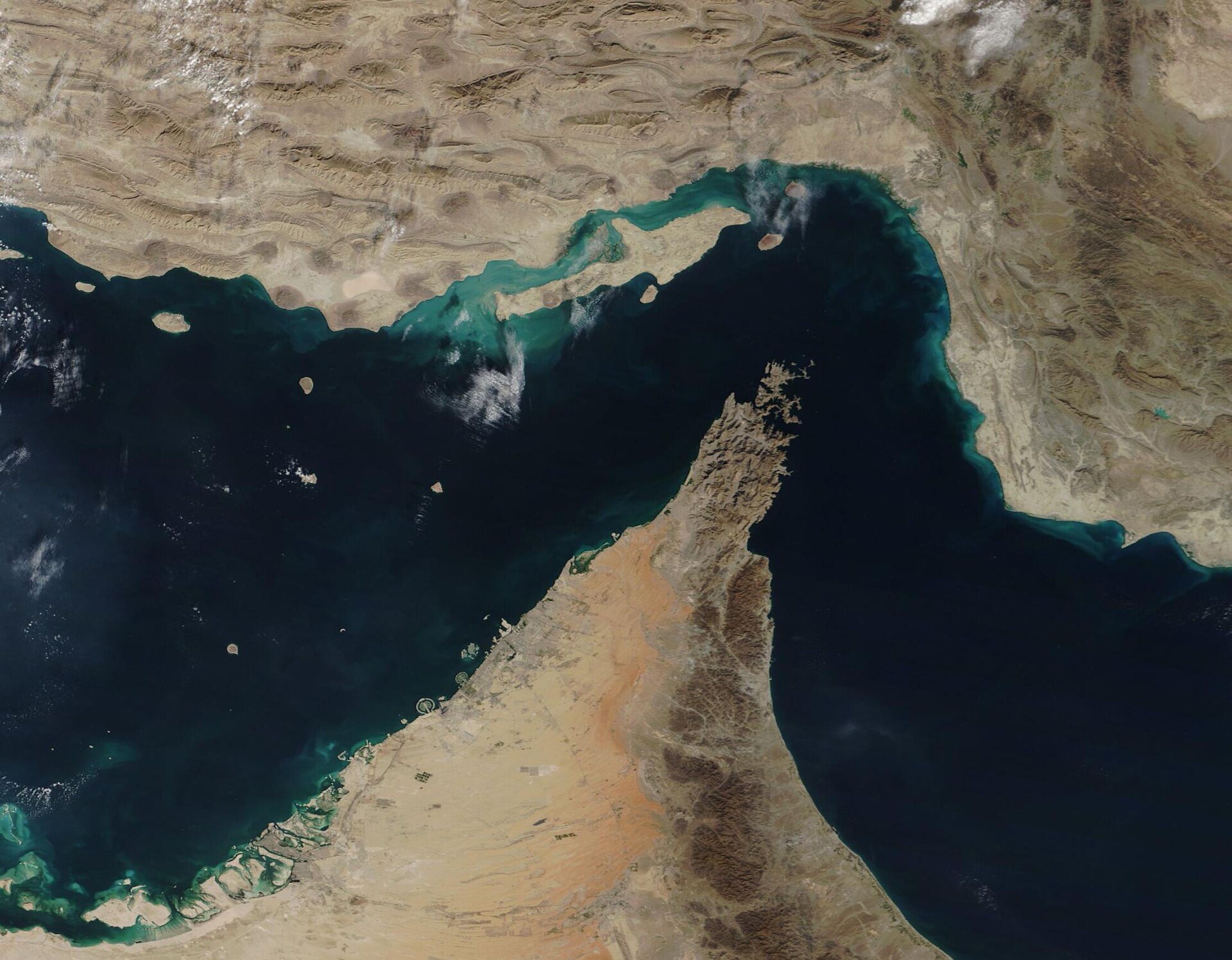

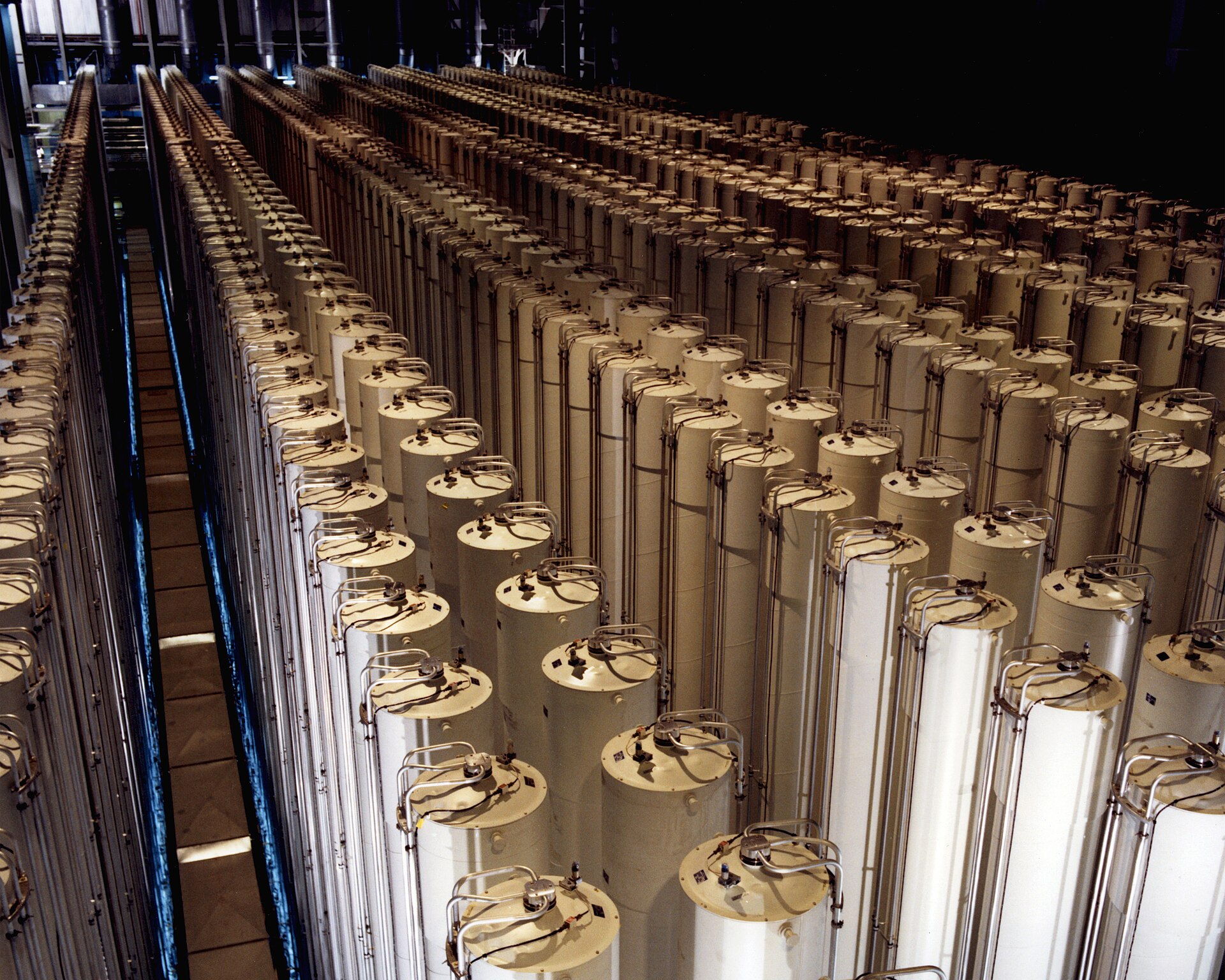
ISLAMABAD — Both sides have said the word “never” about uranium enrichment, and both of them meant it. Donald Trump declared “there will be no enrichment of Uranium” while his White House spokesperson confirmed on April 8 that “the president’s red lines, namely the end of Iranian enrichment in Iran, have not changed”; Mohammad Eslami, the head of Iran’s Atomic Energy Organization, responded the following day by promising that demands to restrict enrichment “are merely wishes that will be buried.” The ceasefire that was supposed to create a bridge from Phase 1 to a permanent Phase 2 settlement expires around April 21-22, and enrichment is the load-bearing wall that both sides have publicly committed to demolishing from opposite directions. Phase 2 was dead before the ceasefire began — not because negotiations failed, but because the one issue that every previous US-Iran framework has collapsed on is the one issue where neither side retains any domestic room to move.
Table of Contents
- What Did Both Sides Actually Commit To on Enrichment?
- The February Collapse Replays in April
- Why Can’t Iran Concede on Enrichment?
- Why Can’t Trump Accept Any Enrichment?
- How Close Is Iran to a Nuclear Weapon?
- What Happens to Saudi Arabia When Phase 2 Fails?
- The Clock That Cannot Be Extended
- Frequently Asked Questions
What Did Both Sides Actually Commit To on Enrichment?
The public record is unusually clear, which is part of the problem. White House spokesperson Karoline Leavitt stated on April 8 that Trump’s red lines on enrichment “have not changed,” adding that “the idea that President Trump would ever accept an Iranian wish list as a deal is completely absurd.” Trump himself has been blunter — “there will be no enrichment of Uranium” — and has followed it with a threat that functions as a policy floor: “If it isn’t good, we’ll go right back to it very easily.”
Iran’s position is not a negotiating posture, either. Foreign Minister Abbas Araghchi told the UN Conference on Disarmament on February 17 that enrichment rights are “inherent, non-negotiable, and legally binding… not conditional upon political considerations.” President Masoud Pezeshkian echoed the language a week earlier: “We will not compromise on our nuclear rights by any means.” And Eslami, the man who actually runs the centrifuges, delivered the line that matters most — that enrichment demands “will be buried” — because he was speaking to an Iranian domestic audience that had already been told the war was won on this point.
That domestic framing is the lock. Iranian state television claimed during the ceasefire announcement that the United States had “accepted Iran’s 10-point conditions,” including the right to enrich, a claim the White House denied within hours. But the denial only matters in Washington. In Tehran, the population was told the Americans capitulated on enrichment, which means any future Iranian concession on the same issue would require the regime to publicly admit it lied to its own people during a war — a form of political self-destruction that no faction inside Iran’s layered decision-making architecture has any incentive to authorize.
Iran’s 10-point plan made this explicit. Point 9 committed only to “not seeking possession of any nuclear weapons” — a formulation that deliberately preserves the right to enrich at any level short of weaponization. The Farsi version of the plan included “recognition of enrichment rights”; English translations omitted the line, giving Iran a textual escape hatch that it has no domestic incentive to use, because the Farsi audience is the one that decides whether the regime survives.
The February Collapse Replays in April
The enrichment impasse is not new — it is the precise reason negotiations collapsed before the war started. Al Jazeera reported on April 8 that “the question of enrichment was the point that led to the collapse of negotiation in February,” and the ceasefire has returned both parties to the identical deadlock with the added complication that 36 days of war have hardened both sides’ positions beyond anything Geneva produced. Before the first missile was fired, Iran offered what the Arms Control Association described as “a years-long pause on enrichment” with “broad verification measures” and a commitment “not to accumulate enriched uranium.” The US negotiator reportedly failed to grasp the scope of the offer, and the talks died.
The Middle East briefing 3,000+ readers start their day with.
One email. Every weekday morning. Free.
That pre-war offer, whatever its merits, is no longer available — the war buried it. Iran’s Supreme National Security Council declared during the ceasefire that enrichment continues uninterrupted, framing the negotiations themselves as a “continuation of battlefield,” a doctrinal position that transforms any concession made at the table into a concession made on the battlefield. Parliament Speaker Mohammad Bagher Ghalibaf elevated enrichment denial to the status of a ceasefire violation at Islamabad, listing it alongside Israeli strikes on Lebanon and a drone incursion into Iranian airspace — three violations he claimed had occurred “even before the negotiations began.” By classifying enrichment denial as a violation of the ceasefire rather than an agenda item for Phase 2, Ghalibaf made any Iranian flexibility on the issue constitutionally equivalent to accepting military coercion.
Jonathan Panikoff of the Atlantic Council has framed the range of outcomes as a grading scale: a “C grade” deal that permits enrichment at 3.67 percent — the JCPOA’s old ceiling — and a Libya 2003 model that represents an “A grade” Iran will never accept. The problem is that Trump has publicly positioned himself below even the C grade, demanding zero enrichment, which is a floor the JCPOA never attempted. Daniel Byman at CSIS offered the most concise assessment: the ceasefire is “less a resolution than a pause in a conflict whose underlying drivers remain not only intact but, in some cases, intensified.”
Why Can’t Iran Concede on Enrichment?
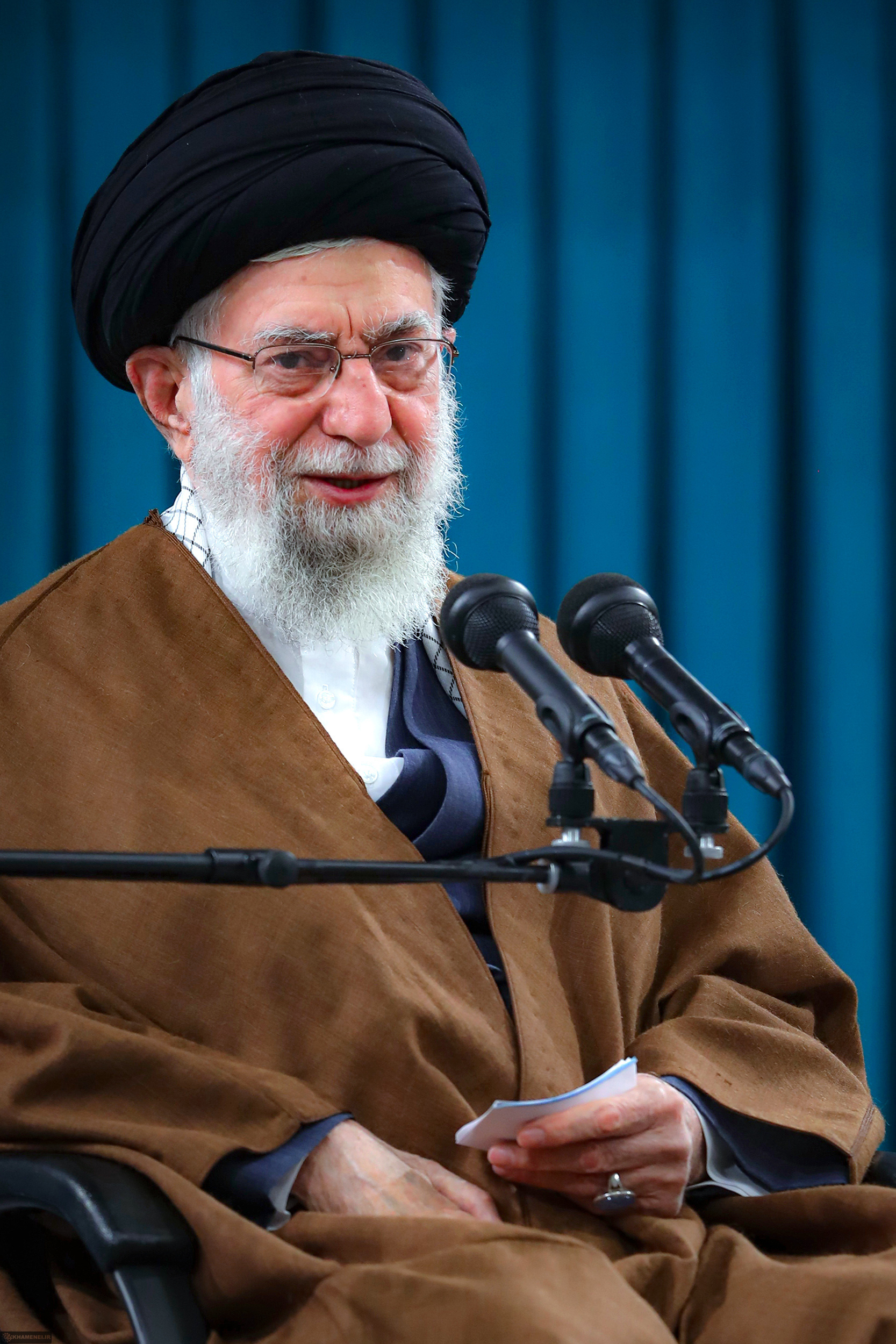
Iran’s enrichment program is not a bargaining chip that a president or a foreign minister can trade — it is embedded in a constitutional and institutional architecture that makes concession structurally impossible without the one man who has been missing for 39 days. Article 176 of the Iranian constitution requires that all decisions by the Supreme National Security Council become “effective only after confirmation by the Supreme Leader.” Khamenei has been absent from public view since early March; the Times of London reported a memo describing him as “unconscious in Qom.” No constitutional mechanism exists to authorize an enrichment concession without him, and every institution that could theoretically improvise one is controlled by the IRGC.
The IRGC’s grip on the decision-making apparatus has tightened during the war itself, and each escalation has moved the authorization ceiling further from anyone a diplomat could negotiate with. After Ali Larijani’s assassination on March 17, Vahidi forced President Pezeshkian to appoint Ali Akbar Zolghadr — a figure under both US and EU sanctions — as SNSC secretary on March 24. The IRGC has since attempted to insert Zolghadr into the Islamabad talks, a move that would place a sanctioned military commander at a negotiating table designed for diplomats. Pezeshkian has publicly stated that he “will not compromise on nuclear rights,” but the deeper truth is that he lacks the institutional authority to compromise even if he wanted to — Vahidi, not Pezeshkian, controls the SNSC, and Vahidi’s entire career has been built on the premise that enrichment is a military necessity.
The SNSC’s wartime framing — “negotiations are continuation of battlefield” — is not rhetoric designed for Western consumption. It is an internal directive that classifies any concession made under military pressure as a form of defeat, which means the same IRGC that absorbed 36 days of American airstrikes would have to authorize the surrender of the program it considers its ultimate guarantee of regime survival. No institution inside Iran’s current command architecture has any incentive to do that — and Vahidi, who controls the one that matters most, has built his career on the opposite premise.
Why Can’t Trump Accept Any Enrichment?
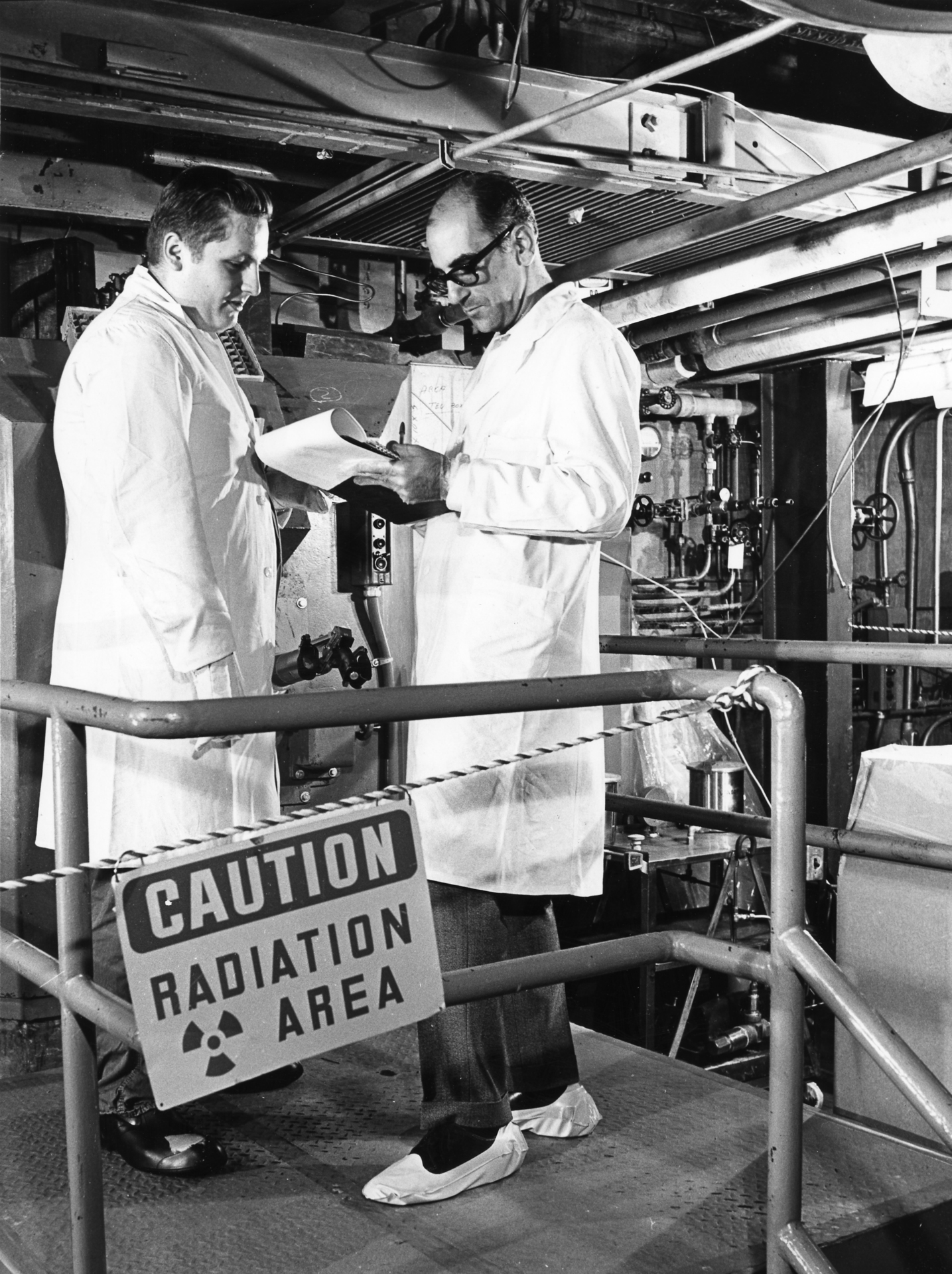
Trump’s 2018 withdrawal from the JCPOA was the defining foreign policy act of his first term, and the specific reason he gave for pulling out was that the deal permitted Iranian enrichment — even at low levels, even under verification, even with sunset clauses that wouldn’t expire until 2030. The JCPOA allowed Iran to operate 6,104 centrifuges and enrich uranium to 3.67 percent at a single facility in Natanz for 15 years, with Fordow converted to stable isotope production. Trump rejected this arrangement as insufficient, making zero enrichment the only position that does not require him to accept the framework he campaigned against for eight years.
Any deal that permits enrichment at any level — even the JCPOA’s 3.67 percent, even a temporary pause with verification — would be functionally indistinguishable from the agreement Trump called the “worst deal in history.” His domestic opponents would frame it as Obama’s deal with extra steps, and his domestic allies would frame it as capitulation after a war that was supposed to produce better terms. The political geometry is binary: Trump either gets zero enrichment, which Iran cannot give, or he gets something less than zero enrichment, which his own record makes it impossible to accept. The Arms Control Association reported that Iran “was willing to agree to a years-long pause on enrichment” before the war — an offer that, even if it were still on the table, Trump could not take without reversing the premise of his 2018 decision.
Andreas Krieg of King’s College London called the ceasefire itself “a very ambiguous ceasefire agreement that is extremely shaky and brittle,” and the enrichment question is the fault line that makes it so. Trump has pre-committed to resuming military action if Phase 2 fails — “we’ll go right back to it very easily” — which means the enrichment deadlock is not merely an obstacle to a permanent deal but a timer on the war’s resumption, one that both sides have set and neither side can stop.
How Close Is Iran to a Nuclear Weapon?
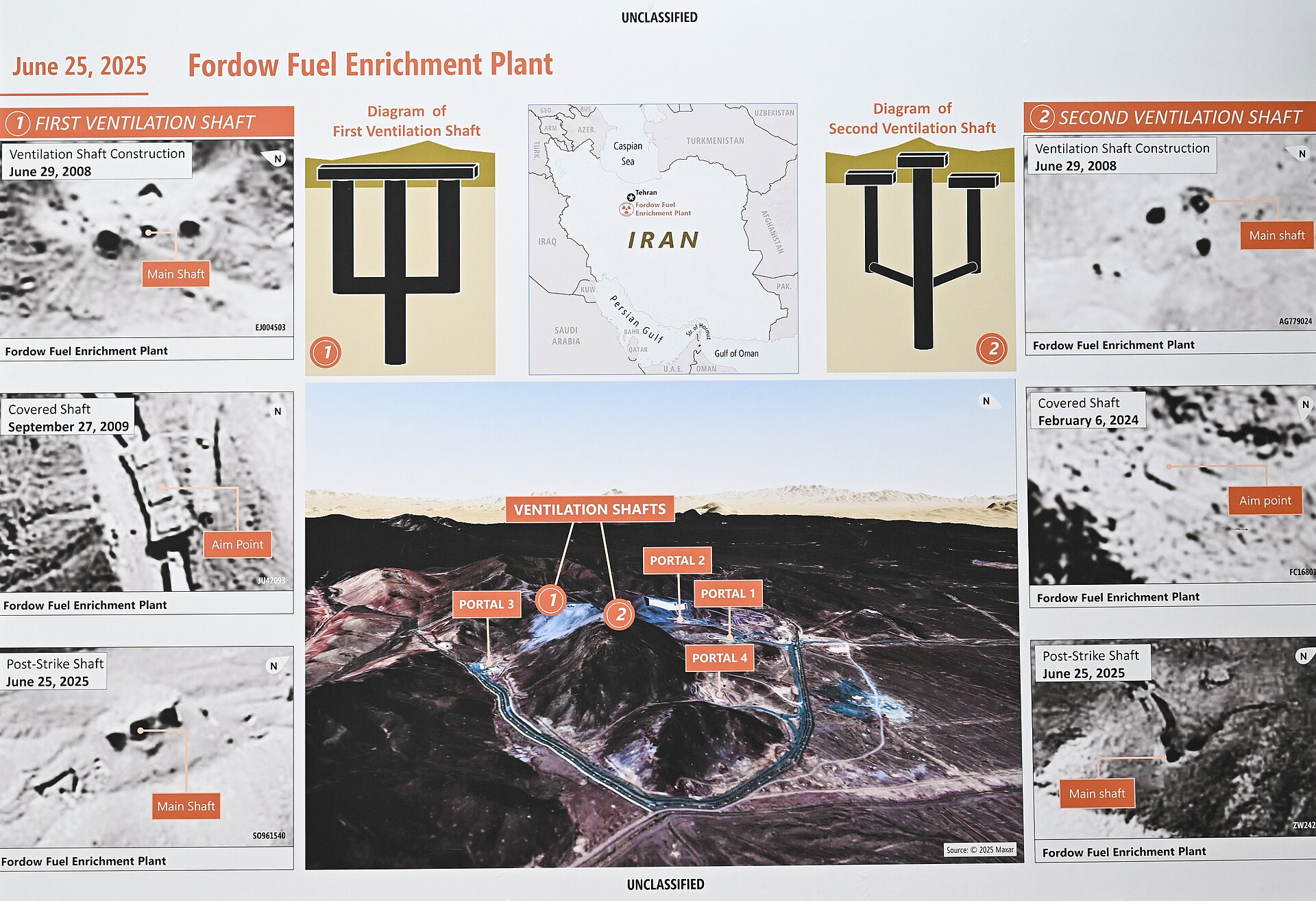
The IAEA’s last verified assessment, from September 2025, placed Iran’s stockpile of 60-percent enriched uranium at approximately 440.9 kilograms — enough, in theoretical terms, for nine nuclear weapons if further enriched to weapons-grade. The enrichment gap between 60 percent and weapons-grade is the shortest and fastest step in the entire fuel cycle: at Fordow’s IR-6 cascades, the conversion would take roughly three weeks. The IAEA has been unable to verify post-strike conditions at Iranian nuclear facilities, which means the international community is negotiating enrichment limits on a stockpile it can no longer measure.
This opacity compounds the deadlock. Trump’s demand for zero enrichment is partly driven by the fact that Iran’s breakout timeline — the time needed to produce enough weapons-grade material for a single device — has collapsed from the 12 months the JCPOA was designed to maintain to a period measured in weeks. Permitting any enrichment at this stockpile level means accepting that Iran remains three weeks from a weapon regardless of what the diplomatic text says, which is precisely the condition Trump argued the JCPOA had created and which he went to war to prevent.
Iran’s position is the mirror image of the same fear. Byman’s assessment that Iran “might redouble efforts to acquire a nuclear weapon” reflects a rational calculation inside Tehran: if the war demonstrated that conventional military power cannot protect the regime, and if the ceasefire’s enrichment demands are designed to strip away the nuclear option as well, then the institutional incentive is to sprint toward a weapon during Phase 1 rather than negotiate it away in a Phase 2 that was designed to eliminate it. The 440.9 kilograms sitting at Fordow are not an abstraction — they are the reason neither side can afford to blink, and the reason the ceasefire’s clock is counting down to something worse than the war it paused.
What Happens to Saudi Arabia When Phase 2 Fails?
Saudi Arabia is not at the negotiating table in Islamabad — it was excluded from the April 10 bilateral after holding a co-guarantor seat as recently as March 29-30 — but it absorbs more of the downside than either party that is. The Kingdom’s PAC-3 interceptor stockpile sits at roughly 400 rounds, down 86 percent from the approximately 2,800 it held before the war began, and the Lockheed Martin plant in Camden, Arkansas, produces 620 rounds per year at full capacity. A $9 billion emergency arms sale signed in January covers 730 interceptors that will not arrive for 18 months or more, which means Saudi air defense is operating on a margin that another round of IRGC barrages would erase in days. The missiles Saudi Arabia needs arrive in 2028 — the war it is fighting is happening now.
The timing collides with the Hajj calendar in a way that compresses every risk into a single week. Indonesia’s 221,000 pilgrims begin departing on April 22 — the same day the ceasefire expires. Pakistan’s 179,210 pilgrims start arriving April 18, the same day Saudi Arabia seals the Umrah cordon around Mecca and Medina. If Phase 2 collapses at the enrichment gate and hostilities resume, Saudi Arabia will be simultaneously defending depleted air defenses, protecting millions of pilgrims from dozens of countries, and managing an infrastructure deficit that Rystad Energy has estimated at $25 billion in repair costs — a bill that a two-week ceasefire is far too short to begin addressing.
The fiscal arithmetic makes the strategic picture worse. Saudi Arabia’s break-even oil price sits between $108 and $111 per barrel once PIF commitments are included — a number Bloomberg calculated using the Kingdom’s full sovereign spending obligations — against a Brent price of $96.66 that has been falling since the ceasefire created the illusion of stability. The gap between what the Kingdom needs oil to cost and what the market is willing to pay is roughly $12-15 per barrel, a shortfall that widens every week the ceasefire holds without a permanent deal, because the ceasefire depresses the war premium in crude prices while doing nothing to reduce the war’s costs. Saudi Arabia built the ceasefire that is bankrupting it, and the enrichment deadlock ensures there is no off-ramp.
| Risk dimension | Current status | Pre-war baseline |
|---|---|---|
| PAC-3 interceptors | ~400 rounds | ~2,800 rounds |
| Annual PAC-3 production (Camden) | 620/year | 620/year |
| Emergency resupply ($9B FMS) | 730 rounds, 18+ months | N/A |
| Hajj pilgrims arriving April 18-22 | 400,000+ | Normal season |
| Infrastructure repair bill (Rystad) | $25B | $0 |
| Fiscal break-even (incl. PIF) | $108-111/bbl | $108-111/bbl |
| Brent crude | $96.66/bbl | ~$75/bbl |
The Clock That Cannot Be Extended
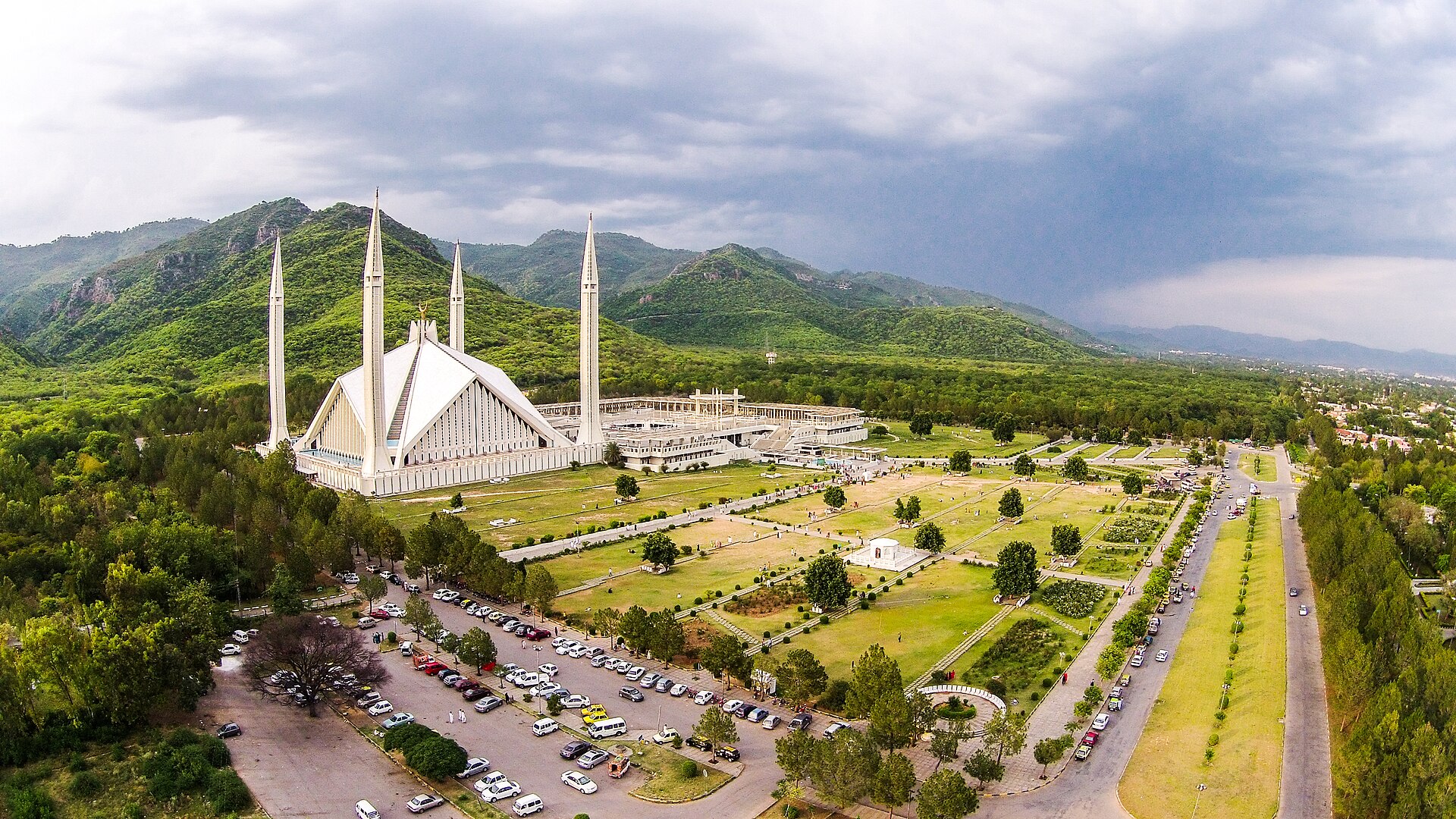
The two-week ceasefire that began on April 7-8 has no extension mechanism — a structural gap the Soufan Center identified as one of its defining weaknesses. Phase 2 was conceived as a 45-day window for negotiating a permanent settlement, but it has never been agreed to by either side, and the April 10 talks in Islamabad ended with what Al Jazeera described as “no agreement” and what Pakistan, the host, characterised as an effort to reach “a deal to keep talks going.” That formulation — a deal about continuing to talk — is the diplomatic equivalent of an admission that the substance remains untouched.
The enrichment question makes the absence of an extension mechanism structural rather than procedural. An extension would require both sides to continue observing a ceasefire whose underlying premise — that Phase 2 would resolve the enrichment impasse — both sides know to be false. Trump would be extending a pause without progress toward his stated red line, which his own rhetoric frames as weakness. Iran’s SNSC would be extending a pause it has classified as a “continuation of battlefield,” which means every additional day of ceasefire without enrichment concessions from the US is, in Tehran’s framing, a day of Iranian victory that the IRGC has no incentive to end and no incentive to negotiate away.
The result is a countdown that both sides are treating differently but that ends in the same place. For Washington, the ceasefire is a window to pressure Iran into concessions on enrichment; for Tehran, it is a window to consolidate domestic narratives, continue enrichment under SNSC authorization, and wait for the Americans to either accept the fait accompli or resume a war that has already cost them aircraft and credibility. The enrichment impasse is not one issue among many on the Phase 2 agenda — it is the issue that killed every previous US-Iran framework and the issue that both sides publicly committed to making non-negotiable before the Islamabad negotiators sat down. Every other element of a permanent deal — Hormuz transit, base withdrawals, sanctions architecture — can theoretically be traded; enrichment cannot, because both sides have made it the symbol of whether the war was worth fighting.
“The claims and demands of our enemies to restrict Iran’s enrichment program are merely wishes that will be buried.”
Mohammad Eslami, head of Iran’s Atomic Energy Organization, April 9, 2026
Ten days remain before the ceasefire expires. The Islamabad talks have produced no framework for enrichment, no agreement on Phase 2’s structure, and no mechanism to extend Phase 1. Indonesia’s first Hajj departures coincide with the expiration date. Saudi Arabia’s interceptor stockpile cannot survive another sustained bombardment. And the 440.9 kilograms of 60-percent enriched uranium at Fordow sit three weeks from weapons-grade, in a facility that the IAEA can no longer inspect, under the control of institutions whose supreme authority has not been seen in public for 39 days.
Frequently Asked Questions
What was the JCPOA’s enrichment arrangement, and how does Trump’s 2026 demand differ?
The 2015 JCPOA permitted Iran to enrich uranium to 3.67 percent using 6,104 centrifuges at a single facility in Natanz, with Fordow converted entirely to non-enrichment isotope research for 15 years. Sunset clauses would have allowed Iran to resume enrichment at any level after 2030. Trump withdrew from the JCPOA in 2018 specifically because it permitted any enrichment at all, and his 2026 demand for zero enrichment goes further than any previous American negotiating position — further than the JCPOA, further than the Geneva interim agreement of 2013, and further than the framework the Arms Control Association reported Iran was willing to accept in February 2026 before the war began.
Why did Iran’s state media claim the US accepted enrichment rights?
Iranian state television — PressTV and IRIB — broadcast during the ceasefire announcement that Washington had “accepted Iran’s 10-point conditions,” including enrichment. The White House denied this immediately, but the denial arrived in English for an international audience while the claim had already landed in Farsi for a domestic one. The discrepancy between the Farsi and English versions of Iran’s 10-point plan — the Farsi text included “recognition of enrichment rights” while English translations omitted the line, as Time magazine reported on April 8 — suggests the domestic narrative lock was deliberate, giving Iran’s leadership a population that believes the war was already won on enrichment and would view any future concession as betrayal.
Could a third party — Pakistan, Turkey, or Egypt — broker a compromise on enrichment?
Pakistan is hosting the Islamabad talks but has publicly framed its ambition as “a deal to keep talks going,” not as a substantive resolution to the enrichment question. The Soufan Center has noted the ceasefire lacks an enforcement clause, and Pakistan’s own constraints — a $5 billion Saudi loan maturing in June 2026, simultaneous treaty obligations to Saudi Arabia under the September 2025 SMDA, and a 27th Constitutional Amendment that concentrates diplomatic authority in the military rather than the elected government — make it structurally unable to pressure either side on the issue that divides them. No mediator can split the difference between zero enrichment and unlimited enrichment, because there is no number between zero and any number that satisfies both demands simultaneously.
What is Fordow, and why does it matter for breakout calculations?
Fordow is Iran’s underground enrichment facility, built inside a mountain near Qom at a depth that makes it resistant to conventional airstrikes. It houses advanced IR-6 centrifuge cascades capable of enriching uranium from 60 percent to weapons-grade in approximately three weeks — a timeline that collapses the traditional “breakout” warning period from the 12 months the JCPOA was designed to maintain to a window shorter than most diplomatic scheduling cycles. The IAEA has been unable to verify conditions at Fordow since the war began, meaning the international community is negotiating limits on a facility whose current operational status is unknown.
Has any previous US-Iran negotiation successfully resolved the enrichment question?
No. The JCPOA deferred the question by permitting limited enrichment with sunset clauses — a compromise that satisfied neither side permanently. The 2013 Geneva interim agreement froze enrichment above 5 percent but did not resolve the underlying right. Every bilateral channel since 1979, including the Oman back-channel that produced the JCPOA framework, has treated enrichment as the issue to be managed rather than resolved. The 2026 war was, in part, the consequence of that deferral — and the ceasefire’s Phase 2 framework is attempting to resolve in 45 days what four decades of diplomacy have consistently failed to settle.