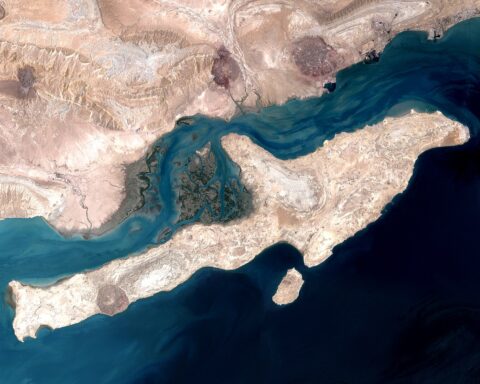
DUBAI — Iranian oil refinery and export terminal on Lavan Island in the central Persian Gulf was struck by air attacks on April 8, roughly eight hours after a US-Iran ceasefire nominally took effect, according to Iran’s National Iranian Oil Refining and Distribution Company (NIORDC) and multiple regional agencies. The strike, which Iran’s Oil Ministry said caused no casualties after personnel were evacuated, marks the first confirmed hit on a major Iranian energy installation since the ceasefire began — and adds to a violation ledger that now spans four Gulf states.
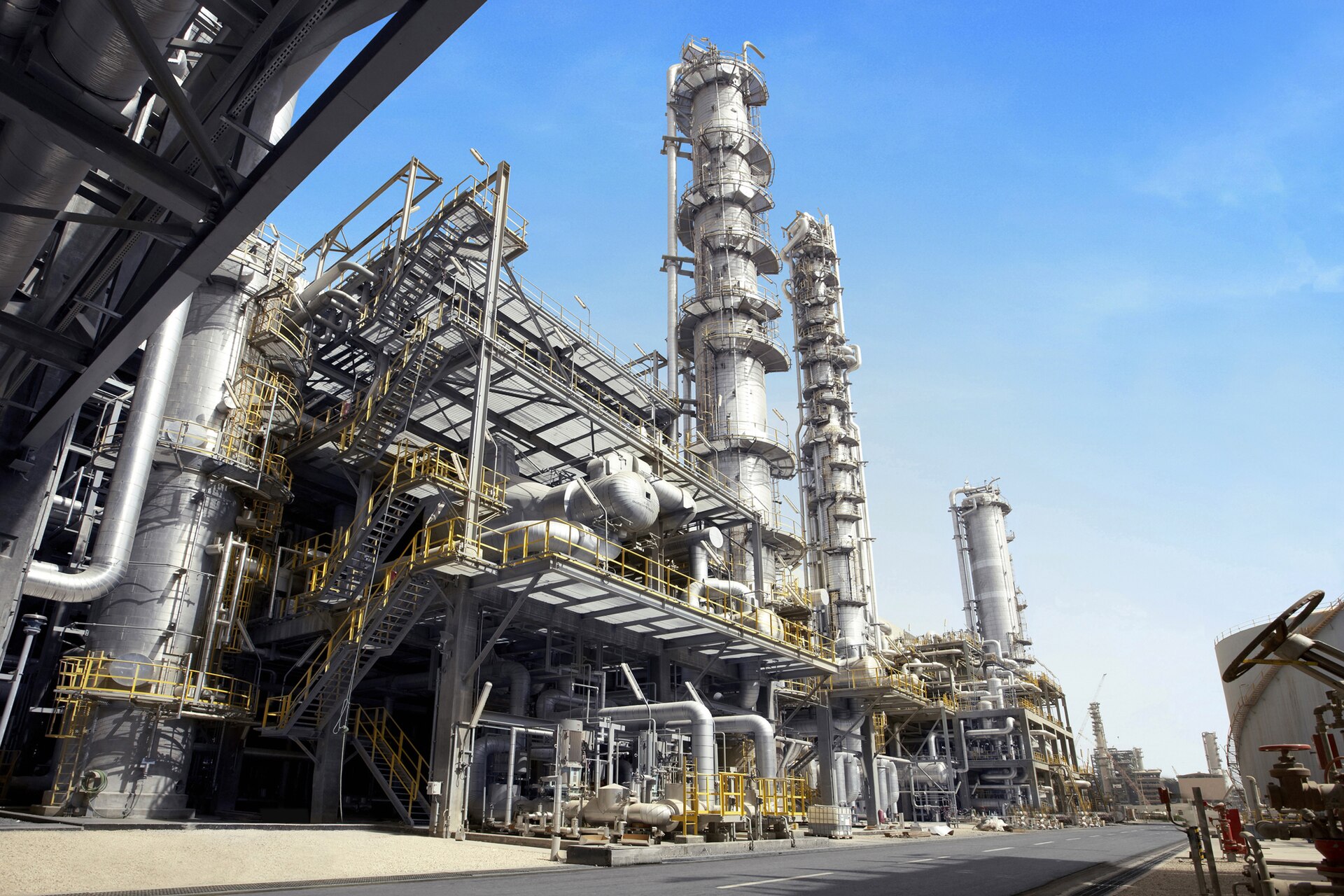
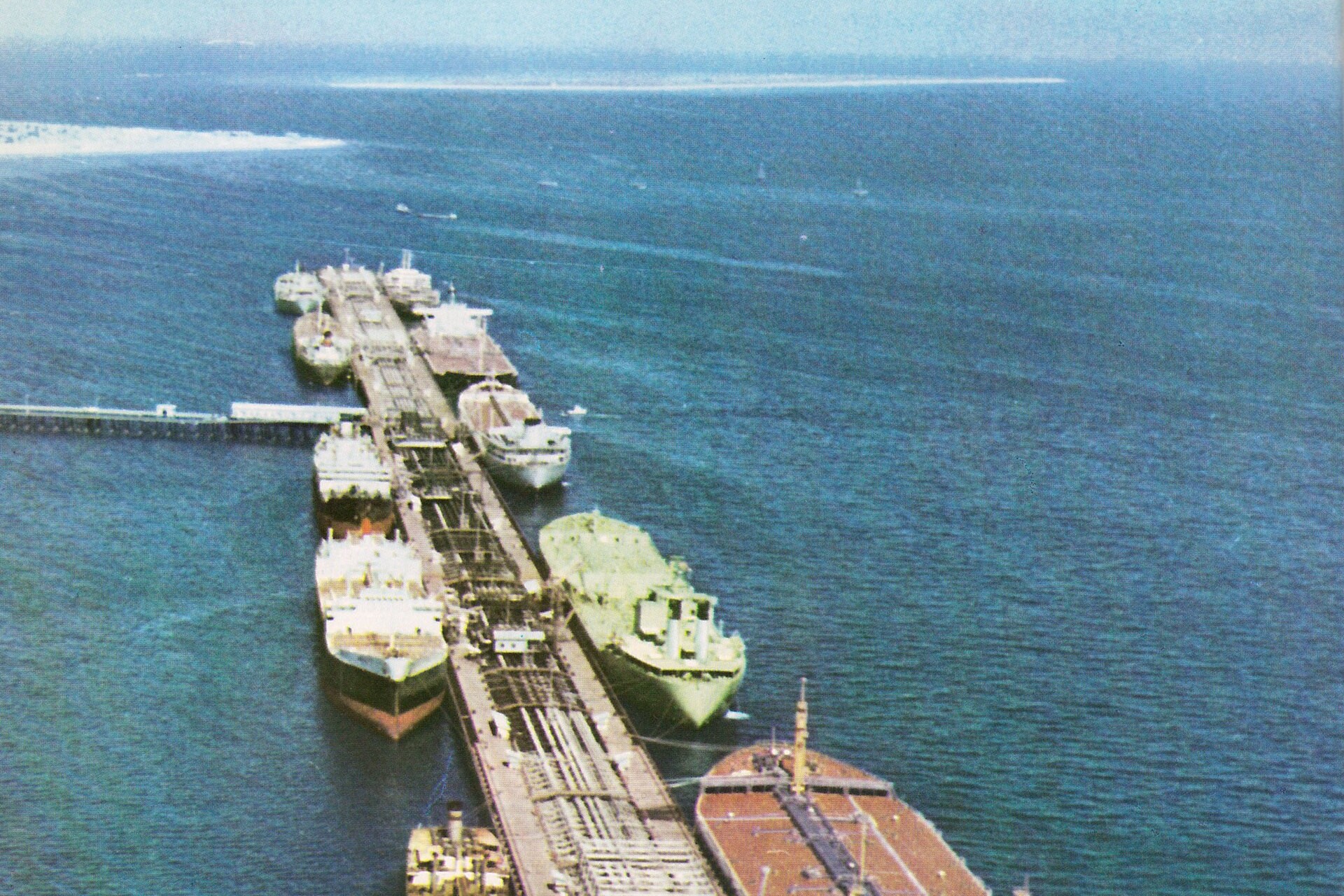
Lavan Island processes 55,000 barrels per day and holds 5.5 million barrels of crude storage, making it Iran’s second-largest export node after Kharg Island. With Kharg struck twice by US forces, and Sirri Island also hit, the Lavan attack narrows Iran’s functional export infrastructure to Jask — a terminal operating at roughly 300,000 bpd, according to Kpler. The cumulative effect is an export architecture collapse not seen since Iraq’s sustained attacks on Iranian oil facilities during the 1984–88 Tanker War.
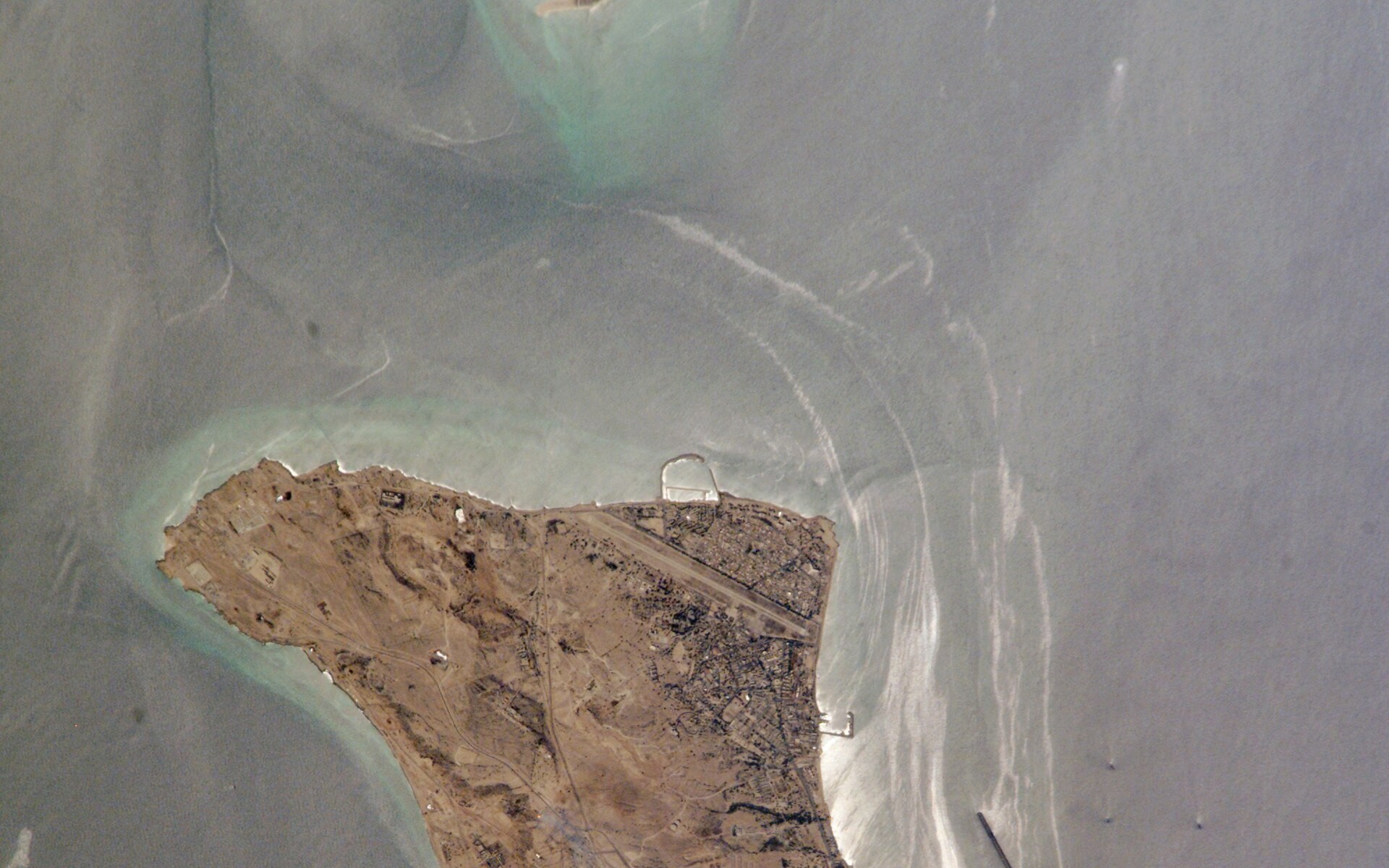
Table of Contents
- The Strike on Lavan: Timeline and Attribution
- Iran’s Export Architecture After Four Strikes
- Why Does Lavan’s Geography Point at Saudi Offshore Fields?
- Saudi Offshore Shutdown: Precaution or Target Acknowledgment?
- The Ceasefire Violation Ledger
- What Happens Before April 22?
- Background: Lavan in the Tanker War and Iran’s Redundancy Doctrine
- Frequently Asked Questions
The Strike on Lavan: Timeline and Attribution
Explosions at the Lavan refinery were reported at approximately 10:00 AM local time (06:30 GMT) on April 8, according to Argus Media and Al Jazeera. Iran’s Mehr News Agency initially stated the “source of explosions is not yet known.” Within hours, IRIB and PressTV upgraded attribution to “US-Israeli forces,” though neither provided evidence.
Israel denied involvement. IDF spokesperson Lt. Col. Nadav Shoshani told reporters: “No, we weren’t involved.” US Central Command declined to comment. Open-source analysts flagged UAE Air Force Mirage 2000-9 jets as a suspected platform, an attribution that — if confirmed — would mean a Gulf Cooperation Council member state struck Iran during a US-brokered ceasefire. No government has claimed responsibility.
NIORDC described the attack as “a cowardly attack by enemies,” per Argus Media and WANA. Iran’s Oil Ministry, via the Shana news agency, said the “attack left no casualty” and that the “fuel supply and distribution network remains stable.” Satellite imagery reviewed by MarketScreener showed fire at the refinery’s distillation unit.
The refinery processes 35,000 bpd of crude and 20,000 bpd of South Pars condensate, according to Tehran Times. Lavan’s loading facility handles up to 200,000 bpd and exports Lavan Blend — a 35.4 API light crude — at roughly 115,000 bpd, per Gulf Oil and Gas industry data.
The Middle East briefing 3,000+ readers start their day with.
One email. Every weekday morning. Free.
Iran’s Export Architecture After Four Strikes
The Lavan attack is the fourth confirmed strike against Iran’s oil export infrastructure since the war began. US forces hit Kharg Island — Iran’s dominant export terminal, handling over 90% of seaborne crude — on April 7 and again later that day, destroying over 140 military installations while leaving oil-loading infrastructure operational but degraded. Sirri Island, a secondary export point south of Lavan, was also struck.
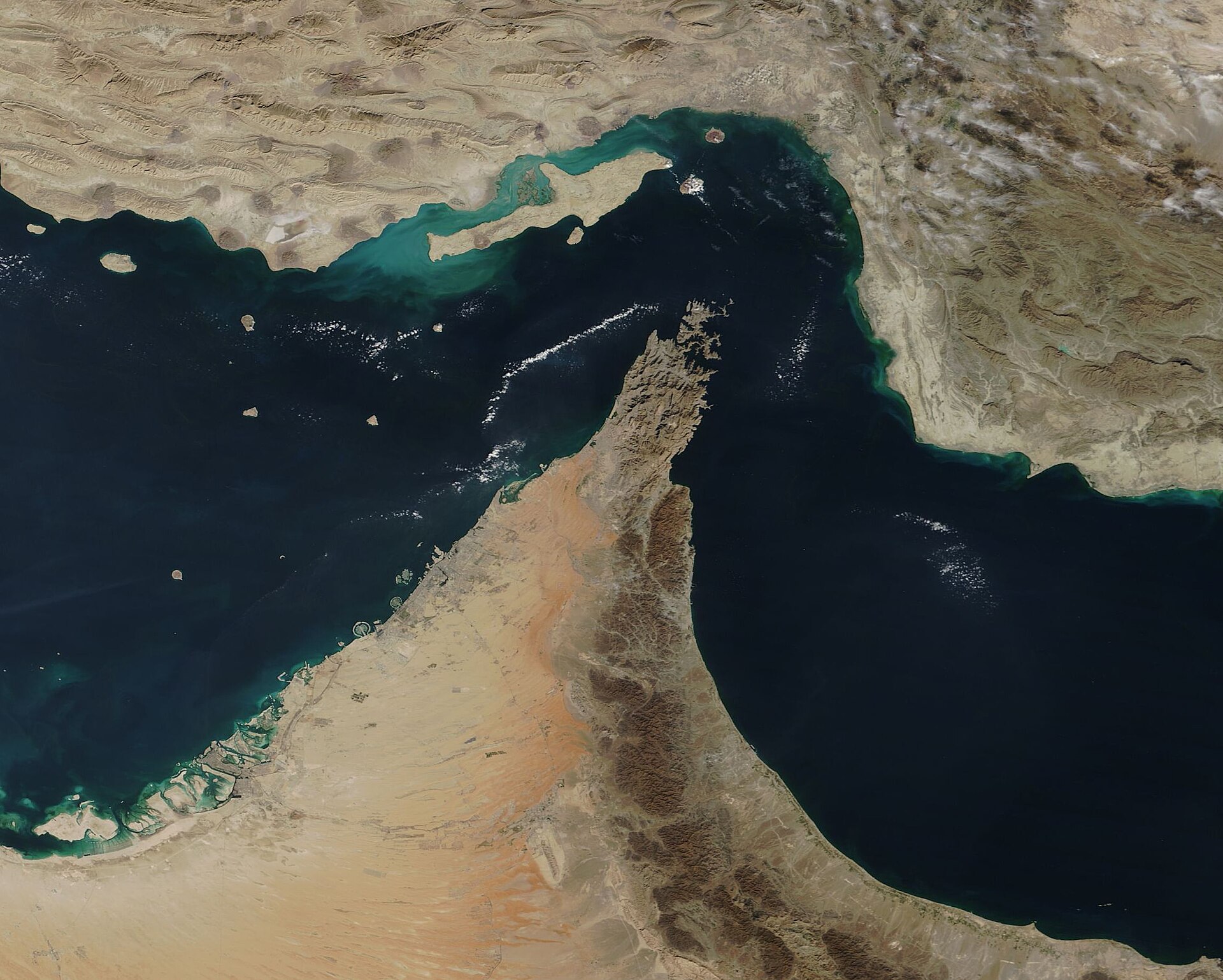
Together, Lavan and Sirri accounted for roughly 25% of Iran’s total crude export volume, according to Iran Open Data Center figures. With all three nodes damaged or under sustained threat, Iran’s remaining functional export outlet is the Jask terminal on the Gulf of Oman — bypassing the Strait of Hormuz entirely but operating at only 0.3 million bpd effective capacity, per Kpler tracking data.
| Export Terminal | Pre-War Capacity | Status (April 12) | Source |
|---|---|---|---|
| Kharg Island | ~5.0M bpd (loading) | Struck twice April 7; military infrastructure destroyed; oil terminals “fully operational” per TankerTrackers but under threat | TankerTrackers; CENTCOM |
| Lavan Island | 200,000 bpd (loading); 55,000 bpd (refining) | Struck April 8; fire confirmed; refinery status unclear | NIORDC; Argus Media |
| Sirri Island | ~200,000 bpd | Struck; operational status unclear | Multiple regional agencies |
| Jask (Gulf of Oman) | 1.0M bpd (design) | Operational at ~0.3M bpd effective | Kpler |
Iran earned $139 million per day from oil exports in March 2026, despite the war, according to Goldman Sachs estimates cited in previous HoS reporting. That revenue stream is now structurally threatened. Even if Kharg’s loading infrastructure remains physically intact, insurers have pulled coverage for vessels entering the northern Gulf, and IRGC naval activity has reduced Hormuz transits to 15–20 ships per day — down from a pre-war average of 138, according to Windward maritime intelligence.
Why Does Lavan’s Geography Point at Saudi Offshore Fields?
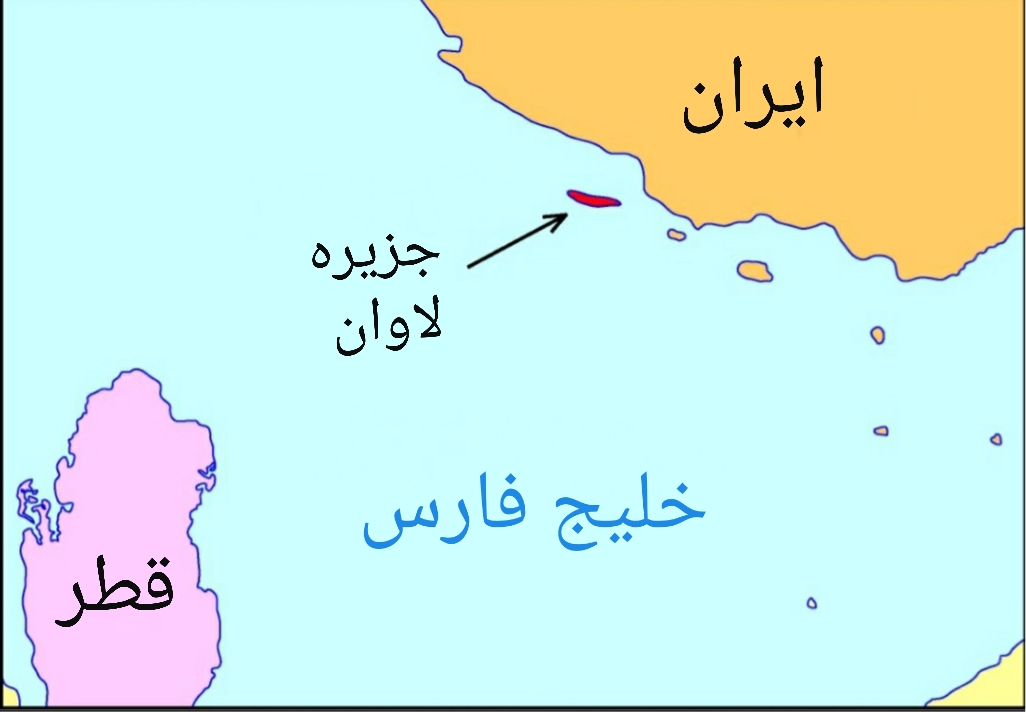
Lavan Island sits in the central Persian Gulf, at approximately 26.8°N latitude — not at or near the Strait of Hormuz. This geographic detail matters for one reason: the island is roughly equidistant from Iran’s southern coast and the Saudi offshore oil field cluster that includes Safaniya, Marjan, Zuluf, and Abu Safa.
Safaniya is the world’s largest offshore oilfield, with 1.2 million bpd capacity and 37 billion barrels of proven reserves, located 265 km north of Dhahran, per Splash247 and the Maritime Executive. Marjan, whose $12 billion expansion was completed in 2025, reached post-expansion capacity of 800,000 bpd, according to Offshore Technology and NS Energy Business.
The central Gulf attack axis — if replicated by the IRGC as retaliatory doctrine — does not point at Ras Tanura, the hardened onshore terminal that dominates Western threat models. It points at the offshore fields themselves: platforms, subsea infrastructure, and floating production units that are far more difficult to defend with land-based air defense systems.
“Tehran targeted Gulf energy infrastructure and shipping in the Strait of Hormuz, seeking to raise the costs of the war for the US and its regional partners.”Luca Nevola, Senior Analyst Yemen/Gulf, ACLED
Kristian Coates Ulrichsen, a fellow at Rice University’s Baker Institute for Public Policy, has framed the broader logic: an embattled Tehran government “that sees itself in an existential fight for survival has spread the cost of war as far and as wide as it can.” The Lavan strike, regardless of its author, provides the IRGC with both a geographic template and a political justification for targeting energy infrastructure at the same latitude band on the opposite side of the Gulf.
Saudi Aramco shut Safaniya, Marjan, Zuluf, and Abu Safa together — a combined 2–2.5 million bpd cut — according to Splash247 and the Wall Street Journal. That decision has been reported as commercial precaution. But the fields’ proximity to Lavan, and the IRGC’s stated doctrine of symmetrical retaliation against energy infrastructure, suggests Aramco’s internal threat assessment already accounts for the central Gulf attack corridor.
Saudi Offshore Shutdown: Precaution or Target Acknowledgment?
Saudi crude output fell from 10.1 million bpd in February to approximately 8 million bpd by early April — a 20% decline — with Aramco disclosing 1.3 million bpd offline from direct war damage on April 9. The remainder of the decline is attributable to the preventive closure of the four central Gulf offshore fields.
Aramco’s April liftings have been restricted to Yanbu terminal and Arab Light grade only. The East-West Pipeline to Yanbu, already running near its 7 million bpd design maximum, was itself struck at a pumping station on April 8 — one Saudi worker killed, seven injured — in a separate ceasefire violation. The upstream recovery challenge for Saudi Arabia now involves both damaged infrastructure and fields shut in as a precaution against attacks that may or may not come.
The PAC-3 Missile Segment Enhanced (MSE) interceptor stockpile — the primary defense against ballistic missile threats to offshore platforms — stands at roughly 400 rounds, down from an estimated pre-war inventory of 2,800, according to previous HoS analysis of Saudi air defense expenditure. The Lockheed Martin facility in Camden, Arkansas, produces approximately 620 rounds per year. Poland refused a Saudi request to transfer Patriot batteries on March 31.
Saudi Arabia cannot simultaneously defend its onshore terminals (Ras Tanura, Yanbu pipeline endpoints, petrochemical complexes at Jubail) and its dispersed offshore platforms in the central Gulf. Shutting in the offshore fields removes the need to defend them — at a cost of 2–2.5 million bpd of production capacity.
The Ceasefire Violation Ledger
The Lavan strike is one entry in a ceasefire violation record that has grown daily since April 8. Within one hour of the Lavan attack, Iran launched missile and drone attacks against UAE and Kuwaiti targets, according to Defence Security Asia and WANA.
Brig. Gen. Ebrahim Zolfaqari of Iran’s Khatam al-Anbiya Central Headquarters stated, per Defence Security Asia: “From now on, all such precautions have been removed.” IRGC media subsequently used the Lavan strike as explicit justification for subsequent operations, framing it as a ceasefire violation by “US-Israeli forces” that restored IRGC operational authority.
| Date | Target | Attacker | Outcome | Source |
|---|---|---|---|---|
| April 8 | Lavan Island refinery, Iran | Unattributed (Israel denied; UAE Mirage 2000-9 suspected) | Fire; no casualties reported | NIORDC; Argus Media |
| April 8 | East-West Pipeline pumping station, Saudi Arabia | IRGC | 1 killed, 7 injured | HoS reporting |
| April 8–10 | Kuwait oil installations | IRGC | 28 drones intercepted | Kuwait MoD |
| April 8–10 | UAE targets | IRGC | 17 ballistic missiles + 35 drones intercepted | UAE defense authorities |
| April 8–10 | Bahrain | IRGC | 31 missiles + 6 additional intercepted | Bahrain defense authorities |
| April 11 | USS Frank E. Peterson (DDG-121) / USS Michael Murphy (DDG-112) | IRGC Navy | “Last warning” radio call; drone launched toward vessels | CENTCOM |
The IRGC declared “full authority to manage the Strait of Hormuz” on April 11, the same day CENTCOM guided-missile destroyers DDG-121 and DDG-112 transited the strait. The US Navy stated the passage was conducted “in accordance with international law.” The reversibility of Iran’s ceasefire halt order — issued by a command structure in which Supreme Leader Khamenei has been absent for over 39 days — remains the central question for whether violations escalate or plateau.
What Happens Before April 22?
The ceasefire expires April 22, with no extension mechanism, according to analysis by the Soufan Center. First Hajj pilgrims arrive April 18 — the same date the Umrah cordon seals — creating a four-day window in which both a security escalation and the largest annual gathering in Saudi Arabia overlap.
The Islamabad Talks collapsed on April 12 after 21 hours. US Vice President JD Vance departed without a deal. The US demanded Iran commit to not developing nuclear weapons; Iran refused. The diplomatic track that was meant to convert the ceasefire into a durable framework has, for now, failed.
CENTCOM Adm. Brad Cooper stated the IRGC Navy is “on an irreversible decline” following Operation Epic Fury, per US military statements. But the IRGC retains midget submarines, Nasr-1 anti-ship cruise missiles, and Heydar-110 fast attack boats — assets designed for asymmetric strikes against offshore platforms and slow-moving tankers, not for naval engagements against destroyers. The mine-clearance operation in the Hormuz approaches remains in its early stages.
Iran’s remaining bargaining asset is the threat of further escalation against Gulf energy infrastructure. The Lavan strike — whatever its origin — demonstrated that central Gulf oil facilities are within range and undefended. The IRGC’s stated removal of “all precautions” and its formal claim of “full authority” over Hormuz, both issued after the ceasefire nominally took effect, remain unretracted as of April 12.
Background: Lavan in the Tanker War and Iran’s Redundancy Doctrine
Lavan Island’s role in Iran’s export architecture dates to the 1984–88 Tanker War, when Iraqi air strikes targeted Kharg Island repeatedly. Iran shifted a large portion of its crude exports to Lavan and Sirri as backup loading points, establishing shuttle tanker routes from Kharg to the southern terminals to reduce exposure in the northern Gulf.
That redundancy doctrine held for nearly four decades. The current conflict has dismantled it in under six weeks. With Kharg struck twice, Lavan hit, and Sirri also targeted, Iran’s export system has been compressed to a single functional bypass — Jask, on the Gulf of Oman coast, which was designed for 1 million bpd but operates at 300,000 bpd effective capacity, per Kpler.
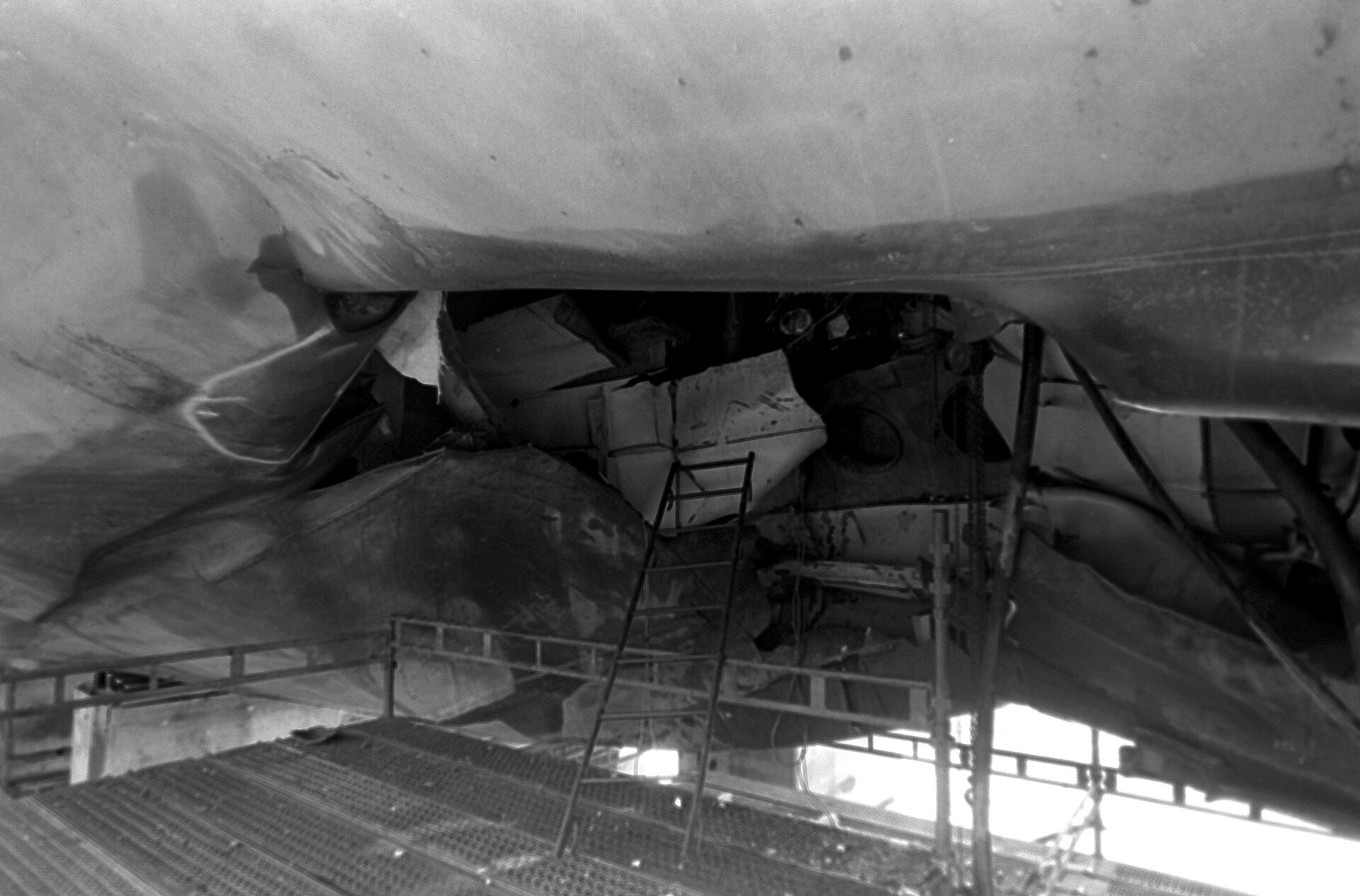
The 1988 parallel is instructive but imprecise. During the Tanker War, the US struck Iranian oil platforms at Sassan and Sirri (Operation Praying Mantis, April 18, 1988) in retaliation for the mining of USS Samuel B. Roberts. Iran’s export infrastructure survived because Kharg’s loading terminals were never destroyed — only the shuttle tankers and some platform equipment were hit. In 2026, the targeting pattern is broader: military assets at Kharg have been destroyed, Lavan’s refinery has been struck, and Sirri has been hit. The oil-loading infrastructure itself has been degraded rather than spared.
Iran’s Oil Ministry insistence that the “fuel supply and distribution network remains stable” echoes statements made during the Tanker War, when exports continued at reduced volumes under sustained attack. In 2026, loading infrastructure damage has been accompanied by an insurance market exit: Lloyd’s war-risk premiums for vessels entering Iranian northern Gulf waters have made most commercial transits uneconomic regardless of physical terminal status.
Frequently Asked Questions
Who struck Lavan Island?
Attribution remains unresolved as of April 12. Israel explicitly denied involvement through IDF spokesperson Lt. Col. Nadav Shoshani. CENTCOM declined to comment. Open-source analysts flagged UAE Air Force Mirage 2000-9 jets as a suspected platform; the aircraft type is in UAE service and operationally capable of reaching Lavan from Gulf bases. No government has claimed responsibility, and the open-source attribution has not been corroborated by any official statement. Iran’s state media attributed the attack to “US-Israeli forces” without providing supporting evidence.
How much of Iran’s oil export capacity is now offline or degraded?
Before the war, Iran exported approximately 1.5–1.7 million bpd, with Kharg handling the bulk. Lavan and Sirri together accounted for roughly 25% of export volume. With all three nodes struck and Jask operating at 0.3 million bpd effective capacity, Iran’s theoretical maximum export throughput — assuming Kharg’s loading systems remain functional — is constrained less by physical damage than by the insurance and shipping market’s refusal to service the routes.
What is Lavan Blend crude and who buys it?
Lavan Blend is a light crude oil with an API gravity of 35.4 degrees, exported at roughly 115,000 bpd from Lavan Island’s loading terminal. Primary buyers have historically included refiners in China, India, and South Korea, with Chinese state-owned importers accounting for the largest share since US sanctions reduced Iran’s customer base. The blend’s quality makes it suitable for Asian refinery configurations optimized for Middle Eastern light crudes.
Could the IRGC strike Saudi offshore fields in retaliation?
The IRGC retains anti-ship cruise missiles (Nasr-1), drone swarms, midget submarines, and fast attack boats — all designed for operations against fixed offshore platforms and slow-moving vessels. Saudi Arabia’s four central Gulf offshore fields (Safaniya, Marjan, Zuluf, Abu Safa) sit at roughly the same latitude as Lavan Island, within range of IRGC coastal batteries and naval assets. Aramco’s decision to shut all four fields simultaneously suggests its threat assessment already incorporates this scenario. The limiting factor is not capability but authorization: the IRGC’s command structure, with Khamenei absent for over 39 days, operates under decentralized authority that may not require formal approval for retaliatory strikes against energy infrastructure.
What is the significance of the April 18–22 window?
April 18 marks the opening of Hajj pilgrim arrivals and the sealing of the Umrah cordon in Mecca. The ceasefire expires April 22 with no extension mechanism. Indonesia’s 221,000 pilgrims begin their first departures on April 22; Pakistan’s 119,000 arrive starting April 18. Any escalation in Gulf hostilities during this window directly threatens the safety of millions of pilgrims and Saudi Arabia’s role as Custodian of the Two Holy Mosques — a title formally adopted in 1986 and central to the kingdom’s legitimacy architecture. Iran has zero Hajj stake: its pilgrims have been barred since the 1987 Mecca incident that killed 402 people.