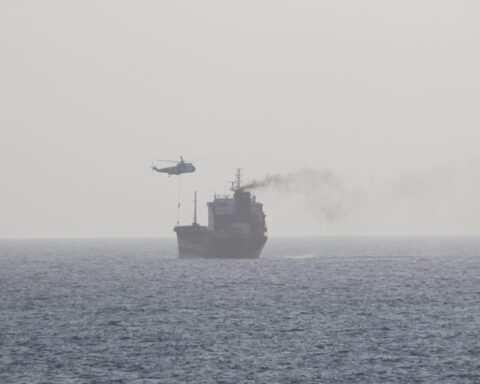
ISLAMABAD — Iran’s foreign minister Abbas Araghchi left Tehran on the evening of April 24 for a three-capital tour — Islamabad, Muscat, Moscow — that his own spokesperson insists has nothing to do with negotiating with the United States. The sequencing tells a different story. Araghchi is not visiting three allies for routine consultations on Day 57 of a war that has cut Saudi oil exports by a third and put Hormuz under effective IRGC control. He is building a parallel diplomatic architecture designed to let Iran negotiate without ever admitting it is negotiating.
The Muscat stop is the tell. Oman hosted eight rounds of secret US-Iran bilateral talks between 2011 and 2015 that produced the JCPOA framework — talks that remained deniable until the deal was nearly done. Araghchi visits Muscat after Islamabad, not before, which means whatever emerges from the public Pakistani venue can be quietly tested, amended, or ratified in a capital where back-channels are institutional infrastructure. Moscow, the final stop, adds a guarantor dimension: Russia has offered three times since March to take custody of Iran’s enriched uranium, and three times Washington has said no.
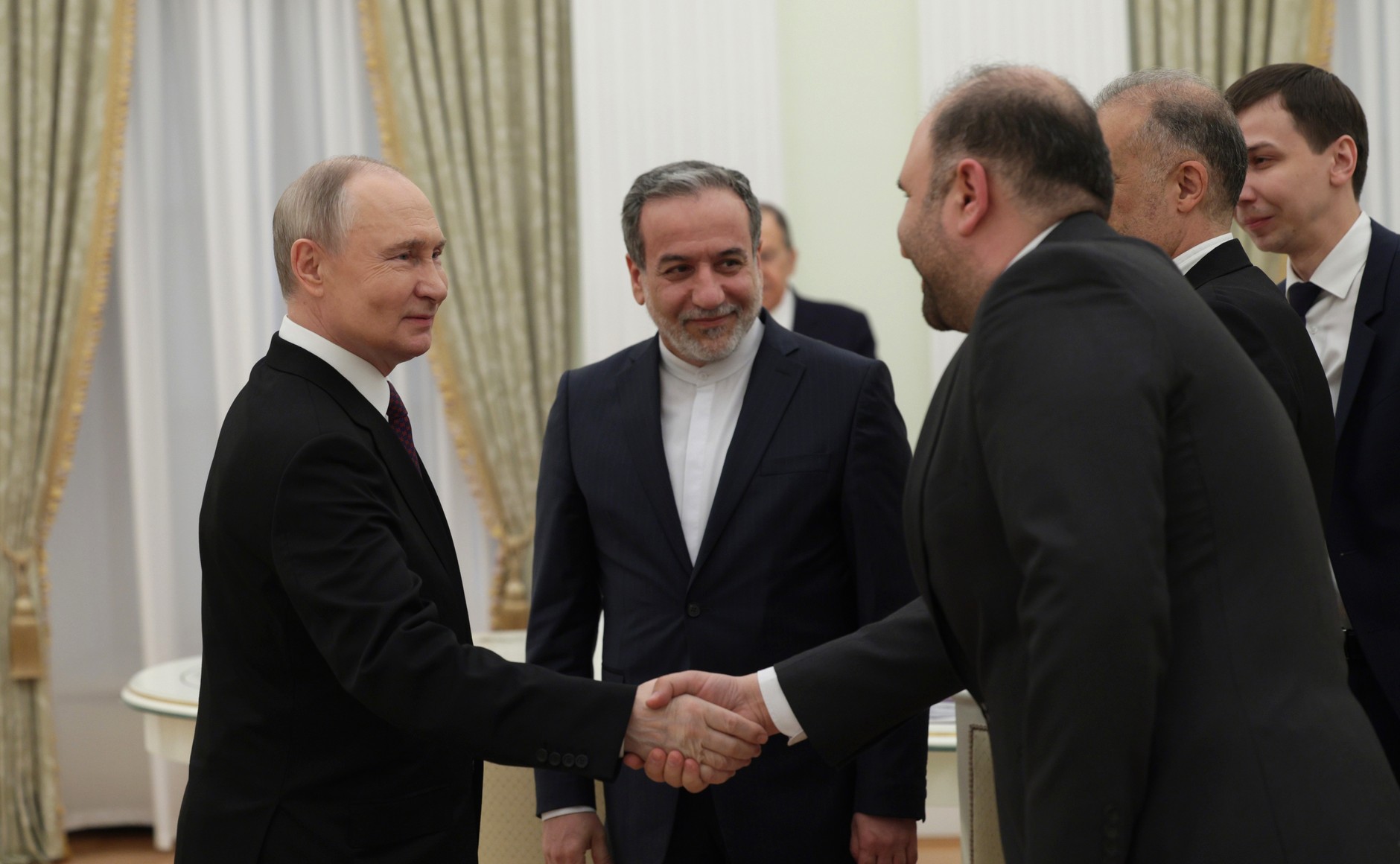
Table of Contents
- Islamabad: The Public Stage Iran Doesn’t Want to Be Seen On
- Why Does Araghchi Visit Muscat After Islamabad, Not Before?
- Oman’s Back-Channel Infrastructure
- What Does Russia Actually Bring to the Table?
- The Authorization Ceiling Problem
- Witkoff, Kushner, and the Missing Vice President
- Background: The Ruse That Broke Trust
- FAQ
Islamabad: The Public Stage Iran Doesn’t Want to Be Seen On
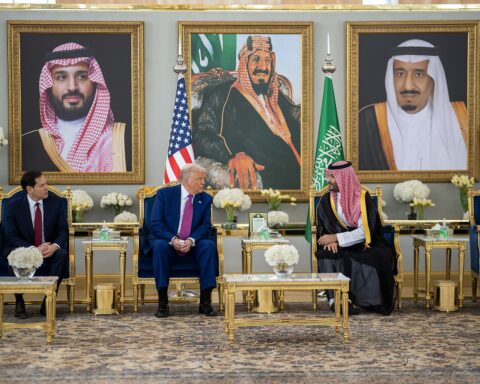
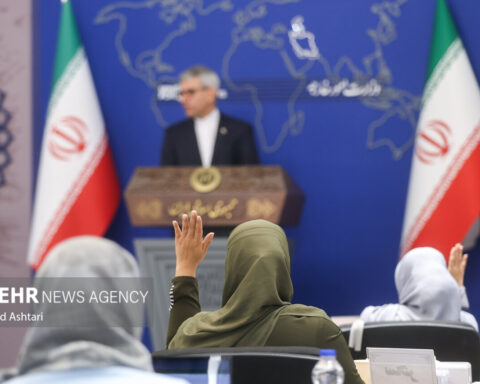
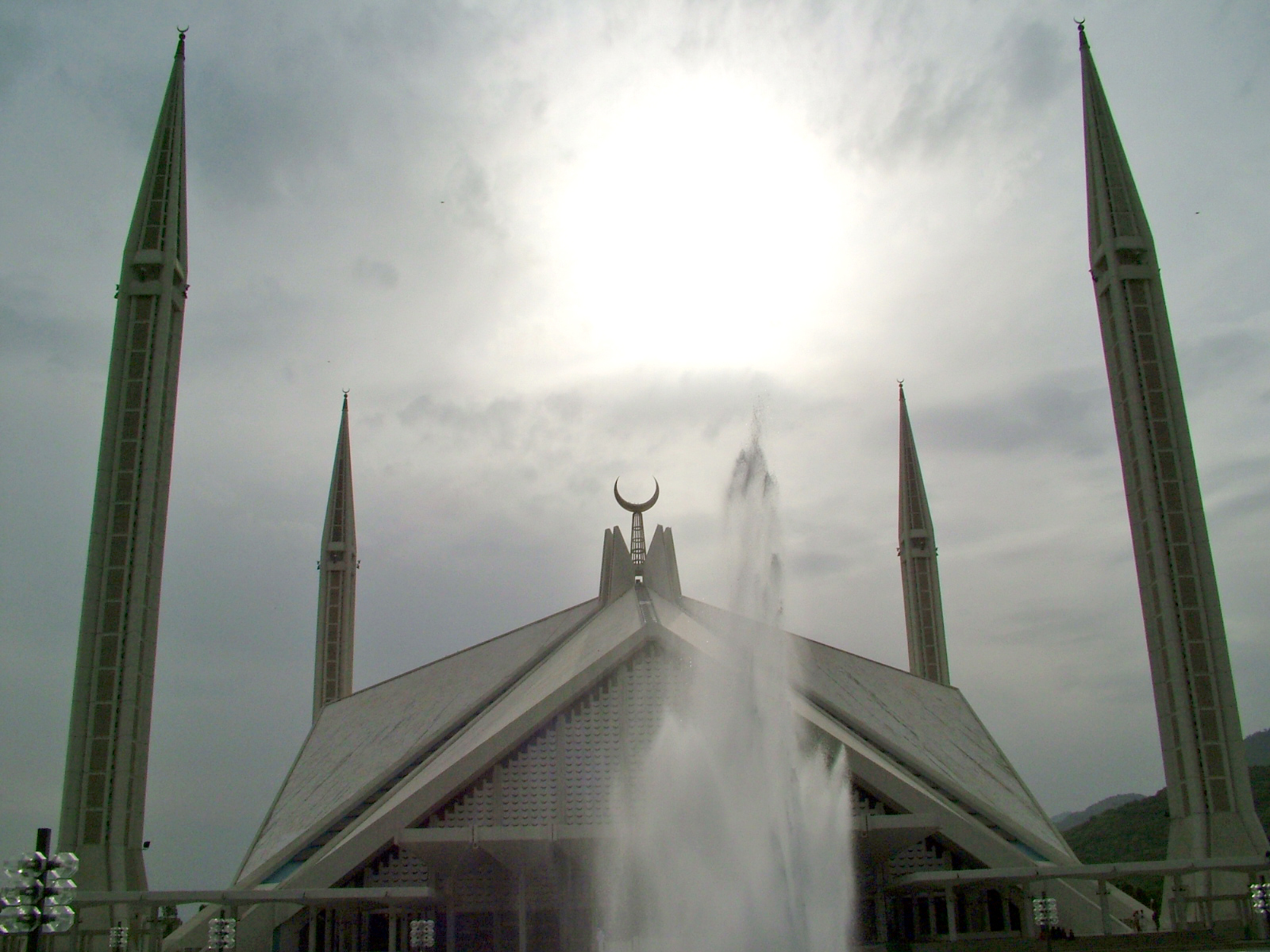
Iran’s FM spokesperson Esmaeil Baghaei was unequivocal on April 24: “No meeting is planned to take place between Iran and the US.” Hours earlier, White House press secretary Karoline Leavitt had confirmed that Steve Witkoff and Jared Kushner were traveling to Pakistan for “direct talks,” adding that “the Iranians reached out and asked for an in-person conversation, as President Donald Trump had asked them to do.” One side says it asked for talks. The other says no talks exist. Both statements were issued on the same day, about the same visit, to the same city.
This contradiction is not accidental — it is the architecture. Islamabad functions as the venue where proximity allows contact while format allows denial. Pakistani FM Ishaq Dar operates as relay, shuttling between delegations that can claim they never sat across from each other. Iran has already handed Pakistan a written roadmap while simultaneously denying any US engagement is planned. The Institute for the Study of War assessed in April that Araghchi’s delegation “do not have the authority to independently determine Iran’s negotiating positions” — which means Islamabad is where Iran listens, not where it decides.
Tasnim, the IRGC-aligned news agency, reinforced the domestic message: Araghchi “will not hold any negotiation with US officials during his visit to Pakistan, and will instead hold talks solely with the Pakistani side.” PressTV ran parallel coverage — one story announcing the tour as partner consultations, a second flatly denying US contact. The dual-track output serves two audiences: Iranian hardliners see no concession; Western capitals see an active foreign minister.
Why Does Araghchi Visit Muscat After Islamabad, Not Before?
If Muscat were simply a courtesy call on a friendly Gulf state, the order would not matter. It matters because of what Oman is and what it has done. The February 6 Muscat round — the first US-Iran indirect talks since the June 2025 strikes — was mediated by Omani FM Badr al-Busaidi, with CENTCOM Admiral Brad Cooper in the American delegation. Araghchi called those talks “a good beginning.” Three weeks later, strikes began.
The Middle East briefing 3,000+ readers start their day with.
One email. Every weekday morning. Free.
Visiting Muscat after Islamabad means Araghchi arrives carrying whatever the Islamabad round produces — proposals, counterproposals, or the absence of both. If Islamabad generates a framework that Araghchi cannot publicly accept because the Supreme National Security Council under Ali Shamkhani’s successor Vahidi has not authorized red-line concessions, Muscat becomes the venue for quiet amendment. Oman’s back-channel infrastructure allows testing without commitment. Araghchi can explore terms in Muscat that he could never be seen exploring in Islamabad, where Pakistani media and Western correspondents are watching every motorcade.
Busaidi has positioned Oman further from the Gulf consensus than any other GCC foreign minister. He told The Economist that Iran’s retaliatory strikes were “inevitable” given the existential threat, though “deeply regrettable and completely unacceptable.” Oman was the only GCC member that did not attend the March 2026 Riyadh collective defense meeting — a reflection of the GCC’s structural inability to produce binding collective decisions, where the unanimity rule gives every member an effective veto over joint military action. On April 4, Omani and Iranian undersecretaries held a bilateral on “possible options for ensuring smooth passage through the Strait of Hormuz” — producing no binding outcome but establishing that the channel was live.
Oman’s Back-Channel Infrastructure
The Omani model is not improvisation. Sultan Qaboos built it over decades, hosting talks between adversaries who could not afford to be seen talking. The eight rounds of secret US-Iran dialogue from 2011 to 2015 were the most consequential product, but the infrastructure predates the JCPOA. The critical feature was always deniability — participants could walk away at any stage without having publicly conceded anything, because nothing was publicly acknowledged until it was nearly done.
Sultan Haitham, who took power in January 2020, has maintained the architecture but operates differently. Where Qaboos conducted diplomacy through personal sovereign-to-sovereign relationships, Haitham works through FM Busaidi and institutional channels. The Arab Gulf States Institute has noted “strategic continuity rather than proven capacity” — meaning the infrastructure exists but has not yet been tested at JCPOA-level stakes. This tour is the test. If Araghchi uses Muscat to quietly amend or ratify positions he cannot accept in Islamabad’s public format, Haitham’s back-channel will have graduated from inherited asset to active instrument.
“Whatever your view of Iran, this war is not of their making.”
— Badr al-Busaidi, Omani FM, March 23, 2026
The February 27 collapse haunts this visit. Busaidi declared “peace within reach” that day, announcing Iran had agreed to no nuclear material stockpile. Strikes began February 28. Whatever Araghchi and Busaidi discuss in Muscat this week, both men carry the memory of a back-channel that appeared to succeed and was overtaken by military action within twenty-four hours.
What Does Russia Actually Bring to the Table?
Moscow is the last stop, and the offer Russia keeps making is specific: take custody of Iran’s enriched uranium. Putin first proposed this in a March 2026 call with Trump. Trump rejected it. The Kremlin repeated the offer on April 13. Rosatom’s CEO kept it “on the table” as of April 18. Lavrov and Araghchi spoke by phone on April 13 and again on April 20, when Lavrov “reiterated the need to uphold the ceasefire and confirmed Russia’s unwavering readiness to assist in resolving the crisis, which has no military solution.”
The gap between what Russia offers and what Iran needs is wide. Iran’s ambassador to China, Abdolreza Rahmani Fazli, spelled out Tehran’s actual requirement on April 8: “a reliable security guarantee mechanism involving the UN Security Council, China, Russia and other major powers, as well as Pakistan.” Russia offers uranium custody — a technical arrangement that echoes the 2015 JCPOA provision. Iran wants a binding UNSC security guarantee against future American attack. Russia cannot deliver that alone, and China and Russia jointly vetoed a Bahrain-led UNSC draft resolution on Hormuz, which suggests the Security Council route is blocked from multiple directions.
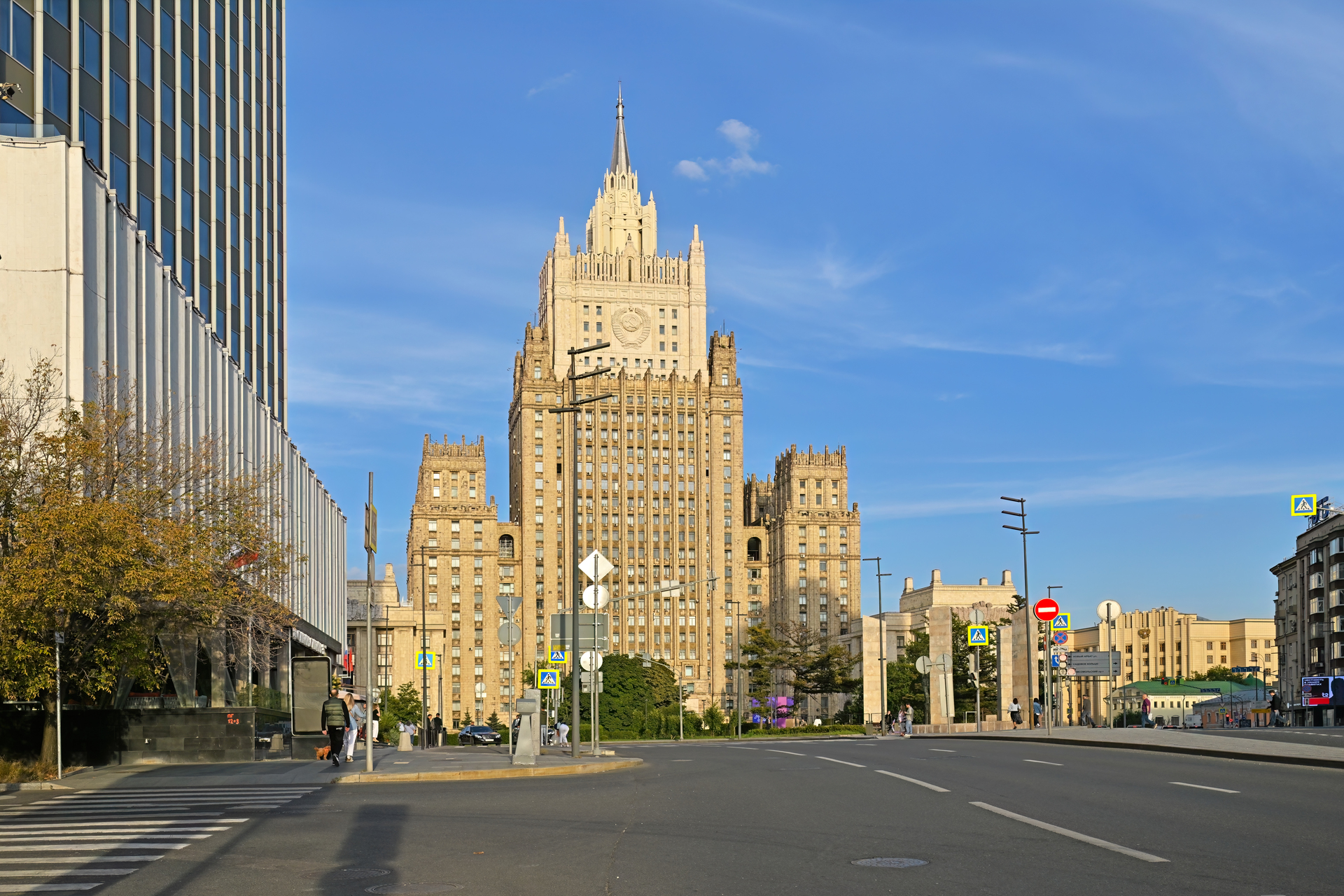
The Russia-Iran 20-year Treaty on Comprehensive Strategic Partnership, signed January 17, 2025, and ratified by both parliaments by May 2025, covers non-aggression, defense collaboration, and intelligence-sharing across dozens of articles. It contains no mutual defense clause and no troop-deployment provision. Russia’s partnership with Iran is extensive on paper and narrow in practice — Moscow will host Araghchi, repeat its uranium offer, and issue statements about diplomatic solutions. Whether it will spend Security Council capital or risk direct confrontation with Washington to guarantee Iran’s security is a question the treaty carefully avoids answering.
The Authorization Ceiling Problem
None of Araghchi’s three stops resolve the structural problem that has derailed every negotiation since the war began: the Iranian foreign minister does not control Iran’s negotiating red lines. President Pezeshkian publicly accused SNSC secretary Vahidi and Khatam al-Anbiya commander Abdollahi on April 4 of wrecking ceasefire progress. The ISW’s assessment that Araghchi’s team lacks authority to determine positions independently is not a minor procedural point — it means Araghchi can explore, listen, and report, but he cannot commit.
This is precisely why the three-stop architecture makes sense from Iran’s perspective. Islamabad provides the public framework. Muscat provides the deniable testing ground. Moscow provides the appearance of great-power backing. At no point does Araghchi need to publicly accept or reject anything, because the format never requires it. He can return to Tehran having gathered positions from all three capitals and present options to the SNSC — where Vahidi, not Araghchi, holds the deciding vote. Supreme Leader Khamenei has been publicly absent for over 50 days, and his son Mojtaba has communicated only by audio. The enforcement architecture depends on persuading commanders whom the civilian government has publicly accused of sabotage.
Witkoff, Kushner, and the Missing Vice President
The American delegation has changed shape since the April 11 round. JD Vance, who led that session and held a face-to-face meeting with Iranian parliament speaker Ghalibaf — the first direct US-Iran conversation since 1979 — is not attending. In his place: Witkoff, Trump’s special envoy, and Jared Kushner, whose $137 million in Saudi-linked business interests — per federal financial disclosure filings — make his presence a conflict-of-interest question that the White House has not addressed.
Leavitt’s framing was notable for its optimism: “We’ve certainly seen some progress from the Iranian side in the last couple of days.” This tracks with Araghchi’s arrival in Islamabad and Iran’s written roadmap delivery to Pakistan. But “progress” from Washington’s perspective and “progress” from Tehran’s are measured against different baselines. The US wants Iran’s enriched uranium stockpile secured — as of the last IAEA report before Tehran terminated inspector access on February 28, that stockpile stood at 440.9 kilograms enriched to 60%. Witkoff proposed a 20-year enrichment moratorium in the last round. Iran wants a security guarantee that future American administrations cannot strike first and negotiate later, which is what Iran believes happened in June 2025.
| Stop | Counterpart | Function | Precedent |
|---|---|---|---|
| Islamabad | FM Dar / proximity to Witkoff-Kushner | Public framework, relay format | April 11 Vance-Ghalibaf round |
| Muscat | FM Busaidi | Deniable testing, quiet amendment | 8 rounds of secret JCPOA pre-talks (2011–2015) |
| Moscow | FM Lavrov | Guarantor audit, uranium custody offer | 3 Russian uranium offers since March 2026 |
Background: The Ruse That Broke Trust
Five rounds of Oman-hosted indirect talks between the US and Iran took place from April to June 2025. Iranian officials subsequently concluded they had been misled. MS Now, citing a single unnamed Persian Gulf diplomat, reported that Witkoff had presented “a bogus misrepresentation of himself as a ‘man of peace,’” and that Iranian officials came to believe the talks were “a ruse designed to keep Iran from expecting and preparing for the surprise June 2025 strikes.” That characterization — from one source, unverified — matters less as fact than as doctrine: Iran’s security establishment now operates as though it were true.
This is the trust deficit Araghchi carries into every room. In Islamabad, he faces a US delegation led by the same Witkoff whom Iranian officials believe ran the 2025 ruse. In Muscat, he returns to the venue where those pre-war talks took place — the same back-channel infrastructure that Iran now associates with deception. In Moscow, he meets a partner whose treaty offers no defense guarantee and whose uranium offer Washington has rejected. The three-stop tour is not a victory lap. It is an attempt to build a negotiating pathway through a situation where Iran trusts none of the available channels individually but cannot afford to abandon all of them simultaneously.
The collapse of Pakistan’s enforcement architecture adds urgency. If the Islamabad format cannot hold — and Iran has already refused to appear at one round — then alternative venues become necessary rather than optional. Muscat’s value is that it has held before, under higher stakes, for longer. Whether it holds now depends on whether Araghchi returns from this tour with something Vahidi and the SNSC will accept, or whether the parallel architecture produces the same result as every channel before it: proposals that Iran’s civilian diplomats explore and Iran’s military commanders reject. Araghchi’s back-channel tour runs in parallel with a separate Saudi-Iranian diplomatic channel — operating through near-daily ambassador contact in Riyadh and FM-level calls — that is examined in Saudi Arabia Is Not Sitting Out the Iran War — It’s Negotiating a Separate Peace.
FAQ
Why is Oman not aligned with other Gulf states on the war?
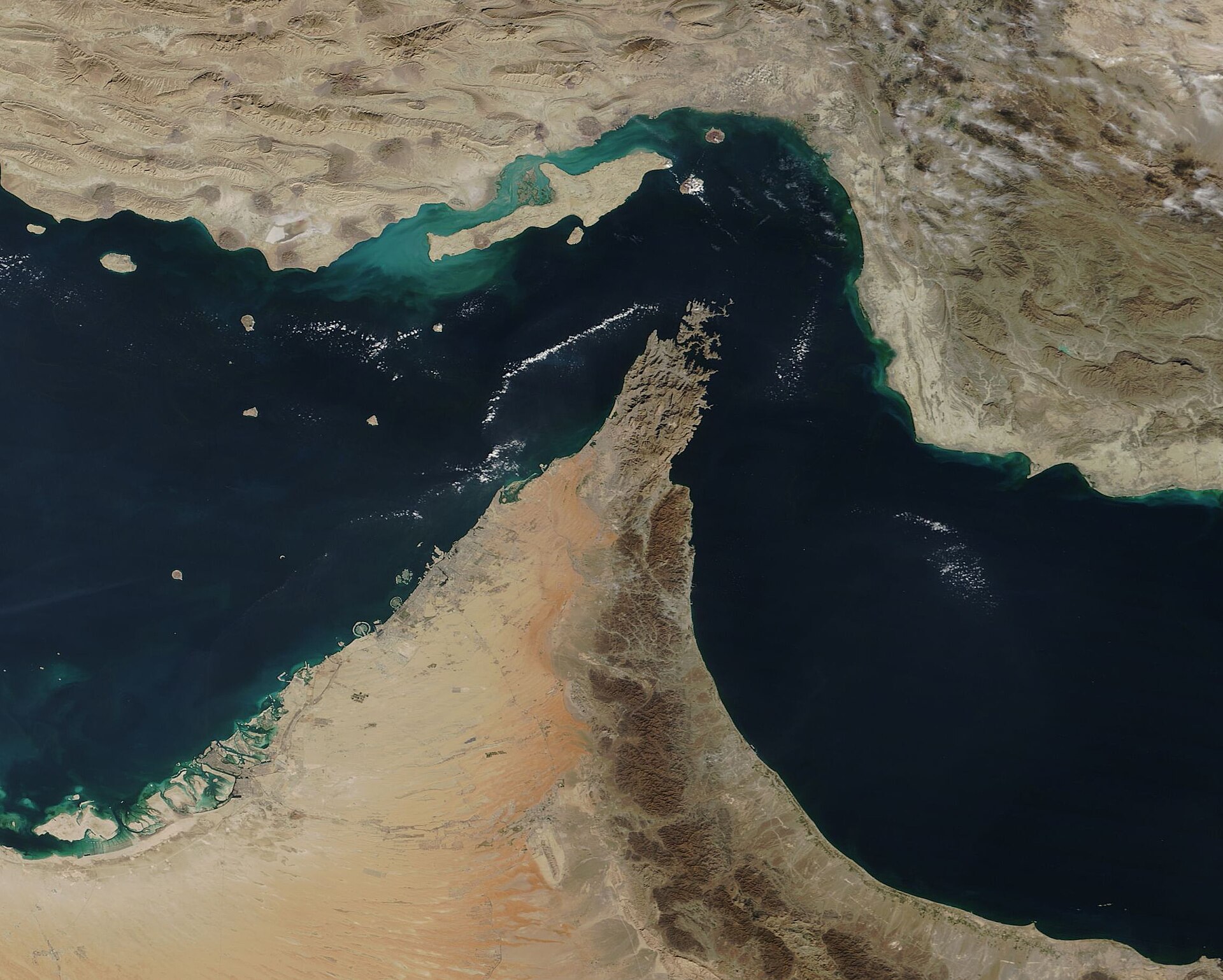
Oman has maintained diplomatic relationships with both Iran and the West since the 1970s, a posture rooted in geography and vulnerability. Sharing the Strait of Hormuz with Iran and lacking the financial reserves of Saudi Arabia or the UAE, Oman cannot afford the confrontational stance its neighbors adopt. Sultan Haitham inherited this balancing act from Qaboos. Oman’s absence from the March 2026 Riyadh collective defense meeting, and Busaidi’s public statements sympathizing with Iran’s position, reflect a calculation that Oman’s security depends on being useful to both sides rather than committed to one.
Has Russia ever successfully taken custody of another country’s nuclear material?
Yes. Under the 2015 JCPOA, Iran shipped 98% of its enriched uranium stockpile — approximately 8,500 kilograms of low-enriched uranium — to Russia in December 2015 and January 2016 in exchange for 140 tonnes of natural uranium yellowcake. The transfer was verified by the IAEA and is considered one of the JCPOA’s most concrete achievements. Russia’s current offer echoes this precedent, but the context is fundamentally different: Iran’s stockpile now includes 440.9 kilograms enriched to 60%, which is far closer to weapons-grade than the low-enriched material shipped in 2016, and Iran terminated IAEA access on February 28, 2026.
What happened to the ceasefire that was supposed to hold?
The ceasefire nominally took effect in mid-April but was never backed by an enforcement mechanism. President Pezeshkian accused Vahidi and Abdollahi of deviating from the delegation’s mandate. Pakistan’s FM Dar has described “new dialogue in coming days,” but Islamabad has no authority over the IRGC commanders who control Iran’s military operations. The Vienna nuclear track involving China, Russia, and Iran runs parallel to ceasefire discussions but addresses enrichment, not military operations. Multiple channels exist. None has produced binding commitments.
Could Muscat replace Islamabad as the primary negotiating venue?
Not publicly. Pakistan’s role as host gives Islamabad institutional weight — FM Dar, the military establishment under General Munir, and Pakistan’s unique position as both Iran’s interlocutor and Saudi Arabia’s treaty ally under the September 2025 SMDA. Muscat’s advantage is precisely that it operates beneath public visibility. The most likely outcome is not replacement but layering: Islamabad for formal rounds, Muscat for back-channel testing, and the two venues feeding into each other without either side acknowledging the connection.
Why did Vance not return for this round?
The White House has not explained Vance’s absence. His April 11 face-to-face with Ghalibaf was historic — the first direct US-Iran meeting since 1979 — but it did not produce a breakthrough. Ghalibaf, a former IRGC Aerospace Force commander, could meet Vance but could not make commitments Vahidi had not authorized. Sending Witkoff and Kushner instead lowers the protocol level while adding a negotiator — Kushner — with direct personal relationships in the Gulf, particularly with Saudi Crown Prince Mohammed bin Salman. Whether Vance’s absence signals frustration with the process or a deliberate change in approach remains unclear.
The deeper obstacle is structural. Even if Araghchi secures a commitment in Islamabad, Araghchi’s constitutional incapacity to open Hormuz means any diplomatic signal still requires IRGC Navy field compliance that no civilian official can compel. That constraint is why the “10-minute paper” Trump received after Araghchi’s Islamabad departure most likely traveled via Muscat rather than Islamabad — a structural reading examined in Iran’s Revised Paper Reached Washington Through Oman, Not Pakistan.
Sultan Haitham has since personally received Araghchi in Muscat on April 26 — upgrading Oman’s function from message conduit to head-of-state guarantor, a development examined in Sultan Haitham Receives Araghchi in Muscat as Oman Reclaims the Iran Back-Channel.