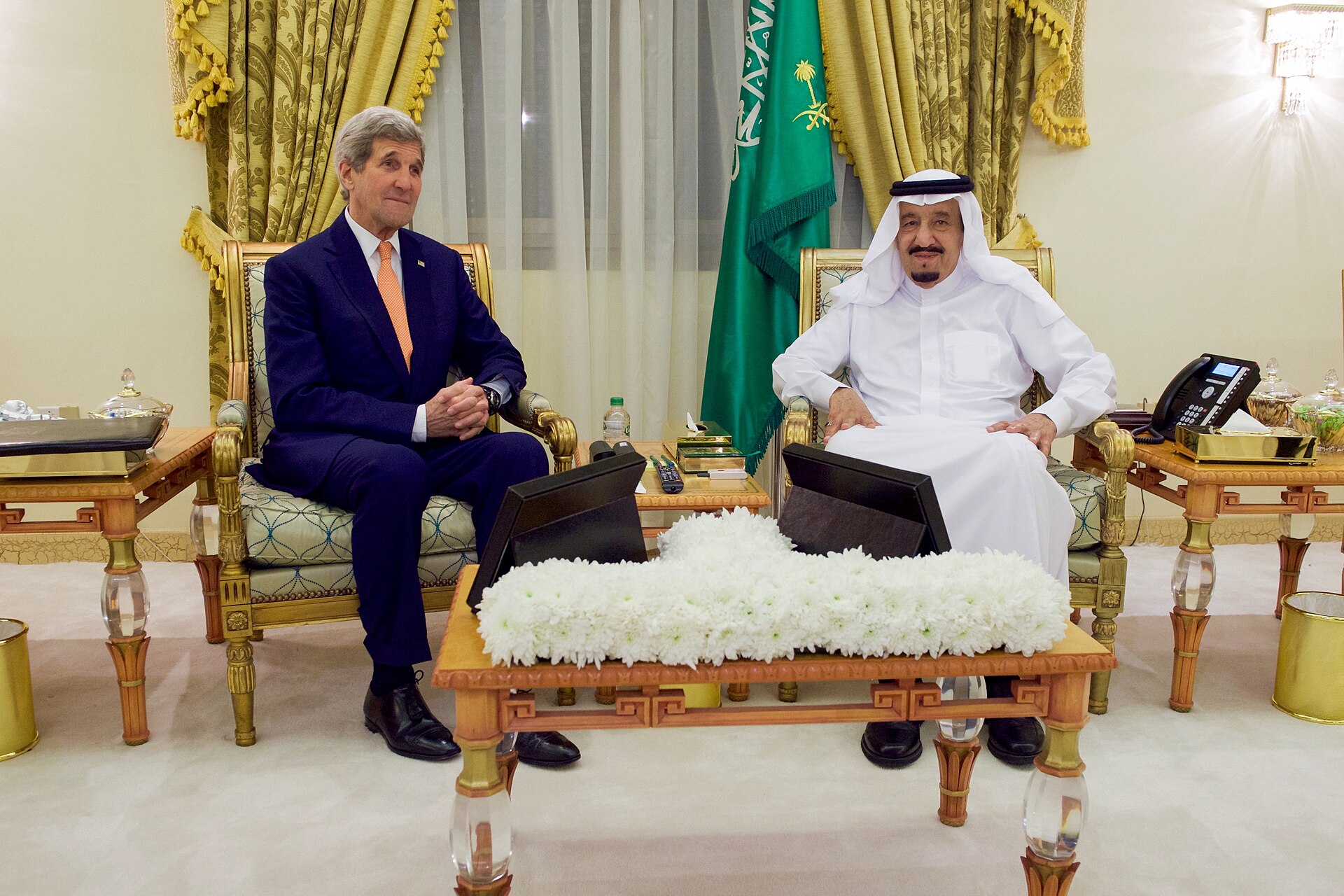

RIYADH — King Salman issued seven royal decrees on May 15, reshuffling deputy-level posts across the National Guard, Finance, Commerce, Tourism, and the Saudi Data and AI Authority, and every major outlet in the Gulf treated the batch as routine administration. The simultaneous appointment of a member of the Al-Muqrin family — whose patriarch helped found the National Guard sixty years ago — as SANG’s Acting Deputy, alongside the elevation of the Kingdom’s G20 financial sherpa to the Finance Ministry’s number-two position during a year in which Goldman Sachs projects an $80–90 billion deficit, amounts to coordinated wartime command realignment on Day 76 of the Iran conflict. The decrees landed one day after GCC interior ministers held their first emergency security session of the entire war.
That session was triggered by the IRGC’s attempted infiltration of Kuwait’s Bubiyan Island on May 1 — a confirmed Iranian military operation against GCC sovereign territory — and it produced the institutional vocabulary that King Salman’s court translated into personnel action the following morning. Fourteen days from provocation to decree.
Table of Contents
- The Decree Batch
- Why Does the National Guard Appointment Matter?
- Who Left — and Where Did They Go?
- The Fourteen-Day Chain From Bubiyan to the Royal Court
- What Does the New Finance Deputy Signal About the Deficit?
- Commerce, Tourism, and the Non-Oil Collapse
- The AI Confirmation Inside a Military Reshuffle
- What Did Tehran See in the Decrees?
- Frequently Asked Questions
The Decree Batch
The most complete enumeration of the May 15 decrees came from Argaam, which listed seven discrete personnel actions issued as a single batch. Gulf News and Arab News followed with near-identical reporting, framing the changes as ministerial routine without analytical commentary on the pattern or timing. The full list, compiled from all three outlets:
| Appointee | New Position | Previous Role | Replaced |
|---|---|---|---|
| Prince Abdulaziz bin Mohammed Al-Muqrin | Special Adviser to Custodian (minister rank) + Acting Deputy Minister of National Guard | Not publicly disclosed | Abdulmohsen Al-Tuwaijri (moved to Royal Court Adviser) |
| Abdulmuhsen bin Saad Alkhalaf | Deputy Minister of Finance | Assistant Minister for Macro-Financial Policies and International Relations | Not named in reporting |
| Abdulaziz bin Saud Al-Duhaim | Deputy Minister of Commerce | Not publicly disclosed | Not named in reporting |
| Anas bin Abdullah Al-Sulai | Deputy Minister of Tourism | Not publicly disclosed | Not named (second Tourism reshuffle of 2026) |
| Sami bin Abdullah Muqeem | Vice President of SDAIA | Already serving as SDAIA VP; represented SDAIA at 80th UNGA (Sept 2025) | Formal confirmation/elevation |
| Khalid bin Mohammed Al-Abdulkarim | Secretary General of the Cabinet (minister rank) | Not publicly disclosed | Previous holder not named |
| Al-Shehana bint Saleh Al-Azzaz | Relieved; moved to Royal Court Adviser (minister rank) | Deputy Secretary General of the Cabinet | N/A — outgoing |
The detail that stands out from the table is the dual-title arrangement given to the National Guard appointment. Prince Abdulaziz bin Mohammed Al-Muqrin received both “Special Adviser to the Custodian of the Two Holy Mosques” at minister rank and “Acting Deputy Minister of the National Guard” in the same decree — an anomaly that wraps an operational military deputy role inside a direct advisory channel to King Salman himself. The arrangement creates a chain of command that runs both through SANG’s institutional hierarchy and through an independent line to the monarch, bypassing the ministry layer entirely if necessary.
The Cabinet Secretary General change deserves separate attention, because Al-Shehana bint Saleh Al-Azzaz — one of the most senior women in Saudi government — was simultaneously relieved from her operational post and reassigned to Royal Court Adviser at minister rank, the same lateral destination as the outgoing SANG deputy. Two officials removed from their positions in the government’s working machinery and parked in advisory roles on the same day, in the same decree batch.
Why Does the National Guard Appointment Matter?
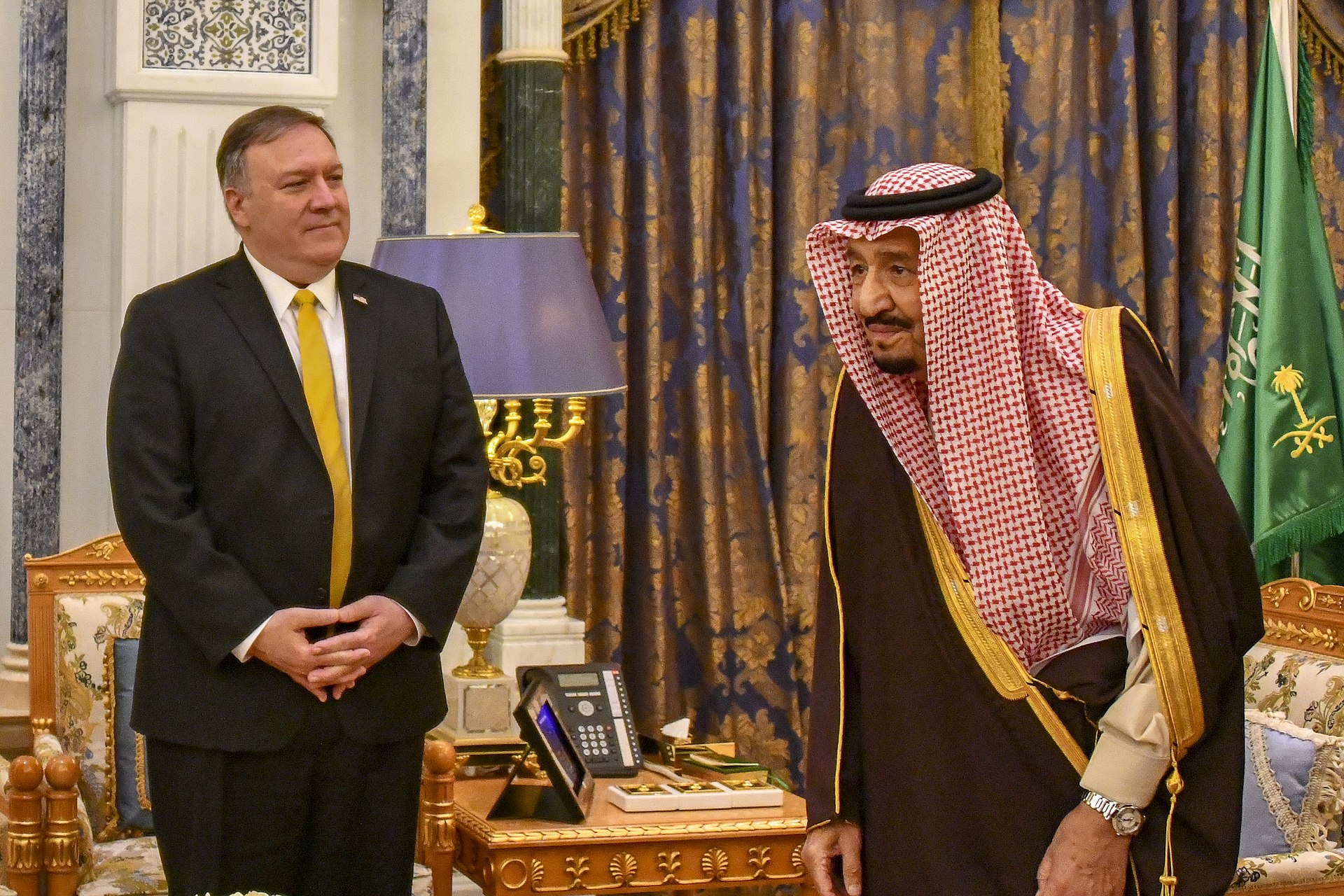
The Saudi Arabian National Guard is not a reserve force in the Western sense, and treating it as one — as much foreign reporting reflexively does — misses the institution’s actual function inside the Kingdom’s security apparatus. SANG is a parallel military, institutionally independent from the Ministry of Defense and the Royal Saudi Land Forces, with its own budget, its own procurement chain, and a mission set that covers three domains no other Saudi institution touches simultaneously: protection of the royal family, security of the Eastern Province oil infrastructure, and internal order including the two holy cities. During the current conflict, every dimension of Saudi Arabia’s wartime vulnerability converges in SANG’s area of responsibility — from the air defense gaps over 1.8 million Hajj pilgrims to the three-ring threat around Aramco’s Eastern Province facilities, where Iranian drones and missiles form the outer ring, cross-border infiltration the middle ring, and the insider threat at petroleum installations the innermost.
The Middle East briefing 3,000+ readers start their day with.
One email. Every weekday morning. Free.
The minister who sits atop this force, Prince Abdullah bin Bandar bin Abdulaziz, was appointed on December 27, 2018, and has no military training or operational experience — a King Saud University graduate, like Mohammed bin Salman himself, installed as a civilian overseer rather than an autonomous military commander. That appointment was itself a signal that MBS wanted loyalty and administrative control at SANG’s peak, not an independent general with tribal authority of his own. But a civilian minister without operational credentials becomes a different proposition during wartime, particularly when the Guard’s tribal-origin officer corps — many of whom trace their families’ SANG service back decades — needs a deputy they recognize as carrying institutional weight rather than a technocrat from the banking sector.
The Al-Muqrin family’s connection to SANG stretches across the institution’s entire history, from the founding generation to the present appointment. Prince Abdulaziz bin Mohammed Al-Muqrin’s forebear was described by Arab News as instrumental in building the force alongside King Abdullah, transforming what had been a tribal militia into a modern parallel military during the early 1960s. Prince Khalid bin Abdul Aziz bin Ayyaf Al-Muqrin served as SANG Minister from November 2017, and the May 15 decree installs the latest Al-Muqrin in the operational deputy slot — a return to the one family whose institutional memory of the National Guard predates the Crown Prince’s own birth by decades.
“Prince Abdulaziz bin Mohammed was one of the founders of the National Guard and helped King Abdullah in the early 1960s to transform the force.”— Arab News
The Crown Prince did not reach for a generic technocrat or a young princeling with an MBA from an American university when he filled the SANG deputy slot on Day 76 of the war — he reached back into the family whose name is woven through the Guard’s institutional DNA, at a moment when the Kingdom’s $142 billion American weapons portfolio faces its first sustained combat test. The dual-title structure adds a layer: the “Special Adviser to the Custodian” designation gives Al-Muqrin a reporting line that does not depend on the SANG minister, creating redundancy in the command chain at a time when redundancy in command is a wartime asset rather than a bureaucratic eccentricity.
Who Left — and Where Did They Go?
The outgoing National Guard deputy, Abdulmohsen bin Abdulaziz Al-Tuwaijri, came from a financial and banking background rather than a military one — a technocratic appointment characteristic of the pre-war period when SANG’s deputy slot could function as an administrative post. His reassignment to Royal Court Adviser at minister rank is a lateral transfer out of the command line: the title preserves dignity and compensation while removing operational authority entirely. Wikipedia listed him as SANG deputy as recently as April 11, 2026, which means his removal was not telegraphed through the kind of slow institutional preparation that typically precedes a planned succession.
The same lateral pattern applies to Al-Shehana bint Saleh Al-Azzaz, who held the Deputy Secretary General of the Cabinet position — a post that controls the administrative machinery through which royal decisions become institutional action, the scheduling and paperwork and interministerial coordination that determines how quickly a decree translates into an operational reality. Her removal to Royal Court Adviser at minister rank and simultaneous replacement by Khalid bin Mohammed Al-Abdulkarim, who also received minister rank, suggests the Crown Prince wants both the government’s security layer and its administrative engine rebuilt in the same decree batch.
The pattern across May 15 is consistent: lateral exits for officials who served the pre-war institutional design, incoming appointments for those whose profiles fit a wartime one. Al-Tuwaijri’s banking background was adequate when the SANG deputy post was administrative; it is inadequate when the IRGC has declared a 500-kilometer operational crescent from Jask to Siri Island and four of its operatives have just confessed to planning hostile acts on GCC soil.
The Fourteen-Day Chain From Bubiyan to the Royal Court
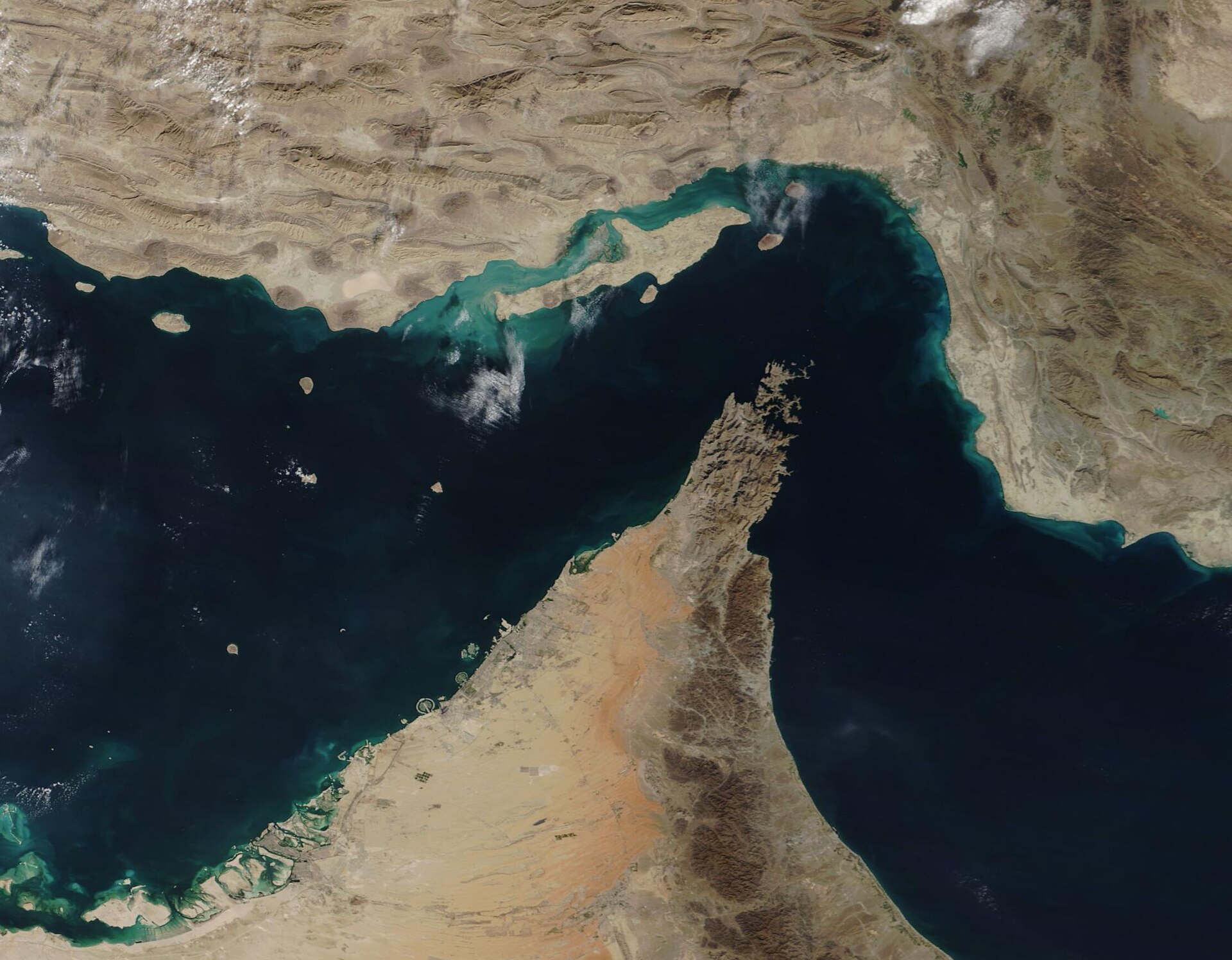
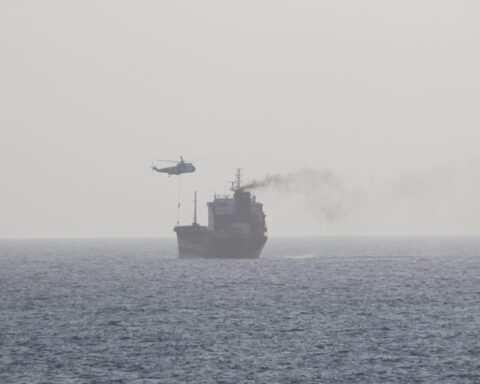
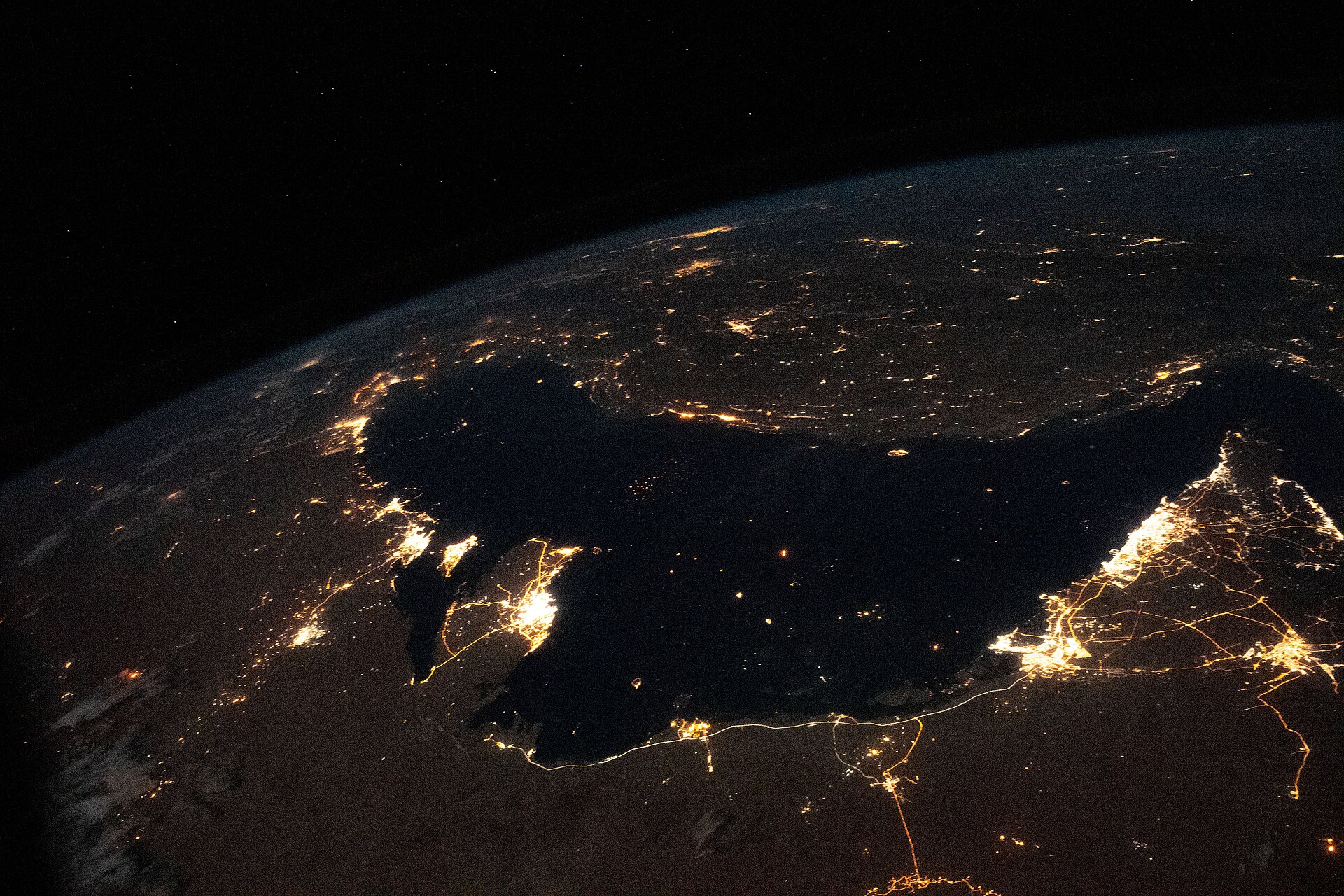
The sequence from provocation to decree covers fourteen days and at least six discrete escalatory steps, each feeding into the next. On May 1, four Iranian nationals were arrested by Kuwaiti authorities attempting to infiltrate Bubiyan Island — a land mass at the head of the Persian Gulf that controls access to Umm Qasr, Iraq’s primary deep-water port, and that carries both military and symbolic weight as Kuwait’s most strategically exposed territory. The four confessed to IRGC membership and to being tasked with hostile operations, an admission that elevated the incident from espionage to a confirmed Iranian military operation targeting a GCC member state’s sovereign territory. Kuwait summoned Iran’s ambassador in response but stopped there, leaving the broader GCC-level response unresolved for nearly two weeks.
On approximately May 7, Saudi Arabia and Kuwait quietly lifted restrictions on American military use of their territory and airspace — a reversal of the suspension imposed in late February that represented a meaningful escalation of Saudi military commitment, one the Kingdom undertook despite the co-belligerency legal risks Washington’s own lawyers had flagged. Three days later, on May 10, Iran formally rejected the US 14-point MOU, leaving the ceasefire on what multiple diplomatic sources described as “massive life support” — a framework with no enforcement mechanism, no agreed text, and no credible path to ratification by the IRGC commanders who control Iran’s operational tempo.
On May 12, Reuters reported — citing two Western and two Iranian officials — that Saudi Arabia had launched covert strikes against Iranian soil in late March 2026, confirming for the first time that the Kingdom had crossed from passive target to active combatant against Iran proper. And on May 13, Riyadh issued its formal condemnation of the Bubiyan infiltration, setting the stage for the GCC session that followed the next day.
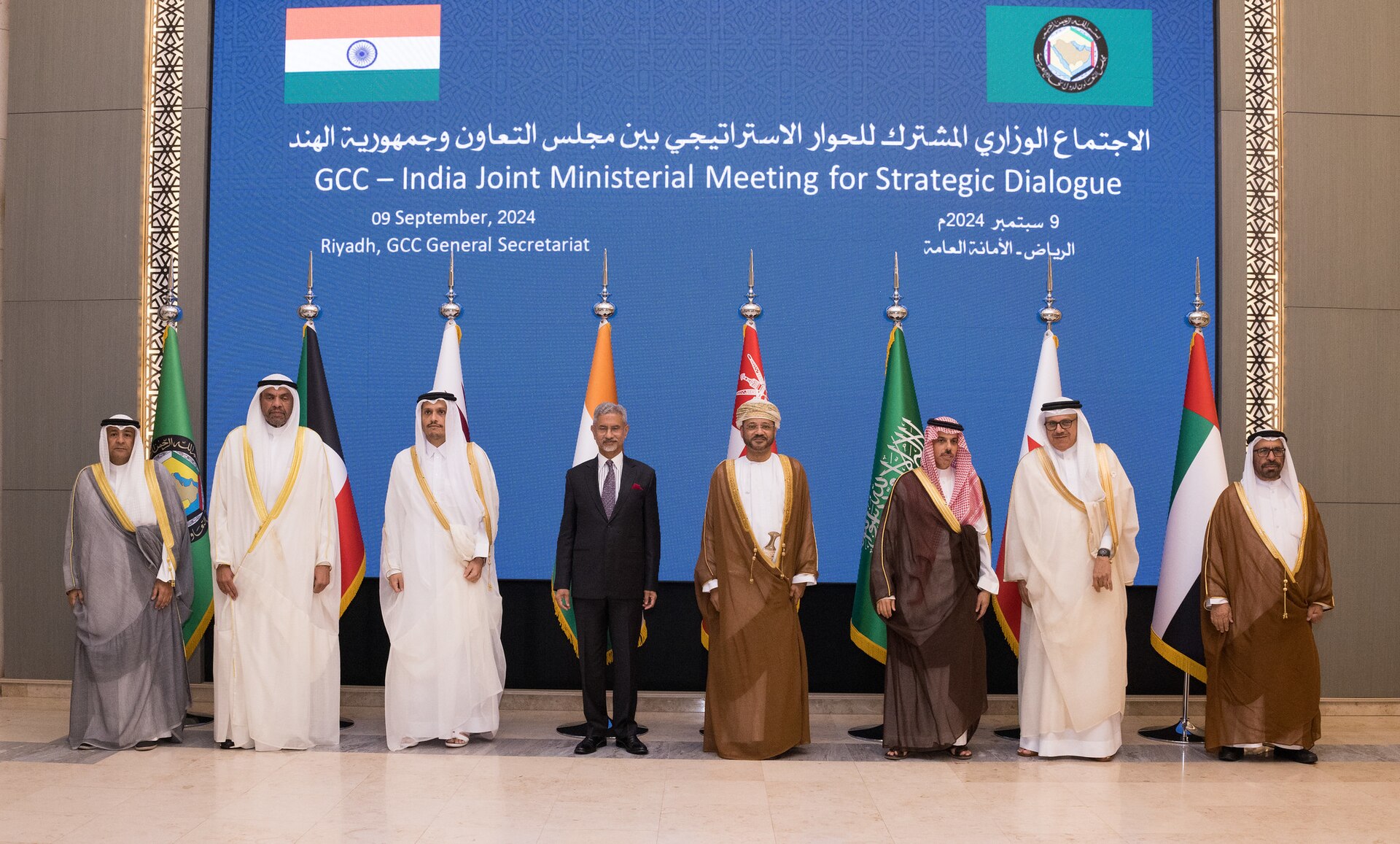
The emergency interior ministers’ meeting on May 14 — the first such GCC security convening of the entire conflict — addressed the Bubiyan infiltration and the cross-border threat it embodied. GCC Secretary-General Jasem Mohamed Albudaiwi told reporters that the ministers “stressed the need for closer cooperation among interior ministries and relevant security authorities,” language that is procedural on its surface but operationally specific in context, because interior ministries are precisely the institutions responsible for the infiltration and internal-security threats that the Bubiyan operation exemplified. Prince Abdulaziz bin Saud bin Naif headed the Saudi delegation and conveyed greetings from both King Salman and Crown Prince Mohammed bin Salman, protocol language confirming the session carried royal endorsement from the top.
The morning after that session, King Salman signed the seven decrees. The GCC communiqué’s call for “closer cooperation among interior ministries and relevant security authorities” provided the institutional vocabulary — the infiltration imperative, the internal-security rationale, the cross-border threat — for what followed twenty-four hours later in the Royal Court.
What Does the New Finance Deputy Signal About the Deficit?
Abdulmuhsen bin Saad Alkhalaf’s appointment to Deputy Minister of Finance is an elevation, not a lateral transfer — he was already serving as the Ministry of Finance’s Assistant Minister for Macro-Financial Policies and International Relations, the post responsible for managing Saudi Arabia’s position in global financial institutions during the most expensive conflict the Kingdom has funded since the 1991 Gulf War. His portfolio before the promotion included serving as Saudi Arabia’s Sherpa for the G20, Executive Director at the Asian Infrastructure Investment Bank, Alternate Governor at the International Fund for Agricultural Development, and Board Member of the General Authority for Foreign Trade — a profile that amounts to the Kingdom’s primary interface with the international financial architecture it now depends on for wartime borrowing.
That borrowing requirement is far from hypothetical. Saudi Arabia’s Q1 2026 fiscal deficit reached SAR 125.7 billion ($33.5 billion), a record quarterly figure driven by military spending that exceeded the prior year by 26 percent and overshot the budgeted quarterly rate by 32 percent — SAR 64.7 billion in defense expenditure against a planned SAR 49 billion per quarter. Goldman Sachs’ MENA team projects the full-year war-adjusted deficit at roughly $80–90 billion, against the official 3.3 percent forecast published before the first missile fell on February 28.
The Public Investment Fund’s record $7 billion three-tranche dollar bond offering in May — with a combined orderbook that peaked at $23.8 billion, reflecting investor appetite at roughly 3.4 times the issuance — confirms that the market access Alkhalaf has spent his career managing remains open for now. But an $80–90 billion war-adjusted deficit, running concurrently with emergency military procurement that keeps draining the Kingdom’s air defense inventory faster than foreign military sales channels can replenish it, means the Kingdom’s relationships with AIIB, with the G20 collective fiscal framework, and with the sovereign debt markets Alkhalaf navigates by name have become wartime assets in their own right. The Crown Prince promoted his G20 Sherpa to the domestic Finance deputy slot in the same month that PIF issued more dollar-denominated debt than in any previous single offering.
Commerce, Tourism, and the Non-Oil Collapse
Saudi Arabia’s non-oil Purchasing Managers’ Index collapsed to 48.8 in March 2026, crossing below the 50-point contraction threshold for the first time since August 2020 — a period when the global economy was frozen by COVID-19 lockdowns rather than regional war. The 7.3-point monthly decline was among the sharpest monthly declines in the PMI survey’s history since its inception in 2009 (S&P Global/IHS Markit), and it arrived not as a temporary shock but as a sustained indicator that the private sector MBS had spent eight years and hundreds of billions of dollars constructing was stalling under wartime conditions. Private sector growth had already decelerated to 0.2 percent, functionally zero, by the time the May 15 decrees were signed.
A full breakdown of what that 48.8 reading means for Vision 2030 Phase 3 shows that at least five Phase 3 targets — SME GDP contribution, FDI, female labour participation, Saudi unemployment, and non-oil GDP share — now face arithmetic gaps the current trajectory cannot close by 2030, with Jadwa and Riyad Capital pre-war forecasts of 4.3 percent non-oil growth now measuring the distance from where Phase 3 was expected to begin and where it actually is.
The Commerce and Tourism deputy appointments are the less analytically dramatic changes in the decree batch, but their simultaneous execution against that PMI backdrop carries its own weight. Abdulaziz bin Saud Al-Duhaim’s installation at Commerce and Anas bin Abdullah Al-Sulai’s at Tourism arrived in the context of a fiscal paradox where $99 Brent oil still cannot cover wartime expenditure, and the Tourism deputy post had already been reshuffled once in February 2026 per Skift’s reporting — making it the only position in the May 15 batch to have been changed twice since the war began.
The broader pattern has been visible since the NEOM Line suspension in September 2025 and the February 2026 reshuffle that removed Investment Minister Khalid al-Falih, a figure synonymous with the pre-war capital allocation strategy. The Commerce and Tourism deputies extend a sequence that now includes al-Falih’s replacement at Investment, a new Attorney General, new Communications Commission leadership, and new Interior Ministry assistant ministers — all since February, and all pointing in the same direction: an execution layer originally built for peacetime diversification being retrofitted, one deputy at a time, for a war economy the Kingdom’s planners never designed it to support.
The AI Confirmation Inside a Military Reshuffle
Sami bin Abdullah Muqeem’s appointment as Vice President of the Saudi Data and AI Authority is the decree in the batch most easily dismissed as administrative formality, because Muqeem was already serving in the role — he represented SDAIA at the 80th United Nations General Assembly in September 2025 and has been operationally active in the position for months. The May 15 decree appears to formally confirm or elevate what was previously a de facto arrangement, but its inclusion in a batch dominated by security and fiscal appointments is the signal that matters here. SDAIA does not report through the Ministry of Communications or the technology bureaucracy — it reports directly to the Crown Prince.
The defense relevance of that reporting line became explicit in February 2026, when Breaking Defense published an analysis noting that Saudi Arabia was actively exploring whether its military apparatus should be “AI-enhanced, or AI-native” — a distinction that positions SDAIA’s mandate as directly relevant to the wartime targeting, detection, and command architecture that the Kingdom’s depleted air defense inventory makes urgent. With PAC-3 stocks at approximately 14 percent of pre-war levels and a $9 billion order for 730 replacement interceptors from the Defense Security Cooperation Agency still working through the procurement pipeline, the gap between available munitions and the incoming threat creates an incentive to invest in AI-driven detection and classification systems that maximize each remaining interceptor’s effectiveness.
Formalizing Muqeem’s appointment in the same decree batch as the SANG and Finance deputies placed SDAIA’s leadership confirmation alongside the Kingdom’s most operationally consequential personnel changes of the war. The SDAIA Vice President now sits in a governance framework where his agency’s AI capabilities — sensor fusion, automated threat classification, real-time data integration across the five-layer air defense network protecting both petroleum infrastructure and the holy cities — are treated as equivalent in urgency to the National Guard’s command structure and the Finance Ministry’s wartime borrowing capacity.

What Did Tehran See in the Decrees?
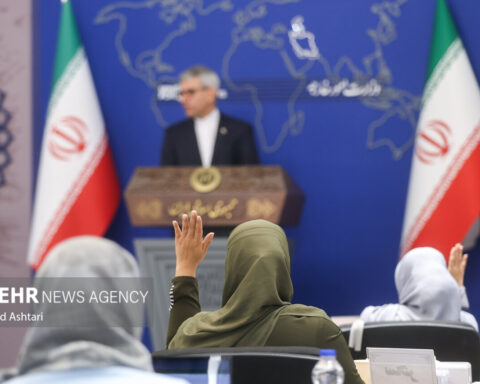
Tehran Times — an English-language Iranian daily that operates within the Islamic Republic’s media supervision framework and has historically served as a channel for how the Iranian analytical establishment wants its assessments read internationally — covered the May 15 decrees under the headline “King Salman issues royal decrees for strategic cabinet shifts.” The word that matters is “strategic,” because no Gulf outlet, no Western wire service, and no Arab-language newspaper used that descriptor in their reporting of the same events. Argaam listed the appointments without characterization, Gulf News called them a “reshuffle,” and Arab News filed them under “key government posts” — routine administrative language that treated the seven decrees as seven separate personnel decisions rather than a single coordinated act.
That headline choice carries analytical weight, because Iranian state-adjacent media does not apply “strategic” casually to Saudi internal governance — it is a framing signal aimed at both international readers and the IRGC-aligned analytical community inside Iran that monitors Saudi personnel changes for operational relevance. Iran’s public framing of the Bubiyan infiltrators as mere “citizens” — Foreign Minister Araghchi’s precise word — sat alongside an internal reality in which four confessed IRGC operatives had been caught attempting hostile acts on GCC territory, and Tehran’s willingness to describe the subsequent Saudi restructuring as “strategic” suggests an analytical establishment that understands the connection between May 1 and May 15 even while publicly denying it triggered anything at all.
“King Salman issues royal decrees for strategic cabinet shifts.”— Tehran Times headline, May 15, 2026
The ceasefire’s collapse is the backdrop that gives Tehran’s framing its operational resonance. Iran rejected the US 14-point MOU in early May, the IRGC continues advancing a 12-article Hormuz sovereignty law through parliament, and the diplomatic track has produced nothing durable enough to survive a single provocation — which is precisely what the Bubiyan infiltration was. MBS signed seven decrees on Day 76 of the war and one day after the GCC’s first emergency security convening, restructuring the Kingdom across the three pillars that matter if diplomacy fails: the Praetorian guard that protects the oil fields, the wartime treasury running a $33.5 billion quarterly deficit, and the non-oil economy whose PMI collapsed to 48.8 in March.
Tehran’s headline identified all of that within hours. The Gulf press, with its institutional caution, and the Western wire services, with their structural distance from Saudi governance, filed the decrees as administrative news and moved on to the next cycle. Iranian state media — closer to the conflict, more attentive to the operational consequences, and conscious that its own Bubiyan operation had just triggered an emergency GCC session — chose to call them what they were.
Frequently Asked Questions
What is the Saudi National Guard and how does it differ from the regular military?
The Saudi Arabian National Guard is a parallel military force of approximately 100,000 active-duty troops and 25,000 tribal militia personnel, institutionally independent from the Ministry of Defense and the Royal Saudi Land Forces. Unlike the regular military, SANG has historically recruited from tribes loyal to the Al Saud family rather than through national service, and it maintains its own budget, procurement chain, and training facilities entirely separate from the army’s. Its equipment inventory — which includes M1A2 Abrams tanks and LAV-25 armored vehicles allocated through a dedicated Foreign Military Sales channel — reflects the institutional firewall between the two forces, a separation designed when the Guard was created specifically to prevent any single military faction from accumulating enough power to threaten the ruling family.
When was the last major Saudi government reshuffle before May 15?
King Salman issued a broader reshuffle in February 2026 that replaced Investment Minister Khalid al-Falih, appointed a new Attorney General, installed a new Tourism vice minister — making the May 15 Tourism change the second in four months — and replaced heads of the Communications and Information Technology Commission and multiple Interior Ministry assistant posts. That February round was publicly framed as a Vision 2030 mid-course correction following the NEOM Line suspension in September 2025 and the scaling back of multiple megaprojects. Before the war, the last reshuffle of comparable scope occurred in 2020, when King Salman reorganized several economic portfolios to consolidate authority under the Crown Prince’s direct supervision ahead of the G20 Riyadh summit that Saudi Arabia hosted.
What does “Acting Deputy” mean in a Saudi royal decree?
The “Acting” prefix in Saudi governance typically indicates either a probationary period before full permanent appointment or a deliberate ambiguity that allows the Crown Prince to adjust or revoke the arrangement without issuing a second formal decree. In practice, the distinction between the two has operational consequences: a permanent appointment requires a new royal decree to undo, while an “Acting” designation can be allowed to lapse quietly — making it a lower-commitment instrument that gives MBS a structural option to reassess without public acknowledgment of a change in direction. At the ministerial level, “Acting” posts have historically been confirmed into permanent appointments, allowed to expire, or reshuffled again — the designation itself tells you less about the officeholder’s permanence than about the Crown Prince’s interest in retaining flexibility.
What is SDAIA and why does its leadership appear alongside military and fiscal changes?
The Saudi Data and Artificial Intelligence Authority was established by royal decree in 2019 and reports directly to the Crown Prince rather than through any line ministry, placing it outside the normal government hierarchy entirely. Its mandate covers national data governance, AI regulation, and the National Strategy for Data and AI — but because it sits outside both the Defense Ministry and the Communications Ministry chains, its budget line does not appear in the same public fiscal reporting that tracks conventional military expenditure. That structural opacity is itself a signal: SDAIA’s wartime capability investment is not subject to the same parliamentary or public scrutiny that Saudi defense appropriations nominally receive, which makes its inclusion in a security-focused decree batch more consequential than its civilian title suggests.