RIYADH — The United States and Israel are conducting their most intensive strike preparations since the April ceasefire and could resume attacks on Iran “as early as next week” — the May 18-22 window — according to a New York Times report citing two Middle East officials, published May 15. That timeline places renewed bombardment of Iranian territory nine days before the Day of Arafah, when over 860,000 Muslim pilgrims already inside Saudi Arabia will gather on an open plain twelve kilometres east of Makkah, protected by a Patriot missile shield running at fourteen percent capacity.
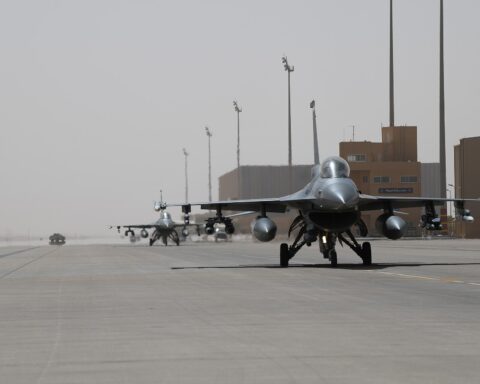
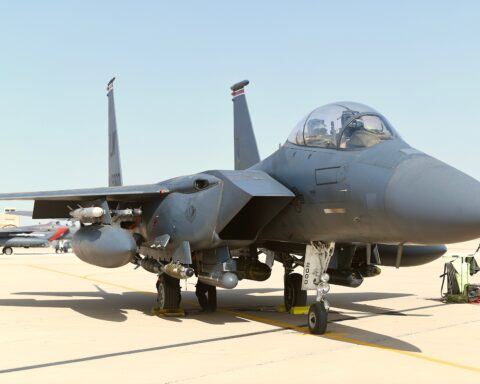
The strike window was not chosen by Riyadh. Saudi Arabia hosts the launch infrastructure Washington requires — Prince Sultan Air Base, Al Udeid coordination nodes, and the Al Kharj logistics hub — while simultaneously hosting the largest annual congregation of human beings in the Middle East, during a war its own military is publicly confirmed to have joined. MBS signed a $142 billion arms deal with Trump on May 13, the same day Reuters confirmed Saudi jets had been bombing Iran for weeks. He cannot veto what comes next without unravelling what he just purchased.
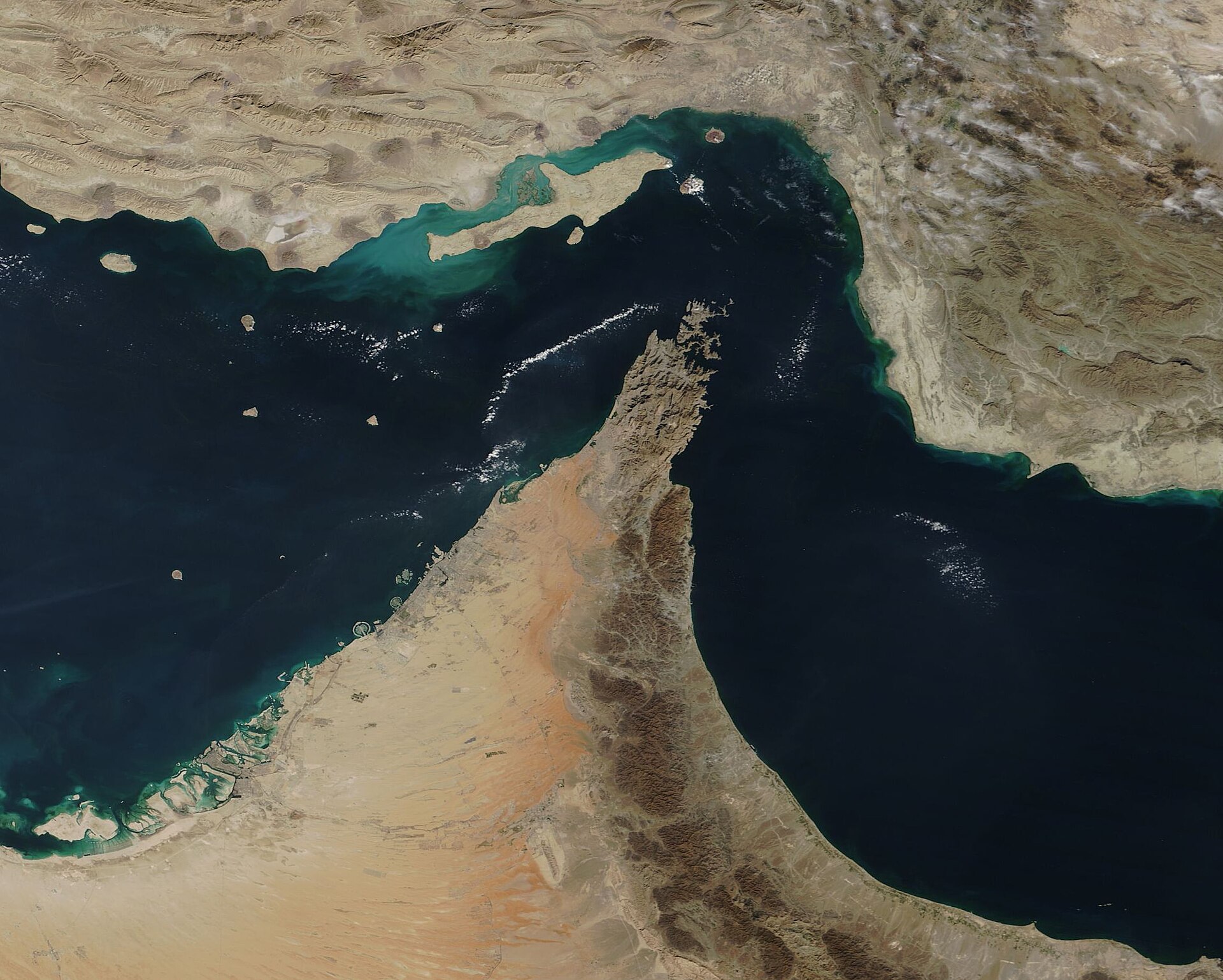
Table of Contents
The May 18-22 Strike Window
Trump told senior advisers on May 11 that the Iran ceasefire is on “massive life support” and directed military commanders to prepare updated options for resumed operations, including bombing and what Axios described as “possible ground action.” Four days later, the New York Times reported that US and Israeli forces are engaged in “the most intense preparations since last month’s ceasefire,” seeking readiness within days rather than weeks.
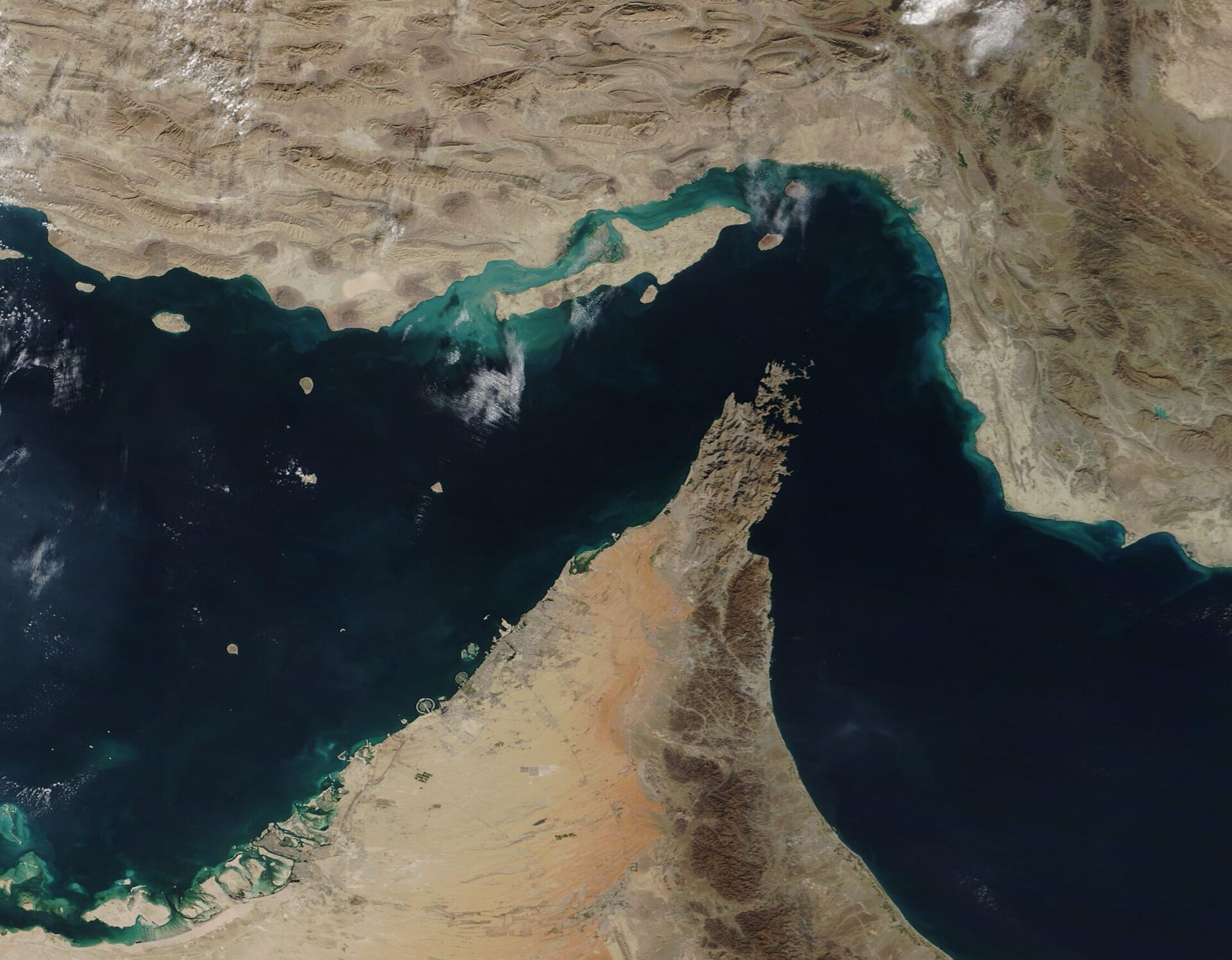
The options presented to Trump include resuming strikes on Iran’s remaining nuclear infrastructure, restarting the Project Freedom naval escort corridor through the Strait of Hormuz — paused since May 6 after a cruise missile struck the CMA CGM San Antonio, injuring eight crew — and engaging the roughly 25 percent of pre-identified targets left untouched during Operation Epic Fury’s initial February 28 campaign. A fourth option, described by officials as carrying “high risk of casualties,” would put commando forces on the ground inside Iran.
Israeli security officials told the Times of Israel that the leak to the New York Times of “core” strike plans is “likely to harm US-Israel ties” — a complaint that functions as confirmation of the operational timeline. Israel is “bracing for Iran fighting to resume soon,” the outlet reported, citing unnamed security officials on May 15.
What Has Iran Rebuilt During the Ceasefire?
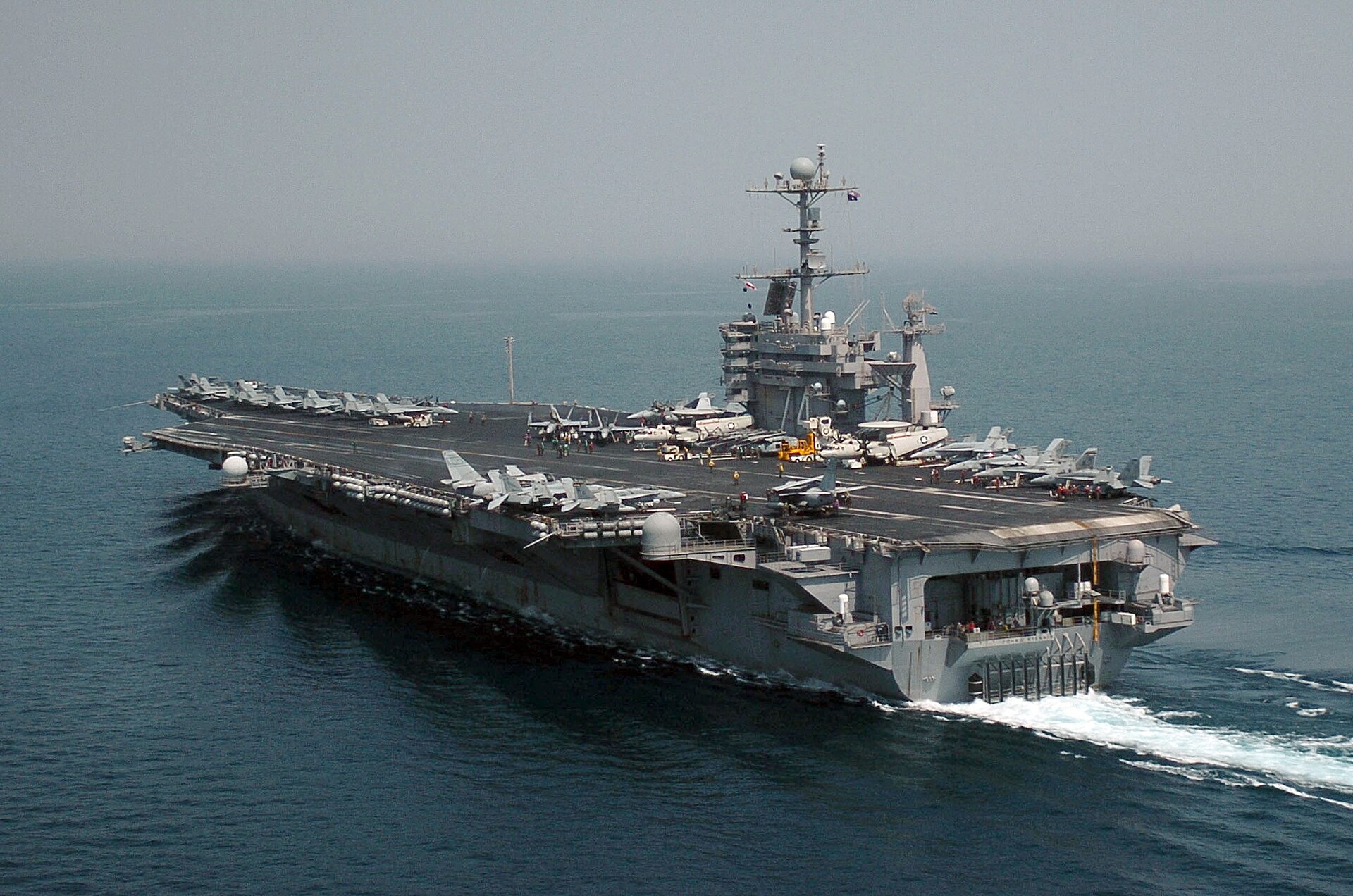
The target set Washington plans to hit is considerably more capable than it was when the ceasefire began. US intelligence assessments published between May 12-13 found that Iran has retained approximately 70 percent of its pre-war missile arsenal, restored operational access to 30 of its 33 Hormuz-area missile sites, and brought roughly 90 percent of its underground missile storage and launch facilities back online. The ceasefire, in other words, bought Iran seven weeks to reconstitute while the US debated whether to resume.
The Middle East briefing 3,000+ readers start their day with.
One email. Every weekday morning. Free.
The White House responded to these findings not with a revised military posture but with a denial. A spokesperson told the Philadelphia Inquirer on May 12 that anyone who “thinks Iran has reconstituted its military is either delusional or a mouthpiece” for the IRGC — a statement that directly contradicts the classified US intelligence assessment the same administration produced. CENTCOM’s own testimony to Congress claimed 85 percent destruction; the intelligence community now says Iran kept 70 percent. Both figures originate from the same government.
Satellite imagery obtained by The Defense Watch shows rooftop construction over damaged buildings at the Natanz enrichment facility — the kind of overhead obstruction designed specifically to block the satellite monitoring that became Iran’s only remaining oversight mechanism after IAEA inspectors were expelled on February 28. Iran’s 440 kilograms of uranium enriched to 60 percent — last verified by the IAEA in June 2025 — now sits inside a facility the international community cannot see into, inside a country whose underground infrastructure is 90 percent operational again.
“Anyone who thinks Iran has reconstituted its military is either delusional or a mouthpiece for the IRGC.”
— White House spokesperson, May 12, 2026, contradicting classified US intelligence assessments
The Commando Option Nobody Has a Precedent For
Among the options presented to Trump is what Stars and Stripes described as “the mother of all commando raids” — a ground operation to extract or dilute Iran’s enriched uranium stockpile. The New York Times reported that military officials warned the option would require “thousands of supporting forces to create a perimeter” and risk direct engagement with Iranian ground troops. Several hundred US special operations forces, including Army Rangers and Navy SEALs, have arrived in the region in recent weeks alongside thousands of Marines and Army paratroopers, according to Stars and Stripes and PBS NewsHour.
No successful precedent exists for seizing a hostile state’s nuclear material by force. The operation would require penetrating some of the most heavily defended underground facilities in the world — Fordow sits 80 to 90 metres beneath a mountain near Qom — extracting fissile material under fire, and holding a perimeter long enough to transport it out of a country whose decentralised military doctrine is specifically designed to keep fighting after losing senior commanders and centralised control. Iran’s Defence Council declared in April that Tehran no longer considers itself limited to responding after an attack — “objective signs of threat” now constitute sufficient grounds for pre-emptive action.
Whatever Trump decides, the Iran waiting for a commando raid in late May 2026 is not the Iran that absorbed Operation Epic Fury on February 28.
Saudi Arabia: Launch Pad and Target
Saudi Arabia’s position is structurally impossible. On May 13, Trump landed in Riyadh to formalise a $142 billion arms package — the same day Reuters confirmed that Saudi jets had been conducting covert strikes on Iranian territory for weeks while the foreign ministry publicly called for de-escalation. The Kingdom is now a confirmed co-belligerent whose air bases provide the launch infrastructure for any renewed US-Israeli campaign. It cannot credibly claim neutrality. It cannot refuse access without voiding the relationship that produced the $142 billion deal. And it cannot control what gets launched from its territory or when.
In early May, Saudi Arabia suspended US military access to Prince Sultan Air Base — the decision that grounded Project Freedom and forced its May 6 pause. Access was reportedly restored May 7-8. The suspension demonstrated that MBS possesses a veto in theory. Its restoration demonstrated that the veto’s shelf life is measured in days, not policy cycles. The War Powers clock-reset that Operation Sledgehammer triggered means Washington’s operational tempo now runs on congressional timelines, not Saudi comfort levels.
Iran’s IRGC has been explicit about what Saudi hosting means. A senior IRGC official told Al Jazeera on May 1 that “any new US attack on Iran, even if limited, would usher in long and painful strikes on its regional positions.” The IRGC Navy stated on May 10 that any attack on Iranian vessels would be met with “a heavy assault on one of the bases in the region used by US forces.” Prince Sultan Air Base — the facility from which US sorties originate — sits 90 kilometres south of Riyadh. It is a named target in a war Riyadh has already joined.
The threat is not abstract: US intelligence has confirmed that 30 of 33 Hormuz missile sites have been restored to operational status during the ceasefire — a 91% reconstitution rate reached at a pace the IRGC called faster than pre-war build rates — meaning every oil facility, military base, and pilgrim cordon in Eastern Province and the Hejaz sits within range of a restored launch network.
Can You Defend 860,000 Pilgrims With 400 Missiles?
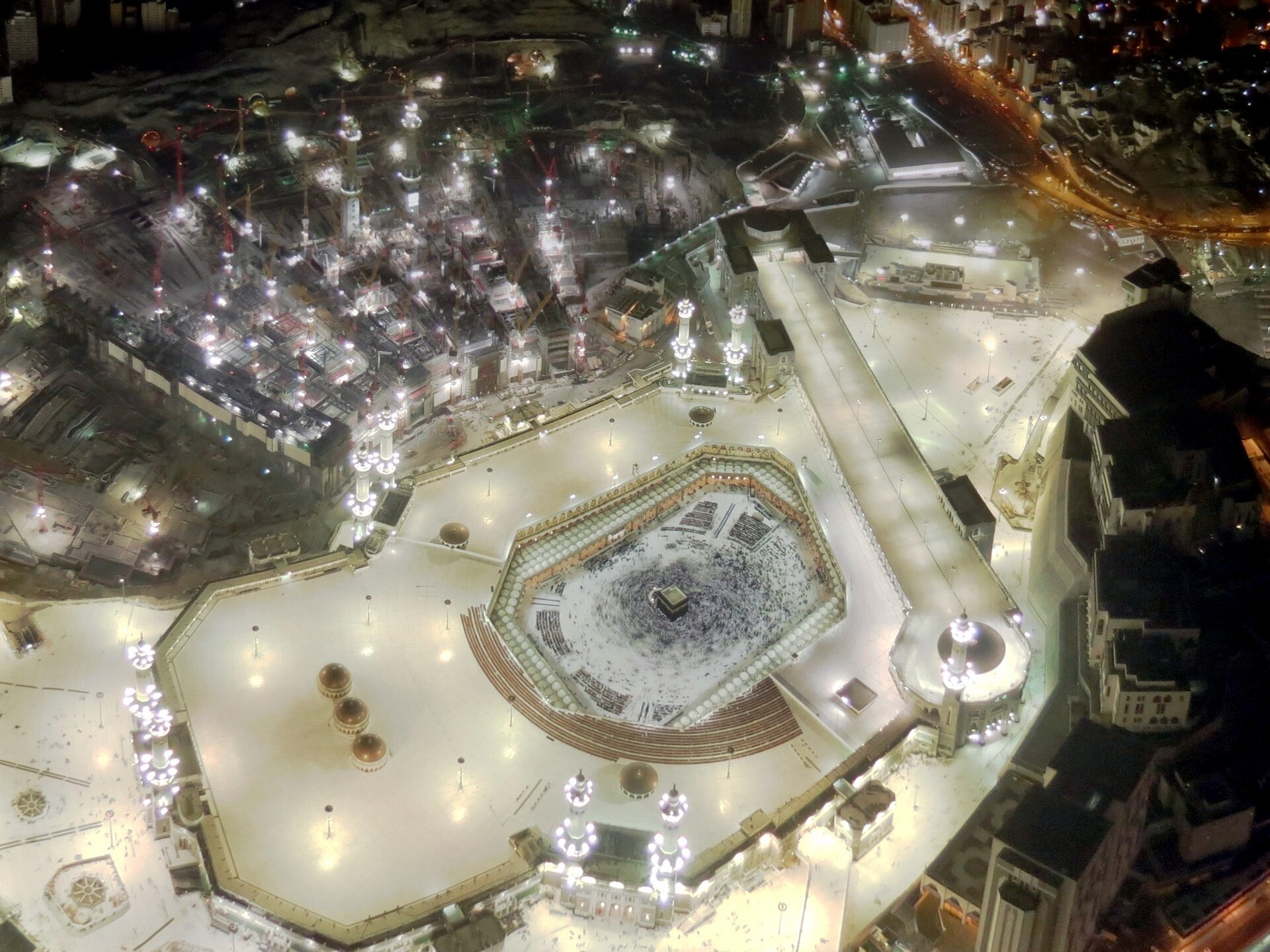
The Day of Arafah falls on May 26 — nine days from today. On that date, those 860,000 pilgrims will stand on the Plain of Arafah for the ritual that defines the Hajj. Pakistan is preparing emergency airlift contingency plans in case resumed US-Iran fighting makes ground evacuation impossible, according to NewsX. The US Embassy in Riyadh issued a Level 3 “Reconsider Travel” advisory against attending Hajj on April 7 — the first such warning in State Department history specifically targeting the pilgrimage.
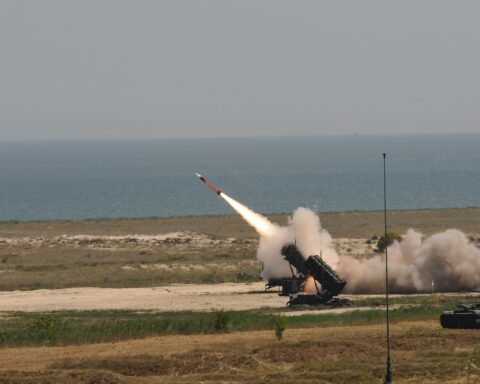
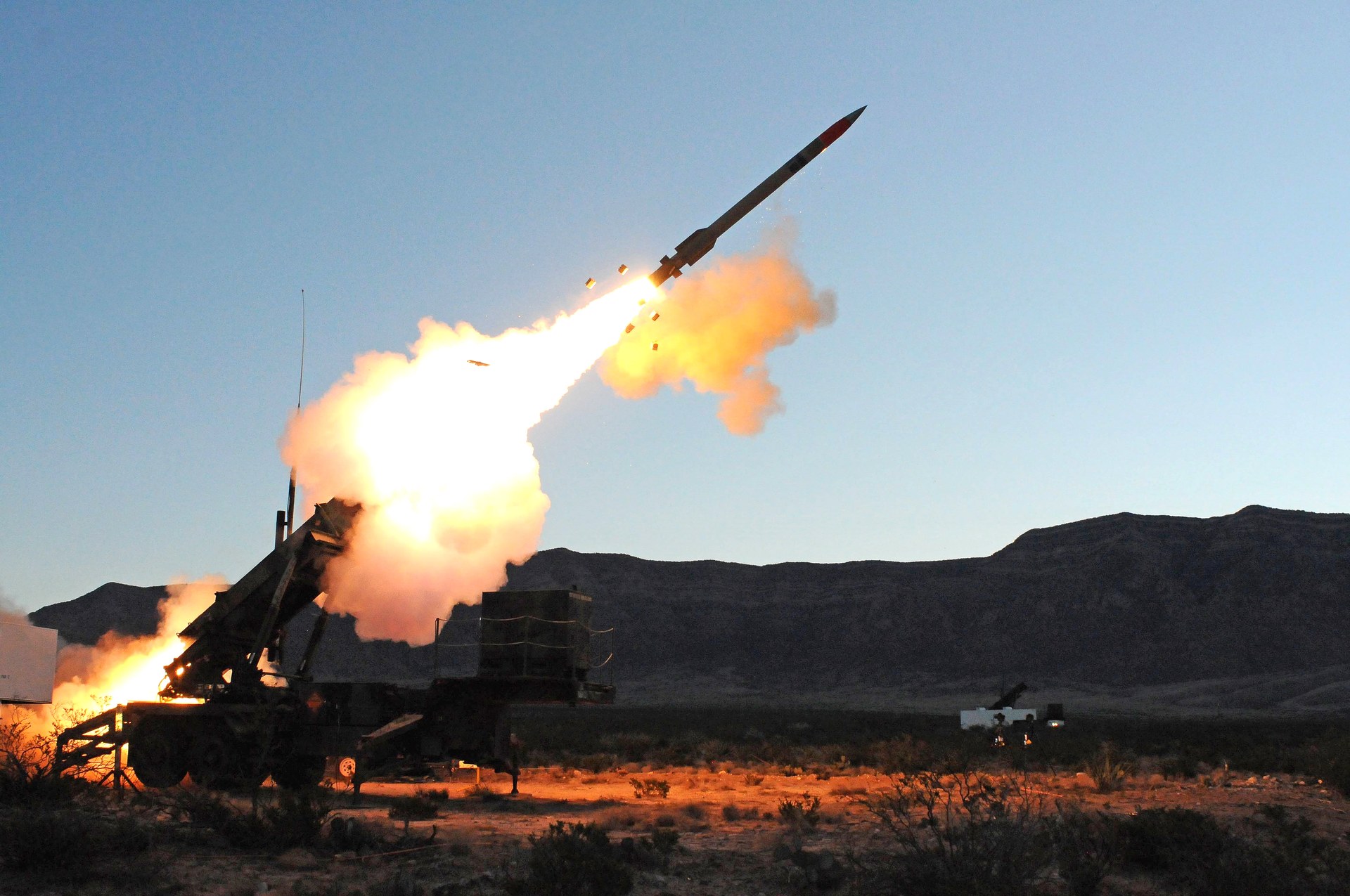
Saudi Arabia’s PAC-3 MSE stockpile — the missile that stops Iranian ballistic warheads from reaching populated areas — stands at approximately 400 rounds, or 14 percent of its pre-war inventory of 2,800. The $9 billion replenishment contract approved on January 30 will not deliver interceptors before mid-2027. The Camden, Arkansas production line that manufactures PAC-3 rounds produces roughly 620 per year across all global customers. Saudi Arabia is not the only country buying them. It is, however, the only country hosting nearly a million pilgrims under an active Iranian retaliation threat with a missile defence shield that has already spent 86 percent of its ammunition. The NSC meets May 19 to decide whether to burn through more of those rounds — the seven-day window between that session and the Day of Arafah is the trap Aramco’s CEO already priced at 2027.
Iran has zero pilgrims at risk — its citizens have been barred from Hajj since the war began. The 1987 precedent, when 402 pilgrims died during clashes in Makkah, produced an 87 percent Iranian quota cut and a three-year boycott. That deterrence architecture — the threat of losing Hajj access — is inoperative against an Iran that already has no pilgrims to protect. The asymmetry is total: the country being struck has no population exposed at Hajj, while the country hosting the strikes has 860,000 foreign nationals on open ground under depleted air defence. Saudi Arabia’s moon-sighting committee confirmed the Dhul Hijjah crescent on the evening of May 17, converting that timeline from projected to fixed — the same night the New York Times published that US and Israeli forces were seeking strike readiness within days.
The Hormuz Snap-Back
If strikes resume, Iran’s 30 reconstituted Hormuz missile sites become operational threats rather than diplomatic leverage. The IRGC demonstrated that willingness on May 6, when a cruise missile struck the CMA CGM San Antonio inside the US-escorted Project Freedom corridor — the incident that forced the naval escort programme into indefinite pause. Trump called the strike a “tremendous military success” and announced the pause “at the request of mediator Pakistan,” framing retreat as magnanimity.
Iran’s parliament is advancing a 12-article Hormuz sovereignty law — ratified by the National Security and Foreign Policy Committee on April 21, approaching full passage as of May 12. The legislation would codify IRGC coordination requirements for all Hormuz transit, impose tolls in Iranian rial, ban hostile-linked ships entirely, and authorise 20 percent cargo confiscation for non-compliance. This is not a wartime measure. It is permanent domestic legislation designed to survive any ceasefire, converting the double blockade from an emergency posture into settled law.
Renewed strikes would give the IRGC the operational justification to enforce the law before it passes — the same dynamic that saw the IRGC seize the MSC Francesca and the Epaminodas on April 22, hours after Iran’s foreign minister declared the strait “completely open.” Saudi Arabia’s Yanbu bypass pipeline, running at a ceiling of 5.9 million barrels per day versus the 7-7.5 million bpd that flowed through Hormuz before the war, leaves a structural gap of 1.1 to 1.6 million bpd that no amount of pipeline capacity can close.
Diplomacy’s Last Signal
The Trump-Xi Beijing summit on May 14-15 produced what Axios described as a “vague commitment” on Iran — no timeline, no mechanism, no enforcement structure. Iranian Foreign Minister Araghchi said on May 16 that mediation is on a “very difficult course.” Trump called Iran’s counterproposal “garbage” on May 10-11. The diplomatic track that began in Islamabad in April, ran through Pakistan’s enforcement architecture, and briefly produced direct Vance-Ghalibaf talks has yielded no binding agreement, no extension mechanism, and no path from ceasefire to settlement.
What it has yielded is time. Seven weeks of ceasefire during which Iran rebuilt 90 percent of its underground infrastructure, retained 70 percent of its missile arsenal, advanced domestic legislation to permanently codify Hormuz control, and blocked all international monitoring of its nuclear programme. The CSIS assessed that Iran’s nuclear programme is “rebuilding, burrowing deeper, and racing to restore capability before a diplomatic window or a next strike closes.” The Washington Institute published “US Military Options in Iran: Means in Search of an End” — a title that captures the gap between operational readiness and strategic objective.
The May 18-22 window opens in twenty-four hours. MBS did not choose this timeline. He cannot veto it without destroying the relationship that produced $142 billion in arms sales and confirmed co-belligerent status. He cannot endorse it without accepting that the pilgrims now gathered for the holiest day in the Islamic calendar will do so under an air defence shield that has spent 86 percent of its interceptors — facing a target that kept 70 percent of the missiles those interceptors were designed to stop.
Background
Operation Epic Fury launched on February 28, 2026, with approximately 900 US-Israeli strikes in 12 hours targeting Iranian missile infrastructure, nuclear facilities including Fordow, Natanz, and Isfahan, and senior IRGC leadership. The US struck Kharg Island — Iran’s primary crude export hub handling over 90 percent of oil shipments — on March 13, targeting military sites while avoiding energy infrastructure. Natanz was struck again on March 21.
The ceasefire that followed was mediated primarily through Pakistan, with direct US-Iran contact occurring for the first time since 1979 when Vice President Vance met Iranian Parliament Speaker Ghalibaf — a former IRGC Aerospace Force commander — face-to-face in Islamabad in April. The talks collapsed after Iran’s Supreme National Security Council representative reportedly deviated from the delegation’s negotiating mandate, triggering a US walkout.
Saudi Arabia’s co-belligerent status was publicly confirmed on May 13 when Reuters reported weeks of covert Saudi strikes on Iranian territory — an operation conducted while the Saudi foreign ministry issued public statements calling for de-escalation and diplomatic resolution.
Frequently Asked Questions
What specific nuclear facilities would renewed strikes target?
The primary targets include Natanz — where satellite imagery now shows rooftop construction blocking overhead observation — and Fordow, an enrichment facility buried 80-90 metres beneath a mountain near Qom. During Operation Epic Fury’s initial phase, the US deployed GBU-57 Massive Ordnance Penetrators against both facilities — 12 bombs on Fordow and 2 on Natanz. ISIS-Online post-attack assessments found significant structural damage at Natanz but noted reconstruction activity consistent with a programme rebuilding beneath the rubble. The challenge for planners is that striking the same targets twice requires confirming what exists underneath new construction — and the only monitoring mechanism (satellites) is now being actively countered.
What is Iran’s stated doctrine for responding to renewed strikes?
Iran operates a “decentralised mosaic defence” doctrine designed to continue fighting after the loss of senior commanders or centralised facilities. The Defence Council declared that Tehran no longer considers itself limited to retaliatory responses — “objective signs of threat” constitute grounds for pre-emptive action. The IRGC Navy specifically threatened “a heavy assault on one of the bases in the region used by US forces” if commercial vessels are attacked. This doctrine was tested during Epic Fury: despite losing multiple senior commanders including IRGC Navy chief Tangsiri on March 30, Iranian forces continued independent operations including the May 6 strike on the CMA CGM San Antonio inside a US-escorted corridor.
Has Pakistan outlined specific evacuation routes for Hajj pilgrims?
Pakistan is preparing emergency airlift contingency plans but has not published specific routing, according to NewsX reporting in May 2026. The challenge is structural: Jeddah’s King Abdulaziz International Airport is the primary international access point for Hajj pilgrims, and ground evacuation routes from Makkah pass through terrain that would be contested in any scenario involving Iranian strikes on Saudi military infrastructure. Pakistan has 119,000 of its own pilgrims scheduled in the Kingdom. Indonesia has 221,000, with first departures originally scheduled for April 22.
Could Saudi Arabia refuse to allow strikes from its territory?
The early-May suspension of US access to Prince Sultan Air Base demonstrates the veto exists mechanically. But the $142 billion arms deal signed May 13, the public confirmation of co-belligerency the same day, and the restoration of base access within 48 hours of the suspension all indicate the veto’s political cost exceeds what Riyadh will pay. The War Powers clock-reset triggered by Operation Sledgehammer means Congressional authorisation timelines now govern US operational tempo — a dynamic that leaves Saudi input as consultative rather than determinative. The full reconstruction of how Saudi Arabia grounded Project Freedom — the two Trump phone calls, the Kuwait parallel denial, and what Washington accepted — is in a companion analysis.
What happened to the 2,400 PAC-3 rounds Saudi Arabia has already used?
Saudi Arabia entered the war with approximately 2,800 PAC-3 MSE interceptors — the terminal-phase defence against Iranian ballistic missiles. After 78 days of conflict including multiple Iranian missile barrages targeting Eastern Province oil infrastructure, Riyadh, and military bases, approximately 2,400 rounds have been expended. The $9 billion replenishment contract signed January 30, 2026 ordered new production from Lockheed Martin’s Camden, Arkansas facility, which produces roughly 620 rounds per year across all global customers including the US military itself. At current production rates and assuming Saudi Arabia receives priority allocation, meaningful restocking remains 12-18 months away. The interceptor deficit now has a new dimension: Iran’s drone strike on Barakah Nuclear Power Plant on Day 79 demonstrates that civilian nuclear infrastructure is now inside Iran’s targeting envelope — a threshold that any Saudi launchpad calculus must now account for. The structural basing veto that makes the NSC’s Tuesday vote conditional rather than determinative — and what the Situation Room can and cannot authorize without Saudi airspace — is examined in Saudi Arabia’s basing veto and the May 19 war cabinet.