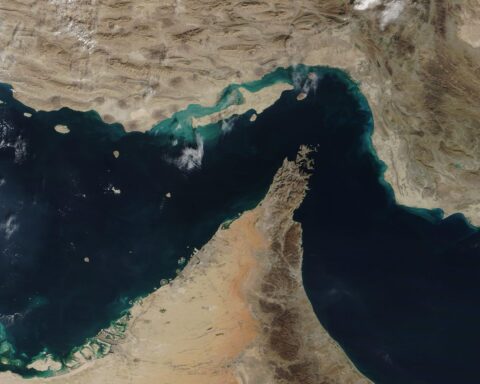
CHANGED
{“content”: “
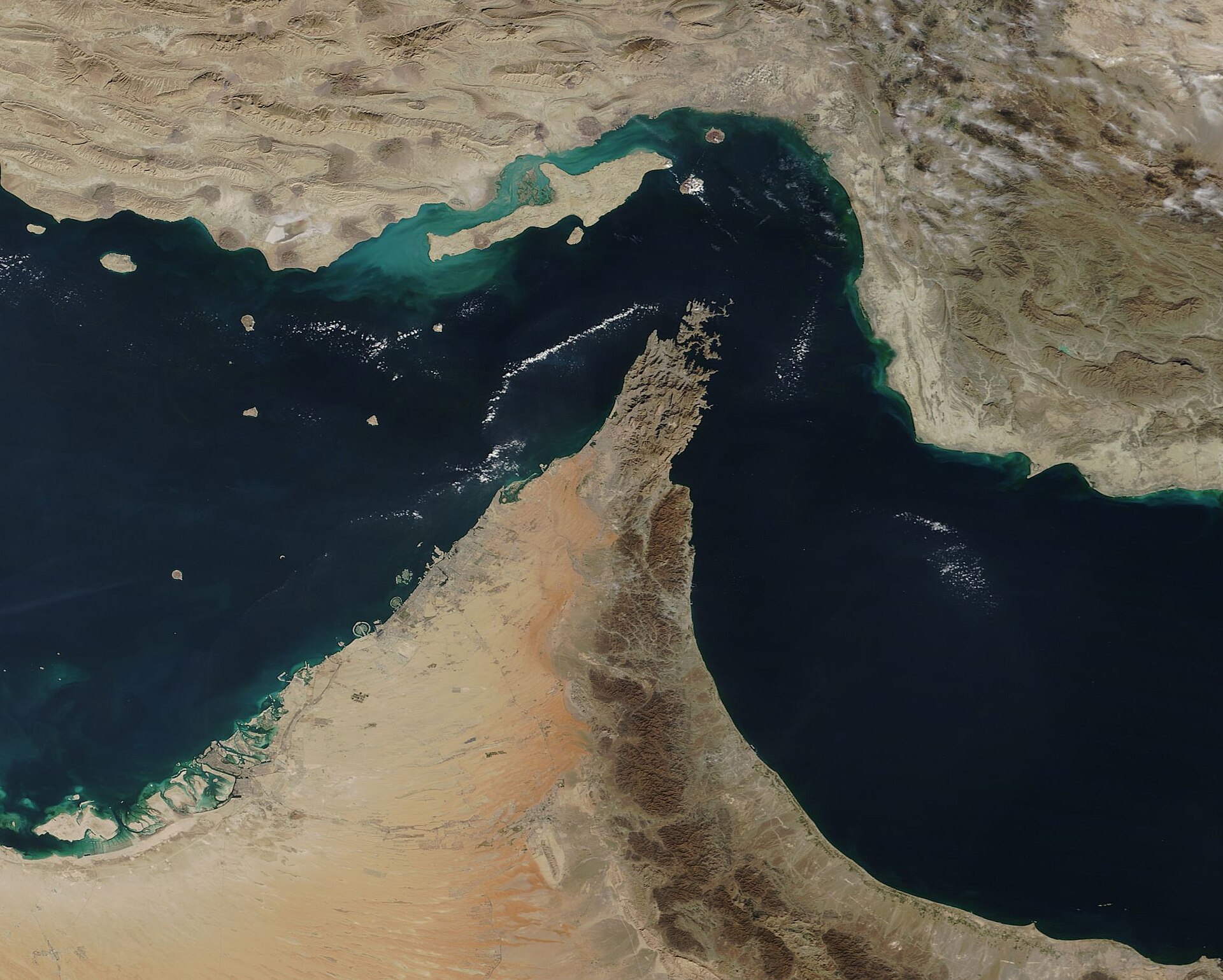
DUBAI u2014 Gen. Dan Caine, the Chairman of the Joint Chiefs of Staff, told NBC News this week that more than 1,550 vessels carrying approximately 22,500 mariners are trapped inside the Persian Gulf. That statement u2014 from the highest-ranking military officer in the United States u2014 transforms a shipping-industry statistic into a publicly certified humanitarian emergency that activates legal obligations neither Washington nor Tehran authored and neither can suspend while MoU negotiations continue.
n
The count itself is not new. IMO Secretary-General Arsenio Dominguez placed the figure at approximately 1,600 vessels and 20,000 seafarers in late April, and Lloyd’s List Intelligence has tracked more than 600 vessels above 10,000 dwt u2014 325 of them tankers u2014 in the Middle East Gulf since the double blockade sealed both ends of the strait. What changed is the source: a four-star general attaching his name to trapped civilians on broadcast television creates a public record, and under the Maritime Labour Convention of 2006, the Safety of Life at Sea Convention, and the joint IMO-ILO protocols activated this spring, public records generate obligations that move on their own clock.
n
The Middle East briefing 3,000+ readers start their day with.
One email. Every weekday morning. Free.
Table of Contents
n
- n
- What Did Gen. Caine Actually Certify?
- How Many Vessels Are Trapped and Where Are They?
- Has the MLC Abandonment Threshold Been Crossed?
- The P&I Insurance Paradox
- What Does Iran’s PGSA Form Mean for Trapped Crews?
- Why Doesn’t Project Freedom Discharge Flag-State Obligations?
- The First Joint IMO-ILO Activation in Hormuz History
- The Parallel Clock
- Frequently Asked Questions
- n
n
n
n
n
n
n
n
n
n
n
n
n
n
What Did Gen. Caine Actually Certify?
n
Caine’s statements to NBC News and PBS NewsHour on May 6-7 attached specific figures u2014 more than 1,550 vessels, approximately 22,500 crew u2014 to the authority of the most senior military officer in the United States. The distinction between his certification and prior reporting from the IMO or Lloyd’s List is not numerical; it is institutional. The IMO is a technical body with normative authority but no coercive capacity, and Lloyd’s List is an industry publication whose data shapes underwriting decisions but carries no sovereign weight. When the Chairman of the Joint Chiefs quantifies trapped civilians on national television, he is performing a political act with legal consequences u2014 certifying a condition that activates obligations under conventions the United States has ratified or observes as customary international law.
n
The most immediate of those conventions is the Maritime Labour Convention of 2006, ratified by flag states representing more than 97 per cent of world gross shipping tonnage. The MLC defines abandonment to include situations where a shipowner fails to maintain crews, fails to pay wages for two or more months, or leaves seafarers without necessities of life including adequate food, accommodation, and drinking water. Standard A2.5.1, as amended in 2014 and in force since January 2017, requires every vessel subject to the convention to carry two financial security certificates guaranteeing repatriation, essential needs, and up to four months of outstanding wages in abandonment scenarios. These are flag-state obligations u2014 they run to the country whose flag the vessel flies, not to the coastal state or the belligerent blocking the passage.
n
That jurisdictional distinction is what makes Caine’s certification consequential beyond its headline value. Iran has not ratified UNCLOS, which is the framework through which maritime transit rights are ordinarily asserted and contested, and Tehran has used that non-ratification to reject international legal claims over Hormuz transit. But the MLC’s obligations bypass the UNCLOS question entirely: they require flag states u2014 Panama, Liberia, the Marshall Islands, the Bahamas u2014 to act on behalf of crews aboard vessels flying their flags, regardless of Iran’s legal position on transit rights. Once a figure of Caine’s stature has publicly documented the scale of the crisis, the political cost of flag-state inaction rises on a timeline that has no formal connection to the nuclear MoU under discussion.
n
How Many Vessels Are Trapped and Where Are They?
n
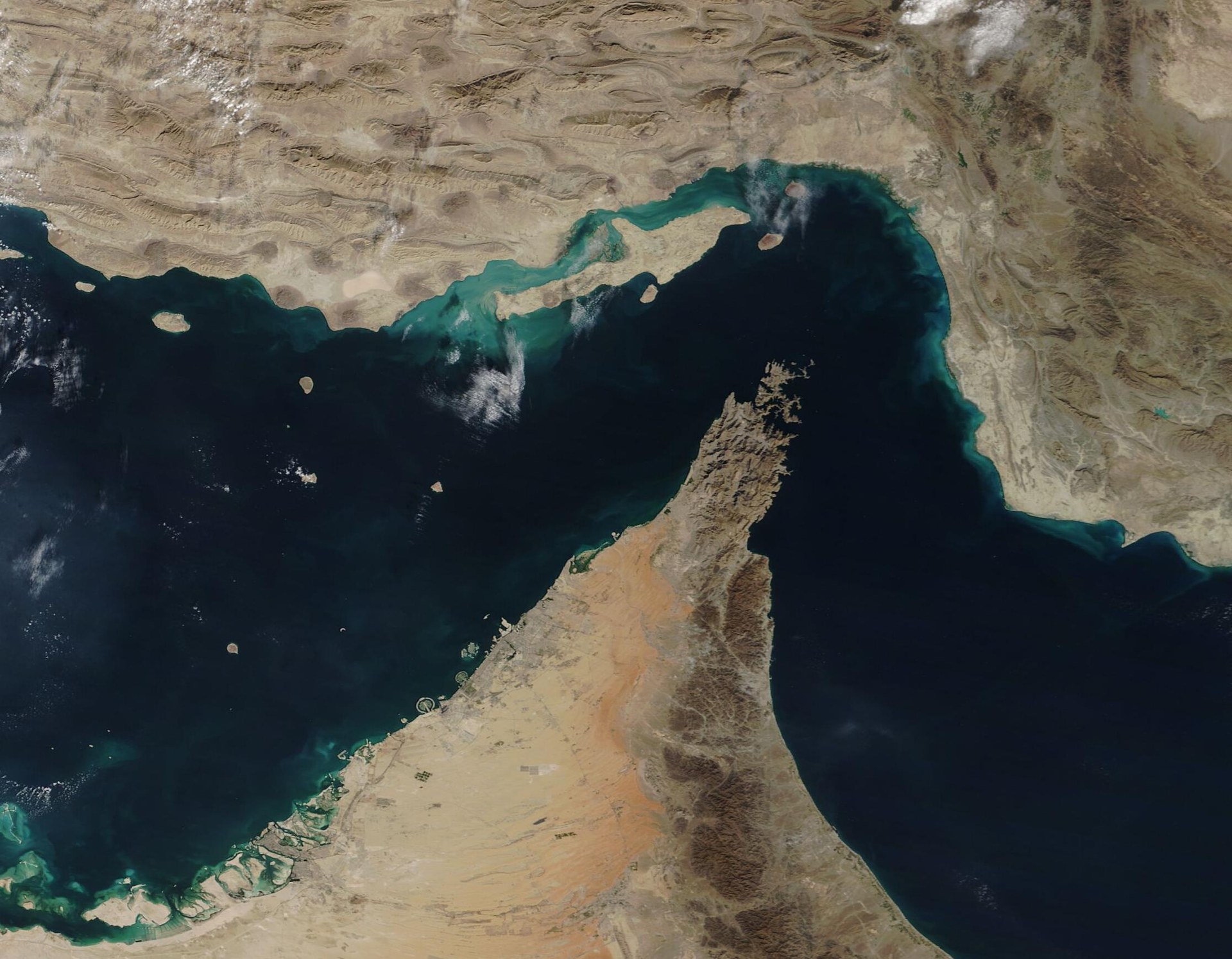
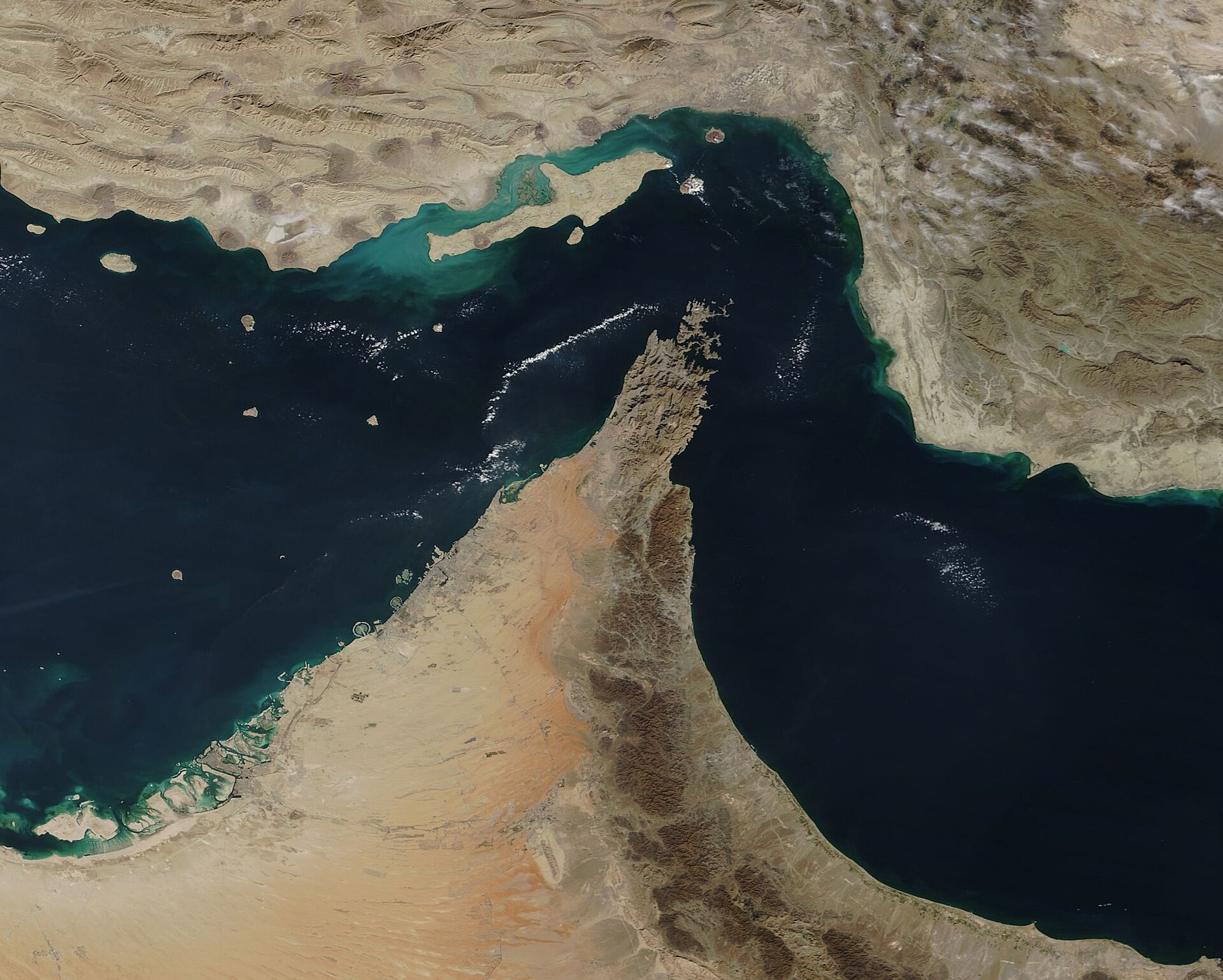
The answer depends on where the counting threshold is set, and the gap between available figures reveals the scale of the information problem. Caine cited more than 1,550 vessels; Dominguez put the number at approximately 1,600; Lloyd’s List Intelligence, applying a 10,000-dwt floor, counted more than 600 large vessels of which 325 are tankers; and gCaptain, using a broader methodology that captures vessels under 10,000 dwt, placed the total at 3,200 ships. The difference between 600 and 3,200 is not a contradiction u2014 it is a measurement of how many smaller vessels, coastal traders, and harbour craft are caught in a crisis that the industry press tracks at one scale and the human cost operates at another.
n
| Source | Vessel Count | Crew Estimate | Methodology |
|---|---|---|---|
| Gen. Dan Caine (CJCS) | 1,550+ | ~22,500 | US military intelligence |
| IMO (Sec-Gen Dominguez) | ~1,600 | ~20,000 | IMO member-state reporting |
| Lloyd’s List Intelligence | 600+ (>10K dwt) | Not stated | AIS tracking, 10K dwt threshold |
| gCaptain | ~3,200 | Not stated | Includes sub-10K dwt vessels |
n
n
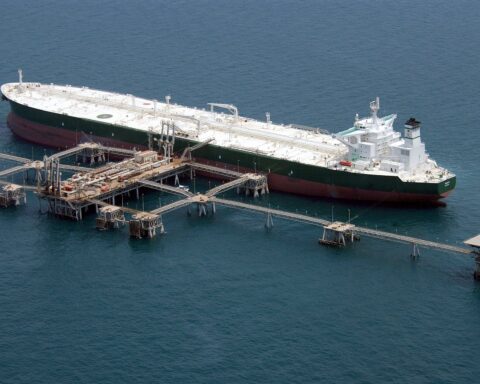
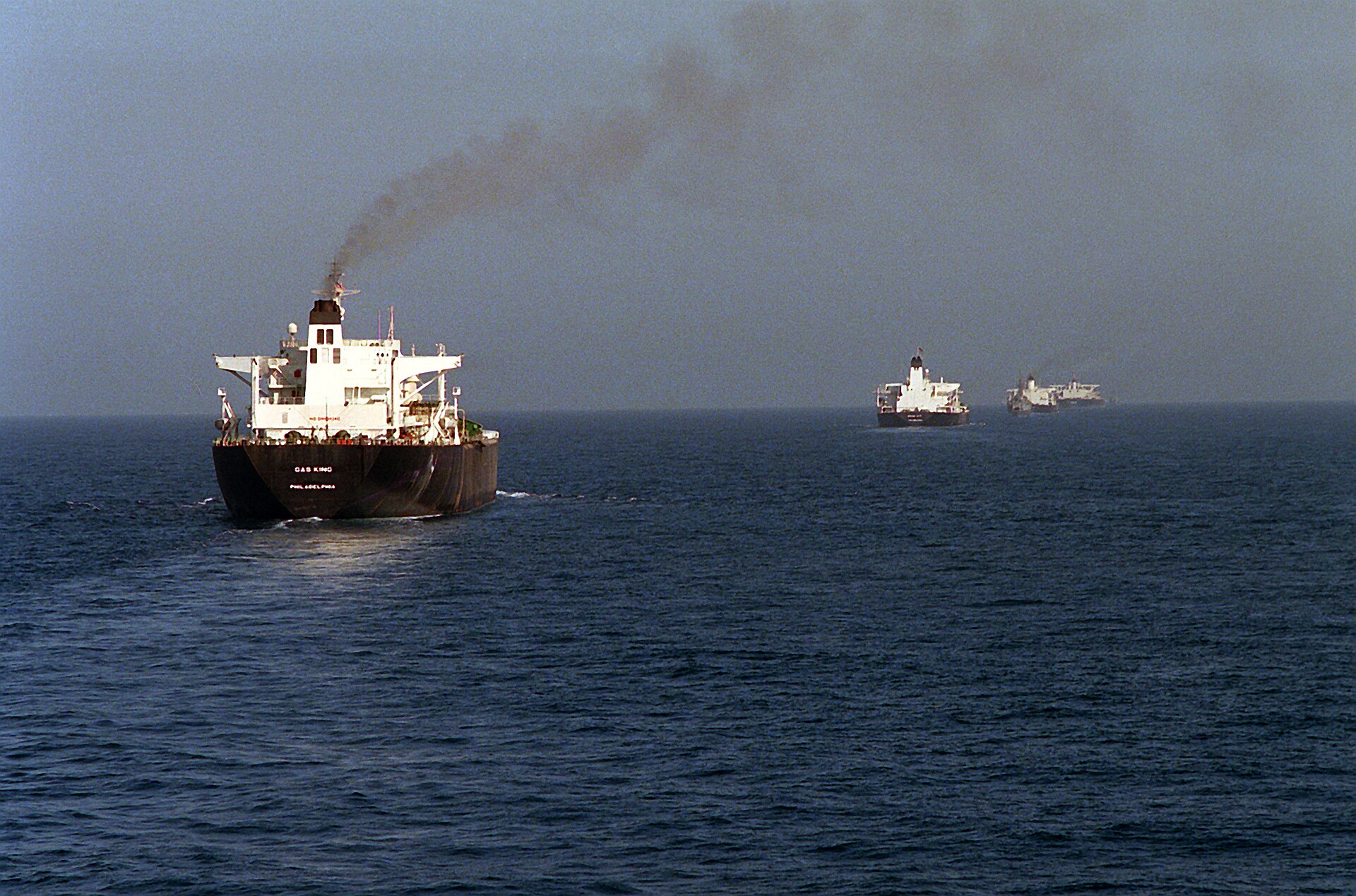
Only 40 ships crossed the Strait of Hormuz in the week ending May 3, against a pre-war average of approximately 120 crossings per day u2014 a throughput collapse exceeding 95 per cent, according to Lloyd’s List. Twenty-six South Korean-flagged vessels were among those confirmed stranded as of May 6, a detail reported in the context of Project Freedom’s operational planning. The concentration of tonnage is not evenly distributed: the 325 tankers among Lloyd’s larger-vessel count are physically present inside the Gulf but commercially inert, earning nothing, burning fuel, and consuming stores while their crews wait for a transit corridor that does not yet exist.
n
n
Has the MLC Abandonment Threshold Been Crossed?
n
The conditions reported by CNN on May 5 exceed the MLC’s thresholds by a wide margin. Mohamed Arrachedi, the International Transport Workers’ Federation’s flag-of-convenience network coordinator for the Arab world and Iran, characterized the situation not as delayed repatriation but as outright abandonment, with some seafarers unpaid for eight to eleven months u2014 two to nearly three times the MLC’s four-month financial security ceiling. Indian crew members aboard one vessel reported having generator fuel for only twenty more days, meaning the electricity required to run refrigeration, ventilation, and communications will expire before any conceivable MoU framework can produce a functioning transit corridor. Some crews have been forced to reuse condensate from air-conditioning systems for washing; one unnamed mariner told CNN, “We are unable to wash our clothes or take a shower,” while another described conditions in which “every evening we hear loud, ear-damaging sounds of bombs and our families are panicking.”
n
n
“This is not a repatriation issue. This is abandonment.”Mohamed Arrachedi, ITF flag-of-convenience coordinator for the Arab world and Iran u2014 CNN, May 5, 2026
n
n
The legal significance of Arrachedi’s framing is that it shifts the burden from shipowners to flag states. Under the MLC, when a shipowner abandons a vessel, the flag state must ensure that the financial security provider u2014 typically a P&I club u2014 fulfils the certificates’ guarantees. If the P&I club has already exited coverage, the flag state itself becomes the residual obligor u2014 a liability chain that runs from shipowner to insurer to sovereign and that no bilateral MoU between Washington and Tehran can interrupt or redirect.
n
The P&I Insurance Paradox
n
Major Protection and Indemnity clubs u2014 including Gard, Skuld, and NorthStandard u2014 cancelled war-risk extension cover for Persian Gulf-operating vessels effective 00:00 GMT on March 5, 2026, five days after the war began. The cancellation was standard risk management: war-risk cover is an extension bolted onto the base P&I policy, and when a conflict zone is declared, clubs withdraw extensions and charterers’ certificates on short notice. But it creates a legal paradox that the crisis coverage has not adequately examined, because the MLC-mandated financial security certificates u2014 covering repatriation and four months’ wages in abandonment scenarios u2014 operate on a separate statutory track from the cancelled war-risk extensions.
n
In practical terms, P&I clubs have exited the commercial risk of insuring vessels in a war zone while the statutory obligations attached to those same vessels’ MLC certificates may remain in force. The financial security for abandonment required by Standard A2.5.2 is not a war-risk product; it is a flag-state compliance requirement that the MLC imposes regardless of the vessel’s operating environment. Whether a particular club’s financial security certificate remains valid after the underlying P&I cover has been withdrawn is a question that will be tested at the IMO and in admiralty courts, but the convention’s text is unambiguous on one point: if the certificate provider cannot or will not pay, the flag state must step in.
n
The practical consequence for the trapped crews is that their legal claims do not disappear because their employers’ insurers have left the Gulf. The claims transfer upward u2014 from shipowner to insurer to flag state u2014 and the registries with the largest open fleets carry the largest exposure. This is a pressure mechanism that operates parallel to both the military and diplomatic tracks, one that the MoU framework under discussion does not address, because the MoU is a bilateral negotiation between Washington and Tehran over nuclear enrichment and sanctions relief, not a multilateral resolution of maritime labour obligations owed by dozens of flag states to the crews on their registered vessels.
n
What Does Iran’s PGSA Form Mean for Trapped Crews?
n
Iran’s Persian Gulf Strait Authority u2014 launched to formalize IRGC administrative control over Hormuz transit u2014 issued a Vessel Information Declaration requiring more than 40 data points from any ship seeking passage. The form demands the vessel’s name, prior names, country of origin and destination, nationality of owners, operators, and crew, and full cargo details, according to CNN and Lloyd’s List reporting from May 7. A PGSA email shared with CNN warned that “complete and accurate information is essential” to processing a transit request, language that frames compliance as a prerequisite for passage rather than a bureaucratic exercise. The forty-question form is not an inconvenience; it is a sovereignty architecture designed to establish Iran’s administrative jurisdiction over strait transit as a baseline condition that persists whether or not a MoU is signed. The IRGC’s new maritime rules show precisely how the PGSA’s vessel declaration requirements are structured to survive any MOU Pezeshkian signs.
n
For the trapped crews, the form creates a structural double bind with no good-faith resolution. Analysts quoted by CNN noted that compliance with the PGSA declaration u2014 which requires disclosing the full ownership chain, operator nationality, and cargo manifest to an IRGC-administered authority u2014 could expose shipping companies to US sanctions under OFAC regulations. Non-compliance means the vessel does not transit, and the crew remains trapped. The mariners are caught between two legal regimes that cannot both be satisfied: Iran’s assertion of administrative sovereignty over the strait, and the United States’ sanctions architecture, which treats cooperation with that sovereignty claim as a potential violation.
n
Iran has framed the PGSA not as a blockade mechanism but as a managed-passage regime, a distinction that carries weight in Tehran’s domestic legal framing even if it has none in international law. Foreign Minister Abbas Araghchi stated on Iranian state television on March 26 that “the Strait of Hormuz, from our perspective, is not completely closed u2014 it is closed only to enemies.” The IRGC Navy reinforced the framing on May 4 by vowing to “forcefully stop” any vessel violating Hormuz regulations, and on May 6 stated that “transit through the Strait of Hormuz will gradually become safe and stable as the security situation in the Persian Gulf improves with the aggressor’s threats neutralized.” The language is calibrated to present the crisis as a security-management exercise, but the 22,500 mariners trapped behind the PGSA’s paperwork do not experience the distinction between a sovereignty claim and abandonment.
n
n
Why Doesn’t Project Freedom Discharge Flag-State Obligations?
n
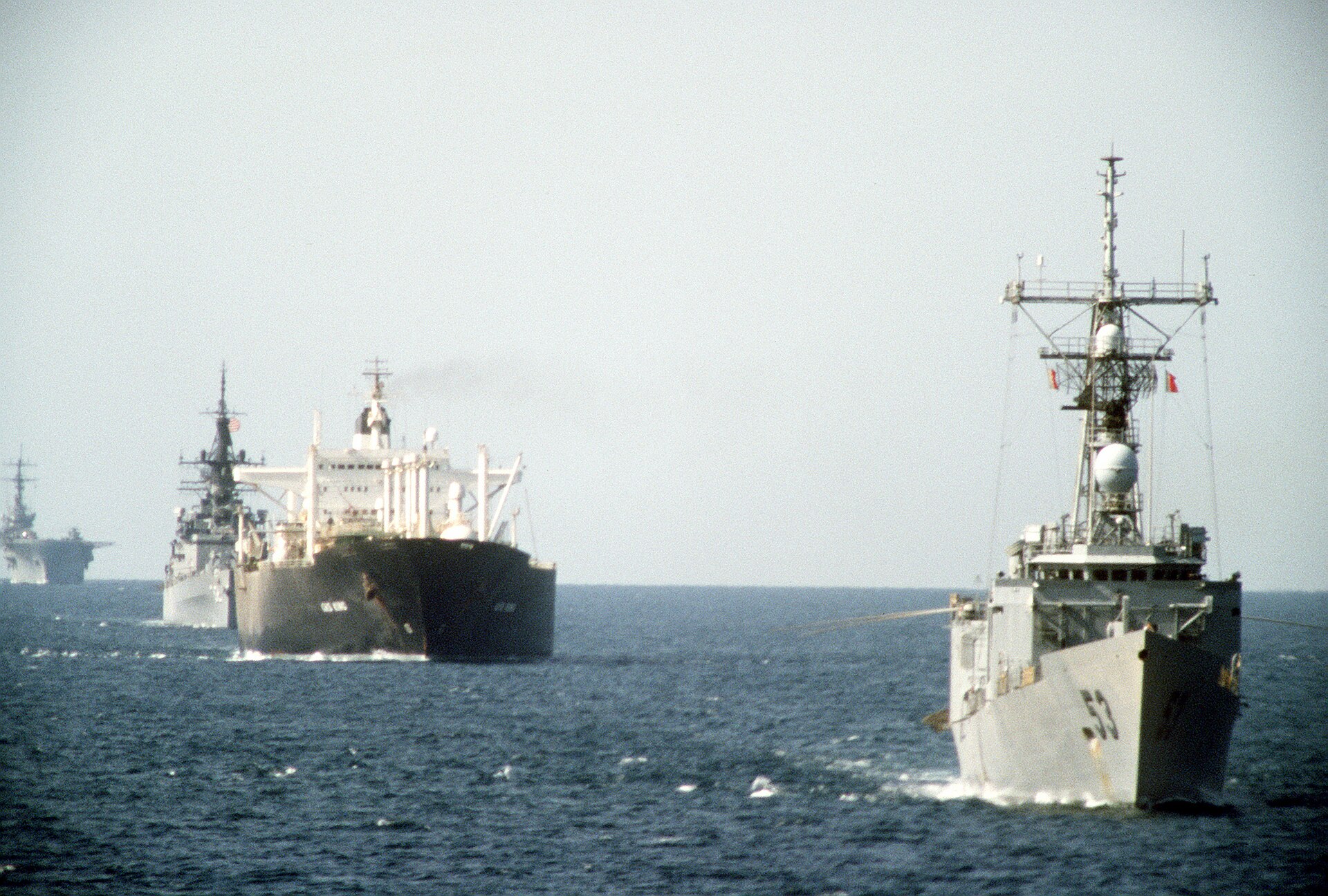
Because the United States did not reflag any of the trapped vessels under its own registry u2014 the legal mechanism that transferred flag-state obligations during the only comparable US military escort operation through the Strait of Hormuz. Operation Earnest Will, launched in July 1987 during the Iran-Iraq Tanker War, was the largest American naval convoy operation since the Second World War, deployed against a conflict that damaged 546 commercial vessels and killed approximately 430 civilian sailors over four years according to Lloyd’s of London historical records. Its legal architecture rested on the reflagging of eleven Kuwaiti tankers under the US registry, with the genuine-link requirement satisfied through a legal opinion by State Department Legal Adviser Abraham Sofaer, which gave Washington both the legal standing and the sovereign obligation to protect those specific vessels.
n
Project Freedom, launched on May 4 with guided-missile destroyers, more than 100 aircraft, and 15,000 service members, operates without that legal foundation. Without reflagging, the MLC obligations for the trapped fleet remain with their current open-registry flag states u2014 the Panamas and Liberias whose flags of convenience dominate commercial shipping. The US military can provide a security corridor through Hormuz, but escorting a Panamanian-flagged tanker does not discharge Panama’s obligation under MLC Standard A2.5 to ensure that vessel’s crew has been paid, fed, and provided for u2014 any more than a police escort through a dangerous neighbourhood discharges a landlord’s obligation to maintain the building.
n
The practical result is two parallel tracks running with no mechanism to connect them. The military track u2014 Project Freedom, paused on May 5-6 after Trump cited Iran deal progress, its operational status uncertain u2014 addresses the physical security of transit. The legal track u2014 MLC abandonment claims, flag-state repatriation obligations, P&I financial security certificates u2014 addresses the welfare of the crews aboard those vessels. Earnest Will collapsed those tracks into one by making the United States the flag state for the escorted ships; Project Freedom leaves them separated, which means that even if a transit corridor opens tomorrow, the humanitarian obligations accumulated across ten weeks of entrapment do not dissolve when the ships move.
n
The First Joint IMO-ILO Activation in Hormuz History
n
The IMO and the International Labour Organization are working jointly to coordinate seafarer protections during the crisis, the first such combined activation in the history of the Strait of Hormuz and a procedural escalation that reflects both the scale of the entrapment and the inadequacy of existing single-agency frameworks. The IMO Council called for a safe maritime evacuation corridor using the eastbound traffic lane of the existing Traffic Separation Scheme, repurposing navigational infrastructure as a humanitarian channel. Dominguez has been explicit about the preconditions: the plan can only activate “when there are clear signs of de-escalation” and once mines have been assessed u2014 a process that, based on the 1991 Kuwait mine-clearance benchmark, could take more than fifty days after hostilities cease, with only two Avenger-class mine countermeasure ships currently in theater.
n
n
“This is about the seafarers. This is about the people.”Arsenio Dominguez, IMO Secretary-General u2014 Bloomberg, April 2026
n
n
Dominguez’s framing is a deliberate institutional repositioning of the Hormuz crisis from a geopolitical standoff to a humanitarian emergency with identifiable victims whose flag states bear legal responsibility. The IMO has called on all parties to refrain from attacks on maritime assets during any evacuation, which implicitly acknowledges that the current military posture on both sides of the strait makes safe passage impossible without a formal agreement between the belligerents. The joint IMO-ILO mechanism adds a second institutional clock: the ILO enforces the MLC, the IMO administers SOLAS, and their combined advocacy creates a multilateral pressure track that operates outside the bilateral US-Iran negotiation.
n
The practical significance is that the activation gives flag states, insurers, and the maritime industry an institutional framework through which to demand action u2014 not from Iran, which has ignored the IMO’s entreaties, but from the flag-state registries and P&I clubs whose obligations to trapped crews are now publicly documented and institutionally validated. The mechanism does not challenge the IRGC Navy’s claim of full authority over the strait in sovereignty terms; it reframes the question from who controls the waterway to who is responsible for the people trapped inside it. On that question, the MLC’s answer is unambiguous: the flag state, and behind the flag state, the insurer who wrote the financial security certificate that is supposed to guarantee the crew will be fed, paid, and brought home.
n
n
The Parallel Clock
n
The MoU framework reportedly under discussion u2014 a nuclear enrichment moratorium, shipment of highly enriched uranium out of Iran, sanctions relief, and Hormuz reopening within a thirty-day negotiation period u2014 operates on a political timeline governed by Trump’s domestic calendar, Iran’s authorization ceiling, and the willingness of intermediaries to absorb the risk of failure. That timeline has already slipped repeatedly: Project Freedom launched on May 4, paused on May 5-6, and its operational status remains ambiguous. The thirty-day clock in the MoU draft, if it begins at all, would not produce a functioning transit corridor until June at the earliest, and the six-month implementation window that follows would extend the process into autumn.
n
The humanitarian clock does not wait. Crews unpaid for eight to eleven months have already exceeded the MLC’s abandonment threshold by a factor of two to three. Vessels with twenty days of generator fuel will go dark in late May, losing refrigeration, ventilation, navigation systems, and u2014 on tankers carrying volatile cargo u2014 the inert-gas systems that prevent explosive atmospheres in cargo tanks. The IMO’s evacuation corridor cannot activate until mines are assessed, but the assessment cannot begin until hostilities cease, and Iran struck two CMA CGM vessels in the past three weeks while the IRGC continues to enforce the PGSA’s administrative requirements as conditions of transit.
n
What Caine’s public certification has done, whether or not it was his intention, is strip away the information asymmetry that allowed the crisis to persist as a background condition of the war. The number is now a matter of public record attributed to the most senior US military officer, which means flag states can no longer claim ignorance of the conditions aboard their registered vessels, P&I clubs face scrutiny over MLC financial security certificates that may remain operative after war-risk cover has been withdrawn, and the IMO-ILO joint protocols have created a layer of institutional accountability that did not exist during the Tanker War.
n
The humanitarian crisis has generated its own legal architecture u2014 one running on a parallel track that the bilateral MoU framework between Washington and Tehran was not designed to address. The PGSA’s forty-question form functions as a sanctions trap preventing trapped vessels from seeking relief through compliance, while the MLC’s abandonment provisions accumulate obligations with every day the crews remain unpaid and unfed. Those obligations will not dissolve when the diplomats produce a document or when a corridor finally opens u2014 they remain with the flag states that registered the vessels, and because Project Freedom did not reflag a single ship in the trapped fleet, Washington cannot discharge them on Monrovia’s or Panama City’s behalf. What a four-star general has done is ensure that the entire world now knows how many crews those flag states have left sitting in the Gulf.
n
Frequently Asked Questions
n
Which flag states face the greatest exposure to MLC abandonment claims from the trapped fleet?
n
Panama, the world’s largest open registry with more than 8,000 vessels on its books, faces the greatest potential exposure, followed by Liberia, the Marshall Islands, and the Bahamas. These four registries collectively administer approximately 45 to 50 per cent of global commercial tonnage, and their MLC ratifications bind them to ensure financial security for abandoned crews regardless of the conflict status of the vessel’s location. No flag state has yet publicly disclosed the number of its registered vessels among the trapped fleet, a gap that the IMO-ILO joint activation is expected to address through formal member-state reporting requirements in the coming weeks.
n
Can shipowners invoke force majeure to avoid MLC obligations during a war?
n
The MLC does not contain a force majeure exception for abandonment obligations. Standard A2.5.1 requires financial security certificates to cover repatriation, essential needs, and up to four months of outstanding wages regardless of the circumstances that led to the abandonment condition. Flag states may argue that the blockade constitutes an extraordinary circumstance delaying repatriation, but the obligation to provide essential needs u2014 food, water, medical care, accommodation u2014 is not suspended by conflict. The 2014 amendments to the convention were specifically designed to close the loopholes that shipowners had exploited to evade abandonment obligations in earlier crises, and the ILO’s enforcement mechanisms include the power to detain vessels in port for non-compliance.
n
How does the 1987-1988 Tanker War compare in crew-welfare terms?
n
The Tanker War damaged 546 vessels and killed approximately 430 civilian sailors, but the MLC framework did not exist u2014 the convention was adopted in 2006 and entered into force in 2013. UN Security Council Resolution 598 of July 1987 called for a ceasefire and cessation of attacks on neutral shipping but made no reference to crew welfare or abandonment obligations, because no international legal instrument addressed those questions at the time. The 2026 crisis is the first major maritime entrapment since the MLC’s abandonment provisions were strengthened by the 2014 amendments, making it the inaugural test of whether the convention’s financial security architecture can function under wartime conditions.
n
What happens to vessels whose generator fuel runs out?
n
Vessels that exhaust generator fuel lose electrical power for refrigeration, ventilation, navigation systems, communications, and u2014 on tankers carrying volatile cargo u2014 the inert-gas systems that prevent explosive atmospheres in cargo tanks. SOLAS Chapter V, Regulation 33 requires every master at sea who is able to render assistance to persons in distress to do so, which means vessels in the immediate vicinity of a ship going dark may face a legal obligation to assist even if they are themselves trapped and unable to transit. The IMO has not yet issued guidance on how SOLAS V/33 obligations apply to masters of vessels that are themselves unable to move, a legal ambiguity that could generate flag-state liability claims if a welfare emergency occurs aboard a darkened vessel and nearby masters cannot or do not respond. The conditions that generated this entrapment shifted materially on May 7-8 when Saudi Arabia and Kuwait restored US basing access after a second Trump-MBS call, reopening the path for Project Freedom escort operations to resume. Oil markets absorbed the same events with extreme volatility: Brent crude hit $108.80 on the CENTCOM strike reports before crashing $12 to $96.80 after Trump dismissed the operation as a “love tap” — the price arc of a confined-vessel crisis with no clear resolution date. The legal architecture both navies are building in real time — seizure orders, judicial warrants, SNSC decisions, and F/A-18 strike authorities — was stress-tested in a single twelve-hour window: Iran seized the M/V Ocean Koi on MOU deadline day while CENTCOM disabled two Iranian-flagged tankers, three acts that will determine what any Hormuz reopening framework must address.
n”}