RIYADH — A clause in the draft US-Iran memorandum of understanding requiring an end to the war in Lebanon has emerged as the operative obstacle to a deal that Saudi Arabia has publicly endorsed but cannot influence. Israeli Prime Minister Benjamin Netanyahu raised his objection to the Lebanon provision directly with President Donald Trump on Saturday, May 24, according to Axios, calling the emerging framework “a very big problem” for Israel.
The Lebanon clause — which states the deal “would end the war throughout the region, including in Lebanon,” per the Axios report — places Saudi Arabia in a position it has not publicly acknowledged. Riyadh has praised the deal framework, has no diplomatic channel to either Netanyahu or Hezbollah’s command structure, and has issued no statement recognizing that a Lebanon war-end provision exists in the text it supports.
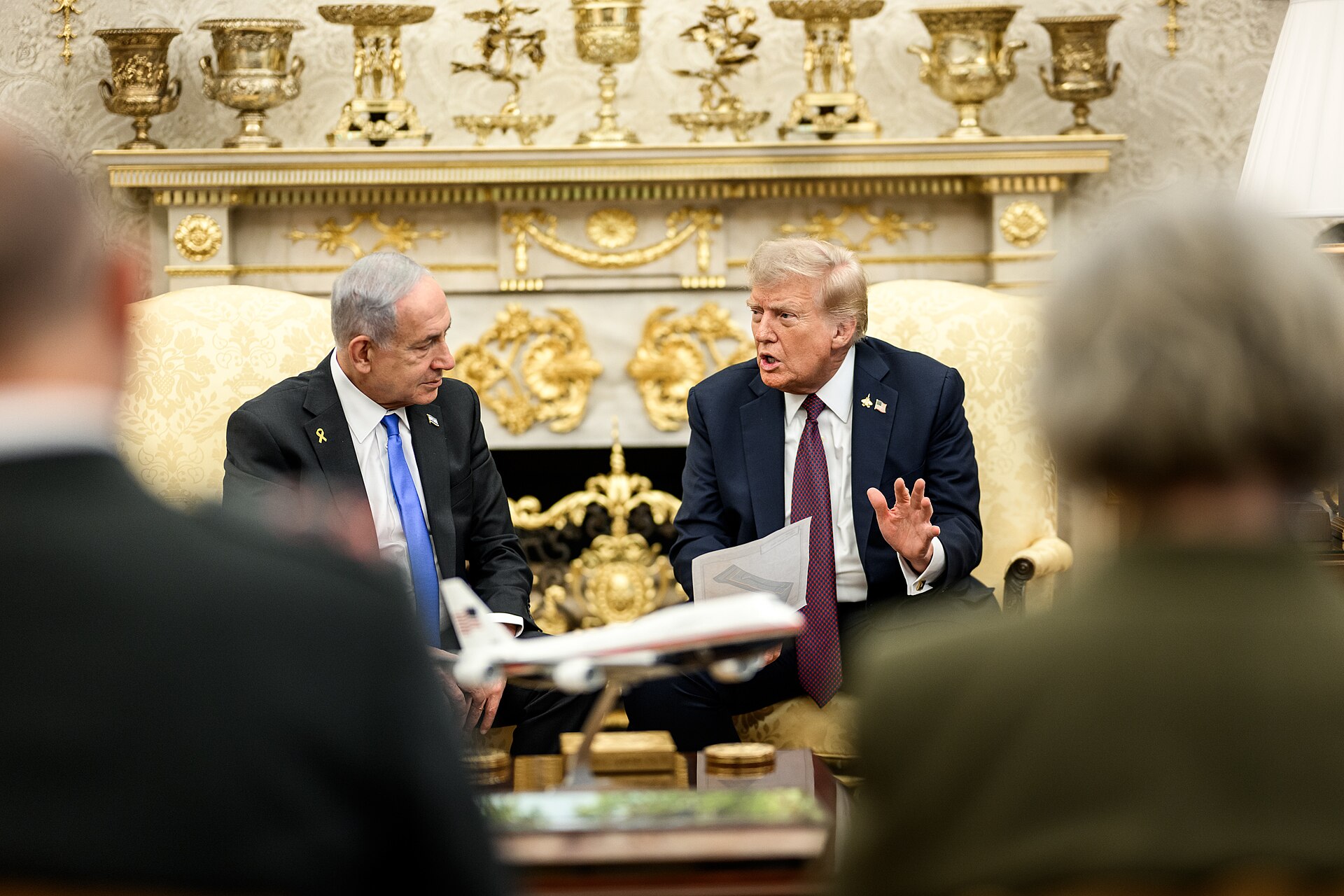
Table of Contents
What the Lebanon Clause Actually Says
The draft MOU language, as reported by Axios on May 24, frames Lebanon not as a separate negotiating track but as an integrated component of the war-end declaration. The agreement “would end the war throughout the region, including in Lebanon.” The clause is not conditioned on Hezbollah disarmament, does not reference UNSC Resolution 1701, and does not specify a monitoring mechanism.
The nuclear dimension of the deal has its own dedicated channel — a 30-day Track 2 window for enrichment talks, with a moratorium period that has been variously reported as 12 to 15 years by the Washington Times and US officials. Lebanon has no such parallel track within the MOU framework. It sits in the main text as a declarative clause — a war-end statement without an implementation architecture.
Three competing MOU documents have circulated since mid-May: the Axios 14-point framework, the Al-Arabiya 8-point “final draft”, and the Munir letter of intent. Only the Axios document confirms the Lebanon clause. The Al-Arabiya version, which omitted every nuclear red line, also omitted any explicit Lebanon provision — raising the question of whether Riyadh’s principal state-aligned outlet published a version of the deal that excluded the clause most likely to collapse it.
Netanyahu’s Objection and the Behavioral Carve-Out
Netanyahu raised his concern about the Lebanon clause during a phone call with Trump on Saturday, May 24, according to Axios. This followed an earlier call on May 20, after which sources described Netanyahu as having his “hair on fire” over the emerging deal framework.
The Middle East briefing 3,000+ readers start their day with.
One email. Every weekday morning. Free.
The US response, per an unnamed US official quoted by Axios, was a behavioral formulation: the Lebanon clause would “not be a one-sided ceasefire,” and if Hezbollah “behaves, Israel will behave.” That formulation does not remove the clause from the MOU. It offers an interpretive gloss, not a structural revision.
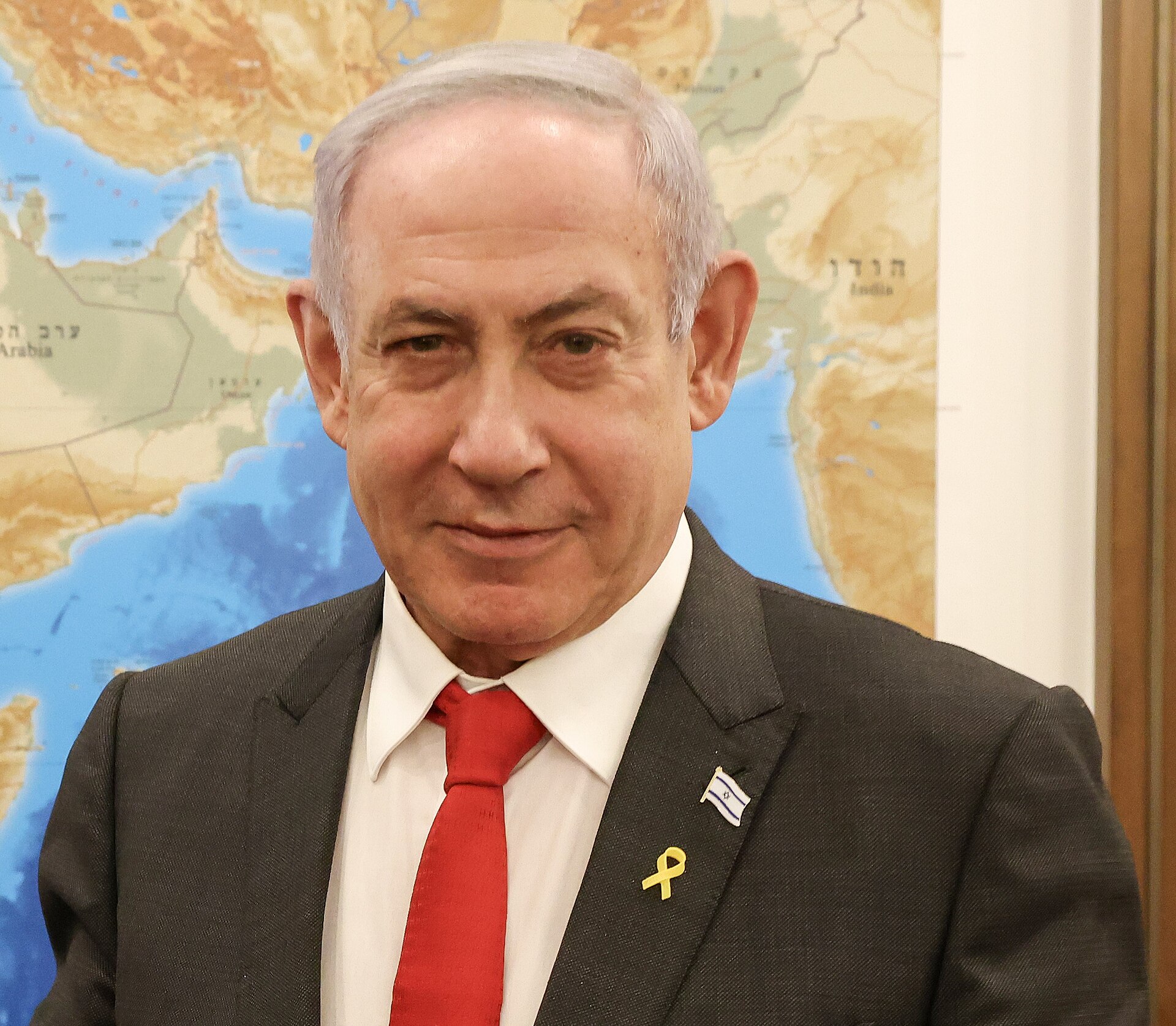
Israel’s stated position on Lebanon goes well beyond behavioral benchmarks. Netanyahu has said publicly: “We want the dismantling of Hezbollah’s weapons, and we want a real peace agreement that will last for generations.” The gap between “if Hezbollah behaves” and “dismantling of Hezbollah’s weapons” is the distance between the MOU’s Lebanon clause and Israel’s minimum demand.
Avigdor Liberman, leader of the opposition Yisrael Beytenu party, called any deal with Iran “a catastrophe” and accused Netanyahu of turning Israel into “a banana republic,” per the Times of Israel on May 24. Israeli domestic opposition to the deal framework is not limited to the Lebanon clause, but the Lebanon dimension provides the most concrete operational objection — it would constrain IDF operations against Hezbollah’s remaining military infrastructure in southern Lebanon.
Why Is Lebanon Non-Negotiable for Iran?
Iran’s position on the Lebanon clause is not ambiguous. Foreign Minister Abbas Araghchi communicated directly to Hezbollah that Iran “will not drop its support” for the Lebanese group, and that Tehran’s latest proposal “reaffirmed its demand that Lebanon be included in any ceasefire agreement,” according to the Times of Israel liveblog on May 24.
Mahdi Mohammadi, a senior Iranian policy adviser, stated the position in more direct terms: “Without fully restraining America’s rabid dog in Lebanon, there will be no ceasefire or negotiations, and the missiles are ready to launch.” The statement, reported by the Times of Israel in May 2026, frames Lebanon not as one of several negotiating items but as a precondition for any agreement.
Iran’s Fars news agency on May 24 contested Trump’s characterization of the deal as “largely negotiated,” calling it “incomplete and inconsistent with reality.” Since Hezbollah is a core IRGC interest — the armed group receives an estimated $700 million annually in Iranian funding, per US congressional testimony and Treasury designation records — the Lebanon clause is part of what Fars is contesting. Iran is not treating Lebanon as a diplomatic add-on. It is treating Hezbollah protection as constitutive of the deal framework.
There is also a factual dispute about whether Lebanon was already covered by the existing ceasefire. Israel and the United States say Lebanon was not included in the April 2026 ceasefire framework. Pakistan and Iran say it was. This disagreement, documented by the Times of Israel and Pakistan 24 News, means the two sides cannot even agree on the baseline from which the Lebanon clause would operate.
The Two-Track Problem: MOU vs. Direct Talks
Lebanon is currently the subject of two separate diplomatic tracks that do not intersect.
The first is the US-Iran MOU, in which the Lebanon clause operates as a declarative war-end provision. Iran and the United States are the principals. The five rounds of negotiations — from Muscat to Rome — have produced no final agreement over 106 days. Saudi Arabia has been excluded from all five rounds, and the Lebanon clause adds a front on which Riyadh has even less standing than it does on the nuclear file.
The second track is the direct Israel-Lebanon talks in Washington, with the United States as sole mediator. Three rounds have been held, with a fourth round scheduled for June 2-3, 2026. The Lebanese government participates; Hezbollah does not. Hezbollah Secretary-General Naim Qassem called the direct talks a “free concession” to Israel and the United States, describing them as “futile,” per Al Jazeera and PBS reporting from April-May 2026.
The structural problem: the MOU could declare the war in Lebanon over before the direct talks produce any disarmament mechanism, any monitoring framework, or any agreement that Hezbollah has accepted. And the direct talks could produce a bilateral Israel-Lebanon arrangement that Iran rejects as insufficient to satisfy its MOU condition.
Neither track includes a mechanism for synchronizing with the other. The MOU is a US-Iran bilateral document. The direct talks are a US-mediated Israeli-Lebanese process. They share a subject — Lebanon — but not a timeline, not a set of parties, and not a definition of what “ending the war” requires.
Does Saudi Arabia Have Any Lever on the Lebanon Clause?
Saudi Foreign Minister Prince Faisal bin Farhan’s May 20 statement praised Trump for “giving diplomacy a chance,” per Al Arabiya English. The statement mentioned neither Lebanon nor Hezbollah. No subsequent Saudi MOFA communication has acknowledged the Lebanon dimension of the MOU.
Saudi Arabia’s diplomatic position on Lebanon is constrained on every side. Riyadh cut diplomatic ties with Lebanon in October 2021 over the Kordahi affair — comments by then-information minister George Kordahi about the Yemen war — and restored them in April 2022. The Kingdom has no direct channel to Hezbollah’s command structure. It has no bilateral security agreement with Lebanon. It has contributed no troops to UNIFIL, the UN peacekeeping force in southern Lebanon.
When the United States attempted to broker a meeting between Netanyahu and Lebanese President Joseph Aoun in April 2026, Saudi envoy to Lebanon Prince Yazid bin Farhan cautioned Aoun against meeting Netanyahu too soon, per Israel Hayom on April 25. The Saudi position, as reported, was that “Lebanon should not advance toward peace with Israel faster than Riyadh’s own position allows.” Saudi Arabia was not facilitating the Lebanon track. It was braking it — to prevent it from outpacing Saudi-Israeli normalization, which remains stalled.
This creates a three-sided bind. Saudi Arabia has publicly endorsed the deal framework. The deal framework contains a Lebanon clause that could collapse it. Saudi Arabia has no channel to the Israeli prime minister demanding the clause’s removal, no channel to the Iranian-backed group whose protection the clause guarantees, and no presence in the Washington-mediated talks where Lebanon’s future is being negotiated directly.
The same structural exposure pattern has repeated across the Iran crisis. On Hormuz, Iran and Oman wrote the governance rules while Saudi Arabia had no seat. On the nuclear track, Riyadh was excluded from all five rounds. On the PSAB concessions, the terms of Saudi Arabia’s own airbase access were negotiated between Trump and MBS without public disclosure. The Lebanon clause adds a fourth front of exclusion — and unlike the nuclear file, which has a 30-day Track 2 window in which positions could theoretically shift, the Lebanon clause has no designated future forum. Compounding each front of exclusion is the disposition of US forces themselves: the three carrier strike groups in the Gulf depart only when Iran satisfies nuclear conditions in Track 2, not when Saudi Arabia’s security calculus requires them.
The Hezbollah Non-Signatory Gap
Hezbollah was not a signatory to the November 2024 ceasefire in Lebanon. It was not a signatory to the April 2026 ceasefire framework. It would not be a signatory to the US-Iran MOU. Any Lebanon clause in the agreement would bind the United States and Iran — not Hezbollah.
This is the same enforcement architecture problem that has defined the Hormuz crisis. The Persian Gulf Shipping Authority, established by Iran on May 18, operates as a bilateral permission regime — but the April 7 ceasefire named no Houthi obligations, and Houthi attacks continued across three oceans on May 24. A bilateral state agreement cannot bind a non-state actor. The Lebanon clause replicates this gap.
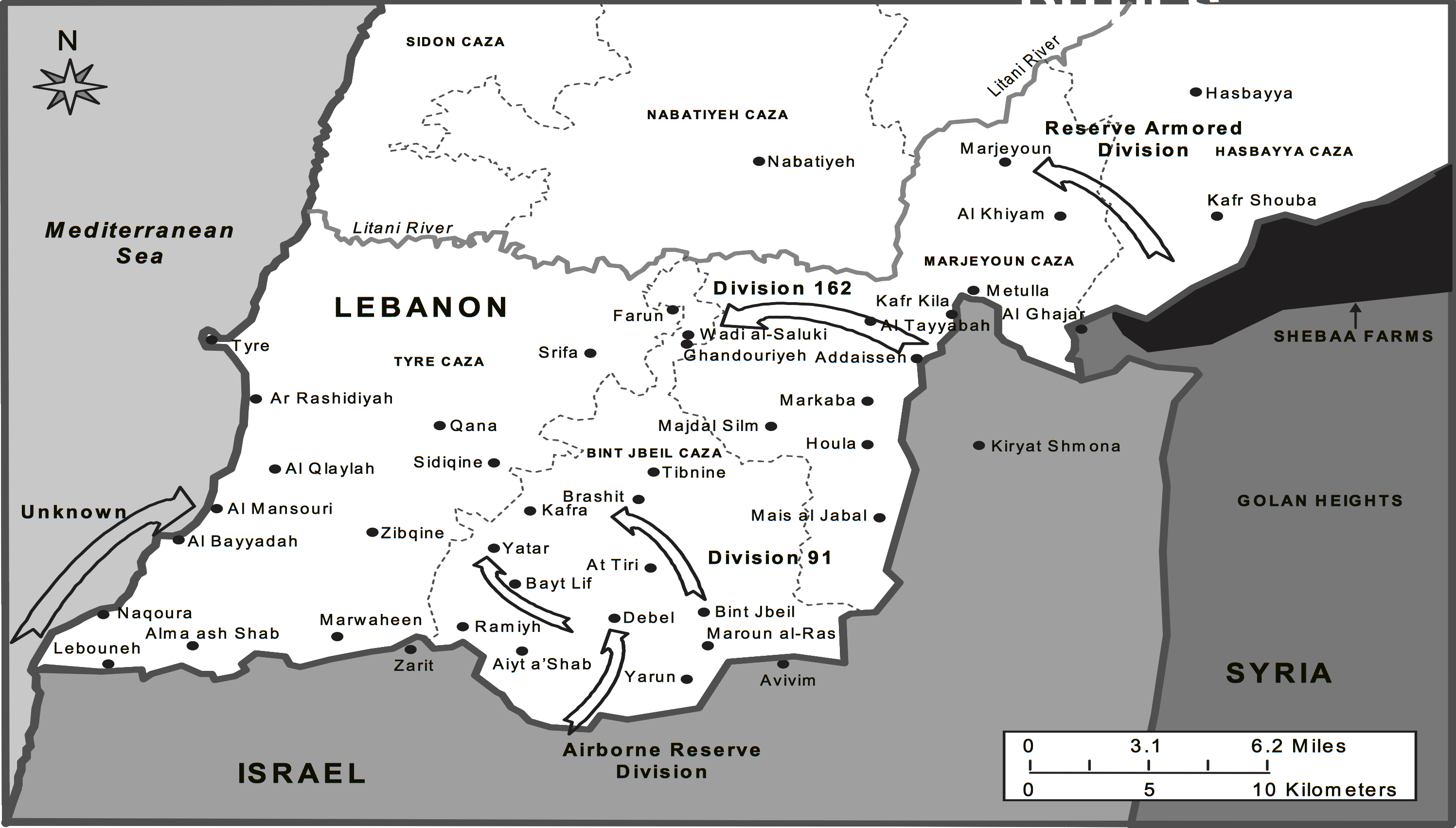
UNSC Resolution 1701, adopted on August 11, 2006, required Hezbollah disarmament south of the Litani River. The resolution was never implemented. Over the following 18 years, Hezbollah’s arsenal grew from an estimated 13,000 rockets at the end of the 2006 war to 120,000-200,000 rockets before the 2024-2026 conflict, according to the American Enterprise Institute and UN reports. The MOU’s Lebanon clause is attempting to achieve through a bilateral US-Iran agreement what 20 years of UNSC mandate — with the full weight of Chapter VII authority — could not enforce.
Chatham House analysts noted in April 2026: “Israel’s insistence that its military action in Lebanon is not part of the agreement reveals a key vulnerability and shows the limits of the US ability to manage its allies, as the ongoing bombing campaigns in Lebanon could undermine the ceasefire overall.”
The JCPOA precedent from 2015 is relevant here. Israel was not a signatory to the nuclear deal. Netanyahu opposed it, lobbied the US Congress against it, and his political pressure contributed to Trump’s 2018 withdrawal. Israel’s non-participation in a US-Iran framework does not prevent Israel from collapsing it — it simply means the mechanism of collapse is political rather than juridical. The Lebanon clause offers Netanyahu a more concrete objection than the nuclear provisions did in 2015, because it directly constrains Israeli military operations on an active front. When the Sunday MOU deadline passed unsigned on May 24 — with Iran simultaneously announcing a Hormuz suspension citing Israeli strikes on Lebanon — the Lebanon clause had operationalized exactly this threat.
Background
The fifth round in Rome on May 23 lasted approximately 2.5 hours and yielded “some but not conclusive progress,” per Omani mediator Busaidi. Trump described the deal on May 23 as “largely negotiated, subject to finalization” in a Truth Social post. Iran’s Fars news agency disputed this characterization on May 24. Axios reported “wording gaps” persist; the Sunday deadline passed without a formal signing.
The Kingdom’s fiscal position — a Q1 2026 deficit of $33.5 billion, reaching 194 percent of the full-year target — intensifies Saudi Arabia’s interest in Hormuz reopening and oil market stabilization but does not translate into negotiating leverage on the deal’s terms. Brent crude closed at $103.94 on May 22.
MBS’s normalization with Israel remains stalled. Trump was reportedly “disappointed and angry” after a “tense” exchange with MBS on the normalization timeline in May 2026, according to the Times of Israel. Saudi Arabia is simultaneously unable to advance toward Israel — which would give it a channel to raise the Lebanon clause with Netanyahu — and unable to engage with Hezbollah, which would give it insight into Iran’s minimum demands on the Lebanon front.
The Hajj is underway. Tarwiyah Day falls on May 24-25, the Day of Arafah on May 26, and Eid al-Adha on May 27. Saudi MOFA has been silent throughout the Hajj period, and the religious calendar constrains Riyadh’s ability to issue politically charged statements until after May 27 at the earliest.
Frequently Asked Questions
How does the Lebanon clause differ from the nuclear enrichment dispute?
The enrichment dispute has a dedicated resolution mechanism — a 30-day Track 2 negotiating window written into the Axios 14-point MOU framework, with a moratorium period under discussion. The Lebanon clause has no parallel track, no designated future forum, and no implementation timeline. It sits in the main MOU text as a declarative statement. Enrichment is a technical disagreement over percentages and timelines. Lebanon is a war-end declaration that one party — Israel — treats as an existential constraint on its military operations, and neither the US nor Iran has proposed a mechanism for resolving the gap between “war ends” and “Hezbollah disarms.”
Could Israel block the deal even though it is not a party to the MOU?
Yes. Israel is not a signatory to the US-Iran MOU, just as it was not a signatory to the JCPOA in 2015. But Netanyahu’s political pressure contributed to Trump’s 2018 JCPOA withdrawal, demonstrating that non-participation does not prevent a framework’s collapse. In this case, Netanyahu has a more direct lever: 52 US senators and 177 House members have demanded zero-enrichment provisions, and the Lebanon clause gives Congressional opponents a national security argument — that the deal constrains Israeli self-defense — that the enrichment dispute alone does not provide.
What is Hezbollah’s current military status?
Hezbollah lost its top leadership during the 2024-2026 conflict, including the assassination of Secretary-General Hassan Nasrallah in September 2024. Naim Qassem succeeded him. Before the conflict, Hezbollah maintained an estimated 120,000-200,000 rockets, per AEI and UN reporting. The group’s precise remaining arsenal is disputed, but it retains operational capacity — which is why Israel frames disarmament, not a behavioral standard, as its requirement. Hezbollah has rejected the direct Israel-Lebanon talks as “futile” and has not participated in either the November 2024 or April 2026 ceasefire frameworks as a signatory.
Why did Al-Arabiya’s version of the deal omit the Lebanon clause?
Al-Arabiya published an 8-point “final draft” on May 22 that contained no explicit Lebanon provision and omitted every nuclear red line present in the Axios 14-point framework. Al-Arabiya had retracted a “deal reached” claim on May 21 before publishing the draft on May 22 — a second editorial attempt within 24 hours. As a Saudi state-aligned outlet, the version it published reflects the framework as Riyadh understands or wishes to present it. The omission of Lebanon is consistent with the Saudi MOFA’s silence on the clause.
What happens to the Lebanon clause if the deal collapses?
If the MOU collapses over the Lebanon clause, the immediate consequence is continuation of the status quo: the PGSA toll regime on Hormuz remains operational, Suez transit volumes stay at 26 ships per week (down from 80, per Kpler), and Aramco CEO Amin Nasser’s mid-June normalization cliff — beyond which the tanker displacement lag becomes structurally entrenched — passes without resolution. For Saudi Arabia specifically, a Lebanon-driven collapse means the Kingdom endorsed a deal framework that failed on a front where Riyadh had no leverage, no channel, and no public position — while the costs of endorsement, including the signal of unconditional urgency sent to Tehran, have already been incurred. A third dimension of Saudi Arabia’s diplomatic exposure arrived the same week: Trump told eight leaders that Abraham Accords signing was “mandatory” for the Iran deal, delivering the demand during Hajj — when Saudi Arabia could not publicly respond without disrupting the 96-hour Arafah no-escalation window. Trump’s ‘mandatory’ Abraham Accords demand during Hajj, and why Saudi Arabia went silent.