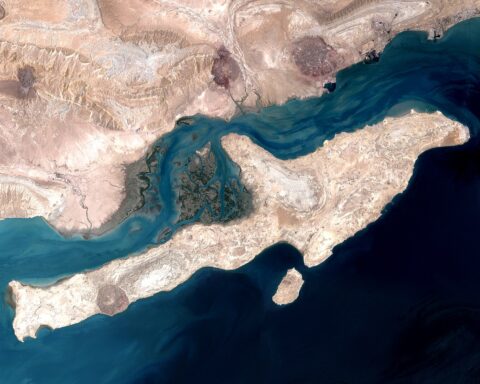
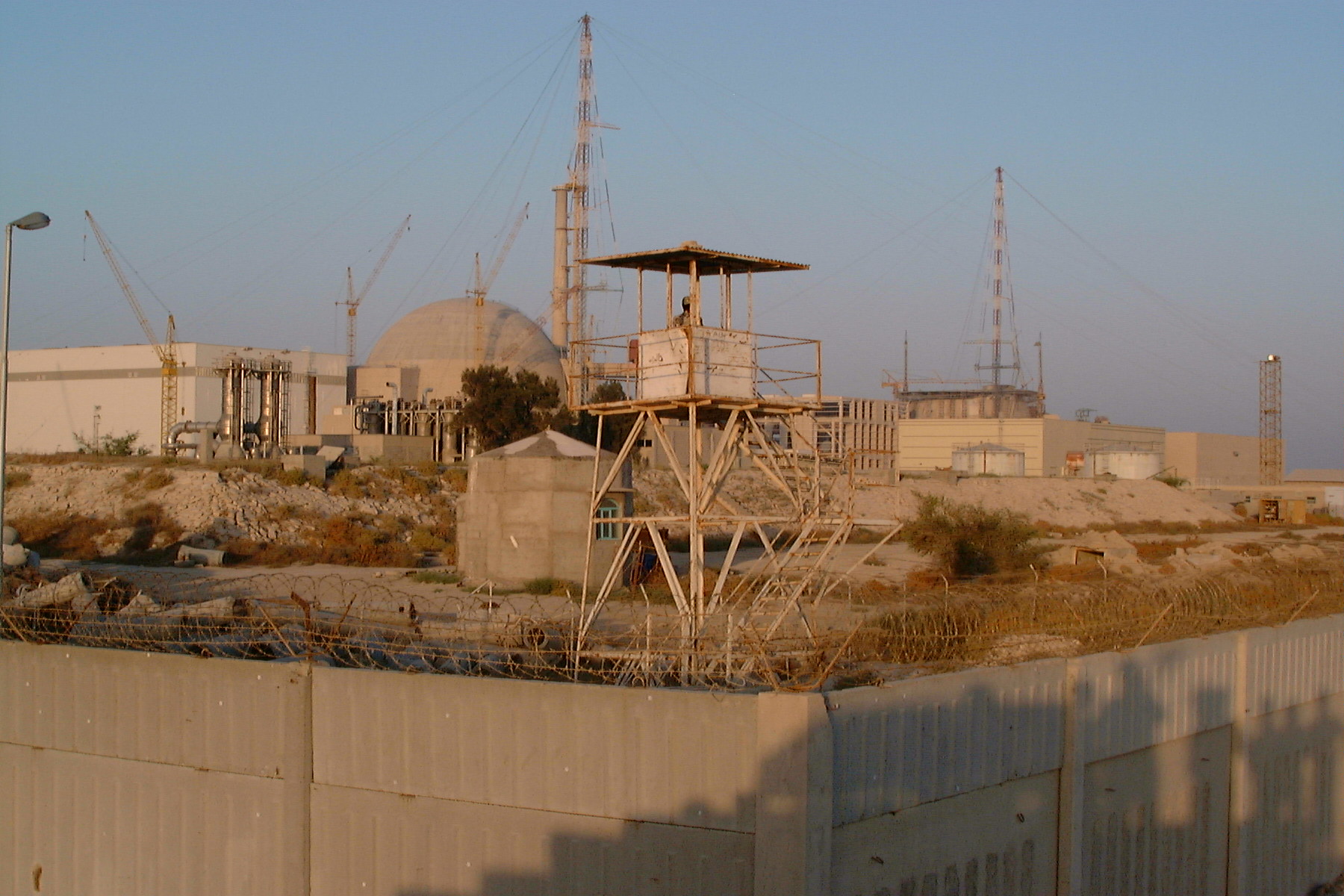
TEHRAN — The United States struck the perimeter of Iran’s Bushehr Nuclear Power Plant at approximately noon local time on July 9, 2026, as part of a wave of roughly 90 strikes across southern Iran — the third consecutive day of US military operations against Iranian targets. Ehsan Jahanian, deputy governor of Bushehr Province, confirmed the hit, stating that “several targets in Bushehr Province, including the perimeter of the nuclear power plant, were attacked.”
Iran’s Atomic Energy Organization reported no damage to the reactor or associated systems but warned that strikes on civilian nuclear facilities constituted “a clear violation of international regulations regarding the immunity of such centers from military action.” The agency’s statement invoked “dangerous consequences for regional safety, particularly for countries along the Persian Gulf” — language aimed at Gulf neighbours that depend on desalinated seawater, not at Washington.
The strike placed the active fuel zone of a 1,000 MW pressurized water reactor inside the declared target area of a US strike package for the first time in this conflict’s escalation sequence. Bushehr Unit 1, a Russian-built VVER V-446, has been operational since 2013 and holds both spent and fresh fuel rods. The city of Bushehr, population approximately 293,000, sits 17 kilometres northwest of the plant.
The IRGC issued its warning in plain language: “If the U.S. military repeats its aggression, other American bases in the region will not be spared from heavy fire.”
Table of Contents
What Did the US Strike at Bushehr?
Jahanian’s characterization was precise: the perimeter of the nuclear power plant was among “several targets in Bushehr Province” hit on July 9. The projectile struck the plant’s grounds — not the reactor structure, not the spent fuel storage, not the turbine hall. Iran’s Atomic Energy Organization stated the attack caused “no financial, technical, or human casualties” and that “the facility’s various sectors were not damaged.”
The distinction between perimeter and reactor is measured in hundreds of metres. In March 2026, the IAEA confirmed that a projectile struck a structure 350 metres from the Bushehr reactor during an earlier wave of strikes. No radiation increase was detected. IAEA Director General Rafael Grossi responded by invoking “the reddest line of all that you have in nuclear safety.”
The Middle East briefing 3,000+ readers start their day with.
One email. Every weekday morning. Free.
The July 9 perimeter hit is at least the fifth time ordnance has landed on or near the Bushehr complex since fighting began. CENTCOM has not publicly acknowledged targeting the Bushehr plant or its perimeter in any of these incidents.
Separately, two projectiles struck the Benoud fishing pier near Asaluyeh, Bushehr Province, at approximately 9 a.m. local time on July 9. Ten fishing boats belonging to local residents caught fire. No fatalities were reported. Asaluyeh is the onshore processing hub of the South Pars gas field, which supplied 70 percent of Iran’s domestic gas consumption before Israeli strikes in March 2026 damaged storage tanks, pipelines, and refining infrastructure across multiple phases. South Pars peak production before those strikes stood at 730 million cubic metres of gas per day.
How Has Iran Retaliated?
The IRGC struck 85 US military targets across Bahrain and Kuwait on July 8 in what it called “initial” retaliation for the opening US waves. Targets included Naval Support Activity Bahrain at Juffair — headquarters of the US Fifth Fleet — Sheikh Isa Air Base, Camp Arifjan in Kuwait, and Ali Al Salem Air Base.
On July 9, Iran fired 10 ballistic missiles at Muwaffaq Salti Air Base near Azraq, Jordan. Eight were intercepted by Jordanian MIM-23 Hawk batteries. The IRGC described the Jordan strikes as escalatory follow-on action after the Bushehr perimeter strike.
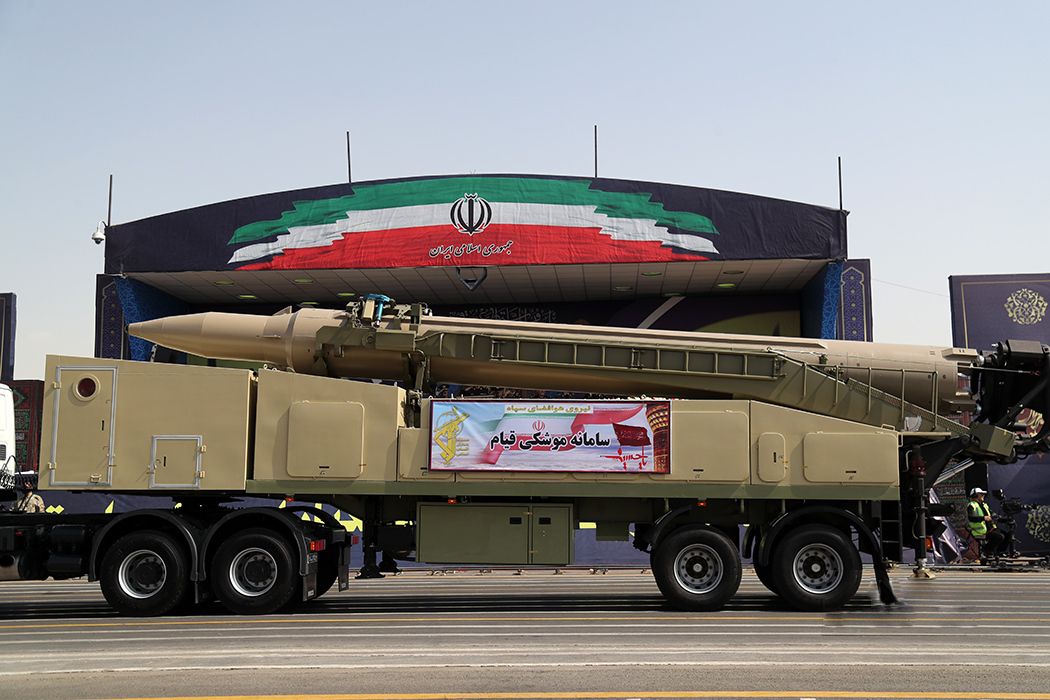
An IRGC statement on July 8 framed the Bahrain and Kuwait strikes as “initial” and stated that “crushing responses will be expanded to include other American bases throughout the region.” The July 9 warning was direct: “If the U.S. military repeats its aggression, other American bases in the region will not be spared from heavy fire.”
Iran has now struck US military facilities in four countries — Bahrain, Kuwait, Qatar, and Jordan — within a 24-hour window. The pattern of escalation has moved geographically outward from the Persian Gulf littoral to the Levant.
Iran’s Foreign Minister Abbas Araghchi held calls with Turkish, Omani, and Pakistani counterparts on July 9, emphasizing “the importance of making full use of diplomatic channels” and condemning US strikes as violations of the Islamabad MOU. In a separate call, Araghchi warned Pakistan’s army chief against further US military “adventurism.”
What Does the Bushehr Strike Mean for Gulf Air Defense?
The IRGC’s stated targeting doctrine — expanding strikes to “other American bases throughout the region” — places Prince Sultan Air Base in Saudi Arabia at the centre of a range-and-capability question. PSAB sits approximately 800 to 850 kilometres from launch sites in Bushehr Province. The Zolfaghar ballistic missile has a confirmed range of 700 kilometres, placing PSAB at or beyond its reach. The Fattah-2 hypersonic glide vehicle has a stated range of 1,400 kilometres, placing PSAB well within range.
Saudi Arabia’s PAC-3 inventory stands at approximately 400 rounds — 86 percent below the pre-war stockpile of 2,800. The $3.1 billion M-SAM-II system purchased through a foreign military sales deal with South Korea engages targets at 15 to 20 kilometres altitude. The IRGC’s Zolfaghar arrives in its terminal phase below 10 kilometres, where only PAC-3 can engage. New PAC-3 MSE rounds under a $9 billion Saudi FMS sale are not scheduled for delivery until 2028 to 2030. The result is a structural intercept gap: Saudi Arabia has the wrong interceptor at the wrong altitude for the missile Iran is most likely to fire, and not enough of the right interceptor to sustain more than a limited engagement. The strategic miscalculation runs deeper than procurement: MBS privately urged the Trump administration to launch regime change in Iran, and now presides over a kingdom whose air defenses cannot absorb the war he encouraged. Iran refined that exploitation on July 9, when the IRGC spent July 8 depleting those remaining interceptors with ballistic salvos across Bahrain and Kuwait, then sent the Artesh to strike the sensor nodes — the satellite terminal at Al Udeid, the early-warning antenna feeding the CAOC — that the degraded defense could no longer protect.
PSAB’s operational capacity is already constrained. Saudi Arabia grounded 43 US warplanes at the base for four days in May 2026 under what the kingdom called Operation Project Freedom. Those aircraft remain locked on the ground as of July 9. A punitive US drawdown from PSAB — including the departure of IESP contractors responsible for Link-16 and PAC-3 maintenance — has been under discussion in Washington since early July.
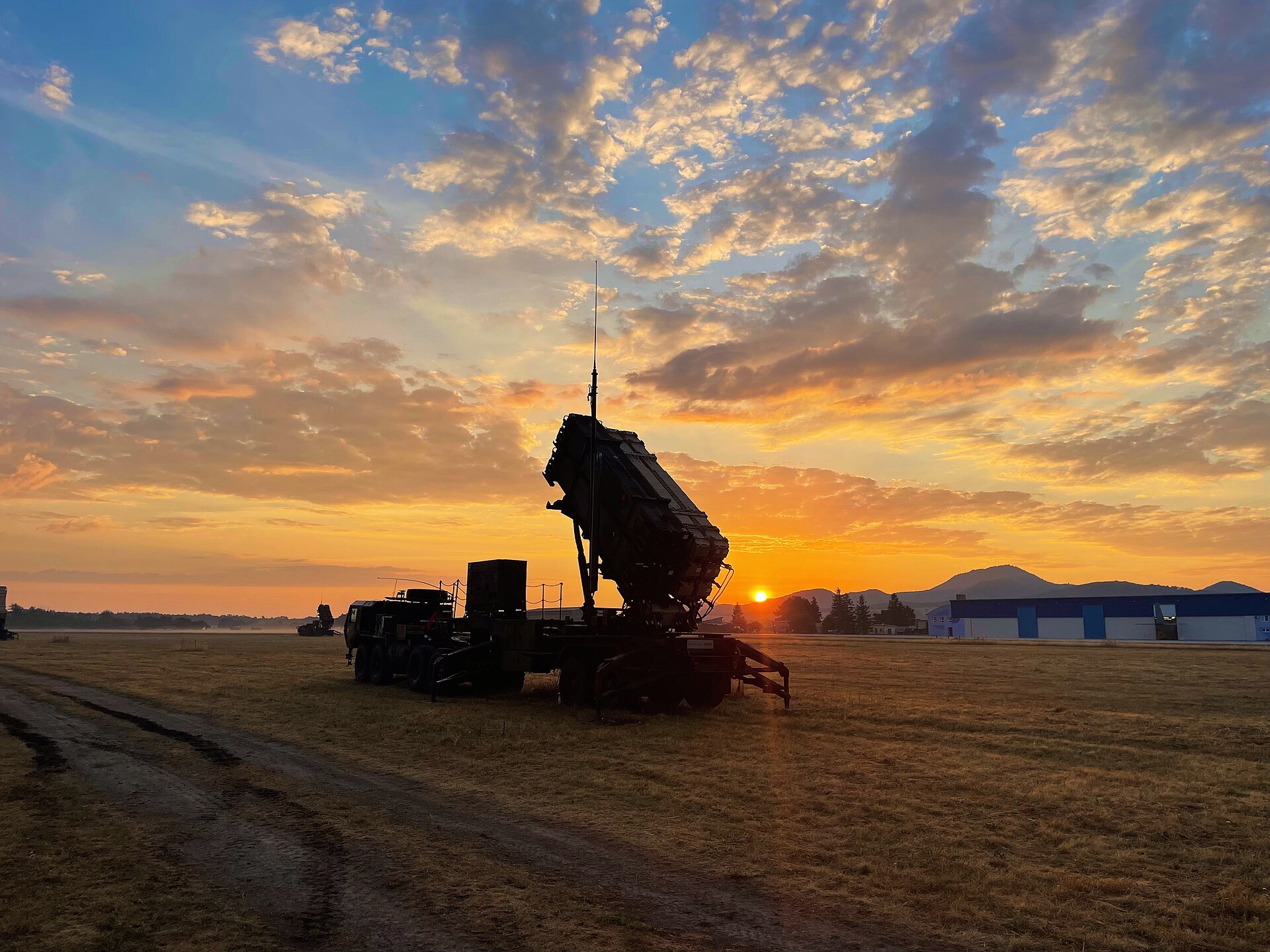
Al Udeid Air Base in Qatar, Camp Arifjan in Kuwait, and Naval Support Activity Bahrain all sit within Zolfaghar range from Bushehr Province. All three have already been struck. Saudi Arabia has not invoked the Sakhir Declaration — a bilateral defense framework with Washington — despite Iran’s direct strikes on US installations in neighbouring Gulf states.
The Nuclear Safety Threshold
The Bushehr perimeter strike crosses a threshold the IAEA has explicitly flagged. Grossi’s March 2026 warning — “an accident on an operating nuclear power plant would be something very, very serious” — was delivered after a projectile landed 350 metres from the reactor. The July 9 strike landed on the plant’s grounds.
Bushehr Unit 1 operates at 1,000 MW gross electrical capacity and 3,000 MW thermal capacity. It is not an unloaded research reactor. The 1981 Israeli strike on Iraq’s Osirak reactor — the standard historical reference point for military action against nuclear facilities — destroyed a plant that had never been fuelled. Bushehr has been operational for 13 years and contains both spent and fresh fuel.
Russia’s Rosatom, which built and services the plant, had begun planning the return of approximately 200 evacuated staff from mid-July 2026 as of July 6. Twenty senior managers and key technical staff remained on-site through the conflict. The July 9 perimeter strike occurred at the moment of that planned re-staffing. Rosatom CEO Alexei Likhachev stated in April 2026 that Rosatom understood “our responsibility to the civilian population and the Iranian government for the implementation of the Bushehr project.” Russia’s Foreign Ministry previously described strikes near Bushehr as evidence of “a reckless, irresponsible manifestation of a disastrous course.”
Iran’s Atomic Energy Organization statement on July 9 warned of “dangerous consequences for regional safety, particularly for countries along the Persian Gulf.” Gulf states rely on desalinated seawater for the majority of their freshwater supply. Standard desalination equipment is not designed to filter radioactive isotopes. A Qatari government simulation found that a direct hit on the Bushehr reactor could render seawater unusable for desalination across the Gulf.
The MOU at Day 22
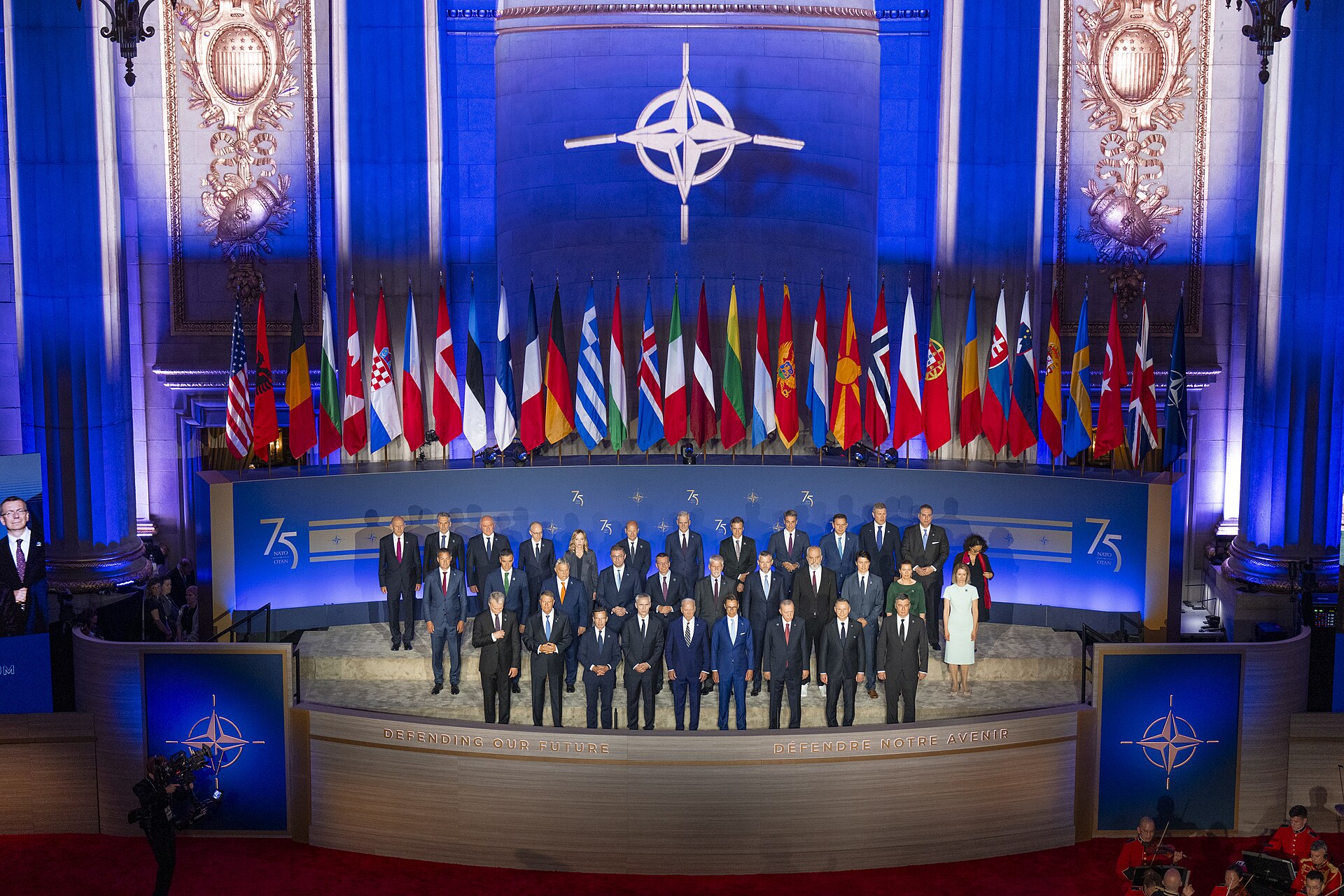
The Islamabad MOU between the United States and Iran is at Day 22 of its 60-day term. President Donald Trump declared the agreement “over” on July 8 at the NATO summit in Ankara, calling Iranian leaders “sick people.” He subsequently indicated that US negotiators could continue working, without specifying terms or conditions.
Iran has not formally declared the MOU void. Araghchi’s July 9 calls with Turkish, Omani, and Pakistani counterparts framed the US strikes as MOU violations — language that treats the agreement as nominally in effect from Tehran’s perspective.
The July 11 Islamabad round of technical talks — where the nuclear track was expected on the agenda for the first time — has not been confirmed as canceled, but its status is acutely uncertain. The gap between Trump’s public declaration and Iran’s continued invocation of the MOU creates an ambiguity that neither side has moved to resolve.
Background
The United States began striking Iranian targets on July 7, 2026, with a first wave hitting more than 80 targets. A second wave on July 8 struck approximately 90 targets. The July 9 wave — which included the Bushehr perimeter — struck roughly 90 additional targets across southern Iran, bringing the three-day total to approximately 260 targets across Bushehr, Chabahar, Bandar Abbas, and Jask.
The Bushehr Nuclear Power Plant, located on the coast of Bushehr Province in southwestern Iran, was built by Rosatom under a contract signed in 1995. Unit 1 reached full power in 2013. Russia and Iran signed a contract for Units 2 and 3 in 2014; construction on those units has been interrupted by the conflict.
South Pars, adjacent to Asaluyeh, is the world’s largest natural gas field, shared with Qatar, which calls its portion the North Dome. Israeli strikes in March 2026 damaged infrastructure across multiple phases of the field.
Frequently Asked Questions
Was the Bushehr reactor itself struck on July 9?
No. Ehsan Jahanian, Bushehr’s deputy governor, specified that the “perimeter of the nuclear power plant” was among targets hit. Iran’s Atomic Energy Organization confirmed no damage to the facility’s reactor, fuel storage, or operational systems. The perimeter encompasses security fencing, access roads, guard posts, and auxiliary structures; the reactor building sits deeper within the complex behind multiple physical barriers. The prior closest confirmed strike, in March 2026, landed 350 metres from the reactor core. The July 9 strike represents a further narrowing of that distance, though precise coordinates have not been released by either side.
Which US bases has Iran struck so far?
As of July 9, Iran has struck US military facilities in four countries: Naval Support Activity Bahrain (Fifth Fleet headquarters) and Sheikh Isa Air Base in Bahrain; Camp Arifjan and Ali Al Salem Air Base in Kuwait; Al Udeid Air Base in Qatar; and Muwaffaq Salti Air Base in Jordan. Prince Sultan Air Base in Saudi Arabia, which hosts approximately 2,300 US personnel, has not been struck but falls within the range envelope of Iran’s Fattah-2 hypersonic glide vehicle at 1,400 kilometres. PSAB is the only major US installation in the Gulf region that has not yet been targeted.
What is the risk to Gulf desalination from a Bushehr reactor incident?
A Qatari government simulation found that a direct hit on the Bushehr reactor could contaminate seawater across the Persian Gulf to the point where desalination plants could not produce safe drinking water. Standard desalination equipment is not designed to filter radioactive isotopes such as cesium-137 or strontium-90. Gulf states have minimal groundwater reserves and depend on desalination for upward of 90 percent of their freshwater in some cases. The Bushehr reactor sits on the Gulf coast, and prevailing currents would carry any waterborne contamination southward toward Bahrain, Qatar, the UAE, and Saudi Arabia’s Eastern Province. Iran’s Atomic Energy Organization referenced this risk explicitly in its July 9 statement, warning of “dangerous consequences for regional safety, particularly for countries along the Persian Gulf.”
Has Rosatom responded to the July 9 strike?
Rosatom had not issued a public statement on the July 9 perimeter strike at the time of publication. Russia’s Foreign Ministry previously called strikes near Bushehr “a reckless, irresponsible manifestation of a disastrous course,” and Rosatom CEO Alexei Likhachev stated in April 2026 that the company understood “our responsibility to the civilian population and the Iranian government.” As of July 6, Rosatom was planning to return approximately 200 previously evacuated technical staff — including reactor operators, fuel handlers, and radiation protection specialists — to Bushehr starting mid-July. That timeline is now in question. The July 9 strike also raises the status of Rosatom’s contract for Bushehr Units 2 and 3, signed in 2014, whose construction schedule was already delayed by the conflict.