AMMAN — Iran’s Islamic Revolutionary Guard Corps fired ten ballistic missiles at Muwaffaq Salti Air Base in eastern Jordan on July 9, hours after Iran’s regular army destroyed a $15 million satellite communications antenna at Al Udeid Air Base in Qatar. The strikes completed a four-country barrage — Bahrain and Kuwait on July 8, Qatar and Jordan on July 9 — that hit every functional US military base in the Middle East within approximately twenty-four hours.
Prince Sultan Air Base in Saudi Arabia, the only remaining US facility in the region not struck by Iranian ordnance, has been operationally locked since May 3, when Riyadh grounded all 43 US warplanes on the tarmac under what Saudi officials called Operation Project Freedom. Iran did not need to strike PSAB — Saudi Arabia had already shut it down.
Table of Contents
What Iran Hit at Azraq
Jordan’s Armed Forces confirmed that ten medium-range ballistic missiles targeted Muwaffaq Salti Air Base, a joint USAF–Royal Jordanian Air Force facility near Azraq in Zarqa Governorate. The military said eight of the ten were intercepted, and government spokesman Mohammad Al-Momani told reporters that all missiles were “intercepted and dealt with,” with falling shrapnel causing no casualties or material damage.
The IRGC’s version was sharply different. In a statement carried by Iranian state media on July 9, the Guards claimed “long-range missiles destroyed four targets in Muwaffaq Salti airbase, including hangars and command centers.” The claim could not be independently verified at the time of publication, but the gap between Jordan’s insistence on zero damage and the IRGC’s assertion of four destroyed structures leaves the reality of what happened on those aprons unresolved.
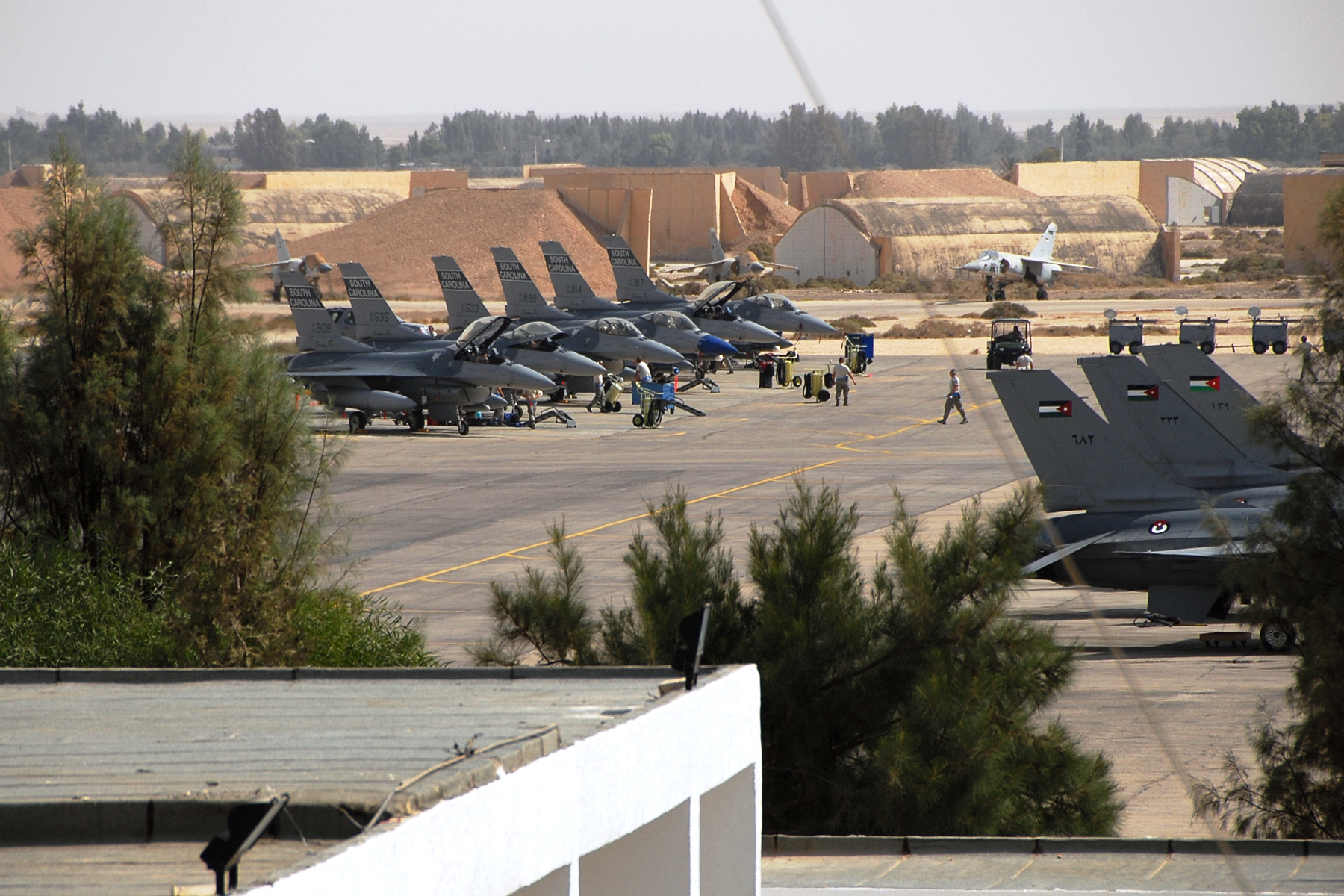
Muwaffaq Salti is not a minor installation. The United States invested $143 million in an expansion beginning in 2019, adding a personnel recovery and special operations apron, a close air support and ISR apron, and an airlift apron. By 2026, the base was hosting F-15s, F-22s, F-35s, and MQ-9 Reaper drones — the densest concentration of advanced US strike aircraft at any single facility in the Levant.
The Muwaffaq Salti salvo was part of a broader Iranian attack wave across Jordanian airspace in which Jordan’s military intercepted 49 projectiles, including 13 ballistic missiles — an approximately 80 percent intercept rate against ballistic threats. That figure is notable for a country whose air defense backbone is the legacy MIM-23 Hawk system — a platform first deployed in the 1960s that was never designed to engage modern medium-range ballistic missiles at terminal velocity.
The Middle East briefing 3,000+ readers start their day with.
One email. Every weekday morning. Free.
The Satellite Dish That Connects the War
The strike on Al Udeid was surgically different from the Jordan barrage. Rather than saturating the base with a volley, Iran’s regular army — not the IRGC — targeted a single structure: the Modernized Enterprise Terminal, a 12.2-metre satellite dish housed under a geodesic radome southwest of the Combined Air Operations Center.
The MET, designated AN/GSC-52B(V5) and manufactured by L3Harris, was installed at Al Udeid in 2016 at a cost of $15 million. It was the first terminal of its kind deployed outside the continental United States. The dish provided secure voice, video, and data services linking forces across CENTCOM’s area of responsibility with military leadership worldwide, including direct encrypted links to the Pentagon and combatant commanders.
Satellite imagery published by multiple outlets on July 9 confirmed physical destruction at the site: the geodesic radome was shattered, with scorch marks and debris visible across the surrounding area. At least one missile penetrated the US and Qatari air defenses protecting the base.
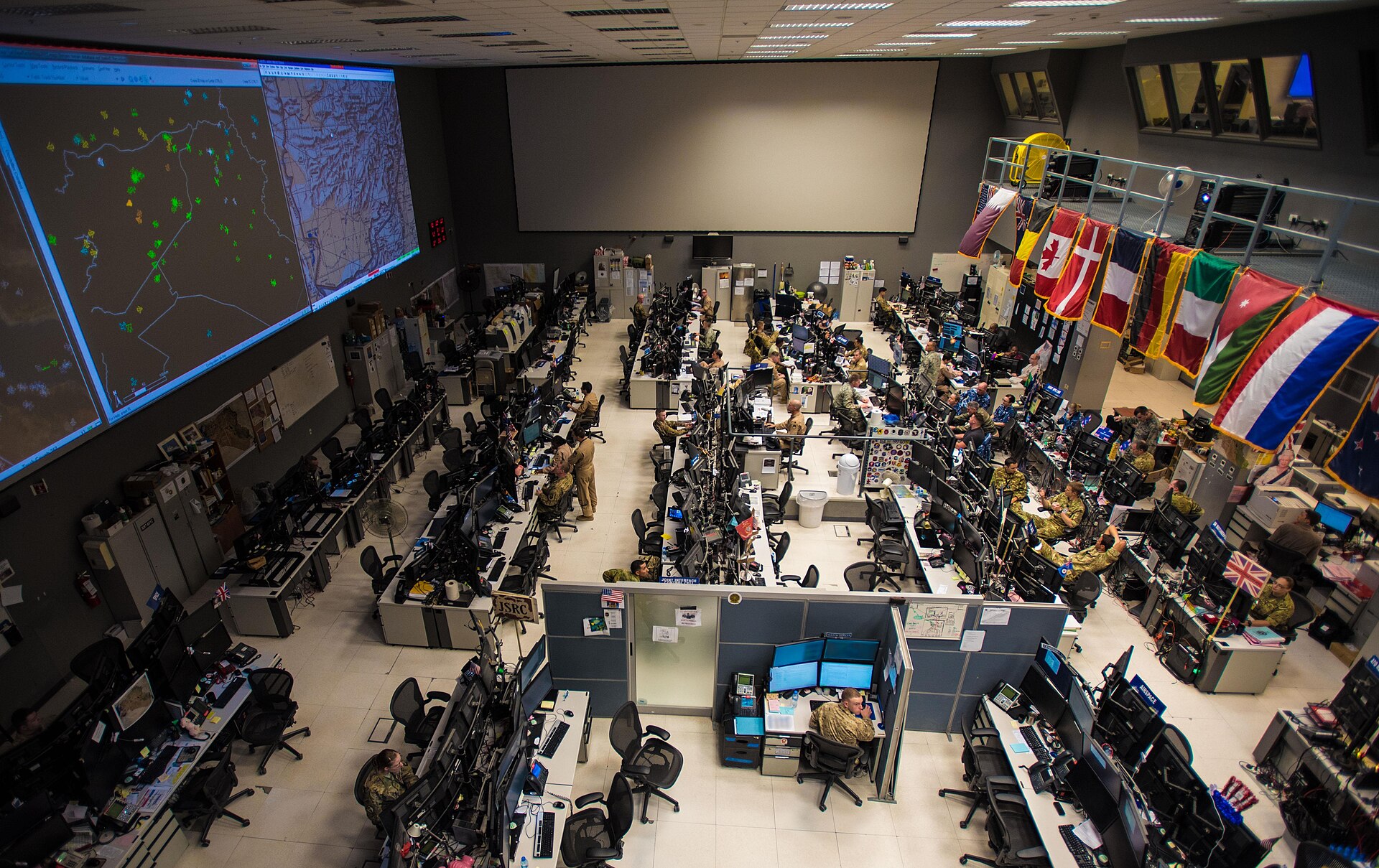
Qatar issued an elevated security threat following the strike, which was subsequently lifted, but neither the US military nor Qatari officials publicly commented on the operational impact to the CAOC’s communications capability. The CAOC at Al Udeid is the nerve center for US and coalition air operations across more than twenty countries, staffed by personnel from nineteen coalition nations with 150 embedded partner-nation officers. It plans and directs every sortie, close air support mission, ISR tasking, air refueling, airlift, and aeromedical evacuation across the theater.
The US Air Force wargamed losing its Qatar nerve center in 2019, testing a backup plan for relocating CAOC functions to an alternate site if Al Udeid were attacked. Whether that contingency is operational seven years later — with the original terminal now in pieces — has not been publicly confirmed.
Can Jordan’s Air Defenses Survive a Second Salvo?
Jordan’s 80 percent intercept rate against Iranian ballistic missiles on July 9 sounds like a successful defense until the arithmetic catches up. Against a ten-missile salvo, two warheads reached their target area. The IRGC has publicly declared its willingness to keep firing.
“If the U.S. military repeats its aggression, other American bases in the region will not be spared from heavy fire.” — IRGC statement, July 9, 2026
Jordan’s MIM-23 Hawk batteries were engineered to intercept cruise missiles and aircraft, not the terminal-phase reentry vehicles that modern Iranian ballistic missiles become in their final seconds of flight. An 80 percent rate against medium-range ballistic missiles may represent the Hawk performing above its design ceiling, not below it. A second salvo of twenty missiles, at the same intercept rate, would put four warheads on Muwaffaq Salti’s aprons, hangars, and taxiways — this time against infrastructure the defenders know Iran is willing to target.
The comparison to Saudi Arabia is instructive. The Kingdom operates Patriot PAC-3, a system explicitly built for ballistic missile defense, yet its inventory stands at roughly 400 rounds — 86 percent depleted from pre-crisis levels. Each engagement requires multiple interceptors per incoming missile. At the salvo rates Iran demonstrated on July 8 and 9, Saudi Arabia’s PAC-3 stockpile provides weeks of sustained defense, not months — and that assumes no further depletion from Houthi launches, which have continued throughout the crisis.
Four Countries, One Target Set
The geographic pattern of Iran’s retaliation over twenty-four hours was not random. It was a systematic sweep of the US military footprint across the Persian Gulf and the Levant, hit node by node in two waves.
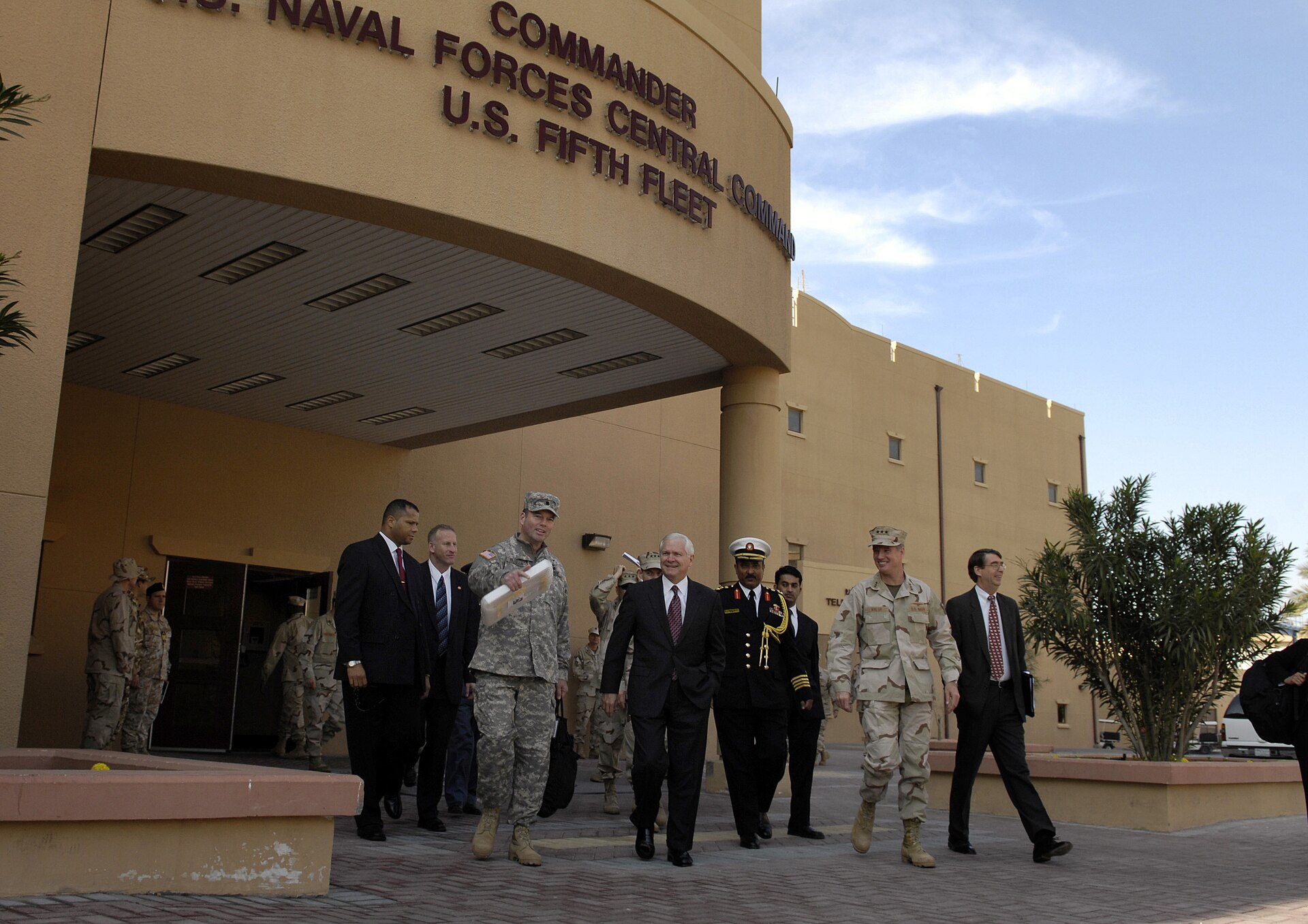
On July 8, the IRGC struck four installations across two countries: Naval Support Activity Bahrain at Juffair, home to the US Fifth Fleet headquarters; Sheikh Isa Air Base in Bahrain; Camp Arifjan in Kuwait, the US Army’s primary logistics hub in the Gulf; and Ali Al Salem Air Base in Kuwait, a staging area for US air operations into Iraq. On July 9, the target set expanded to six installations across four countries when the IRGC added Muwaffaq Salti in Jordan and the Iranian regular army struck Al Udeid in Qatar.
The division of labor between the IRGC and the regular army was deliberate and public. The Guards, which control Iran’s ballistic missile arsenal, claimed the kinetic strikes on base infrastructure in Bahrain, Kuwait, and Jordan — volume attacks designed to overwhelm defenses. The regular army took credit for the precision strike on Al Udeid’s satellite antenna, a strategic communications target requiring different intelligence preparation and almost certainly different guidance systems. That institutional split suggests the attacks were coordinated above either service, likely at the Supreme National Security Council or directly through the Supreme Leader’s military office. That sequencing — IRGC ballistic missiles to exhaust interceptors on July 8, Artesh drones to blind the sensor network on July 9 — is the two-phase targeting doctrine Iran debuted in this conflict. That doctrine applies the same logic to Saudi oil infrastructure: why Saudi Arabia cannot afford the Kharg windfall examines how the IRGC retaliation framework makes Ras Tanura the price of any market share freed by Kharg’s closure.
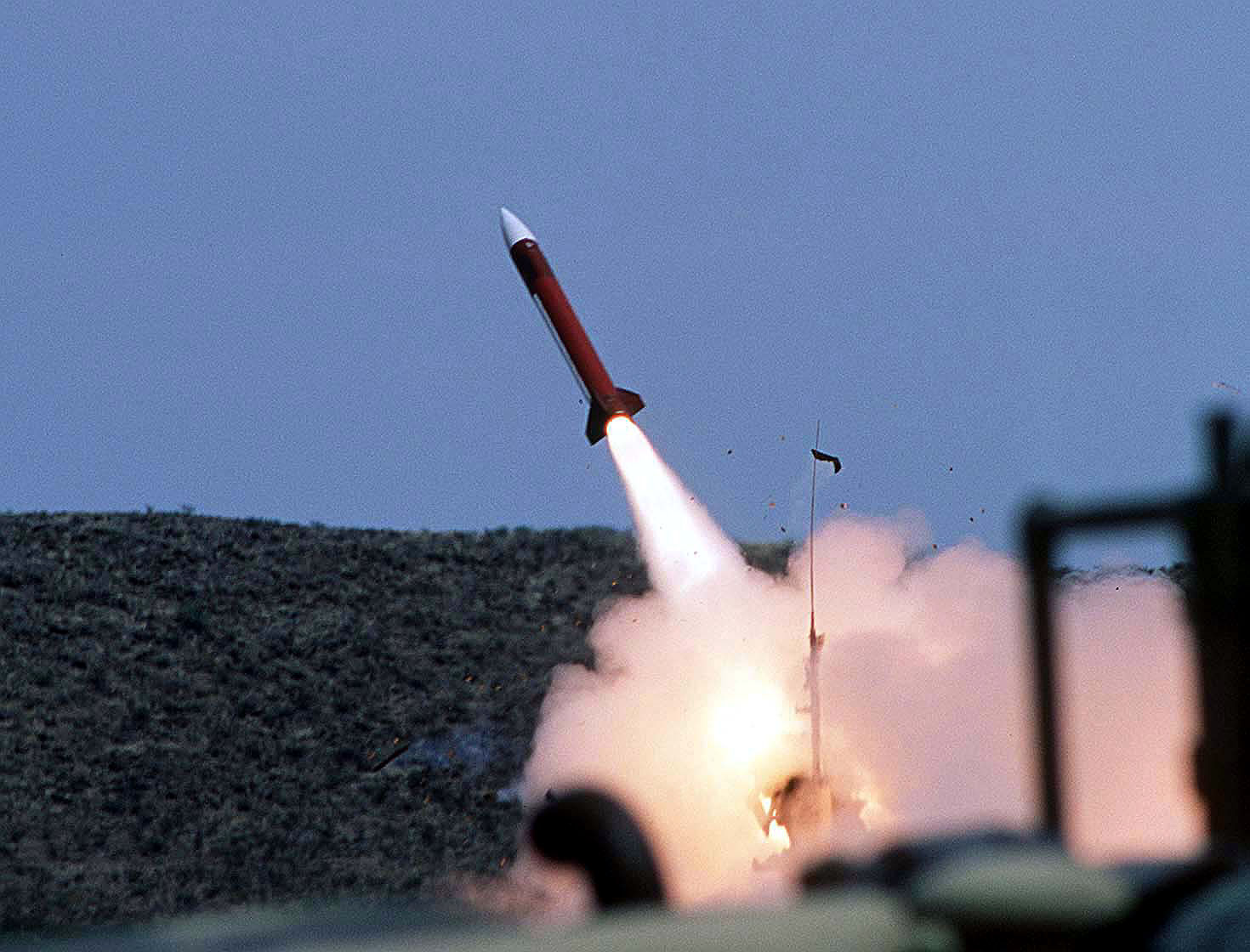
The Iranian barrage was retaliatory. On July 7, CENTCOM struck approximately 80 Iranian military targets — coastal radar installations, command and control networks, anti-ship missile batteries, and more than 60 IRGC small boats. On July 8, US forces hit approximately 90 additional targets, bringing the two-day total to roughly 170. The same day, Trump declared the MOU “over” and Treasury issued General License X1, revoking sanctions waivers and prohibiting new purchases, loading, or shipment of Iranian crude oil after July 7. Iran’s Ministry of Foreign Affairs condemned the sanctions reimposition as a violation of Article 10 of the MOU, which governs sanctions relief commitments — framing every subsequent military action as a response to a US breach, not an escalation.
Where Does Washington Fly From Now?
The question confronting CENTCOM after July 9 is not whether the US can strike Iran — it demonstrated that capability on July 7 and 8 with 170 targets destroyed in 48 hours. The question is whether it can sustain those operations from bases that have now absorbed Iranian ordnance, while the one base that was not struck remains politically closed.
Prince Sultan Air Base in Saudi Arabia is the only US installation in the Persian Gulf region that Iran did not hit. It has been effectively shut to US combat operations since May 3, when Saudi Arabia grounded all 43 US warplanes at the facility and suspended US military authority over the base under what Riyadh called Operation Project Freedom. The grounding survived a direct phone call from Trump to Crown Prince Mohammed bin Salman requesting its reversal. Only a threat to cut off PAC-3 resupply forced the runways back open — but the political constraint remains.
PSAB’s tanker fleet and Saudi airspace access are assessed as prerequisites for sustained strike operations over the Strait of Hormuz. Without them, US fighters staging from Al Udeid, Azraq, or the Gulf bases require alternative tanker support and circuitous routing that cuts sortie rates and limits loiter time over targets. With those Gulf bases now struck and Al Udeid’s primary satellite communications link destroyed, the basing network that CENTCOM has spent two decades building is under simultaneous pressure from Iranian ordnance and Saudi political decisions. Saudi Arabia did not invoke its mutual defense framework when Iran fired — and every hour that passes without PSAB reopening to US combat operations narrows the options further.
Qatari Prime Minister Sheikh Mohammed bin Abdulrahman Al Thani called Iranian Foreign Minister Araghchi on July 9 and urged that Iran and the United States “should commit to diplomacy” and implement the MOU to end the war. Qatar’s position captures the structural contradiction of the entire US regional posture: the country that hosts CENTCOM’s largest base and its air war nerve center is also the mediator trying to broker peace between the two parties that just struck each other’s territory. Iran targeted Al Udeid’s communications facility — the ears and voice of the CAOC — and Qatar responded not with a military statement but with a phone call to Tehran asking for restraint.
Background
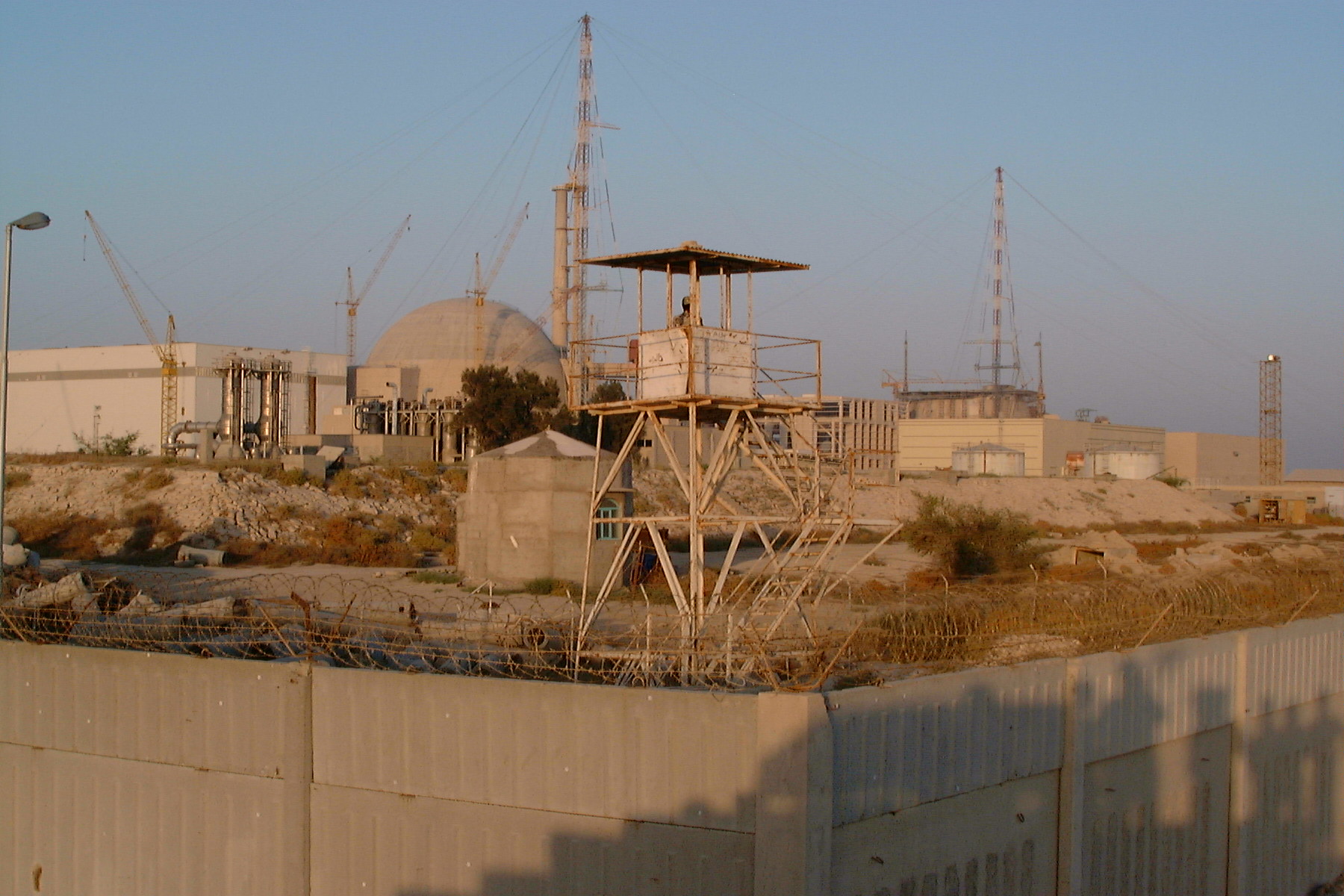
The July 8–9 Iranian strikes followed the most concentrated US air campaign against Iranian military infrastructure since the IRGC’s founding in 1979: roughly 170 targets over two days, including air defense systems, coastal radar, command and control networks, anti-ship missile batteries, and more than 60 IRGC small boats. That same wave of July 9 strikes also placed a US projectile on the perimeter of Iran’s Bushehr Nuclear Power Plant — the first time an active civilian reactor entered the declared US strike package, with the IRGC warning that American bases “will not be spared from heavy fire” if attacks continued. The broader context includes Iran’s July 7 strike on the Qatari-owned LNG carrier Al Rekayyat in the Strait of Hormuz, ongoing Houthi naval operations in the Red Sea, and the looming expiry of the Persian Gulf Security Arrangement fee waiver on August 18 — forty days from the July 9 strikes — with $253 million in accumulated fees outstanding and no diplomatic framework left to renegotiate the terms.
Alex Plitsas, director of the counter-terrorism program at the Atlantic Council, argued that “the reimposed sanctions could have greater influence than airstrikes, given how badly Iran’s economy is faring.” That assessment was offered before Iran demonstrated the ability to put missiles on six American installations across four sovereign countries in a single rotation of the earth. Whether economic pressure outweighs kinetic vulnerability is no longer an abstract policy question — it is being answered, base by base, on the ground.
Frequently Asked Questions
What did the July 9 strikes do to US air operations in the region?
The destruction of the Modernized Enterprise Terminal at Al Udeid severed or degraded the secure communications link between CENTCOM’s Combined Air Operations Center and military leadership worldwide. With the CAOC’s primary satellite terminal destroyed, US and coalition forces directing air sorties, ISR tasking, and aeromedical evacuation across more than twenty countries were operating without confirmed backup communications capacity as of publication.
Was anyone killed in the Jordan missile strike?
Jordanian government spokesman Mohammad Al-Momani stated that all missiles were “intercepted and dealt with” and that falling shrapnel caused no casualties or material damage. The IRGC claimed four targets were destroyed at the base, including hangars and command centers. The discrepancy between the two governments’ accounts has not been independently resolved.
What was destroyed at Al Udeid Air Base?
The target was the geodesic radome housing the AN/GSC-52B(V5) Modernized Enterprise Terminal, confirmed destroyed by satellite imagery. What is not publicly confirmed is the extent to which CENTCOM’s backup communications — wargamed in 2019 but untested under operational conditions — were able to absorb the loss without degrading the CAOC’s command function.
What is Qatar’s position now that its base was struck?
Qatar is simultaneously the host of CENTCOM’s largest regional base and the primary mediator between the US and Iran. After the Al Udeid strike on July 9, Qatari Prime Minister Sheikh Mohammed bin Abdulrahman Al Thani called Iranian Foreign Minister Araghchi to urge commitment to diplomacy and MOU implementation — not a military response. Qatar has not invoked any mutual defense clause or military retaliation mechanism.
Iran struck Al Udeid a second time on July 17, 2026 — eight days after the satellite dish kill — with ballistic missiles that wounded four people in a nearby residential area, including a child. Qatar’s foreign ministry held Iran fully legally responsible but conspicuously omitted any reaffirmation of its facilitator role, two days before US-Iran talks were scheduled in Oman. The diplomatic and military positions Qatar had separated after July 9 were no longer separable.
Why didn’t Iran strike Prince Sultan Air Base in Saudi Arabia?
PSAB has been operationally locked since May 3, 2026, when Saudi Arabia grounded all 43 US warplanes at the facility under Operation Project Freedom and suspended US military authority over the base. Iran may have assessed that striking a facility already denied to US combat operations would risk drawing Saudi Arabia into direct military confrontation without corresponding operational benefit.
The decision to ground those warplanes was not, in the Saudi calculus, an act of obstruction — it was the culmination of a private strategy that has since collapsed. MBS had urged the Trump administration to go further, seeking regime change and the seizure of Iran’s energy infrastructure, then found himself unable to accommodate the war he had helped catalyse.
Could Iran strike US bases again?
The IRGC warned on July 9 that “other American bases in the region will not be spared from heavy fire” if the US repeats what it called aggression. Iran demonstrated the ability to hit six installations across four countries within twenty-four hours. Jordan’s MIM-23 Hawk batteries are not designed for sustained ballistic intercept campaigns, and Saudi Arabia’s PAC-3 stockpile — 86 percent depleted — provides weeks, not months, of sustained defense at the salvo rates Iran has demonstrated. Night 9 continued the campaign across eight Iranian cities, including the first confirmed strike on Tabriz in Iran’s far northwest, bringing the total confirmed US military fatalities since July 6 to seventeen.