
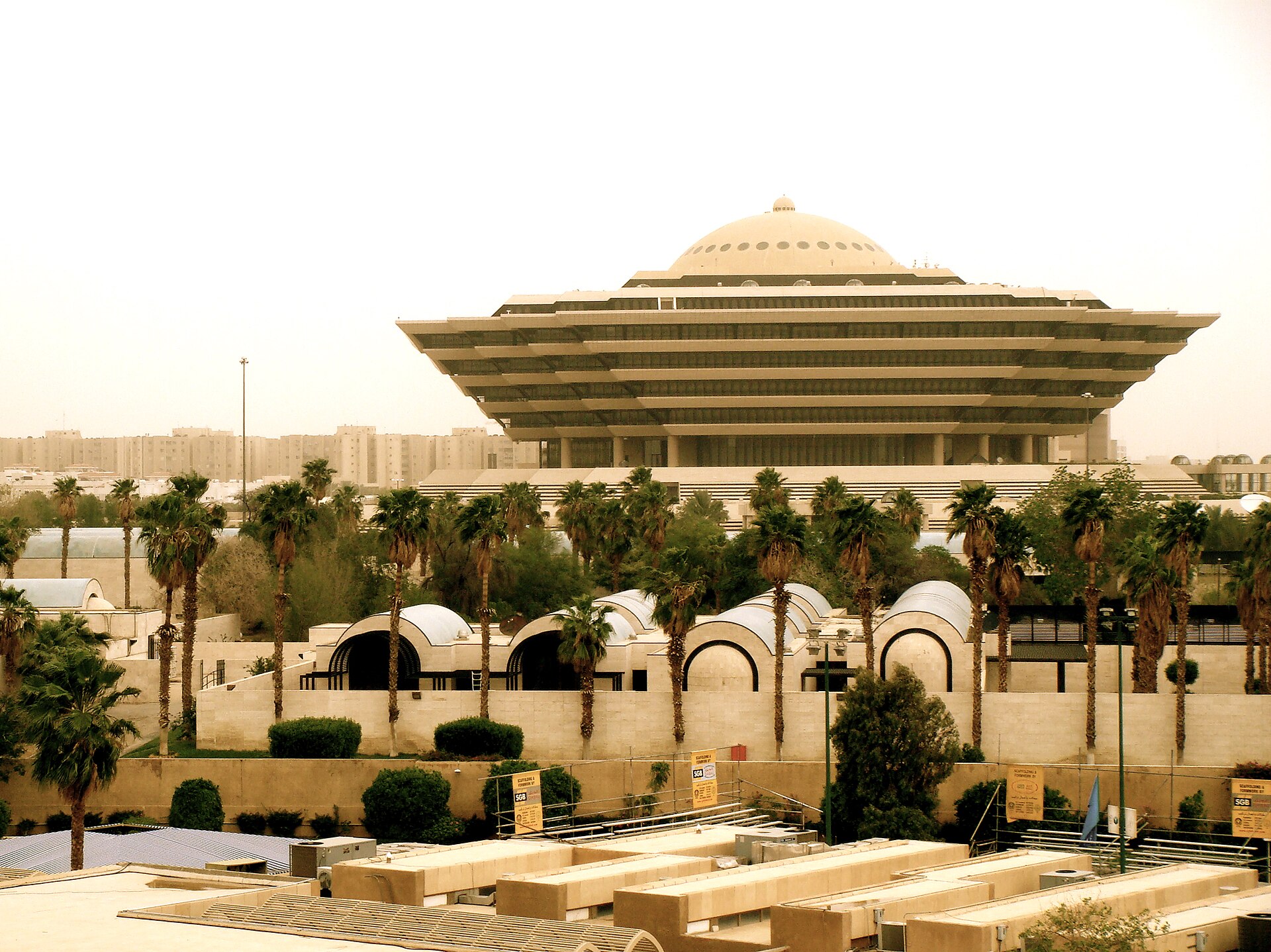
RIYADH — The Houthis claimed on October 22 to have struck the Saudi Defense Ministry in Riyadh, the first time the group has named the ministry as a target since the current escalation began in July. Saudi authorities have not confirmed the claim. The Saudi-led coalition said it intercepted four drones over Riyadh and Madinah but did not address the specific target.
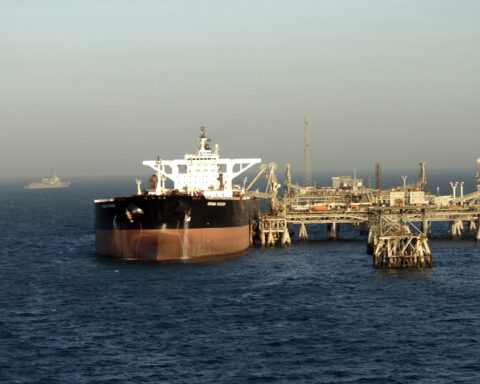
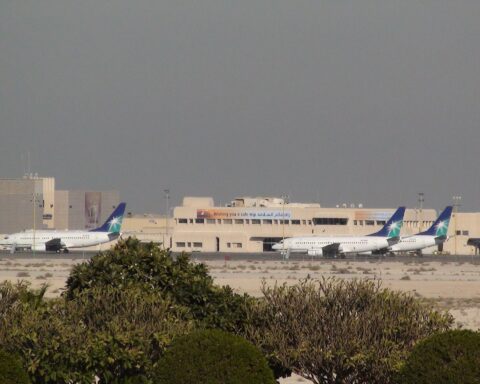
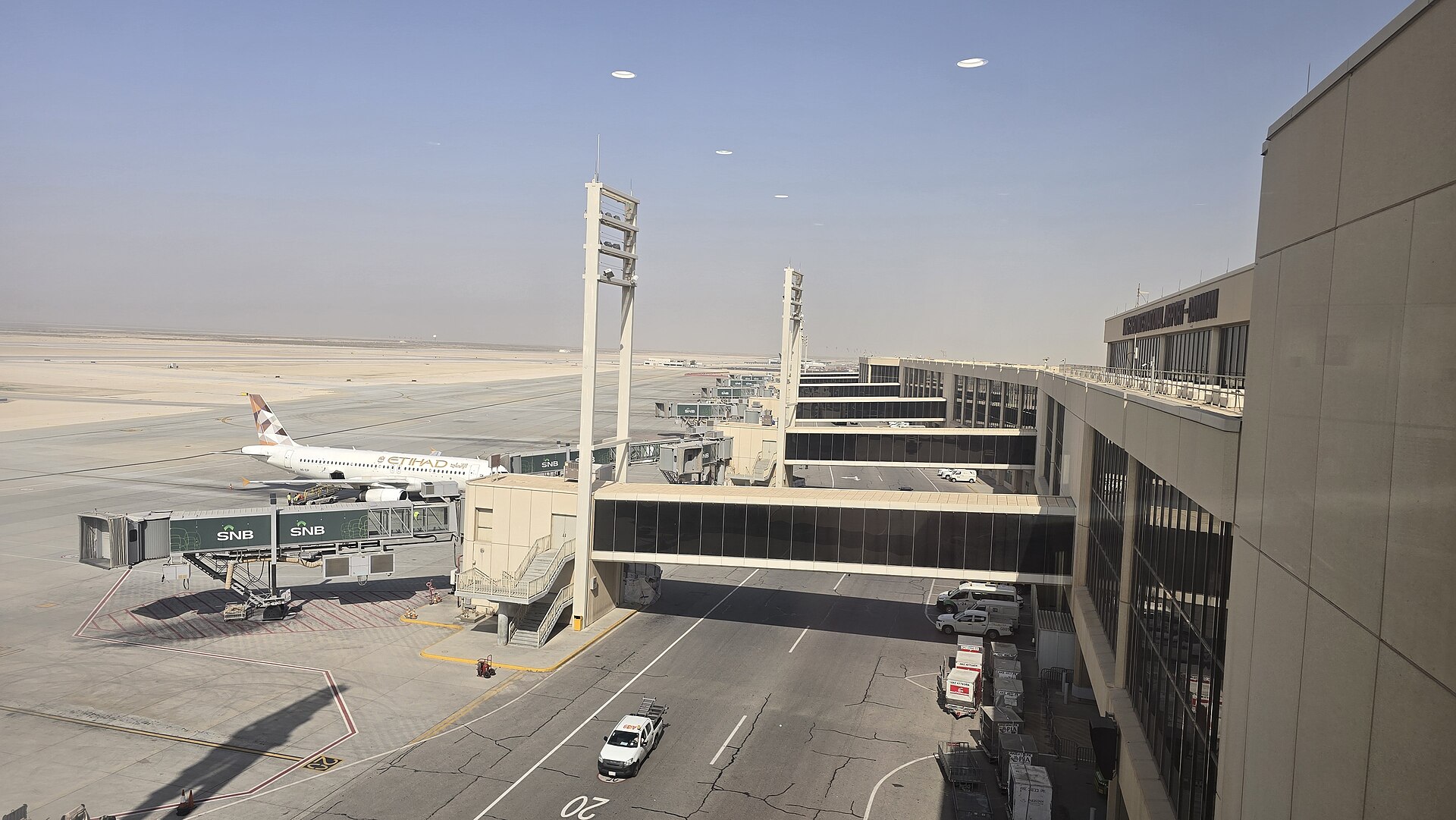
What is confirmed: two people were killed and eight wounded at King Fahd International Airport in Dammam, the Saudi civil aviation authority said. Two more died at the Shaybah oilfield when air defenses intercepted a drone above the facility, according to the Saudi Energy Ministry. Saudi Aramco ordered a full evacuation of its Dhahran headquarters — the first since the conflict resumed in July — directing all remaining staff to work remotely, Reuters reported, citing six people with knowledge of the matter.
Houthi spokesman Yahya Saree described four operations over 48 hours. The ministry he named is the office of Defense Minister Prince Khalid bin Salman, who on October 5 told the Makkah pact committee he chairs that it was time to “activate collective deterrence measures… in response to the attacks and all those responsible for them,” according to Al Jazeera.
The House of Saud Daily Briefing
Saudi Arabia's news in 3 minutes, every morning. Free. See today's issue
Table of Contents
- What Did the Houthis Claim on October 22?
- The Confirmed Toll: 4 Dead, Aramco Evacuated
- What Would Hitting the Defense Ministry Mean?
- Has This Claim Been Made Before?
- From Airports to Command: The Targeting Arc
- What Does the Coalition’s Interception of 4 Drones Tell Us?
- Tehran’s Doctrine Shift and the Coalition Response
- Frequently Asked Questions
What Did the Houthis Claim on October 22?
Houthi military spokesman Yahya Saree announced four operations carried out over the preceding 48 hours using ballistic missiles and drones. He named four targets: the Defense Ministry headquarters in Riyadh, King Fahd International Airport in Dammam, an Aramco facility in Yanbu, and Abha International Airport. Only the Dammam airport attack has been independently confirmed by Saudi authorities.
Saree’s statement, reported by the Times of Israel, Al Jazeera, and Yahoo-syndicated Aviation Pros, described the first operation as a strike on the Defense Ministry. He called the fourth, targeting Abha airport, a “direct hit.” Neither claim has been verified. The Yanbu Aramco claim — which L’Orient Le Jour reported without Saudi confirmation — also remains unverified. The Saudi Energy Ministry confirmed the Shaybah oilfield deaths separately, but the Shaybah attack was not one of Saree’s four named operations.
Saree framed the attacks as a response to “hostile acts and military escalation by the Saudi-led coalition over the past 100 days.” He cited 562 Yemeni casualties since mid-July, a figure that has not been independently confirmed. He reiterated a warning first made on October 13, when he told anyone near an Aramco facility to “evacuate immediately” and called the sites “legitimate targets,” as reported by Newsquawk and LBCI Lebanon.
Coalition spokesman Turki al-Maliki said the coalition intercepted and destroyed four drones in airspace over Riyadh and Madinah, according to Aaj English TV. He did not confirm or deny strikes on the Defense Ministry, Yanbu, or Abha. He did not mention ballistic missiles.
The Confirmed Toll: 4 Dead, Aramco Evacuated
At King Fahd International Airport in Dammam, a Houthi projectile killed two people — one Saudi national and one Indian national — and wounded eight others, according to the General Authority of Civil Aviation. The initial GACA report listed one death; Al Hurra later updated the toll to two. Airport operations resumed after a temporary suspension.
At the Shaybah oilfield in the Empty Quarter, two people were killed when air defenses intercepted a drone targeting the facility, the Saudi Energy Ministry said. Production was not affected, the ministry added. Shaybah is one of Saudi Arabia’s most remote major oil fields, deep inside the Rub al-Khali desert.
The four confirmed deaths on October 22 came on top of a toll that has been accumulating since early October. Between October 6 and 11, Houthi attacks on Saudi airports killed 20 people and wounded more than 300, according to GACA statements compiled by BBC reporting. The deadliest single incident — a strike on King Khalid International Airport on October 10 — killed 13 and wounded 308 to 309. Al Jazeera’s initial report gave 12 deaths; the BBC confirmed a 13th victim, an Indian national, died the following day. The two outlets also gave slightly different counts for the injured.
Hours after the Dammam and Shaybah attacks, Saudi Aramco ordered a full evacuation of its Dhahran headquarters — the campus from which Saudi Arabia’s state oil company manages worldwide production and export operations. Reuters, citing six people with knowledge of the matter, reported it was the first complete evacuation of the campus since the current conflict cycle resumed in July. The Dhahran compound houses not just executive offices but engineering, logistics, and export coordination functions for a company with an OPEC+ production target of 10.5 million barrels a day, according to Enerdata. Most employees had already shifted to remote work since the October 13–14 missile attack that struck an administrative building on the compound, causing what the Saudi Energy Ministry described as a “limited fire” and wounding four workers, according to the BBC.
Bloomberg reported that the October 22 evacuation followed an alarm inside the complex, though its sources did not say what triggered the alarm or how long staff would be kept out. Aramco did not comment. Brent crude futures rose above $111 a barrel on October 22, according to Reuters. The Saudi Tadawul All Share Index fell 2.5%, according to LSEG data cited by Reuters.
What Would Hitting the Defense Ministry Mean?
The Saudi Defense Ministry is the administrative headquarters of the defense minister and the Chief of the General Staff, who provides armed forces oversight. A strike on the building would target the political-military chain of command — the people who authorize and coordinate the coalition’s operations — rather than the airports and oil terminals that have been the Houthis’ primary targets to date.
Prince Khalid bin Salman, who has served as defense minister since September 2022, is the central figure. He chairs the Makkah pact committee, which on October 5 announced the activation of “collective deterrence measures,” according to Al Jazeera. He oversees the Saudi Arabian Military Industries corporation. He has been the primary interlocutor with Pakistani and Turkish military chiefs — the two allied forces agreed for deployment under the pact.
“Activate collective deterrence measures… in response to the attacks and all those responsible for them.”
Prince Khalid bin Salman, Makkah pact committee, October 5, 2026 (Al Jazeera)
A Carnegie Endowment analysis noted that Saudi Arabia does not yet have a fully centralized joint operational command. The planned Joint Operational Command facility, part of the P-563 defense modernization program, has not been built, according to MEED. Operational coordination for the Yemen campaign runs through channels that are not publicly documented and may not be housed in the ministry building itself.
This distinction matters for assessing what a confirmed strike would actually disrupt. If the building were hit while senior staff were present, the consequences would be political — threatening the minister’s coordination role, the Makkah pact committee’s functioning, and the institutional link between Saudi military planning and its multinational partners. Operational command of air and ground forces in Yemen, however, does not appear to run through the ministry’s administrative offices, based on available open-source information. The data here is thin, and Saudi Arabia does not publish its command architecture.
The question of whether leadership targeting changes the course of a conflict has been tested recently from the other direction. In 2025, Israel struck members of the Houthi cabinet. Andreas Krieg, a military analyst at King’s College London, assessed that the strikes were “not a decisive turning point in the war,” according to the Daily Sabah. The Sana’a Center for Strategic Studies concluded that the officials killed “held limited influence within the group’s decision-making structures.”
The parallel is imperfect — decentralized movements absorb leadership strikes differently from state militaries with fixed headquarters. But the Houthis’ October 22 claim names the building, names the minister who works there, and follows a targeting pattern that mirrors the approach Israel used against the group’s own leadership the year before. The difference is that Israel confirmed its strikes with evidence. The Houthis have not.
The coalition’s response was notable for its omissions. Al-Maliki confirmed four drones were intercepted over Riyadh and Madinah. He did not name any targets, did not confirm an attempted strike on the ministry, and did not deny one. Saudi state media carried no statement from the Defense Ministry itself on October 22.
Has This Claim Been Made Before?
The Houthis have claimed the Defense Ministry as a target at least twice before. In 2018, the group said Burkan ballistic missiles struck the ministry, according to Al Jazeera. In 2020, Houthi media reported the group had “pounded military headquarters including the defense ministry,” a claim the coalition denied. Neither claim was accompanied by evidence of damage. No independent verification followed on either occasion.
The pattern is consistent: the Houthis announce a high-value target in Riyadh, Saudi authorities either deny the strike or decline to address it, and the factual record remains unresolved. The March 2018 incident involved a volley of seven missiles at Saudi Arabia that the coalition said it intercepted — a claim the American missile analyst Jeffrey Lewis, of the East Asia Nonproliferation Program, disputed. An Egyptian man was killed by debris from that engagement, and two others were wounded.
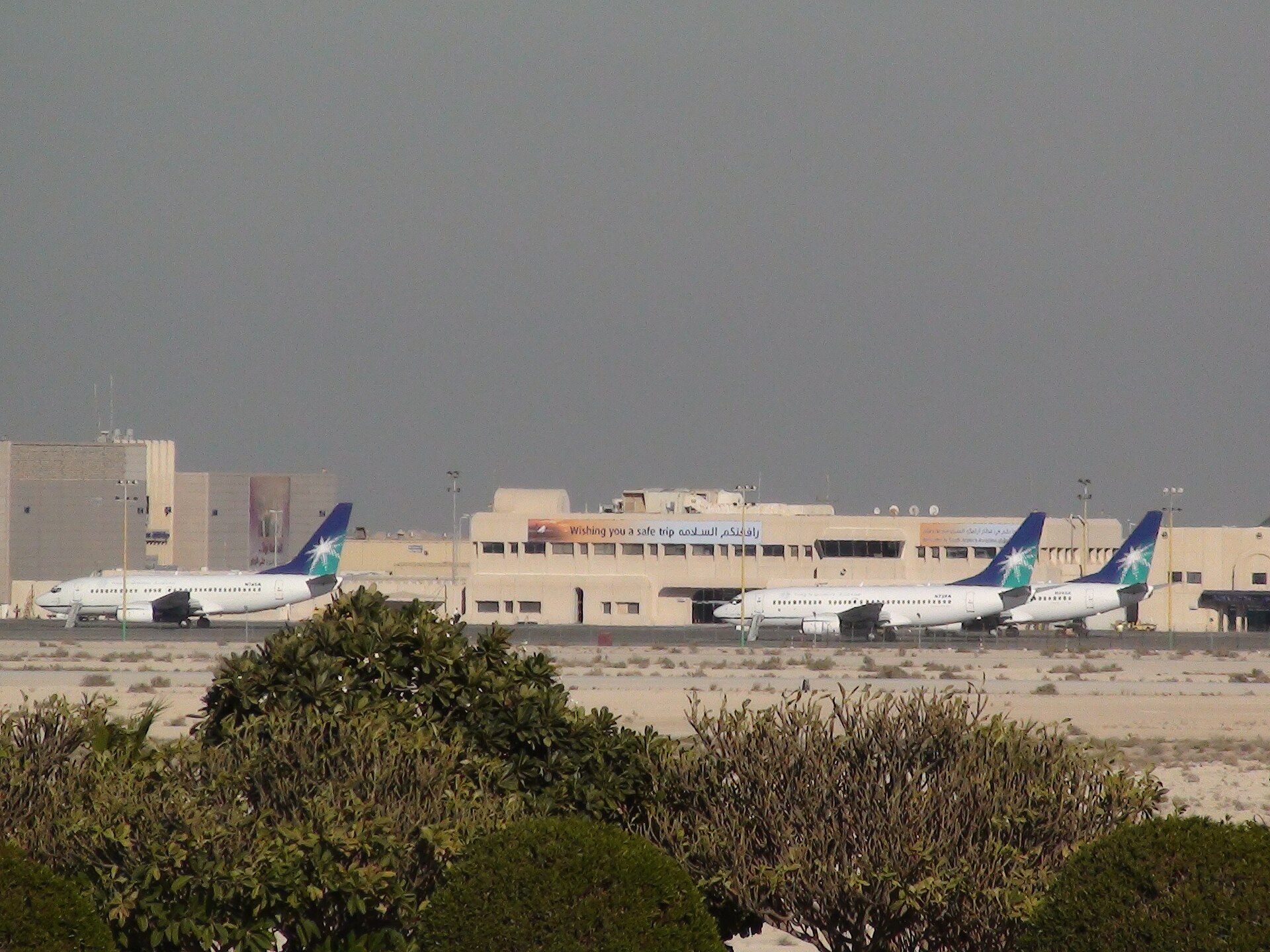
What distinguishes the October 2026 claim is context. The 2018 and 2020 Defense Ministry claims were isolated launches during periods of intermittent Houthi attacks. The current claim sits inside a sustained campaign that has, in confirmed incidents, shut Riyadh’s airport for days, struck Aramco’s headquarters, killed 20 people at Saudi airports in a single week, and forced the evacuation of Aramco’s Dhahran campus. The earlier claims lacked the operational backdrop that would make them credible. This one has it — which does not make it true, but does make it harder to dismiss.
There is also the question of capability growth. The Houthis’ ability to reach Riyadh was contested in 2018, when Lewis challenged the Saudi claim that all seven missiles in the March volley were intercepted. By 2026, the group has demonstrated, with confirmed casualties on the ground, that its projectiles can reach Riyadh, Dammam, and Shaybah with lethal effect. The October 10 KKIA strike — 13 dead, more than 300 wounded — was one of the deadliest single Houthi attacks in the conflict’s history. Against that backdrop, the claim to have reached a government building in the capital is no longer inherently implausible, even if it remains unproven.
From Airports to Command: The Targeting Arc
The Houthi escalation since July 2026 follows a pattern that moves from south to north and from soft to hard targets. Each new category appeared after the previous one had been tested and, from the Houthis’ perspective, proven reachable.
| Date | Target | Confirmed | Source |
|---|---|---|---|
| Jul–Sep 2026 | Southern cities: Khamis Mushait, Abha, Taif | Yes | Khaleej Times, 2026-09-14 |
| Sep 19 | King Khalid International Airport, Riyadh | Yes | Reuters via Kathmandu Post, 2026-09-20 |
| Oct 6–11 | KKIA, Abha airport (sustained) | Yes | BBC, 2026-10-08/11 |
| Oct 13–14 | Aramco Dhahran headquarters | Yes | BBC, 2026-10-14 |
| Oct 22 | King Fahd Airport, Dammam | Yes | GACA via Al Jazeera/Al Hurra |
| Oct 22 | Shaybah oilfield | Yes | Saudi Energy Ministry via Bloomberg |
| Oct 22 | Defense Ministry, Riyadh | No | Houthi claim; coalition says 4 drones intercepted |
| Oct 22 | Aramco Yanbu | No | Houthi claim; no Saudi confirmation |
| Oct 22 | Abha airport | No | Houthi claim of “direct hit”; unverified |
Southern cities were the primary target throughout the summer, with 13 civilians wounded in Khamis Mushait, Abha, and Taif, according to Khaleej Times. The first confirmed strike on Riyadh came on September 19, when smoke rose near King Khalid International Airport, Reuters reported. Saudi Arabia asked the UN Security Council to act, according to Al Jazeera. The crown prince called Trump twice in September to request US strikes on the Houthis; both times, Trump first ordered the Pentagon to prepare and then reversed, according to the New York Times via the Philadelphia Inquirer. The diplomatic alarm was real. The military consequence was not enough to alter the Houthis’ tempo.
By early October, the attacks had escalated to a sustained campaign against Saudi airports — 20 people killed between October 6 and 11, according to GACA statements compiled by the BBC. Prince Khalid activated the Makkah pact’s collective deterrence on October 5. Pakistan and Turkey agreed to deploy forces. Yemen’s government launched an offensive on October 4, with the coalition saying 100 jets flew in the opening wave, according to the Oman Observer. The pact’s activation did not stop the October 10 KKIA strike, or the October 13 hit on Aramco’s headquarters.
The shift to energy infrastructure came on October 13, when a missile struck an Aramco building in Dhahran. Riyadh’s airport reopened that same week, only to face further drone interceptions. The Defense Ministry claim on October 22 represents — if true — the next rung: from economic targets to the political seat of the war itself.
The escalation has already reshaped Saudi Arabia’s international calendar. The EU-GCC summit, originally scheduled for Riyadh on October 24, was postponed on October 15 by the GCC Secretariat, citing continued Houthi attacks, according to The National. The Future Investment Initiative, the crown prince’s flagship investment conference set for October 26–29, has been postponed to 2027, according to the FII Institute’s website. The US ordered non-emergency embassy staff and family members to depart Saudi Arabia on October 22.
What Does the Coalition’s Interception of 4 Drones Tell Us?
Al-Maliki’s statement confirmed that the Houthis attempted to reach targets in central Saudi Arabia with drones on October 22. Four were intercepted over Riyadh and Madinah, according to Aaj English TV. What the statement did not address was whether ballistic missiles were also launched, whether any projectiles reached their targets before interception, or whether the four drones corresponded to Saree’s four named operations.
Saree described the use of both ballistic missiles and drones. Al-Maliki mentioned only drones. Ballistic missiles and drones are different weapon systems — different speeds, different altitudes, different interception challenges. If any of the four operations involved ballistic missiles aimed at the Defense Ministry, the interception of four drones does not account for them. The coalition’s statement covered one weapon category and left the other unaddressed.
The gap between the coalition’s interception reports and the ground-level evidence has been a recurring feature of this conflict. After the October 8 strikes, the coalition said it intercepted two ballistic missiles aimed at Riyadh, according to AP. Two days later, a strike on KKIA killed 13 and wounded more than 300, according to Al Jazeera and the BBC. On October 22, the coalition announced four drone interceptions. The same day, four people were confirmed dead at Dammam and Shaybah.
The coalition has not disclosed its interception rate for drones, which fly lower and slower than ballistic missiles and pose a different challenge for air defense systems designed around radar tracking of high-altitude trajectories. Nor has it explained how, if four drones were destroyed before reaching any target, two people still died at Dammam airport from what GACA described as a projectile impact. The Shaybah deaths followed a successful interception — the drone was destroyed, but the engagement killed two people on the ground, according to the Saudi Energy Ministry. Even successful defense carries a cost, and the coalition’s statements have not addressed that arithmetic.
Tehran’s Doctrine Shift and the Coalition Response
On October 21 — the day before Saree’s announcement — the IRGC spokesman Hossein Mohebi declared that Iran was shifting to an “offensive and asymmetrical” defense doctrine, according to IranWire and Al Jazeera. Mohebi said Iran’s missile stockpile had grown 1.5 times since the 12-day war with Israel in June 2025, with improved range, destructive power, and accuracy. He said the IRGC was preparing to unveil what he called the “father of all bombs,” without providing specifications.
A US Congressional Research Service report from July 2026 assessed that Iran supplies the Houthis with weaponry, components, and targeting information. The degree of operational coordination between Tehran and the Houthi military command is not documented in open sources, but the CRS characterized the relationship as one of material and technical support. Whether Mohebi’s doctrine statement and Saree’s targeting claim were sequenced by design or coincidence is unknown. The effect was the same: within 24 hours, Iran declared it was shifting to the offensive and the Houthis claimed they had reached the Defense Ministry.
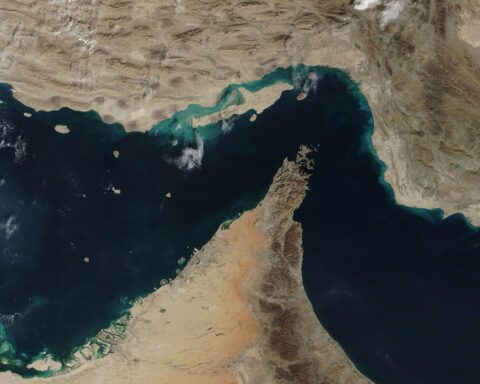
The broader Iranian context reinforced the signal. On the same day as Saree’s statement, Iran claimed that seven oil tankers had been damaged overnight in the Strait of Hormuz, according to reports from the same news cycle. The coalition was being confronted with escalation across multiple fronts simultaneously — the Houthi campaign inside Saudi Arabia, Iran’s posture shift, and the Hormuz dimension that has disrupted Saudi oil exports since July.
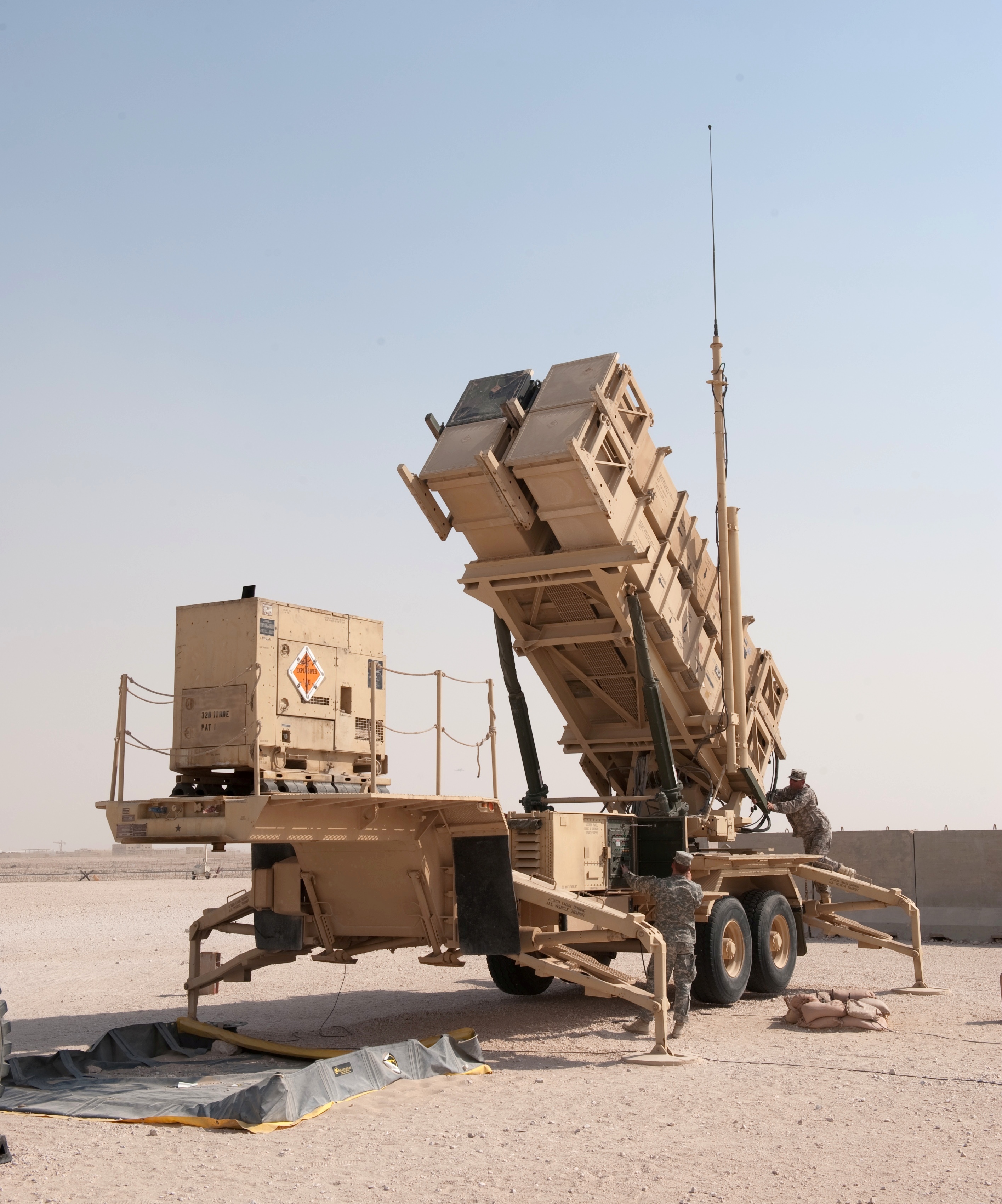
The coalition has been assembling its own response. Egypt’s parliament began deliberating a motion to authorize troop deployments to Saudi Arabia on October 22. The UK announced on October 20 that RAF Typhoon jets would fly defensive counter-air missions over Saudi cities and critical infrastructure, according to Bloomberg. The Typhoons would operate in a defensive role and would not conduct offensive strikes against the Houthis, the UK Ministry of Defence said.
Pakistan’s military spokesman said on October 19 that attacks on Saudi Arabia would “trigger a collective response,” Business Recorder reported. Trump said on October 22 that the US was “not negotiating” with Iran, though he did not commit to joining military operations against the Houthis directly.
Each contributing country has placed constraints on its role. The UK will fly defensive missions but will not strike Yemen. France positioned air defenses and radars at Yanbu in September, according to Al Jazeera, to protect the Red Sea export terminal — not to project force into Houthi territory. The US sent more than 100 military advisers for intelligence support, CNN reported, but Trump declined Saudi appeals for direct strikes in September, according to the New York Times. Pakistan’s defense minister said in early October that combat “is practically being conducted by Saudi Arabia’s own forces,” according to Al Jazeera.
The offensive campaign inside Yemen — which the coalition said involved 100 jets in its opening wave on October 4, according to the Oman Observer — remains a Saudi and Yemeni government operation. The international contributions are defensive. The Houthi targeting arc, meanwhile, has moved from chokepoints in the Red Sea and airports in the south to the capital’s airport, its largest oil company’s headquarters, and now, by claim, its Defense Ministry.
Frequently Asked Questions
Is the Saudi Defense Ministry also the military command center?
The ministry is the administrative headquarters of the defense minister and the Chief of the General Staff, but Saudi Arabia does not yet have a fully centralized joint operational command. A Joint Operational Command facility is planned under the P-563 defense modernization program, alongside a National Defense University and a new ministry headquarters complex in northwest Riyadh, according to MEED and a Carnegie Endowment assessment. Until the JOC is operational, the current building functions as a political-administrative center, not a unified war room.
Which countries have military forces positioned in or near Saudi Arabia?
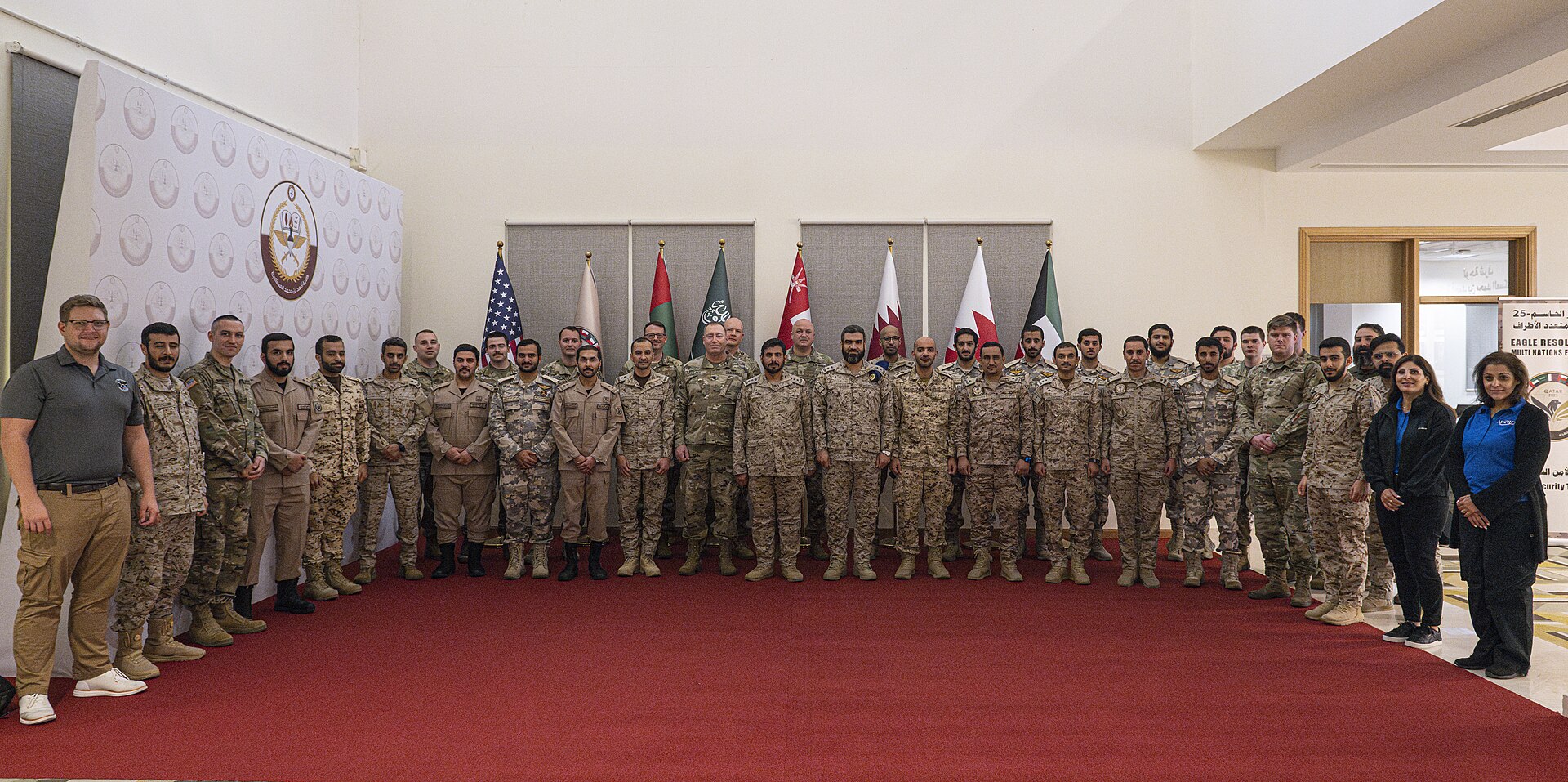
France confirmed troops, radars, and air defense systems positioned at Yanbu in September 2026, according to Al Jazeera. The UK deployed RAF Typhoon jets for defensive missions on October 20, according to Bloomberg. Pakistan and Turkey agreed to deploy forces under the Makkah pact on October 6, though Turkey’s parliament had not ratified the agreement as of that date, Al Jazeera reported. CNN reported that the US sent more than 100 military advisers for intelligence support, though the deployment date was not specified. Saudi, Pakistani, and Turkish military chiefs met in Riyadh on September 26, according to Gulf News.
What is Prince Khalid bin Salman’s military background?
Prince Khalid served as a fighter pilot in the Royal Saudi Air Force, flying more than 50 combat missions as part of the coalition campaign against ISIS in Syria, according to his official biography on Saudipedia. He served as Saudi ambassador to the United States from 2017 to 2019 before being appointed deputy defense minister. He became defense minister in September 2022 and was appointed chairman of the board of Saudi Arabian Military Industries (SAMI) in February 2024. He is the younger brother of Crown Prince Mohammed bin Salman.
Has the FII investment conference been postponed?
Yes. The Future Investment Initiative 10th edition, scheduled for October 26–29 at the King Abdulaziz International Conference Center in Riyadh, has been postponed to 2027, according to the FII Institute’s website. No replacement dates have been announced. The postponement follows the EU-GCC summit delay on October 15, cited by The National, and the indefinite postponement of Saudi National Day celebrations in September, reported by Khaleej Times. The FII is the crown prince’s flagship investment conference, which in previous years drew heads of state, sovereign wealth funds, and major institutional investors to Riyadh.
The House of Saud Daily Briefing
Saudi Arabia's news in 3 minutes, every morning. Free. See today's issue