
TEHRAN — Iran’s Islamic Revolutionary Guard Corps claimed on Thursday that seven oil tankers were damaged overnight in and around the Strait of Hormuz — a figure that, if independently confirmed, would mark the largest single-night escalation against commercial shipping since the Iran war began on 28 February. The IRGC, speaking through Iranian state television, said its forces struck four tankers conducting what Tehran calls “unauthorized” ship-to-ship oil transfers in the northern Persian Gulf, while three more vessels hit mines it said it had placed west of the strait. Brent crude rose approximately 3% to near $112 per barrel within hours of the announcement. The claim is unverified: the IRGC supplied no vessel names, flag-state details, operator identities, or casualty figures. UKMTO, the UK Maritime Trade Operations centre that logs confirmed shipping incidents in the region, recorded only two attacks during the same period — on the Kuwait-flagged Al Dasma and the Liberia-flagged Soyia. The gap between what Iran says it did and what anyone else can confirm is now the defining variable of the Hormuz crisis, because the oil market does not wait for confirmation before repricing risk.
Table of Contents
What Did the IRGC Actually Claim?
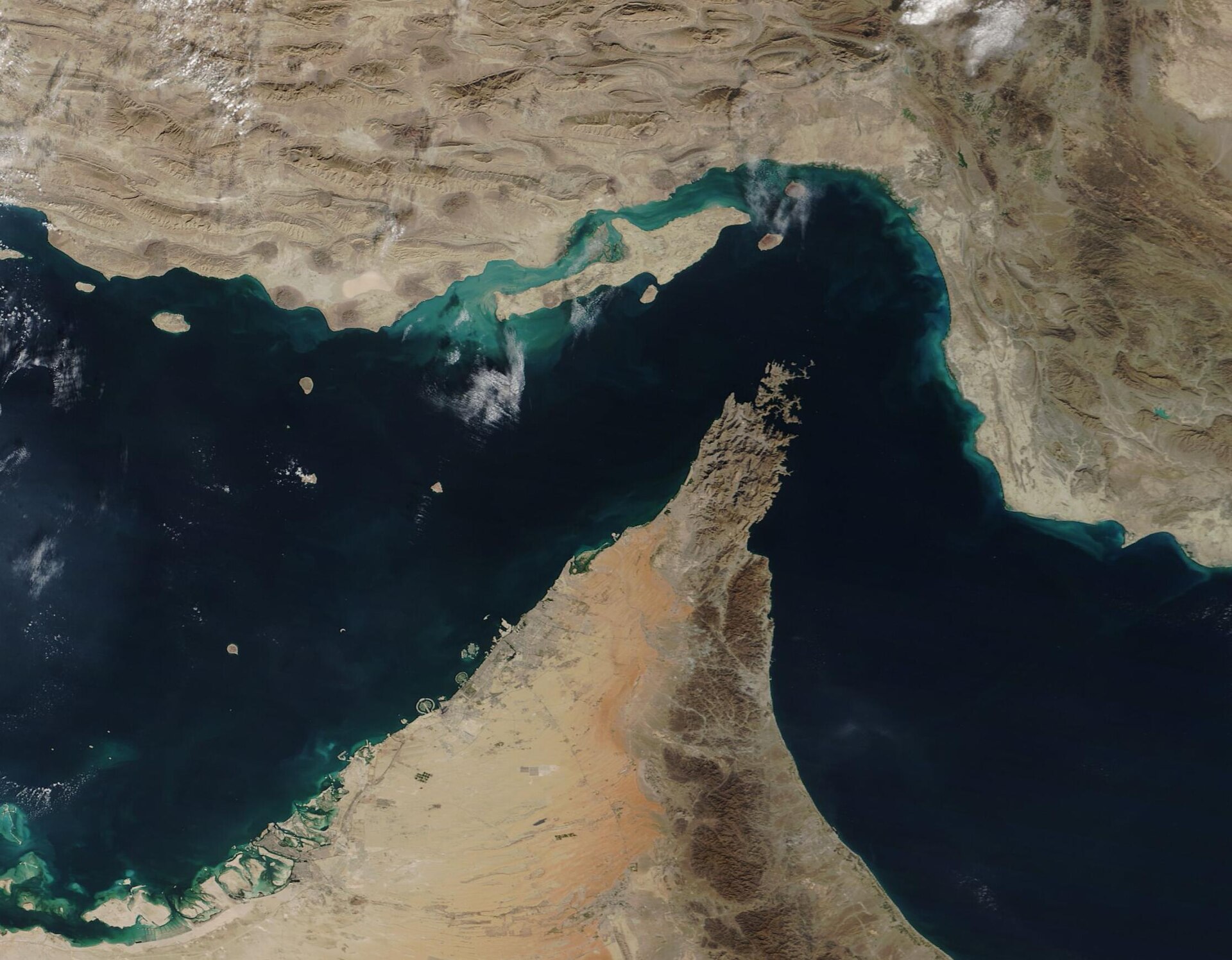
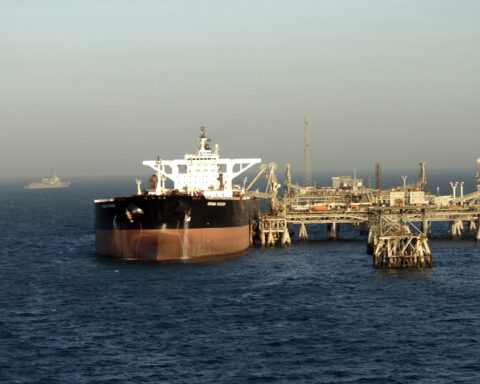
Iranian state television, citing the IRGC Navy, reported on Thursday 22 October that seven oil tankers caught fire or sustained damage in what it described as a single overnight operation spanning the Strait of Hormuz and the northern Persian Gulf. The IRGC’s claim breaks into two components: four tankers allegedly struck by IRGC naval forces during ship-to-ship oil transfers that Tehran declared unauthorized, and three tankers that the IRGC said hit naval mines placed west of the strait — a combined toll reported by Splash247, the Free Press Journal, and HNGN, all on 22 October.
The IRGC said it tracked the four tankers after they ignored prior warnings and used a maritime route Iran considers prohibited. Tehran warned Washington that continued attempts to move vessels through what it calls “unsanctioned routes” would bring “wider and more crushing responses” against US bases in the region, per Splash247 on 22 October. The Associated Press characterized the IRGC’s claim as “possibly the largest single-day number of vessels damaged in the waterway since the Iran war started on Feb. 28.”
The House of Saud Daily Briefing
Saudi Arabia's news in 3 minutes, every morning. Free. See today's issue
Iran supplied no vessel names, flag details, casualty figures, or independently verifiable evidence, as Splash247 reporter Sam Chambers noted on 22 October. No shipping company, insurer, flag-state authority, or Gulf government had confirmed the IRGC’s total as of mid-Thursday, according to Safety4sea on the same day. The IRGC offered a number and a threat — what it did not offer was proof.
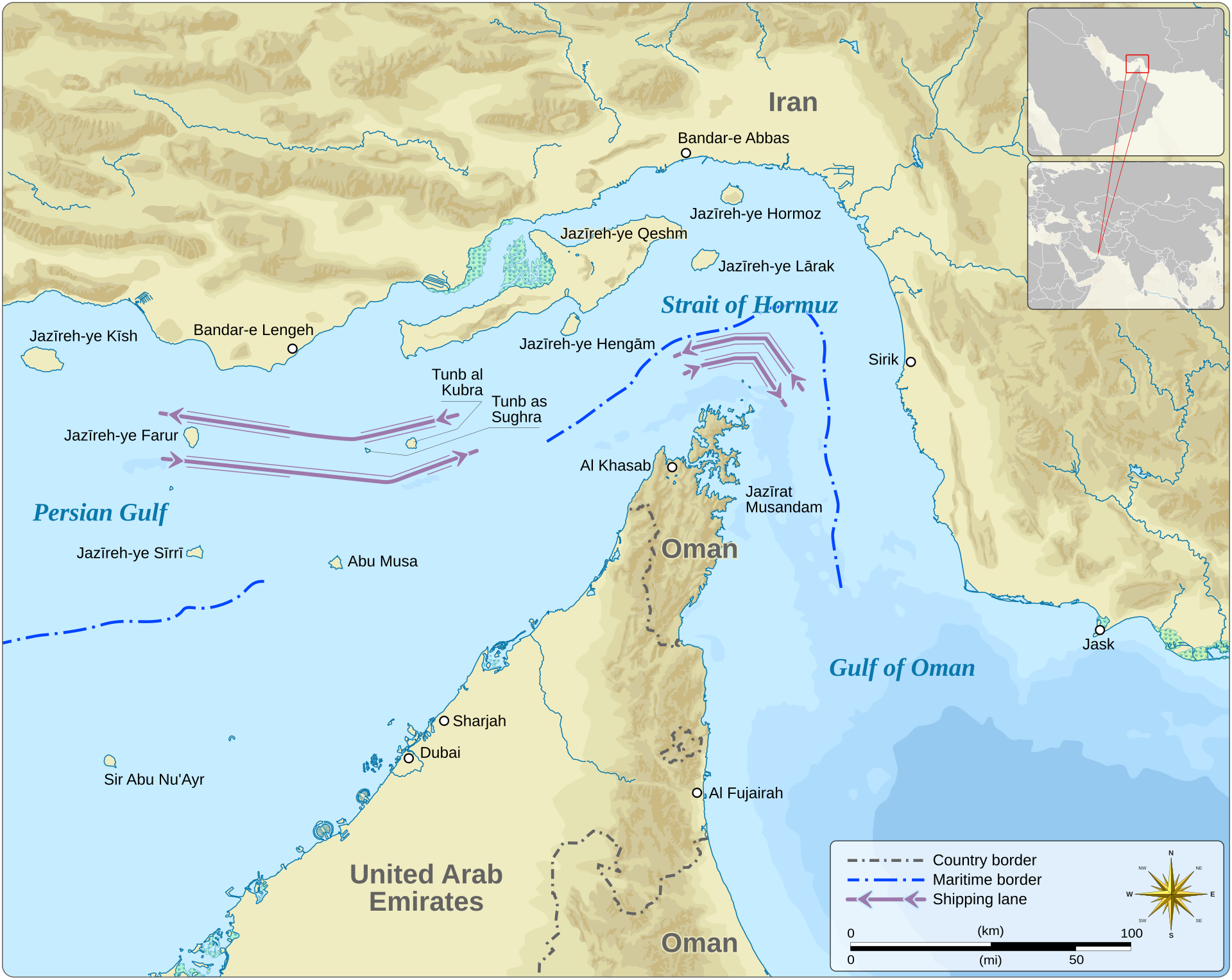
Before Thursday’s announcement, the escalation pace in the strait had been accelerating across the preceding ten days. Greek and Chinese tankers were attacked on 13 October, a supertanker struck a mine on 17 October, a second followed on 18 October, and two tankers were hit on both 19 and 20 October. The pattern was one to three vessels per day — steady enough to normalize, relentless enough to erode.
The IRGC’s claim of seven in a single night, if accurate, would more than double the worst prior daily toll. The IRGC made that claim knowing the number alone would do most of the damage — not to tankers, but to the willingness of anyone to send them.
What UKMTO Confirmed — and What It Did Not
UKMTO, the primary reporting mechanism for commercial shipping incidents in the region, confirmed two vessel attacks in the period covered by the IRGC’s seven-tanker claim. The first was the Al Dasma, a Kuwait-flagged tanker of 109,719 deadweight tonnes owned by Kuwait Oil Tanker Company, struck by an unknown projectile at 01:45 UTC on 21 October approximately 11 nautical miles west of Bukha, Oman, per UKMTO Warning 179-26 as reported by Safety4sea on 22 October. Fire was extinguished and all crew were reported safe.
The second was the Soyia, a Greek-owned, Liberia-flagged tanker struck by an unknown projectile at 18:30 UTC on 20 October, approximately 30 nautical miles southeast of Al Faw, Iraq. UKMTO Warning 180-26 confirmed crew were safe with no structural damage reported, per Safety4sea on 22 October. Two confirmed incidents — with two vessel names, two flag states, and two UKMTO reference numbers.
Between UKMTO’s two and the IRGC’s claimed seven lies a gap of five vessels that no independent body had verified as of Thursday afternoon. That gap could reflect unreported incidents in waters where UKMTO coverage is incomplete, vessels that sustained minor damage and chose not to file, or inflated figures from a military whose strategic interest lies in being perceived as capable of shutting the strait entirely. What the gap cannot serve as is evidence that the strikes occurred.
The International Maritime Organization’s cumulative count stands at 119 confirmed maritime security incidents across the Middle East since hostilities began, with 24 seafarer fatalities, per IMO data cited by Splash247 on 22 October. Each of those 119 passed through a verification process before it entered the record. The IRGC’s additional five tankers have not — and until they do, the only honest count is two confirmed, seven claimed, and a gap that the market has already priced in.
| IRGC Claim (Iranian state TV, Oct 22) | UKMTO Confirmed (Safety4sea, Oct 22) | |
|---|---|---|
| Vessels damaged | 7 (claimed) | 2 (confirmed) |
| Names disclosed | None | Al Dasma; Soyia |
| Flag states | None disclosed | Kuwait; Liberia |
| Operators | None disclosed | Kuwait Oil Tanker Co.; Greek owner (unnamed) |
| Casualty figures | None disclosed | No injuries reported (both) |
| Attack method | 4 direct strikes + 3 mines (claimed) | Unknown projectile (both) |
| Reference | Iranian state TV broadcast | UKMTO Warning 179-26; Warning 180-26 |
From Two a Day to Seven in One Night
The arithmetic of escalation in the Strait of Hormuz has its own grammar, and the IRGC just rewrote the syntax. For weeks, the rhythm was manageable if punishing: one or two vessels attacked per day, enough to keep war risk premiums climbing but not so many as to trigger a wholesale rethinking of the transit calculus. Kpler counted at least 18 tanker attacks in the two weeks preceding 22 October — roughly 1.3 per day on average, per Reuters. The IRGC’s claim of seven in a single night, if accurate, represents a fivefold increase over that two-week daily average.
The step-change matters less because of what it destroys than because of what it signals. A single mine striking a tanker is an incident; two in a day is a pattern; seven, claimed by the party laying the mines and conducting the strikes, is a declared capability. The IRGC is telling the market, the insurers, and the flag states that it can scale operations at will — that the constraint on the number of vessels hit per night is not Tehran’s capacity but Tehran’s decision.
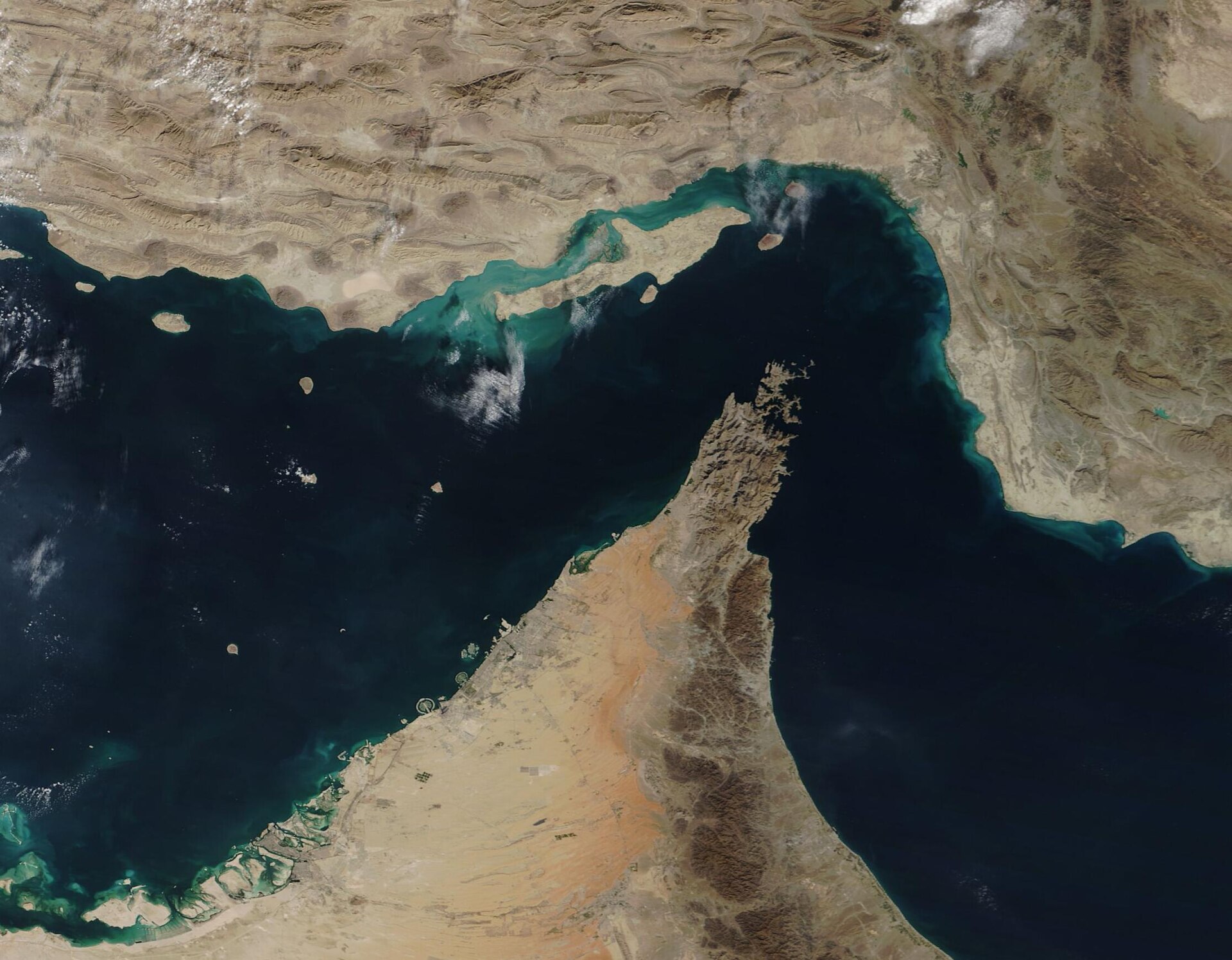
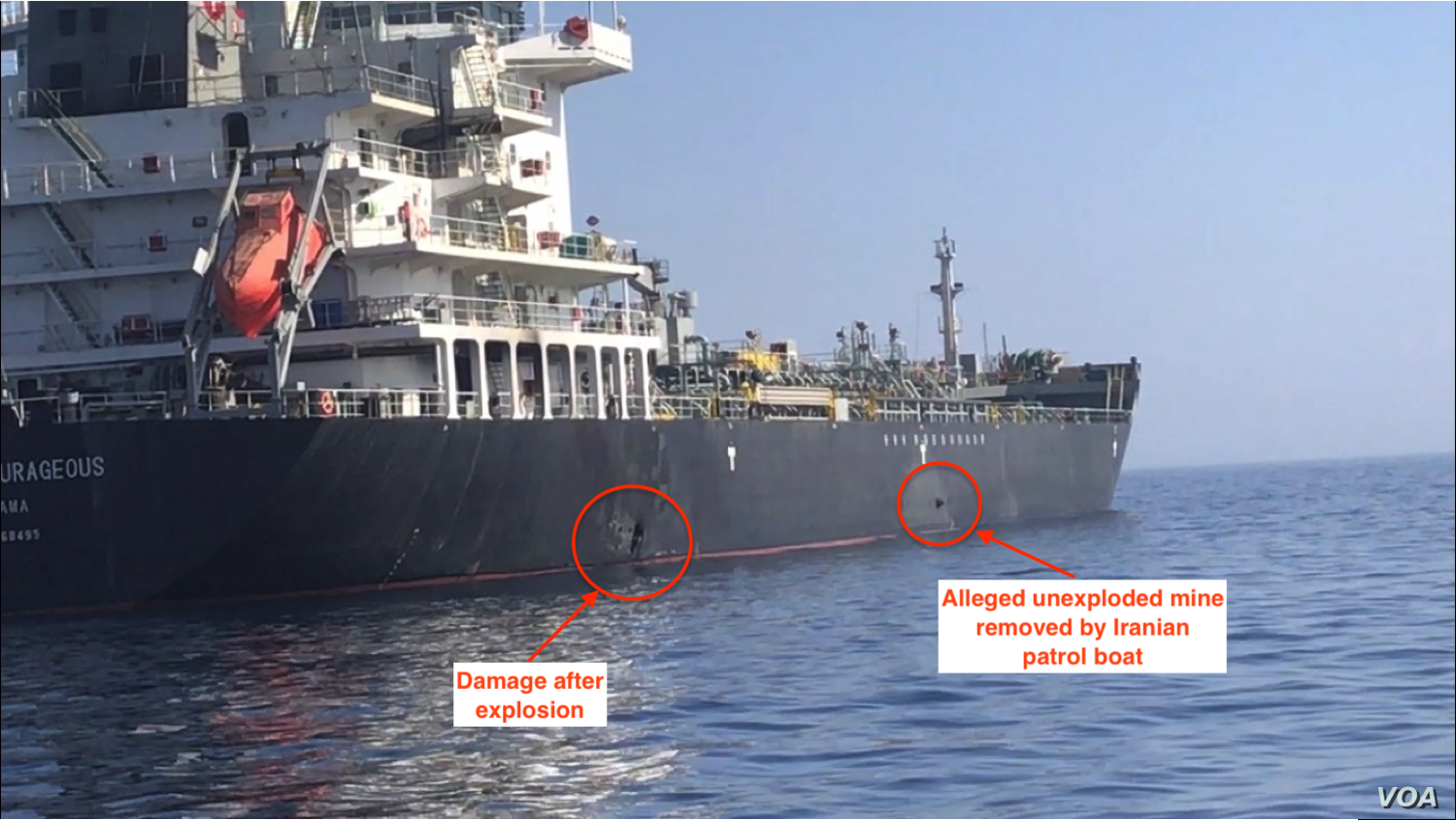
The escalation has a historical ceiling to measure against. In June 2019, two tankers — the Front Altair and Kokuka Courageous — were struck by limpet mines in the Gulf of Oman in a single incident, and the world treated it as a full-blown crisis. Four vessels were sabotaged off Fujairah in May of that year. In 2019, one or two tankers per incident was the outer boundary of what Iran was assessed to be willing to do, and even that brought a US carrier strike group to the region.
Since the mine blockade began on 14 July, CENTCOM has reported 135 ships turned around — diverted before even attempting the transit, per CBS News as of 10 October. Daily oil flow out of the Persian Gulf has shrunk to 8.5 million barrels per day, according to Kpler data cited by HNGN on 22 October, down from over 20 million bpd before the war. Each claimed attack narrows the channel further, and the IRGC’s seven-tanker announcement narrows it at a rate the market has never had to price before.
How Does Seven Change the Insurance Math?
War risk insurance for Hormuz transits has been the crisis’s leading indicator since before the first mine was laid. For a $150 million tanker — a standard Very Large Crude Carrier — a single transit that cost approximately $375,000 before the crisis now costs between $1.5 million and $4.5 million, after premiums climbed from 0.125% of hull value to indicative ranges of 1% to 5%, with peaks of 7.5% to 10% at the July apex when the mine blockade began, according to Fairway ETA reporting on 6 May 2026. The cost of insuring a single passage through the strait now exceeds what some shipowners earn from the cargo inside it.
The market reacts to Iran’s stated capability regardless of independent confirmation. A claim of seven tankers in one night reprices risk whether the number is seven, five, or two.
Goldman Sachs analysts estimated that war-risk premiums accounted for approximately $7 of the $20 year-on-year increase in crude freight rates as of late October 2026. That $7 was calculated when the daily attack rate averaged one to two vessels — the baseline the market had learned to absorb. An IRGC claim of seven in a single night, even unverified, forces underwriters to recalculate the probability distribution of loss, because insurance premiums are priced on the upper tail of what is plausible, not on what has been confirmed.
Lloyd’s launched a new marine war risk consortium on 19 June 2026, led by Chubb, to add underwriting capacity for vessels and cargo transiting the strait, and the Lloyd’s Market Association confirmed that coverage “remains available within the Lloyd’s and London company market.” But availability and affordability are different calculations. Hapag-Lloyd’s war risk surcharge rose to $3,500 per container, per Fairway ETA. Each escalation claim compresses the pool of vessels willing to transit under their own flag-state insurance, pushing more tonnage toward the Cape of Good Hope reroute — a detour that adds approximately $2.5 million per tanker in additional costs, according to Reuters via IBTimes on 24 July 2026.
The IRGC’s Thursday announcement landed on insurers’ desks before it landed in CENTCOM’s press office, and the underwriters moved first. A Lloyd’s syndicate writing Hormuz war risk cannot wait for the Pentagon to verify an attack before adjusting its book — the exposure is real the moment the claim is broadcast. The IRGC understands this mechanism, which is why it announced the seven-tanker figure on state television at a time calculated to hit European markets at the open.
Can Aramco Still Load Crude From the Gulf?
Saudi Aramco’s operational problem is not that the strait is closed — it is that the strait is contested, which is worse from a planning perspective because contested means intermittent, and intermittent means no export schedule can be relied upon. Aramco cut its November Arab Light official selling price to Asia by $3, to $5 below the Oman/Dubai benchmark — the widest discount since June 2020, per Reuters via bdnews24 on 5 October. That discount is Aramco’s way of compensating buyers for a risk it cannot eliminate: the risk that a tanker loading at Ras Tanura will be struck before it reaches open water.
The numbers tell a compression story that the IRGC’s latest claim only accelerates. Gulf exports fell to approximately 15 million bpd in early October, down from roughly 21 million bpd at the late-September peak, per Kpler data via Baird Maritime. The East-West pipeline, restarted on 22 September with approximately 7 million bpd capacity, routes crude to the Red Sea port of Yanbu — Saudi Arabia’s primary bypass for the strait, per the Saudi Gazette via Zawya on 25 September. But even Yanbu-bound tankers must navigate a Red Sea where Houthis control Mayyun Island and have sharply reduced Bab el-Mandeb transits.
Aramco told European customers there would be no October oil from Gulf loading terminals — an admission from the world’s largest crude exporter that Hormuz war risk has crossed from theoretical to operational. OPEC+ set Saudi Arabia’s November production target at 10.5 million barrels per day, per Enerdata on 4 October, but the IEA reported in September that Saudi output had already fallen 2.6 million bpd in August, with crude shipments dropping to 6 million bpd. Every tanker that does not transit Hormuz widens the gap between the target Saudi Arabia agreed to and the volume it can actually ship.
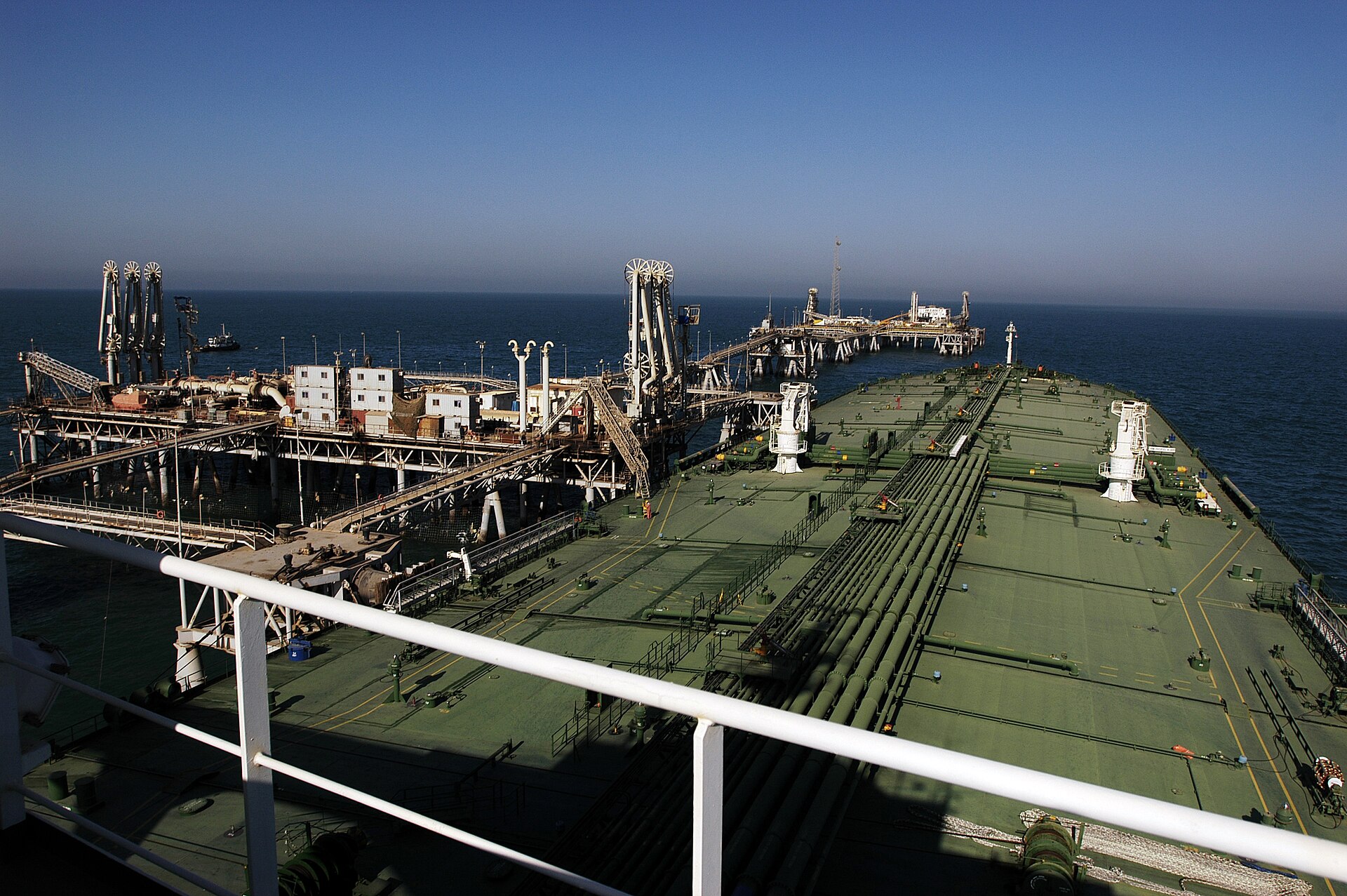
The Gulf-to-China VLCC spot rate has reached $1.2 million per day, compared to roughly $80,000 per day before the crisis. Shipping crude from the Gulf now costs more than drilling for it.
The VLCC spot rate for the Gulf-to-China route has reached $1.2 million per day, according to LSEG data via bdnews24 on 5 October — a figure so extreme that it inverts the economics of crude extraction. The IRGC’s claim of seven tankers damaged in one night, by the entity that controls both the mines and the attack boats, does not formally close a shipping lane. It makes the lane so expensive that the closure becomes a question of accounting rather than geography.
The Mines-Plus-Strikes Doctrine
What distinguishes the IRGC’s claimed overnight operation from previous Hormuz attacks is not the number alone but the operational mix. According to the IRGC’s own account, broadcast on Iranian state television on 22 October, three vessels struck mines placed west of the strait while four were struck simultaneously by IRGC forces during ship-to-ship transfers in the northern Persian Gulf, per Splash247 and HNGN. If this represents what the IRGC is actually capable of executing simultaneously, it marks a doctrinal shift from passive area denial — mines that wait — to active combined operations in which mines and direct strikes work in concert.
In 2019, the IRGC relied exclusively on limpet mines — small, magnetic, attached by divers or small craft during the Gulf of Oman attacks. The 2026 campaign, by the IRGC’s own telling, combines moored mines that block the channel with direct naval strikes that punish vessels attempting to circumvent the mined waters through ship-to-ship transfers further north. The mines are the anvil; the IRGC’s boats are the hammer.
An IRGC Navy spokesman said via Pars Today on 21 October that the Strait of Hormuz is “100% closed and the US is unable to reopen it even for a few hours.” Iranian Foreign Minister Araghchi stated via Gulf News on the same day that Hormuz would remain shut and Iran would not transfer enriched uranium as part of any deal — a position that links the strait’s reopening to Iran’s seven-day roadmap, which President Trump has already rejected.
The US military disputes the IRGC’s entire framing. CENTCOM has maintained that shipping lanes have been cleared and that missiles and drones, not mines, are responsible for most incidents, per Splash247 on 22 October. But that claim sits uncomfortably against the Al Dasma incident — a vessel struck 11 nautical miles west of Bukha, squarely within the waters CENTCOM says it has secured. The doctrine the IRGC is describing may be partially invented, but the mines are not.
Why Did CENTCOM Stay Silent?
US Central Command did not immediately comment on the IRGC’s seven-tanker claim, per HNGN on 22 October, and that silence has its own meaning. Earlier in the week, CENTCOM said the “vast majority” of Iranian attacks on shipping had failed. The IRGC’s claim of seven vessels damaged in a single night — even if only partially accurate — challenges that assessment in a way that demands either a rebuttal or an explanation, and Thursday brought neither.
CENTCOM declared Hormuz open while UKMTO logged 15 attacks in nine days — a gap documented on 21 October. The institutional incentive for the US military is to minimize: every confirmed Iranian success in the strait undermines the case for the current posture of deterrence without escort. President Trump stated on 8 October, per The National, that the US would not attack Iran before the 3 November midterm elections — a political constraint that limits CENTCOM’s response options to defensive measures and public statements.
The mine blockade has now run for 100 days. Daily transits have fallen from 85 to as few as 4 per day by the IRGC’s count as reported on 21 October, and Gulf oil throughput has collapsed by more than half. The IRGC is not merely claiming hits on individual ships — it is claiming that the blockade works, and the throughput data supports that claim even when the overnight tanker count does not.
CENTCOM’s silence on Thursday may reflect operational caution, a reluctance to amplify an adversary’s propaganda, or genuine uncertainty about what happened overnight in waters it claims to have secured. The most uncomfortable reading for Washington is the simplest: CENTCOM stayed quiet because it does not yet know what happened, and saying so would confirm the limits of its maritime domain awareness in the strait it insists is open.
Where the Market Went Thursday
Brent crude rose approximately 3% on Thursday to near $112 per barrel following the IRGC’s announcement, up from a Wednesday settlement near $109, per HNGN on 22 October. That 3% move on an unverified claim from a single belligerent tells the entire story of how the Hormuz crisis is priced: not on confirmed damage reports, not on UKMTO advisories, not on CENTCOM assessments, but on the IRGC’s willingness to claim escalation at scale.
Brent crude rose 3% on an unverified IRGC claim. The market no longer waits for UKMTO confirmation or CENTCOM commentary. Tehran’s word alone moves billions in commodity pricing.
The IRGC’s claim functions, in one reading, as a press release — one military’s assertion of what it accomplished overnight, offered without evidence to a global audience. But the market treats it as a probability-weighted signal: if the IRGC is willing to claim seven, the reasoning goes, the actual number is at least high enough that the claim does not invite immediate ridicule from the maritime agencies that track the strait daily. The gap between two confirmed and seven claimed is, for a cargo insurer, not grounds to relax but a measure of the uncertainty premium that must be priced into every future transit.
The oil flow data frames the market’s calculation in terms no trader can ignore. Daily Persian Gulf transit has fallen from 20 million barrels per day before the war to 8.5 million bpd, per Kpler data cited by HNGN. Each new attack — confirmed or claimed — pushes more cargoes toward the Cape of Good Hope route. The price of Brent reflects not just the barrels lost to the blockade but the barrels that now cost dramatically more to deliver, insure, and get home.
Daniel Hynes, a commodity strategist at ANZ, said on 8 October that “producers appear to be willing to take the risk of their vessels being damaged,” per Reuters via OilPrice. That assessment was made when the daily attack rate was one or two tankers. After a night when the IRGC claims it damaged seven, the question is no longer whether producers are willing to take the risk — it is whether their insurers will let them.
| Metric | Current Value | Comparison | Source |
|---|---|---|---|
| Daily Gulf oil transit | 8.5 million bpd | 20M+ bpd pre-war | Kpler via HNGN, Oct 22 |
| Gulf exports (7-day avg, early Oct) | ~15 million bpd | ~21M bpd late Sept | Kpler/Baird Maritime, ~Oct 5 |
| Brent crude (Oct 22) | ~$112/bbl (+3%) | ~$109 (Oct 21 close) | HNGN, Oct 22 |
| War risk premium (% of hull value) | 1–5% | 0.125% pre-crisis | Fairway ETA, May 6 2026 |
| Transit cost ($150M tanker) | $1.5M–$4.5M | ~$375K pre-crisis | Fairway ETA, May 6 2026 |
| VLCC spot rate (Gulf–China) | $1.2M/day | ~$80K/day pre-crisis | LSEG via bdnews24, Oct 5 |
| Ships turned around (since Jul 14) | 135+ | — | CBS News, Oct 10 |
| Tanker attacks (2 weeks to Oct 22) | 18 | — | Kpler/Reuters, Oct 22 |
| Maritime incidents (cumulative) | 119 | — | IMO via Splash247, Oct 22 |
| Seafarer fatalities (cumulative) | 24 | — | IMO via Splash247, Oct 22 |
Frequently Asked Questions
What is Iran’s seven-day roadmap for reopening the Strait of Hormuz?
Iranian Foreign Minister Araghchi proposed on 25 September that Iran would reopen the Strait of Hormuz for seven days if the United States granted sanctions waivers and unfroze approximately $12 billion in Iranian assets, per Al Jazeera on 25 September. President Trump rejected the proposal, per Hurriyet and the Wall Street Journal on 26 September. The roadmap’s structure was designed to make Hormuz a repeating leverage instrument — a faucet Tehran turns on and off based on Washington’s compliance — rather than a one-time concession. Araghchi’s statement on 21 October that Hormuz would remain shut until the deal was accepted confirmed the roadmap remains Iran’s only publicly stated off-ramp.
What would independent confirmation of the IRGC’s seven-tanker claim require?
Confirmation would need to come through several independent channels: UKMTO incident advisories (which were issued for only two vessels), Protection and Indemnity club reports (the mutual insurers that cover commercial shipping damage and are obligated to log claims), flag-state investigations by the maritime authorities of whatever countries the tankers were registered in, and commercial satellite imagery from providers such as Planet Labs or Maxar showing vessel damage or oil spills. Port authority surveys at any destination where a damaged vessel arrived would also contribute. The verification chain for contested-waters incidents typically takes 48 to 72 hours, meaning definitive confirmation or debunking of the IRGC’s claim may not arrive before the market has already fully priced it in.
Has CENTCOM established a commercial escort program during this crisis?
No. Despite the precedent of Operation Earnest Will — the 1987–88 US Navy operation that escorted reflagged Kuwaiti tankers through the Persian Gulf during the Iran-Iraq war — CENTCOM has not offered vessel-specific protection to commercial shipping during the current crisis. The US military posture relies on area deterrence, but individual tankers transit at their own risk with only UKMTO incident logging after the fact. The absence of an escort program means that each vessel’s flag state and insurer, not the US Navy, bear the operational risk — a gap that the IRGC’s escalating claims exploit directly.
Which flag states face the greatest exposure to Hormuz transit risk?
The two confirmed incidents on 20–21 October struck vessels flagged in Kuwait and Liberia — one a national fleet tanker (the Al Dasma, owned by Kuwait Oil Tanker Company) and the other a flag-of-convenience vessel (the Soyia, Greek-owned, Liberia-flagged). Liberia, Panama, and the Marshall Islands are the world’s largest open registries, meaning thousands of tankers carrying Gulf crude fly flags of convenience from states that lack the naval capacity to protect them in a war zone. Under the UN Convention on the Law of the Sea, flag states have obligations toward vessels on their registry, but for open-registry nations, those obligations are administrative rather than military — a structural vulnerability the IRGC’s campaign has turned into a strategic advantage.
The House of Saud Daily Briefing
Saudi Arabia's news in 3 minutes, every morning. Free. See today's issue