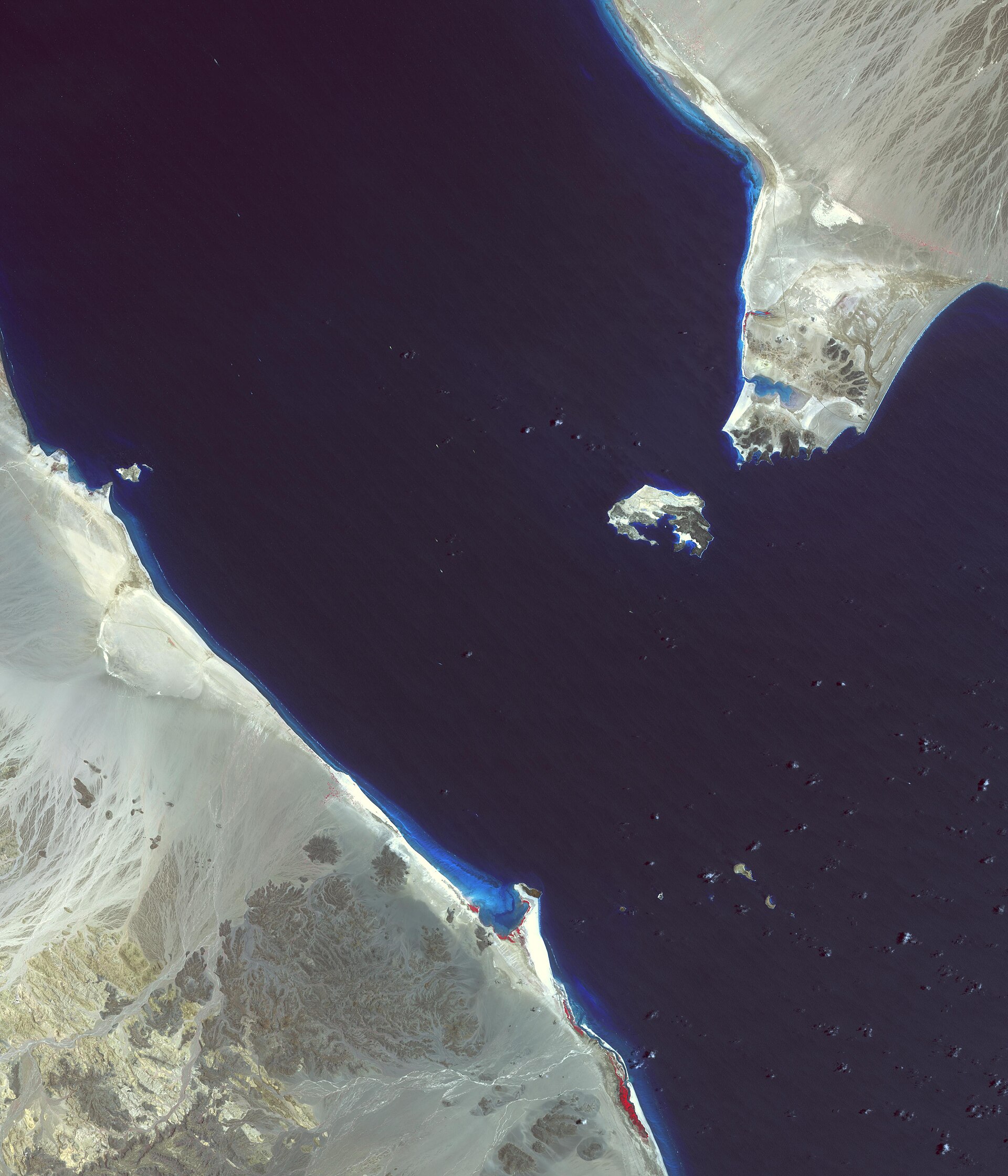
ADEN — Houthi forces have occupied Mayyun Island — the 13-square-kilometre volcanic outcrop that divides the Bab el-Mandeb Strait into two shipping channels — since 11 September 2026, and no military operation has targeted the island itself. The only attempt to reverse the Houthis’ hold on the strait is Operation Dawn of Yemen, a coalition ground offensive launched on 4 October and focused on the mainland coast.
Cargo transits through the strait stood at 1,215 vessels in September, 47 percent below pre-crisis levels, according to Lloyd’s List Intelligence. The Strait of Hormuz dominates Western headlines, but the ground-level occupation of Bab el-Mandeb — through which an estimated 12 percent of global seaborne trade passes — has drawn almost no sustained editorial attention from Reuters, Bloomberg, or the Financial Times.
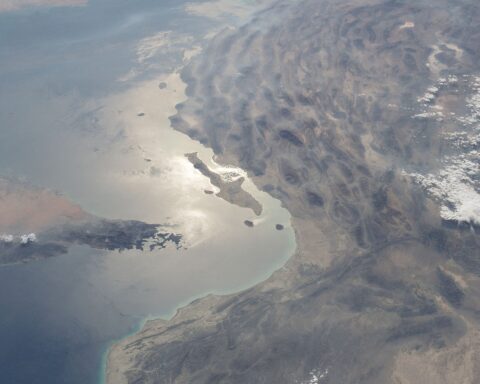
Two simultaneously contested chokepoints have compressed the economics of every cargo moving between Asia and Europe: Hormuz, where Iran’s state actors operate, and Bab el-Mandeb, where a non-state force now holds the island commanding the strait itself.
Table of Contents
- How Did Houthi Forces Reach Mayyun Island?
- What Does Mayyun’s Position Mean for Red Sea Shipping?
- The Cost to Global Trade
- Can Operation Dawn of Yemen Retake the Coast?
- Why Has Bab el-Mandeb Received Less Western Scrutiny Than Hormuz?
- The Houthi Position
- What Has Saudi Arabia Said About the Strait?
- Two Chokepoints, One War
- Frequently Asked Questions
How Did Houthi Forces Reach Mayyun Island?
Houthi fighters crossed to Mayyun — also called Perim Island — by boat on 11 September 2026, following government forces’ withdrawal. The advance came hours after Houthi forces took the port city of Mocha on the mainland coast, removing the last government-held position on Yemen’s southern Red Sea coastline.
Both events were confirmed by a senior Yemeni government military official and a Houthi official, both speaking to the Associated Press (Al Jazeera, 2026-09-12; Euronews, 2026-09-12). The seizure followed the fall of Mocha on the mainland coast, which Houthi forces captured as government troops retreated toward the town of Dhubab.
The collapse was rapid. Mocha was the last government-held position on Yemen’s southern Red Sea coast. By the morning of 11 September, Houthi forces had crossed the water to the island. The Houthis also claimed control of the Greater and Lesser Hanish Islands further north in the Red Sea, though this rests on a single AFP-cited military official and has not been independently corroborated (Al Jazeera, 2026-09-12).
The Middle East briefing 3,000+ readers start their day with.
One email. Every weekday morning. Free.
The advance had been building through the summer. The 2022 Yemen truce formally collapsed in July 2026, according to the BBC (2026-10-11), and the Houthis pressed south through government-held territory along the Red Sea coast. The offensive cost more than 500 lives and displaced approximately 46,000 people before the government counter-offensive began, according to the International Organization for Migration (Times of Israel/IOM, 2026-09-12). Mocha and Mayyun fell in the final 48 hours of that push.
Security analyst Wolfgang Pusztai told Al Jazeera that the Houthis’ new position gives them “the capability to shut down maritime traffic through Bab al-Mandeb” and allows the use of “shorter-range missiles instead of long-range artillery” (Al Jazeera, 2026-09-12). The shift from long-range harassment to close-range territorial control changed the nature of the threat: a missile fired from Mayyun has a shorter flight time, a lower intercept window, and requires less logistical support than one launched from the Yemeni highlands.
Dr. Andreas Krieg of King’s College London assessed that the group is “well placed to hold [Mayyun] in the short term because they control the surrounding areas,” but that the island would be difficult to defend against an amphibious assault over the longer term. “The key is holding the coastal mainland and its hinterland,” Krieg said (Al Jazeera, 2026-09-12).
What Does Mayyun’s Position Mean for Red Sea Shipping?
Mayyun sits at the narrowest point of the Bab el-Mandeb Strait, which measures 18 miles across at its tightest, according to the US Energy Information Administration. Any vessel transiting must pass within range of territory now controlled by the Houthis, who hold both the island and Yemen’s entire Red Sea coastline to its north and east. The island divides the passage into two channels — giving a territorial occupier firing positions on both.
Before the Red Sea crisis began in November 2023, approximately 9.3 million barrels of oil per day transited the strait, the EIA estimated. By 2025, that flow had fallen to approximately 4.1 to 4.2 million barrels per day, according to an IEA estimate reported by Montel (2026-07-21). The strait also carries an estimated 8 percent of the world’s liquefied natural gas (Al Jazeera, 2026-09-12).
| Metric | Latest Figure | Comparison | Source |
|---|---|---|---|
| Bab el-Mandeb transits (vessels >10,000 dwt), Sept 2026 | 1,215 | −47% vs pre-crisis; +4% vs Aug; +16% y/y | Lloyd’s List Intelligence, 2026-10-15 |
| Bab el-Mandeb tonnage, Sept 2026 | 95.6 million dwt | −47% vs pre-crisis | Lloyd’s List Intelligence, 2026-10-15 |
| Suez Canal transits, Sept 2026 | 1,228 | −39% vs pre-crisis | Lloyd’s List Intelligence, 2026-10-15 |
| Suez container traffic, Sept 2026 | 2.19 million TEU | 5.9 million TEU in Sept 2023 | Lloyd’s List Intelligence, 2026-10-15 |
| Oil flow through Bab el-Mandeb | ~4.1–4.2 million bpd (2025 est.) | ~9.3 million bpd (2023) | EIA; IEA via Montel, 2026-07-21 |
The September transit data complicates a simple narrative of decline following the Mayyun seizure. The Lloyd’s List figures show transits 4 percent higher than August and 16 percent above the same month a year earlier, even as they remained nearly half the pre-crisis baseline. The long-term depression predates the island’s fall — it began with Houthi attacks on commercial shipping in November 2023 — and the seizure has not yet produced a measurable further drop. What it has done, in the assessment of analysts Pusztai and Krieg, is give the Houthis the physical infrastructure to enforce a full closure should they choose to.
A closure of Bab el-Mandeb would force tankers from the Persian Gulf to reroute around the southern tip of Africa, according to the EIA. A container ship taking the Cape of Good Hope route adds roughly three weeks to a round trip between the Gulf and northern Europe, substantially increasing fuel and time costs. The rerouting wave is already well established since 2024, but the physical occupation of Mayyun raises the question of whether the remaining traffic — vessels whose operators judged the risk acceptable at earlier insurance rates — will continue to transit as premiums and threat assessments adjust.
The Cost to Global Trade
War-risk insurance premiums for Red Sea transits roughly doubled in August 2026 to approximately 1 percent of vessel value, up from about 0.4 percent, according to Marsh McLennan data cited by beinsure.com. For a vessel valued at $100 million, the per-voyage premium rose from approximately $400,000 to approximately $1 million.
Freight rates tell a parallel story. The spot rate for a Very Large Crude Carrier on the Gulf-to-China route stood at approximately $1.2 million per day in early October, against roughly $80,000 per day a year earlier, according to LSEG data reported by bdnews24 (2026-10-05). Brent crude settled at $102.94 on 9 October (CNBC, 2026-10-09). Saudi Arabia’s crude shipments fell to 6 million barrels per day in August, according to the IEA (Trend, 2026-09-14).
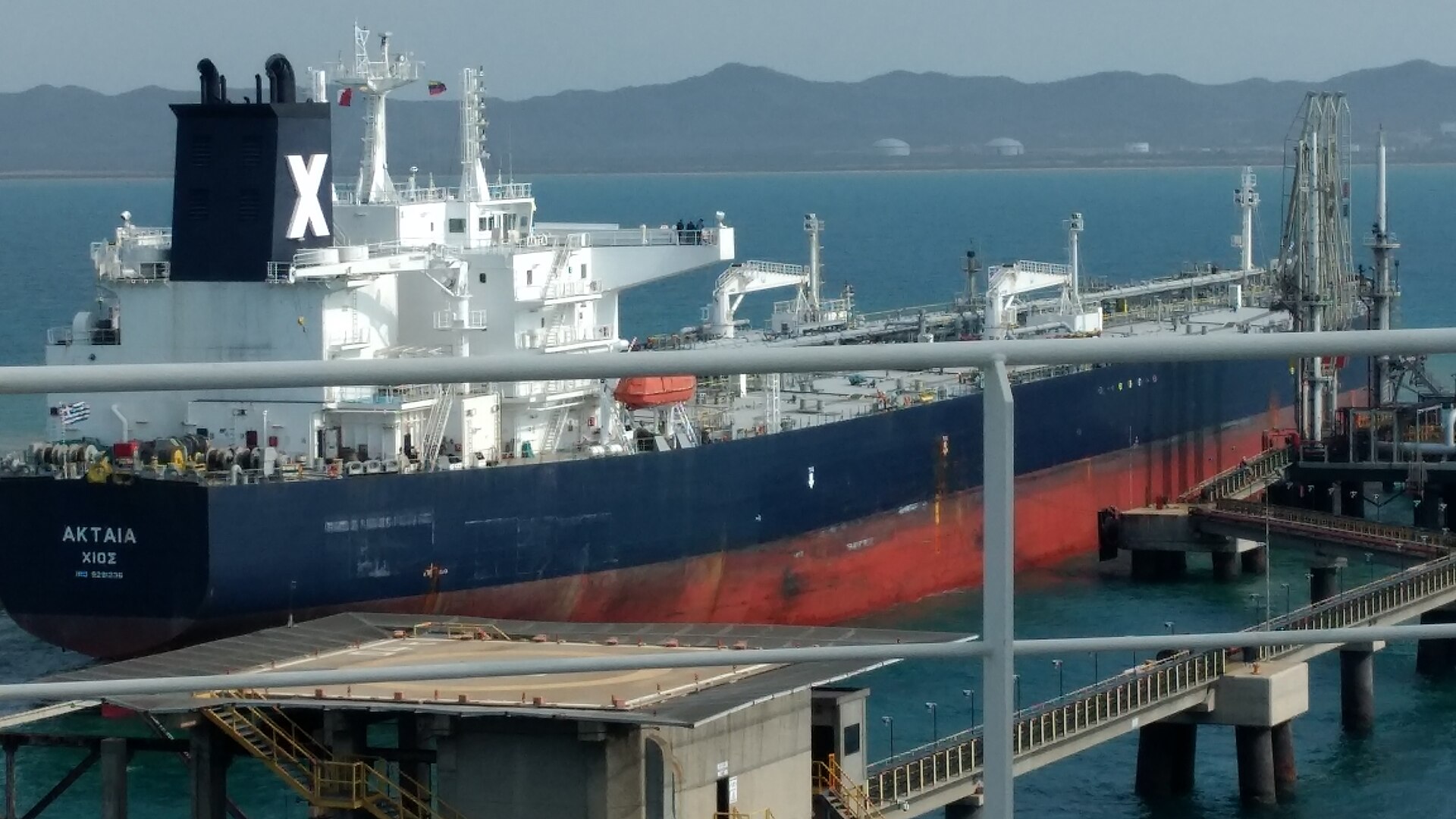
Rerouting around the Cape of Good Hope adds weeks to a round trip between the Gulf and northern Europe, and the cost compounds at both ends: higher fuel consumption, elevated insurance for those who still attempt the strait, and reduced effective tanker capacity as ships spend more time at sea. Capacity removed from the market by longer sailing times is part of what drives the freight rate surge.
The two straits are compounding each other’s costs. CENTCOM reported that 135 ships had been turned around since Iran’s mine blockade of the Strait of Hormuz began on 14 July (CBS News, 2026-10-10). Saudi Arabia suspended East-West pipeline flows on 12 September — one day after Houthi forces seized Mayyun Island — and did not restart them until 22 September (Saudi Gazette via Zawya, 2026-09-25). European importers are among the most exposed: more than 75 percent of EU imports from the GCC are fuel, according to European Commission data cited by The National (2026-10-08).
A vessel leaving the Persian Gulf now faces the Hormuz blockade, where UKMTO logged 15 attacks in nine days. A vessel entering the Red Sea from the south passes within range of Houthi-held Mayyun. The insurance and logistics costs of both are priced into every barrel and every container leaving the region.
Can Operation Dawn of Yemen Retake the Coast?
The outcome remains unverified. Both sides have claimed opposing territorial results since Operation Dawn of Yemen launched on 4 to 5 October 2026, and Al Jazeera said it could not independently confirm either set of claims as of mid-October. The coalition’s 100-jet air campaign has not been matched by publicly confirmed ground advances.
PLC Chairman Rashad al-Alimi announced the operation, and the Saudi-led coalition said 100 jets flew, according to the Oman Observer (2026-10-05). Al-Alimi said the campaign would continue with the aim of extending state authority across Yemen, “ultimately including Sanaa” (Asharq Al-Awsat, 2026-10-16). Yemen’s armed forces spokesman Colonel Majid al-Nuzaili reported that more than 17,000 air and ground strikes had been carried out by 16 October — a government claim that has not been independently verified (Asharq Al-Awsat, 2026-10-16).
Government forces claimed to reach the outskirts of Mocha on 5 October, with four government sources cited by Reuters. Yemen’s Defence Ministry claimed Mocha had fallen — a claim the Houthis denied entirely, calling the government reports “fabricated heroics” (Al Jazeera, 2026-10-06).
Mocha is “surrounded by Houthis from all three sides,” making its defence key to the next phase. — Fernando Carvajal, former UN Security Council adviser on Yemen (Al Jazeera, 2026-10-06)
Mocha matters because it sits between Mayyun and the Houthi hinterland. Chatham House research fellow Farea Al-Muslimi noted that Mayyun is resource-poor and dependent on continuous supplies through Dhubab; disruption of the Mocha-Dhubab corridor could isolate the island (Al Jazeera, 2026-09-12). The coalition’s naval arm has also struck Houthi targets in Hodeidah governorate — weapons depots and facilities storing explosive-laden boats and naval mines — which Major General Turki al-Maliki described as having “thwarted a planned attack” on southern Red Sea waterways (Al Jazeera, 2026-10-06).
Whether Saudi Arabia’s own ground troops are fighting inside Yemen remains an open question. Pakistan’s defence minister said combat “is practically being conducted by Saudi Arabia’s own forces” (Al Jazeera, 2026-10-06). CNN reported five days later that Riyadh has stopped “short of any major deployment of its own troops” (CNN, 2026-10-11). Both claims are on the record; neither has been independently confirmed. Washington declined a Saudi request to join the air strikes directly, limiting the US role to advice, intelligence, and targeting data (Middle East Monitor, 2026-10-16). Secretary of State Marco Rubio said Saudi Arabia and the Yemeni government “have a right to defend themselves” but made no commitment to US strikes (Al Jazeera, 2026-10-06).
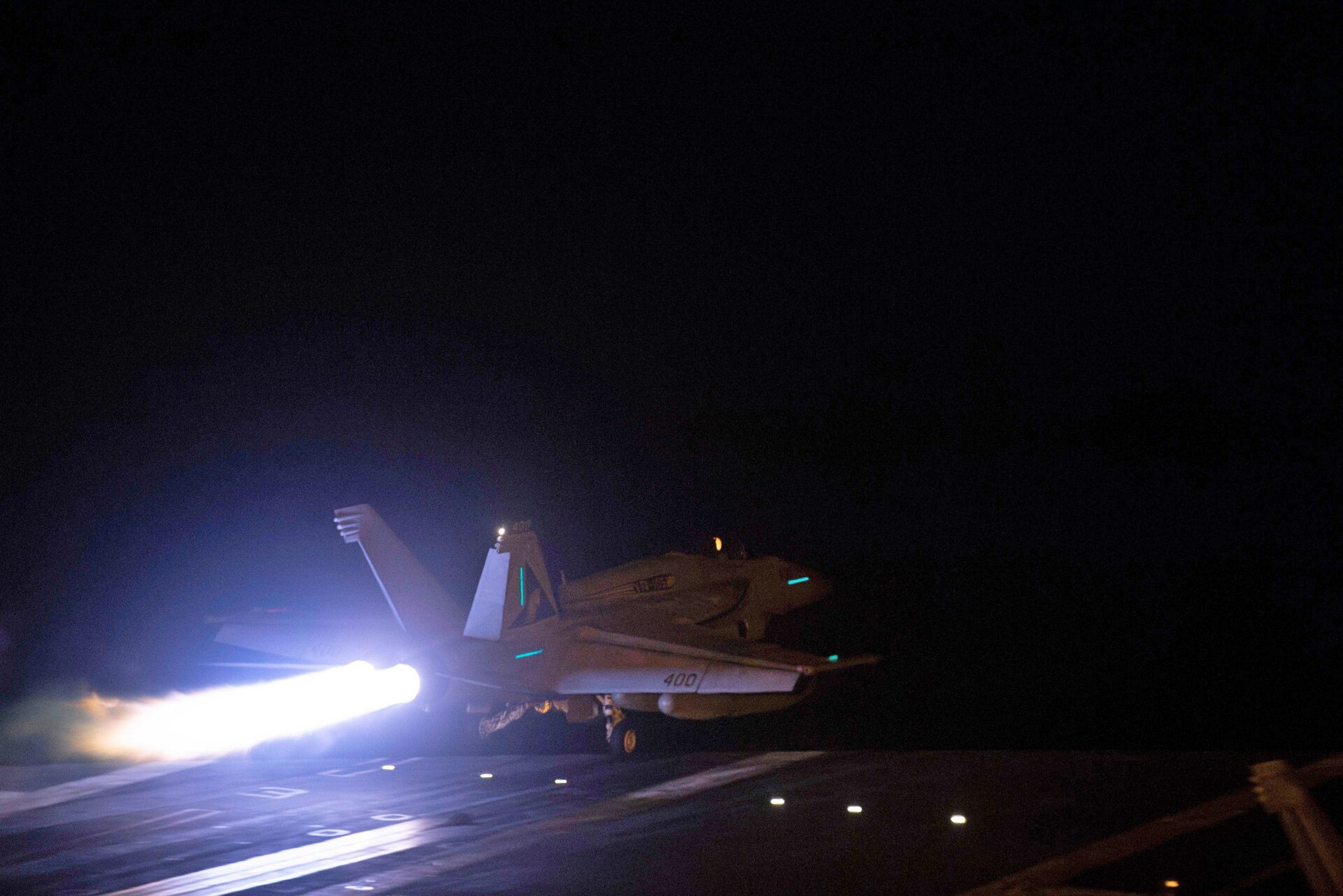
The Houthis have not limited themselves to the Bab el-Mandeb front. A strike on the presidential palace in Aden on 15 October killed 5 and wounded 16 (Al Jazeera, 2026-10-17). Beyond Aden, the group has maintained its campaign of drone and missile attacks against Saudi cities throughout the offensive.
Why Has Bab el-Mandeb Received Less Western Scrutiny Than Hormuz?
Western editorial coverage of Bab el-Mandeb since 11 September has been thin compared with the Strait of Hormuz. No dedicated October 2026 feature on the Houthi occupation of Mayyun or its implications appeared from Reuters, Bloomberg, or the Financial Times in the period reviewed. The gap is structural, not accidental.
Hormuz carries approximately 20.9 million barrels of oil per day, more than twice the pre-crisis flow through Bab el-Mandeb, and its disruption involves a state actor — Iran — in direct confrontation with the United States. That confrontation produces CENTCOM press releases, daily mine-strike and tanker-fire reports, a US domestic angle tied to petrol prices, and a political question about congressional authorization. The story generates wire copy almost automatically.
Bab el-Mandeb offers none of those conveniences. Its disruption involves a Yemeni ground war with no Western troops, territorial claims that are difficult to verify from outside the country, and a Saudi-led coalition that has not presented its case in Western media. The Iran-Hormuz confrontation carries a domestic story in every Western capital; the Houthi occupation of a volcanic island in a Yemeni strait has not found one.
Specialist outlets have covered it. Al Jazeera ran analysis on 12 September with named experts. Chatham House published a September paper and an October podcast. Modern Diplomacy ran a prescient August piece headlined “Hormuz Is Yesterday’s Crisis. Bab-el-Mandeb Is Tomorrow’s.” CNN produced a dual-chokepoint feature on 17 October. Middle East Monitor covered the Saudi angle. But the major Western wire services — whose copy sets the agenda for broadcast and print — have not matched this with sustained Bab el-Mandeb reporting.
The consequences extend beyond editorial coverage. European energy security depends in part on the Red Sea route. No EU government has published a policy response to the Houthi occupation of the strait, and the European Council invitation for the EU-GCC summit on 24 October in Riyadh (The National, 2026-10-08) focused on partnership language, not maritime security. EASA widened its Saudi airspace warning after the October airport strikes (Fortune, 2026-10-09), but that addressed aviation safety, not the chokepoint.
The Houthi Position
The Houthis have framed the Bab el-Mandeb seizure as retaliation. Military spokesman Yahya Saree described the broader strategy as “siege for siege” and “escalation for escalation” against Saudi Arabia (Al Jazeera, 2026-09-12). Iranian media presented Mayyun as a “key monitoring point overlooking the vital maritime passage” (Middle East Eye live blog, 2026-09-12).
The group drew an explicit line between Saudi-flagged shipping and everyone else’s. “Maritime navigation is safe for all companies, with the exception of Saudi ships,” the Houthis declared, exempting non-Saudi vessels from their stated blockade in what appeared to be an effort to limit international pressure (Al Jazeera, 2026-09-12). The exemption sits uneasily beside the record: between November 2023 and mid-2025, Houthi forces attacked more than 100 commercial ships, many with no connection to Saudi Arabia (Al Jazeera, 2026-09-12).
The Houthis denied every territorial gain the coalition has claimed since Dawn of Yemen began, with an unnamed military spokesman calling the government reports “fabricated heroics” (Al Jazeera, 2026-10-06). Whether they can hold Mayyun over the long term depends on the mainland supply line, as Chatham House’s Al-Muslimi has argued — the island is resource-poor and the Mocha-Dhubab corridor is the target of the coalition’s ground campaign.
Tehran has positioned itself as a potential mediator in the conflict it materially supports. Iran’s Foreign Minister Araghchi offered to “facilitate dialogue between Saudi Arabia and Yemen” (BBC, 2026-10-11), framing the Houthi campaign as a bilateral dispute between Riyadh and Sanaa rather than as an extension of Iran’s regional strategy. Al-Muslimi argued in a July 2026 Chatham House analysis that the Houthi blockade leaves the Bab el-Mandeb and Suez Canal “effectively closed at both ends of the Red Sea,” creating a three-way chokepoint crisis alongside Hormuz (Chatham House, July 2026).
What Has Saudi Arabia Said About the Strait?
Saudi Arabia has stated that it cannot enter new peace negotiations while Houthi forces control Bab el-Mandeb, according to Middle East Monitor (2026-10-16). The kingdom treats the Houthis’ withdrawal from the chokepoint as a precondition for talks, not as something to be traded at the table.
Defence Minister Prince Khalid bin Salman announced on 5 October that the Mecca pact committee had agreed to “activate collective deterrence measures… in response to the attacks and all those responsible for them” (Al Jazeera, 2026-10-06). The Mecca pact brings Pakistani and Turkish forces into the coalition, but Turkey’s parliament has not ratified the agreement (Al Jazeera, 2026-10-06), and the operational details of the deployment remain unannounced.
The absence of Western military engagement at Bab el-Mandeb reflects a deliberate choice. Trump ruled out attacking Iran before the 3 November midterms (The National, 2026-10-08), and he declined separate Saudi requests for US strikes against the Houthis (CNN, 2026-10-10). Britain sent an RAF Voyager tanker to Saudi Arabia (The National, 2026-09-22) and France confirmed troops, radars, and air defences for Yanbu (Al Jazeera, 2026-09-25), but neither has announced a maritime or ground role at Bab el-Mandeb specifically.
The gap between the military campaign underway and the public case for it is wide. Dawn of Yemen is the largest coalition ground operation since the 2022 truce collapsed (BBC, 2026-10-11), yet the kingdom has not published an operational briefing, released a map of verified territorial gains, or addressed the Bab el-Mandeb question in Western media. The strikes on Dammam and the drone attacks near Riyadh have made the war visible inside the kingdom, but the war’s maritime dimension — the reason the strait matters to anyone outside Yemen — has not been part of the coalition’s public messaging.
The result is a ground war being reported through competing and unverified claims, in a region where questions about parliamentary authorization for partner-nation military involvement remain unresolved, and where the coalition’s warnings reach fishing boats and tanker crews but not the European parliaments whose energy supplies transit the strait.
Two Chokepoints, One War
No previous non-state actor has held territory directly threatening both the Strait of Hormuz and Bab el-Mandeb simultaneously. Iran’s influence over Hormuz operates at the state level through the IRGC Navy. Houthi control of Bab el-Mandeb operates at the ground level through occupied territory. The combination gives Tehran-aligned forces leverage at both endpoints of the Red Sea — state power at one end, proxy force at the other.
The two crises are legally distinct. Hormuz involves interstate confrontation between Iran and the United States; Bab el-Mandeb involves a non-state actor holding ground in a civil war. They are strategically linked through Iran, which has offered to mediate between Riyadh and the Houthis while its proxies hold the very territory that Saudi Arabia has made a precondition for talks. Chatham House’s Al-Muslimi described the result as the Bab el-Mandeb and Suez Canal “effectively closed at both ends of the Red Sea” — a three-way chokepoint crisis for which there is no recent strategic precedent (Chatham House, July 2026).
For the shipping market, the distinction matters less than the geography. A tanker clearing Hormuz and entering the Red Sea from the south passes within range of Houthi-held Mayyun. The insurance market prices both risks into the same premium, and the freight rate surge described earlier reflects a corridor under pressure from both ends simultaneously.
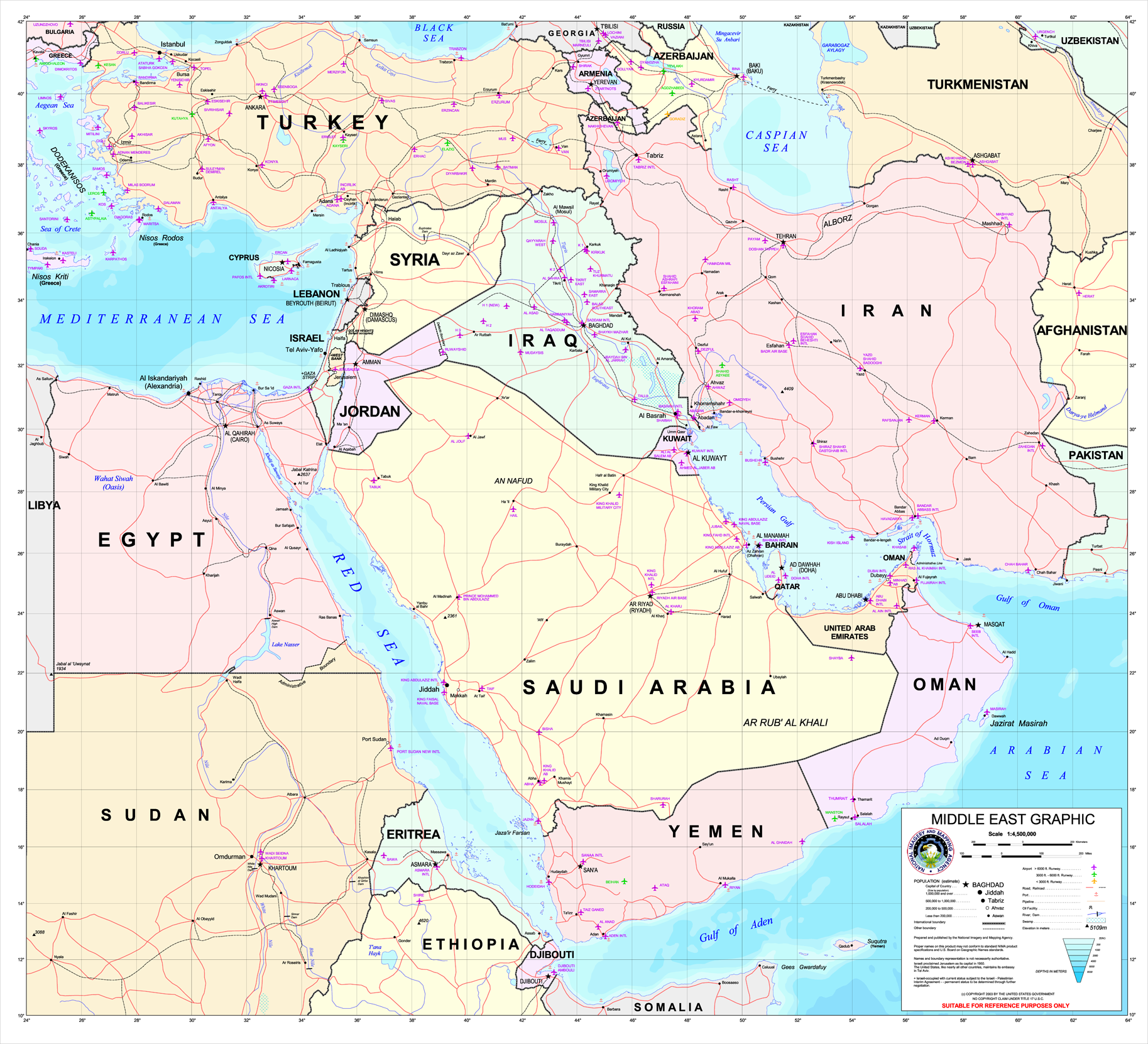
The coalition’s ground campaign is the only active military effort to change the strategic picture at either chokepoint. The US has declined to strike the Houthis and has paused the question of attacking Iran until after the midterms. Hormuz remains mined. Mayyun remains occupied. The precondition Saudi Arabia has set for peace talks — Houthi withdrawal from Bab el-Mandeb — depends on a ground war whose progress cannot be independently verified, fought in the mountains and wadis of southern Yemen while most of the world watches the other strait.
Frequently Asked Questions
Could the Houthis physically close Bab el-Mandeb to all traffic?
Analysts cited by Montel in July 2026 said a full Houthi blockade is “unlikely to significantly disrupt LNG supply to Europe” because most European LNG arrives via the Atlantic rather than the Red Sea. The strait’s 18-mile width makes a total physical seal difficult without shore-based missile systems on both banks — the Djibouti side remains outside Houthi reach. The greater risk is selective harassment that raises insurance costs high enough to divert traffic voluntarily, which is already occurring.
What would an amphibious assault on Mayyun require?
Dr. Andreas Krieg told Al Jazeera (12 September 2026) that an amphibious operation is feasible because the island is difficult to defend long-term, but it would be “high-risk.” The Houthis control the surrounding mainland and could resupply from Dhubab, making an island assault ineffective without first securing the Mocha-Dhubab coastal corridor — the apparent objective of Operation Dawn of Yemen. No amphibious component of the current offensive has been publicly announced.
How many people has the fighting displaced since the offensive began?
No updated displacement figure covering the period since Operation Dawn of Yemen launched on 4 October 2026 has appeared in published reports as of mid-October. On the ground, 8 government soldiers were killed on the al-Maqatirah front in Lahj province (Al Jazeera, 2026-10-18). The Houthi-run Health Ministry claimed 83 killed and 146 wounded in coalition strikes as of early October — a figure that has not been independently verified (CNN, 2026-10-06).
What is the status of Saudi Arabia’s East-West pipeline?
The pipeline has a design capacity of approximately 7 million barrels per day (Saudi Gazette via Zawya, 2026-09-25). Saudi Arabia suspended pipeline flows on 12 September — one day after Mayyun fell — and restarted them on 22 September, though full capacity recovery could take six weeks or more (Baird Maritime/Reuters, 2026-09-24). Aramco CEO Amin Nasser said disruptions typically last “days, not weeks or months” (Saudi Gazette via Zawya, 2026-09-25). Even at full capacity, the pipeline’s terminus at Yanbu on the Red Sea means that pipeline-diverted crude still requires tanker transit through waters where Houthi forces hold the southern chokepoint.
The human toll of long-range drone operations became concrete on 21 October, when Saudi Arabia confirmed two foreign workers killed at Aramco’s Shaybah oil field by falling debris from an intercepted drone — a strike 1,200 kilometres from Yemen, and the furthest confirmed drone fatality from Houthi-attributed operations during the current campaign.