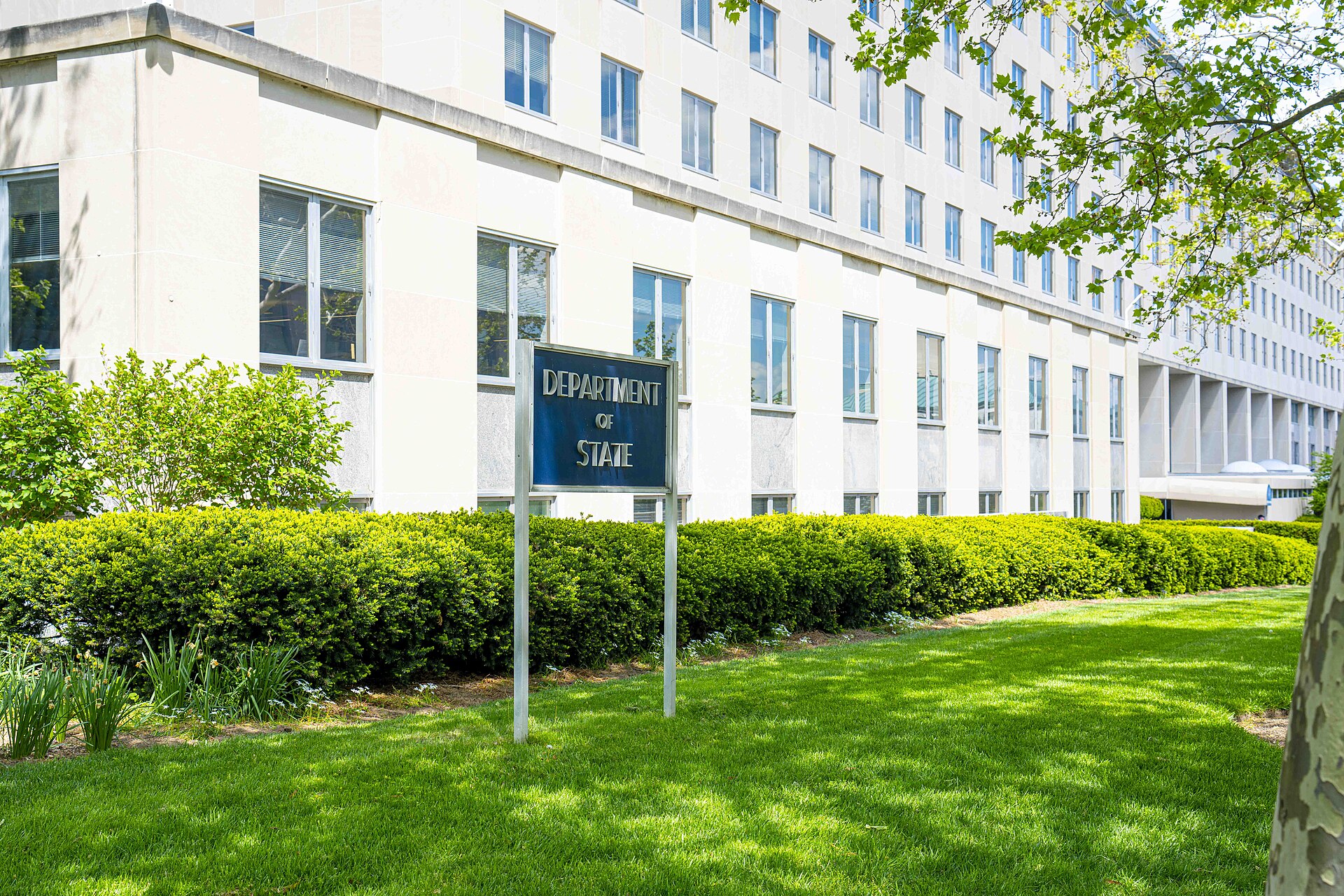
WASHINGTON — The US State Department on October 21 ordered non-emergency US government employees and their family members to leave Saudi Arabia as Houthi attacks against the kingdom escalated. State Department spokesperson Tommy Pigott announced the ordered departure in a post on X, writing that “Iranian-supported Houthis have increasingly engaged in hostilities against Saudi Arabia.”
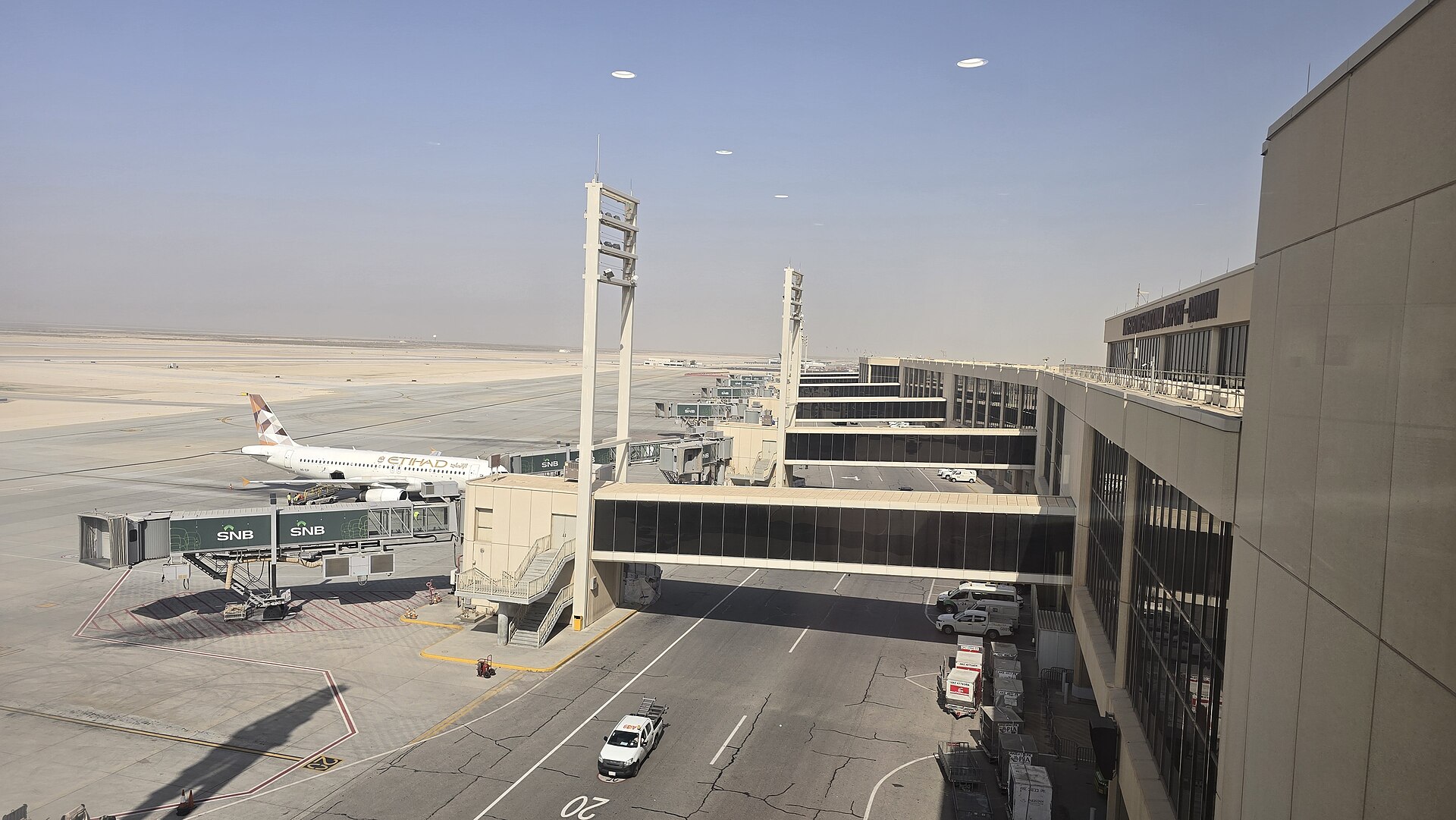
The order covers the US Embassy in Riyadh and the US consulates in the kingdom, according to the Associated Press, and it is the second time this year that Washington has pulled non-essential staff out of Saudi Arabia. It came on a day when an attack on King Fahd International Airport in Dammam killed at least one person and debris from an intercepted drone killed two workers at the Shaybah oil field, according to CBS News. US military advisers remain in the country supporting the Saudi campaign against the Houthis, CNN reported.
Table of Contents
What the State Department Ordered
Pigott’s statement was brief. He described the order as applying to “non-emergency U.S. government employees and their family members in Saudi Arabia only,” Global News reported, and added that “the safety and security of Department personnel and their families remain our highest priority,” according to CBS News.
The US Embassy in Riyadh issued a separate security alert the same day warning of possible further Houthi attacks, Al Jazeera reported. Neither the State Department nor the embassy has said how many people the order affects. No Saudi government reaction had been published by the evening of October 21, and no parallel orders from the UK, France, Germany or the European Union had been reported.
The order sits on top of a series of earlier restrictions. On October 7, the US barred its staff from travelling within 20 miles of the Yemeni border, Gulf News reported. On October 12, two days after the strike on King Khalid International Airport in Riyadh, the State Department raised its travel advisory for Saudi Arabia to Level 3, “Reconsider Travel,” according to the department’s record as reported by Briefly.
The timing is awkward for the airport itself. King Khalid International partially resumed operations between October 19 and October 21 after being closed since the October 10 strike, Global News reported (HOS covered the reopening in Riyadh Airport Reopens, Coalition Intercepts 5 Drones Same Morning).
The Middle East briefing 3,000+ readers start their day with.
One email. Every weekday morning. Free.
Why Does the “Ordered” Designation Matter?
The State Department uses graded categories when it reduces staff abroad, and the choice of category is itself a statement. CBS News describes three tiers now in use: ordered departure, which is mandatory; restricted operations, an intermediate status the department introduced in August 2026 that lets embassies cut staff without a formal ordered departure; and authorized departure, the permissive option.
| Status | Nature | Where it applies now | Source |
|---|---|---|---|
| Ordered departure | Mandatory for non-emergency staff and families | Saudi Arabia (from Oct 21, 2026) | CBS News; State Dept |
| Restricted operations | Intermediate; staff cuts without formal ordered departure (introduced Aug 2026) | Other Gulf posts | CBS News |
| Authorized departure | Permissive | Used in Saudi Arabia during the 2003-2004 al-Qaeda campaign | NBC News archive |
Saudi Arabia is now at the top of that scale, according to CBS News, while the other Gulf posts remain one step below it.
Pigott’s statement gave one reason for the move: Houthi hostilities against Saudi Arabia. It did not say whether the department expects US personnel or facilities to be targeted, and it did not say how long the order will last.
The decision also lands inside a relationship that was upgraded less than a year ago. In November 2025, President Donald Trump designated Saudi Arabia a major non-NATO ally, alongside a pending F-35 sale and a strategic defence agreement, according to Michael Ratney, senior adviser in the Middle East Program at the Center for Strategic and International Studies. Writing on September 23, Ratney said that upgraded relationship “seems to count for little” now.
The safety and security of Department personnel and their families remain our highest priority.
Tommy Pigott, State Department spokesperson, October 21, 2026
Is the Drawdown Limited to Saudi Arabia?
Officially, yes. Pigott pushed back on reports of a Gulf-wide departure, calling them “inaccurate,” Al Jazeera reported. The order he announced names Saudi Arabia and no other country.
Unofficially, the picture is less tidy. Four unnamed US officials told Reuters that US missions in other Gulf states would also be ordering family members to leave, according to Al Jazeera and Global News. The State Department has not confirmed that, and none of the four officials was identified by name or post.
The military side of the US presence is also moving. US officials told CBS News that the military has been quietly reducing its footprint at other Middle East posts because of Houthi and Iranian threats (see CENTCOM Declared Hormuz Open. UKMTO Logged 15 Attacks in 9 Days). CENTCOM spokesperson Capt. Tim Hawkins told CBS News: “We regularly move U.S. service members and assets to optimize mission readiness.”
The previous ordered departure, in March, was not limited to one country. When the State Department pulled non-emergency staff from Saudi Arabia on March 8, it issued ordered departures at the same time for the UAE, Qatar, Kuwait, Bahrain, Iraq and Jordan, according to the record compiled on Wikipedia’s page on evacuations during the 2026 Iran war.
Advisers In, Diplomats Out
While embassy families prepare to leave, the US military presence aimed at the Houthis has been growing. More than 100 US military advisers are in Saudi Arabia providing intelligence and targeting support against the group, operating under a joint forces command set up in recent weeks, according to CNN reporting carried by Gulf News. A further 200 or so support personnel are with them.
The US has not joined the strikes themselves. Asked on October 21 whether the US would join Saudi strikes on the Houthis, Trump said, “We may,” according to CBS News. In the same remarks he said: “We have communication with the Houthis, and we’ll see what happens.” On October 10 he had told reporters “we’ll make a decision” on US strikes, CNN reported, and The National reported on October 8 that he had ruled out strikes on Iran before the November 3 midterm elections.
Trump reached a ceasefire with the group in May 2025 that ended US strikes in Yemen, and the Houthis have respected it with respect to US forces while attacking Saudi Arabia, according to Outlook India and CSIS. In September 2026, Trump said the Houthis had “agreed not to fight the United States,” Outlook India reported.
Ratney argued in August that the gap matters to the Saudi campaign itself. “U.S. support would be indispensable” for any effective Saudi military effort against the Houthis, he wrote for CSIS on August 13. In his September piece, he said Riyadh has held the US response to the 2019 Abqaiq and Khurais attacks, when Trump said the US was “locked and loaded” but took no direct action, as “a lasting grievance” (see Riyadh Is Paying for Washington’s Midterm Pause on Iran).
We have communication with the Houthis, and we’ll see what happens.
President Donald Trump, October 21, 2026, via CBS News
How Did the Kingdom Reach This Point?
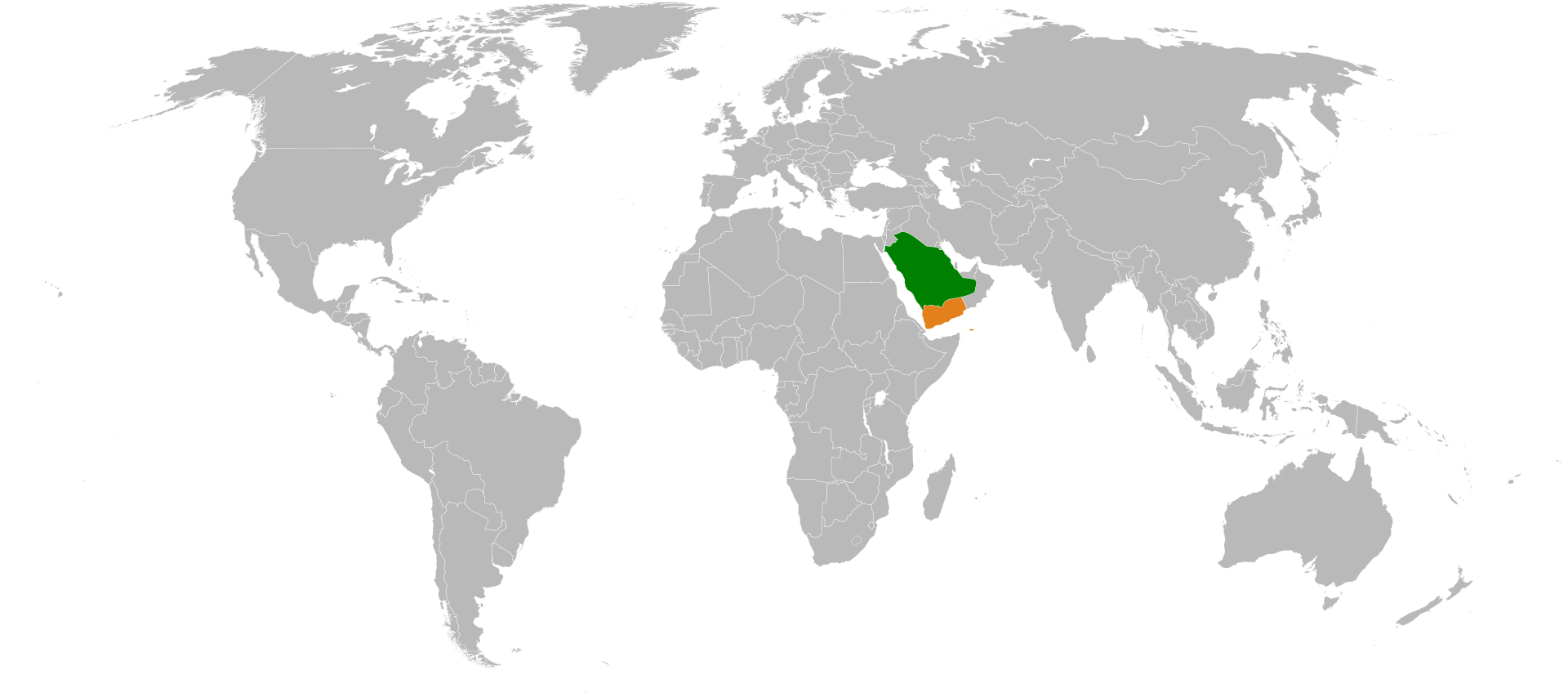
The wider war began on February 28, 2026, and the Houthis entered it against Saudi Arabia on July 13, according to Ratney’s August analysis for CSIS. Their July blockade of Saudi vessels disrupted the Red Sea export route, which had carried about 80% of Saudi oil, CSIS reported.
The first ordered departure followed a direct hit on American facilities. In early March, drones struck the US Embassy and the CIA station in Riyadh, Al Jazeera reported. The Saudi Defense Ministry said the strike caused “limited fire and minor material damage.” The State Department ordered non-emergency staff out around March 8, according to Signal SCV, and staff later returned.
Pigott’s October statement did not cite an attack on a US facility. It cited Houthi hostilities against Saudi Arabia, and the past two weeks supply the record. The October 10 strike on King Khalid International killed at least 12 people — a toll the BBC raised to 13 after an Indian victim died — and wounded more than 300, according to Al Jazeera and the BBC, which put total deaths in airport attacks between October 6 and October 11 at about 20. Saudi Arabia asked the UN Security Council to act on October 9, Al Jazeera reported.
Allison Minor, senior fellow at CSIS, wrote on October 15 that “Saudi Arabia has suffered hundreds of Houthi attacks over the past decade, but none quite like what hit Riyadh.”
The attacks continued on the day of the order. The strike on King Fahd International Airport in Dammam killed at least one person and injured eight, CBS News reported. At Shaybah, debris from an intercepted drone killed two workers, one Filipino and one Nepali, and injured two others (see Saudi Arabia Confirms 2 Aramco Workers Killed at Shaybah and earlier coverage of the Dammam airport strikes).
| Date (2026) | Event | Source |
|---|---|---|
| Feb 28 | Iran war begins | CSIS |
| Early March | Drones hit US Embassy and CIA station in Riyadh | Al Jazeera |
| ~Mar 8 | First ordered departure from Saudi Arabia | Signal SCV |
| Jul 13 | Houthi campaign against Saudi Arabia begins | CSIS |
| August | State Dept introduces “restricted operations” status | CBS News |
| Oct 7 | US staff barred from travel within 20 miles of Yemen border | Gulf News |
| Oct 10 | King Khalid International strike: at least 12 killed (toll raised to 13 per BBC), 300+ wounded | BBC; Al Jazeera |
| Oct 12 | Travel advisory raised to Level 3 | State Dept via Briefly |
| Oct 21 | Second ordered departure; Dammam and Shaybah attacks | State Dept; CBS News |
The Houthi and Iranian Position
No Houthi or Iranian official had commented on the ordered departure itself by the evening of October 21. The group’s last public warning to Washington came on October 12, when Mohammed Al Bukhaiti, a member of the Houthi political bureau, said that if the US joined Saudi strikes “there will be a swift and painful response targeting the US and all its interests in the region,” AFP reported via Al-Monitor.
Al Bukhaiti said in the same remarks that Saudi oil facilities and airports “have become legitimate targets” and told workers at those sites to evacuate, according to AFP. Nine days later, the State Department told the families of its own staff to leave.
Iran’s foreign minister, Abbas Araghchi, warned on October 21 that any Egyptian or foreign interference in Yemen “would make the situation more difficult,” CBS News reported. On the other side of the Yemeni war, Marwan Ali Noman, political adviser to Yemen’s foreign minister, told CBS News: “We are fighting on behalf of everyone.”
Washington’s two moves on October 21 point in different directions. Trump left open joining Saudi strikes and said he was talking to the Houthis. His State Department, meanwhile, decided that the families of its diplomats should leave the country those strikes would defend. Other governments with large communities in the kingdom have been working through the same question (see India’s advisory for its 2.65 million nationals).
Frequently Asked Questions
Does the order mean the US Embassy in Riyadh is closing?
The State Department has not announced a closure. The order names non-emergency employees and family members, which leaves emergency staff outside its scope. US citizens in the kingdom are covered by the Level 3 “Reconsider Travel” advisory, while areas near the Yemen border carry a separate Level 4 “Do Not Travel” rating, according to the department’s record as reported by Briefly.
Can people still fly out of Riyadh?
Only on a reduced schedule. Saudi aviation authorities required airlines to seek prior permission before resuming flights to King Khalid International, Global News reported, and Lufthansa and Air France cancelled Riyadh flights through mid-November.
How do the Houthis pay for a campaign of this length?
The group earns more than $2 billion a year from illicit oil sales, according to a US Treasury estimate cited by Allison Minor of CSIS on October 15.
Has the US joined Saudi Arabia’s Red Sea maritime coalition?
No. Of the 43 countries Saudi Arabia invited to join its Red Sea maritime coalition, 14 had signed on and the US was not among them, according to Michael Ratney of CSIS in August.
Is the F-35 sale to Saudi Arabia affected?
No change has been announced. As of Ratney’s September 23 analysis for CSIS, the sale remained pending congressional review.