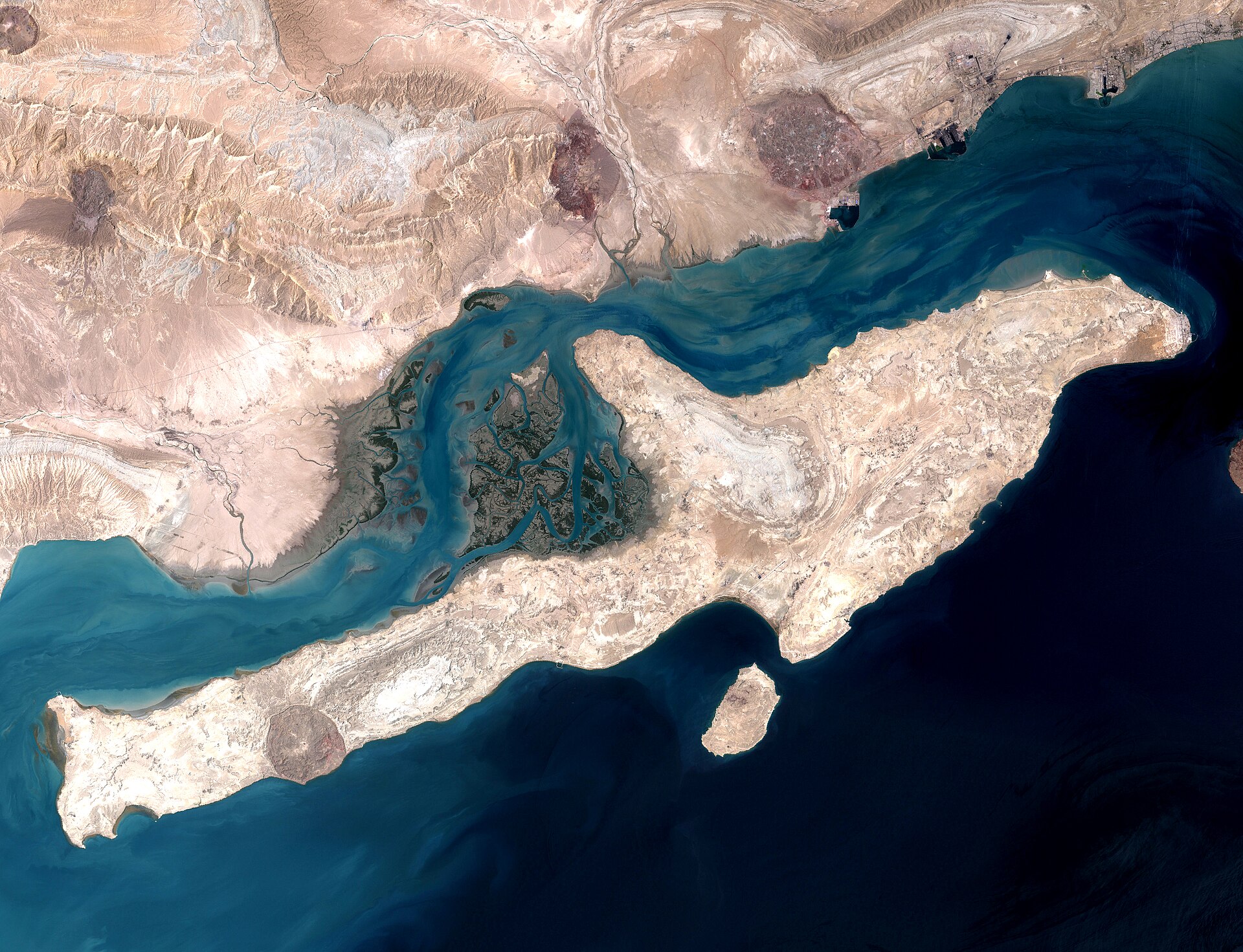

DOHA — Iran’s Supreme National Security Council Secretary Mohsen Rezaei on November 3 rejected the United States’ response to Tehran’s conditions for reopening the Strait of Hormuz, calling Washington’s reply “not convincing” and demanding full compliance with Iran’s multiple conditions before any shipping resumes through the waterway.
The rejection leaves the strait blockaded — resumed by the IRGC on July 14 after the collapse of an earlier ceasefire framework — even as the Democratic sweep of both chambers of Congress in the November 3 midterms has altered the political arithmetic around the conflict. Brent crude fell to approximately $93 per barrel after President Donald Trump signaled he was “in no rush” to strike Iran, according to Gulf News, while Qatari and Pakistani mediators are working on a narrower interim deal that would trade a halt to attacks on shipping for an end to the US blockade of Iranian ports, Reuters reported on November 4.
The House of Saud Daily Briefing
Saudi Arabia's news in 3 minutes, every morning. Free. See today's issue
Table of Contents
Rezaei’s Rejection: What Did Iran Say?
Rezaei, secretary of the Supreme National Security Council and leader of Iran’s delegation at the Islamabad talks, posted on X on November 3 that “America’s response to Iran’s rights and demands was not convincing, and they must fully and explicitly address Iran’s seven conditions and act upon them. Only in this case will the Strait of Hormuz be reopened,” according to Borna News and Israel National News, which cited the post.
Al Jazeera reported on November 4 that the US had transmitted a reply to Iran’s Hormuz conditions through Qatari mediators before Rezaei’s post. No government has published the text of the American response. The rejection followed an earlier round in which Rezaei called a previous US reply “insufficient,” as reported by CBS News on October 11 — making the November 3 statement the latest in a series of Iranian dismissals.
Iran’s Foreign Minister Abbas Araghchi told reporters on November 2 that Tehran and Washington were not engaged in direct negotiations and that intermediaries were still working to find a path, according to multiple reports including Sputnik. He had said on November 1 that Iran’s conditions were achievable “if the US side demonstrates goodwill, has a genuine will to reach an agreement, and is truly seeking a peaceful solution,” according to ANI and Gulf News.
The gap between what Washington offered and what Tehran demands remains the central obstacle. Iran has laid out multiple conditions — described in varying terms across sources but broadly encompassing sanctions relief, an end to the US naval blockade of Iranian ports, the release of frozen Iranian assets, a regional ceasefire, US troop withdrawal, an end to threats, and war reparations, according to PBS NewsHour on November 3. No confirmed text enumerating all conditions from a single primary source has been published.
Trump’s “No Rush” Stance and the White House Divide
Trump told Axios on November 2 that he was “in no rush” to decide on further strikes against Iran. “One way or the other, we will do something, but there is no rush,” he said. On November 3, he posted on Truth Social that Iran “wants a deal” and that “It could happen!” according to Business Standard and Reuters.
The president’s public tone of restraint coincided with what Axios and Iran International described on November 2 and November 4 as a split within the White House. Vice President JD Vance and special envoy Steve Witkoff have favoured pursuing a deal with Iran, with Vance expressing optimism about reaching an agreement while warning that Trump still has “kinetic” options, Gulf News reported on November 5. Secretary of State Marco Rubio and CIA Director John Ratcliffe have reportedly advised maintaining a “no war, no deal” posture — neither escalating to full-scale strikes nor conceding to Iran’s terms, according to Axios on November 2 and Iran International on November 4.
The split has practical consequences. Trump’s self-imposed moratorium on new strikes inside Iran — announced on October 8, when he said the US “will not be attacking Iran at any time prior to the midterm elections” — expired on November 3 with no extension. The US did carry out what it called “defensive” strikes on Qeshm Island on approximately November 2, targeting surface-to-air missile sites that Iran had used against a US aircraft, according to Al Jazeera on November 4. Trump described the strikes as “a minor attack,” Fox News reported. But no broader campaign has followed.
Trump acknowledged on November 4 that the Iran war “was a piece of it” in Republican midterm losses, the Wall Street Journal reported, as cited by Alhurra.
How Do the Midterms Change the Iran Calculus?
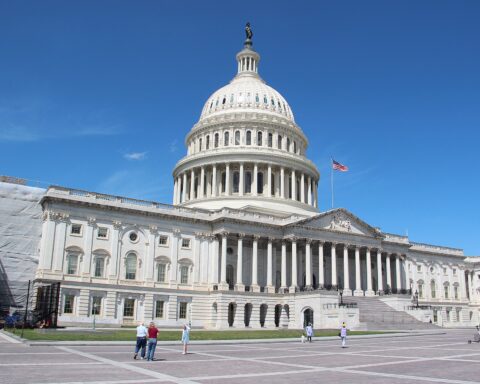
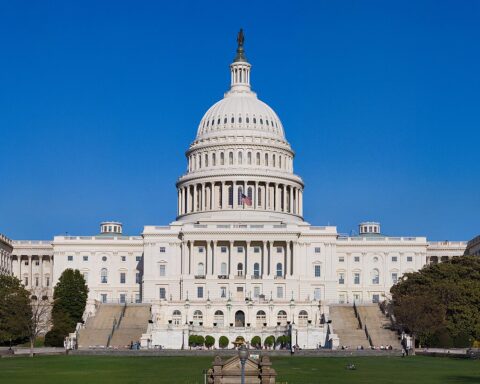
Democrats won both the House and Senate in the November 3 midterm elections, securing what Senate Democratic Leader Chuck Schumer said were 54 Senate seats, according to Israel National News. Schumer pledged to use the new majority to bring an end to the war with Iran, arguing that Trump had failed to explain the objectives of the military campaign, Israel National News and Common Dreams reported on November 4.
The congressional shift gives Democrats new tools. A House war powers resolution passed 220–204 in September, with seven Republicans joining Democrats, according to IBTimes on November 4. A Senate version failed by a single vote in September, IBTimes reported. With the new Senate majority, a fresh war powers vote would carry different odds — though any resolution would still face a presidential veto, and overriding it would require a two-thirds supermajority in both chambers.
Whether Schumer’s pledge refers to action in the lame-duck session before January or to the new Congress that convenes on January 3 remains unclear from the sources. Analysts at Iran International and The Conversation, writing on November 4, warned that the gap between the midterm results and the seating of the new Congress creates a window in which Trump could escalate military operations before the incoming Democratic majority takes office.
Iran’s parliament speaker, cited by CNBC on November 4, said the election results show that “Americans have said NO TO WAR” — framing the Democratic victory as a popular repudiation of Trump’s Iran policy. Supreme Leader Mojtaba Khamenei had already warned of a wider war in remarks reported after the midterms.
Qatar and Pakistan Push a Narrower Deal
Qatari and Pakistani mediators have been working on a narrower interim framework that would sidestep the full list of Iranian demands, Reuters reported on November 4 through multiple syndicated outlets including HNGN and Business Standard. Under the proposal, Iran would halt attacks on shipping in the Strait of Hormuz; in return, the US would lift its blockade of Iranian ports.
One source briefed on the talks told Reuters that Qatari mediators expected responses from both Washington and Tehran within approximately 36 hours on the new proposal. Qatar’s foreign ministry spokesperson Majed al-Ansari said both the US and Iran “remain committed to the negotiation process” and that both sides were reviewing proposals put forward by mediators, according to multiple outlets including Korea Herald on November 3 and 4.
The narrower framework represents a shift in approach. Rather than addressing all of Iran’s conditions at once — sanctions, frozen assets, troop withdrawal, reparations — the interim proposal focuses on a single exchange: shipping safety for port access. It is not clear whether either Washington or Tehran has accepted this framing, and no source has confirmed formal delivery of the proposal to both capitals.
Oman’s foreign minister spoke with Araghchi on November 5 about regional stability and diplomacy, Anadolu Agency reported, though the substance of that call has not been disclosed. Oman has historically served as a back channel between Washington and Tehran, and its engagement at this moment adds another diplomatic track alongside the Qatari-led mediation.
An analysis published by The Conversation on November 4 noted that after the Islamabad talks, a former IRGC commander now heading the SNSC — a reference to Rezaei — submitted a report criticizing Araghchi for what it described as “deviation from the delegation’s mandate.” If accurate, the report suggests internal tension in Tehran between Rezaei’s harder line and Araghchi’s more open diplomatic language.
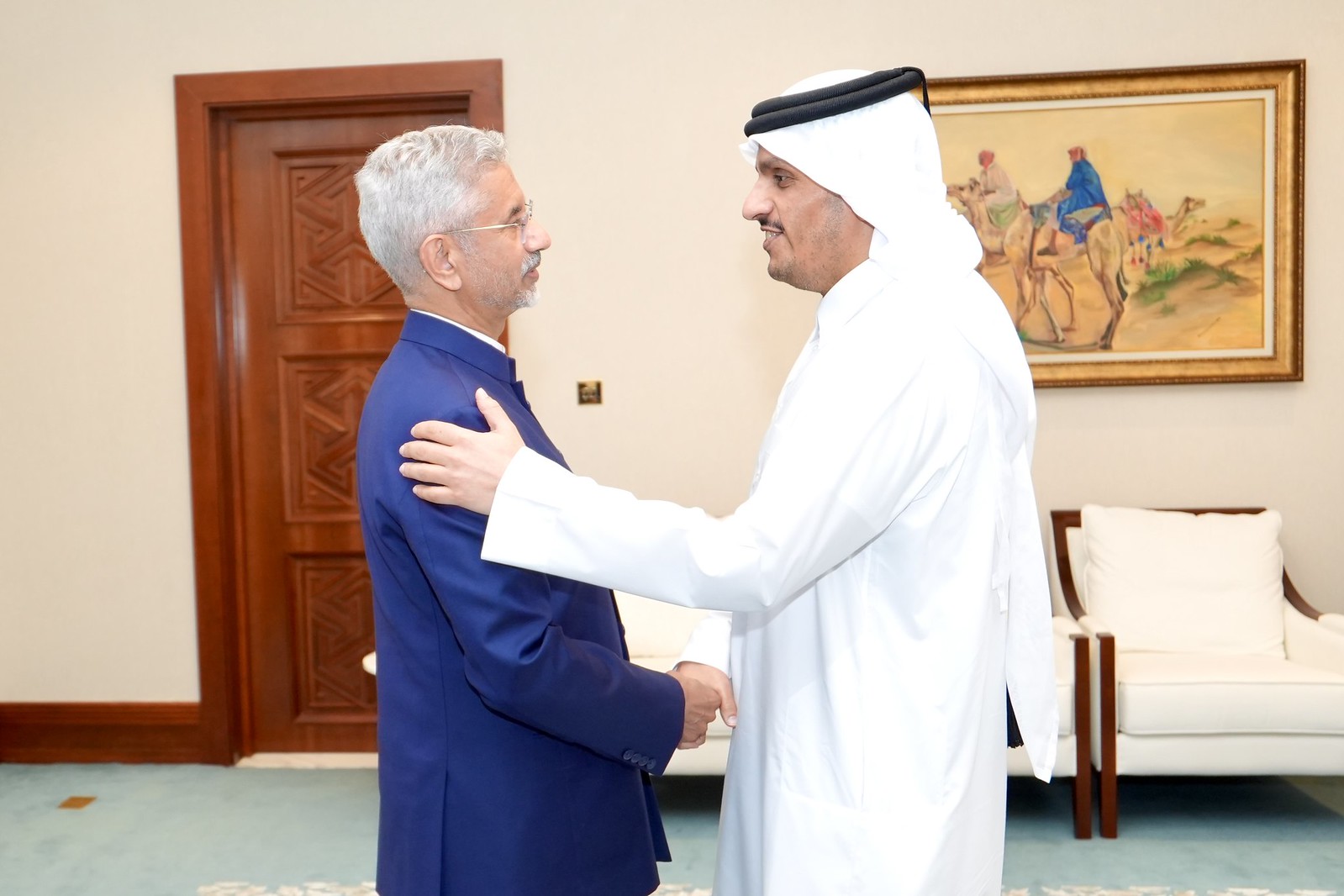
What Is Iran Demanding?
Iran’s position has evolved through several iterations since Araghchi submitted the original seven-day Hormuz reopening plan via Qatar on September 25, according to France 24 on September 29. Qatar subsequently proposed shortening the implementation timeline to five days, and Iran and Qatar negotiated it further down to two days, ANI reported on November 1.
Under the two-day plan as described by ANI and Gulf News on November 1: US measures on sanctions and the blockade would be implemented on Day 1, and Hormuz would reopen with navigation restored on Day 2. Iran has laid out multiple conditions that it says must be met for any reopening, though these are described inconsistently across sources.
Araghchi told ANI and Tribune India on November 1 that the conditions were achievable “if the US side demonstrates goodwill, has a genuine will to reach an agreement, and is truly seeking a peaceful solution.” But Rezaei’s November 3 post set a harder tone, insisting on full and explicit US compliance with every condition before reopening — a position that leaves little room for the incremental approach favoured by the Qatar-Pakistan interim framework.
The IRGC reported on November 5 that two tankers and a tugboat caught fire in the Strait of Hormuz after striking mines, a reminder that the blockade carries daily physical risks for shipping. The Hormuz waterway, which before the crisis handled approximately 138 vessels per day according to the Joint Maritime Information Center, has been effectively closed to commercial traffic since the IRGC resumed the blockade on July 14.
Background: From the 7-Day Plan to the 2-Day Window
The current diplomatic impasse has its roots in the collapse of the Islamabad Memorandum framework. That June 17 agreement provided for a 60-day halt to hostilities, but it expired without a final deal. The IRGC resumed the Hormuz blockade on July 14, restoring the closure that had originally begun on April 13.
Araghchi submitted the seven-day reopening plan through Qatari mediators on September 25. The plan offered to reopen Hormuz in exchange for the US lifting its blockade, providing sanctions waivers, and releasing approximately $12 billion in frozen Iranian assets, Al Jazeera reported on September 25. The Wall Street Journal reported on September 26 that Trump rejected the plan.
Trump announced on October 8 that the US would not strike Iran before the November 3 midterms. That moratorium created a diplomatic pause — effectively freezing both military and diplomatic activity until after the vote. The moratorium expired on November 3 with no extension and no deal.
The degradation of Saudi oil export routes — with both the Hormuz passage and the East-West pipeline under periodic threat — has kept global energy markets on edge. Brent crude, which had topped $108 in late September, settled at approximately $93 per barrel on November 4–5 after Trump’s “no rush” signals dampened expectations of imminent escalation, according to Gulf News on November 5.
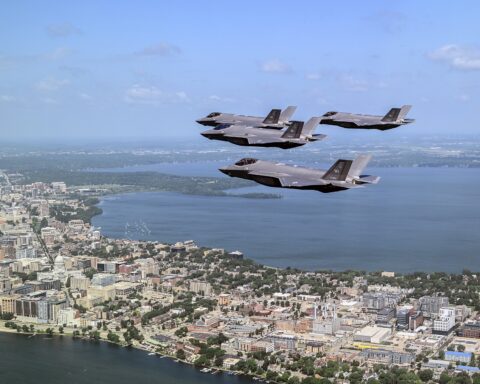
Meanwhile, the Democratic congressional sweep raises questions about the future of US security commitments in the Gulf, including the proposed $24.3 billion sale of 48 F-35A fighter jets to Saudi Arabia, which still requires congressional approval.
FAQ
Has the US blockade of Iranian ports ended?
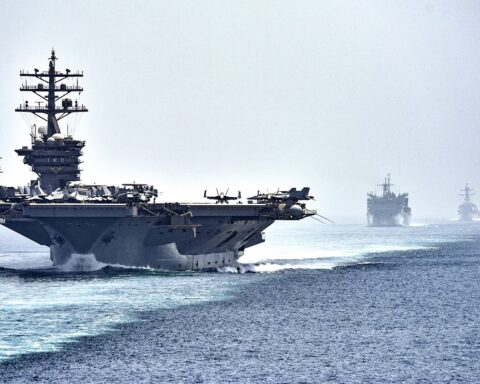
No. As of November 5, the US naval blockade of Iranian ports remains in place. CENTCOM reported on 10 October that 135 ships had been turned around since the blockade began on July 14, according to Gulf News. The blockade is separate from the Hormuz closure — it targets Iranian ports specifically, while Iran’s IRGC blockade affects all commercial traffic through the strait.
What is the difference between the 7-day plan, the 2-day plan, and the new interim framework?
The seven-day plan, submitted September 25, was the original Iranian proposal covering the full range of demands including $12 billion in frozen assets. Qatar shortened it to five days, then Iran agreed to two days — compressing the timeline but keeping the same conditions. The new Qatar-Pakistan interim framework is structurally different: it narrows the exchange to a single trade — halting attacks on shipping in exchange for lifting the US port blockade — without requiring resolution of sanctions, assets, or troop withdrawal first.
Could Congress force an end to the Iran conflict?
A war powers resolution can direct the president to withdraw US forces from hostilities within 30 to 60 days. The House passed one 220–204 in September, and the Senate version failed by one vote, according to IBTimes. With 54 Democratic Senate seats after the midterms, passage is more likely — but the president can veto it, and overriding a veto requires a two-thirds supermajority (67 senators), a threshold Democrats do not hold alone. The new Congress does not convene until January 3.
Why did Brent crude drop to $93 despite the blockade?
Markets responded to Trump’s “in no rush” comment on November 2 and his “It could happen!” post on a potential deal on November 3, which traders interpreted as signals that an imminent large-scale US strike on Iran was unlikely. Oil prices reflect not only current supply disruptions but expectations of future escalation or de-escalation. The $93 level represents a pullback from the $108 peak in late September, though it remains elevated against pre-crisis levels.
Is Oman playing a separate mediating role from Qatar?
Oman’s foreign minister spoke with Araghchi on November 5, Anadolu Agency reported, though the substance was not disclosed. Oman has historically hosted back-channel talks between the US and Iran, including during the original JCPOA negotiations. Its engagement appears to run parallel to, rather than in competition with, Qatar’s formal mediation role.
The House of Saud Daily Briefing
Saudi Arabia's news in 3 minutes, every morning. Free. See today's issue