
RIYADH — The Saudi-led coalition said it intercepted and destroyed 3 drones over Saudi Arabia between Tuesday, November 3, and the early hours of Wednesday, November 4, one of them in the Makkah region, according to statements by coalition spokesman Major General Turki Al-Maliki reported by Asharq Al-Awsat and Xinhua. Al-Maliki named Yemen’s Houthis as the launcher of only one of the 3, a drone heading toward the kingdom’s southern region, and gave no origin for the drones downed over the Makkah region and the Eastern Province.
The Makkah announcement carries more weight than the other two because of where it happened. Coalition officials have called the security of the Two Holy Mosques a “red line” since a drone headed for Mecca was intercepted in September, according to Al Jazeera. The Houthi-controlled Yemeni Armed Forces denied any operation toward Saudi territory on Tuesday and called the Makkah report “a blatant and recycled lie,” Siasat Daily reported. No Saudi authority has reported casualties or damage from any of the 3 interceptions.
The House of Saud Daily Briefing
Saudi Arabia's news in 3 minutes, every morning. Free. See today's issue
Table of Contents
What the Coalition Announced, and When
The 3 interceptions were announced in 2 separate rounds of posts on X. In the first, published on Tuesday, November 3, Al-Maliki said “a drone was intercepted and destroyed in the Makkah Region,” according to Asharq Al-Awsat, which ran the report at 10:45 Riyadh time that day. Siasat Daily, reporting the same post, said Al-Maliki “did not say where the drone had been launched from or whether it caused any casualties or damage.”
The second round came after midnight. Siasat Daily reported that in a post at 12:24 am on Wednesday, Al-Maliki said a drone had been intercepted and destroyed in the eastern region. In a further statement at 1:04 am, he reported the interception of a drone launched by Yemen’s Houthi militia toward the southern region, according to the same outlet.
Outlets have dated the second pair differently. Kuwait Times, carrying a report published at 06:45 on November 4, said the coalition downed the 2 drones “on Tuesday,” while Siasat Daily placed the announcements in the early hours of Wednesday. The difference may reflect the gap between when a drone was intercepted and when the spokesman posted, but no source has given interception times.
By Wednesday morning, Asharq Al-Awsat had combined both rounds into a single report headlined “Coalition Destroys Three Drones Fired at Saudi Arabia,” published at 08:41 Riyadh time. Xinhua, under a November 3 dateline, also reported 3 drones: one over the Mecca region, one over the Eastern Province and one heading toward the southern region. In neither account did Al-Maliki add any further details.
| Region | Announced | Origin stated by coalition | Damage or casualties reported |
|---|---|---|---|
| Makkah region | Tuesday, November 3 | None given | None reported |
| Eastern Province | 12:24 am, Wednesday, November 4 (Siasat Daily) | None given | None reported |
| Toward southern region | 1:04 am, Wednesday, November 4 (Siasat Daily) | Houthis | None reported |
Saudi Civil Defense issued an emergency warning in Riyadh Province on Wednesday, November 4, urging residents “to remain calm, follow official instructions and immediately move to the nearest safe place,” Siasat Daily reported. The directorate later confirmed that the danger had passed. Asharq Al-Awsat said the all-clear came early on Wednesday after the early-warning system was activated. Neither outlet linked the Riyadh alert to a specific drone, and no source has given the times the alert was issued or lifted. Travellers can follow the current status of airports and alerts in our Saudi Arabia travel status guide.
The 3 drones followed a busy Monday. On November 2, the coalition said it shot down 2 drones in the Riyadh region and intercepted a ballistic missile the Houthis fired toward the southern region, according to Siasat Daily and Asharq Al-Awsat.
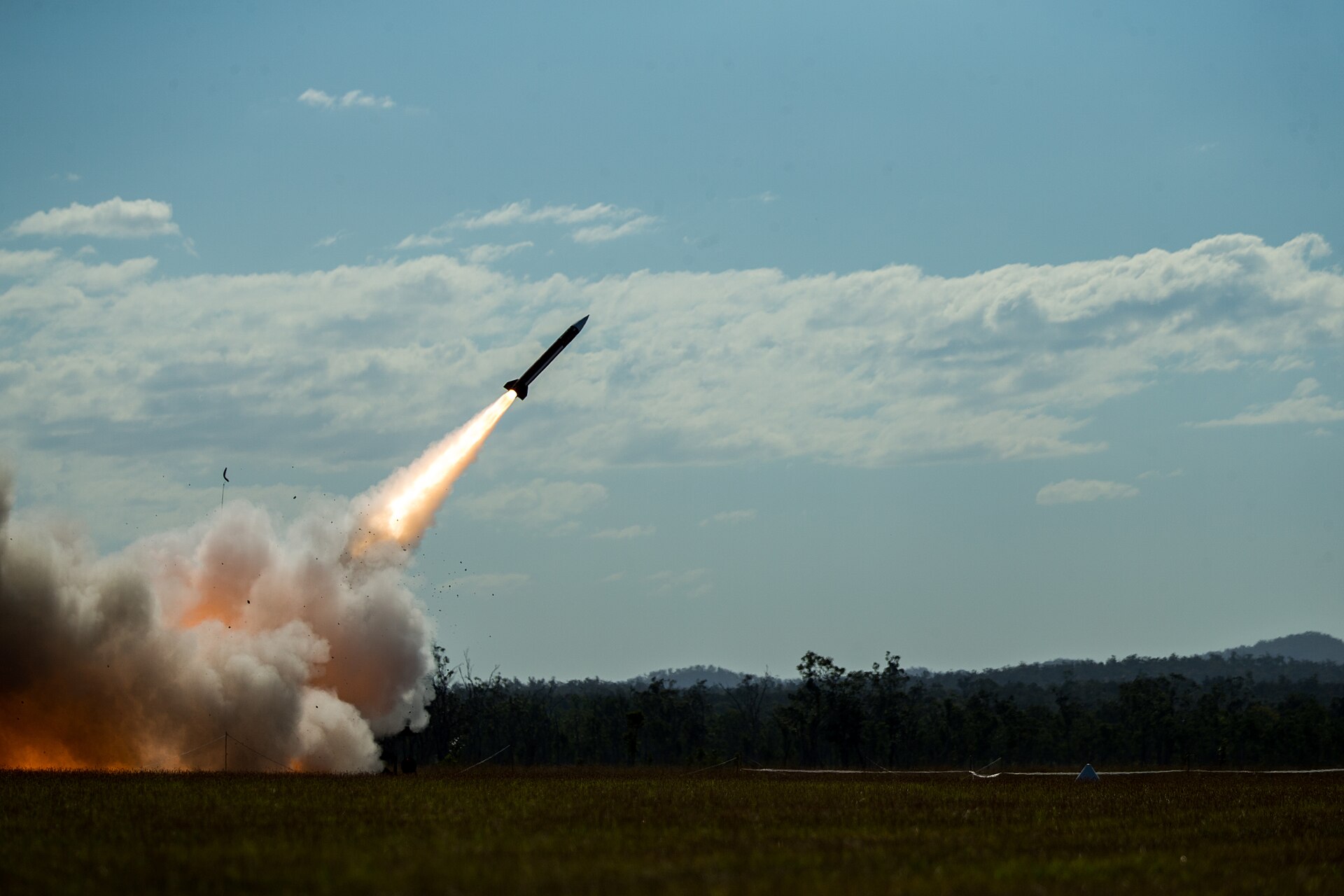
Why Did the Coalition Not Name the Houthis for the Makkah Drone?
The coalition has not explained the omission, and it has named the Houthis for Makkah-region drones before. On October 30, when the coalition announced it had intercepted and destroyed a drone over the Makkah region, the Qatar News Agency reported that “Coalition Spokesperson Maj. Gen. Turki Al Maliki said the drone had been launched by the Houthi group.” The November 3 post contained no equivalent sentence.
The wording of the November 4 statements makes the gap plain. Asharq Al-Awsat reported that Al-Maliki described the southern-region drone as launched by the “terrorist Houthi militia,” while the Eastern Province and Makkah drones were announced without an origin. Siasat Daily said separately of the Makkah drone that “he did not disclose its origin.”
There is precedent for Saudi Arabia attributing drones to someone other than the Houthis. On July 27, Saudi Arabia said it had intercepted drones launched from Iraq toward oil facilities in the Eastern Province and Riyadh, and blamed “terrorist militias affiliated with Iran,” according to Gulf Times and the Qatar News Agency. Saudi Arabia then announced “precision strikes” on militia targets inside Iraq, coordinated with US Central Command, Asharq Al-Awsat reported on July 30.
None of that establishes where the November 3 Makkah drone came from. No source has published a launch point or a flight path. This article does not assign the drone to any group, because the coalition has not done so.
The phrase “Makkah region” also needs care. The Makkah Region is one of Saudi Arabia’s administrative regions and includes Jeddah and Taif as well as the holy city. The coalition statement did not say how close the interception was to Mecca itself, and no source has reported debris falling in the city. Pilgrims planning an Umrah visit can find practical information in our Mecca travel guide.
How Did the Houthis Respond?
The Houthi-controlled Yemeni Armed Forces issued a categorical denial on Tuesday. The group said it “did not carry out any operation today toward Saudi territories” and called the coalition’s Makkah report “a blatant and recycled lie,” according to Siasat Daily, which also cited an Arabic-language post that day by military spokesman Yahya Sarea.
“A blatant and recycled lie.”Houthi-controlled Yemeni Armed Forces, on the coalition’s Makkah drone report, November 3, 2026 (Siasat Daily)
Sarea’s own claims for the same news cycle point elsewhere. Xinhua reported, under a November 3 dateline, that Sarea said the group launched a drone at Abha International Airport, which he claimed disrupted air traffic, and a ballistic missile at King Khalid Air Base in Khamis Mushait, which he claimed directly hit the base. Both are in the southwestern Asir region, not the Makkah region or the Eastern Province. We covered those claims when they were first made in our report on the Houthi claims against Abha airport and Khamis Mushait.
Those claims remain unverified. Avenue Mail, reporting on November 4, said independent sources “could not immediately verify the reported casualties or property damages,” and carried no statement from Saudi Arabia’s General Authority of Civil Aviation or the operator of Abha airport. Xinhua said the casualty and damage claims could not be independently verified.
The two Houthi positions reported for November 3, no operation toward Saudi territory and strikes on Abha and Khamis Mushait, sit uneasily together. The sources do not say whether the denial came before the claims or referred to a different set of operations, and neither has been reconciled publicly by the group. The group also denied targeting Mecca after the coalition’s September and October 30 drone reports. After the October 30 report, it said its operations hit Saudi oil installations and military bases, Siasat Daily reported.

The Eastern Province drone was announced alongside a direct Houthi threat to Saudi Aramco. A Houthi military source, quoted by the Houthi-run Saba news agency, warned investors in Aramco about potential financial and security risks and said the company’s facilities remained “within range” of Houthi forces, Xinhua reported.
The Eastern Province holds much of the kingdom’s oil infrastructure, and it has been hit before in this war. On March 2, drones attacked Aramco’s Ras Tanura refinery, causing a fire, and the energy ministry shut some units as a precaution, Euronews reported. On July 27, smoke was seen rising from an oil facility at Abqaiq on the day Saudi Arabia reported drones from Iraq, according to the San Juan Daily Star.
The coalition gave no target for the November 4 Eastern Province drone and no location within the province where it was downed. None of the reports reviewed for this article carried a statement from Aramco on the interception. Earlier drone incidents at Aramco sites are covered in our report on the Shaybah field.
The Houthi warning was addressed to investors rather than to the coalition, and it named financial as well as security risks, according to Xinhua. No coalition response to the Saba statement appeared in the reports reviewed for this article.
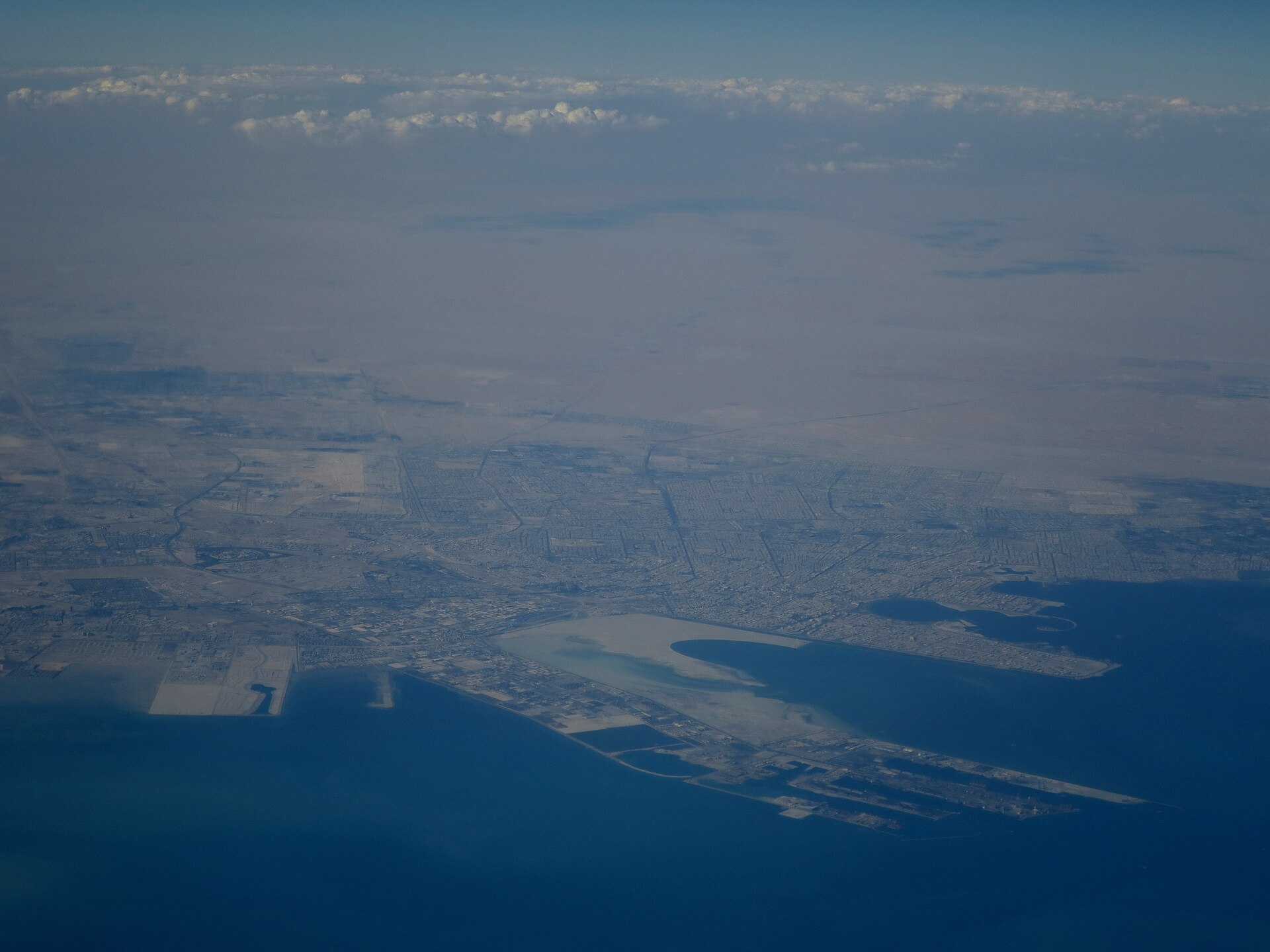
Makkah Has Been Targeted Before. What Did Riyadh Say Then?
Saudi leaders and religious bodies have framed earlier Makkah-region incidents as attacks on the faith, not only on the state. In mid-September, Saudi air defences intercepted a drone headed for Mecca “before it entered the restricted airspace on Tuesday evening,” Al Jazeera reported on September 16. Al Jazeera said it was the first time in nearly a decade that a security alert had been activated in Mecca, and the first time since the Houthis last attempted to target the sacred area in 2017. Al-Maliki warned then that the security of the two holy mosques and pilgrims was a “red line,” according to the same report.
King Salman followed at a cabinet meeting reported by the Saudi Press Agency. He branded the Houthis a “terrorist militia,” called the suspected targeting of the holy city a “heinous crime,” and praised the security services for “defending the homeland and resolutely confronting any aggression against the holy sites,” Al Jazeera reported on September 22.
On October 24, 2 Houthi ballistic missiles targeted the Mecca and Medina regions, and the following day Muslim World League Secretary-General Sheikh Mohammed bin Abdulkarim Al-Issa called the attack a “dangerous provocation of the sentiments of more than two billion Muslims” and “a flagrant violation of the values of our noble religion and the most basic principles of humanity,” ANI reported. Debris from the intercepted missiles fell in several areas, including Wadi Al-Mughammas in Makkah, according to the same report. Our coverage of that day is in Houthi missiles targeting the Makkah and Madinah regions.
“Any weapon directed towards it ceases to be merely part of a confrontation with Saudi Arabia.”Saud Al-Masaud, writing on Mecca in Al Majalla, September 2026
The Saudi commentator Saud Al-Masaud set out the argument in Al Majalla in September. Because Mecca is the qiblah of Muslims, he wrote, “any weapon directed towards it ceases to be merely part of a confrontation with Saudi Arabia.” He acknowledged that “the Houthis may deny that the holy sites were their intended target,” but argued that by drawing the qiblah into an Iranian gamble, “they forfeit their claim to be defending the interests of the Muslim world.”
None of the reports reviewed for this article carried a comparable Saudi or religious condemnation of the November 3 Makkah drone. That may reflect the absence of attribution: the coalition has not said who launched it, and the September and October condemnations named the Houthis.
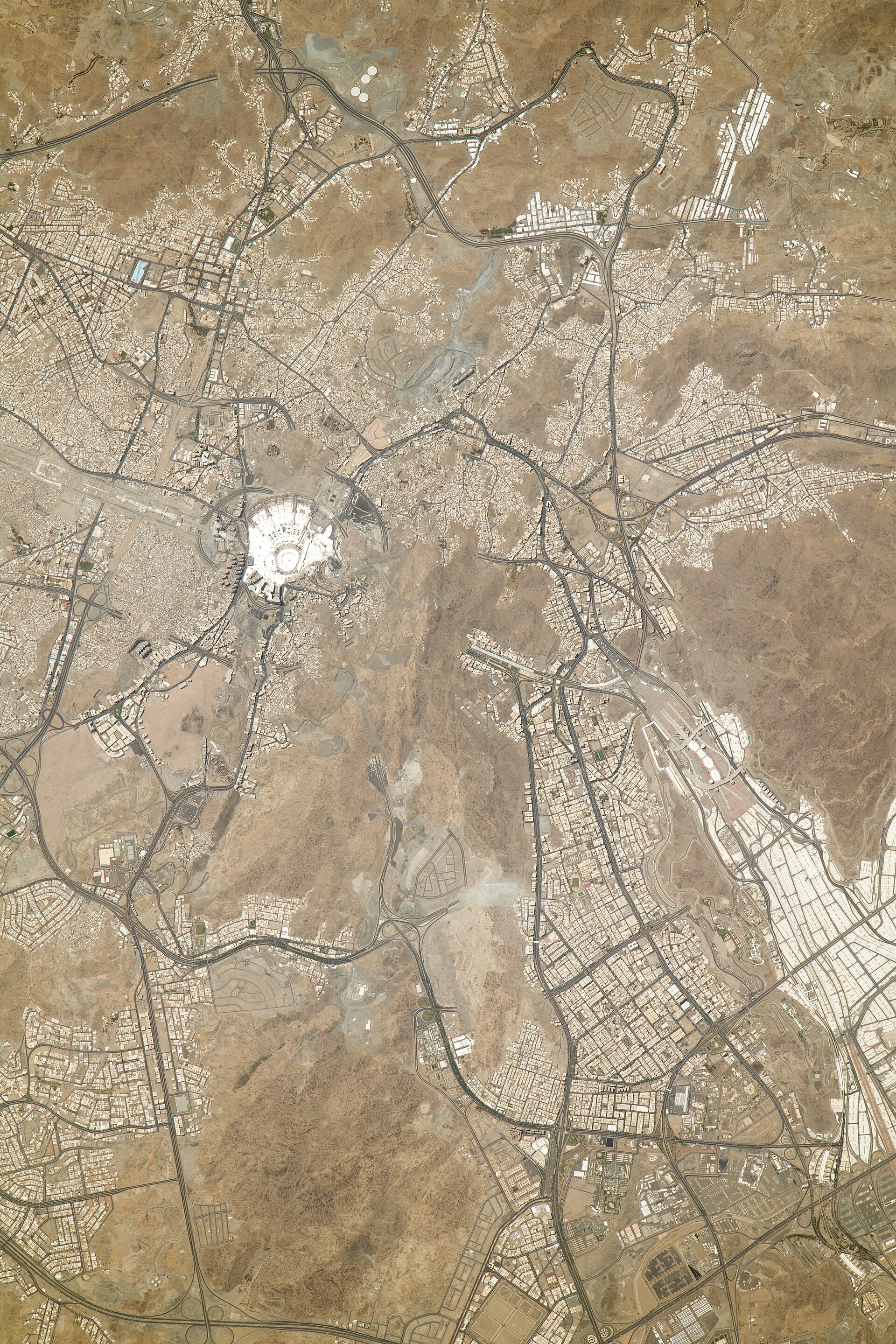
Background: The Makkah Region in the Houthi Campaign
The Makkah region was drawn into the war in September, in the same weeks that Houthi strikes spread across the south of the kingdom. In the same period, Houthi strikes injured 13 civilians in Khamis Mushait, Abha and Taif, Khaleej Times reported. A Houthi military source told Saba at the time: “We categorically deny that there is any threat from Yemen directed at the city of Mecca or any other holy sites,” and called the reports “misinformation.”
The October 30 incident followed the same script. The coalition said it intercepted a drone “launched by the Iran-backed Houthis towards the Makkah region” and also destroyed a Houthi cruise missile aimed at western Saudi Arabia, Siasat Daily and the Qatar News Agency reported. The Houthis again denied targeting Makkah. We reported the details in our October 30 Makkah intercept report.
The security pressure has reached beyond the military sphere. On the same day as the Makkah announcement, the 2027 Asian Cup in Saudi Arabia was postponed because of the Houthi conflict, Arabian Gulf Business Insight reported, a decision covered in our report on the AFC postponement. The Makkah drone was also announced on the day Americans voted in the US midterm elections, which fell on Tuesday, November 3.
What is missing from the November 3–4 record is as telling as what is in it. The coalition has given 3 locations and 1 attribution. It has not given launch points, interception times, weapon types, damage or casualties for any of the 3 drones. The wave of claims on November 4 extended further: the Houthis also made a fresh Houthi ballistic missile claim on King Khalid International Airport, with no Saudi intercept announcement issued as of Wednesday evening.
Frequently Asked Questions
Did the Houthis claim attacks inside Yemen on the same day?
Yes. Xinhua reported that Yahya Sarea said Houthi forces fired ballistic missiles at government forces in Ras al-Arah and Al-Mudarabah in Lahj province, claiming dozens of casualties. He also claimed missile strikes east of Al-Jawf province killed or wounded many personnel and destroyed military vehicles. Xinhua said those claims could not be independently verified.
Which other areas were put on alert during the September Mecca incident?
Al Jazeera reported that the alert in September was also activated for Taif and Jeddah, both in the Makkah Region. That alert was the first in Mecca in nearly a decade, according to the same report.
Has Saudi Arabia struck back after earlier drones on the Eastern Province?
After the July 27 drones from Iraq, Saudi Arabia announced “precision strikes” on militia targets inside Iraq, coordinated with US Central Command, Asharq Al-Awsat reported on July 30. The coalition has announced no comparable response to the November 4 Eastern Province drone.
What did the October 24 missiles hit?
The 2 ballistic missiles fired toward the Mecca and Medina regions on October 24 were intercepted, ANI reported, and debris fell in several areas, including Wadi Al-Mughammas in Makkah. The Muslim World League’s condemnation was reported on October 25.
The House of Saud Daily Briefing
Saudi Arabia's news in 3 minutes, every morning. Free. See today's issue