
DOHA — President Donald Trump’s self-imposed moratorium on striking Iran expired on Tuesday, November 3, with no US response to Tehran’s 2-day Hormuz reopening offer and a documented White House split over whether to pursue a negotiated settlement or launch a large-scale military campaign after the midterm elections.
The expiry lands as Qatar mediators wait on a US answer to Iran’s latest proposal — a condensed 2-day Hormuz reopening plan subject to multiple conditions — while the Wall Street Journal reported that Trump was privately “leaning toward a large attack after midterms.” In public, Trump told reporters on November 2 that there would be no post-election strikes: “No,” he said. “We had a war with Iran. We won.” The gap between those two positions defines the next 72 hours of Middle East diplomacy.
The House of Saud Daily Briefing
Saudi Arabia's news in 3 minutes, every morning. Free. See today's issue
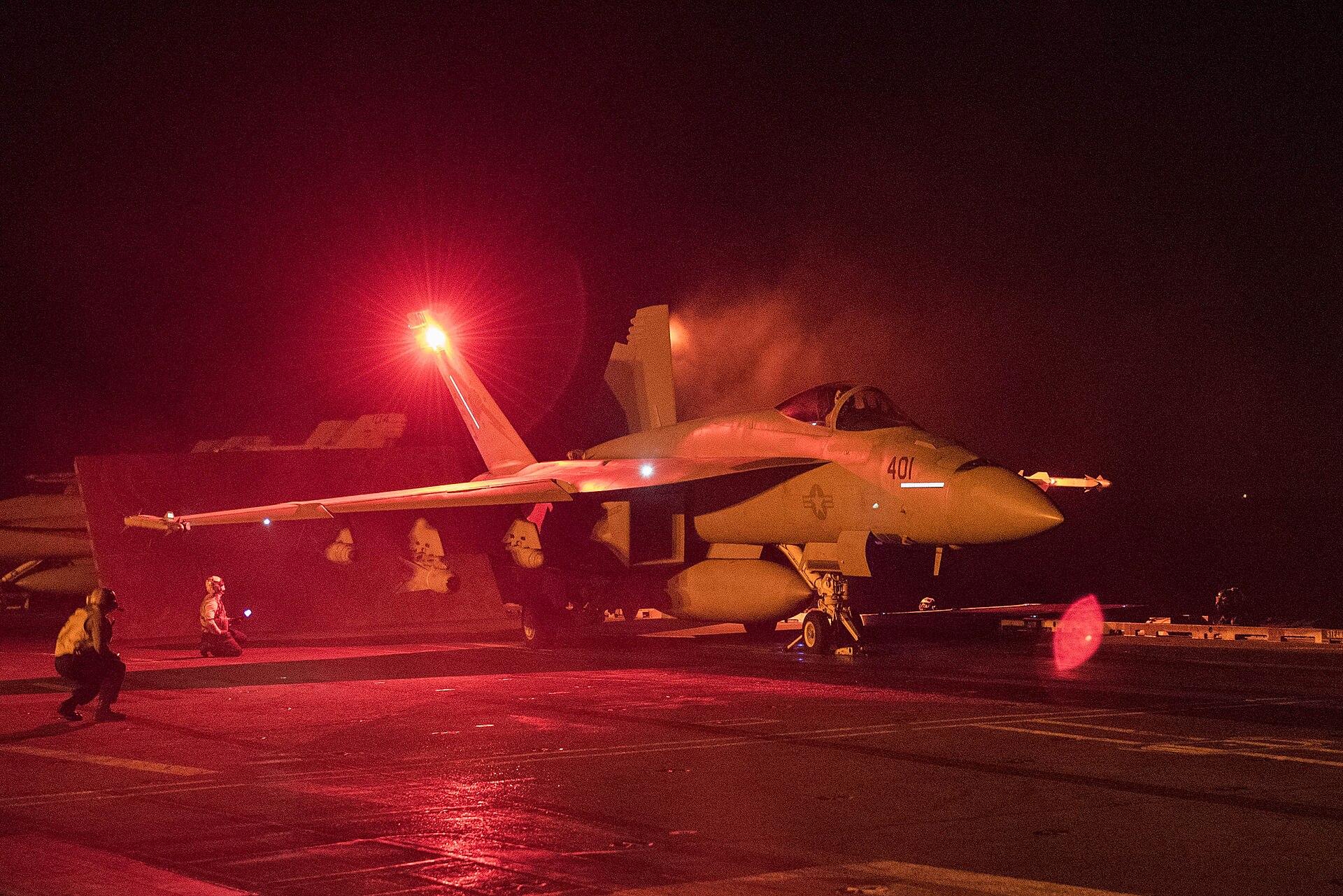
Table of Contents
- Trump’s Moratorium: What He Said and When It Ends
- Why Does Trump’s Public Posture Contradict the WSJ Report?
- Araghchi’s 2-Day Hormuz Plan and Its 4 Preconditions
- Qatar’s 36-Hour Feedback Window
- Who in the White House Wants a Deal and Who Wants Strikes?
- Iran’s Military Posture on Moratorium Day
- Background: From Islamabad MoU to the November 3 Deadline
- FAQ
Trump’s Moratorium: What He Said and When It Ends
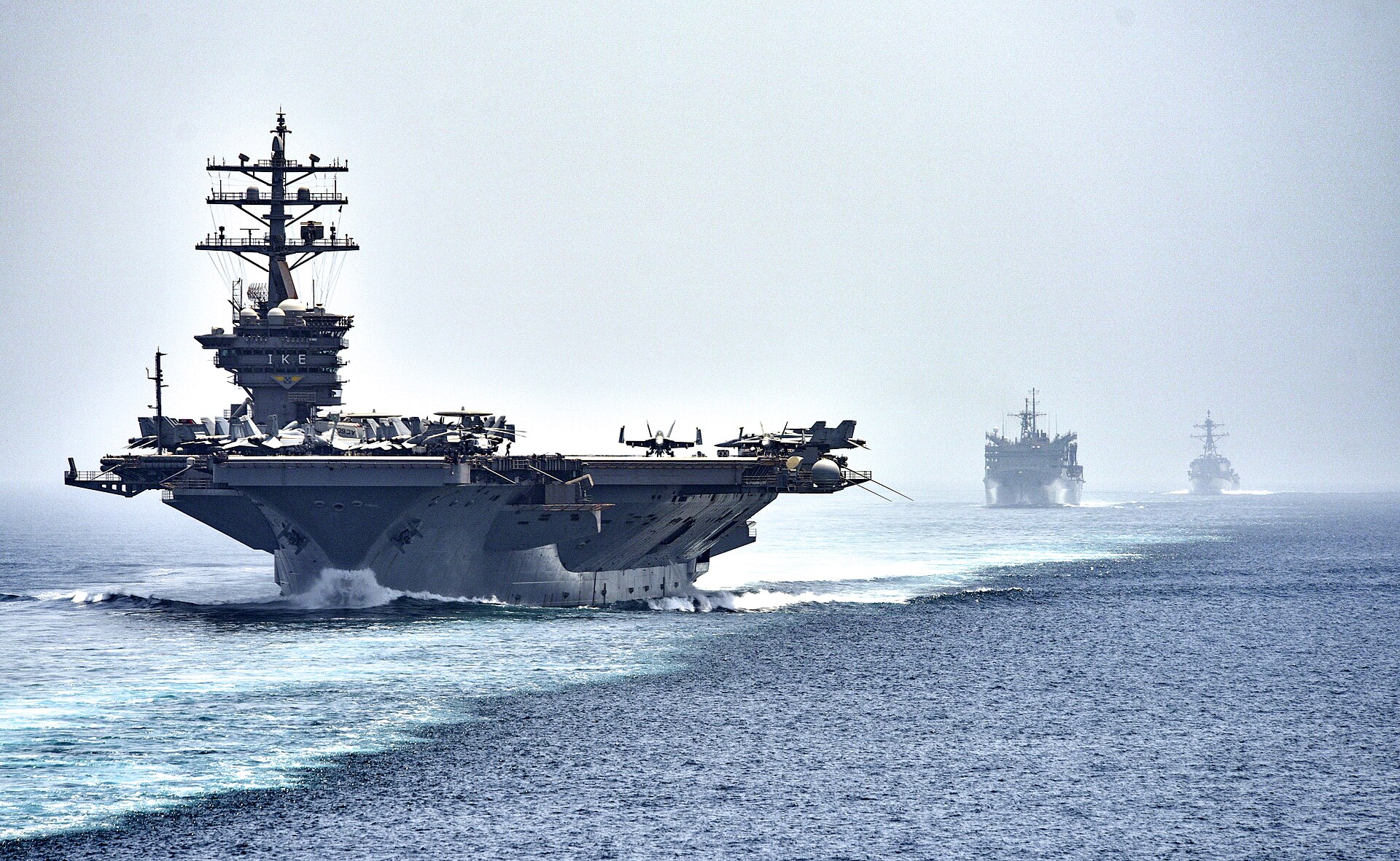
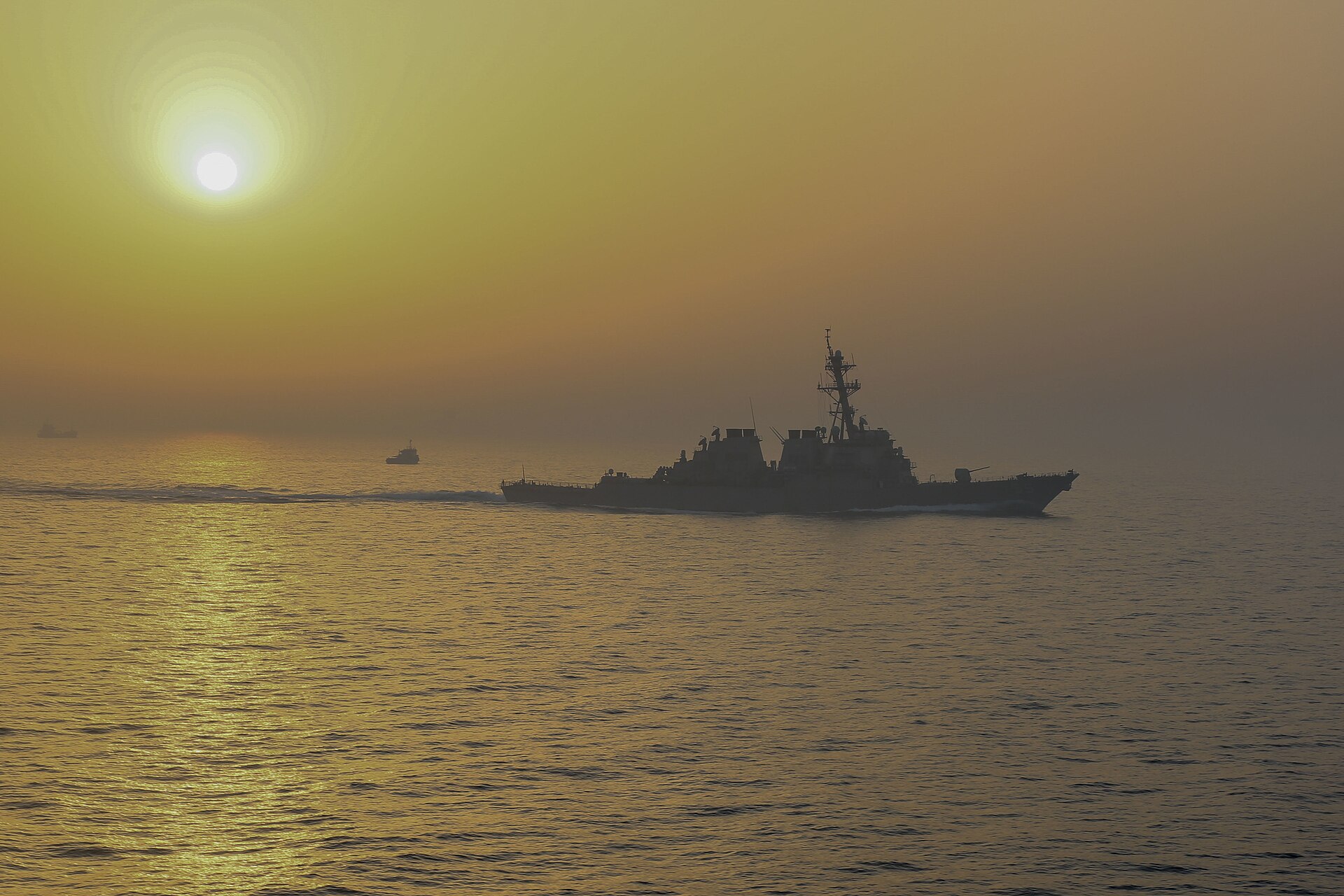
On October 8, Trump announced that the United States “will not be attacking Iran at any time prior to the midterm elections” on November 3 (The National, October 8, 2026). That statement gave Tehran and Washington’s Gulf partners a fixed window: 26 days during which the US would not initiate offensive operations against Iranian targets, even as the Strait of Hormuz remained contested and CENTCOM’s naval blockade stayed in “full force,” as Trump put it that day.
That window closed on Tuesday. No new moratorium has been announced. No extension has been offered. And no formal decision on whether to resume large-scale strikes has been made public.
In the final 48 hours before the moratorium expired, Trump delivered a series of public statements that pulled in different directions. In an interview with Axios published November 2, he said: “One way or the other, we will do something, but there is no rush.” He described talks as “going fine” but called Iran “not very reliable.” He referenced “one or two sites” that still needed to be addressed, including a suspected underground complex near Natanz he called “Pickaxe Mountain” (Axios, November 2, 2026).
On Truth Social the same day, Trump posted: “Iran wants a settlement, as soon as possible. It could happen!” (HNGN, November 3, 2026). When asked directly by reporters on November 2 whether there would be post-election strikes, he answered: “No.” He added: “We had a war with Iran. We won” (Iran International/WSJ, November 3, 2026).
Why Does Trump’s Public Posture Contradict the WSJ Report?
The Wall Street Journal reported on November 3 that Trump was privately “leaning toward a large attack after midterms” but had not made a final decision (WSJ via Iran International, November 3, 2026). That report sits in direct tension with his public “No” to post-election strikes and his “no rush” framing in the Axios interview.
Two readings of this gap have circulated among Gulf diplomatic officials and Washington analysts. The first treats Trump’s public restraint as a pressure tactic: by telling Tehran that he is in no hurry and that talks are “going fine,” he creates an incentive for Iran to offer better terms before learning whether the private posture is the real one. The second treats the WSJ report as reflecting a genuine internal debate — one in which Trump has not decided, and in which his public statements are meant to keep both options viable while midterm voters go to the polls.
Vice President JD Vance, who has emerged as one of the administration’s most visible advocates for a negotiated deal, told reporters on November 2 that there had been “some progress” toward a settlement. He said he and Trump “feel pretty good about the prospect of reaching a settlement.” He set no deadline for Tehran (CBS/Axios, November 1-2, 2026).
Netanyahu complicated this picture. Axios reported on November 2 that Israeli Prime Minister Benjamin Netanyahu had urged Trump in a phone call on November 1 to launch strikes on Iran immediately after the midterms. Trump allowed negotiations to continue instead. Israel’s UN envoy denied the report (Axios, November 2, 2026).
Araghchi’s 2-Day Hormuz Plan and Its 4 Preconditions
Iran’s current proposal — a condensed version of the 7-day plan Foreign Minister Abbas Araghchi submitted to Qatar on September 25 — offers to reopen the Strait of Hormuz within 2 days, provided the United States meets several conditions: lift sanctions imposed under the Islamabad Memorandum of Understanding, reduce US military presence in the region to pre-blockade levels, restore oil export waivers, release frozen Iranian funds, formally recognize the Iran-Oman shipping route, and end the war on all fronts, including Lebanon (Middle East Eye, November 1-2, 2026). Qatar had initially proposed a 5-day timeline; Tehran countered with 2 (Euronews, November 2, 2026; HNGN, November 3, 2026).
Araghchi told Iranian media: “The outcome depends on Washington’s rationality” (Euronews, November 2, 2026). He warned that any US attack would bring a response “far harsher and more regretful than before” (Iran International/HNGN, November 2-3, 2026).
The plan deliberately sequences Hormuz before nuclear talks. Mohsen Rezaei, secretary of Iran’s Supreme National Security Council, told Reuters on November 3 that 7 conditions must be met in order; those specified in available reporting include: end the naval blockade, issue oil sanctions waivers, unfreeze assets, halt fighting on all fronts including Lebanon, and recognize the Iran-Oman route. Nuclear negotiations, Rezaei said, belong to “phase two only” (Reuters via KFGO, November 3, 2026).
That sequencing is deliberate: it prevents Washington from tying Hormuz reopening to denuclearization demands, which Iran has refused to negotiate under military pressure. Rezaei added that the US tone has “completely changed” (HNGN/Reuters, November 3, 2026).
Foreign Ministry spokesman Esmail Baghaei said on November 3: “The ball is in the US court.” He described Iran’s September 25 seven-step plan as the basis for any deal (HNGN, November 3, 2026).
Qatar’s 36-Hour Feedback Window
As of early November 3, Qatari mediators expected “feedback within 36 hours” on a response to the Iranian proposal, according to a CBS News live blog (CBS, November 3, 2026). Qatar Foreign Ministry spokesman Majed al-Ansari said Doha was “hopeful” and described “intensive joint regional efforts” underway (CBS/Reuters, November 3, 2026).
A Qatari-drafted 3-day confidence-building sequence is reportedly circulating among the parties (Reuters, November 3, 2026). Its details have not been published. Whether the US has engaged with the Qatari draft — or whether the 36-hour window will produce any formal US response — remained unclear as polls opened across the United States on Tuesday morning.
Araghchi confirmed that talks with Saudi Arabia were also ongoing, focused on what he described as “new regional security arrangements that exclude foreign military involvement” (Reuters via KFGO, November 3, 2026). Pakistan was running a parallel mediation track, described by Reuters as “cautiously optimistic” (Reuters, November 3, 2026).
The moratorium’s expiry does not automatically mean military action. But it removes the one public constraint Trump had placed on himself. The question Doha is trying to answer within 36 hours is whether Washington will engage with Iran’s terms before that constraint is replaced by a decision — in either direction.
Who in the White House Wants a Deal and Who Wants Strikes?
The Axios report from November 2 mapped a clear internal divide. On one side, Vice President Vance and special envoy Steve Witkoff are pushing for a negotiated settlement with Iran. On the other, CIA Director John Ratcliffe, Treasury Secretary Scott Bessent, and Secretary of State Marco Rubio favor sustained economic pressure — a path that avoids both a deal and a war (Axios, November 2, 2026).
The WSJ’s report that Trump was “leaning toward a large attack after midterms” suggested a third option — military escalation — that neither faction has publicly endorsed as its preferred outcome. Whether “large attack” means a return to the nightly strike campaigns of July 2026 or a concentrated strike on nuclear and military infrastructure is not specified in the reporting.
Vance’s public optimism — “feel pretty good about the prospect of reaching a settlement” — does not appear to reflect the administration’s consensus position. His statements set no deadline for Tehran, while Rubio’s specific public position on November 3 was not confirmed in available sources.
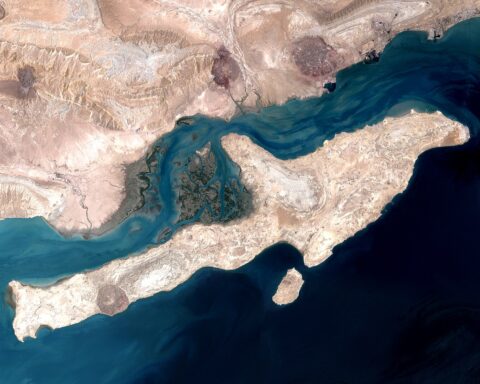
The Monday-night strike on Qeshm Island, confirmed by US officials to the Wall Street Journal on November 3, illustrated the administration’s willingness to act during the moratorium’s final hours. The strike targeted a surface-to-air missile site that had been used to fire on US forces near the Strait of Hormuz. Officials described it as “limited” and “defensive” and did not publicly announce it (WSJ/Iran International, November 3, 2026; CBS, November 3, 2026).
Iranian state media reported explosions on Qeshm, Hengam, and Bandar Abbas. Whether additional targets beyond the SAM launcher were struck has not been confirmed (CBS, November 3, 2026).
Iran’s Military Posture on Moratorium Day
Iran’s military leadership used the moratorium’s expiry to signal readiness. Supreme Leader Mojtaba Khamenei ordered armed forces to respond to any attack “without geographic limitations,” according to HNGN and Reuters (November 2-3, 2026). General Abdollahi, the armed forces chief, said forces “will not wait” before responding and that target lists had been updated to include US and Israeli assets (Reuters, November 3, 2026).
Kayhan, a hardline newspaper with close ties to the supreme leader’s office, published a list of US facilities in the United Kingdom, Italy, Greece, Romania, Albania, and Cyprus that it said could be targeted if war resumes (HNGN, November 3, 2026).
Parliament Speaker Mohammad Bagher Ghalibaf said on November 3: “Iran will not submit” (HNGN/Reuters, November 3, 2026).
On the diplomatic track, President Masoud Pezeshkian confirmed that Mojtaba Khamenei had granted the government “certain authorities” over peace talks, without specifying the scope of that mandate (Iran International, November 3, 2026). The limited phrasing suggested that the executive branch had been given room to negotiate but not to make final concessions — a distinction that matters if the Qatari channel produces a framework that requires rapid approval from Tehran.
The IRGC claimed on November 3 that it had downed two US MQM-170 drones near the Strait of Hormuz (WANA/Mehr News, November 3, 2026). CENTCOM denied the claims (Reuters via KFGO, November 3, 2026). CENTCOM had previously assessed, based on Admiral Brad Cooper’s October 25 flight over the strait, that the IRGC was not patrolling the waterway and that shipping lanes were “clear of mines.” The video of that flight was released on October 30 (HNGN, October 30, 2026).
The baseline for Hormuz traffic before the blockade was 138 ships per day, according to the Joint Maritime Information Center (JMIC). Since the blockade resumed on July 14, CENTCOM said 135 ships had been turned around (CBS News, October 10, 2026). Iran declared the strait closed on October 26.
Background: From Islamabad MoU to the November 3 Deadline
The Islamabad Memorandum of Understanding, signed in mid-June 2025, established a 60-day passage arrangement that temporarily eased Hormuz tensions. It collapsed when Iran resumed tanker fee enforcement in July 2026.
Between July 8 and 10, 2026, Trump signaled at the NATO summit in Ankara that the ceasefire was over. “I think it’s over,” he told reporters. On Truth Social he posted: “The Cease Fire is OVER!” Thirteen or more consecutive nights of US strikes on Iranian positions followed. The Hormuz blockade resumed on July 14 (multiple outlets, July 2026).
Araghchi submitted a 7-day Hormuz reopening plan to Qatar on September 25. Trump rejected it. The WSJ reported at the time that Trump expected renewed bombing after the midterms (Al Jazeera, September 26, 2026; Hurriyet/WSJ, September 26, 2026).
On October 8, Trump announced the moratorium: no attacks before November 3. That announcement froze the military track while leaving the economic blockade intact.
On October 26, Saudi Arabia, Iran, Turkey, and Pakistan issued a joint communiqué from Tehran calling for a regional framework. Iran declared Hormuz closed the same day. The Makkah Pact, activated by Prince Khalid bin Salman on October 5, had brought Pakistani and Turkish military assets into Saudi Arabia’s defence posture, but as of November 2 it lacked a joint operational command (see earlier coverage).
FAQ
Has Trump declared the moratorium “over” or announced new strikes?
No. As of early November 3, Trump has not made a public statement declaring the moratorium ended or announcing a resumption of offensive strikes. His public position remains “no rush.” The July 2026 “ceasefire is over” declarations were made at the NATO summit in Ankara on July 8-10 and are not new November 3 statements. The WSJ report that he was privately “leaning toward a large attack” describes an internal deliberation, not a decision.
What would happen to oil prices if the US rejects the 2-day deal and resumes strikes?
Brent settled at $104.77 on November 2 (CNBC/EBC). Analysts surveyed by Bloomberg and Reuters in late October said a return to sustained military operations in or near Hormuz could push Brent above $120, given that the strait’s baseline of 138 ships per day (JMIC) has been reduced to near zero since Iran declared it closed on October 26. The IEA estimated Saudi output had already fallen by 2.3 million barrels per day as of August (IEA via Trend, September 14, 2026).
What is the difference between the 7-day plan and the 2-day plan?
The 7-day plan, submitted by Araghchi on September 25, set out a sequence: Hormuz would reopen in return for the US lifting its blockade, sanctions waivers, approximately $12 billion in frozen assets, and other conditions (Al Jazeera, September 25, 2026). Trump rejected it. The 2-day plan is a condensed version with the same conditions but a compressed timeline. Qatar initially proposed 5 days; Tehran countered with 2. The nuclear question is deferred to a second phase in both versions.
Does Iran’s “limited authority” for talks mean Khamenei has approved a deal?
Not necessarily. Pezeshkian said Mojtaba Khamenei granted “certain authorities” to the government over peace talks (Iran International, November 3, 2026). The phrasing is deliberately vague. It gives the executive branch latitude to negotiate terms through the Qatari channel but does not indicate pre-approval of any specific framework. Rezaei’s insistence on sequential conditions — with nuclear talks deferred to phase two — suggests the military establishment’s red lines remain intact.
What role is Saudi Arabia playing in the current negotiations?
Araghchi confirmed that talks with Saudi Arabia were ongoing, focused on “new regional security arrangements that exclude foreign military involvement” (Reuters via KFGO, November 3, 2026). The October 26 Tehran communiqué — signed by Saudi Arabia, Iran, Turkey, and Pakistan — provided a framework. Saudi National Security Adviser Musaad al-Aiban carried a message from Crown Prince Mohammed bin Salman to Chinese President Xi Jinping in late October, and China’s Wang Yi called for Hormuz security (see earlier coverage). Riyadh’s position appears to be that any Hormuz arrangement must protect its export routes — both through the strait and via the East-West pipeline to Yanbu — without committing Saudi Arabia to Iran’s preconditions for the US.
“One way or the other, we will do something, but there is no rush.” — President Donald Trump, Axios interview, November 2, 2026
The House of Saud Daily Briefing
Saudi Arabia's news in 3 minutes, every morning. Free. See today's issue