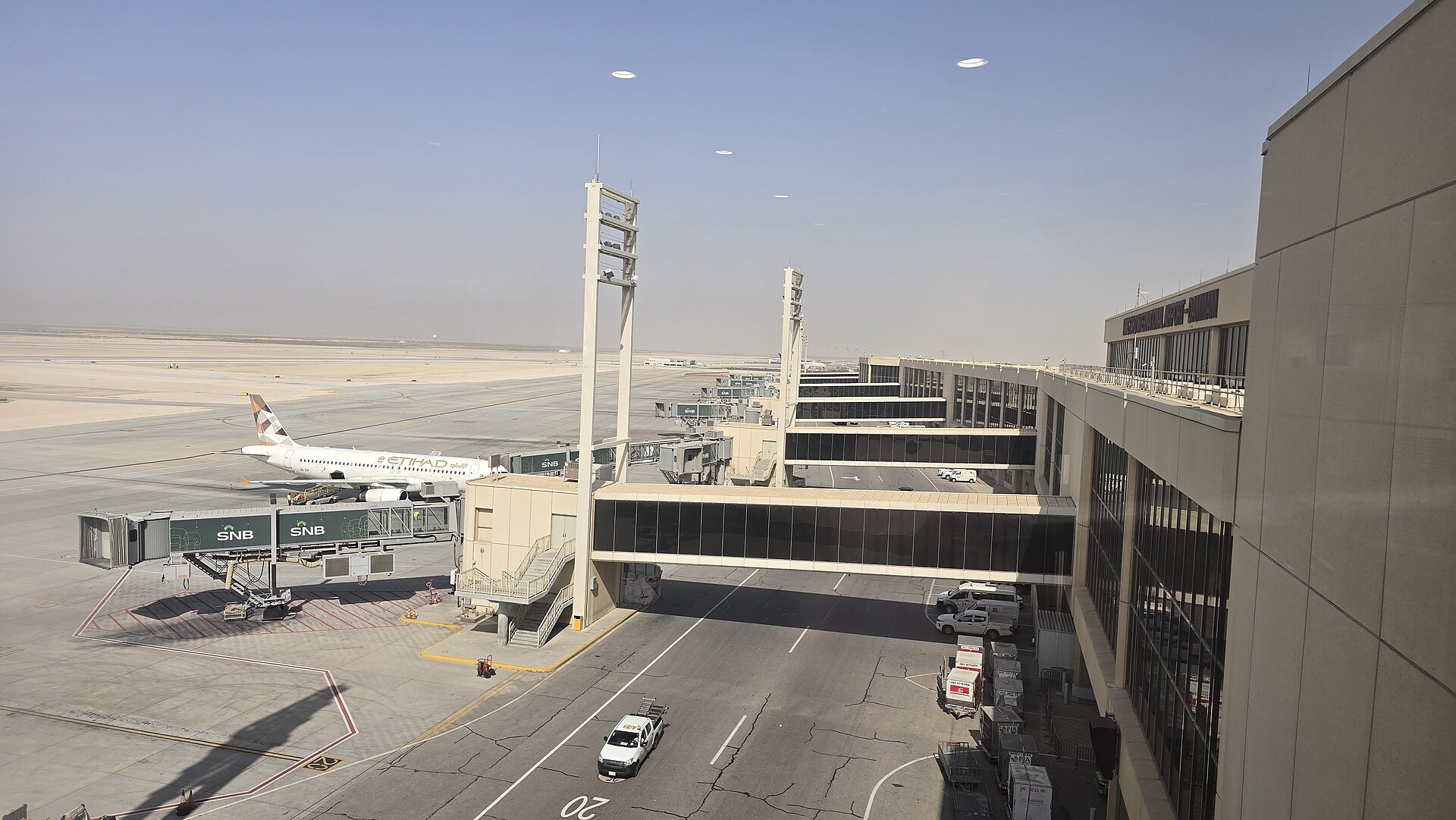

DHAHRAN — Houthi military spokesman Yahya Saree claimed on Monday that the group targeted King Fahd International Airport in Dammam, Saudi Arabia’s Eastern Province, with two drones in two phases over the preceding 48 hours, according to Reuters — and as of Monday evening, Saudi Arabia has not confirmed, denied, or even acknowledged the claim.
What makes the non-response difficult to dismiss is what sits beside it. The US Embassy in Riyadh issued a security alert on the same day describing King Fahd International Airport as operational with flight disruptions, and warning that Houthi attacks on civilian airports carry a rapid-escalation risk for surrounding areas, according to the embassy’s published advisory. The Saudi-led coalition’s only Monday statement, delivered by spokesman Turki al-Maliki, confirmed the interception of two drones over the Riyadh region and said nothing about Dammam or the Eastern Province, according to Middle East Monitor.
The House of Saud Daily Briefing
Saudi Arabia's news in 3 minutes, every morning. Free. See today's issue
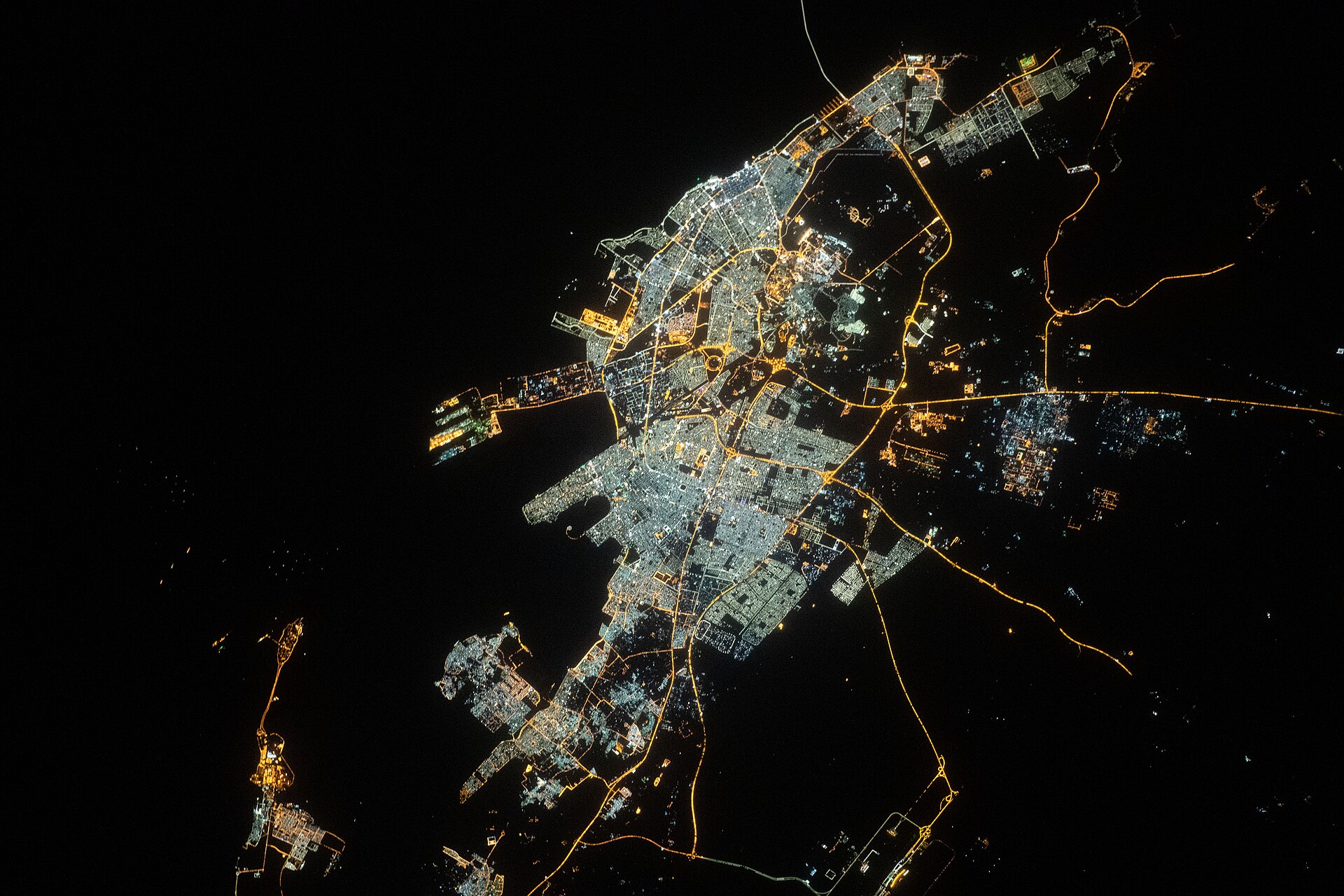
OEDF, as the airport is known by its ICAO code, sits approximately 31 kilometres northwest of Dammam city and less than 40 kilometres from both Aramco’s Dhahran headquarters and the Ras Tanura crude export terminal, the loading facility that handles a substantial share of Saudi seaborne oil. A drone that reaches the airport has demonstrated the range to reach the infrastructure that funds the kingdom’s defence, and the Houthis have proven — on October 11 and October 21 — that they can get there.
Table of Contents
- What Did Yahya Saree Claim About Dammam Airport?
- Saudi Coalition Confirms Riyadh Interceptions, Says Nothing on Dammam
- Why Does the US Embassy Report Flight Delays?
- How Close Is Dammam Airport to Saudi Arabia’s Oil Infrastructure?
- Two Confirmed Attacks Already Hit KFIA This Campaign
- The Wider Picture on November 2
- Frequently Asked Questions
What Did Yahya Saree Claim About Dammam Airport?
Saree, speaking on Monday, said Houthi forces targeted King Fahd International Airport “in two phases with two drones” over the preceding 48 hours, according to Reuters reporting carried by the Times of Israel and Business Recorder. He claimed the operation achieved its objective and resulted in a disruption of air traffic at the airport, according to reporting by Pragativadi and Samaa TV — though those outlets carried paraphrases of Saree’s Arabic statement, not verbatim translations, and the exact wording remains unconfirmed.
The Houthis framed the Dammam operation as retaliation for Saudi-led coalition strikes on Yemen, according to Anadolu Agency, a framing the group has applied to virtually every attack on Saudi civilian infrastructure since the campaign escalated in September. In the same statement, Saree claimed a drone struck an early-warning radar installation in Jizan, near the Yemen border, and that a military transport aircraft at Jizan Airport was also targeted, according to Dawn and Middle East Monitor — claims that, like the Dammam assertion, remain unverified by any Saudi authority.
No source identified the type of drone used in the alleged Dammam operation. The 48-hour window Saree cited raises a question that available reporting does not resolve: whether the claim covers new attacks launched on Monday or encompasses earlier operations from October 31 and November 1, a period during which the Houthis were active across multiple fronts and the coalition was striking Houthi missile and drone resources inside Yemen.
Saudi Coalition Confirms Riyadh Interceptions, Says Nothing on Dammam
The Saudi-led coalition’s public response to Monday’s attacks focused exclusively on the capital and the south. Spokesman Turki al-Maliki confirmed that air defences intercepted and destroyed two drones over the Riyadh region on November 2, according to Middle East Monitor — a statement specific to Riyadh that contained no reference to the Eastern Province, Dammam, or KFIA.
Separately, Saudi air defences destroyed a Houthi ballistic missile aimed at the southern region on the same day, with no casualties or material damage reported, according to Voice of Emirates. That statement addressed the south, not the east, and left the Eastern Province entirely absent from the coalition’s operational picture — a conspicuous gap given the Houthi claim.
The absence is worth measuring against the precedent set twelve days earlier. When KFIA was attacked on October 21, GACA issued a public statement within hours confirming casualties and damage, according to the Saudi Press Agency. On Monday, GACA released no such statement, and neither did Saudi Civil Defence nor any other government body. The question is not whether the attack happened — that remains unresolved — but why the kingdom’s usual protocol of rapid disclosure, which was followed on October 21, was not followed on November 2.
One possibility is that Saudi authorities are conducting an assessment before making any public statement, a practice that would be consistent with the kingdom’s handling of ambiguous incidents earlier in the campaign. Another is that the drones were intercepted or failed to reach their target, and the coalition sees no operational reason to confirm what it considers a non-event — though that reading does not explain why al-Maliki confirmed the Riyadh interceptions but omitted any reference to the east. The silence, whatever its cause, leaves the US Embassy’s alert as the only official statement from any government that mentions Dammam airport on November 2.
Why Does the US Embassy Report Flight Delays?
The US Embassy in Riyadh published a security alert on November 2 that named King Fahd International Airport by its IATA code and described it as “operational with some delays and cancellations,” according to the embassy’s own website at sa.usembassy.gov. The alert did not confirm a Houthi attack on KFIA — embassy advisories are carefully worded to avoid characterising events ahead of host-government statements — but it placed Dammam alongside the kingdom’s other disrupted airports on a day when the Houthis specifically claimed to have targeted it.
“Operational with some delays and cancellations.”
— US Embassy Riyadh, describing King Fahd International Airport in Dammam on November 2, 2026
The same alert warned that Houthi attacks on civilian airports carry the “potential to escalate rapidly beyond that immediate area,” language that applies to the Eastern Province’s concentration of oil infrastructure with particular force. It also reminded US citizens that government employees require Chief of Mission authorisation to travel through any Saudi airport, a restriction in place since at least late October as part of a broader security drawdown.
That drawdown has its own trajectory. Non-emergency US government staff were ordered to leave Saudi Arabia effective October 23, according to a separate embassy notice published on October 28, driven by what the embassy described as the risk posed by Houthi attacks. The advisory framework treats every Saudi airport as a potential target — Dammam’s specific mention on Monday merely confirmed that the Eastern Province is no longer an exception to that assessment.
How Close Is Dammam Airport to Saudi Arabia’s Oil Infrastructure?
KFIA occupies one of the most consequential patches of geography in the global energy supply chain, a fact that lends the Houthi claim a weight beyond the airport itself. The airport sits approximately 31 kilometres northwest of Dammam city, roughly 36 kilometres from the Ras Tanura airport that serves Aramco’s largest crude export terminal, and approximately 37 kilometres from Aramco’s Dhahran headquarters campus, where a Houthi missile caused a fire on October 13, according to World Oil and Al Jazeera.
The proximity matters because the Eastern Province’s oil infrastructure has been hit before and the consequences were immediate. On March 2, 2026, an Iranian-linked drone strike forced the precautionary shutdown of Aramco’s Ras Tanura refinery, which processes 550,000 barrels per day, according to The National. That shutdown demonstrated what a successful attack on the Eastern Province’s energy nodes looks like in practice — refinery throughput dropped to zero, loading schedules were disrupted, and the market priced in a risk premium that took weeks to fully unwind.
The Dhahran headquarters fire was not the only Eastern Province oil attack on October 21 — the same day the KFIA confirmed strike killed two people, Saudi air defences intercepted a drone targeting Aramco’s Shaybah oil field in the Empty Quarter, and falling debris killed two workers, according to GACA and Al Arabiya. The Eastern Province’s infrastructure has been under sustained pressure from attacks on both pipeline corridors and maritime routes, and the geographic concentration of targets — airport, headquarters, refinery, and export terminal all within a 40-kilometre radius — means a single drone swarm could threaten multiple nodes of the supply chain simultaneously.
Two Confirmed Attacks Already Hit KFIA This Campaign
The first confirmed attack on King Fahd International Airport in the current Houthi campaign came on October 11, when CNN and other outlets reported a strike on the airport with no casualties — a development that received relatively little attention because it coincided with the aftermath of the devastating October 10 attack on KKIA in Riyadh, which killed 13 and wounded 308 to 309, according to Al Jazeera and the BBC. The Dammam attack established that the Houthis could reach the Eastern Province, a capability that was, at the time, overshadowed by the horror in the capital.
The second attack, on October 21, was harder to overlook. GACA confirmed that two people were killed — a Saudi citizen and an Indian resident — and eight others injured, according to the Saudi Press Agency, with GACA’s initial report of one death revised upward to two within 24 hours. Airport operations were later resumed, according to Gulf Business, but the October 21 strike established KFIA as a repeated target, not a one-off.
Monday’s claim, if it proves accurate, would mark the third time the Houthis have targeted the Eastern Province’s primary international airport since October 11. The pattern — from no casualties on October 11 to two dead on October 21 to an unconfirmed claim on November 2 — is incomplete, because the current claim lacks any Saudi verification. What it does not lack is context: two confirmed precedents that give the assertion a baseline of credibility that a first-time claim would not carry.
The Wider Picture on November 2
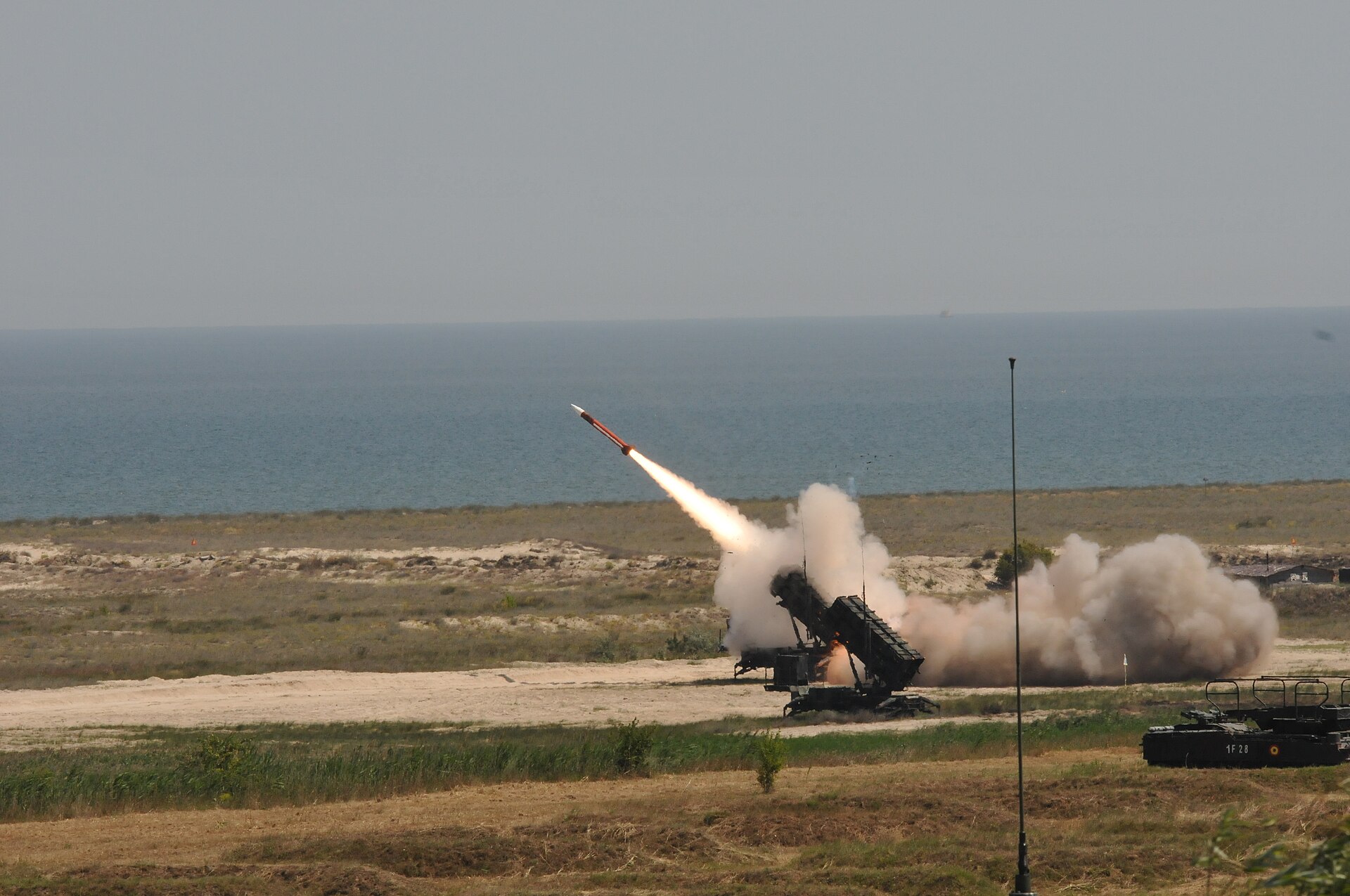
The Dammam claim did not arrive in isolation — it emerged on a day when the Houthi campaign was active across multiple Saudi regions simultaneously. Al-Maliki’s confirmation of two drone interceptions over Riyadh and the separate destruction of a ballistic missile aimed at the southern region placed at least three theatres under Houthi fire on the same day: the capital, the south, and — if the claim holds — the east.
The tempo has been relentless. On November 1, the coalition reported multiple attacks near Mecca and Medina, though the Houthis denied responsibility for all of them. Coalition forces lifted emergency alerts in Abha, Khamis Mushait, and Jazan on the same day, suggesting the southern region had been stabilised — a stabilisation that the November 2 southern-region ballistic missile intercept immediately complicated. Meanwhile, a tanker was hit off the Saudi coast and a tug was struck in the Strait of Hormuz, adding maritime targets to the day’s tally.
The timing carries a broader weight. President Trump’s self-imposed moratorium on striking Iran expires on November 3, the day after the midterm elections, according to The National, and the diplomatic track through Qatar has produced no agreement. Every successful or claimed Houthi attack between now and that deadline feeds the case for a military response in the post-midterm period, and a drone reaching Dammam — within range of the oil infrastructure the global economy depends on — makes that case considerably louder than another interception over Riyadh would.
When the Houthis last targeted KFIA, on October 21, there were confirmed dead at an airport that serves the workers and families who keep the Eastern Province’s oil infrastructure running. On Monday, the group claimed it sent two more drones at the same airport, and no authority in Saudi Arabia told the public what happened.
Frequently Asked Questions
Is Dammam Airport Open for Commercial Flights?
The US Embassy’s November 2 security alert describes King Fahd International Airport as operational, though with delays and cancellations. US government employees require written Chief of Mission authorisation to use any Saudi airport, a restriction that reflects the embassy’s assessment that every terminal in the kingdom is a potential target. Travelers should contact their airline for real-time status and consult the Saudi Arabia airport guide for updates on operations across the kingdom.
What Did the Houthis Claim About Jizan in the Same Statement?
Yahya Saree claimed a drone struck an early-warning radar installation in Jizan and that a military transport aircraft at Jizan Airport was also targeted, according to Dawn and Middle East Monitor. No Saudi authority has confirmed or denied either Jizan claim. Jizan, in the far southwest near the Yemen border, has been a regular target since the campaign escalated, and the coalition lifted emergency alerts there on November 1 before the new claims emerged.
What Has the European Aviation Safety Agency Said About Saudi Airspace?
EASA widened its Saudi airspace warning in early October in response to the escalating Houthi campaign, according to Fortune. The agency’s advisory affects overflights and airline routing decisions, adding operational costs for carriers that previously transited Saudi airspace. Combined with the UK’s standing advisory against travel within 10 kilometres of the Yemen border, according to the BBC, the European and British warnings create a layered picture of international concern about Saudi aviation safety.
How Long Has the Houthi Campaign Against Saudi Airports Lasted?
The current escalation began in September 2026, when the Houthis struck targets in Khamis Mushait, Abha, and Taif, wounding 13 civilians, according to Khaleej Times. On September 19, smoke rose near King Khalid International Airport in Riyadh, marking the campaign’s first apparent strike on the capital, according to Reuters via Kathmandu Post. The tempo has escalated since, with KKIA suffering its deadliest attack on October 10, and the Houthis demonstrating reach into the Eastern Province by October 11.
The House of Saud Daily Briefing
Saudi Arabia's news in 3 minutes, every morning. Free. See today's issue