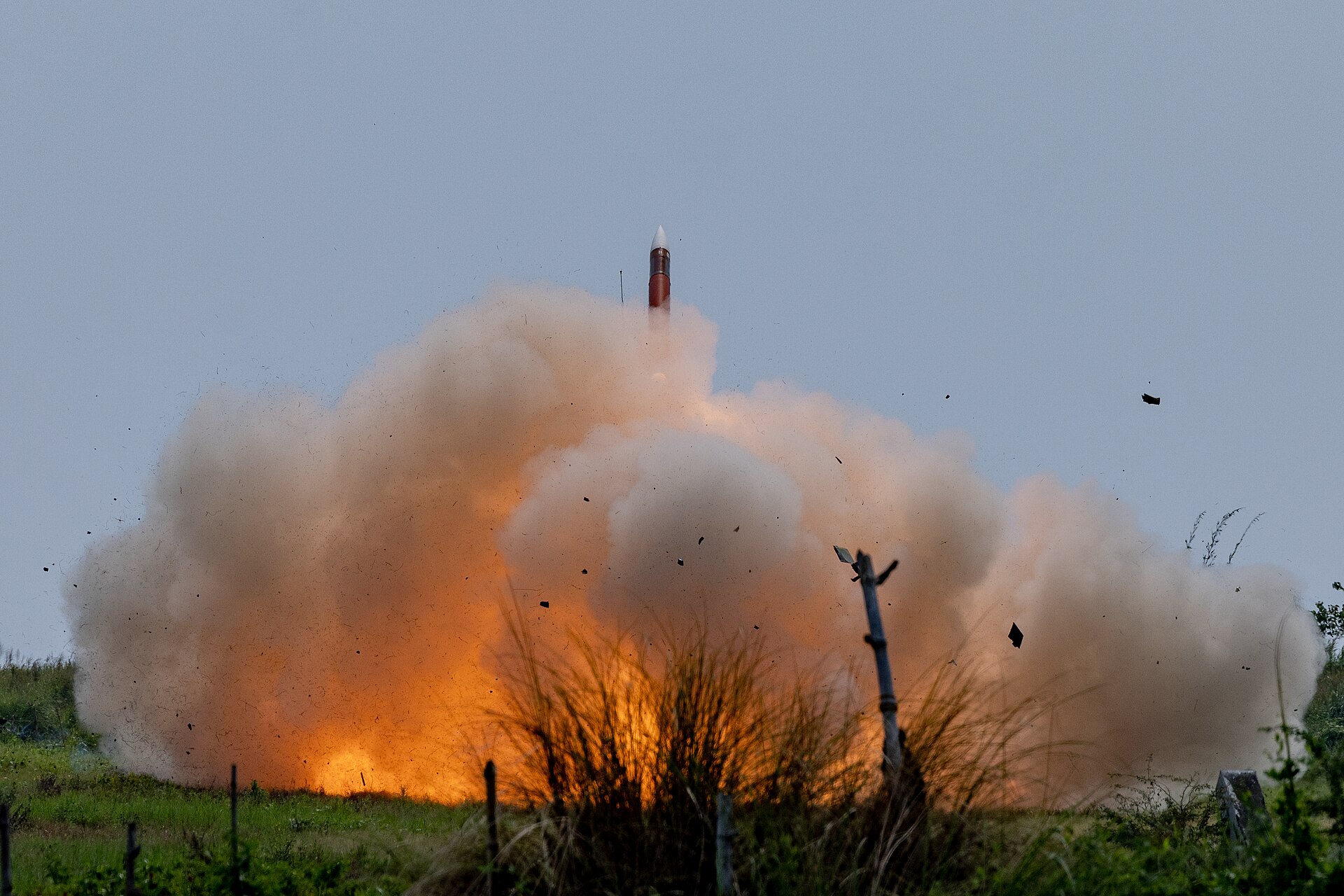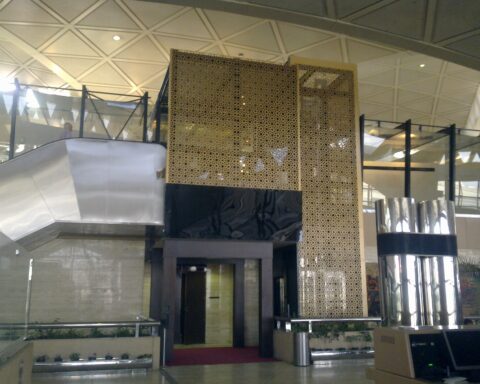

RIYADH — Yemen’s Houthi forces claimed on Wednesday that they struck King Khalid International Airport in Riyadh with a ballistic missile, the latest in a months-long campaign against the Saudi capital’s main airport that has killed at least 21 people and wiped out 86 percent of scheduled flights since early October. Saudi Arabia has not confirmed or denied the claim, and as of Wednesday evening there was no announcement of an intercept — only a Civil Defense alert for Riyadh Province that was issued and then lifted without publicly identifying the threat.
The claim, announced by Houthi military spokesman Yahya Saree, comes ten days after KKIA partially reopened following weeks of closure, and just one day after Saudi coalition forces intercepted three drones over the Makkah region whose origin was not publicly attributed. Saree said the missile “directly hit” the airport and caused “significant damage” — neither of which has been independently verified — and warned airlines, employees and travellers to avoid Saudi airspace, excepting Mecca and Medina, according to DPA and Shafaq News.
The House of Saud Daily Briefing
Saudi Arabia's news in 3 minutes, every morning. Free. See today's issue
Table of Contents
What the Houthis Claimed on November 4
Saree’s announcement — carried by TASS, Xinhua and the Voice of Emirates on Wednesday — named KKIA as a deliberate military target and described the weapon as a ballistic missile, without specifying the model. He claimed the missile struck the airport directly and caused “significant damage,” according to DPA via Yahoo News. No independent confirmation of a strike or damage has been found from Saudi authorities, international aviation bodies or independent media on the ground.
The Houthi spokesman also issued a broader warning to commercial aviation, telling airlines, airport employees and passengers that Saudi airspace was not safe from Houthi attacks, according to DPA and Shafaq News. He exempted Mecca and Medina from the warning — a distinction the group has made before, framing its campaign as targeting the Saudi state and military rather than the holy cities. The group said its attacks “respond to ongoing military escalation” and vowed to continue striking “sovereign and strategic objectives” until operations against Houthi positions stop, according to the Voice of Emirates.
The KKIA claim was part of a broader wave. CBS News live updates and the Sunday Guardian reported on the same day that the Houthis also claimed six ballistic missiles fired at Saudi forces east of al-Jawf, a drone targeting a radar facility north of Jazan, a ballistic missile at a border-control centre in Jazan, and a drone strike on a military camp in Najran. None of these additional claims have been independently verified. Saudi Civil Defense issued separate alerts for Najran and Jazan provinces on Wednesday, followed by all-clears, according to the Siasat and the Sunday Guardian’s live blog.
What Has Saudi Arabia Confirmed?
As of Wednesday evening, Saudi Arabia had made no public statement specifically addressing the Houthi claim of a ballistic missile strike on KKIA. CBS News reported “no immediate comment from Saudi authorities” on the airport claim, while DPA noted there was “initially no confirmation from Saudi Arabia.” No intercept announcement has been found for this specific claim — a notable gap, given that Saudi forces publicly confirmed destroying a ballistic missile aimed at KKIA on October 26, the day after the airport partially reopened, according to Aerospace Global News.
What Saudi authorities did confirm was more general. The Civil Defense Directorate issued an emergency warning for Riyadh Province through the National Early Warning Platform, then announced that the danger had passed, according to Ajel English and the Siasat. The directorate’s social media accounts carried the alert and all-clear but did not publicly identify the nature of the threat. The same pattern applied to alerts issued for Najran and Jazan, where all-clears followed without specifying what prompted them.
The gap between a Houthi claim and a Saudi response is not unusual in this conflict, where Riyadh has sometimes taken hours or days to confirm or deny specific incidents — and has occasionally said nothing at all. But the absence of an intercept announcement is worth noting: in previous incidents where Saudi air defences engaged incoming projectiles, the coalition or the Defence Ministry has typically said so. Whether the silence reflects an ongoing assessment, a decision not to comment, or something else entirely remains unclear.
How Is KKIA Operating Before the Latest Claim?
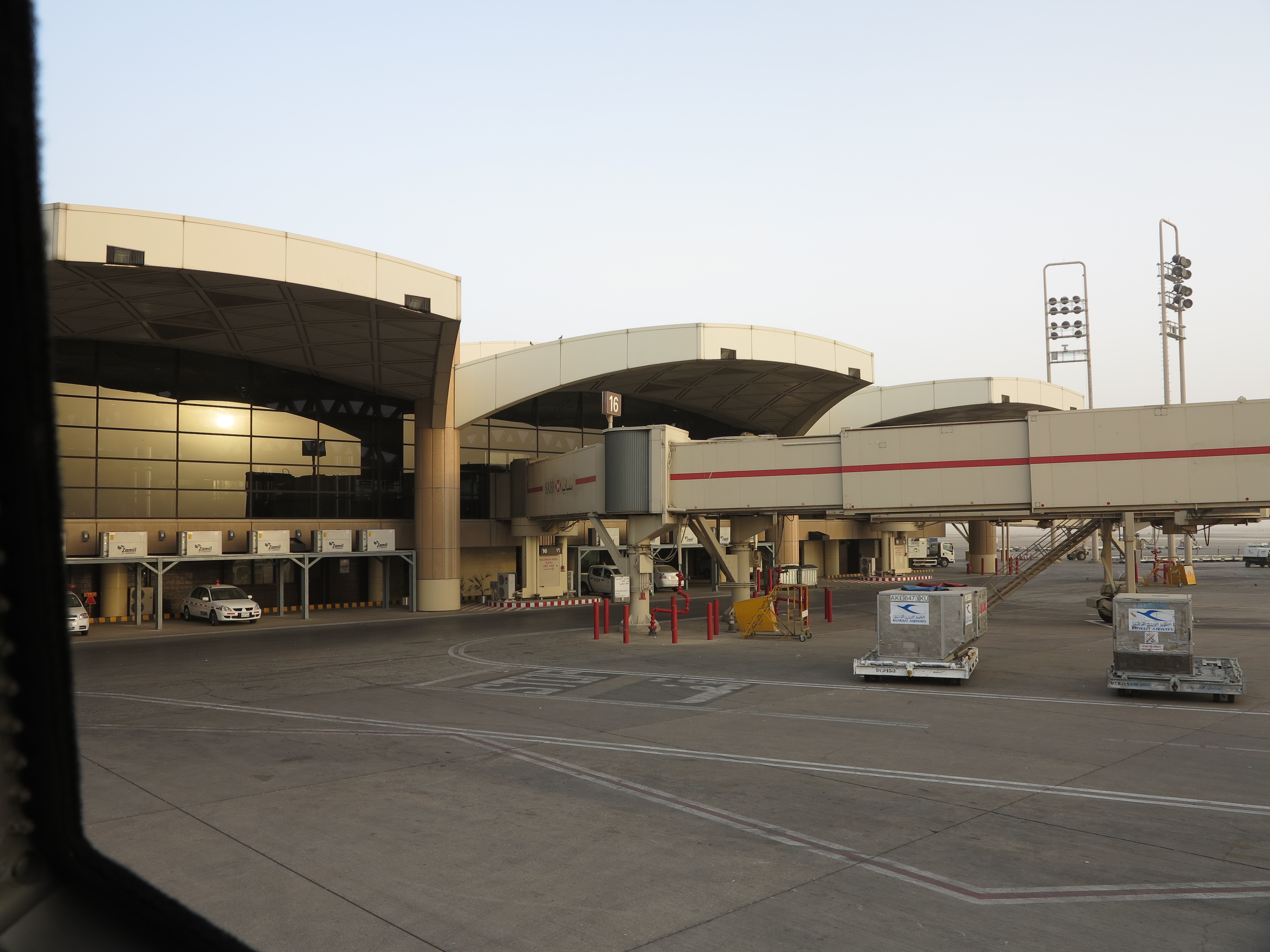
Even before Wednesday’s claim, KKIA was operating under severe restrictions. The airport partially reopened on October 25, bringing Terminal 1 back for domestic flights and Terminal 2 for selected international services, according to Travelextra and Outlook India. But “open” is a relative term when 86 percent of scheduled flights have been cancelled since October 8 — 4,071 out of 4,736, according to Cirium data cited by Aerospace Global News.
Two NOTAMs remained in effect at the time of the Houthi claim. NOTAM A3650/26 requires GACA approval for all arrivals and departures at KKIA, meaning airlines cannot operate freely, while A3651/26 bars KKIA as a diversion airport — so no aircraft can land there in an emergency, a restriction that effectively removes it from the regional aviation safety net, as reported by Aerospace Global News. The European Union Aviation Safety Agency’s conflict-zone information bulletin, CZIB-2026-09-R1, covering Saudi airspace remained valid through November 16, according to the Wego Travel Blog.
Major carriers had already pulled back. Etihad cancelled KKIA services through November 19, and KLM through November 27, according to the Wego Travel Blog. GACA has not announced a closure following the November 4 claim, and the airport was listed as “operating” with restrictions on tracking services. For travellers planning journeys through Riyadh, House of Saud’s Saudi Arabia travel status tracker and airport guide carry the latest on which terminals are open and which airlines are flying.
The Airport Under Fire: October 8 to November 4
To understand what Wednesday’s claim means for KKIA, you have to understand what the airport has already absorbed. The current campaign against Riyadh’s main aviation hub began on October 6–7, when strikes on KKIA and Abha killed three people and wounded 36, according to the BBC. On October 8, the coalition said it intercepted two ballistic missiles aimed at Riyadh, according to AP via NY1. Two attacks on KKIA that same day killed three Saudis, including Saudia captain Hamoud Ali Al Kalthami, as reported by Gulf Daily News.
The worst single incident came on October 10, when a strike on KKIA killed 12 and wounded 309, according to Al Jazeera and Bloomberg. An Indian victim’s subsequent death raised the toll to 13, as Al Jazeera reported on October 11. A second Indian national died of injuries on November 4, bringing the confirmed toll from that strike to 14, according to ANI and multiple Indian outlets. The following day, a projectile hit Terminal 4, killing a Pakistani resident and injuring 11, while Dammam airport was also attacked, according to CNN.
The airport closed after the October 10 strike and remained shut until October 25, when Terminals 1 and 2 partially reopened. That reprieve lasted exactly one day before Saudi air defences destroyed a ballistic missile aimed at KKIA on October 26, the day after reopening, and Saudi forces then struck Houthi missile facilities in Yemen in response, according to Aerospace Global News. Between the October attacks and the ongoing flight cancellations, KKIA has gone from one of the Gulf’s busiest airports to an aviation facility operating under what amounts to wartime conditions.
The Wider November 4 Picture
Wednesday’s KKIA claim landed on a day when the broader regional picture was shifting in several directions at once. In London, UK Prime Minister Andy Burnham — speaking at the Commonwealth Heads of Government Meeting — said he would be “working for de-escalation” and drew a direct line between the Middle East conflict and British domestic concerns, telling reporters “I can’t get people’s cost of living pressures down until the conflict in the Middle East is resolved,” according to Anadolu Agency. Burnham said he hoped for a reopening of the Strait of Hormuz, where Iranian actions have reshaped both the diplomatic and energy picture since the blockade resumed in July.
China, meanwhile, announced it would send its Middle East envoy to Iran, Oman and Saudi Arabia “later this month” to promote peace talks, according to CBS News live updates. The timing — with the US midterms taking place on Tuesday November 3 and results still being counted — is not accidental: both Beijing and European capitals appear to be positioning for a post-election diplomatic opening, with the Trump administration’s pre-midterm moratorium on military action against Iran having expired the previous day.
For Saudi Arabia’s economy, each new strike on KKIA — whether confirmed or claimed — compounds a problem that extends well beyond aviation. The pre-budget statement projected real GDP falling 3.6 percent in 2026, driven by a 21.8 percent drop in oil activities, according to Reuters via Zawya. When the country’s main international airport is operating at 14 percent of its scheduled capacity and major European and Gulf carriers refuse to fly there, the damage to business confidence, tourism and the broader Vision 2030 agenda is measured not just in cancellations but in the investments that never arrive and the events that move elsewhere.
What Comes Next for KKIA and Riyadh’s Airspace
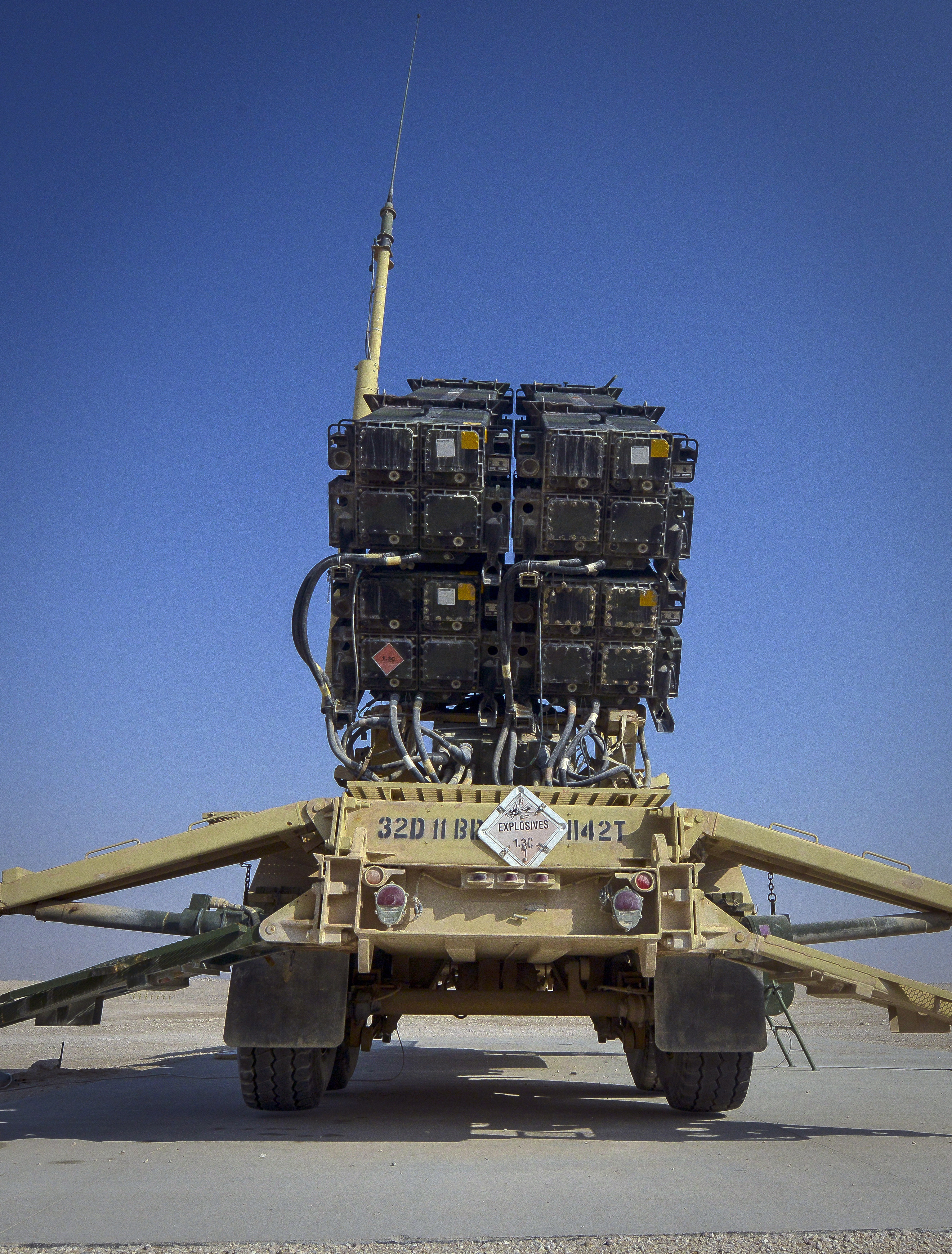
The pattern since October has been grimly consistent: the Houthis strike or claim to strike KKIA, Saudi authorities respond with varying degrees of confirmation or silence, the airport adjusts its restrictions, and the cycle resumes. The October 26 intercept — confirmed, successful, followed by retaliatory strikes on Houthi missile facilities in Yemen — represents the best-case scenario in this loop: the system works, the airport stays open, and the coalition demonstrates it can hit back. Wednesday’s claim, with its conspicuous absence of a Saudi intercept announcement, does not yet fit neatly into that template.
What is clear is that KKIA’s October 25 reopening has not restored normal operations in any meaningful sense. With EASA’s conflict-zone bulletin valid through November 16, NOTAMs requiring GACA approval for every flight movement, Etihad and KLM pulled back through mid-to-late November, and 86 percent of flights still cancelled, the airport is functioning as a managed-access facility rather than a commercial hub. Each Houthi claim — whether it results in a confirmed strike, an intercept, or an unresolved question mark — reinforces the aviation risk assessment that keeps those carriers away.
The Makkah pact’s collective defence framework, which was meant to deter precisely this kind of sustained campaign against Saudi infrastructure, faces its own test with every missile and drone aimed at Riyadh. Ten days after KKIA reopened, and on a day when the Houthis also claimed strikes across al-Jawf, Jazan and Najran, the question for Saudi defence planners is not whether the next claim is coming — it is whether the airport’s partial reopening can survive the pace of attacks long enough for the diplomatic calendar, from Beijing’s envoy to whatever follows the US midterms, to produce something that changes the trajectory.
Frequently Asked Questions
Did a missile actually hit KKIA on November 4, 2026?
The Houthis claimed a ballistic missile “directly hit” the airport and caused “significant damage,” according to DPA and Shafaq News. As of Wednesday evening, Saudi Arabia had not confirmed or denied the claim, and no independent verification of a strike or damage has been found. Saudi Civil Defense issued a Riyadh Province alert and later announced the danger had passed, without publicly identifying the threat. The situation remains unresolved pending further official statements.
Is King Khalid International Airport open for flights right now?
KKIA partially reopened on October 25, 2026, with Terminal 1 handling domestic flights and Terminal 2 serving selected international routes. However, two NOTAMs remain in effect: one requiring GACA approval for all arrivals and departures, and another barring KKIA as a diversion airport. The EASA conflict-zone information bulletin CZIB-2026-09-R1 remains valid through November 16. Passengers should check directly with their airline and monitor the KKIA status page before travelling.
Which airlines have suspended flights to Riyadh?
Etihad has cancelled KKIA services through November 19 and KLM through November 27, according to the Wego Travel Blog. EASA’s conflict-zone bulletin has contributed to wider European carrier caution. Cirium data shows 86 percent of scheduled KKIA flights — 4,071 out of 4,736 — have been cancelled since October 8, as reported by Aerospace Global News. Saudia and other domestic carriers have continued limited operations from the open terminals.
How many people have been killed in attacks on KKIA since October 2026?
Confirmed deaths from KKIA attacks between October 6 and 11 total at least 21. The victims included three killed at KKIA and Abha on October 6–7, three Saudis killed on October 8 — among them Saudia captain Hamoud Ali Al Kalthami, as reported by Gulf Daily News — 14 people killed in the October 10 strike (including two Indian nationals who succumbed to injuries, the second on November 4), and a Pakistani resident killed when Terminal 4 was hit on October 11. Saudi Arabia’s Civil Aviation Authority (GACA) and hospital authorities reported the figures to multiple outlets including the BBC, Al Jazeera and CNN. The November 4 Houthi claim is not included in this total as it has not been independently verified.
What is the Makkah pact and does it cover KKIA’s defence?
The Makkah Joint Defence Agreement is a collective security framework involving Saudi Arabia, Pakistan, Turkey and other signatories, activated in October 2026 in response to the Houthi escalation. Pakistan ratified the pact on October 23 and Turkey’s committee approved it on October 27, though Turkey’s General Assembly had not held a full vote as of November 2. The pact’s operational scope includes air defence, but its lack of a joint command structure — as analysed in detail here — raises questions about the speed and coordination of its response to threats like the one claimed on November 4.
The House of Saud Daily Briefing
Saudi Arabia's news in 3 minutes, every morning. Free. See today's issue