
YANBU — Saudi air defences intercepted and destroyed a Houthi ballistic missile aimed at the Medina region on Thursday, the Saudi-led coalition announced, as civil defence authorities issued a danger warning for Yanbu Governorate — the Red Sea terminal complex where Saudi Arabia’s only pipeline bypass of the Strait of Hormuz delivers crude for export. The alert came on a morning when two tankers and a tugboat were already burning in the strait after hitting mines. Both of the kingdom’s oil export corridors were under simultaneous threat.
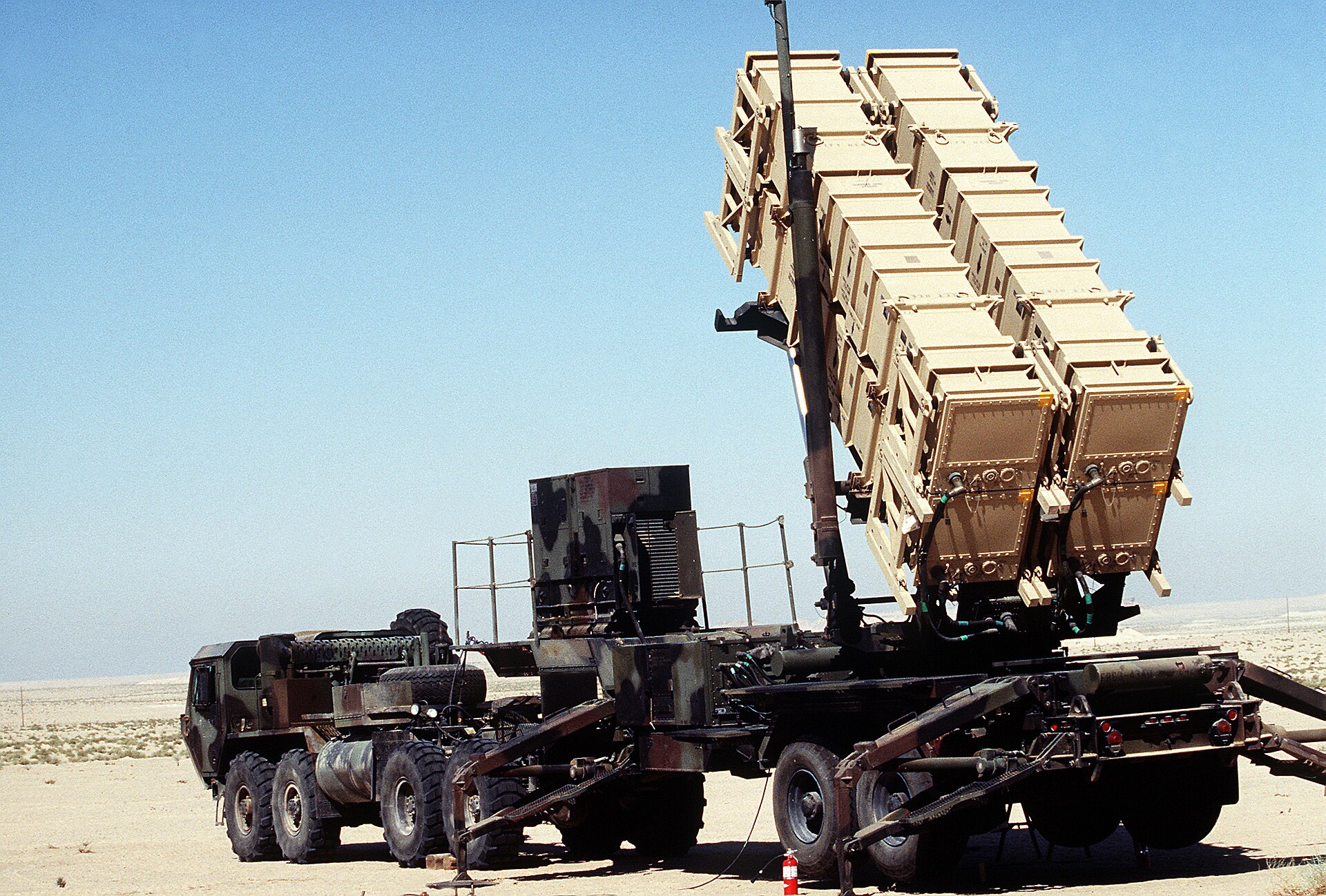
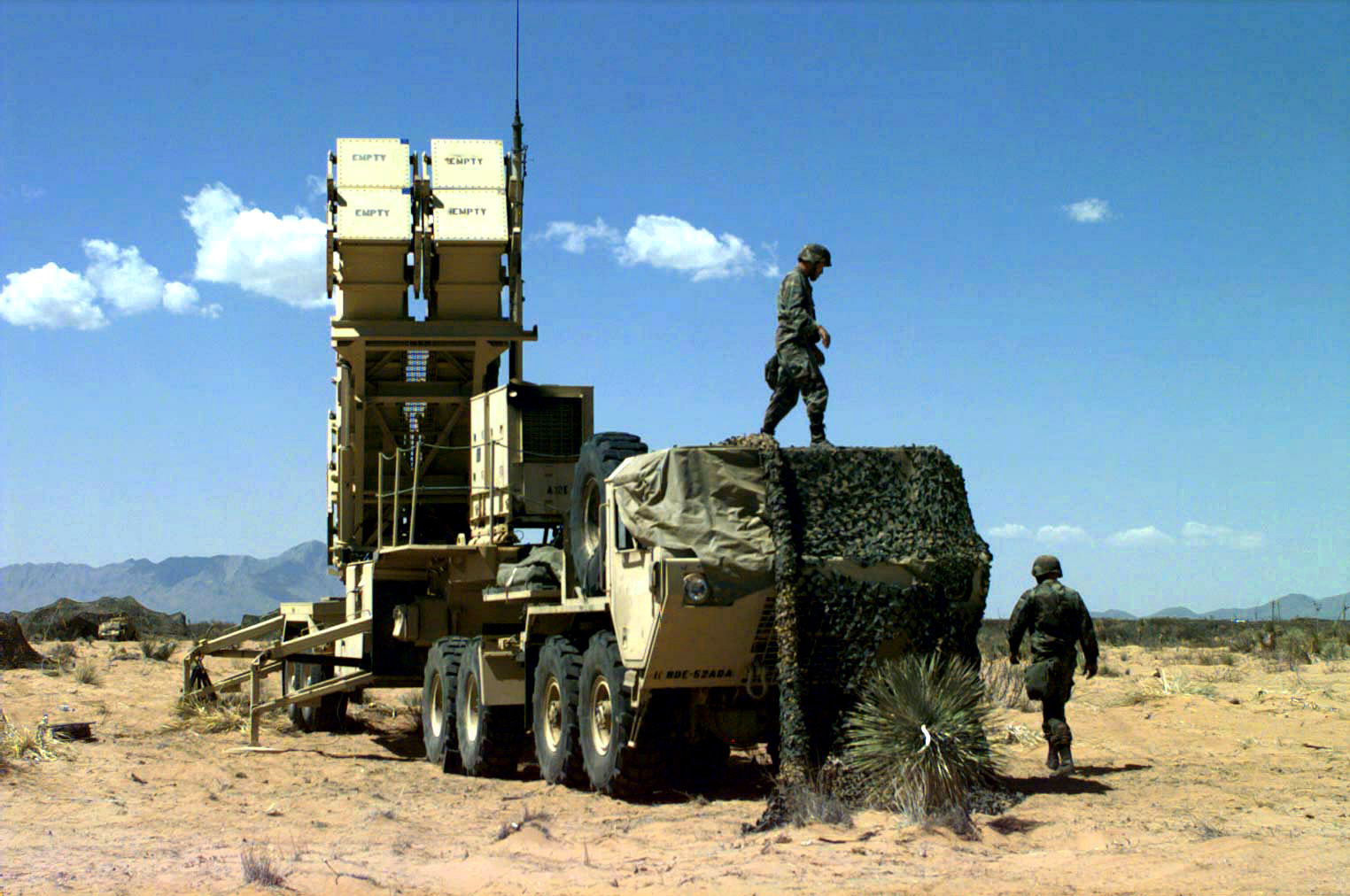
Maj. Gen. Turki al-Malki, the coalition spokesman, said on X that Saudi forces had “intercepted and destroyed a ballistic missile launched by the terrorist Houthi militia” toward the Madinah region, according to Asharq Al-Awsat and AFP. The coalition did not disclose the missile’s launch location and reported no casualties or damage on the ground.
Saudi Civil Defence had issued a warning of “a potential danger” in Yanbu Governorate through the National Early Warning Platform minutes before the coalition’s announcement, Business Recorder reported, citing Reuters. A separate alert went out for Sharurah Governorate in Najran Province, near the Yemeni border, and residents in both areas were told to seek shelter and follow safety guidelines. Civil Defence later declared the danger had passed in Yanbu, telling residents to “avoid gathering or taking photos at incident sites under any circumstances” and to call 911 for emergencies, according to Ajel English, which published the all-clear at 09:52 UTC.
The House of Saud Daily Briefing
Saudi Arabia's news in 3 minutes, every morning. Free. See today's issue
AFP reported it was “unclear if the two events were connected” — the Yanbu civil defence alert and the Medina interception. Yanbu Governorate sits within Medina Province, meaning the coalition’s description of a missile aimed at the “Madinah region” encompasses the terminal geographically, but no official statement drew a direct link between the projectile and the oil infrastructure.
Table of Contents
What Did the Coalition Say About the Medina Interception?
Al-Malki’s statement followed a pattern that has become familiar this autumn — a brief announcement on social media claiming an interception, with no detail on the weapon beyond “ballistic,” no debris field coordinates, no footage of the engagement, and no assessment of the intended target. The coalition’s reticence leaves the central question unanswered: was the missile aimed at the city of Medina itself, at the pipeline corridor running through the province, or at the oil infrastructure at Yanbu?
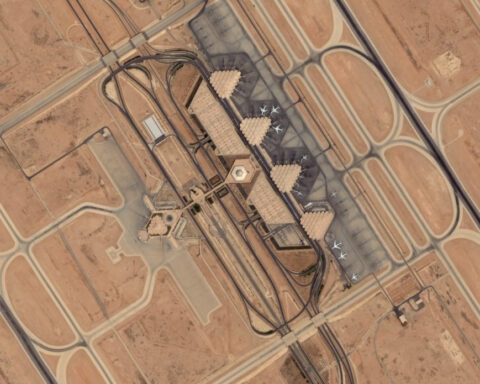
Thursday’s event was the latest in a series of coalition claims involving Houthi projectiles directed at western Saudi Arabia — after a reported drone interception over Madinah on October 31, a Medina-region missile interception reported by France 24 on October 15, and a drone heading for Makkah on September 16, according to Khaleej Times. The coalition said it intercepted three drones over the Makkah region on November 4 and shot down a Houthi ballistic missile aimed at King Khalid International Airport the same day. The Houthis have denied every one of these western-sector interception claims, and the absence of independent verification — no UN monitors, no third-party radar data made public — has left the sequence of engagements disputed.
A drone knocked out a transformer at a Medina power station serving the Prophet’s Mosque in late September, according to GDN, a reminder that the Houthi threat to the holy city’s infrastructure has already produced tangible damage. Civil Defence alerts covering Medina, Yanbu and the corridor connecting them have recurred since September, when Houthi attacks first reached the East-West Pipeline.
The Houthis Call the Claim a Falsehood
Houthi military spokesman Yahya Saree rejected the coalition’s account, calling it “a blatant and grave falsehood” and “a continuation of great and immense lies against our dear Muslim people,” according to Daily Sabah and the Deccan Chronicle, both citing AFP. Saree has denied every coalition claim of a missile or drone aimed at the Medina region this year, a position consistent with the Houthis’ standing declaration — reported by France 24 as recently as October 15 — that they do not and would not target the holy cities of Mecca and Medina.
But Saree’s own statement carried a qualifier worth parsing: “Our operations target only its oil facilities and military bases,” he told AFP, according to Daily Sabah. Yanbu is an oil facility — one of the largest in the kingdom — and it sits inside the administrative boundaries of the Medina region that the coalition said was targeted. Their attack on Aramco’s Dhahran headquarters on October 13 caused a fire at the facility and demonstrated willingness to strike energy infrastructure deep inside Saudi Arabia.
No Iranian state media commentary on the November 5 Medina interception was found at the time of writing, and the IRGC — which has been enforcing its own blockade in the Strait of Hormuz — made no public comment linking the missile to its operations. Tehran has historically maintained that the Houthis operate independently of Iran, a position most Western and Gulf governments dispute.
Why Does a Missile Near Yanbu Threaten Saudi Oil Exports?
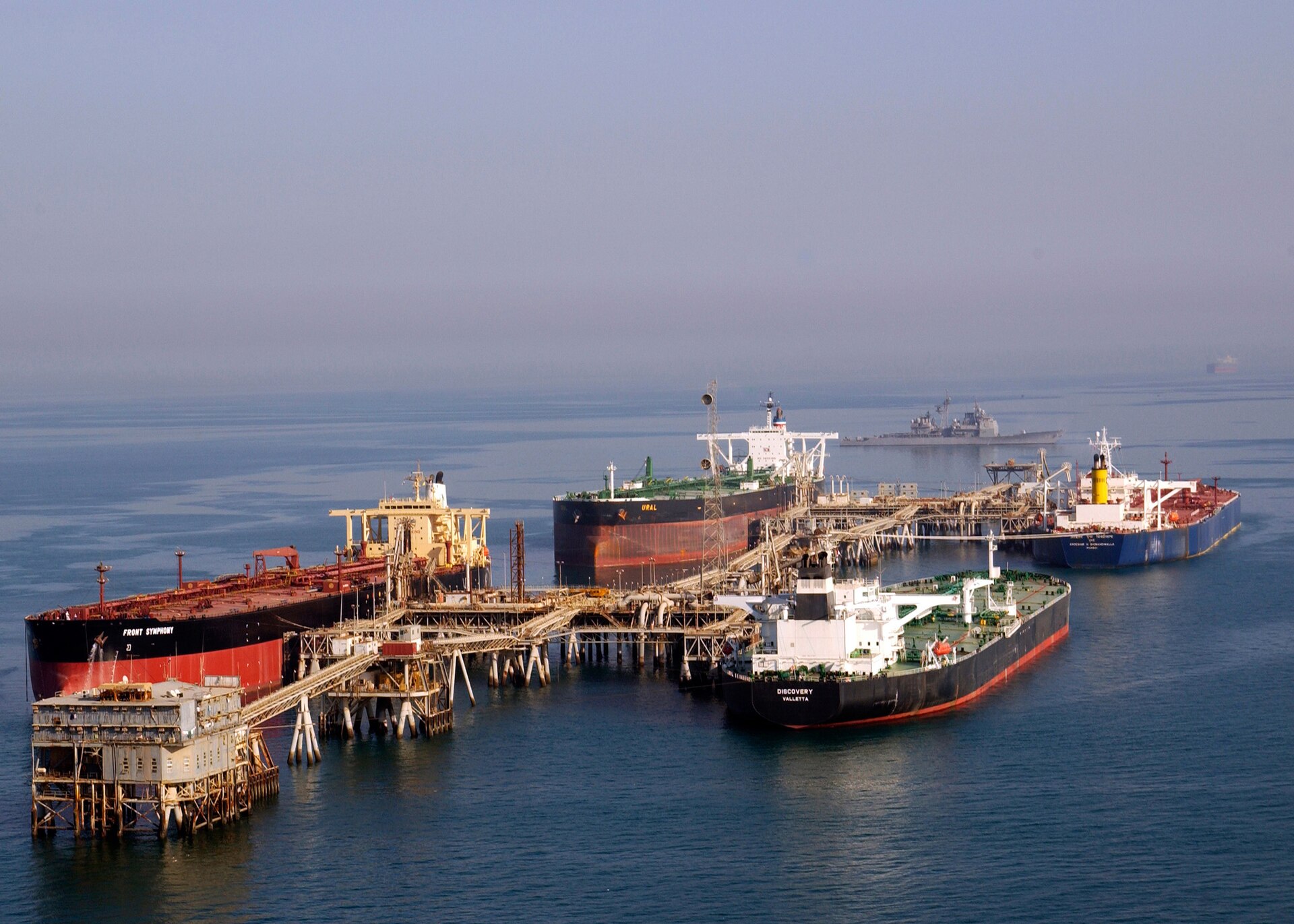
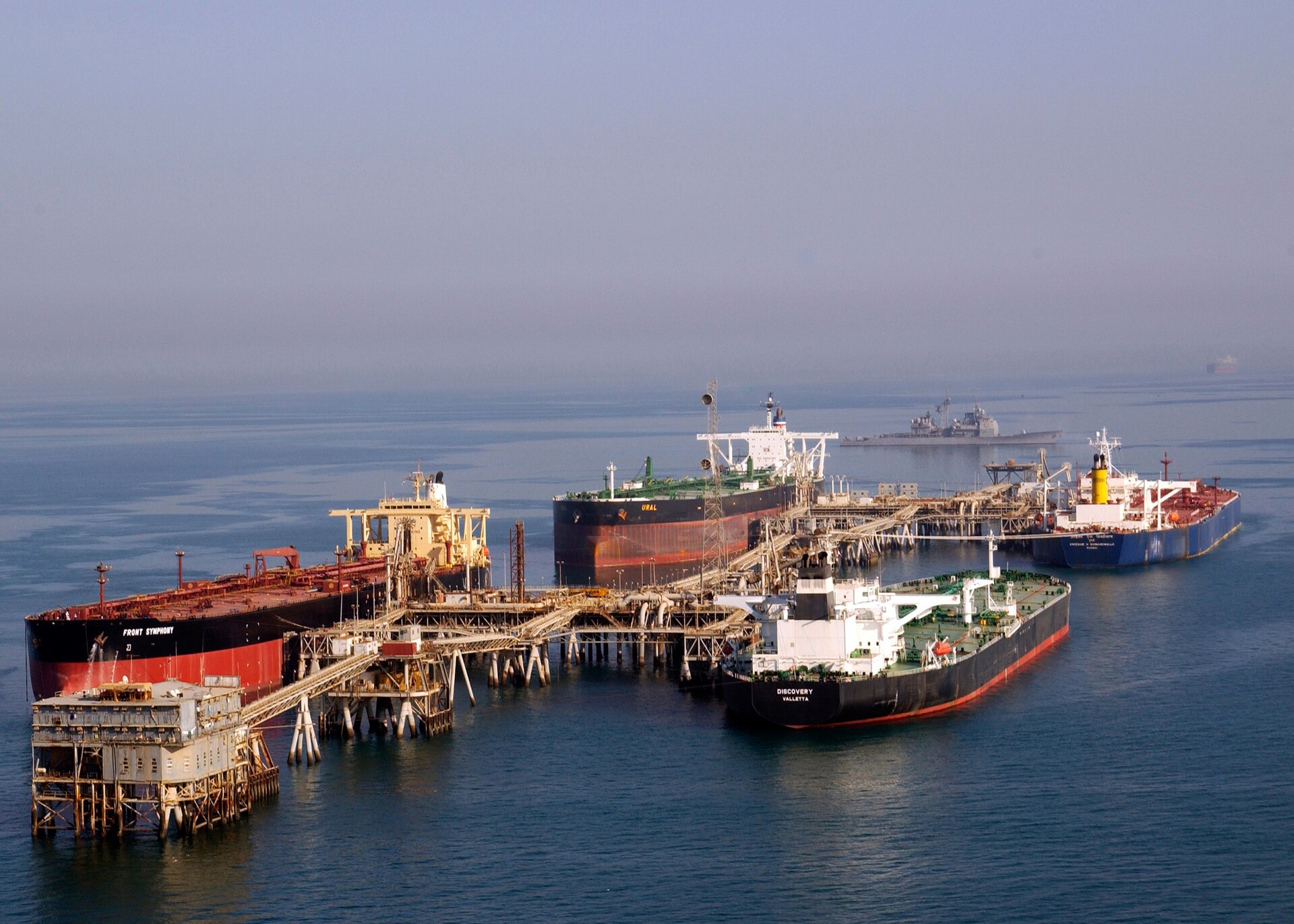
Yanbu sits at the western terminus of the East-West Crude Oil Pipeline, a 1,200-kilometre artery built in 1981 to carry crude from Saudi Arabia’s Eastern Province oilfields across the desert to the Red Sea, bypassing the Strait of Hormuz entirely. The pipeline has a design capacity of 7 million barrels per day, according to Saudi Gazette via Zawya, and Yanbu’s North and South terminals have a combined nominal loading capacity of approximately 4.5 million bpd, according to Argus Media as cited by ENR. In wartime conditions, Vortexa estimates effective throughput at the terminal at around 3 million bpd — a steep discount that reflects everything from loading delays to insurance-driven tanker reluctance.
That bypass matters now more than at any point since the pipeline was built. The Strait of Hormuz normally carries approximately 20 million barrels per day, or one-fifth of global petroleum consumption, according to the US Energy Information Administration. The IRGC has enforced a blockade there since it resumed the closure on July 14. Saudi oil exports fell to an estimated 5.52 million bpd in October, according to Kpler, roughly half the kingdom’s OPEC+ target of 10.5 million bpd — and the IEA had reported that Saudi crude shipments had already dropped to 6 million bpd by August, according to Trend, before the pipeline’s second shutdown in October cut that figure further.
The global bypass alternatives are thin. The combined capacity of all pipeline bypass routes is 3.5 to 5.5 million bpd, the IEA estimates per ENR — a fraction of Hormuz’s normal volume. That ceiling assumes every alternative is fully operational, a condition that has not held since September. Gavekal Research warned that if Yanbu “goes offline because of threats from Houthi drones, ‘this would be a disaster for the world,’ given tight refining capacity,” according to AGBI.
How Vulnerable Is the East-West Pipeline?
The pipeline feeding Yanbu has already been shut down twice since September. Saudi Arabia suspended East-West flows on September 11 after drone attacks struck the corridor, restarted the line on September 22 at a low initial rate — Reuters sources reported that reaching about 40 per cent of capacity would take a couple of days — and then lost it again in October after a fresh attack, according to Türkiye Today citing AFP. Saudi Gazette via Zawya had reported in September that reaching full capacity from a restart could take six weeks or more, and the pipeline’s operational status on November 5 has not been publicly confirmed.
France deployed troops, radars and air defence systems to protect Yanbu on September 24, according to France 24 — the only confirmed NATO-member ground deployment defending Saudi oil export infrastructure. But the pipeline traverses open desert for its entire length, and no single defensive deployment can shield the full corridor, which remains accessible to both drones and ballistic missiles from Houthi-controlled northern Yemen. War-risk insurance premiums for tankers loading at Yanbu have tripled to approximately 3 percent of vessel value, according to Reuters as cited by AGBI — a surcharge that either passes directly to crude buyers or deters loading altogether, suppressing effective throughput even when the terminal is technically operational.
Ellen Wald, founder of Transversal Consulting, told ENR that if the East-West Pipeline “is converted to carry all of Aramco’s crude oil exports to Yanbu, it cannot also carry gas or products,” a capacity constraint that limits the bypass route’s flexibility even when crude is flowing. The YASREF refinery at Yanbu — a joint venture between Aramco and Sinopec with a crude throughput capacity of approximately 400,000 bpd — adds processing depth to the terminal but also adds a target, given that Houthi spokesman Saree explicitly named oil facilities as legitimate objectives. Salih Yilmaz of Bloomberg Intelligence told AGBI it is “safer to view this as a serious escalation in risk rather than a confirmed large-scale supply outage,” though the gap between escalating risk and actual outage has narrowed with each attack on the corridor.
Two Corridors Under Fire on the Same Morning
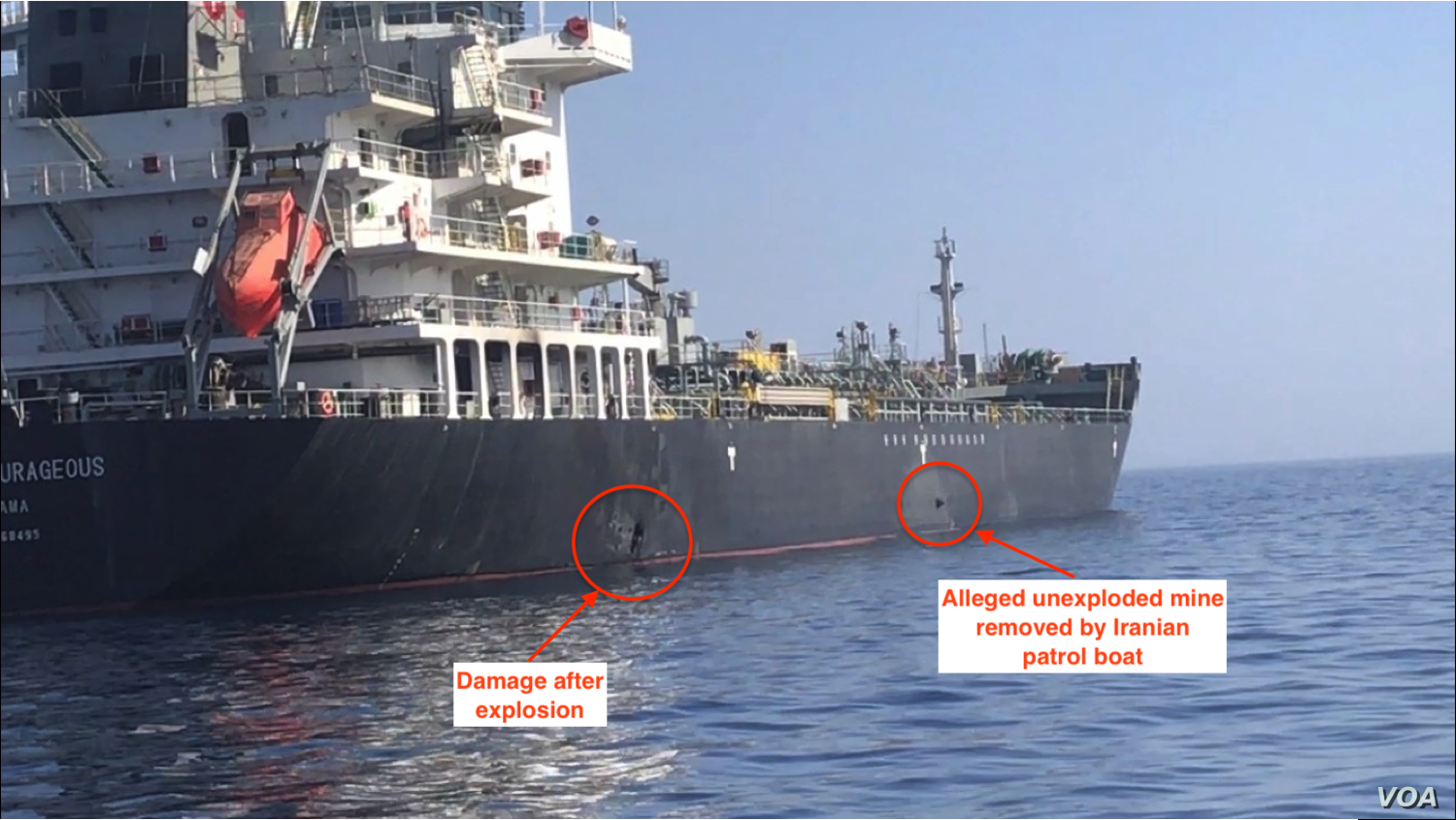
The Yanbu danger alert arrived on a morning that had already delivered a blow to Saudi Arabia’s eastern corridor — the IRGC confirmed that two tankers and a tugboat caught fire in the Strait of Hormuz after hitting mines, the latest in a series of incidents since the blockade resumed on July 14. Iran called the latest US diplomatic response on Hormuz “not convincing” earlier on November 5, King Khalid International Airport in Riyadh remained closed under a GACA suspension after the latest Houthi missile claim, and then the interception over Medina put the western corridor under threat as well.
Brent crude was trading at approximately $93 to $94 per barrel on November 5, according to Financefeeds.com — a sharp fall of roughly 10 percent from the range of prior weeks, driven not by the morning’s physical destruction but by the Democrats’ capture of both chambers of Congress and a surge in market bets on a US-Iran settlement, according to Gulf News. Iran’s supreme leader, Mojtaba Khamenei, had warned of wider war on November 4, and the physical events of Thursday morning — tanker fires in the east, a ballistic missile in the west — cut against the optimism that the oil price was reflecting.
“This is very much a distillate crisis. A jet fuel and diesel crisis, especially in Europe.”
Arne Lohmann Rasmussen, chief analyst, Global Risk Management, via ENR
Torbjorn Soltvedt, principal Middle East analyst at Verisk Maplecroft, told ENR that Iran’s retaliation against shipping and regional energy infrastructure “has severed a key supply chain artery.” The market’s bet on a diplomatic resolution — reflected in Brent’s crash after the Democrat midterm wins — assumed a political outcome that neither the burning tankers in the Strait of Hormuz nor the missile intercepted over the Medina region had done anything to bring closer.
Frequently Asked Questions
Has a Houthi missile or drone ever struck Yanbu’s oil terminal?
No confirmed strike on Yanbu’s terminal complex or refinery has been reported as of November 5, 2026. Drone attacks hit the East-West Pipeline corridor in September, forcing a precautionary shutdown on September 11, and a fresh attack halted the pipeline again in October, but the loading terminals and the YASREF refinery at Yanbu have not reported direct damage from a Houthi weapon.
Can Saudi Arabia export oil without both Hormuz and Yanbu?
The kingdom’s alternatives are extremely limited. The IPSA pipeline to Iraq has been defunct since 1990, and its Saudi section was converted to carry natural gas. Small refined product volumes move through Red Sea ports such as Jeddah, but these are not configured for crude loading at scale. Losing both the Hormuz strait and the Yanbu corridor would eliminate the vast majority of Saudi crude export capacity.
How far is Yanbu from Houthi-controlled territory in Yemen?
Yanbu lies approximately 500 to 600 kilometres from northern Yemen, well within the estimated 1,000-kilometre range of the Houthi Burkan-2H ballistic missile and comfortably inside the reach of more advanced variants, which analysts estimate at 1,350 to 2,000 kilometres. The distance does not provide a meaningful buffer against Houthi ballistic missiles, which is why France deployed air defence assets to the terminal in September 2026.
What is the budget impact of Saudi Arabia’s export disruptions?
Saudi Arabia revised its 2026 deficit estimate to 245 billion riyals, up from a budgeted 165 billion riyals, according to Reuters via Zawya. The pre-budget statement forecast real GDP falling 3.6 percent in 2026, driven by a 21.8 percent drop in oil activities. The kingdom’s OPEC+ production target of 10.5 million bpd remains well above what it can currently ship through either corridor.
What ownership does China have in Yanbu’s oil infrastructure?
China’s Sinopec holds a 37.5 percent stake in the YASREF refinery at Yanbu, with Aramco owning the remaining 62.5 percent, according to IndustrialInfo and Asharq Al-Awsat. YASREF processes crude into refined diesel and gasoline for export markets, making it one of the largest refining operations on the Red Sea coast. A Houthi strike on the refinery would directly affect a Chinese state-owned enterprise’s overseas investment, adding a diplomatic dimension to the defence of Yanbu that extends beyond Saudi and Western interests.
The House of Saud Daily Briefing
Saudi Arabia's news in 3 minutes, every morning. Free. See today's issue