
ADEN — Houthi forces claimed on November 6 that they had seized the Kahboub mountain range in southwestern Yemen after what their military media described as a large-scale offensive against Saudi-backed government troops, according to the pro-rebel outlet South Front. The claim has not been independently confirmed.
If accurate, the seizure would place the group on high ground overlooking the Bab al-Mandeb Strait — one of the world’s busiest maritime chokepoints — at a time when Iran is simultaneously contesting the Strait of Hormuz with naval mines and tanker confrontations. Saudi Arabia depends on both waterways for crude oil exports, and the Kahboub range’s heights would extend Houthi missile and drone reach over the Red Sea approach, according to Al Jazeera’s analysis of the terrain. No verification of the Houthi claim has appeared from Reuters, the Associated Press, the BBC, Al Arabiya, or Al Jazeera.
The House of Saud Daily Briefing
Saudi Arabia's news in 3 minutes, every morning. Free. See today's issue
Table of Contents
What Did Houthi Forces Claim on November 6?
The claim reached open-source channels through two separate accounts on November 6. South Front, relaying Houthi military media, reported that Ansar Allah fighters had captured “the entire Kahbub mountain range east of the Bab al-Mandab Strait” after what it described as a large offensive. Houthi footage showed anti-tank guided missile strikes on armored vehicles, including troop carriers that appeared to be in retreat, according to South Front. The footage also showed fighters inspecting what the group said were captured weapons and vehicles at overrun positions.
The group named a Saudi officer, Badr al-Harbi, as commanding the targeted forces, according to Houthi military media relayed by South Front. The name has not appeared in any independent source.
Separately, the Ansarallah war media channel described what it called a “silent infiltration” ending with control of the Kahboub summit, according to a relay by the open-source intelligence account MenchOsint.
No confirmed casualty figures from the November 6 engagement have appeared. Houthi media described “dozens” of vehicles destroyed or disabled but provided no verifiable count. The two accounts — a broad offensive and a silent infiltration — may describe different phases of the same operation. No Houthi statement has reconciled them.
South Front was the only outlet carrying the seizure claim at the time of reporting. The group’s previous territorial claims in the Kahboub area have been disputed by government forces, most recently on October 27.
What Government Forces Have Said
No formal Saudi coalition or Yemeni government denial of the November 6 claim was found at the time of publication.
The most recent government response to a Houthi seizure claim came on October 27, when the Nation’s Shield Forces rejected an earlier Houthi assertion about Kahboub. Their troops remained at Dhubab Airport and across the surrounding mountain range, the forces said, according to Asharq Al-Awsat.
The absence of a response on November 6 stands in contrast to previous rounds. On October 27, Yemeni military formations responded the same day with a detailed rebuttal. On October 24, the Southern Giants Brigades reported repelling a Houthi attack on the Kahboub front, claiming to have inflicted losses, according to Yemen Monitor.
Earlier in October, the picture looked different. Yemeni government forces said on October 5 that they had “secured the Bab al-Mandeb strait, the Dhubab area and the port city of Mokha” as part of Operation Dawn of Yemen, which began with the support of 100 coalition jets, according to The National and the Oman Observer. An Al Jazeera live blog on October 7 reported that government forces claimed “full control” of Kahboub.
If the November 6 Houthi claim is accurate, the government lost the range within a month of those assertions — a timeline consistent with the rapid swings that have defined fighting in the area since September. The Houthis have launched multiple attacks on Saudi territory in the same period, including ballistic missiles intercepted over Najran and other cities.
Why Does Kahboub Matter for Bab al-Mandeb?
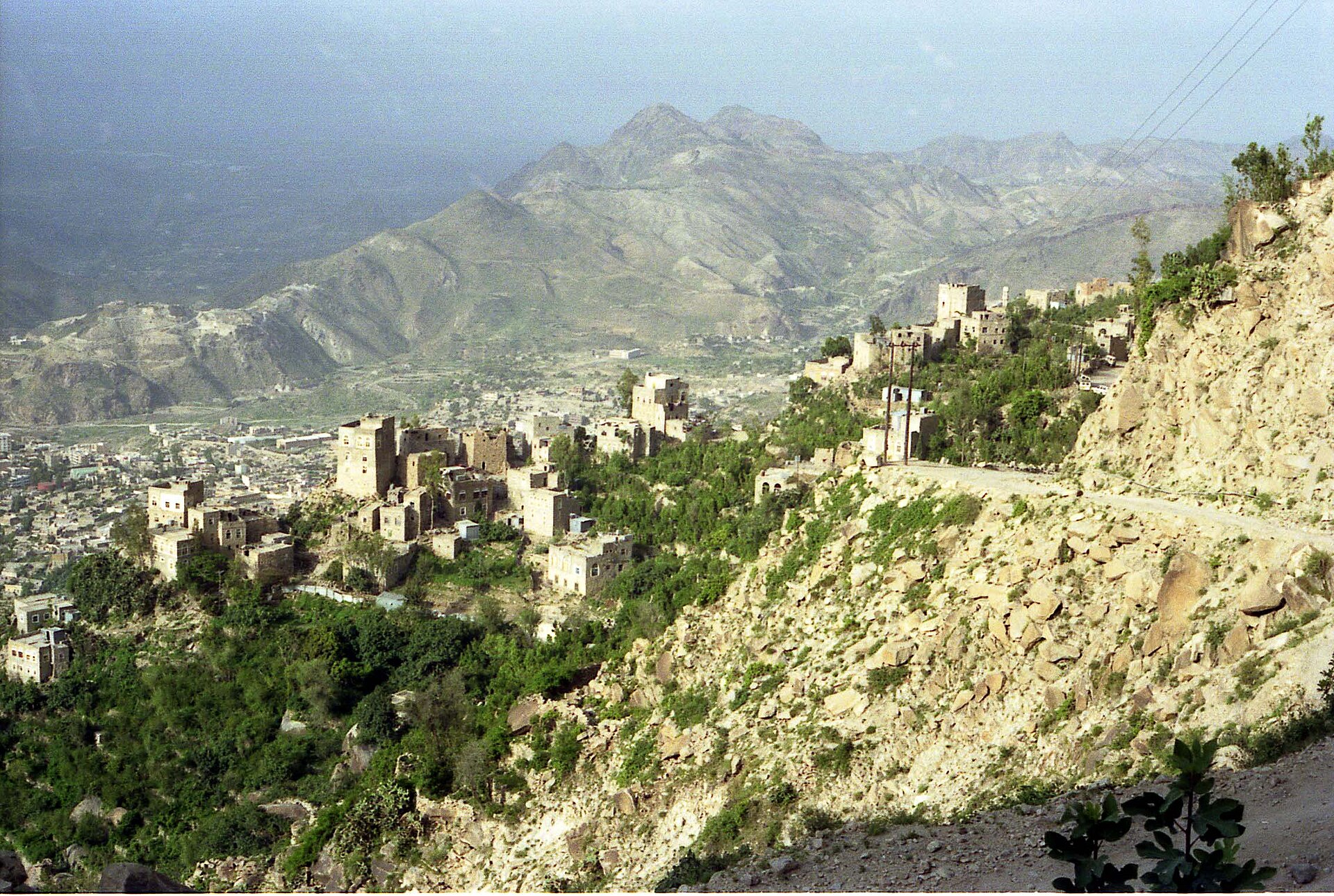
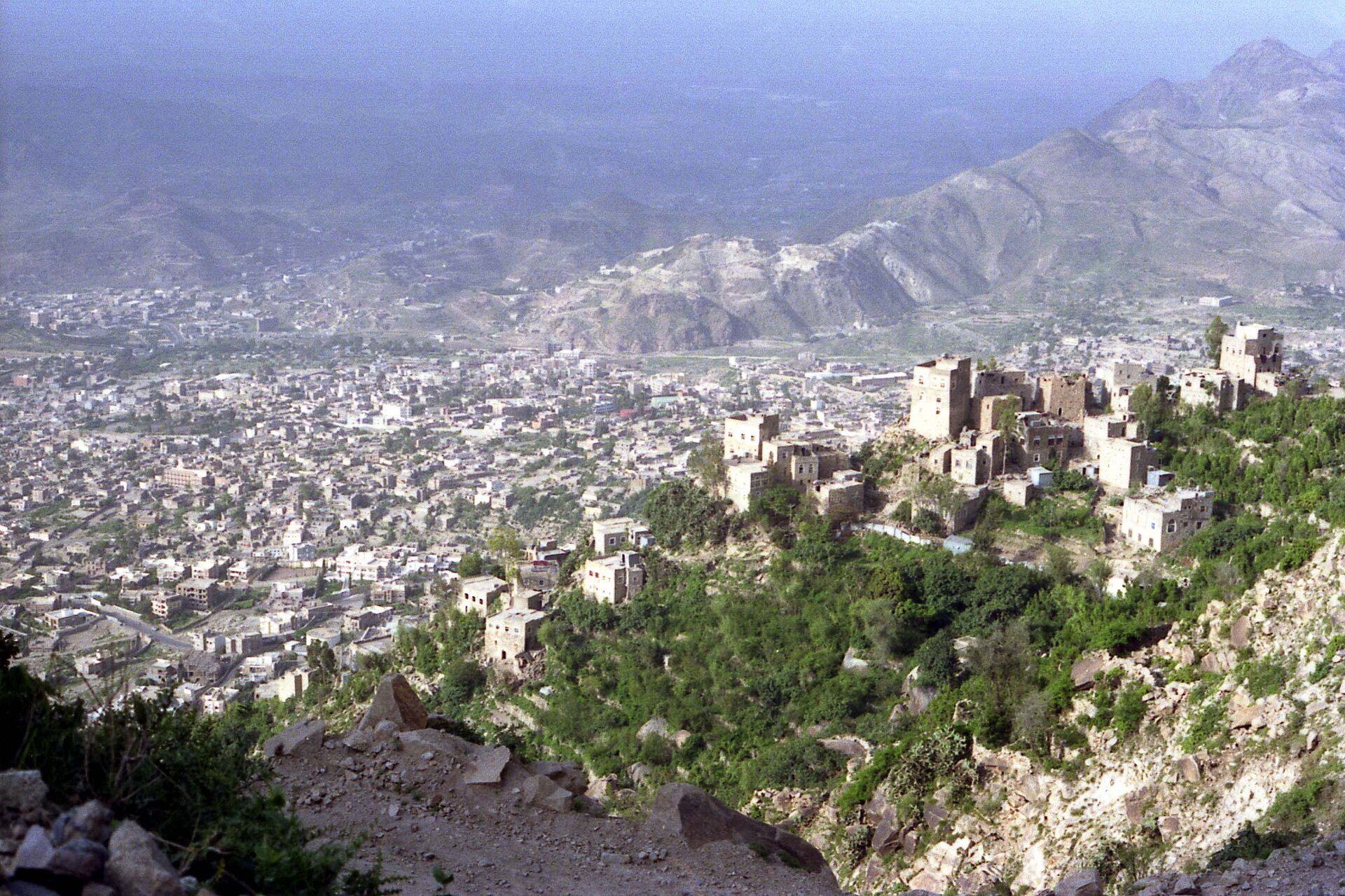
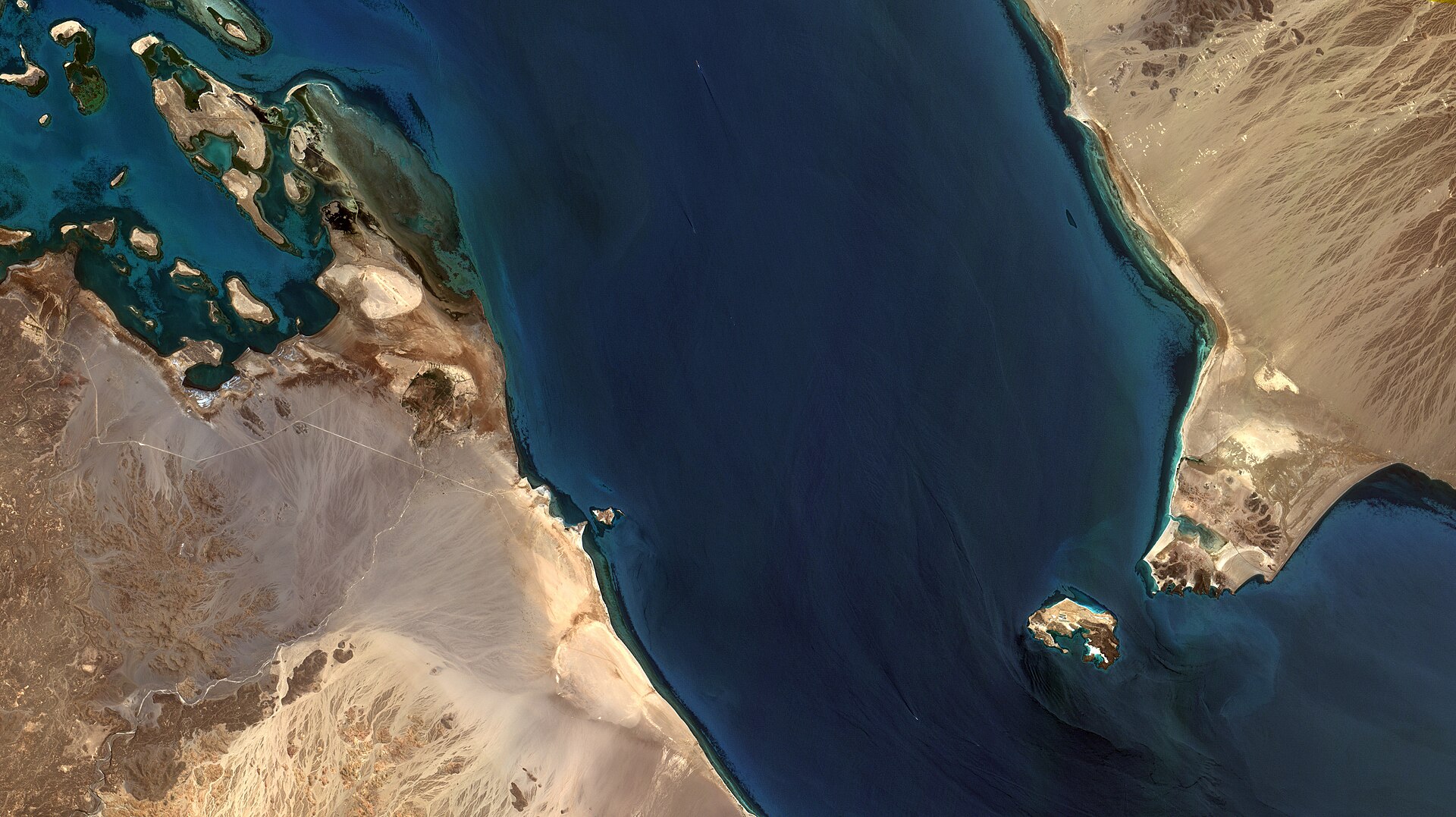
The Kahboub range spans Taiz and Lahj provinces in southwestern Yemen. Some of its peaks sit roughly 40 km from the Bab al-Mandeb Strait, according to Al Jazeera’s September 22 analysis. The range’s elevation provides potential line-of-sight over the strait and serves as a gateway toward Aden.
From those heights, missile and drone teams could target shipping approaching or leaving the strait without forward-deploying to exposed coastal positions, Al Jazeera’s analysis noted. The mountains also anchor any defensive line the Houthis hold along the Red Sea coast.
“The mountains are the natural wall that protects the Houthis’ rear on the coast.”
— Faozi Al-Goidi, Yemeni analyst, Al Jazeera
Bab al-Mandeb carries roughly 10 percent of global maritime trade and 12 percent of the world’s crude oil shipments, according to Middle East Monitor. Before the current war, roughly 70 ships transited the strait daily. By late October, that average had fallen to roughly 25 ships per day, according to IMF PortWatch data.
Saudi crude exports from Yanbu surged as the kingdom shifted shipments away from Gulf coast terminals blocked by Iranian mines, with Asian buyers absorbing most of the redirected supply. Yanbu became the primary route for the kingdom’s remaining output.
“This is not an easy battle,” Mohammed al-Basha, a Yemeni analyst, told Al Jazeera. Control of a single hilltop in the range can come at heavy cost, he said. The terrain — steep ridgelines, limited vehicle access, and long supply lines from government-held lowlands — has historically favored defenders.
Two Chokepoints Under Simultaneous Pressure
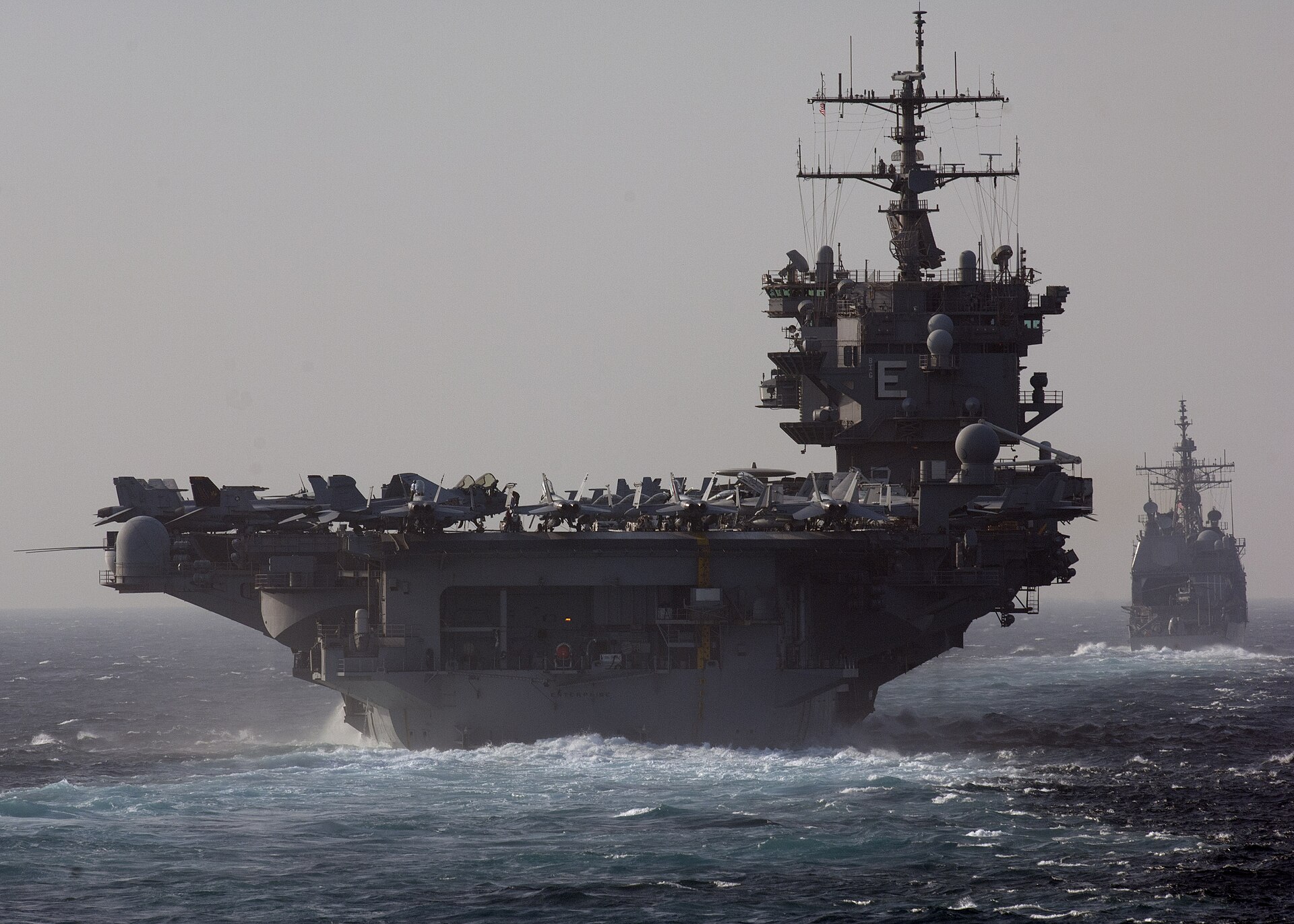
The Kahboub claim arrived on the same day that Iran’s Islamic Revolutionary Guard Corps claimed two more tankers had hit mines in the Strait of Hormuz. Iran declared Hormuz closed to commercial traffic on October 26. Before the current conflict, the strait handled roughly 138 vessel transits per day, according to the Joint Maritime Information Center.
When Iran first disrupted Hormuz earlier in 2026, Saudi Arabia diverted crude to Yanbu via the East-West pipeline. That line was suspended on September 11 as a precaution after fighting reached the Red Sea coast and only restarted on September 22, according to Saudi Gazette via Zawya. The Houthis declared a maritime embargo on Saudi Arabia on July 20, according to CNBC, and then moved to seize physical positions along the strait.
They took the Red Sea port of Mokha on September 10 and Perim Island — also known as Mayyun, which sits in the middle of the Bab al-Mandeb strait — the following day, according to NBC News. A Houthi commander said after Mokha’s fall that Bab al-Mandeb “can be considered under the administration of our forces,” according to The National. The government later claimed to have re-secured the area, but the current status of Perim Island remains unclear.
Saudi Arabia now has no uncontested maritime export route. Gulf coast terminals face Iranian mines in the Hormuz passage. Red Sea shipments from Yanbu face Houthi interdiction at Bab al-Mandeb. The East-West pipeline connecting the two coasts was itself suspended for 11 days in September and has since been targeted by Houthi drones.
Andreas Krieg of King’s College London told NBC News that the Houthis were attacking “both pillars of Saudi security simultaneously.” Their ability to threaten Bab al-Mandeb would give them “a dramatically stronger ability to contest and deny commercial use of the waterway,” he said.
Richard Goldberg of the Foundation for Defense of Democracies offered a different reading. “Unlike Hormuz, shippers can go around the Red Sea if they really need to,” he told Fox News, adding that the detour “adds cost and time” but is not a single point of failure.
Amr Al Bidh of the Southern Transitional Council told Fox News that “naval presence protects individual ships. It does not take away Houthi launch sites.” The Makkah Joint Defence Pact — ratified by Turkey’s parliament on November 5 — was designed in part to address that gap, but its ground forces have yet to reach the Kahboub front.
Brig. Gen. Yasser Saleh of the Yemen Future Center for Strategic Studies told Alhurra that government forces’ shortage of air-defense capabilities was leaving them under severe pressure on the southwestern front. A Houthi takeover of the nearby town of Numan could let the group outflank government positions in Kahboub, he warned. Diplomatic efforts to ease the Hormuz standoff have so far not extended to the parallel threat at Bab al-Mandeb.
A Range That Has Changed Hands Before
Kahboub has been fought over since the early years of the Yemen war. The Houthis first seized the range in 2015, a year after taking Sanaa. Government forces, backed by the Saudi-led coalition, retook it in a 2017 campaign, according to The National.
The range lay largely inactive during the 2022 truce. When the ceasefire collapsed in July 2026, fighting resumed along the southwestern front almost immediately, according to the BBC. The Houthis launched a coastal offensive in September, seizing Mokha on September 10. Euronews reported more than 500 fighters killed in the fighting since the week before Mokha fell.
The fighting since September has been concentrated along a corridor stretching from the Mokha coast inland through the Dhubab district to the Kahboub heights. Coalition air support has backed government ground forces, while the Houthis have relied on anti-tank missiles, drones, and — according to the November 6 claim — close-range infiltration.
Ahmad Nagi of the International Crisis Group told The National that the Houthis were “trying to avoid their earlier mistakes by consolidating gains before moving into more exposed areas.” Progress “might be slow depending on government forces’ response, Saudi air support, and Houthi willingness to take casualties,” he said.
Yemen government forces said on September 18 that they had regained full control of Kahboub, according to Yemen Monitor. The coalition launched Operation Dawn of Yemen on October 4-5, and the government soon after claimed to have retaken the range. The November 6 Houthi assertion, if accurate, would mark the range’s third change of hands in under two months.
Since the July 2026 collapse of the truce, the fighting across Yemen’s fronts has killed 1,771 people and injured 7,959, according to Health Cluster data reported by Asharq Al-Awsat through the end of October. The International Organization for Migration counted more than 300,000 displaced.
Frequently Asked Questions
What is the Makkah Joint Defence Pact?
The Makkah pact, signed on August 7, 2026, treats an attack on one signatory as an attack on all, according to Kuwait Times and AFP. Saudi Arabia, Pakistan, and Turkey are the core members. Turkey’s parliament ratified the agreement on November 5 with a vote of 279-119, according to Anadolu Agency. An emergency meeting of the pact’s committee in Riyadh agreed in October to “activate collective deterrence measures,” according to Al Jazeera.
What role has Pakistan played on the Yemen front?
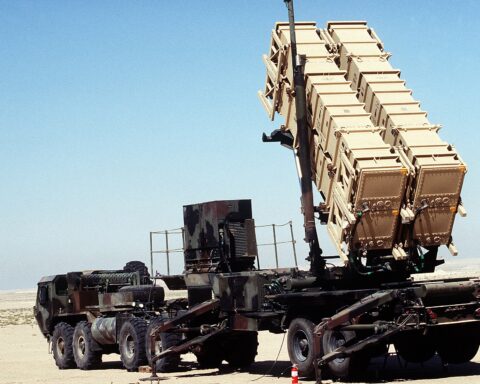
Pakistan delivered a formal warning to Tehran on September 8, on Saudi Arabia’s behalf, demanding that Iran restrain the Houthis, according to The National. About 8,000 Pakistani troops are deployed in Saudi Arabia alongside JF-17 fighter jets, two drone squadrons, and an HQ-9 air defense system financed by Riyadh, according to Reuters. Pakistan’s defense minister said that combat “is practically being conducted by Saudi Arabia’s own forces,” according to Al Jazeera, suggesting that Pakistani troops have so far played a supporting rather than frontline role on the Yemen battlefields.
What are the Houthis’ broader objectives in southwestern Yemen?
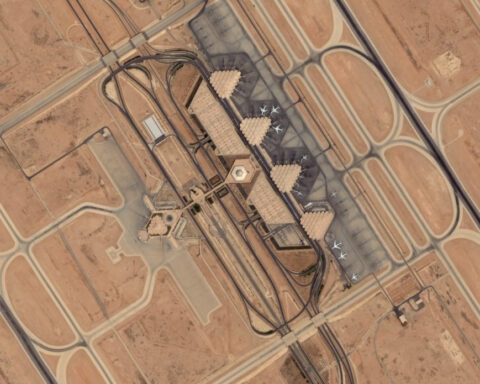
Mohammed Al Qadhi, a Yemeni analyst, told The National that “the Houthis want the mountains to protect their rear if they need to defend their positions.” In late October, the group launched a three-pronged offensive in northern Lahj, seizing Al-Maqatirah Castle despite coalition airstrikes, according to Asharq Al-Awsat. The Houthis have simultaneously intensified attacks on Saudi cities, including ballistic missiles aimed at airports, creating multi-front pressure that stretches government and coalition air defenses.
What is the East-West pipeline’s current status?
The pipeline, which has a design capacity of roughly 7 million barrels per day according to Saudi Gazette, connects Saudi Arabia’s Gulf coast oil fields to Yanbu on the Red Sea. In late October, the Houthis claimed drone attacks on pipeline pumping stations. Saudi authorities have not disclosed the extent of any damage. Full capacity restoration after the September restart “could take six weeks or more,” according to Reuters as reported by Baird Maritime.
The House of Saud Daily Briefing
Saudi Arabia's news in 3 minutes, every morning. Free. See today's issue